
デジタル市民
Digital citizen
☆
デジタル市民[digital
citizen]という用語は異なる意味で使われる。カレン・モスバーガー(『デジタル市民権:インターネット、社会、参加』の共著者)の定義に
よれば、デジタル市民とは「インターネットを定期的に効果的に利用する者」である。この意味では、デジタル市民とは情報技術(IT)を用いて社会・政治・
行政に参加する人格を指す。
より近年の概念展開では、デジタル市民権を「デジタル技術を通じて社会における自身の役割を自ら実現する行為」と定義し、市民権概念のエンパワーメントと
民主化特性を強調している。これらの理論は、現代社会のデータ化が急速に進展している現状(スノーデン事件に象徴される)を考慮し、「データ化された社会
における(デジタル)市民であること」の意味を根本的に問い直すことを目的としている。[2]
これは「アルゴリズム社会」[3]とも呼ばれ、社会生活のデータ化が進み、監視実践が遍在する特徴を持つ。監視と監視資本主義、人工知能の活用、ビッグ
データ参照のこと。
データ化は市民権という概念そのものに重大な課題を突きつける。データ収集はもはや単なるプライバシー問題とは見なせない[2]。つまり:
オンライン上での市民であることが既に何かを意味している(参加能力であれ安全確保能力であれ)と単純に仮定し、その意味に適合する行動をとる者を求める
だけでは不十分だ[4]
むしろデジタル市民権の概念は、技術が個人として、また市民としての私たちの主体性を形作る以上、もはや単なる「利用者」ではないという考えを反映すべき
である。
デジタル市民権とは、オンライン上で関わり、信頼できる情報源を見つけ、人権を保護・促進するために、技術を有責任かつ敬意を持って利用することである
[1][2][3][4]。あらゆるオンラインプラットフォームで、コミュニケーション、協働、積極的な行動をとるスキルを教える[2][3]。また、共
感、プライバシー保護、データ侵害や個人情報の盗難を防ぐためのセキュリティ対策も教える。
| The term digital
citizen is used with different meanings. According to the
definition
provided by Karen Mossberger, one of the authors of Digital
Citizenship: The Internet, Society, and Participation,[1] digital
citizens are "those who use the internet regularly and effectively." In
this sense, a digital citizen is a person using information technology
(IT) in order to engage in society, politics, and government. More recent elaborations of the concept define digital citizenship as the self-enactment of people’s role in society through the use of digital technologies, stressing the empowering and democratizing characteristics of the citizenship idea. These theories aim at taking into account the ever increasing datafication of contemporary societies (as can be symbolically linked to the Snowden leaks), which radically called into question the meaning of “being (digital) citizens in a datafied society”,[2] also referred to as the “algorithmic society”,[3] which is characterised by the increasing datafication of social life and the pervasive presence of surveillance practices – see surveillance and surveillance capitalism, the use of artificial intelligence, and Big Data. Datafication presents crucial challenges for the very notion of citizenship, so that data collection can no longer be seen as an issue of privacy alone[2] so that: We cannot simply assume that being a citizen online already means something (whether it is the ability to participate or the ability to stay safe) and then look for those whose conduct conforms to this meaning [4] Instead, the idea of digital citizenship shall reflect the idea that we are no longer mere “users” of technologies since they shape our agency both as individuals and as citizens. Digital citizenship is the responsible and respectful use of technology to engage online, find reliable sources, and protect and promote human rights.[1][2][3][4] It teaches skills to communicate, collaborate, and act positively on any online platform.[2][3] It also teaches empathy, privacy protection, and security measures to prevent data breaches and identity theft. |
デジタル市民[digital
citizen]という用語は異なる意味で使われる。カレン・モスバーガー
(『デジタル市民権:インターネット、社会、参加』の共著者)の定義によれば、デジタル市民とは「インターネットを定期的に効果的に利用する者」である。
この意味では、デジタル市民とは情報技術(IT)を用いて社会・政治・行政に参加する人格を指す。 より近年の概念展開では、デジタル市民権を「デジタル技術を通じて社会における自身の役割を自ら実現する行為」と定義し、市民権概念のエンパワーメントと 民主化特性を強調している。これらの理論は、現代社会のデータ化が急速に進展している現状(スノーデン事件に象徴される)を考慮し、「データ化された社会 における(デジタル)市民であること」の意味を根本的に問い直すことを目的としている。[2] これは「アルゴリズム社会」[3]とも呼ばれ、社会生活のデータ化が進み、監視実践が遍在する特徴を持つ。監視と監視資本主義、人工知能の活用、ビッグ データ参照のこと。 データ化は市民権という概念そのものに重大な課題を突きつける。データ収集はもはや単なるプライバシー問題とは見なせない[2]。つまり: オンライン上での市民であることが既に何かを意味している(参加能力であれ安全確保能力であれ)と単純に仮定し、その意味に適合する行動をとる者を求める だけでは不十分だ[4] むしろデジタル市民権の概念は、技術が個人として、また市民としての私たちの主体性を形作る以上、もはや単なる「利用者」ではないという考えを反映すべき である。 デジタル市民権とは、オンライン上で関わり、信頼できる情報源を見つけ、人権を保護・促進するために、技術を有責任かつ敬意を持って利用することである [1][2][3][4]。あらゆるオンラインプラットフォームで、コミュニケーション、協働、積極的な行動をとるスキルを教える[2][3]。また、共 感、プライバシー保護、データ侵害や個人情報の盗難を防ぐためのセキュリティ対策も教える。 |
 Every year the Federal Partners in Bullying Prevention hosts a summit to highlight its work to prevent cyberbullying, especially in schools and amongst students, in efforts to become responsible digital citizens. |
毎年、いじめ防止のための連邦パートナーシップはサミットを開催し、特に学校や生徒間におけるネットいじめ防止の取り組みを強調している。これは責任ある デジタル市民となるための努力の一環である。 |
| Digital citizenship in the
"algorithmic society" In the context of the algorithmic society, the question of digital citizenship "becomes one of the extents to which subjects are able to challenge, avoid or mediate their data double in this datafied society”.[2] These reflections put the emphasis on the idea of the digital space (or cyberspace) as a political space where the respect of fundamental rights of the individual shall be granted (with reference both to the traditional ones as well as to new specific rights of the internet [see “digital constitutionalism”]) and where the agency and the identity of the individuals as citizens is at stake. This idea of digital citizenship is thought to be not only active but also performative, in the sense that “in societies that are increasingly mediated through digital technologies, digital acts become important means through which citizens create, enact and perform their role in society.”[2] In particular, for Isin and Ruppert this points towards an active meaning of (digital) citizenship based on the idea that we constitute ourselves as digital citizen by claiming rights on the internet, either by saying or by doing something.[4] |
アルゴリズム社会におけるデジタル市民権 アルゴリズム社会という文脈において、デジタル市民権の問題は「データ化された社会において、主体が自らのデータ上の分身にどの程度まで挑戦し、回避し、 あるいは仲介できるかという問題となる」。[2] こうした考察は、デジタル空間(あるいはサイバースペース)を、個人の基本的権利(伝統的な権利とインターネット特有の新権利の両方を含む[「デジタル憲 法主義」参照])が尊重されるべき政治的空間として位置づける。そこでは、市民としての個人の主体性とアイデンティティが問われている。このデジタル市民 権の概念は、単に能動的であるだけでなく、言語遂行的でもあると考えられている。つまり「デジタル技術によって媒介される度合いが高まる社会において、デ ジタル行為は市民が社会における自らの役割を創造し、実行し、演じるための重要な手段となる」のである[2]。 特にイシンとルパートによれば、これは(デジタル)市民権の能動的意味を指し示す。すなわち、我々はインターネット上で権利を主張し、発言や行動を通じて 自らをデジタル市民として構成するという考え方に基づくのである[4]。 |
| Types of digital participation People who characterize themselves as digital citizens often use IT extensively—creating blogs, using social networks, and participating in online journalism.[5] Although digital citizenship begins when any child, teen, or adult signs up for an email address, posts pictures online, uses e-commerce to buy merchandise online, and/or participates in any electronic function that is B2B or B2C, the process of becoming a digital citizen goes beyond simple internet activity. According to Thomas Humphrey Marshall, a British sociologist known for his work on social citizenship, a primary framework of citizenship comprises three different traditions: liberalism, republicanism, and ascriptive hierarchy. Within this framework, the digital citizen needs to exist in order to promote equal economic opportunities and increase political participation.[6] In this way, digital technology helps to lower the barriers to entry for participation as a citizen within a society. They also have a comprehensive understanding of digital citizenship, which is the appropriate and responsible behavior when using technology.[7] Since digital citizenship evaluates the quality of an individual's response to membership in a digital community, it often requires the participation of all community members, both visible and those who are less visible.[8] A large part in being a responsible digital citizen encompasses digital literacy, etiquette, online safety, and an acknowledgement of private versus public information.[9][10][11] The development of digital citizen participation can be divided into two main stages.[12] The first stage is through information dissemination, which includes subcategories of its own:[12] static information dissemination, characterized largely by citizens who use read-only websites where they take control of data from credible sources in order to formulate judgments or facts. Many of these websites where credible information may be found are provided by the government. dynamic information dissemination, which is more interactive and involves citizens as well as public servants. Both questions and answers can be communicated, and citizens have the opportunity to engage in question-and-answer dialogues through two-way communication platforms The second stage of digital citizen participation is citizen deliberation, which evaluates what type of participation and role that they play when attempting to ignite some sort of policy change. static citizen participants can play a role by engaging in online polls as well as through complaints and recommendations sent up, mainly toward the government who can create changes in policy decisions. dynamic citizen participants can deliberate amongst others on their thoughts and recommendations in town hall meetings or various media sites. One of the primary advantages of participating in online debates through digital citizenship is that it incorporates social inclusion. In a report on civic engagement, citizen-powered democracy can be initiated either through information shared through the web, direct communication signals made by the state toward the public, and social media tactics from both private and public companies.[13] In fact, it was found that the community-based nature of social media platforms allow individuals to feel more socially included and informed about political issues that peers have also been found to engage with, otherwise known as a "second-order effect."[14] Understanding strategic marketing on social media would further explain social media customers’ participation. Two types of opportunities rise as a result, the first being the ability to lower barriers that can make exchanges much easier. In addition, they have the chance to participate in transformative disruption, giving people who have a historically lower political engagement to mobilize in a much easier and convenient fashion. Nonetheless, there are several challenges that face the presence of digital technologies in political participation. Both current as well as potential challenges can create significant risks for democratic processes. Not only is digital technology still seen as relatively ambiguous, it was also seen to have "less inclusivity in democratic life."[15] Demographic groups differ considerably in the use of technology, and thus, one group could potentially be more represented than another as a result of digital participation. Another primary challenge consists in the ideology of a "filter bubble" effect. Alongside a tremendous spread of false information, internet users could reinforce existing prejudices and assist in polarizing disagreements in the public sphere. This can lead to misinformed voting and decisions based on exposure rather than on pure knowledge. A communication technology director, Van Dijk,[16] stated, "Computerized information campaigns and mass public information systems have to be designed and supported in such a way that they help to narrow the gap between the 'information rich' and 'information poor' otherwise the spontaneous development of ICT will widen it." Access and equivalent amounts of knowledge behind digital technology must be equivalent in order for a fair system to put into place. |
デジタル参加の形態 自らをデジタル市民と位置付ける人々は、ブログの作成、ソーシャルネットワークの利用、オンラインジャーナリズムへの参加など、ITを多用する傾向があ る。[5] デジタル市民としての歩みは、子供や青少年、大人がメールアドレスを取得したり、オンラインに写真を投稿したり、電子商取引で商品を購入したり、B2Bや B2Cの電子機能に参加したりする時点で始まる。しかし、デジタル市民となる過程は、単なるインターネット活動を超えたものである。社会市民権の研究で知 られる英国社会学者トーマス・ハンフリー・マーシャルによれば、市民権の主要な枠組みは三つの異なる伝統——自由主義、共和主義、帰属的階層——で構成さ れる。この枠組みにおいて、デジタル市民は平等な経済機会を促進し、政治参加を拡大するために存在する必要がある[6]。このように、デジタル技術は社会 における市民としての参加への参入障壁を低下させるのに役立つ。 彼らはまた、デジタル市民権について包括的な理解を持っている。これは技術を利用する際に適切な責任ある行動を指す。[7] デジタル市民権は、デジタルコミュニティへの所属に対する個人の対応の質を評価するため、目に見えるメンバーとそうでないメンバーの両方の参加を必要とす ることが多い。[8] 責任あるデジタル市民であるためには、デジタルリテラシー、エチケット、オンライン安全、そして私的情報と公的情報の区別を理解することが重要だ。[9] [10][11] デジタル市民参加の発展は、主に二つの段階に分けられる。[12] 第一段階は情報拡散を通じたもので、これには以下のサブカテゴリーが含まれる。[12] 静的情報伝達:主に市民が閲覧専用ウェブサイトを利用し、信頼できる情報源からデータを取得して判断や事実形成を行う特徴を持つ。信頼できる情報を提供す るウェブサイトの多くは政府によって運営されている。 動的情報伝達:より双方向性が高く、市民と公務員双方が関与する。質問と回答の双方が伝達可能であり、市民は双方向コミュニケーションプラットフォームを 通じて質疑応答の対話に参加する機会を持つ。 デジタル市民参加の第二段階は市民熟議であり、政策変更を促す際に果たす参加形態と役割を評価する。 静的な市民参加者は、主に政策決定の変更を促す政府に向けて、オンライン投票への参加や苦情・提言の提出を通じて役割を果たせる。 動的な市民参加者は、タウンホールミーティングや各種メディアサイトで、他者と意見や提言を熟議し合える。 デジタル市民権を通じたオンライン討論参加の主な利点の一つは、社会的包摂を組み込める点だ。市民参加に関する報告書によれば、市民主導の民主主義は、 ウェブ経由の情報共有、国家による国民への直接的コミュニケーション信号、民間・公共企業双方のソーシャルメディア戦略のいずれかを通じて開始され得る。 [13] 実際、ソーシャルメディアプラットフォームのコミュニティベースの性質は、個人がより社会的包摂を感じ、仲間も関与している政治問題について情報を得られ ることを可能にする。これは「二次的効果」として知られる現象だ。[14] ソーシャルメディア上の戦略的マーケティングを理解することは、ソーシャルメディア利用者の参加をさらに説明し得る。その結果として二種類の機会が生まれ る。第一に、交流を容易にする障壁を低減する能力である。さらに、変革的な破壊的イノベーションへの参加機会も生まれる。これにより、歴史的に政治参加が 低かった層も、より容易で便利な方法で動員される可能性がある。 しかしながら、政治参加におけるデジタル技術の存在にはいくつかの課題が存在する。現在および潜在的な課題のいずれも、民主的プロセスに重大なリスクをも たらしうる。デジタル技術は依然として比較的曖昧なものと見なされているだけでなく、「民主的生活における包摂性の低さ」も指摘されている。[15] 人口統計学的グループは技術利用において大きく異なり、デジタル参加の結果としてあるグループが他より過度に代表される可能性がある。もう一つの主要な課 題は「フィルターバブル」効果のイデオロギーにある。虚偽情報の膨大な拡散と並行して、インターネット利用者は既存の偏見を強化し、公共圏における意見の 対立を二極化する一助となり得る。これは誤った情報に基づく投票や、純粋な知識ではなく情報接触量に基づいた意思決定を招きかねない。 |
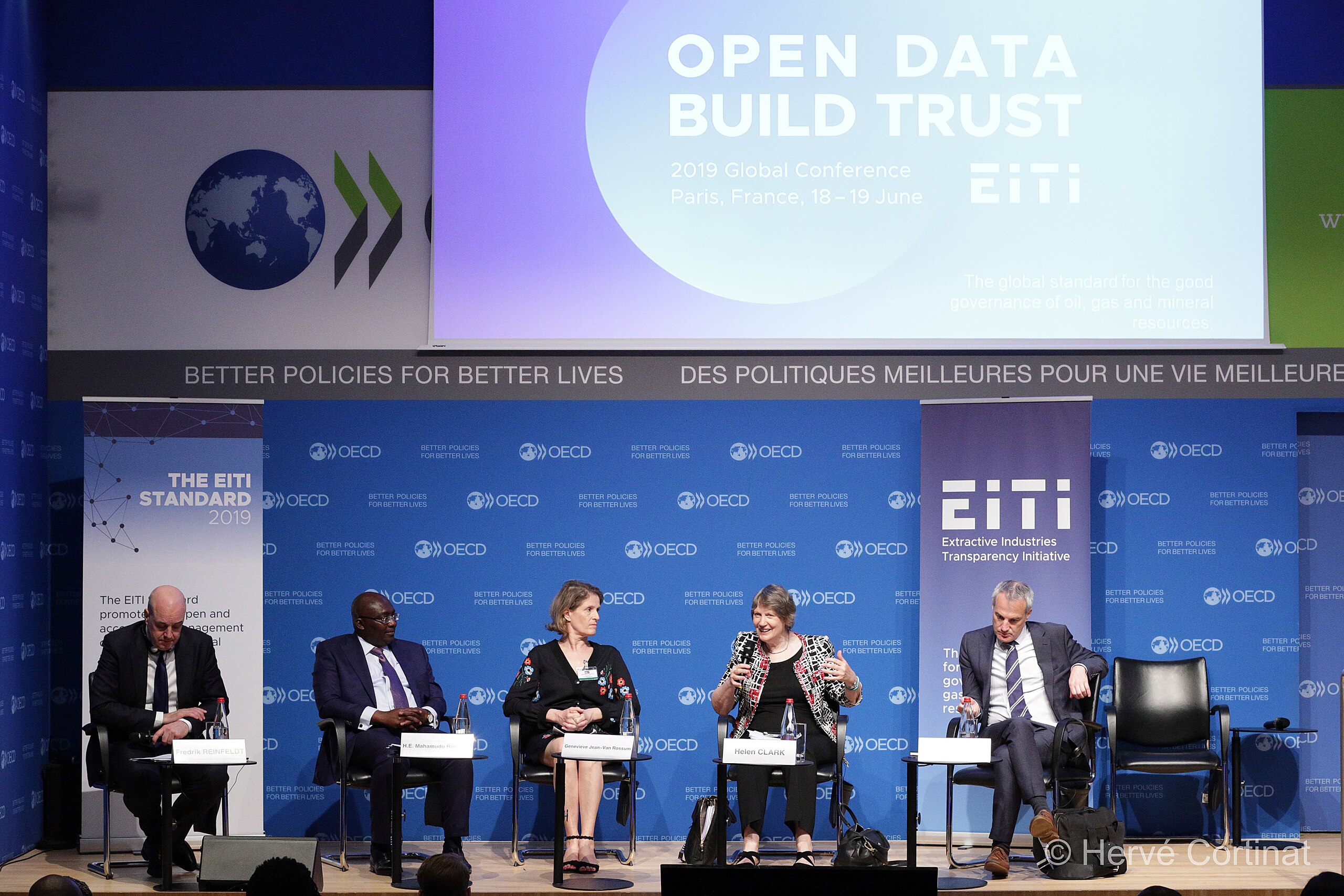 Hosted by the Government of France at the OECD Conference Centre in Paris, representatives discussed trust in data and how we can use data to spread openness in addressing environmental challenges. Alongside a lack of evidenced support for technology that can be proven to be safe for citizens, the OECD has identified five struggles for the online engagement of citizens:[17] 1. Scale: To what extent can a society allow every individual's voice to be heard, but also not be lost in the mass debate? This can be extremely challenging for the government, which may not effectively know how to listen and respond to each individual contribution. 2. Capacity: How can digital technology offer citizens more information on public policy-making? The opportunity for citizens to debate with one another is lacking for active citizenship. 3. Coherence: The government is yet to design a more holistic view of the policy-making cycle and the use of design technology to better prepare information from citizens in each stage of the policy-making cycle. 4. Evaluation: There is a greater need now than ever before to figure out whether or not the online engagement can help meet the citizen as well as the government's objectives. 5. Commitment: Is the government committed to analyze and use citizen's public input, and how can this process be validated more regularly? |
フランス政府主催でパリのOECD会議センターで開催された会議では、データへの信頼と、環境課題への取り組みにおいてデータを活用して透明性を広げる方 法について代表者らが議論した。 市民にとって安全と証明できる技術に対する実証的裏付けの不足に加え、OECDは市民のオンライン参加において以下の5つの課題を特定している: [17] 1. 規模:社会はどの程度まで、個々の声を聞きつつも集団討論の中で埋もれさせないことができるか?政府にとってこれは極めて困難な課題であり、個々の意見に 効果的に耳を傾け対応する方法が分からない場合がある。 2. 能力:デジタル技術は公共政策決定に関する情報を市民にどう提供できるか?市民が互いに議論する機会が不足しており、積極的な市民参加が阻まれている。 3. 一貫性:政府は政策決定サイクル全体を包括的に捉え、各段階で市民からの情報を効果的に活用するためのデザイン技術導入をまだ設計していない。 4. 評価:オンライン参加が市民と政府双方の目標達成に寄与するかどうかを、これまで以上に明確に検証する必要性が高まっている。 5. コミットメント:政府は市民の公開意見分析・活用に真剣に取り組んでいるのか。このプロセスを定期的に検証する方法は何か。 |
| Developed states and developing
countries Highly developed states possess the capacity to link their respective governments with digital sites. Such sites function in ways such as publicizing recent legislation, current, and future policy objectives; lending agency toward political candidates; and/or allowing citizens to voice themselves in a political way. Likewise, the emergence of these sites has been linked to increased voting advocacy. Lack of access to technology can be a serious obstacle in becoming a digital citizen, since many elementary procedures such as tax report filing, birth registration, and use of websites to support candidates in political campaigns (e-democracy) have become available solely via the internet. Furthermore, many cultural and commercial entities only publicize information on web pages. Non-digital citizens will not be able to retrieve this information, and this may lead to social isolation or economic stagnation.[citation needed] The gap between digital citizens and non-digital citizens is often referred as the digital divide. In developing countries, digital citizens are fewer. They consist of the people who use technology to overcome local obstacles including development issues, corruption, and even military conflict.[18] Examples of such citizens include users of Ushahidi during the 2007 disputed Kenyan election and protesters in the Arab Spring movements who used media to document repression of protests. Currently, the digital divide is a subject of academic debate as access to the internet has increased in these developing countries, but the place in which it is accessed (work, home, public library, etc.) has a significant effect on how much access will be used, if even in a manner related to the citizenry. Recent scholarship has correlated the desire to be technologically proficient with greater belief in computer access equity, and thus, digital citizenship (Shelley, et al.).[full citation needed] On the other side of the divide, one example of a highly developed digital technology program in a wealthy state is the e-Residency of Estonia. This form of digital residency allows both citizens and non-citizens of the state to pursue business opportunities in a digital business environment.[19] The application is simple; residents can fill out a form with their passport and photograph alongside the reason for applying. Following a successful application, the "e-residency" will allow them to register a company, sign documents, make online banking declarations, and file medical prescriptions online, though they will be tracked through financial footprints. The project plans to cover over 10 million e-residents by 2025 and as of April 2019, there were over 54,000 participants from over 162 countries that have expressed an interest, contributing millions of dollars to the country's economy and assisting in access to any public service online.[20] Other benefits include hassle-free administration, lower business costs, access to the European Union market, and a broad range of e-services.[21] Though the program is designed for entrepreneurs, Estonia hopes to value transparency and resourcefulness as a cause for other companies to implement similar policies domestically. In 2021, Estonia's neighbor Lithuania launched a similar e-Residency program.[22] Nonetheless, Estonia's e-Residency system has been subject to criticism. Many have pointed out that tax treaties within their own countries will play a major role in preventing this idea from spreading to more countries. Another risk is politically for governments to sustain "funding and legislative priorities across different coalitions of power."[23] Most importantly, the threat of cyberattacks may disrupt the seemingly optimal idea of having a platform for eIDs, as Estonia suffered its own massive cyberattack in 2007 by Russian hacktivists. Today, the protection of digital services and databases is essential to national security, and many countries are still hesitant to take the next step forward to promote a new system that will change the scale of politics with all its citizens.[citation needed] |
先進国と発展途上国 高度に発展した国々は、政府とデジタルサイトを連携させる能力を持つ。こうしたサイトは、最新の法律や現行・将来の政策目標を公表したり、政治候補者への 支援を提供したり、市民が政治的に意見を表明できるようにするなどの機能を果たす。同様に、これらのサイトの出現は投票促進活動の増加と関連している。技 術へのアクセス不足は、デジタル市民となる上での重大な障壁となり得る。税務申告、出生登録、選挙運動における候補者支援(電子民主主義)といった基本的 な手続きの多くが、インターネット経由でのみ利用可能となっているためだ。さらに、多くの文化・商業団体は情報をウェブページ上でしか公開しない。非デジ タル市民はこうした情報を入手できず、社会的孤立や経済的停滞を招く恐れがある。[出典が必要] デジタル市民と非デジタル市民の間の格差は、しばしばデジタルデバイドと呼ばれる。発展途上国では、デジタル市民は少数派である。彼らは、開発問題、汚 職、さらには軍事紛争といった地域の障壁を技術で克服する人々で構成される。その例としては、2007年のケニア大統領選挙争議時にウシャヒディを利用し た人々や、アラブの春運動で抗議活動弾圧を記録するためにメディアを活用した抗議者たちが挙げられる。現在、インターネットへのアクセスが途上国で拡大し たことで、デジタルデバイドは学術的な議論の対象となっている。しかし、アクセス場所(職場、自宅、公共図書館など)が、市民活動に関連する形でアクセス がどれだけ活用されるかに大きな影響を与える。近年の研究では、技術的習熟への欲求とコンピューターアクセスの公平性への強い信念、ひいてはデジタル市民 権との相関関係が示されている(Shelleyら)。[出典明記が必要] この格差の反対側では、富裕国における高度に発達したデジタル技術プログラムの一例として、エストニアのe-Residency(電子居住権)がある。こ のデジタル居住権制度は、同国の市民と非市民の双方がデジタルビジネス環境で事業機会を追求することを可能にする。[19] 申請手続きは簡素で、居住希望者はパスポートと写真、申請理由を記入したフォームを提出する。申請が承認されると「e-residency」により、会社 設立、書類への署名、オンライン銀行取引の申告、医療処方箋のオンライン提出が可能となるが、金融取引履歴を通じて追跡される。このプロジェクトは 2025年までに1000万人以上のe-residentを目標としており、2019年4月時点で162カ国以上から54,000人以上が参加を表明。同 国経済に数百万ドルを貢献し、あらゆる公共サービスをオンラインで利用可能にしている。[20] その他の利点として、煩雑な手続きの省略、事業コストの削減、欧州連合市場へのアクセス、幅広い電子サービスの利用が挙げられる。[21] 本プログラムは起業家向けに設計されているが、エストニアは透明性と創意工夫を重視し、他国企業が国内で同様の政策を導入する契機となることを期待してい る。2021年にはエストニアの隣国リトアニアも同様の電子居住者プログラムを開始した。[22] しかしながら、エストニアの電子居住者制度は批判の対象となっている。多くの専門家が、各国の租税条約がこの制度の他国への普及を阻害する主要因となると 指摘している。もう一つのリスクは、政治的に政府が「異なる権力連合間での資金調達と立法優先事項」を維持することだ。[23] 何よりも重要なのは、サイバー攻撃の脅威が電子IDプラットフォームという一見理想的な構想を阻害する可能性がある点だ。エストニア自身も2007年にロ シアのハクティビストによる大規模なサイバー攻撃を受けた苦悩があった。今日、デジタルサービスとデータベースの保護は国家安全保障に不可欠であり、多く の国々は依然として、国民全員を対象に政治の規模を変える新たなシステムを推進する次の段階へ踏み出すことに躊躇している。[出典が必要] |
| Other forms of digital divide Within developed countries, the digital divide, other than economic differences, is attributed to educational levels. A study conducted by the United States National Telecommunications and Information Administration determined that the gap in computer usage and internet access widened 7.8% and 25% between those with the most and least educated, and it has been observed that those with college degrees or higher are 10 times more likely to have internet access at work when compared with those with only a high school education.[24] A digital divide often extends along specific racial lines as well. The difference in computer usage grew by 39.2% between White and Black households and by 42.6% between White and Hispanic households only three years ago.[when?] Race can also affect the number of computers at school, and as expected, gaps between racial groups narrow at higher income levels while widening among households at lower economic levels. Racial disparities have been proven to exist irrespective of income, and in a cultural study to determine reasons for the divide other than income, in accordance to the Hispanic community, computers were seen as a luxury, not a need. Participants collectively stated that computer activities isolated individuals and took away valuable time from family activities. In the African-American community, it was observed that they historically have had negative encounters with technological innovations, and with Asian-Americans, education was emphasized, and thus, there was a larger number of people who embraced the rise in technological advances.[25] An educational divide also takes place as a result of differences in the use of daily technology. In a report analyzed by the ACT Center for Equity in Learning, "85% of respondents reported having access to anywhere from two to five devices at home. The remaining one percent of respondents reported having access to no devices at home."[26] For the 14% of respondents with one device at home, many of them reported the need to share these devices with other household members, facing challenges that are often overlooked. The data all suggest that wealthier families have access to more devices. In addition, out of the respondents that only used one device at home, 24% of them lived in rural areas, and over half reported that this one device was a smartphone; this could make completing schoolwork assignments more difficult. The ACT recommended that underserved students need access to more devices and higher-quality networks, and educators should do their best to ensure that students can find as many electronic materials through their phones to not place a burden on family plans.[citation needed] |
デジタルデバイドの他の形態 先進国において、経済的格差以外のデジタルデバイドは教育水準に起因する。米国国家電気通信情報局(NTIA)の調査によれば、コンピュータ利用率とイン ターネット接続率の格差は、教育水準が最も高い層と最も低い層の間でそれぞれ7.8%、25%拡大している。また、大学卒以上の学歴を持つ者は、高校卒業 のみの人々と比べて職場でのインターネット接続率が10倍高いことが確認されている。[24] デジタルデバイドは特定の人種的境界線に沿って拡大することも多い。わずか3年前[時期不明]には、白人世帯と黒人世帯のコンピューター利用率差が 39.2%、白人世帯とヒスパニック世帯では42.6%拡大した。人種は学校におけるコンピューター台数にも影響し、予想通り、高所得層では人種間の格差 が縮小する一方、低所得世帯では拡大する。所得に関係なく人種格差が存在することは証明されている。所得以外の要因を探る文化研究では、ヒスパニック系コ ミュニティにおいてコンピューターは必需品ではなく贅沢品と見なされていた。参加者らは一様に、コンピューター活動は個人を孤立させ、家族活動から貴重な 時間を奪うと述べた。アフリカ系アメリカ人コミュニティでは、技術革新との歴史的に否定的な関わりが観察された。一方アジア系アメリカ人では教育が重視さ れたため、技術進歩の波を受け入れる者がより多かった。[25] 日常的な技術利用の差異から教育格差も生じる。ACT学習機会均等センターが分析した報告書によれば、「回答者の85%が自宅で2~5台のデバイスを利用 可能と報告した。残る1%は自宅にデバイスが全くないと回答した」[26] 家庭で1台の端末しか持たない14%の回答者の多くは、他の家族と端末を共有する必要があると報告しており、見過ごされがちな課題に直面している。データ はすべて、裕福な家庭ほど多くの端末を利用できることを示唆している。さらに、家庭で1台の端末しか使用していない回答者のうち、24%が地方に住んでお り、半数以上がこの1台がスマートフォンであると報告している。これは学校の課題を完了することをより困難にする可能性がある。ACTは、十分な支援を受 けていない生徒にはより多くの端末と高品質なネットワークへのアクセスが必要だと提言した。教育者は、生徒が携帯電話を通じて可能な限り多くの電子教材を 入手できるよう最善を尽くすべきであり、家族の通信プランに負担をかけないようにすべきだ。[出典が必要] |
Engagement of youth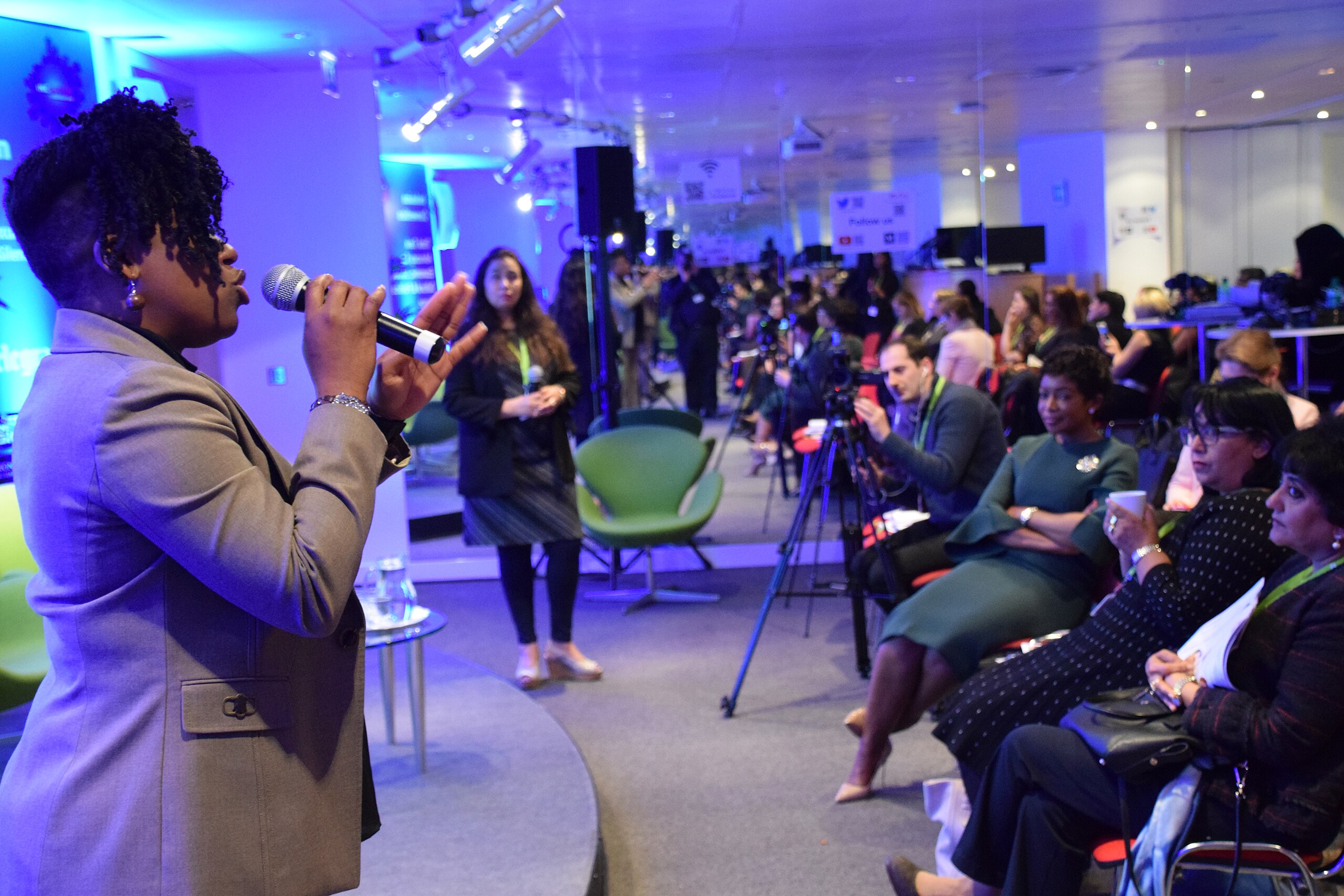 At the 2018 Institutional Convention, Shola Mos-Shogbamimu, founder of the convention, discusses the role of digital media in preventing the spread of sexual harassment and what measures can be taken to stop the spread of negativity in youth. A recent survey revealed that teenagers and young adults spend more time on the internet than watching TV. This has raised a number of concerns about how internet use could impact cognitive abilities.[27] According to a study by Wartella et al., teens are concerned about how digital technologies may have an impact on their health.[28] Digital youth can generally be viewed as the test market for the next generation's digital content and services. Sites such as Myspace and Facebook have come to the fore in sites where youth participate and engage with others on the internet. However, due to the lack of popularity of MySpace in particular, more young people are turning to websites such as Snapchat, Instagram, and YouTube.[29] It was reported that teenagers spend up to nine hours a day online, with the vast majority of that time spent on social media websites from mobile devices, contributing to the ease of access and availability to young people.[30] Vast amounts of money are spent annually to research the demographic by hiring psychologists, sociologists and anthropologists in order to discover habits, values and fields of interest.[citation needed] Particularly in the United States, "Social media use has become so pervasive in the lives of American teens that having a presence on a social network is almost synonymous with being online; 95% of all teens ages 12-17 are now online and 80% of those online teens are users of social media sites".[31][needs update] However, movements such as these appear to benefit strictly those wishing to advocate for their business towards youth. The critical time when young people are developing their civic identities is between the ages 15–22. During this time they develop three attributes, civic literacy, civic skills and civic attachment, that constitute civic engagement later reflected in political actions of their adult lives.[citation needed] For youth to fully participate and realize their presence on the internet, a quality level of reading comprehension is required. "The average government web site, for example, requires an eleventh-grade level of reading comprehension, even though about half of the U.S. population reads at an eighth-grade level or lower".[32] So despite the internet being a place irrespective of certain factors such as race, religion, and class, education plays a large part in a person's capacity to present themselves online in a formal manner conducive towards their citizenry. Concurrently, education also affects people's motivation to participate online.[citation needed] Students should be encouraged to use technology with responsibility and ethical digital citizenship promoted. Education on harmful viruses and other malware must be emphasized to protect resources. A student can be a successful digital citizen with the help of educators, parents, and school counselors.[33] These 5 competencies will assist and support teachers in teaching about digital citizenship: Inclusive I am open to hearing and respectfully recognizing multiple viewpoints and I engage with others online with respect and empathy. Informed I evaluate the accuracy, perspective, and validity of digital media and social posts. Engaged I use technology and digital channels for civic engagement, to solve problems and be a force for good in both physical and virtual communities. Balanced I make informed decisions about how to prioritize my time and activities online and off. Alert I am aware of my online actions, and know how to be safe and create safe spaces for others online. [34] |
若者の関与 2018年の機関大会において、同大会創設者であるショラ・モス=ショグバミムは、セクハラの拡散防止におけるデジタルメディアの役割と、若者の間で広が るネガティブな影響を止めるために取られるべき対策について論じた。 最近の調査によれば、10代から20代の若者はテレビ視聴よりもインターネット利用に多くの時間を費やしている。この状況は、インターネット利用が認知能 力に与える影響について多くの懸念を引き起こしている[27]。ワルテラらによる研究によれば、10代の若者はデジタル技術が自身の健康に与える影響を懸 念している[28]。デジタル世代の若者は、次世代向けデジタルコンテンツやサービスのテスト市場と見なすことができる。マイスペースやフェイスブックと いったサイトは、若者がインターネット上で他者と交流する場として台頭してきた。しかし特にマイスペースの人気低下により、スナップチャット、インスタグ ラム、ユーチューブといったサイトを利用する若者が増えている。[29] 10代の若者は1日最大9時間をオンラインで過ごし、その大半をモバイル端末からソーシャルメディアサイトに費やしていると報告されている。これは若年層 にとってのアクセスの容易さと利用可能性に寄与している。[30] 彼らの習慣、価値観、関心分野を解明するため、心理学者、社会学者、人類学者を雇い、この層を調査するために毎年膨大な資金が投じられている。[出典が必 要] 特に米国では、「ソーシャルメディアの利用は米国ティーンの生活に浸透し、ソーシャルネットワーク上の存在はオンラインであることとほぼ同義となった。 12~17歳のティーンの95%が現在オンラインで、その80%がソーシャルメディアサイトの利用者である」 [31][更新が必要] しかし、こうした動きは、若年層に向けたビジネス展開を望む企業のみに利益をもたらしているように見える。若者が市民としてのアイデンティティを形成する 重要な時期は15歳から22歳である。この時期に彼らは、市民リテラシー、市民スキル、市民的帰属意識という三つの特性を発達させる。これらは成人後の政 治行動に反映される市民参加の基盤となる。[出典が必要] 若者がインターネット上で完全に参加し存在感を発揮するには、一定の読解力レベルが求められる。「例えば平均的な政府ウェブサイトは高校1年生レベルの読 解力を必要とするが、米国人口の約半数は中学2年生レベル以下の読解力しか持っていない」。[32] したがって、インターネットが人種・宗教・階級といった要素を問わない場であるにもかかわらず、教育は個人が市民としての立場にふさわしい正式な方法でオ ンライン上で自己を表現する能力に大きく影響する。同時に、教育は人々のオンライン参加意欲にも影響を与える。[出典が必要] 生徒には責任ある技術利用を促し、倫理的なデジタル市民性を推進すべきだ。有害なウイルスやマルウェアに関する教育を強化し、資源保護を図らねばならな い。教育者・保護者・スクールカウンセラーの支援があれば、生徒は立派なデジタル市民になれる。[33] 以下の5つの能力が、デジタル市民性教育における教師の支援となる:包括性:多様な視点を尊重し、敬意を持って受け入れる。オンライン上では他者と敬意と 共感を持って関わる。情報に基づく:デジタルメディアやソーシャル投稿の正確性、視点、妥当性を評価する。関与する:技術とデジタルチャネルを活用し、市 民参加や問題解決に取り組み、物理的・仮想的コミュニティ双方で善の力となる。バランスを取る:オンラインとオフラインにおける時間と活動の優先順位につ いて、情報に基づいた判断を行う。警戒する:自身のオンライン行動を自覚し、安全を確保する方法を知り、他者にとって安全なオンライン空間を創出する。 [34] |
| Limits on the use of data International OECD guidelines state that "personal data should be relevant to the purposes for which they are to be used, and to the extent necessary for those purposes should be accurate, complete, and kept up to date". Article 8 prevents subjects to certain exceptions. Meaning that certain things cannot be published online revealing race, ethnicity, religion, political stance, health, and sex life. in the United States, this is enforced generally by the Federal Trade Commission (FTC)- but very generally. For example, the FTC brought an action against Microsoft for failing to properly protect customers' personal information.[35] In addition, many have described the United States as being in a cyberwar with Russia, and several Americans have credited Russia to their country's downfall in transparency and declining trust in the government. With several foreign users posting anonymous information through social media in order to gather a following, it is difficult to understand whom to target and what affiliation or root cause they may have of performing a particular action aimed to sway public opinion.[36] The FTC does play a significant role in protecting the digital citizen. However, individuals' public records are increasingly useful to the government and highly sought after. This material can help the government detect a variety of crimes such as fraud, drug distribution rings, terrorist cells. it makes it easier to properly profile a suspected criminal and keep an eye on them. Although there are a variety of ways to gather information on an individual through credit card history, employment history, and more, the internet is becoming the most desirable information gatherer thanks to its façade of security and the amount of information that can be stored on the internet. Anonymity has proven to be very rare online as ISPs can keep track of an individual's activity online.[37] |
データ利用の制限 国際的なOECDガイドラインは「個人的データは利用目的に関連性を持つべきであり、その目的に必要な範囲で正確かつ完全であり、最新の状態に保たれるべ きである」と定めている。第8条は特定の例外を除き、対象者に関する情報の公開を禁止している。つまり人種、民族、宗教、政治的立場、健康、性生活などを オンラインで公開することはできない。米国では連邦取引委員会(FTC)がこれを概ね執行しているが、非常に大まかなものだ。例えばFTCはマイクロソフ トが顧客の個人的な情報を適切に保護しなかったとして訴訟を起こした。[35] さらに、米国がロシアとのサイバー戦争状態にあると指摘する声も多く、透明性の低下や政府への信頼減退をロシアの仕業とする米国人も少なくない。複数の外 国ユーザーがソーシャルメディアで匿名情報を投稿し支持を集める中、誰を標的とし、どのような所属や動機で世論操作を目的とした行動を取っているのかを把 握するのは困難である。[36] FTCは確かにデジタル市民の保護において重要な役割を果たしている。しかし個人の公的記録は政府にとってますます有用であり、強く求められている。この 資料は詐欺、薬物流通組織、テロリスト細胞など様々な犯罪の検知に役立ち、容疑者のプロファイリングや監視を容易にする。クレジットカードの利用履歴や職 歴など、個人情報を収集する手段は様々だが、インターネットはセキュリティの表向きの安全性と膨大な情報蓄積能力ゆえに、最も望ましい情報収集源となりつ つある。ISPが個人のオンライン活動を追跡できるため、ネット上の匿名性は極めて稀であることが証明されている。[37] |
| Three principles and nine
elements of digital citizenship Digital citizenship is a term used to define the appropriate and responsible use of technology among users. Three principles were developed by Mike Ribble to teach digital users how to responsibly use technology to become a digital citizen: respect, educate, and protect.[38] Each principle contains three of the nine elements of digital citizenship.[39] 1. Respect: the elements of etiquette, access, and law are used to respect other digital users. 2. Educate: the elements of literacy, communication, and commerce are used to learn about the appropriate use of the digital world. 3.. Protect: the elements of rights and responsibilities, security, and health and wellness are used to remain safe in the digital and non-digital world.[38] Within these three core principles, there are nine elements to also be considered in regards to digital citizenship:[39] 1. Digital access: This is perhaps one of the most fundamental blocks to being a digital citizen. However, due to socioeconomic status, location, and other disabilities, some individuals may not have digital access. Recently,[when?] schools have been becoming more connected with the internet, often offering computers, and other forms of access. This can be offered through kiosks, community centers, and open labs. This most often is associated with the digital divide and factors associated with such. Digital access is available in many remote countries via cyber cafés and small coffee shops.[40] 2. Digital commerce: This is the ability for users to recognize that much of the economy is regulated online. It also deals with the understanding of the dangers and benefits of online buying, using credit cards online, and so forth. As with the advantages and legal activities- there is also dangerous activities such as illegal downloads, gambling, drug deals, pornography, plagiarism, and so forth. 3. Digital communication: This element deals with understanding the variety of online communication mediums such as email, instant messaging, Facebook Messenger, and so forth. There is a standard of etiquette associated with each medium. 4. Digital literacy: This deals with the understanding of how to use various digital devices. For example, how to properly search for something on a search engine versus an online database, or how to use various online logs. Oftentimes many educational institutions will help form an individual's digital literacy. 5. Digital etiquette: As discussed in the third element, digital communication, this is the expectation that various mediums require a variety of etiquette. Certain mediums demand more appropriate behavior and language than others. 6. Digital law: This is where enforcement occurs for illegal downloads, plagiarizing, hacking, creating viruses, sending spam, identity theft, cyberbullying, etc. 7. Digital rights and responsibilities: This is the set of rights that digital citizens have, such as privacy and free speech. 8. Digital health: Digital citizens must be aware of the physical stress placed on their bodies by internet usage. They must be aware to not become overly dependent on the internet causing problems such as eye strain, headaches, and stress. 9. Digital security: This simply means that citizens must take measures to be safe by practicing using secure passwords, virus protection, backing up data, and so forth. |
デジタル市民権の三原則と九要素 デジタル市民権とは、ユーザーによる技術の適切かつ責任ある利用を定義する用語である。マイク・リブルは、デジタルユーザーが責任を持って技術を利用しデ ジタル市民となる方法を教えるため、三原則を提唱した:尊重、教育、保護である。[38] 各原則には、デジタル市民権の九要素のうち三つが含まれている。[39] 1. 尊重:礼儀、アクセス、法の要素を用いて他のデジタル利用者を尊重する。 2. 教育:リテラシー、コミュニケーション、商業の要素を用いてデジタル世界の適切な利用法を学ぶ。 3. 保護:権利と責任、セキュリティ、健康と福祉の要素を用いてデジタル世界と非デジタル世界の両方で安全を確保する。[38] これら3つの基本原則の中に、デジタル市民権に関して考慮すべき9つの要素がある。[39] 1. デジタルアクセス:これはおそらくデジタル市民となるための最も基本的な要素の一つだ。しかし、社会経済的地位、場所、その他の障がいのため、デジタルア クセスを持たない個人もいる。近年、学校はインターネットとの接続性を高め、コンピューターやその他のアクセス手段を提供することが多くなっている。キオ スク、コミュニティセンター、オープンラボを通じて提供されることもある。これはデジタルデバイドや関連要因と結びつくことが多い。多くの遠隔地では、イ ンターネットカフェや小さなコーヒーショップを通じてデジタルアクセスが可能だ。[40] 2. デジタルコマース:これは、経済の多くがオンラインで規制されていることをユーザーが認識する能力である。オンライン購入やオンラインでのクレジットカー ド利用などの危険性と利点を理解することも含まれる。利点や合法的な活動と同様に、違法ダウンロード、ギャンブル、薬物取引、ポルノ、盗作などの危険な活 動も存在する。 3. デジタルコミュニケーション:この要素は、電子メール、インスタントメッセージング、Facebookメッセンジャーなど、様々なオンラインコミュニケー ション手段の理解に関わる。各手段には関連するエチケットの基準がある。 4. デジタルリテラシー:様々なデジタル機器の使用方法を理解する要素だ。例えば、検索エンジンとオンラインデータベースの適切な使い分けや、各種オンライン ログの操作方法などである。多くの教育機関が個人のデジタルリテラシー形成を支援する。 5. デジタルエチケット:第三要素「デジタルコミュニケーション」で述べた通り、媒体ごとに異なるエチケットが求められるという概念だ。特定の媒体では、他の 媒体よりも適切な行動や言葉遣いが求められる。 6. デジタル法:違法ダウンロード、盗作、ハッキング、ウイルス作成、スパム送信、個人情報盗用、ネットいじめなどに対する法的措置がここで行われる。 7. デジタル権利と責任:プライバシーや言論の自由など、デジタル市民が持つ権利の集合体である。 8. デジタル健康:デジタル市民は、インターネット利用が身体に与える物理的ストレスを認識しなければならない。目の疲れ、頭痛、ストレスなどの問題を引き起 こすインターネットへの過度な依存を避けるよう注意が必要だ。 9. デジタルセキュリティ:これは単に、安全なパスワードの使用、ウイルス対策、データのバックアップなど、安全を確保するための対策を市民が講じなければな らないことを意味する。 |
| Digital citizenship in education According to Mike Ribble, an author who has worked on the topic of digital citizenship for more than a decade, digital access is the first element that is prevalent in today's educational curriculum. He cited a widening gap between the impoverished and the wealthy, as 41% of African Americans and Hispanics use computers in the home when compared to 77% of white students. Other crucial digital elements include commerce, communication, literacy, and etiquette. He also emphasized that educators must understand that technology is important for all students, not only those who already have access to it, in order to decrease the digital divide that currently exists.[10] Furthermore, in research brought up by Common Sense Media, approximately six out of ten American K-12 teachers used some type of digital citizenship curriculum, and seven out of ten taught some sort of competency skill utilizing digital citizenship.[41] Many of the sections that these teachers focused in on included hate speech, cyberbullying, and digital drama. A problem with digital technology that still exists is that over 35% of students were observed to not possess the proper skills to critically evaluate information online, and these issues and statistics increased as the grade levels rose. Online videos such as those found on YouTube and Netflix have been used approximately by 60% of the K-12 teachers in classrooms, while educational tools such as Microsoft Office and Google G Suite have been used by around half of the teachers. Social media was used the least, at around 13% in comparison to other digital methods of education.[42] When analyzing the social class differences between schools, it was found that Title I schools were more likely to use digital citizenship curricula than teachers in more affluent schools. In the past two years,[when?] there has been a major shift to move students from digital citizenship to digital leadership in order to make a greater impact on online interactions. Though digital citizens take a responsible approach to act ethically, digital leadership is a more proactive approach, encompassing the "use of internet and social media to improve the lives, well-being, and circumstances of others" as part of one's daily life.[43] In February 2018, after the Valentine's Day shooting in Parkland, Florida, students became dynamic digital citizens, using social media and other web platforms to engage proactively on the issue and push back against cyberbullies and misinformation. Students from Marjory Stoneman Douglas High School specifically rallied against gun violence, engaging in live tweeting, texting, videoing, and recording the attack as it happened, utilizing onside digital tools to not only witness what was happening at the time but to allow the world to witness it as well. This allowed the nation to see and react, and as a result, students built a web page and logo for their new movement.[44] They gave interviews to major media outlets and at rallies and protects and coordinated a nationwide march online on March 24 against elected officials at meetings and town halls.[45] The idea of this shift in youth is to express empathy beyond one's self, and moving to seeing this self in the digital company of others. Nonetheless, several critics state that just as empathy can be spread to a vast number of individuals, hatred can be spread as well. Though the United Nations and groups have been establishing fronts against hate speech, there is no legal definition of hate speech used internationally, and more research needs to be done on its impact.[46] Along with educational trends, there are overlapping goals of digital citizenship education. Altogether, these facets contribute to one another in the development of a healthy and effective education for digital technology and communication.[47] 1. Digital footprint: An acknowledgment that posting and receiving information online can be tracked, customized, and marketed for users to click and follow. Not only the internet use but individuals' digital footprints can lead to both beneficial and negative outcomes, but the ability to manage one's digital footprints can be a sub-part of digital literacy.[48] Digital footprints do not simply consist of the active participation of content production as well as sharing of ideas on different media sites, but they can also be generated by other internet users (both active and passive forms of digital participation).[49] Examples of digital footprints includes liking, favoriting, following, or commenting on a certain online content creation, or other data can be found by searching through history, purchases, and searches. 2. Digital literacy: Almost 20 years ago, Gilster (1997) defined digital literacy as "the ability to understand and use information in multiple formats from a wide range of sources when it is presented via computers."[50] Digital literacy includes the locating and consumption of content online, the creation of content, and the way that this content is communicated amongst a group of people. 3. Information literacy: The American Library Association defines information literacy as the overall ability for an individual to target information that is valuable, being able to find it, evaluate it, and use it. This can be through information creation, research, scholarly conversations, or simply plugging in keywords into a search engine. 4. Copyright, intellectual property respect, attribution: By knowing who published sources and whether or not content creation is credible, users can be better educated as to what and what not to believe when engaging in digital participation. 5. Health and wellness: A healthy community allows for an interactive conversation to take place between educated citizens who are knowledgeable about their environment. 6. Empowering student voice, agency, advocacy: Utilizing nonprofits as well as government-affiliated organizations in order to empower students to speak up for policy changes that need to be made. Currently, more than 10 different mobile applications aim to allow students the opportunity to speak up and advocate for rights online. 7. Safety, security and privacy: Addressing freedoms extended to everyone in a digital world and the balance between the right to privacy and the safety hazards that go along with it. This area of digital citizenship includes the assistance of students to understand when they are provided the right opportunities, including the proper access to the internet and products that are sold online. It is on the part of educators to assist students in understanding that it is crucial to protect others online. 8. Character education and ethics: Knowing that ethically speaking, everyone will come with different viewpoints online and it is crucial to remain balanced and moral in online behavior. 9. Parenting: Emphasizing the efforts of educators, many want to continue preaching rules and policies addressing issues related to the online world. Cyberbullying, sexting, and other negative issues that are brought up are regulated by the School Resource Officers and other school counsel. 10. Parents posting about their kids online: Digital footprints has lasting impacts on a reputation that can affect relationships, employment, opportunities. For example, negatively, a post can impact a child's college admissions or ruin relationship. However, positively, a post could influence their future or help their relationship. Parent tend to post their child picture, achievement, ultrasound, or even flyer. However, "technology coupled with parents’ behavior is increasingly putting children at risk for identity theft, humiliation, various privacy violations, future discrimination, and causing concern about developmental issues related to autonomy and consent." Though the posts are innocent and positive, parents still can the biggest invaders of privacy when it come to their child. Digital Citizenship Curricula There are free and open curricula developed by different organizations for teaching Digital Citizenship skills in schools: 1. Be Internet Awesome: Developed by Google in collaboration with The Net Safety Collaborative, and the Internet Keep Safe Coalition. 2. Digital Citizenship Curriculum: Developed by Common Sense Media, licensed under Creative Commons License CC-BY-NC-ND. 3. Open Curriculum for Teaching Digital Citizenship & Internet Maturity: Developed by iMature EdTech, licensed under Creative Commons License CC-BY-NC-ND. |
教育におけるデジタル市民権 デジタル市民権の分野で10年以上研究を続ける著者マイク・リブルによれば、デジタルアクセスは現代の教育カリキュラムにおいて最も重要な要素である。彼 は貧富の格差拡大を指摘し、アフリカ系アメリカ人とヒスパニック系の家庭でコンピューターを利用する割合は41%であるのに対し、白人学生では77%に達 すると述べた。その他の重要なデジタル要素には、商取引、コミュニケーション、リテラシー、エチケットが含まれる。また、教育者は既存のデジタル格差を縮 小するため、既にアクセス権を持つ生徒だけでなく、全ての生徒にとって技術が重要であることを理解すべきだと強調した。[10] さらに、コモンセンスメディアが提示した調査によれば、アメリカの小中高教師の約6割が何らかのデジタル市民権カリキュラムを採用し、7割が何らかのデジ タル市民権を活用した能力スキルを教えていた。[41] これらの教師が重点を置いた分野には、ヘイトスピーチ、ネットいじめ、デジタル上のトラブルなどが含まれていた。デジタル技術に関する未解決の問題とし て、35%以上の生徒がオンライン情報を批判的に評価する適切なスキルを欠いていることが確認されている。この問題と統計は学年が上がるにつれて増加し た。YouTubeやNetflixなどのオンライン動画はK-12教師の約60%が授業で使用しており、Microsoft OfficeやGoogle G Suiteなどの教育ツールは約半数の教師が利用している。ソーシャルメディアの利用率は他のデジタル教育手法と比べて最も低く、約13%であった [42]。学校間の社会階層差を分析した結果、タイトルI校(低所得層向け支援校)では、より裕福な学校の教員よりもデジタル市民権カリキュラムを採用す る傾向が強いことが判明した。 過去2年間[時期不明]、オンライン交流への影響力を高めるため、生徒をデジタル市民権からデジタルリーダーシップへ移行させる大きな変化があった。デジ タル市民が倫理的に行動する責任ある姿勢を取る一方、デジタルリーダーシップはより積極的なアプローチであり、「インターネットやソーシャルメディアを活 用して他者の生活、幸福、状況を改善する」ことを日常生活の一部とする。[43] 2018年2月、フロリダ州パークランドでバレンタインデー銃乱射事件が発生した後、生徒たちはソーシャルメディアやその他のウェブプラットフォームを活 用し、この問題に積極的に関与し、ネットいじめや誤情報に対抗する「動的なデジタル市民」となった。特にマージョリー・ストーンマン・ダグラス高校の生徒 たちは銃暴力に反対する運動を展開し、事件発生時にライブツイート、テキスト送信、動画撮影、記録を行い、現場のデジタルツールを活用して当時起きている ことを自ら目撃するだけでなく、世界にも目撃させた。これにより国民は事態を把握し反応し、結果として生徒たちは新たな運動のためのウェブサイトとロゴを 作成した。[44] 彼らは主要メディアや集会・抗議活動でインタビューに応じ、3月24日にはオンラインで全国的な行進を調整し、会議やタウンホールで選出された公職者に対 抗した。[45] この若者の意識変化の背景には、自己を超えた共感の表現と、デジタル空間における他者との共鳴の中で自己を認識する動きがある。 しかしながら、共感と同様に憎悪も広範な個人に拡散し得るという批判も存在する。国連や団体がヘイトスピーチ対策の枠組みを構築しているものの、国際的に 通用する法的定義は存在せず、その影響に関するさらなる研究が必要だ。[46] 教育トレンドと並行して、デジタル市民教育の目標も重なり合っている。これらの側面は相互に補完し合い、デジタル技術とコミュニケーションに関する健全か つ効果的な教育の発展に寄与する。[47] 1. デジタルフットプリント:オンラインでの情報発信や受信が追跡・カスタマイズ・マーケティングされ、ユーザーのクリックやフォローを誘導される可能性があ るという認識。インターネット利用だけでなく個人のデジタルフットプリントは有益な結果も否定的な結果も招きうるが、自身のデジタルフットプリントを管理 する能力はデジタルリテラシーの一部となりうる。[48] デジタルフットプリントは、単にコンテンツ制作への積極的参加や異なるメディアサイトでの意見共有から成るものではない。他のインターネット利用者によっ て生成される場合もある(能動的・受動的デジタル参加の両形態)。[49] デジタルフットプリントの例としては、特定のオンラインコンテンツ制作への「いいね」や「お気に入り登録」、フォロー、コメントなどが挙げられる。また閲 覧履歴、購入履歴、検索履歴を辿ることで他のデータも発見可能だ。 2. デジタルリテラシー:約20年前、ギルスター(1997)はデジタルリテラシーを「コンピューターを介して提示される多様な情報源からの複数形式の情報を 理解し活用する能力」と定義した[50]。デジタルリテラシーには、オンラインでのコンテンツの検索・消費、コンテンツの創作、そしてそのコンテンツが集 団内で伝達される方法が含まれる。 3. 情報リテラシー:米国図書館協会は情報リテラシーを「価値ある情報を特定し、見つけ出し、評価し、活用する個人の総合的能力」と定義する。これは情報創 造、研究、学術的対話、あるいは単に検索エンジンへのキーワード入力を通じて実現される。 4. 著作権・知的財産権の尊重・出典明示:情報源の発行元やコンテンツ作成の信頼性を把握することで、デジタル参加時に何を信じ、何を信じないべきかについ て、利用者はより良い教育を受けられる。 5. 健康とウェルネス:健全なコミュニティは、自らの環境について知識を持つ教育を受けた市民間の双方向対話を可能にする。 6. 学生の意見表明・主体性・権利擁護の促進:非営利団体や政府関連組織を活用し、学生が必要な政策変更を主張できるよう支援する。現在10種類以上のモバイ ルアプリが、学生がオンラインで意見を表明し権利を擁護する機会を提供している。 7. 安全・セキュリティ・プライバシー:デジタル世界における全ての人の自由と、プライバシー権とそれに伴う安全上のリスクのバランスを扱う。この領域では、 適切なインターネットアクセスやオンライン販売製品を含む正当な機会が提供されるタイミングを学生が理解する支援が含まれる。教育者は、オンライン上で他 者を保護することの重要性を学生に理解させる責任がある。 8. 人格教育と倫理:倫理的に言えば、オンライン上では誰もが異なる見解を持つことを認識し、オンライン行動において均衡と道徳性を保つことが重要である。 9. 子育て:教育者の取り組みを強調する。多くの教育者は、オンライン世界に関連する問題に対処する規則や方針を説き続けることを望む。ネットいじめ、セクス ティング、その他の問題点は、スクールリソースオフィサーやスクールカウンセラーによって規制される。 10. 親による子供のオンライン投稿:デジタルフットプリントは評判に永続的な影響を与え、人間関係・就職・機会に影響する。例えば、投稿が子供の大学入学に影 響したり、人間関係を壊す可能性がある。一方で、投稿が将来に影響を与えたり、人間関係を助けることもある。親は子供の写真・成果・超音波画像・チラシさ えも投稿しがちだ。しかし「テクノロジーと親の行動が相まって、子供たちは個人情報の盗難、恥辱、様々なプライバシー侵害、将来の差別リスクに晒され、自 律性や同意に関する発達上の問題も懸念されている」。投稿が純粋で肯定的な内容であっても、親は子供のプライバシーを最も侵害する存在になり得るのだ。 デジタル市民権カリキュラム 学校でデジタル市民権スキルを教えるため、異なる団体が無料公開カリキュラムを開発している: 1. Be Internet Awesome:Googleがネット安全連合(The Net Safety Collaborative)およびインターネット安全連合(Internet Keep Safe Coalition)と共同開発。 2. デジタル市民権カリキュラム:Common Sense Mediaが開発、クリエイティブ・コモンズ・ライセンスCC-BY-NC-NDで提供。 3. デジタル市民権とインターネット成熟度教育のためのオープンカリキュラム:iMature EdTechが開発、クリエイティブ・コモンズ・ライセンスCC-BY-NC-NDで提供。 |
| Civic technology Digital integrity Digital self-determination E-government Open government Service design Netizen Digital native Digital Literacy |
シビックテクノロジー デジタルインテグリティ デジタル自己決定 電子政府 オープンガバメント サービスデザイン ネット市民 デジタルネイティブ デジタルリテラシー |
| References | https://en.wikipedia.org/wiki/Digital_citizen |
| Further reading DeHart, Jason D. (2023). Critical Roles of Digital Citizenship and Digital Ethics. Hershey PA: IGI Global. ISSN 2328-1405. |
追加文献(さらに読む) DeHart, Jason D. (2023). デジタル市民性とデジタル倫理の重要な役割. ペンシルベニア州ハーシー: IGI Global. ISSN 2328-1405. |
| https://en.wikipedia.org/wiki/Digital_citizen |
|
| Digital citizenship is the
responsible, ethical, and safe way to use technology and engage in
online communities, focusing on respectful behavior, digital literacy,
security, and understanding one's rights and responsibilities in the
digital world, much like being a good citizen offline. It involves
skills like evaluating information, protecting personal data, fostering
positive relationships online, and contributing positively to digital
spaces, impacting reputation, safety, and community well-being. |
デジタル市民権とは、技術を利用しオンラインコミュニティに参加する際
に、責任ある倫理的で安全な方法を取ることだ。具体的には、敬意ある行動、デジタルリテラシー、セキュリティ、そしてデジタル世界における自身の権利と責
任の理解に焦点を当てる。これはオフラインで良き市民であることと似ている。情報評価、個人的データ保護、オンライン上での健全な人間関係の構築、デジタ
ル空間への積極的貢献といったスキルが含まれ、評判、安全、コミュニティの健全性に影響を与える。 |
☆
リ ンク
文 献
そ の他の情報
CC
Copyleft,
CC, Mitzub'ixi Quq Chi'j, 1996-2099