デジタル・リテラシー
Digital literacy
☆
デジタルリテラシー[Digital literacy]とは、タイピングやデジタルメディアプラットフォームを使って情報を見つけ、評価し、伝達する個人の能力のことである。デジタル・リテ
ラシーは、技術的能力と認知的能力を組み合わせたものであり、情報通信技術を使って情報を作成、評価、共有したり[1]、情報通信技術の社会的・政治的影
響を批判的に検討したりするものである[2]。
デジタル・リテラシーは当初、デジタル・スキルとスタンドアロン・コンピュータに焦点を当てていたが、インターネットとソーシャルメディアの出現により、
その焦点の一部がモバイル・デバイスに移った[3]。
| Digital literacy is
an individual's ability to find, evaluate, and communicate information
using typing or digital media platforms. Digital literacy combines
technical and cognitive abilities; it consists of using information and
communication technologies to create, evaluate, and share
information,[1] or critically examining the social and political
impacts of information and communication technologies.[2] Digital literacy initially focused on digital skills and stand-alone computers, but the advent of the internet and social media use has shifted some of its focus to mobile devices.[3] |
デジタルリテラシー[Digital literacy]とは、タイピングやデジタルメディアプラットフォー
ムを使って情報を見つけ、評価し、伝達する個人の能力のことである。デジタル・リテラシーは、技術的能力と認知的能力を組み合わせたものであり、情報通信
技術を使って情報を作成、評価、共有したり[1]、情報通信技術の社会的・政治的影響を批判的に検討したりするものである[2]。 デジタル・リテラシーは当初、デジタル・スキルとスタンドアロン・コンピュータに焦点を当てていたが、インターネットとソーシャルメディアの出現により、 その焦点の一部がモバイル・デバイスに移った[3]。 |
| History Research into digital literacies draws from traditions of information literacy and research into media literacy which rely on socio-cognitive traditions, as well as research into multimodal composition, which relies on anthropological methodologies.[4] Digital literacy is built on the expanding role of social science research in the field of literacy[5] as well as on concepts of visual literacy,[6] computer literacy,[7] and information literacy.[8] The concept of digital literacy has evolved throughout the 20th and into the 21st centuries from a technical definition of skills and competencies to a broader comprehension of interacting with digital technologies.[9] Digital literacy is often discussed in the context of its precursor, media literacy. Media literacy education began in the United Kingdom and the United States due to war propaganda in the 1930s and the rise of advertising in the 1960s, respectively.[10] Manipulative messaging and the increase in various forms of media further concerned educators. Educators began to promote media literacy education to teach individuals how to judge and assess the media messages they were receiving. The ability to critique digital and media content allows individuals to identify biases and evaluate messages independently.[10] Both digital and media literacy include the ability to examine and comprehend the meaning of messages, judge credibility, and assess the quality of a digital work.[11] With the rise of file sharing on services such as Napster an ethics element began to get included in definitions of digital literacy.[12] Frameworks for digital literacy began to include goals and objectives such as critically examining the political dimensions and power dynamics embedded in processes of digitization or datafication;[13] as well as understanding the importance of becoming a socially responsible member of their community by spreading awareness and helping others find digital solutions at home, work, or on a national platform.[11] Digital literacy may also include the production of multimodal texts.[14] This definition refers more to reading and writing on a digital device but includes the use of any modes across multiple mediums that stress Semiotic meaning beyond graphemes.[15] It also involves knowledge of producing other types of media, like recording and uploading video.[15] Overall, digital literacy shares many defining principles with other fields that use modifiers in front of the term "literacy" to define ways of being and domain-specific knowledge or competence. The term has grown in popularity in education and higher education settings and is used in both international and national standards.[16] |
歴史 デジタルリテラシーの研究は、社会認知的な伝統に依拠する情報リテラシーの伝統やメディアリテラシーの研究、そして人類学的な方法論に依拠するマルチモー ダル構成の研究[4]から派生している。デジタルリテラシーは、リテラシー[5]の分野における社会科学研究の役割の拡大や、視覚リテラシー[6]、コン ピュータリテラシー[7]、情報リテラシー[8]の概念の上に構築されている。 デジタル・リテラシーの概念は、20世紀から21世紀にかけて、スキルや能力の技術的な定義から、デジタル技術との相互作用に関するより広範な理解へと発展してきた[9]。 デジタル・リテラシーは、その前身であるメディア・リテラシーの文脈で語られることが多い。メディア・リテラシー教育は、1930年代の戦争プロパガンダ と1960年代の広告の台頭によって、それぞれイギリスとアメリカで始まった[10]。教育者たちは、自分が受け取っているメディアのメッセージを判断し 評価する方法を個人に教えるために、メディア・リテラシー教育を推進し始めた。デジタルとメディアのコンテンツを批評する能力は、個人が偏見を識別し、 メッセージを独自に評価することを可能にする[10]。デジタル・リテラシーとメディア・リテラシーはどちらも、メッセージの意味を吟味し理解し、信頼性 を判断し、デジタル作品の質を評価する能力を含む[11]。 ナップスターのようなサービスでのファイル共有の台頭とともに、デジタルリテラシーの定義に倫理的な要素が含まれるようになった[12]。デジタルリテラ シーの枠組みには、デジタル化やデータ化のプロセスに埋め込まれた政治的な側面や権力の力学を批判的に検討すること[13]、家庭や職場、あるいは国民的 なプラットフォームで、意識を広め、他の人々がデジタルソリューションを見つけるのを助けることによって、コミュニティの社会的責任を担う一員になること の重要性を理解すること[11]といった目標や目的が含まれるようになった。 デジタル・リテラシーには、マルチモーダルなテキストを作成することも含まれる[14]。この定義は、デジタル機器上での読み書きを指すことが多いが、複 数の媒体にまたがって、文字を超えた記号論的な意味を強調するあらゆるモードを使用することも含まれる[15]。また、ビデオを録画してアップロードする など、他のタイプのメディアを作成する知識も含まれる[15]。 全体として、デジタル・リテラシーは、在り方や領域特有の知識や能力を定義するために「リテラシー」という用語の前に修飾語を用いる他の分野と多くの定義 原理を共有している。この用語は、教育や高等教育の場面で人気が高まっており、国際基準でも国民基準でも使用されている[16]。 |
| Academic and pedagogical concepts The pedagogy of digital literacy has begun to move across disciplines.[4] In academia, digital literacy is a part of the computing subject area alongside computer science and information technology.[17] while some literacy scholars have argued for expanding the framing beyond information and communication technologies and into literacy education overall.[18] Similar to other evolving definitions of literacy that recognize the cultural and historical ways of making meaning,[19] digital literacy does not replace traditional methods of interpreting information but rather extends the foundational skills of these traditional literacies.[20] Digital literacy should be considered a part of the path towards acquiring knowledge.[21] The current model of digital literacy explores six skills listed below.[22]  Photo-visual literacy skills can be put into practice by analyzing the visual elements of the images and billboards, understand the context in which they are presented, evaluate their credibility and reliability, and make decisions based on this information. 1. Reproduction literacy: the ability to use digital technology to create a new piece of work or combine existing pieces of work to make it your own. 2. Photo-visual literacy: the ability to read and deduce information from visuals. 3. Branching literacy: the ability to successfully navigate in the non-linear medium of digital space. 4. Information literacy: the ability to search, locate, assess and critically evaluate information found on the web and on-shelf in libraries, including validity of that information 5. Socio-emotional literacy: the social and emotional aspects of being present online, whether it may be through socializing, and collaborating, or simply consuming content.[23] 6. Real-time thinking: the ability to process large volumes of stimuli at the same time |
学術的・教育学的概念 デジタルリテラシーの教育学は、学問分野を超えて動き始めている[4]。学術界では、デジタルリテラシーは、コンピュータサイエンスや情報技術と並んで、 コンピューティングの科目の一部となっている[17]。一方、リテラシー学者の中には、情報通信技術を超えて、リテラシー教育全体に枠を広げることを主張 する者もいる[18]。 文化的・歴史的な意味づけの方法を認識する他の進化するリテラシーの定義と同様に[19]、デジタル・リテラシーは、情報を解釈する伝統的な方法に取って代わるものではなく、むしろこれらの伝統的なリテラシーの基礎的なスキルを拡張するものである[20]。 現在のデジタル・リテラシーのモデルでは、以下の6つのスキルを探求している[22]。 フォト・ビジュアル・リテラシーのスキルは、画像や看板の視覚的要素を分析し、それらが提示されている文脈を理解し、それらの信憑性や信頼性を評価し、これらの情報に基づいて意思決定を行うことによって実践することができる。 1. 複製リテラシー:デジタル技術を使って新しい作品を作ったり、既存の作品を組み合わせて自分の作品にしたりする能力。 2. フォトビジュアル・リテラシー:ビジュアルから情報を読み取り、推論する能力。 3. ブランチング・リテラシー:デジタル空間というノンリニアなメディアをうまくナビゲートする能力。 4. 情報リテラシー:ウェブ上や図書館にある情報を検索し、探し出し、評価し、その情報の妥当性を含めて批判的に評価する能力。 5. 社会的情緒的リテラシー:社交や共同作業を通じてであれ、単にコンテンツを消費することであれ、オンラインに存在することの社会的・情緒的側面[23]。 6. リアルタイム思考:大量の刺激を同時に処理する能力。 |
| Artificial intelligence (AI) The neutrality of this section is disputed. Relevant discussion may be found on the talk page. Please do not remove this message until conditions to do so are met. (September 2024) (Learn how and when to remove this message) Digital literacy skills continue to develop with the rapid advancements of artificial intelligence (AI) technologies in the 21st century. AI technologies are designed to simulate human intelligence through the use of complex systems such as machine learning algorithms, natural language processing, and robotics.[24] As these technologies emerge, so have different attempts at defining AI literacy - the ability to understand the basic techniques and concepts behind AI in different products and services.[25] Many framings leverage existing digital literacy frameworks and apply an AI lens to the skills and competencies. Common elements of these frameworks include: Know and understand: know the basic functions of AI and how to use AI applications[26] Use and apply: applying AI knowledge, concepts and applications in different scenarios[27] Evaluate and create: higher-order thinking skills (e.g., evaluate, appraise, predict, design)[28] Ethical issues: considering fairness, accountability, transparency, and safety with AI[29] |
人工知能(AI) このセクションの中立性については議論がある。関連する議論はトークページにある。削除する条件が整うまで、このメッセージを削除しないでほしい。(2024年9月)(このメッセージを削除する方法とタイミングを学ぶ) 21世紀の人工知能(AI)技術の急速な進歩に伴い、デジタルリテラシーのスキルは発展し続けている。AI技術は、機械学習アルゴリズム、自然言語処理、ロボット工学などの複雑なシステムの使用を通じて、人間の知能をシミュレートするように設計されている[24]。 こうした技術が登場するにつれて、AIリテラシー(さまざまな製品やサービスにおけるAIの背後にある基本的な技術や概念を理解する能力)を定義するさま ざまな試みも登場している[25]。多くの枠組みは、既存のデジタルリテラシーの枠組みを活用し、スキルや能力にAIのレンズを適用している。これらのフ レームワークの共通要素には以下が含まれる: 知って理解する:AIの基本的な機能とAIアプリケーションの使い方を知っている[26]。 使用し適用する:AIの知識、概念、アプリケーションを異なるシナリオで適用する[27]。 評価し創造する:高次の思考スキル(評価、鑑定、予測、設計など)[28]。 倫理的な問題:AIによる公平性、説明責任、透明性、安全性を考慮する[29]。 |
In society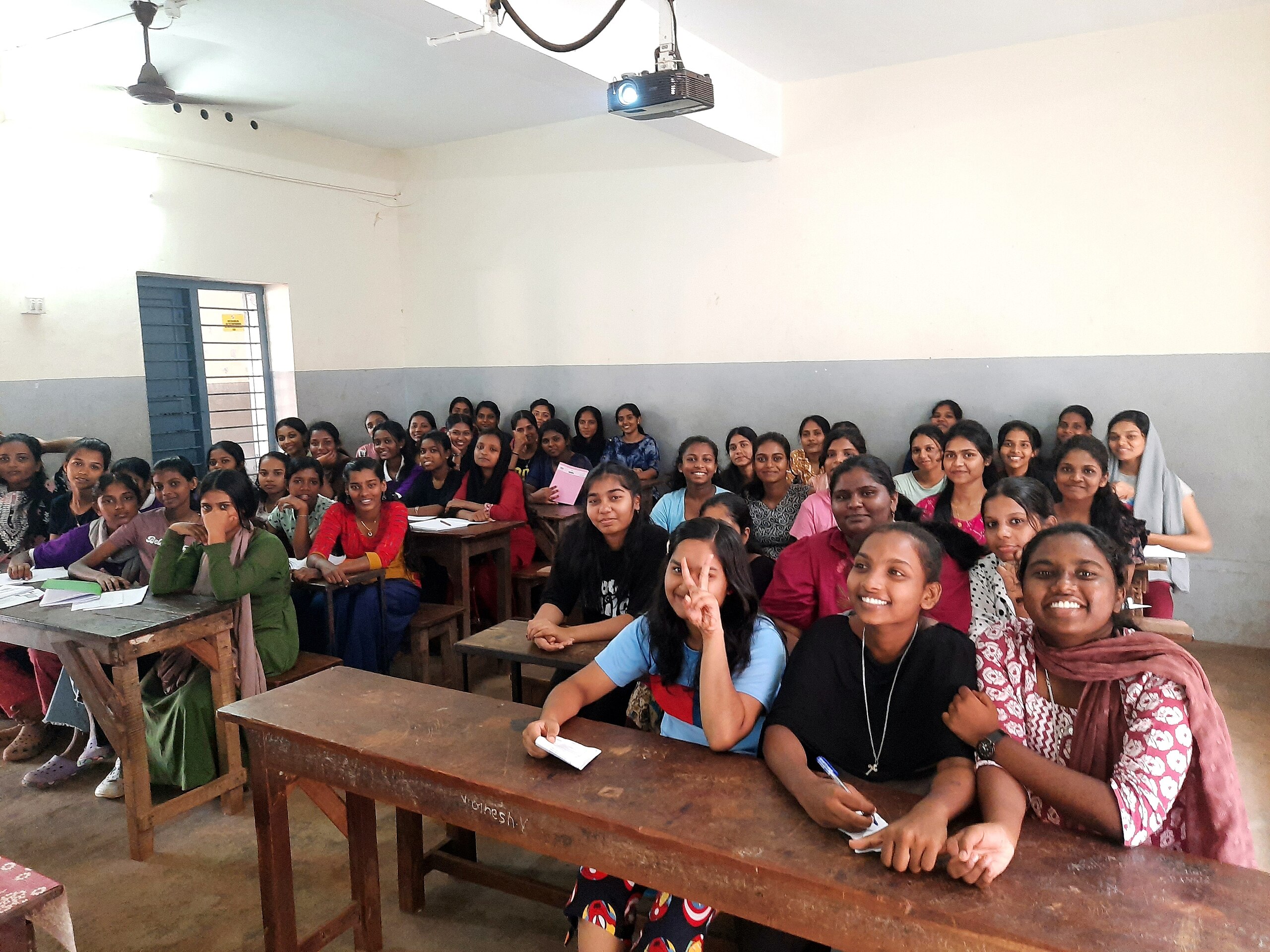 Digital literacy class in NSS camp 2024 at St Aloysious HSS Kollam Digital literacy is necessary for the correct use of various digital platforms. Literacy in social network services and Web 2.0 sites help people stay in contact with others, pass timely information, and even buy and sell goods and services. Digital literacy can also prevent people from being taken advantage of online, as photo manipulation, e-mail frauds and phishing often can fool the digitally illiterate, costing victims money and making them vulnerable to identity theft.[30] However, those using technology and the internet to commit these manipulations and fraudulent acts possess the digital literacy abilities to fool victims by understanding the technical trends and consistencies; it becomes important to be digitally literate to always think one step ahead when utilizing the digital world. The emergence of social media has paved the way for people to communicate and connect with one another in new and different ways.[31] Websites like Facebook and Twitter (now X), as well as personal websites and blogs, have enabled a new type of journalism that is subjective, personal, and "represents a global conversation that is connected through its community of readers."[32] These online communities foster group interactivity among the digitally literate. Social media also help users establish a digital identity or a "symbolic digital representation of identity attributes."[33] Without digital literacy or the assistance of someone who is digitally literate, one cannot possess a personal digital identity (this is closely allied to web literacy). Research has demonstrated that the differences in the level of digital literacy depend mainly on age and education level, while the influence of gender is decreasing.[34][35][36] Among young people, digital literacy is high in its operational dimension. Young people rapidly move through hypertext and have a familiarity with different kinds of online resources. However, for young people, the skills to critically evaluate the content found online show a deficit.[37] With the rise of digital connectivity amongst young people, concerns of digital safety are higher than ever. A study conducted in Poland, commissioned by the Ministry of National Knowledge, measured the digital literacy of parents in regards to digital and online safety. It concluded that parents often overestimate their level of knowledge, but clearly had an influence on their children's attitude and behavior towards the digital world. It suggests that with proper training programs, parents should have the knowledge in teaching their children about the safety precautions necessary to navigate the digital space.[38] |
社会 St Aloysious HSS KollamのNSSキャンプ2024でデジタルリテラシーの授業を行った。 デジタル・リテラシーは、さまざまなデジタル・プラットフォームを正しく利用するために必要である。ソーシャルネットワークサービスやウェブ2.0サイト のリテラシーは、人々が他の人々と連絡を取り合ったり、タイムリーな情報を伝えたり、商品やサービスを売買したりするのに役立つ。デジタルリテラシーは、 人々がオンラインで利用されるのを防ぐこともできる。写真加工、電子メール詐欺、フィッシングは、しばしばデジタルリテラシーのない人を騙し、被害者に金 銭的損害を与え、ID窃盗の被害を受けやすくする。 フェイスブックやツイッター(現在はX)のようなウェブサイトや、個人のウェブサイトやブログは、主観的で、個人的で、「読者のコミュニティを通じてつな がっているグローバルな会話を表現する」[32]新しいタイプのジャーナリズムを可能にした。ソーシャル・メディアはまた、ユーザーがデジタル・アイデン ティティ、または「アイデンティティの属性を象徴的にデジタルで表現する」[33]ことを確立するのに役立つ。デジタル・リテラシー、またはデジタル・リ テラシーを持つ人格の支援がなければ、個人的なデジタル・アイデンティティを持つことはできない(これはウェブ・リテラシーと密接に関連している)。 調査では、デジタル・リテラシーの水準の差異は主に年齢と教育水準に依存し、ジェンダーの影響は減少していることが実証されている[34][35] [36]。若者はハイパーテキストを素早く使いこなし、異なる種類のオンライン・リソースに精通している。しかし、若者にとって、オンライン上のコンテン ツを批 判的に評価するスキルは不足している。ポーランドで実施された、国立知識省の委託による調査では、デジタルとネットの安全に関する親のデジタルリテラシー が測定された。その結果、親は自分の知識レベルを過大評価することが多いが、デジタル世界に対する子どもの態度や行動には明らかに影響を与えていると結論 づけられた。適切な訓練プログラムによって、親はデジタル空間をナビゲートするのに必要な安全上の注意について子供に教える知識を持つべきであると示唆し ている[38]。 |
| Digital divide Main article: Digital divide Digital divide refers to disparities (such as those living in the developed vs the developing world) concerning access to and the use of information and communication technologies (ICT),[39] such as computer hardware, software, and the Internet, among people.[40] Individuals within societies that lack economic resources to build ICT infrastructure do not have adequate digital literacy, which means that their digital skills are limited.[41] The divide can be explained by Max Weber's social stratification theory, which focuses on access to production, rather than ownership of the capital.[42] Production means having access to ICT so that individuals can interact and produce information or create a product without which they cannot participate in learning, collaboration, and production processes.[42] Digital literacy and digital access have become increasingly important competitive differentiators for individuals using the internet.[43] In the article "The Great Class Wedge and the Internet's Hidden Costs", Jen Schradie discusses how social class can affect digital literacy.[21] This creates a digital divide. Research published in 2012 found that the digital divide, as defined by access to information technology, does not exist amongst youth in the United States.[44] Young people report being connected to the internet at rates of 94–98%.[44] There remains, however, a civic opportunity gap, where youth from poorer families and those attending lower socioeconomic status schools are less likely to have opportunities to apply their digital literacy.[45] The digital divide is also defined as emphasizing the distinction between the "haves" and "have-nots", and presents all data separately for rural, urban, and central-city categories.[46] Also, existing research on the digital divide reveals the existence of personal categorical inequalities between young and old people.[47] An additional interpretation identified the gap between technology accessed by youth outside and inside the classroom.[48] |
デジタルデバイド 主な記事 デジタルデバイド デジタルデバイドとは、コンピュータのハードウェア、ソフトウェア、インターネットなどの情報通信技術(ICT)へのアクセスや利用に関する人々の格差 (先進国と発展途上国の格差など)のことである[40]。ICTインフラを構築する経済的資源が不足している社会では、個人は十分なデジタルリテラシーを 持っておらず、デジタルスキルが限られていることを意味する[41]。[42]生産とは、ICTにアクセスすることであり、それなしには個々人が学習、共 同作業、生産プロセスに参加することができず、情報をやりとりして生産したり、製品を作ったりすることができるようにすることである[42]。デジタル・ リテラシーとデジタル・アクセスは、インターネットを利用する個人にとって、ますます重要な競争上の差別化要因となっている[43]。 2012年に発表された調査では、情報技術へのアクセスによって定義されるデジタルデバイドは、米国の若者の間には存在しないことがわかった[44]。し かし、市民的な機会格差は残っており、貧しい家庭の若者や社会経済的地位の低い学校に通う若者は、デジタルリテラシーを活用する機会を得る可能性が低い。 [45] デジタルデバイドはまた、「持つ者」と「持たざる者」の区別を強調するものとして定義され、すべてのデータを農村部、都市部、都心部のカテゴリーに分けて 提示している[46]。また、デジタルデバイドに関する既存の研究は、若者と老人の間に個人的なカテゴリーによる不平等が存在することを明らかにしている [47]。 さらなる解釈として、教室の外と内とで若者がアクセスするテクノロジー間のギャップが指摘されている[48]。 |
| Participation gap Media theorist Henry Jenkins coined the term participation gap[49] and distinguished the participation gap from the digital divide.[10] According to Jenkins, in countries like the United States, where nearly everyone has access to the internet, the concept of the digital divide does not provide enough insight. As such, Jenkins uses the term participation gap to develop a more nuanced view of access to the internet. Instead of referring to the "haves" vs "have-nots" when referring to digital technologies, Jenkins proposes the participation gap refers to people who have sustained access to and competency with digital technologies due to media convergence.[50] Jenkins states that students learn different sets of technology skills if they only have access to the internet in a library or school.[51] In particular, Jenkins observes that students who have access to the internet at home have more opportunities to develop their skills and have fewer limitations, such as computer time limits and website filters commonly used in libraries.[51] The participation gap is geared toward millennials. As of 2008, when this study was created, they were the oldest generation to be born in the age of technology. As of 2008, more technology has been integrated into the classroom. The issue with digital literacy is that students have access to the internet at home, which is equivalent to what they interact with in class. Some students only have access while at school and in a library. They aren't getting enough or the same quality of the digital experience. This creates the participation gap, along with an inability to understand digital literacy.[52] |
参加格差 メディア理論家のヘンリー・ジェンキンス(Henry Jenkins)は、パーティシペイション・ギャップ(participation gap)という言葉を作り[49]、パーティシペイション・ギャップとデジタルデバイドを区別した[10]。 ジェンキンスによれば、アメリカのように、ほぼすべての人がインターネットにアクセスできる国では、デジタルデバイドという概念では十分な洞察が得られな い。そのため、ジェンキンズは、インターネットへのアクセスについてよりニュアンスのある見方を展開するために、参加格差という用語を使っている。ジェン キンズは、デジタルテクノロジーに言及するとき、「持つ者」と「持たざる者」を指すのではなく、メディアの融合によってデジタルテクノロジーへの持続的な アクセスと能力を持つ人々を指す参加格差を提唱している[50]。[51] 特に、ジェンキンス氏は、自宅でインターネットにアクセスできる生徒は、スキルを伸ばす機会が多く、コンピュータの時間制限や図書館でよく使われるウェブ サイトフィルタなどの制限も少ないと観察している[51] 。この調査が作成された2008年時点で、彼らはテクノロジーの時代に生まれた最も古い世代である。2008年現在、より多くのテクノロジーが教室に組み 込まれている。デジタル・リテラシーの問題点は、生徒が自宅でインターネットにアクセスできることである。学校にいるときや図書館にいるときしかアクセス できない生徒もいる。彼らは十分な、あるいは同質のデジタル体験を得られていない。これが、デジタルリテラシーを理解できないことと共に、参加格差を作っ ている[52]。 |
| Digital rights Main article: Digital rights Digital rights are an individual's rights that allow them freedom of expression and opinion in an online setting, with roots centered on human theoretical and practical rights. It encompasses the individual's privacy rights when using the Internet,[53] and is essentially concerned with how an individual uses different technologies and how content is distributed and mediated.[54] Government officials and policymakers use digital rights as a springboard for enacting and developing policies and laws to obtain rights online in the same way that we obtain rights in real life. Private organizations that possess their online infrastructures also develop rights specific to their property.[55] In today's world, most, if not all materials have shifted into an online setting and public policy has had a major influence in supporting this movement.[56] Going beyond traditional academics, ethical rights such as copyright, citizenship and conversation can be applied to digital literacy because tools and materials nowadays can be easily copied, borrowed, stolen, and repurposed, as literacy is collaborative and interactive, especially in a networked world.[57] |
デジタル著作権 主な記事 デジタル・ライツ デジタル・ライツとは、オンライン環境における表現や意見の自由を認める個人の権利であり、人間の理論的権利と実践的権利に根ざしたものである。インター ネットを利用する際の個人のプライバシーの権利を包含しており[53]、個人が様々な技術をどのように利用するか、コンテンツがどのように流通し媒介され るかに本質的に関係している[54]。また、オンライン・インフラを所有する民間組織も、その財産に固有の権利を開発している[55]。今日の世界では、 すべての教材とは言わないまでも、ほとんどの教材がオンライン環境に移行しており、公共政策はこの動きを支援する上で大きな影響力を持っている[56]。 伝統的な学問の枠を超えて、著作権、市民権、会話などの倫理的権利は、デジタル・リテラシーに適用することができる。なぜなら、リテラシーは特にネット ワーク化された世界では、共同的かつ双方向的であるため、今日のツールや教材は簡単にコピー、借用、盗用、再利用することができるからである[57]。 |
| Digital citizenship Main article: Digital citizen Digital citizenship refers to the "right to participate in society online". It is connected to the notion of state-based citizenship, which is determined by the country or region in which one was born, and concerns being a dutiful citizen who participates in the electoral process and online through mass media.[55] A literate digital citizen possesses the skills to read, write and interact with online communities via screens and has an orientation towards social justice. This is best described in the article, Digital Citizenship during a Global Pandemic: Moving beyond Digital Digital Literacy, "Critical digital civic literacy, as is the case of democratic citizenship more generally, requires moving from learning about citizenship to participating and engaging in democratic communities face‐to‐face, online, and in all the spaces in between."[58] Through the various digital skills and literacy one gains, one is able to effectively solve social problems that might arise through social platforms. Additionally, digital citizenship has three online dimensions: higher wages, democratic participation, and better communication opportunities that arise from the digital skills acquired.[59] Digital citizenship also refers to online awareness and the ability to be safe and responsible online. This idea came from the rise of social media in the past decade, which has enhanced global connectivity and faster interaction. The idea of a good 'digital citizen' directly correlates with knowledge of, for example, how react to instances of predatory online behaviors, such as cyberbullying.[60] |
デジタル・シチズンシップ 主な記事 デジタル市民 デジタル市民権とは、「オンラインで社会に参加する権利」を指す。それは、生まれた国や地域によって決まる国家ベースの市民権という概念と結びついてお り、選挙プロセスやマスメディアを通じてオンラインに参加する従順な市民であることに関係している[55]。読み書きができ、画面を通じてオンラインコ ミュニティと交流できるスキルを持ち、社会正義を志向する識字能力のあるデジタル市民。このことは、「世界的なパンデミックにおけるデジタル・シチズン シップ」という論文で最もよく説明されている: 批判的なデジタル市民リテラシーは、より一般的な民主的市民権の場合と同様に、市民権についての学習から、対面、オンライン、そしてその間のすべての空間 における民主的コミュニティへの参加と関与へと移行する必要がある」[58]。さまざまなデジタルスキルとリテラシーを身につけることで、ソーシャルプ ラットフォームを通じて発生する可能性のある社会問題を効果的に解決することができる。さらに、デジタルシチズンシップには、より高い賃金、民主的な参 加、獲得したデジタルスキルから生まれるより良いコミュニケーションの機会という、3つのオンライン上の側面がある[59]。この考え方は、過去10年間 のソーシャルメディアの台頭によって、グローバルなつながりが強化され、より迅速な交流が可能になったことに由来する。優れた「デジタル市民」の考え方 は、例えば、ネットいじめのようなネット上での略奪的な行動の事例に対してどのように対応するかといった知識と直結している[60]。 |
| Digital natives and digital immigrants Main article: Digital native  Digital natives using a smart car Marc Prensky invented and popularized the terms digital natives and digital immigrants. A digital native is an individual born into the digital age who has used and applied digital skills from a young age,[61] whereas 'digital immigrant' refers to an individual who adopts technology later in life. These two groups of people have had different interactions with technology since birth, a generational gap.[62] This directly links to their individual and unique relationship with digital literacy. Digital natives brought the creation of ubiquitous information systems (UIS). These systems include mobile phones, laptop computers and personal digital assistants, as well as digital to cars and buildings (smart cars and smart homes), creating a new unique technological experience. Carr claims that digital immigrants, although they adapt to the same technology as natives, possess a sort of "accent" that prevents them from communicating the way natives do. Research shows that, due to the brain's malleable nature, technology has changed the way today's students read, perceive, and process information.[63] Marc Prensky believes this is a problem, because today's students have a vocabulary and skill set that educators (digital immigrants at the time of his writing), may not fully understand.[61] Statistics and popular representations of the elderly portray them as digital immigrants. For example, in Canada in 2010, it was found that 29% of its citizens were 75 years of age and older; 60% of its citizens between the ages of 65-74 had browsed the internet in the past month.[64] Conversely, internet activity reached almost 100% among its 15 to 24-year-old citizens.[64] However, the concept of a digital native has been contested. According to two studies, it was found that students over the age of 30 were more likely to possess characteristics of a digital native when compared to their younger peers. 58% of the students that participated in the study were over 30 years old.[65] One study conducted by Margaryan, Littlejohn, and Vojt (2011), found that while college students born after 1984 frequently used the internet and other digital technology, they showed restricted use of technologies for educational and socializing purposes.[65] In another study conduced at Hong Kong University, it was found that young students are using technology as a means of consuming entertainment and ready-made content, rather than creating content, or engaging with academic content.[65] |
デジタルネイティブとデジタル移民 主な記事 デジタルネイティブ スマートカーを使うデジタルネイティブ マーク・プレスキーは、デジタルネイティブとデジタル移民という言葉を考案し、広めた。デジタルネイティブとは、デジタル時代に生まれ、若い頃からデジタ ルスキルを使い、応用してきた個人のことであり[61]、「デジタル移民」とは、人生の後半にテクノロジーを取り入れた個人のことを指す。この2つのグ ループの人々は、生まれたときからテクノロジーと異なる相互作用を持っており、世代間のギャップがある[62]。このことは、デジタルリテラシーと個々の ユニークな関係に直結している。デジタルネイティブは、ユビキタス情報システム(UIS)の創造をもたらした。これらのシステムには、携帯電話、ラップ トップコンピュータ、個人的デジタルアシスタントが含まれるだけでなく、車や建物へのデジタル(スマートカーやスマートホーム)が含まれ、新しいユニーク な技術体験を生み出している。 カーは、デジタル移民はネイティブと同じテクノロジーに適応するものの、一種の「なまり」を持っているため、ネイティブと同じようにコミュニケーションを とることができないと主張している。研究によると、脳の可鍛性により、テクノロジーは今日の生徒の読解、知覚、情報処理の方法を変えている[63]。マー ク・プレスキーは、今日の生徒は教育者(彼の執筆時点ではデジタル移民)が完全に理解できないかもしれない語彙とスキルセットを持っているため、これは問 題であると考えている[61]。 統計や一般的な高齢者のイメージは、高齢者をデジタル移民として描いている。例えば、2010年のカナダでは、国民の29%が75歳以上であり、65歳から74歳の国民の60%が過去1カ月間にインターネットを閲覧していた[64]。 しかし、デジタル・ネイティブという概念には異論もある。2つの研究によると、30歳以上の学生は、若い学生と比較して、デジタルネイティブの特徴を持っ ている可能性が高いことがわかった。調査に参加した学生の58%が30歳以上であった[65]。 Margaryan、Littlejohn、Vojt(2011)が実施したある研究では、1984年以降に生まれた大学生は、インターネットやその他の デジタルテクノロジーを頻繁に利用する一方で、教育や社会科学的な目的でのテクノロジーの利用は制限されていることがわかった[65]。香港大学で実施さ れた別の研究では、若い学生は、コンテンツを作成したり、学術的なコンテンツに関与したりするのではなく、エンターテイメントや出来合いのコンテンツを消 費する手段としてテクノロジーを利用していることがわかった[65]。 |
| Applications In education Society is trending towards a technology-dependent world.[66] It is now necessary to implement digital technology in education;[66] this often includes having computers in the classroom, the use of educational software to teach curricula, and course materials that are made available to students online. Students are often taught literacy skills such as how to verify credible sources online, cite websites, and prevent plagiarism. Google and Wikipedia are frequently used by students "for everyday life research,"[67] and are just two common tools that facilitate modern education. Digital technology has impacted the way materials are taught in the classroom. Digital literacy not only helps students navigate online information but also enhances their ability to critically evaluate, synthesize, and apply digital content in academic and real-world settings.[68] With the use of technology rising in this century, educators are altering traditional forms of teaching to include course material on concepts related to digital literacy.[69] 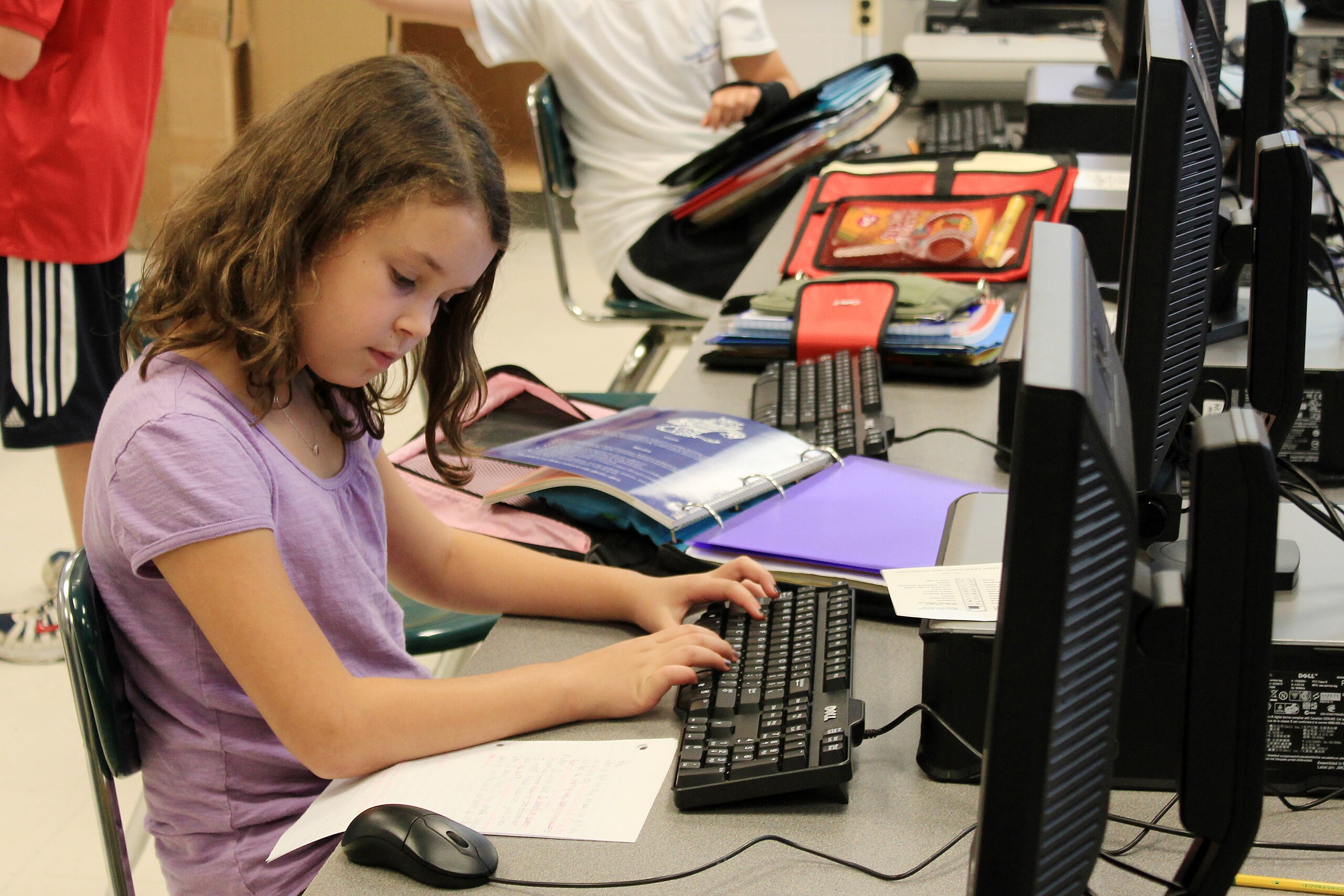 Student working on assignment using computer[70] Educators have also turned to social media platforms to communicate and share ideas with one another.[69] Social media and social networks have become a crucial part of the information landscape. Social media allows educators to communicate and collaborate with one another without having to use traditional educational tools.[71] Restrictions such as time and location can be overcome with the use of social media-based education.[71] New models of learning are being developed with digital literacy in mind. Several countries have developed their models to emphasize ways of finding and implementing new digital didactics, finding more opportunities and trends via surveys of educators and college instructors.[72] Additionally, these new models of learning in the classroom have aided in promoting global connectivity, enabling students to become globally-minded citizens. According to one study by Stacy Delacruz, Virtual Field Trips, (VFT), a new form of multimedia presentation has gained popularity over the years because they offer the "opportunity for students to visit other places, talk to experts and participate in interactive learning activities without leaving the classroom". They have been used as a vessel for supporting cross-cultural collaboration amongst schools, including: "improved language skills, greater classroom engagement, deeper understandings of issues from multiple perspectives, and an increased sensitivity to multicultural differences". They also allow students to be the creators of their own digital content, a core standard from The International Society for Technology in Education (ISTE).[73] The COVID-19 pandemic pushed education into a more digital and online experience where teachers had to adapt to new levels of digital competency in software to continue the education system.[74] As academic institutions discontinued in-person activity,[75] different online meeting platforms were utilized for communication.[75] An estimated 84% of the global student body was affected by this sudden closure due to the pandemic.[76] Because of this, there was a clear disparity in student and school preparedness for digital education due, in large part, to a divide in digital skills and literacy that both the students and educators experienced.[77] For example, countries like Croatia had already begun work on digitalizing its schools countrywide. In a pilot initiative, 920 instructors and over 6,000 pupils from 151 schools received computers, tablets, and presentation equipment, as well as improved connection and teacher training, so that when the pandemic struck, pilot schools were ready to begin offering online programs within two days.[78] The switch to online learning has brought about some concerns regarding learning effectiveness, exposure to cyber risks, and lack of socialization. These prompted the need to implement changes in how students can learn much-needed digital skills and develop digital literacy.[76] As a response, the DQ (Digital Intelligence) Institute designed a common framework for enhancing digital literacy, digital skills, and digital readiness.[79] Attention and focus was also brought to the development of digital literacy in higher education. A study in Spain measured the digital knowledge of 4883 teachers of all education levels over recent school years and found that they needed further training to advance new learning models for the digital age. These programs were proposed using the joint framework. INTEF (National Institute of Educational Technologies and Teacher Training), as a reference.[74] In Europe, the Digital Competence of Educators (DigCompEdu), developed a framework to address and promote the development of digital literacy. It is divided into six branches: professional engagement, digital sources resources, teaching and learning, assessment, empowerment of learners, and the facilitation of learners' digital competence.[80] The European Commission also developed the "Digital Education Action Plan", which focuses on using the COVID-19 pandemic experience to learn how technology is being used on a large scale for education and adapting the systems used for learning and training in the digital age. The framework is divided into two main strategic priorities: fostering the development of a high-performing digital education ecosystem and enhancing digital skills and competencies for digital transformation.[81] |
アプリケーション 教育 社会はテクノロジーに依存した世界へと向かっている[66]。教育においてデジタル・テクノロジーを導入することが必要になっている[66]。これには、 教室にコンピュータを設置すること、教育用ソフトウェアを使用してカリキュラムを教えること、学生がオンラインで利用できる教材を用意することなどがよく 含まれる[66]。生徒には、オンライン上で信頼できる情報源を確認する方法、ウェブサイトを引用する方法、剽窃を防ぐ方法などのリテラシー・スキルがよ く教えられている。グーグルやウィキペディアは、生徒が「日常生活の調べものに」[67]よく使うものであり、現代の教育を促進する2つの一般的なツール にすぎない。デジタル技術は、教室での教材の教え方に影響を与えている。デジタル・リテラシーは、生徒がオンライン情報をナビゲートするのに役立つだけで なく、学術的な場や実社会の場でデジタル・コンテンツを批判的に評価し、総合し、応用する能力を高める[68]。 コンピュータを使って課題に取り組む生徒[70]。 教育者はまた、互いにコミュニケーションをとり、アイデアを共有するために、ソーシャルメディア・プラットフォームに目を向けている[69]。ソーシャル メディアとソーシャル・ネットワークは、情報状況の重要な一部となっている。ソーシャル・メディアによって、教育者は従来の教育ツールを使うことなく、互 いにコミュニケーションをとり、協力し合うことができる[71]。時間や場所といった制約は、ソーシャル・メディアを利用した教育によって克服することが できる[71]。 デジタル・リテラシーを念頭に置いた新しい学習モデルが開発されている。いくつかの国では、教育者や大学の教官を対象とした調査を通じて、より多くの機会 や傾向を見出して、新しいデジタル教授法を見つけ、実践する方法を強調するモデルを開発している[72]。さらに、教室におけるこうした新しい学習モデル は、グローバルなつながりを促進するのに役立っており、生徒がグローバルな視野を持った市民になることを可能にしている。ステイシー・デラクルーズ (Stacy Delacruz)のある研究によると、バーチャル・フィールド・トリップ(Virtual Field Trips、VFT)は、「生徒が教室にいながらにして、他の場所を訪れ、専門家と話をし、インタラクティブな学習活動に参加する機会」を提供するため、 マルチメディア・プレゼンテーションの新しい形態として、長年にわたって人気を博してきた。マルチメディア・プレゼンテーションは、「生徒が教室にいなが らにして他の場所を訪れ、専門家と話したり、双方向の学習活動に参加したりする機会」を提供することから、学校間の異文化協力を支援する器として使われて きた: 「語学力の向上、授業への参加意欲の向上、多角的な視点からの問題への深い理解、多文化的な差異に対する感受性の向上」などである。また、国際教育技術協 会(ISTE)の中心的な基準である、生徒が自分自身のデジタルコンテンツの作成者となることもできる[73]。 COVID-19のパンデミックは、教育をよりデジタルでオンライン的な経験へと押し進め、教師は教育システムを継続するために、ソフトウェアにおけるデ ジタルコンピテンシーの新しいレベルに適応しなければならなかった[74]。[パンデミックによるこの突然の閉鎖によって、世界の生徒の84%が影響を受 けたと推定されている[76]。このため、生徒と教育者の双方が経験したデジタルスキルとリテラシーの格差が大きな原因となって、デジタル教育に対する生 徒と学校の準備に明らかな格差が生じた[77]。試験的な取り組みでは、151校の920人の教官と6,000人以上の生徒が、コンピュータ、タブレッ ト、プレゼンテーション機器のほか、接続環境の改善や教員研修などを受け、パンデミックが発生したときには、試験的な学校は2日以内にオンラインプログラ ムの提供を開始できる状態になっていた[78]。 オンライン学習への切り替えは、学習効果、サイバーリスクへの暴露、社会化の欠如に関するいくつかの懸念をもたらした。これらに対応するため、DQ(デジ タル・インテリジェンス)研究所は、デジタル・リテラシー、デジタル・スキル、デジタル・レディネスを強化するための共通のフレームワークを設計した [79]。 スペインで行われた調査では、すべての教育レベルの教師4883人のデジタル知識を近年数年間にわたって測定し、デジタル時代の新しい学習モデルを推進す るためのさらなるトレーニングが必要であることがわかった。これらのプログラムは、共同フレームワークを用いて提案された。INTEF(国立教育技術・教 員研修機構)を参考にした[74]。 ヨーロッパでは、教育者のデジタル・コンピテンス(DigCompEdu)が、デジタル・リテラシーの育成に取り組み、促進するための枠組みを開発した。 欧州委員会も「デジタル教育行動計画」を策定し、COVID-19のパンデミックの経験を利用して、テクノロジーが教育にどのように大規模に利用されてい るかを学び、デジタル時代の学習や訓練に利用されるシステムを適応させることに焦点を当てている。この枠組みは、高パフォーマンスのデジタル教育エコシス テムの開発の促進、およびデジタルトランスフォーメーションのためのデジタルスキルとコンピテンシーの強化という2つの主要な戦略的優先事項に分かれてい る[81]。 |
| Digital competences In 2013 the Open Universiteit Nederland released an article defining twelve digital competence areas. These areas are based on the knowledge and skills people have to acquire to be digitally literate.[82] A. General knowledge and functional skills. Knowing the basics of digital devices and using them for elementary purposes. B. Use in everyday life. Being able to integrate digital technologies into the activities in everyday life. C. Specialized and advanced competence in work and creative expression. Being able to use ICT (Information and Communication Technologies) to express your creativity and improve your professional performance. D. Technology-mediated communication and collaboration. Being able to connect, share, communicate, and collaborate with others effectively in a digital environment. E. Information processing and management. Using technology to improve your ability to gather, analyze, and judge the relevance and purpose of digital information. F. Privacy and security. Being able to protect your privacy and take appropriate security measures. G. Legal and ethical aspects. Behaving appropriately in a socially responsible way in the digital environment and being aware of the legal and ethical aspects of the use of ICT. H. Balanced attitude towards technology. Demonstrating an informed, open-minded, and balanced attitude towards an information society and the use of digital technologies. I. Understanding and awareness of the role of ICT in society. Understanding the broader context of use and development of ICT. J. Learning about and with digital technologies. Exploring emerging technologies and integrating them. K. Informed decisions on appropriate digital technologies. Being aware of the most relevant or common technologies. L. Seamless use demonstrating self-efficacy. Confidently and creatively applying digital technologies to increase personal and professional effectiveness and efficiency. The competencies mentioned are based on each other. Competencies A, B, and C are the basic knowledge and skills a person has to have to be a fully digitally literate person. When these three competencies are acquired you can build upon this knowledge and those skills to acquire the other competencies. |
デジタル・コンピテンス 2013年、オランダの放送大学は12のデジタル・コンピテンス分野を定義する論文を発表した[82]。これらの分野は、人々がデジタルリテラシーを身につけるために習得しなければならない知識とスキルに基づいている[82]。 A. 一般的な知識と機能的スキル デジタル機器の基本を知り、初歩的な目的に使用する。 B. 日常生活での使用。デジタル技術を日常生活の活動に取り入れることができる。 C. 仕事や創造的表現における専門的かつ高度な能力。ICT(情報通信技術)を活用して、創造性を表現し、言語遂行能力を向上させることができる。 D. テクノロジーを介したコミュニケーションとコラボレーション。デジタル環境において、他者と効果的につながり、共有し、コミュニケーションし、協力することができる。 E. 情報処理と管理。テクノロジーを利用して、デジタル情報の収集、分析、関連性や目的の判断能力を向上させる。 F. プライバシーとセキュリティ。プライバシーを保護し、適切なセキュリティ対策を講じることができる。 G. 法的・倫理的側面。デジタル環境において社会的責任をもって適切に行動し、ICTの利用に関する法的・倫理的側面を認識する。 H. 技術に対するバランスのとれた態度。情報社会とデジタル技術の利用に対して、十分な知識を持ち、オープンマインドで、バランスの取れた態度を示す。 I. 社会における ICT の役割を理解し、認識する。ICT の利用と発展に関するより広い背景を理解する。 J. デジタル技術について学ぶ。新たなテクノロジーを探求し、それらを統合する。 K. 適切なデジタル技術を判断する。最も関連性の高い技術や一般的な技術を知っている。 L. 自己効力感を示すシームレスな使用。自信を持って創造的にデジタル技術を活用し、個人的・職業的な効果や効率を高める。 これらのコンピテンシーは互いに関連している。コンピテンシーA、B、Cは、人格が完全にデジタルリテラシーを身につけるための基本的な知識とスキルである。この3つのコンピテンシーを身につければ、その知識とスキルの上に他のコンピテンシーを身につけることができる。 |
| Digital writing University of Southern Mississippi professor, Dr. Suzanne Mckee-Waddell[83] conceptualized the idea of digital composition as: the ability to integrate multiple forms of communication technologies and research to create a better understanding of a topic.[vague] Digital writing is a pedagogy that is being taught increasingly in universities. It is focused on the impact technology has had on various writing environments; it is not simply the process of using a computer to write. Educators in favor of digital writing argue that it is necessary because "technology fundamentally changes how writing is produced, delivered, and received."[84] The goal of teaching digital writing is that students will increase their ability to produce a relevant, high-quality product, instead of just a standard academic paper.[85] One aspect of digital writing is the use of hypertext or LaTeX.[86] As opposed to printed text, hypertext invites readers to explore information in a non-linear fashion. Hypertext consists of traditional text and hyperlinks that send readers to other texts. These links may refer to related terms or concepts (such is the case on Wikipedia), or they may enable readers to choose the order in which they read. The process of digital writing requires the composer to make unique "decisions regarding linking and omission." These decisions "give rise to questions about the author's responsibilities to the [text] and objectivity."[87] |
デジタル作文 南ミシシッピ大学教授のスザンヌ・マッキー・ワデル博士[83]は、デジタル作文という考え方を次のように概念化している:あるトピックをより深く理解す るために、複数のコミュニケーション技術とリサーチを統合する能力。デジタル・ライティングは、テクノロジーが様々なライティング環境に与える影響に焦点 を当てたものであり、単にコンピュータを使って文章を書くというプロセスではない。デジタル・ライティングを支持する教育者は、「テクノロジーは、ライ ティングがどのように生み出され、提供され、受け取られるかを根本的に変えてしまう」[84]ので、デジタル・ライティングが必要だと主張している。デジ タル・ライティングを教える目的は、学生が標準的な学術論文ではなく、適切で質の高い成果物を生み出す能力を高めることである[85]。 デジタル・ライティングの一側面として、ハイパーテキストやLaTeXの利用がある[86]。印刷されたテキストとは対照的に、ハイパーテキストは読者を 非直線的な方法で情報を探索するよう促す。ハイパーテキストは、従来のテキストと、読者を他のテキストに送るハイパーリンクで構成されている。これらのリ ンクは、関連する用語や概念に言及することもあれば(ウィキペディアがそうだ)、読者が読む順序を選択できるようにすることもある。デジタル・ライティン グのプロセスでは、作曲家はユニークな 「リンクと省略に関する決定 」をしなければならない。これらの決定は「[テキスト]に対する作者の責任と客観性についての疑問を生じさせる」[87]。 |
| In the workforce A librarian at the National Library Medicine of the United States accessing the Physician Data Query using an IBM PC (1987) The US 2014 Workforce Innovation and Opportunity Act (WIOA) defines digital literacy skills as a workforce preparation activity.[88] In the modern world employees are expected to be digitally literate, having full digital competence.[89] Those who are digitally literate are more likely to be economically secure,[90] as many jobs require a working knowledge of computers and the Internet to perform basic tasks. Additionally, digital technologies such as mobile devices, production suites, and collaboration platforms are ubiquitous in most office workplaces and are often crucial in daily tasks, since many White collar jobs today are performed primarily using digital devices and technology.[91] Many of these jobs require proof of digital literacy to be hired or promoted. Sometimes companies will administer their tests to employees, or official certification will be required. A study on the role of digital literacy in the EU labour market found that individuals were more likely to be employed the more digitally literate they were.[92] As technology has become cheaper and more readily available, more blue-collar jobs have required digital literacy as well. Manufacturers and retailers, for example, are expected to collect and analyze data about productivity and market trends to stay competitive. Construction workers often use computers to increase employee safety.[90] |
職場で IBM PCを使用して医師データクエリにアクセスする米国国立医学図書館の司書(1987年)。 米国2014年労働力革新機会法(WIOA)は、デジタルリテラシースキルを労働力準備活動として定義している[88]。現代社会では、従業員はデジタル リテラシーを身につけ、完全なデジタル能力を持つことが期待されている[89]。加えて、モバイルデバイス、プロダクションスイート、コラボレーショ ンプラットフォームなどのデジタルテクノロジーは、ほとんどのオフィス職場 に偏在しており、今日のホワイトカラーの仕事の多くが主にデジタルデバ イスやテクノロジーを使用して遂行されているため、日常業務におい て極めて重要であることが多い[91]。企業が従業員にテストを実施することもあれば、公的な認定が必要になることもある。EUの労働市場におけるデジタ ル・リテラシーの役割に関する調査では、デジタル・リテラシーが高いほど雇用される可能性が高いことがわかった[92]。 テクノロジーが安価で容易に入手できるようになるにつれて、デジタル・リテラシーを必要とするブルーカラーの仕事も増えてきた。例えば、製造業者や小売業 者は、競争力を維持するために、生産性や市場動向に関するデータを収集・分析することが求められている。建設作業員は、従業員の安全性を高めるためにコン ピューターをよく使う[90]。 |
| In entrepreneurship The acquisition of digital literacy is also important when it comes to starting and growing new ventures. The emergence of the World Wide Web and other digital platforms has led to a plethora of new digital products or services[93] that can be bought and sold. Entrepreneurs are at the forefront of this development, using digital tools or infrastructure[94] to deliver physical products, digital artifacts,[95] or internet-enabled service innovations.[96] Research has shown that digital literacy for entrepreneurs consists of four levels (basic usage, application, development, and transformation) and three dimensions (cognitive, social, and technical).[97] At the lowest level, entrepreneurs need to be able to use access devices as well as basic communication technologies to balance safety and information needs. As they move to higher levels of digital literacy, entrepreneurs will be able to master and manipulate more complex digital technologies and tools, enhancing the absorptive capacities and innovative capability of their venture. In a similar vein, if small to medium enterprises, (SMEs), possess the ability to adapt to dynamic shifts in technology, then they can take advantage of trends, marketing campaigns, and communication with consumers to generate more demand for their goods and services. Moreover, if entrepreneurs are digitally literate, then online platforms like social media can further help businesses receive feedback and generate community engagement that could potentially boost their business's performance as well as their brand image. A research paper published in The Journal of Asian Finance, Economics, and Business provides critical insight that suggests digital literacy has the greatest influence on the performance of SME entrepreneurs. The authors suggest their findings can help craft performance development strategies for SME entrepreneurs, arguing that their research shows the essential contribution of digital literacy in developing business and marketing networks.[98] Additionally, the study found that digitally literate entrepreneurs can communicate and reach wider markets than non-digitally literate entrepreneurs because of the use of web-management and e-commerce platforms that were supported by data analysis and coding. That said, constraints do exist for SMEs using e-commerce, including a lack of technical understanding of information technologies, and the high cost of internet access (especially for those in rural/underdeveloped areas).[99] |
起業家精神 デジタル・リテラシーの習得は、新しいベンチャー企業を立ち上げ、成長させる際にも重要である。ワールド・ワイド・ウェブやその他のデジタル・プラット フォームの出現は、売買可能な新しいデジタル製品やサービス[93]の氾濫をもたらした。起業家はこの発展の最前線におり、デジタルツールやインフラ [94]を利用して、物理的な製品やデジタル成果物[95]、インターネットを利用したサービスイノベーションを提供している[96]。調査によると、起 業家にとってのデジタルリテラシーは、4つのレベル(基本的な利用、応用、開発、変革)と3つの次元(認知、社会、技術)から構成されている[97]。よ り高いレベルのデジタルリテラシーに移行すると、起業家はより複雑なデジタルテクノロジーやツールを使いこなし、操作できるようになり、ベンチャー企業の 吸収能力や革新的能力を高めることができるようになる。同様に、中小企業がテクノロジーのダイナミックな変化に適応する能力を備えていれば、トレンドや マーケティング・キャンペーン、消費者とのコミュニケーションを活用し、自社の商品やサービスにより多くの需要を生み出すことができる。さらに、起業家が デジタルリテラシーを備えていれば、ソーシャルメディアなどのオンラインプラットフォームは、ビジネスがフィードバックを受けたり、コミュニティとの関わ りを生み出したりするのに役立ち、ビジネスの業績やブランドイメージを向上させる可能性がある。Journal of Asian Finance, Economics, and Businessに掲載された研究論文は、デジタルリテラシーが中小企業起業家の業績に最も大きな影響を与えることを示唆する言語遂行的洞察を示してい る。著者らは、この研究結果が中小企業起業家の業績向上戦略の立案に役立つことを示唆しており、彼らの研究は、ビジネスとマーケティングのネットワークを 発展させる上で、デジタルリテラシーが不可欠な貢献をしていることを示していると主張している[98]。さらに、この研究では、デジタルリテラシーの高い 起業家は、データ分析とコーディングによってサポートされたウェブ管理とeコマースプラットフォームを使用しているため、デジタルリテラシーの低い起業家 よりも、より広い市場でコミュニケーションをとり、リーチすることができることを発見した。とはいえ、電子商取引を利用する中小企業には、情報技術に関す る技術的な理解不足や、インターネット・アクセスにかかる高いコスト(特に農村部/未開発地域の中小企業にとって)といった制約が存在する[99]。 |
| Global impact The United Nations included digital literacy in its Sustainable Development Goals for 2030, under thematic indicator 4.4.2, which encourages the development of digital literacy proficiency in teens and adults to facilitate educational and professional opportunities and growth.[100] International initiatives like the Global Digital Literacy Council (GDLC) and the Coalition for Digital Intelligence (CDI) have also highlighted the need for digital literacy, and strategies to address this on a global scale.[101][102] The CDI, under the umbrella of the DQ Institute, created the Common Framework for Digital Literacy, Skills, and Readiness in 2019, that conceptualizes eight areas of digital life; identity, use, safety, security, emotional intelligence, communication, literacy, and rights; three levels of maturity: citizenship, creativity, and competitiveness; and three components of competency: knowledge, attitudes and values, and skills.[103] The UNESCO Institute for Statistics (UIS) also works to create, gather, map, and assess common frameworks on digital literacy across multiple member-states around the world.[104][105] In an attempt to narrow the Digital Divide, on September 26, 2018, the United States Senate Foreign Relations Committee passed legislation to help provide access to the internet in developing countries via the H.R.600 Digital Global Access Policy Act. The legislation itself was based on Senator Ed Markey's Digital Age Act, which was first introduced to the senate in 2016. In addition, Senator Markey provided a statement after the act was passed through the Senate: "American ingenuity created the internet and American leadership should help bring its power to the developing world," said Senator Markey. "Bridging the global digital divide can help promote prosperity, strengthen democracy, expand educational opportunity and lift some of the world's poorest and most vulnerable out of poverty. The Digital GAP Act is a passport to the 21st-century digital economy, linking the people of the developing world to the most successful communications and commerce tool in history. I look forward to working with my colleagues to get this legislation signed into law and to harness the power of the internet to help the developing world."[106] The Philippines' Education Secretary Jesli Lapus has emphasized the importance of digital literacy in Filipino education. He claims a resistance to change is the main obstacle to improving the nation's education in the globalized world. In 2008, Lapus was inducted into Certiport's "Champions of Digital Literacy" Hall of Fame for his work emphasizing digital literacy.[107] A 2011 study by the Southern African Linguistics & Applied Language Studies program did an observation of some South African university students regarding digital literacy.[108] While their courses did require some sort of digital literacy, very few students actually had access to a computer. Many had to pay others to type any work, as their digital literacy was almost nonexistent. Findings show that class, ignorance, and inexperience still affect access to learning that South African university students may need.[108] |
世界的な影響 国連は、2030年の持続可能な開発目標のテーマ別指標4.4.2にデジタルリテラシーを盛り込み、教育や職業上の機会や成長を促進するために、10代の 若者や成人のデジタルリテラシーの能力開発を奨励している[100]。グローバルデジタルリテラシー協議会(GDLC)やデジタルインテリジェンス連合 (CDI)のような国際的イニシアティブも、デジタルリテラシーの必要性と、世界規模でこれに取り組む戦略を強調している。[101][102]DQイン スティテュートの傘下にあるCDIは、2019年に「デジタルリテラシー、スキル、レディネスに関する共通フレームワーク」を作成し、デジタルライフの8 つの領域(アイデンティティ、利用、安全、セキュリティ、感情的知性、コミュニケーション、リテラシー、権利)、成熟度の3つのレベル(市民性、創造性、 競争力)、コンピテンシーの3つの要素(知識、態度・価値観、スキル)を概念化している。[103]ユネスコ統計研究所(UIS)もまた、世界中の複数の 加盟国にまたがるデジタル・リテラシーに関する共通のフレームワークの作成、収集、マッピング、評価に取り組んでいる[104][105]。 デジタル・デバイドを狭める試みとして、2018年9月26日、米国上院外交委員会は、H.R.600 Digital Global Access Policy Actを通じて、発展途上国におけるインターネットへのアクセス提供を支援する法案を可決した。この法案自体は、2016年に上院に初めて提出されたエ ド・マーキー上院議員のDigital Age Actに基づいている。また、同法が上院を通過した後、マーキー上院議員は次のような声明を発表した: 「アメリカの創意工夫がインターネットを生み出したのであり、アメリカのリーダーシップは、その力を発展途上国にもたらす手助けをすべきである。「世界的 なデジタル・デバイドを解消することは、繁栄を促進し、民主主義を強化し、教育機会を拡大し、世界で最も貧しく脆弱な人々を貧困から救うことにつながる。 デジタルGAP法は、21世紀のデジタル経済へのパスポートであり、発展途上国の人々を歴史上最も成功した通信・商業ツールに結びつけるものである。私 は、この法案が署名され、発展途上国を支援するためにインターネットの力を活用するために、同僚と協力することを楽しみにしている」[106]。 フィリピンのジェスリ・ラパス教育長官は、フィリピンの教育におけるデジタルリテラシーの重要性を強調している。彼は、変化への抵抗が、グローバル化した 世界における国民の教育を改善するための主な障害であると主張している。2008年、ラプスは、デジタル・リテラシーを強調する活動が評価され、サーティ ポートの「デジタル・リテラシーのチャンピオン」の殿堂入りを果たした[107]。 2011年のSouthern African Linguistics & Applied Language Studiesプログラムによる調査では、デジタルリテラシーに関して南アフリカの大学生を観察している。彼らのデジタル・リテラシーはほとんど存在しな いため、多くの学生は、どんな仕事でも他人にお金を払ってタイプしてもらわなければならなかった。調査結果は、階級、無知、経験のなさが、南アフリカの大 学生が必要とするかもしれない学習へのアクセスに依然として影響していることを示している[108]。 |
| Computer literacy Content moderation Cyber self-defense Data literacy Digital citizen Digital intelligence Digital rhetoric Digital rights Fact-checking Media literacy Web literacy Digital divide 21st century skills |
コンピューター・リテラシー コンテンツ・モデレーション サイバーセルフディフェンス データリテラシー デジタル市民 デジタル・インテリジェンス デジタル・レトリック デジタル著作権 ファクトチェック メディア・リテラシー ウェブリテラシー デジタルデバイド 21世紀型スキル |
| References |
https://en.wikipedia.org/wiki/Digital_literacy |
| Bibliography Vuorikari, R., Punie, Y., Gomez, S. C., & Van Den Brande, G. (2016). DigComp 2.0: The Digital Competence Framework for Citizens. Update Phase 1: The Conceptual Reference Model (No. JRC101254). Institute for Prospective Technological Studies, Joint Research Centre. Janssen, José; Stoyanov, Slavi; Ferrari, Anusca; Punie, Yves; Pannekeet, Kees; Sloep, Peter (October 2013). "Experts' views on digital competence: Commonalities and differences". Computers & Education. 68: 473–481. doi:10.1016/j.compedu.2013.06.008. hdl:1820/4986. Ng, D. T. K., Leung, J. K. L., Chu, S. K. W., & Qiao, M. (2021). "Conceptualizing AI Literacy: An Exploratory Review" (Vol. 2, Article 100041). Computers and Education: Artificial Intelligence. https://doi.org/10.1016/j.caeai.2021.100041 |
書誌情報 Vuorikari, R., Punie, Y., Gomez, S. C., & Van Den Brande, G. (2016). DigComp 2.0: 市民のためのデジタル・コンピテンス・フレームワーク。Update Phase 1: The Conceptual Reference Model (No. JRC101254). 共同研究センター将来技術研究所。 Janssen, José; Stoyanov, Slavi; Ferrari, Anusca; Punie, Yves; Pannekeet, Kees; Sloep, Peter (October 2013). 「デジタル・コンピテンスに関する専門家の見解: 共通点と異なる点". Computers & Education. 68: 473-481. doi:10.1016/j.compedu.2013.06.008. hdl:1820/4986. Ng, D. T. K., Leung, J. K. L., Chu, S. K. W., & Qiao, M. (2021). 「AIリテラシーを概念化する: An Exploratory Review" (Vol.2, Article 100041). コンピュータと教育: 人工知能 https://doi.org/10.1016/j.caeai.2021.100041 |
| https://en.wikipedia.org/wiki/Digital_literacy |
リ ンク
文 献
そ の他の情報
CC
Copyleft,
CC, Mitzub'ixi Quq Chi'j, 1996-2099