デュエム=クワイン・テーゼ
Duhem–Quine thesis
☆科学哲学において、デュエム=クワイン命題[Duhem–Quine thesis]
(デュエム=クワイン問題とも呼ばれる)は、科学的仮説の明確な反証は不可能だと主張する。なぜなら仮説の実証的検証には、一つ以上の背景仮定が必要だか
らだ。主たる仮説を否定する代わりに、その責任は背景となる信念や「補助的」仮説のいずれかに帰せられる。[1][2]
この命題は、類似の概念について論じたフランスの理論物理学者ピエール・デュエムとアメリカの論理学者ウィラード・ヴァン・オーマン・クワインに因んで名
付けられた。
ここ数十年、ある命題を支える一連の関連仮定は「仮説の束」、すなわち仮説とその背景仮定の集合と呼ばれることがある。仮説の束全体は経験的世界に対して
検証可能であり、検証に失敗すれば反証されるが、デュエム=クワイン命題は束の中の単一の仮説を分離することは不可能だと主張する。この見解は「確認の全
体論」と呼ばれる。
| In philosophy of
science, the Duhem–Quine thesis, also called the Duhem–Quine problem,
says that unambiguous falsifications of a scientific hypothesis are
impossible, because an empirical test of the hypothesis requires one or
more background assumptions. Rather than disproving the main
hypothesis, the blame can be placed on one of the background beliefs or
"auxiliary" hypotheses.[1][2] It is named after French theoretical
physicist Pierre Duhem and American logician Willard Van Orman Quine,
who wrote about similar concepts. In recent decades, the set of associated assumptions supporting a thesis sometimes is called a bundle of hypotheses, i.e. a hypothesis and its background assumptions. Although a bundle of hypotheses as a whole can be tested against the empirical world and be falsified if it fails the test, the Duhem–Quine thesis says it is impossible to isolate a single hypothesis in the bundle, a viewpoint called confirmation holism. |
科学哲学において、デュエム=クワイン命題(デュエム=クワイン問題と
も呼ばれる)は、科学的仮説の明確な反証は不可能だと主張する。なぜなら仮説の実証的検証には、一つ以上の背景仮定が必要だからだ。主たる仮説を否定する
代わりに、その責任は背景となる信念や「補助的」仮説のいずれかに帰せられる。[1][2]
この命題は、類似の概念について論じたフランスの理論物理学者ピエール・デュエムとアメリカの論理学者ウィラード・ヴァン・オーマン・クワインに因んで名
付けられた。 ここ数十年、ある命題を支える一連の関連仮定は「仮説の束」、すなわち仮説とその背景仮定の集合と呼ばれることがある。仮説の束全体は経験的世界に対して 検証可能であり、検証に失敗すれば反証されるが、デュエム=クワイン命題は束の中の単一の仮説を分離することは不可能だと主張する。この見解は「確認の全 体論」と呼ばれる。 |
| Overview The Duhem–Quine thesis argues that no scientific hypothesis is by itself capable of making predictions.[3] Instead, deriving predictions from the hypothesis typically requires background assumptions that several other hypotheses are correct — that an experiment works as predicted, or that previous scientific theory is accurate. For instance, as evidence against the idea that the Earth is in motion, some people objected that birds did not get thrown off into the sky whenever they let go of a tree branch. Later theories of physics and astronomy, such as classical and relativistic mechanics could account for such observations without positing a fixed Earth, and in due course they replaced the static-Earth auxiliary hypotheses and initial conditions. Although a bundle of hypotheses (i.e. a hypothesis and its background assumptions) as a whole can be tested against the empirical world and be falsified if it fails the test, the Duhem–Quine thesis says it is impossible to isolate a single hypothesis in the bundle. One solution to the dilemma thus facing scientists is that when we have rational reasons to accept the background assumptions as true (e.g. explanatory scientific theories together with their respective supporting evidence) we will have rational—albeit nonconclusive—reasons for thinking that the theory under test probably is wrong in at least one respect if the empirical test fails. As Allan Franklin understands, Consider the modus ponens. If a hypothesis h entails evidence e then not e entails not h. As Duhem and Quine, in slightly different ways, pointed out it is not h alone that entails e, but rather h and b, that entails e, where b is background knowledge. Thus, not e entails not h or not b, and one doesn’t know where to put the not. [sic][4] |
概要 デュエム=クワインの命題は、科学的仮説が単独で予測を導き出すことはできないと主張する[3]。むしろ、仮説から予測を導くには通常、他の複数の仮説が 正しいという背景の仮定が必要だ。つまり、実験が予測通りに機能することや、既存の科学的理論が正確であることなどである。例えば、地球が動いているとい う考えに対する反証として、鳥が木の枝から手を離しても空に放り出されないことを挙げる者がいた。しかし古典力学や相対性力学といった後の物理学・天文学 理論は、地球が固定されているという仮定なしにこうした観測を説明でき、やがて静止地球という補助仮説や初期条件に取って代わった。 仮説の束(すなわち仮説とその背景にある前提)全体は経験的世界に対して検証可能であり、検証に失敗すれば反証される。しかしデュエム=クワインの命題に よれば、束の中の単一の仮説を孤立させることは不可能だ。したがって、科学者が直面するこのジレンマに対する一つの解決策は、背景となる仮定を真実として 受け入れる合理的な理由(例えば、説明的な科学理論とそれを裏付けるそれぞれの証拠)がある場合には、経験的検証が失敗した場合、検証中の理論は少なくと も一点において間違っている可能性が高いと考える合理的な(ただし決定的ではない)理由があるということだ。 アラン・フランクリンが理解しているように、 モダスポネンスを考えてみよう。仮説 h が証拠 e を意味する場合、e ではないことは h ではないことを意味する。デュエムとクワインが、それぞれ少し異なる方法で指摘したように、e を意味するのは h だけではない。むしろ、h と b(b は背景知識)が e を意味する。したがって、e ではないことは h ではない、あるいは b ではないことを意味し、どこに否定を置くべきかはわからない。[原文のまま][4] |
| Example from Galilean astronomy The work of Galileo Galilei in the application of the telescope to astronomical observation met with rejection from influential sceptics. They denied the truth of his most startling reports, such as that there were mountains on the Moon and satellites around Jupiter.[5] In particular, some prominent philosophers, most notably Cesare Cremonini, refused to look through the telescope, arguing that the instrument itself might have introduced artefacts that produced the illusion of mountains or satellites invisible to the naked eye.[6] To neglect such possibilities amounted to underdetermination in which argument for optical artefacts could be urged as being of equal merit to arguments for observation of new celestial effects. On a similar principle in modern times a prevalent view is that "extraordinary claims demand extraordinary proof." In the early 17th century the modern version of the Duhem–Quine thesis had not been formulated, but common sense objections to such elaborate and ad hoc implicit auxiliary assumptions were urged. To begin with, the mechanism of the (Galilean) telescopes had been explained in terms of geometrical optics and the nature of the objects that they imaged was consistent; for example a distant lake would not resemble a tree when seen through a telescope. The behaviour of telescopes on Earth denied any basis for arguing that they could create systematic artefacts in the sky, such as apparent satellites that behaved in the predictable manner of Jovian moons. Evidence also offered no basis to suggest that they could present yet other, more elaborate artefacts, fundamentally different from the satellites, such as lunar mountains that cast shadows varying consistently with the direction of solar illumination. In practice the politics and theology of the day determined the result of the dispute, but the nature of the controversy was a clear example of how different bundles of (usually implicit) auxiliary assumptions could support mutually inconsistent hypotheses concerning a single theory. In terms of either version of the Duhem–Quine thesis it therefore is necessary to study the defensibility of the auxiliary assumptions, together with the primary hypothesis, to arrive at the most viable working hypothesis. |
ガリレオ天文学の例 ガリレオ・ガリレイが天体観測に望遠鏡を応用した業績は、有力な懐疑論者たちから拒絶された。彼らは、月に山があることや木星の周りに衛星があるといっ た、彼の最も驚くべき報告の真実性を否定した。[5] 特にチェザーレ・クレモニーニら著名な哲学者たちは、望遠鏡自体に人工的な像が生じ、肉眼では見えない山や衛星の錯覚を引き起こす可能性があると主張し、 望遠鏡を覗くことすら拒んだ。[6] このような可能性を無視することは、決定不足に等しい。つまり、新たな天体現象の観測を主張する論拠と同等の説得力を持つ、光学的な人工像の主張が成り立 つ余地が残されるのである。現代においても同様の原理に基づき、「非凡な主張には非凡な証明が求められる」という見解が広く受け入れられている。 17世紀初頭には、デュエム=クワイン命題の現代版はまだ提唱されていなかったが、このような精巧で場当たり的な暗黙の補助仮定に対する常識的な反論が主 張されていた。まず、(ガリレオ式)望遠鏡の作用原理は幾何光学によって説明され、それが映し出す物体の性質は一貫していた。例えば、遠くの湖が望遠鏡を 通して見ると木のように見えるようなことはなかった。地上における望遠鏡の挙動は、空に体系的な人工物(例えば木星の衛星のように予測可能な動きをする見 かけの衛星)を生み出す可能性を否定していた。また、衛星とは根本的に異なる、さらに精巧な人工物(例えば太陽光の照射方向に比例して影を落とす月の山 脈)を提示する根拠も証拠からは得られなかった。 実際には当時の政治と神学が論争の帰結を決定したが、この論争の本質は、単一の理論に関して互いに矛盾する仮説を、異なる(通常は暗黙の)補助仮定の束が どのように支え得るかを示す明確な例であった。したがってデュエム=クワイン命題のいずれの解釈においても、最も実行可能な仮説に到達するには、主要仮説 とともに補助仮定の正当性を検討することが必要である。 |
| Pierre Duhem As popular as the Duhem–Quine thesis may be in philosophy of science, in reality Pierre Duhem and Willard Van Orman Quine stated very different theses. Duhem believed that only in the field of physics can a single individual hypothesis not be isolated for testing. He says in no uncertain terms that experimental theory in physics is not the same as in fields like physiology and certain branches of chemistry.[citation needed] Also, Duhem's conception of "theoretical group" has its limits, since he states that not all concepts are connected to each other logically.[citation needed] He did not include at all a priori disciplines such as logic and mathematics within the theoretical groups in physics, since they cannot be tested.[citation needed] |
ピエール・デュエム デュエム=クワインの命題が科学哲学において広く知られているとはいえ、実際にはピエール・デュエムとウィラード・ヴァン・オーマン・クワインが述べた命 題は大きく異なっていた。デュエムは、物理学の分野においてのみ、単一の仮説が検証のために切り離せないと考えていた。彼は物理学における実験理論は、生 理学や化学の特定分野のような分野とは異なることを明確に述べている。[出典が必要] またデュエムの「理論的グループ」概念には限界がある。なぜなら彼は、全ての概念が論理的に相互接続されているわけではないと述べているからだ。[出典が 必要] 彼は物理学の理論的グループの中に、論理学や数学のようなア・プリオリな分野を全く含めていない。それらは検証不可能だからだ。[出典が必要] |
| Willard Van Orman Quine See also: Confirmation holism In "Two Dogmas of Empiricism", Quine presents a stronger form of underdetermination, extending it to all knowledge, even logic and mathematics. For Quine, knowledge constitutes a single web of empirical significance, making even the most abstract components epistemologically akin to mythological posits devised to explain experience. Even logic and mathematics might be revised in light of experience, he once held, citing quantum logic. He later recanted, writing in Philosophy of Logic that revising logic would amount to "changing the subject". In classical logic, connectives are defined by truth values. In multi-valued logic or quantum logics, however, they diverge in meaning, with quantum logic abandoning truth-functional semantics altogether. Quine argued that deviant logics tend to lack the simplicity and fruitfulness of classic logic. |
ウィラード・ヴァン・オーマン・クワイン 参照: 確認全体論 「経験主義の二つの教条」において、クワインはより強固な形の未決定性を提示し、それを論理学や数学を含むあらゆる知識にまで拡張した。クワインにとっ て、知識は単一の経験的意義の網を構成しており、最も抽象的な要素でさえ、経験を説明するために考案された神話的仮説と認識論的に類似している。彼はかつ て量子論理を例に挙げ、経験に照らして論理学や数学さえも修正される可能性があると主張した。 後に彼はこの見解を撤回し、『論理哲学』の中で、論理の見直しは「主題を変える」ことに等しいと記した。古典論理学では、接続詞は真偽値によって定義され る。しかし多値論理や量子論理では、その意味が異なり、量子論理は真偽関数的な意味論を完全に放棄している。クワインは、逸脱した論理は古典論理の単純さ と実り豊かさを欠く傾向があると主張した。 |
| Theory-ladenness |
理論依存性(理論負荷) |
| Notes 1. Harding 1976, p. X: "The physicist can never subject an isolated hypothesis to experimental test, but only a whole group of hypotheses" (Duhem)... "Duhem denies that unambiguous falsification procedures do exist in science." 2. Stanford, Kyle (2023), "Underdetermination of Scientific Theory", in Zalta, Edward N.; Nodelman, Uri (eds.), The Stanford Encyclopedia of Philosophy (Summer 2023 ed.), Metaphysics Research Lab, Stanford University, retrieved 13 January 2025 3. Harding 1976, p. X. 4. Franklin, Allan (3 June 2011). "Alan Sokal: Beyond the Hoax: Science, Philosophy and Culture: Oxford University Press, Oxford, 2008, paperback 2010, ISBN (paperback): 978-0-19-956183-4, 465 pp, $24.95". Science & Education. 21 (3): 441–445. doi:10.1007/s11191-011-9371-2. ISSN 0926-7220. S2CID 142696841 – via Springer Science+Business Media. 5. Galileo 1610. 6. Heilbron, John L. Galileo. Oxford University Press, 2010, 195-196. |
注 1. ハーディング 1976, p. X: 「物理学者は孤立した仮説を実験的に検証することは決してできず、仮説の集合全体しか検証できない」(デュエム)...「デュエムは、科学において明確な反証手続きが存在することを否定している」 2. スタンフォード、カイル (2023)、「科学理論の決定不足」、Zalta、エドワード N.、Nodelman、ウリ (編)、『スタンフォード哲学百科事典』 (2023年夏版)、形而上学研究所、スタンフォード大学、2025年1月13日取得 3. ハーディング 1976、p. X。 4. フランクリン、アラン(2011年6月3日)。「アラン・ソカル:デマを超えて:科学、哲学、文化:オックスフォード大学出版局、オックスフォード、 2008年、ペーパーバック 2010年、ISBN(ペーパーバック):978-0-19-956183-4、465 ページ、24.95 ドル」。科学と教育。21 (3): 441–445. doi:10.1007/s11191-011-9371-2. ISSN 0926-7220. S2CID 142696841 – スプリンガー・サイエンス+ビジネス・メディア経由。 5. ガリレオ 1610年。 6. ヘイルブロン、ジョン・L. 『ガリレオ』オックスフォード大学出版局、2010年、195-196頁。 |
| References Galileo, Galileo (1610). "Sidereus nuncius" (in Latin). Harding, Sandra (1976). "Introduction". Can theories be refuted?: essays on the Duhem-Quine thesis. Springer Science & Business Media. pp. IX–XXI. ISBN 978-90-277-0630-0. |
参考文献 ガリレオ・ガリレイ (1610). 「星の使者」 (ラテン語). ハーディング, サンドラ (1976). 「序論」. 『理論は反駁されうるか?:デュエム=クワイン命題に関する論考』. スプリンガー・サイエンス&ビジネス・メディア. pp. IX–XXI. ISBN 978-90-277-0630-0. |
| Further reading Duhem, Pierre (1998). "Physical Theory and Experiment". In Curd, Martin; Cover, J.A. (eds.). Philosophy of Science: The Central Issues. New York: Norton. pp. 257–279. Gillies, Donald (1993). Philosophy of Science in the Twentieth Century: Four Central Themes. Oxford: Blackwell. Gillies, Donald (1998). "The Duhem Thesis and the Quine Thesis". In Curd, Martin; Cover, J.A. (eds.). Philosophy of Science: The Central Issues. New York: Norton. pp. 302–319. Quine, W. V. (1998). "Two Dogmas of Empiricism". In Curd, Martin; Cover, J.A. (eds.). Philosophy of Science: The Central Issues. New York: Norton. pp. 280–301. |
追加文献(さらに読む) デュエム、ピエール (1998). 「物理理論と実験」. カーズ、マーティン; カバー、J.A. (編). 『科学哲学:中心的な問題』. ニューヨーク: ノートン. pp. 257–279. ギリーズ、ドナルド (1993). 『20 世紀の科学哲学:4 つの中心的なテーマ』. オックスフォード: ブラックウェル. Gillies, Donald (1998). 「デュエム説とクワイン説」. In Curd, Martin; Cover, J.A. (eds.). 科学哲学:中心的な問題. ニューヨーク:ノートン. pp. 302–319. クワイン、W. V. (1998). 「経験主義の二つの教義」. カーズ、マーティン; カバー、J.A. (編). 科学哲学:中心的な問題. ニューヨーク:ノートン. pp. 280–301. |
| https://en.wikipedia.org/wiki/Duhem%E2%80%93Quine_thesis |
++
The four moons of
Jupiter seen through a small telescope. Their observation by Galileo
Galilei supported one bundle of hypotheses concerning the nature of the
Solar System, which the papal authorities denied in favour of a
different bundle.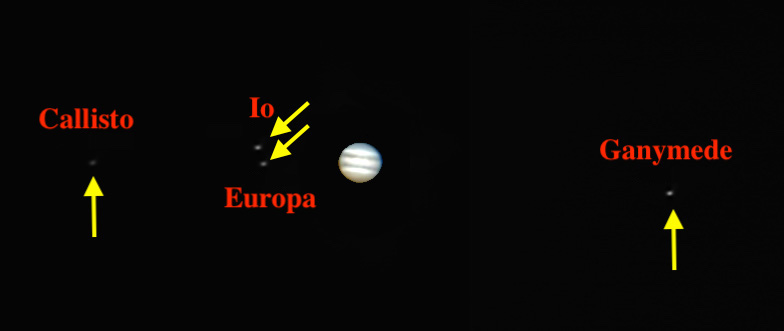 |
木星の四つの衛星が小型望遠鏡を通して見える。ガリレオ・ガリレイによるそれらの観測は、太陽系の性質に関するある仮説群を支持したが、教皇庁の権威はこれを否定し、異なる仮説群を支持した。 |
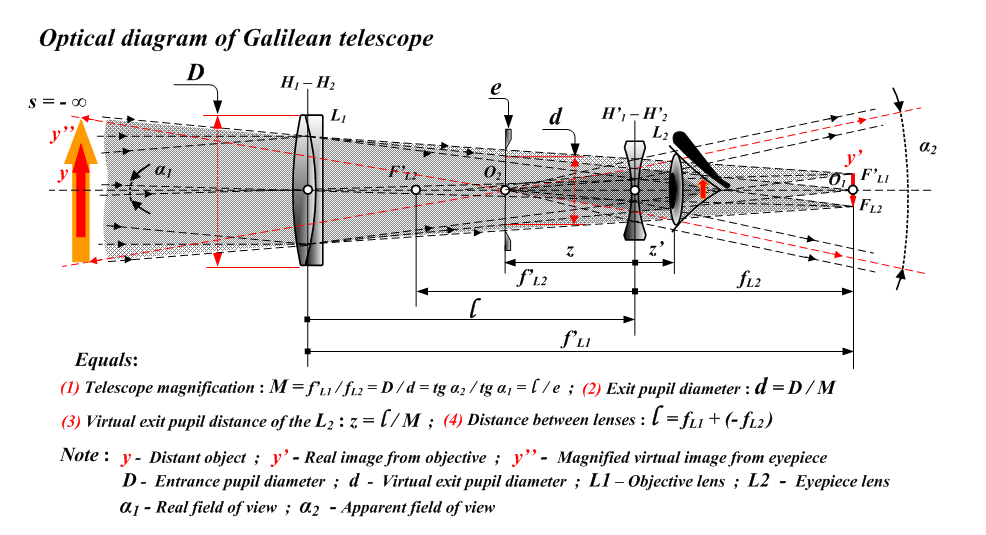 The geometrical optic functioning of the Galilean telescope does not lend itself to the creation of fictitious images. The following illustrations by Galileo accordingly refute one of the two alternative bundles of hypotheses. |
ガリレオ式望遠鏡の幾何光学的な作用は、虚像の生成には適さない。したがって、ガリレオによる以下の図解は、二つの仮説群のうちの一つを反証している。 |
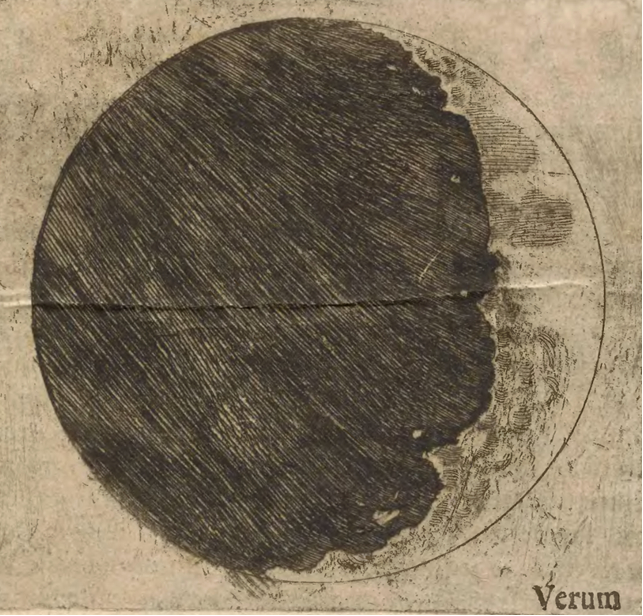 Galileo's sketch of mountains on the sickle Moon, as published in Sidereus Nuncius |
ガリレオが『星の使者』に掲載した三日月面の山々のスケッチ |
リ ンク
文 献
そ の他の情報
CC
Copyleft,
CC, Mitzub'ixi Quq Chi'j, 1996-2099