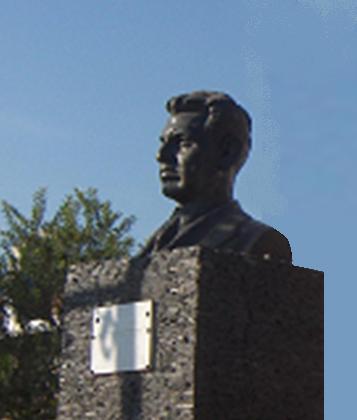
モイセス・サエンス
Moisés Sáenz Garza,
1888-1941
☆モイセス・サエンス・ガルサ[Moisés Sáenz Garza](1888–1941)は、20世紀前半のメキシコにおける主要な教育提唱者であり、教育改革者であった。サエンスが1920年代に公教育省次官として在任中に導入した多くの哲学やプログラムは、彼の師であるジョン・デューイの影響に由来するものである。
| Moisés Sáenz Garza
(1888–1941) was a Mexican leading education advocate and reformer of
education in Mexico during the first half of the 20th century. Many of
the philosophies and programs that Sáenz introduced during his tenure
as Sub-Secretary for the Secretariat of Public Education in the 1920s
came from the influences of his mentor, John Dewey. |
モ
イセス・サエンス・ガルサ(1888–1941)は、20世紀前半のメキシコにおける主要な教育提唱者であり、教育改革者であった。サエンスが1920年
代に公教育省次官として在任中に導入した多くの哲学やプログラムは、彼の師であるジョン・デューイの影響に由来するものである。 |
| Early life Moisés Sáenz was born in 1888 in the northern Mexican town of Monterrey. His family was one of the relatively few Protestant families in Mexico at the time, something which had a strong influence on the path Sáenz's life would take. Moisés had a brother, Aaron, who also rose to prominence in post-Revolutionary Mexico, first as a politician (he served as Secretary of Foreign Affairs, Secretary of Public Education and Governor of Nuevo León) and later as a sugar baron known to some as the “king of Mexican sugar.” |
幼少期 モイセス・サエンスは1888年、メキシコ北部の町モンテレイで生まれた。彼の家族は当時メキシコでは比較的少なかったプロテスタントの家庭の一つであ り、これがサエンスの人生の進路に強い影響を与えた。モイセスにはアーロンという弟がいた。彼も革命後のメキシコで頭角を現し、最初は政治家として(外務 大臣、教育大臣、ヌエボ・レオン州知事を歴任)、後に砂糖王として知られ、一部からは「メキシコ砂糖の王」と呼ばれた。 |
| Early education As a member of a Protestant family, Sáenz was strongly influenced by the strong education tradition set by Protestant missionaries, starting in the late 1820s.[1] Because each Protestant was expected to be able to read the Bible on his or her own, literacy was an essential skill. A major feature of this effort was the founding of schools, in both urban and rural areas, which allowed local children to gain access to a quality education that often would otherwise have been inaccessible.[2] The majority of Sáenz's childhood education took place at the hands of Protestant missionaries. His elementary school years were spent in his hometown of Monterrey from 1896-1902. He them moved to the Coyoacán Preparatory School for Boys in Mexico City in 1903, where he remained until 1908. |
初期教育 プロテスタントの家庭に生まれたサエンスは、1820年代後半から始まったプロテスタント宣教師による強い教育の伝統に強く影響を受けた。[1] プロテスタント信徒は各自で聖書を読めることが求められたため、読み書きは必須の技能であった。この取り組みの主な特徴は、都市部と農村部の両方に学校を 設立したことであり、これにより地元の子供たちは、そうでなければほとんど受けられなかった質の高い教育を受ける機会を得たのである。[2] サエンスの幼少期の教育の大部分はプロテスタント宣教師によって行われた。1896年から1902年まで故郷のモンテレーで初等教育を受け、1903年にはメキシコシティのコヨアカン男子予備校に移り、1908年まで在籍した。 |
| Higher education After graduating from Coyoacán at age 20, Sáenz obtained a teaching credential before moving to the United States to further his education in 1909. Once in the United States, Sáenz remained within the Protestant educational sphere. He attended Protestant-affiliated Washington and Jefferson College in Washington, Pennsylvania. After graduating from Washington and Jefferson, Sáenz began his post-graduate studies across the Atlantic at the University of Paris before returning to the United States to pursue his doctorate at Columbia University. |
高等教育 20歳でコヨアカン校を卒業後、サエンスは教員免許を取得し、1909年にさらなる教育を求めてアメリカ合衆国へ渡った。 アメリカに渡ると、サエンスはプロテスタント系の教育環境にとどまった。ペンシルベニア州ワシントンにあるプロテスタント系のワシントン・アンド・ジェ ファーソン大学に通った。同大学卒業後、サエンスは大西洋を渡ってパリ大学で大学院研究を始め、その後アメリカに戻りコロンビア大学で博士号取得を目指し た。 |
| Influence of John Dewey At Columbia, he met John Dewey, who became a mentor to Sáenz and helped to shape many of the theories and policies Sáenz would pursue throughout his professional career. John Dewey was a prominent American philosopher, psychologist, and educator in the early to mid-20th century. Although he is now known better for his work in philosophy, he was no less influential in the area of education, and, in fact, his work in the two areas often overlapped.[3] He was a leader of the “progressive” education movement. His philosophical ideas emphasized the importance of the community, something which carried over to his thoughts on education. He believed effective schools should also be agents of socialization for the students, preparing them for and integrating them into society.[4] He also advocated for more creative and flexible types of educational instruction rather than more traditional, rigid forms, placing a premium upon activity within the learning environment. Dewey's theories came to be classified under the label of “pragmatism;” they were, theoretically, pragmatically preparing students to be independent, productive members of society.[5] Dewey's ideas gained him a devoted following that stretched beyond the borders of the United States; among their ranks was Moisés Sáenz. |
ジョン・デューイの影響 コロンビア大学で彼はジョン・デューイと出会い、デューイはサエンスの師となり、サエンスがその後の人生で追求する理論や政策の多くを形作る助けとなった。 ジョン・デューイは20世紀前半から中盤にかけて活躍したアメリカの哲学者、心理学者、教育者である。現在では哲学分野での業績でより知られるが、教育分 野における影響力は決して小さくなく、実際、両分野における彼の活動はしばしば重なり合っていた。[3] デューイは「進歩主義」教育運動の指導者であった。彼の哲学思想は共同体の重要性を強調し、この考えは教育観にも引き継がれた。効果的な学校は生徒の社会 化の手段でもあり、社会への準備と統合を図るべきだと彼は考えた。[4] また、伝統的で硬直した形式よりも、創造的で柔軟な教育手法を提唱し、学習環境における活動を重視した。デューイの理論は「実用主義」の枠組みに分類され るようになった。理論的には、学生が自立した生産的な社会の一員となるよう、実用的に準備するものであった。[5] デューイの思想は熱心な支持者を獲得し、その影響は米国を越えて広がった。その支持者の中にはモイセス・サエンスも含まれていた。 |
| Education policy After obtaining his doctorate from Columbia, Sáenz left Dewey and the United States to return to Mexico. There, he quickly rose up the hierarchy of the governmental education system, attaining the position of Sub-Secretary for Department of Public Education by 1925 under the post-Revolutionary presidency of Plutarco Elías Calles (his term would also carry over to Emilio Portes Gil’s presidency). Once installed in this influential position, Sáenz began to implement a series of reforms, many of which bore unmistakable signs of Dewey's influence. Perhaps most concretely, he served as the driving force for the creation of a network of schools known as secundarias, or secondary schools.[6] This was a vast expansion of what might be characterized as basic education in Mexico; it allowed many more Mexicans to have the ability to attend school past the fourth grade than had ever been possible before.[7] Sáenz also helped to create a systemic emphasis upon rural education in Mexico. For most of its history to this point, especially under Porfirio Diaz and his positivist-oriented government, Mexican education had been strongly centered around urban areas; the cities had the best schools and teachers and the most resources in far higher concentrations than did their rural counterparts.[8] In fact, rural schools were largely ignored. Much of rural Mexico was, at best, an uncomfortable fit with the modernized society the positivist government wished to create, and therefore the Diaz government tended to marginalize it in very significant ways. One of these, perhaps the most damaging, was educational negligence, simply ignoring the needs of rural schools or even failing to create or maintain schools in rural areas at all.[6] This changed once men like Moisés Sáenz began to shape education policy following the Mexican Revolution. The secundaria system's inclusion of and even emphasis on rural areas was the most obvious result of this emphasis, but it was far from the only one.[7] After the implementation of Sáenz's policies, rural education in Mexico improved significantly; the number of rural Mexicans who received at least a basic education rose dramatically, as evidenced by skyrocketing literacy rates, among other improvements.[8] This was at the time and remains today perhaps Sáenz's most significant and lasting contribution to the shaping of post-Revolutionary Mexico; the increased basic level of education it granted to the average Mexican helped to allow the country to modernize and adapt to the changing world around it.[6] The access and quality of education allowed by the system Sáenz helped create, in fact, may be the single biggest difference between pre- and post-Revolutionary Mexico.[citation needed] |
教育政策 コロンビア大学で博士号を取得後、サエンスはデューイとアメリカを離れメキシコへ帰国した。そこで彼は政府教育システムの階層を急速に昇り、1925年ま でに革命後のプルタルコ・エリアス・カジェス政権下で公教育次官の地位に就いた(その任期はエミリオ・ポルテス・ギル政権下にも継続された)。 この影響力ある地位に就くと、サエンスは一連の改革を実施し始めた。その多くはデューイの影響を明らかに示していた。おそらく最も具体的な成果として、彼 は「セカンダリアス」(中等学校)と呼ばれる学校ネットワーク創設の原動力となった[6]。これはメキシコにおける基礎教育の大幅な拡充であり、それまで 不可能だったほど多くのメキシコ人が4年生を超えて学校に通えるようになった。[7] サエンスはまた、メキシコにおける農村教育への体系的な重点化にも貢献した。それまでの歴史の大部分、特にポルフィリオ・ディアスとその実証主義志向の政 権下では、メキシコの教育は都市部に強く偏重していた。都市部には最良の学校と教師、そして農村部とは比べ物にならないほど集中した資源が投入されていた のだ。[8] 実際、農村部の学校はほとんど無視されていた。メキシコ農村部の多くは、実証主義政府が構築しようとした近代化社会との適合性が、せいぜい不十分な状態 だった。そのためディアス政権は、農村部を非常に重大な形で疎外する傾向にあった。その中でもおそらく最も有害だったのは、教育の怠慢である。農村部の学 校の必要性を単に無視したり、農村地域に学校を設立・維持することすら怠ったりしたのである。[6] この状況は、メキシコ革命後にモイセス・サエンスらの人物が教育政策を形作り始めたことで変化した。セカンダリア制度が農村地域を包含し、むしろ重視した ことは、この重点政策の最も顕著な成果であったが、それだけではない。[7] サエンスの政策実施後、メキシコの農村教育は著しく改善した。識字率の急上昇をはじめとする諸改善が示す通り、基礎教育すら受けられなかった農村住民の数 は劇的に減少した。[8] これは当時も今も、おそらく革命後のメキシコ形成におけるサエンスの最も重要かつ永続的な貢献である。平均的なメキシコ人に与えられた基礎教育水準の向上 は、同国が近代化し、変化する世界に対応する一助となった[6]。サエンスが創り出した制度によって可能となった教育へのアクセスと質こそが、革命前後の メキシコを隔てる最大の差異と言えるかもしれない。[出典が必要] |
| Indigenous policy A great deal of Sáenz's education policy ideology, and his political beliefs in general, was concerned with the relationship of society to its indigenous peoples. Specifically, he subscribed to a version of the old Liberal idea of assimilation, but with a twist. Rather than forcing Indians to abandon their old culture to adapt to modern society, he wanted to see modern society make some concessions to fit the indigenous peoples.[9] He saw education as the most promising avenue to implement this assimilation (ironically enough, this combined a program Porfirio Diaz supported, assimilation, with one he essentially ignored, rural education). This belief is rooted in Sáenz's idea, drawn from the influence of John Dewey, of the school as an agent of socialization.[10] With this as one of the bases of his policies, this is a logical conclusion; if, after all, the school really is the main factor in preparing for a successful integration into society, it is therefore the place where assimilation into society must occur if at all possible.[11] Therefore, Sáenz's expansion of and emphasis on rural schooling, particularly in areas with high numbers of indigenous residents, served a dual purpose; as promised after the Revolution, it served to expand access to and quality of education outside of the main urban areas, but it also allowed this program of assimilation to actually reach the people it was targeted towards.[12] In this way, Sáenz's views on education and the relationship between modern society and its indigenous population are inseparably linked; neither would have existed in precisely the same way without the other. However, as mentioned earlier, Sáenz's assimilation was not meant to be a one-way street, at least in theory (Palacios, 1988). Schools were intended to turn indigenous boys and girls into ordinary members of Mexican society, yes, but Mexican society was supposed to adapt and incorporate some elements of indigenous culture, as well. Unfortunately for Sáenz, this was far less successful than his expansion of rural education; it proved to be far more difficult to implement a successful system of two-way cultural assimilation than it was to reform, expand, and improve the school system, and only limited progress was made toward Sáenz's goals in this area in the immediate aftermath of the implementation of his policies.[13] |
先住民政策 サエンスの教育政策イデオロギー、そして彼の政治的信念全般の多くは、社会と先住民との関係に焦点を当てていた。具体的には、彼は古い自由主義の同化思想 の一形態を支持していたが、そこに独自の解釈を加えていた。インディオに古い文化を捨てて近代社会に適応させるのではなく、近代社会が先住民に合わせる形 で譲歩すべきだと考えたのである[9]。彼は教育こそがこの同化を実現する最も有望な手段だと見なした(皮肉なことに、これはポルフィリオ・ディアスが支 持した同化政策と、彼が実質的に無視した農村教育政策を組み合わせたものだった)。 この信念は、ジョン・デューイの影響を受けたサエンスの思想、すなわち学校を社会化の媒介と捉える考えに根ざしている[10]。これを政策の基盤の一つと すれば、これは論理的な帰結だ。結局のところ、学校が社会への円滑な統合を準備する主要因であるならば、可能な限り社会への同化は学校という場で実現され ねばならない。[11] したがって、サエンスによる農村教育の拡充と重視、特に先住民の多い地域におけるそれは二重の目的を果たした。革命後の公約通り、主要都市部以外の地域に おける教育へのアクセスと質の向上に寄与すると同時に、この同化政策が実際にその対象となる人々に届くことを可能にしたのである。[12] このように、サエンスの教育観と近代社会と先住民との関係性は不可分である。一方がなければ他方も同じ形で存在し得なかった。 しかし先に述べた通り、サエンスの同化政策は少なくとも理論上は一方通行を意図したものではなかった(パラシオス、1988)。学校は確かに先住民の少年 少女をメキシコ社会の普通の構成員に変えることを目的としたが、同時にメキシコ社会も先住民文化の要素を適応・取り入れるべきだとされた。サエンスにとっ て不幸なことに、この試みは彼の農村教育拡大政策よりもはるかに成功しなかった。双方向の文化的同化を成功させるシステムを構築することは、学校制度の改 革・拡大・改善よりもはるかに困難であり、彼の政策実施直後にはこの分野での目標達成に向けた進展は限定的だった。[13] |
| Ambassadorship to Peru and death After completing his run as Sub-Secretary for Public Education in 1930, Sáenz was rewarded with an appointment as Mexico's ambassador to Peru. In October 1941, Moisés Sáenz died of pneumonia while still stationed in Lima. |
ペルー大使職と死 1930年に公教育次官としての任期を終えた後、サエンスはペルー駐在のメキシコ大使に任命された。1941年10月、モイセス・サエンスはリマ駐在中に肺炎で死去した。 |
| Legacy He left behind a strong legacy in the fields of diplomacy, indigenous relations, and education. In his period of service to the Mexican government, inspired by his Protestant background and education, he significantly expanded the scale and quantity of the Mexican education system, transforming it from what was almost a sham of a system under the regime of Porfirio Diaz before the Mexican Revolution into one that produced one of the highest literacy rates in the world in a very short period of time. He also led the way in formulating Mexico's indigenous strategy, drawing on the philosophy and teachings of John Dewey to combine an assimilation program with the rapidly expanding education system, thus ensuring it reached its targets, while also advocating a more open and flexible form of acculturation, one that tried to learn from indigenous culture. In what would prove to be the final years of his life, Sáenz served Mexico as an able diplomat. It is important to note that Sáenz sought for Mexicans an understanding of the Mexican Revolution that de-emphasized factional struggles and the "cult of martyrs" for one emphasizing unity of revolutionaries and the Revolution as a great event.[14] In 1929, he articulated the important idea of that for Mexicans there was a difference "between the Revolution with a capital [letter] and revolutions with a small letter."[15] Although his name is less famous than contemporaries such as Jose Vasconcelos, Moisés Sáenz was arguably just as influential in formulating post-Revolutionary Mexico. |
レガシー 彼は外交、先住民関係、教育の分野で強固なレガシーを残した。メキシコ政府に仕えた期間、プロテスタントの背景と教育に触発され、メキシコ教育制度の規模 と質を大幅に拡大した。メキシコ革命前のポルフィリオ・ディアス政権下では形骸化した制度だったが、短期間で世界最高水準の識字率を生み出す制度へと変貌 させたのだ。また、ジョン・デューイの哲学と教えを基に、急速に拡大する教育制度と融合させる形で同化政策を策定し、その目標達成を確実にした。同時に、 先住民文化から学ぶことを試みる、より開放的で柔軟な同化形態を提唱した。生涯の最後の数年間、サエンスは有能な外交官としてメキシコに奉職した。 サエンスがメキシコ人に対して求めたのは、派閥争いや「殉教者崇拝」を軽視し、革命家たちの結束と革命という偉大な出来事そのものを強調するメキシコ革命 理解であった点に留意すべきだ。[14] 1929年、彼はメキシコ人にとって「大文字の革命と小文字の革命は異なる」という重要なアイデアを明確に述べた。[15] ホセ・バスコンセロスといった同時代人ほど知名度は高くないが、モイセス・サエンスは革命後のメキシコを形作る上で、おそらく同等に影響力を持っていたと言える。 |
| References 1. Grubb, Kenneth (1939). "The Political and Religious Situation in Mexico". International Affairs. 14 (5): 674–694. JSTOR 2601843. 2. Gros, Christian (1999). "Evangelical Protestantism and Indigenous Populations". Bulletin of Latin American Research. 18 (2): 175–197. doi:10.1016/s0261-3050(98)00092-8. 3. Boyles, Deron (2012). "John Dewey's Influence in Mexico: Rural Schooling, 'Community,' and the Vitality of Context" (PDF). Inter-American Journal of Philosophy. 3 (2): 98–113. Retrieved 1 April 2013. 4. Dewey, John (1984). The Later Works of John Dewey:1925-1953. Carbondale, IL: Southern Illinois Press. 5. Boyles, Deron (2012). "John Dewey's Influence in Mexico: Rural Schooling, 'Community,' and the Vitality of Context". Inter-American Journal of Philosophy. 3 (2): 98–113. 6. Levinson, Bradley A. U. (2004). "Hopes and Challenges for the New Civic Education in Mexico: Toward a Democratic Citizen Without Adjectives". International Journal of Educational Development. 24 (3): 269–282. doi:10.1016/j.ijedudev.2003.11.013. hdl:2022/25765. 7. Punke, Harold H. (1932). "Recent Developments in Mexican Secondary Education". The School Review. 40 (9): 693–706. doi:10.1086/439401. 8. Schoenhals, Louis (1964). "Mexico Experiments in Rural and Primary Education: 1921-1930". The Hispanic American Historical Review. 44 (1): 22–43. doi:10.2307/2511122. 9. Weaver, Thomas (2002). "Gonzalo Aguirre Beltrán: Applied Anthropology and Indigenous Policy". Malinowski Award Papers: 1–11. 10. Dewey, John (1984). The Later Works of John Dewey:1925-1953. Carbondale, IL: Southern Illinois Press. 11. Willard, William (1988). "The Plumed Serpent and the Red Atlantis". Wíčazo Ša Review. 4 (2): 17–30. doi:10.2307/1409275. 12. Gonzales, Roberto J (2004). "From Indigenismo to Zapatismo: Theory and Practice in Mexican Anthropology". Human Organization. 63 (2): 141–150. doi:10.17730/humo.63.2.lt5q0yv6jl3c32f9. 13. Palacios, Guillermo (1988). "Postrevolutionary Intellectuals, Rural Readings and the Shaping of the 'Peasant Problem' in Mexico: El Maestro Rural, 1932-34". Journal of Latin American Studies. 30 (2): 309–339. doi:10.1017/s0022216x98005069. 14. Thomas Benjamin (1 January 2010). La Revolución: Mexico's Great Revolution as Memory, Myth, and History. University of Texas Press. p. 127. ISBN 978-0-292-78297-6. 15. quoted in Benjamin, La Revolución, p. 13, p. 167 fn. 1. |
参考文献 1. Grubb, Kenneth (1939). 「メキシコの政治的・宗教的状況」. 国際問題. 14 (5): 674–694. JSTOR 2601843. 2. Gros, Christian (1999). 「福音主義プロテスタントと先住民集団」. ラテンアメリカ研究紀要. 18 (2): 175–197頁。doi:10.1016/s0261-3050(98)00092-8。 3. ボイルズ、デロン(2012)。「メキシコにおけるジョン・デューイの影響:農村教育、『共同体』、そして文脈の活力」 (PDF)。米州哲学ジャーナル. 3 (2): 98–113. 2013年4月1日取得. 4. デューイ, ジョン (1984). 『ジョン・デューイ後期著作集:1925-1953』. イリノイ州カーボンデール: サザン・イリノイ大学出版局. 5. ボイルズ, デロン (2012). 「メキシコにおけるジョン・デューイの影響:農村部の学校教育、「コミュニティ」、そして文脈の活力」。米州哲学ジャーナル。3 (2): 98–113. 6. レヴィンソン、ブラッドリー A. U. (2004). 「メキシコにおける新しい公民教育への期待と課題:形容詞のない民主的な市民に向けて」。国際教育開発ジャーナル。24 (3): 269–282. doi:10.1016/j.ijedudev.2003.11.013. hdl:2022/25765. 7. パンク、ハロルド H. (1932). 「メキシコ中等教育の最近の動向」。スクール・レビュー. 40 (9): 693–706. doi:10.1086/439401. 8. シェーンハルス、ルイス (1964). 「メキシコにおける農村教育と初等教育の実験:1921-1930年」. ヒスパニック・アメリカン歴史評論. 44 (1): 22–43. doi:10.2307/2511122. 9. ウィーバー、トーマス(2002)。「ゴンサロ・アギーレ・ベルトラン:応用人類学と先住民政策」。『マリノフスキー賞論文集』: 1–11. 10. デューイ、ジョン(1984)。『ジョン・デューイ後期著作集:1925-1953』。イリノイ州カーボンデール:サザン・イリノイ大学出版局。 11. ウィラード、ウィリアム(1988)。「羽飾りの蛇と赤いアトランティス」。『ウィチャゾ・シャー・レビュー』。4巻2号:17–30頁。doi:10.2307/1409275。 12. ゴンザレス、ロベルト・J(2004)。「インディヘニスモからサパティズモへ:メキシコ人類学における理論と実践」『ヒューマン・オーガニゼーション』 63巻2号:141–150頁。doi:10.17730/humo.63.2.lt5q0yv6jl3c32f9。 13. パラシオス、ギジェルモ(1988)。「革命後の知識人、農村における読書活動、そしてメキシコにおける『農民問題』の形成:『エル・マエストロ・ルラ ル』誌、1932-34年」『ラテンアメリカ研究ジャーナル』30巻2号: 309–339頁. doi:10.1017/s0022216x98005069. 14. トーマス・ベンジャミン(2010年1月1日)。『ラ・レボルシオン:記憶、神話、歴史としてのメキシコ大革命』。テキサス大学出版局。127頁。ISBN 978-0-292-78297-6。 15. ベンジャミン『ラ・レボルシオン』13頁、167頁脚注1に引用。 |
| https://en.wikipedia.org/wiki/Mois%C3%A9s_S%C3%A1enz |
|
| References 1. Grubb, Kenneth (1939). "The Political and Religious Situation in Mexico". International Affairs. 14 (5): 674–694. JSTOR 2601843. Gros, Christian (1999). "Evangelical Protestantism and Indigenous Populations". Bulletin of Latin American Research. 18 (2): 175–197. doi:10.1016/s0261-3050(98)00092-8. Boyles, Deron (2012). "John Dewey's Influence in Mexico: Rural Schooling, 'Community,' and the Vitality of Context" (PDF). Inter-American Journal of Philosophy. 3 (2): 98–113. Retrieved 1 April 2013. Dewey, John (1984). The Later Works of John Dewey:1925-1953. Carbondale, IL: Southern Illinois Press. 5. Boyles, Deron (2012). "John Dewey's Influence in Mexico: Rural Schooling, 'Community,' and the Vitality of Context". Inter-American Journal of Philosophy. 3 (2): 98–113. Levinson, Bradley A. U. (2004). "Hopes and Challenges for the New Civic Education in Mexico: Toward a Democratic Citizen Without Adjectives". International Journal of Educational Development. 24 (3): 269–282. doi:10.1016/j.ijedudev.2003.11.013. hdl:2022/25765. Punke, Harold H. (1932). "Recent Developments in Mexican Secondary Education". The School Review. 40 (9): 693–706. doi:10.1086/439401. Schoenhals, Louis (1964). "Mexico Experiments in Rural and Primary Education: 1921-1930". The Hispanic American Historical Review. 44 (1): 22–43. doi:10.2307/2511122. Weaver, Thomas (2002). "Gonzalo Aguirre Beltrán: Applied Anthropology and Indigenous Policy". Malinowski Award Papers: 1–11. 10. Dewey, John (1984). The Later Works of John Dewey:1925-1953. Carbondale, IL: Southern Illinois Press. Willard, William (1988). "The Plumed Serpent and the Red Atlantis". Wíčazo Ša Review. 4 (2): 17–30. doi:10.2307/1409275. Gonzales, Roberto J (2004). "From Indigenismo to Zapatismo: Theory and Practice in Mexican Anthropology". Human Organization. 63 (2): 141–150. doi:10.17730/humo.63.2.lt5q0yv6jl3c32f9. Palacios, Guillermo (1988). "Postrevolutionary Intellectuals, Rural Readings and the Shaping of the 'Peasant Problem' in Mexico: El Maestro Rural, 1932-34". Journal of Latin American Studies. 30 (2): 309–339. doi:10.1017/s0022216x98005069. Thomas Benjamin (1 January 2010). La Revolución: Mexico's Great Revolution as Memory, Myth, and History. University of Texas Press. p. 127. ISBN 978-0-292-78297-6. 15. quoted in Benjamin, La Revolución, p. 13, p. 167 fn. 1. |
参考文献 1. Grubb, Kenneth (1939). 「メキシコの政治的・宗教的状況」. 国際問題. 14 (5): 674–694. JSTOR 2601843. グロス、クリスチャン(1999)。「福音主義プロテスタントと先住民集団」。『ラテンアメリカ研究紀要』。18巻2号:175–197頁。doi:10.1016/s0261-3050(98)00092-8。 ボイルズ、デロン(2012)。「メキシコにおけるジョン・デューイの影響:農村教育、『共同体』、そして文脈の活力」 (PDF). 米州哲学ジャーナル. 3 (2): 98–113. 2013年4月1日取得. デューイ、ジョン (1984). 『ジョン・デューイ後期の著作:1925-1953』. イリノイ州カーボンデール:サザン・イリノイ・プレス。 5. ボイルズ、デロン (2012)。「メキシコにおけるジョン・デューイの影響:農村部の学校教育、「コミュニティ」、そして文脈の活力」。米州哲学ジャーナル。3 (2): 98–113。 レビンソン、ブラッドリー A. U. (2004)。「メキシコにおける新しい公民教育への期待と課題:形容詞のない民主的な市民に向けて」。国際教育開発ジャーナル。24 (3): 269–282. doi:10.1016/j.ijedudev.2003.11.013. hdl:2022/25765. パンク、ハロルド H. (1932). 「メキシコ中等教育の近年の動向」. 『スクール・レビュー』. 40 (9): 693–706. doi:10.1086/439401. シェーンハルス、ルイス (1964). 「メキシコにおける農村教育と初等教育の実験:1921-1930」. ヒスパニック・アメリカン歴史評論. 44 (1): 22–43. doi:10.2307/2511122. ウィーバー, トーマス (2002). 「ゴンサロ・アギーレ・ベルトラン: 応用人類学と先住民政策」. マリノフスキー賞論文集: 1–11. 10. デューイ, ジョン (1984). 『ジョン・デューイ後期著作集:1925-1953年』イリノイ州カーボンデール:サザン・イリノイ大学出版局。 ウィラード、ウィリアム(1988)。「羽飾りの蛇と赤いアトランティス」。『ウィチャゾ・シャー・レビュー』4巻2号:17-30頁。doi:10.2307/1409275。 ゴンザレス、ロベルト・J(2004)。「インディヘニスモからサパティズモへ:メキシコ人類学における理論と実践」。『ヒューマン・オーガニゼーショ ン』。63巻2号:141–150頁。doi:10.17730/humo.63.2.lt5q0yv6jl3c32f9。 パラシオス、ギジェルモ (1988). 「革命後の知識人、農村における読書活動、そしてメキシコにおける『農民問題』の形成:『エル・マエストロ・ルラル』誌、1932-34年」. 『ラテンアメリカ研究ジャーナル』. 30 (2): 309–339. doi:10.1017/s0022216x98005069. トーマス・ベンジャミン (2010年1月1日). 『ラ・レボルシオン:記憶、神話、歴史としてのメキシコ大革命』. テキサス大学出版局. p. 127. ISBN 978-0-292-78297-6. 15. ベンジャミン『ラ・レボルシオン』p. 13、p. 167 脚注1 に引用されている。 |
★スペイン語版ウィキペディア
| Moisés Sáenz Garza
(Apodaca, Nuevo León; 16 de febrero de 1888 - Lima, Perú; 24 de octubre
de 1941) -más conocido como Moisés Sáenz-, fue un educador, diplomático
y político mexicano, fundador del Sistema de Segunda Enseñanza
(educación secundaria) en México, reconocido por su compromiso,
dedicación y labor a favor del indigenismo. |
モイセス・サエンス・ガルサ(1888年2月16日、ヌエボ・レオン州
アポダカ生まれ -
1941年10月24日、ペルー、リマ)は、モイセス・サエンツとしてよく知られ、メキシコの教育者、外交官、政治家であり、メキシコにおける中等教育制
度の創設者である。インディヘニスモ支援への献身と尽力によって知られている。 |
| Formación y labor docente Cursó la primaria en el Colegio Civil de Monterrey, y el bachillerato en el Colegio Presbiteriano de Coyoacán, en el Distrito Federal, gracias a una beca conseguida por el matrimonio de misioneros presbiterianos Boyce, amigos de sus padres, quienes también ayudaron a facilitar sus estudios en universidades estadounidenses.[2] Estudió en la Escuela Normal de Jalapa (1908-1909), donde obtuvo el título de maestro, y al terminar viajó a los Estados Unidos para ingresar al Washington & Jefferson College de Pensilvania donde estudió Ciencias Químicas y Naturales, regresando a México en 1912. A raíz del golpe de Victoriano Huerta, en 1913 se incorporó al movimiento de Venustiano Carranza, de quien era amigo su padre,[3] y comenzó a desempeñar funciones civiles para la revolución.[4] En 1914 contrajo matrimonio con Herlinda Treviño y, un año después, en 1915 fue nombrado Director de Educación Pública del estado de Guanajuato. Permaneció un año en el cargo debido a que fue nombrado Director de la Escuela Nacional Preparatoria (1916-1920). Tras el asesinato de Carranza, y durante el interinato de Adolfo de la Huerta, fue transferido al puesto de Director de Educación del Distrito Federal. Sáenz se inscribió en la Universidad de Columbia en 1921 para realizar una Maestría, elaborando su tesis sobre un estudio comparativo de la educación secundaria en Estados Unidos y Europa y su aplicación a la situación mexicana. Durante su estadía en dicha universidad fue alumno del pedagogo estadounidense John Dewey, quien se convirtió en una de las principales influencias para su formación pedagógica con la doctrina de la "educación progresiva".[5] Al año siguiente, Sáenz partió a Francia para cursar un posgrado en la Universidad de la Sorbona, donde conoció las innovaciones europeas en el campo de la educación.[6] En 1923 reemplazó a Pedro Henríquez Ureña como Jefe del Departamento Internacional de la Escuela de Altos Estudios y como Director de la Escuela de Verano de la Universidad Nacional, y en abril de 1924 sumó a esos cargos el de Director del Departamento de Intercambio Universitario; dichos puestos le permitieron participar activamente en la planeación educativa al interior de la Universidad.[7] Durante este tiempo también impartió clases en la Escuela Nacional de Maestros, y colaboró con Lauro Aguirre en la revista pedagógica "Educación"; en ambos espacios Sáenz aprovechó para difundir nuevas ideas educativas y cuestionar los modelos pedagógicos heredados del Porfiriato.[8] Entre las principales ideas que promovió, destacaron la necesidad de una mayor coordinación entre los distintos niveles gubernamentales (municipal, estatal y federal) en la implementación de las políticas educativas;[8] la aplicación de exámenes y mediciones cognitivas para el estudio de las características de los estudiantes mexicanos;[9] y la impartición de cursos especiales para mejorar las capacidades de los maestros.[10] Asimismo, en colaboración con Ezequiel A. Chávez, Sáenz organizó e impartió cursos pedagógicos en la Escuela de Altos Estudios (1923-1925). |
教育と教職 彼は、両親の友人である長老派宣教師のボイス夫妻が獲得した奨学金のおかげで、モンテレイのコレジオ・シビルで初等教育を受け、メキシコシティのコレジ オ・プレスビテリアノ・デ・コヨアカンで中等教育を受けた。夫妻は、彼がアメリカの大学で学ぶことも支援した。[2] 1908年から1909年までハラパ師範学校で学び、教師の資格を取得した。卒業後は米国に渡り、ペンシルベニア州のワシントン・アンド・ジェファーソン 大学に入学し、化学と自然科学を学んだ。1912年にメキシコに戻った。ビクトリアノ・ウエルタのクーデターを受けて、1913年に彼は父親の友人であっ たベヌスティアーノ・カランサの運動に参加し、革命のために行政職務を開始した。1914年にヘルリンダ・トレヴィーニョと結婚し、その1年後の1915 年にグアナフアト州の公教育局長に任命された。1916年から1920年まで国立予備校の校長に任命されたため、この職には1年間留まった。カランサの暗 殺後、アドルフォ・デ・ラ・ウエルタの暫定政権下、連邦区教育局長に異動となった。 サエンツは1921年にコロンビア大学に入学し、修士号を取得するため、米国とヨーロッパの中等教育を比較研究し、その成果をメキシコの状況に適用するこ とについて論文を執筆した。同大学在学中、アメリカの教育学者ジョン・デューイの教えを受け、デューイの「進歩主義教育」の思想が、彼の教育者としての形 成に大きな影響を与えた。翌年、サエンツはフランスに渡り、ソルボンヌ大学で大学院課程を履修し、ヨーロッパの教育分野における革新的な取り組みについて 学んだ。 1923年には、ペドロ・エンリケス・ウレニャの後任として、高等研究学院国際部長および国立大学サマースクール所長に就任し、1924年4月には、大学 交流部長も兼務した。これらの役職により、彼は大学内の教育計画に積極的に関わるようになった。この間、国立教師養成学校でも教鞭を執り、ラウロ・アギー レとともに教育雑誌「Educación」の編集に携わった。サエンツは、この2つの場を利用して、新しい教育思想を広め、ポルフィリオ政権から受け継い だ教育モデルに疑問を投げかけた。[8] 彼が推進した主な考えとしては、教育政策の実施において、地方自治体、州、連邦政府といった異なるレベルの政府機関間の連携強化の必要性[8]、メキシ コ人学生の特性を研究するための試験や認知測定の実施[9]、教師の能力向上のための特別コースの開設などが挙げられる。また、エゼキエル・A・チャベ スと協力し、サエンツは高等教育学校(1923-1925)で教育学の講座を企画・開講した。 |
| Labor en la Secretaría de Educación Pública (1924-1933) En agosto de 1924 Sáenz fue nombrado Oficial Mayor de la Secretaría de Educación Pública, casi al final del gobierno de Álvaro Obregón. El cargo le fue refrendado en noviembre del mismo año por el nuevo Secretario de Educación Pública del gobierno de Plutarco Elías Calles, José Manuel Puig Casauranc. En junio de 1925, debido de la renuncia de Manuel Gamio como Subsecretario la SEP, Sáenz fue nombrado su sustituto, cargo que desempeñó hasta 1928. Durante este período, aparte de impulsar reformas importantes en la educación pública -entre las que destaca la creación de la educación secundaria-, Sáenz realizó diversos viajes por el territorio nacional que lo familiarizaron con las condiciones de vida de la población rural e indígena, haciéndole tomar conciencia de los problemas que presentaban para la adecuada implantación de las políticas educativas. En 1927 viajó a la sierra de Puebla, acompañado por el Director del Departamento de Educación Federal en el estado, fruto del cual elaboró un informe donde recogió observaciones sobre la región y sus habitantes, y propuso diversas recomendaciones para el mejoramiento de la labor educativa.[11] A finales del mismo año realizó un recorrido por el estado de San Luis Potosí, con el objeto de visitar todas las escuelas federales de la zona y observar las relaciones entre la escuela y la comunidad. Después, en 1929, partió a una expedición a Quintana Roo como parte de un grupo de trabajo que incluía un etnólogo, un agrónomo, un médico y funcionarios locales, incluyendo el Director de Educación del Territorio, con lo que buscaba poner a oficiales mexicanos en contacto directo con una de las regiones más aisladas del territorio nacional y, a la vez, fomentar las relaciones de trabajo entre quienes estudiaban estos problemas.[12] Entre 1930 y 1931, Sáenz fungió como presidente de la Junta de Beneficencia Pública del Distrito Federal y como vocal de la Comisión Técnica Consultiva de la SEP. Esta última fue creada en marzo de 1930 por el Secretario Puig Casauranc (Secretario nuevamente entre 1930 y 1931), con un plan de trabajo que incluía el estudio para las bases de la Asamblea Nacional de Maestros (realizada el mismo año), recomendaciones sobre los textos para las escuelas primarias federales, la revisión curricular de la Escuela Nacional de Maestros, entre otras actividades.[13] Ambas labores se vieron interrumpidas debido al viaje (septiembre/1931 - febrero/1932) por Guatemala, Ecuador, Perú y Bolivia que, como Presidente del Comité de Investigaciones Indias de la SEP,[14] realizó para estudiar la forma de vida de los indígenas en dichos países y observar los progresos de sus respectivos gobiernos para incorporarlos al resto de la población.[15] Tras su regreso, en junio de 1932 partió a Carapan, Michoacán, para poner en marcha el proyecto de la "Estación Experimental para la Incorporación del Indio", donde permaneció hasta enero de 1933, siendo interrumpida su participación en el proyecto ya que presentó su renuncia a la Secretaría de Educación Pública, citando presiones y conflictos con Narciso Bassols, entonces Secretario del ramo.[16] La renuncia de Sáenz coincidió también con un giro de las políticas educativas oficiales, que pasaron del principio de la "escuela activa" al de la "educación socialista".[17] |
教育省での職務(1924年~1933年) 1924年8月、サエンスはアルヴァロ・オブレゴン政権の終盤に、教育省の事務次官に任命された。同年11月、プルタルコ・エリアス・カジェス政権の新し い教育大臣、ホセ・マヌエル・プイグ・カサウランクによってその地位が承認された。1925年6月、マヌエル・ガミオが教育省次官を辞任したため、サエン ツは後任に任命され、1928年までその職務を務めた。この期間、公教育における重要な改革(特に中等教育の創設)を推進したほか、国内各地を旅して農村 部や先住民の人々の生活状況を直接知り、教育政策の適切な実施における問題点を認識した。1927年には、プエブラ州連邦教育局長に同行して同州の山岳地 帯を視察し、その成果として、同地域とその住民に関する観察結果をまとめた報告書を作成し、教育活動の改善に向けた様々な提言を行った。[11] 同年後半には、サン・ルイス・ポトシ州を巡回し、同地域のすべての連邦学校を訪問し、学校と地域社会の関係を観察した。その後、1929年には、民族学 者、農学者、医師、地方公務員(領土教育局長を含む)からなる作業部会の一員として、キンタナ・ロー州への遠征に出発した。これは、メキシコ当局者を国内 で最も孤立した地域の一つと直接接触させると同時に、これらの問題の研究者間の協力関係を促進することを目的としていた。[12] 1930年から1931年にかけて、サエンツは連邦区公益委員会委員長、および教育省技術諮問委員会委員を務めた。後者は、1930年3月にプイグ・カサ ウランク長官(1930年から1931年まで再び長官を務めた)によって創設され、その活動計画には、全国教師会議(同年開催)の基礎研究、連邦小学校の 教科書に関する提言、国立教師養成学校のカリキュラムの見直しなどが含まれていた。[13] これらの業務は、グアテマラ、エクアドル、ペルー、ボリビアへの旅行(1931年9月~1932年2月)のために中断された。彼は、教育省のインディアス 調査委員会委員長として[14]、これらの国々の先住民の生活様式を研究し、彼らを他の住民に統合するための各政府の進捗状況を観察するためにこの旅行 を行った。帰国後、1932年6月、ミチョアカン州カラパンに向かい、「先住民統合実験ステーション」プロジェクトを開始した。1933年1月まで同地に 滞在したが、当時の教育大臣ナルシソ・バソルスとの圧力や対立を理由に、教育省への辞表を提出し、プロジェクトへの参加は中断された。[16] サエンツの辞任は、公式の教育政策が「アクティブスクール」の原則から「社会主義教育」の原則へと転換した時期とも重なった。[17] |
Labor indigenista y diplomática (1933-1941)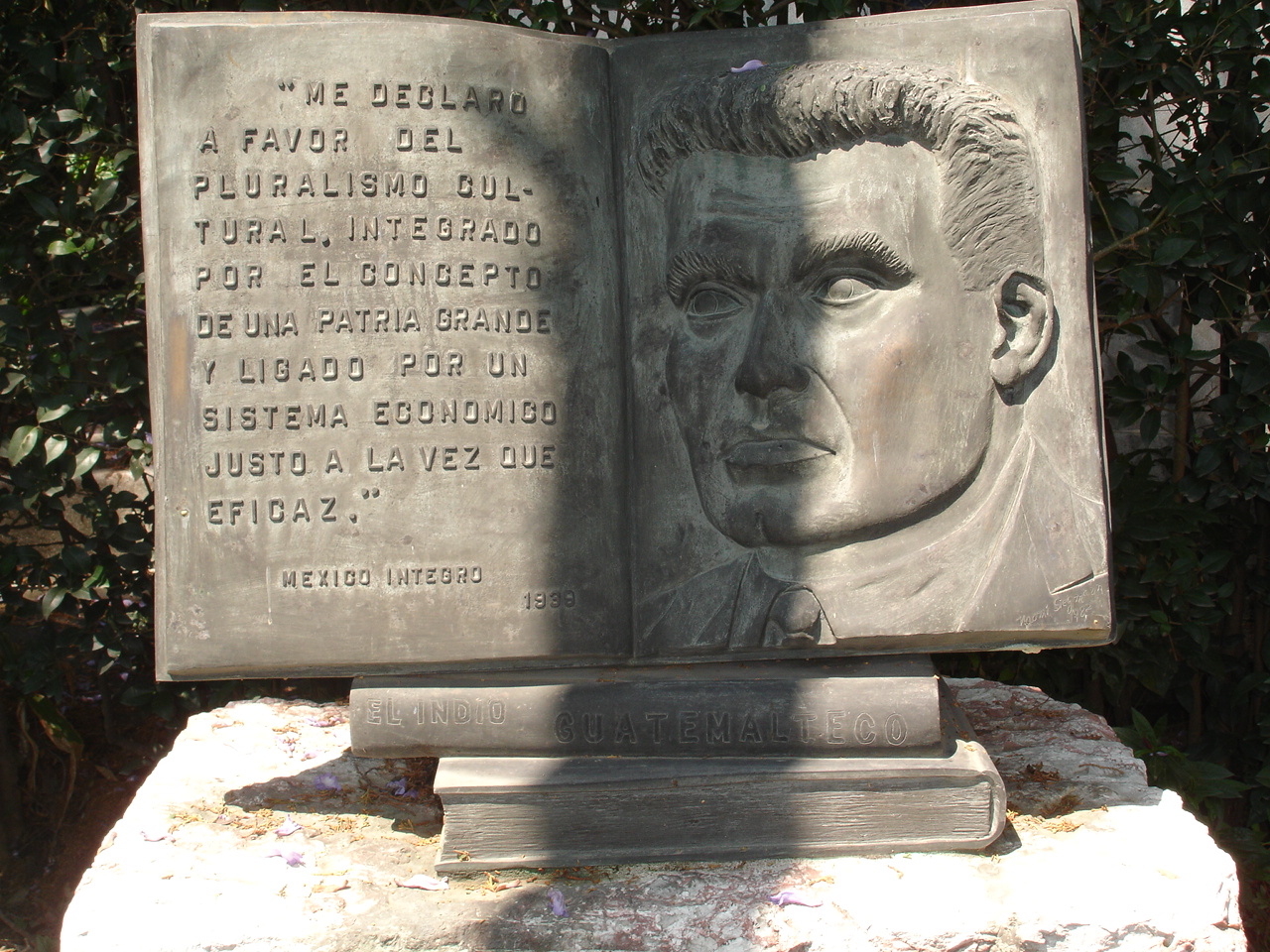 Sepulcro de Moisés Sáenz en la Rotonda de las Personas Ilustres (México). El Indio Guatemalteco. Ensayo de sociología nacionalista. Segunda Parte. By J. Fernando Juárez Muñoz Durante el período de 1931 a 1933 Sáenz dedicó su tiempo a los viajes, el estudio y la escritura. Antes del viaje por Centro y Sudamérica, pasó tres semanas recorriendo los Estados Unidos, durante las cuales realizó observaciones sobre la "uniformidad" étnica y cultural de la sociedad norteamericana,[18] las cuales recogería en escritos posteriores. Estos viajes y la experiencia en Carapan lo motivaron a desarrollar un pensamiento indigenista de alcance continental y a escribir profusamente sobre la problemática indígena, buscando soluciones prácticas para la misma.[19] Entre algunas de sus propuestas, cabe mencionar la creación de un Departamento Asuntos Indígenas -contenida en las conclusiones de su libro sobre la experiencia en Carapan-, el cual fue formado en 1936, en parte gracias a su influencia ante el presidente Lázaro Cárdenas. Dicho Departamento permaneció como una dependencia del Ejecutivo de 1936 hasta 1946, cuando el presidente Miguel Alemán lo reorganizó como la Oficina de Asuntos Indígenas de la Secretaría de Educación. Tras su salida de la SEP, Sáenz fue designado para cargos diplomáticos en diversos países hasta el final de su vida, ocupación que compaginó con su participación en importantes conferencias interamericanas, destacando su trabajo para impulsar la fundación del Instituto Indigenista Interamericano. En el año de 1934 fue designado diplomático en Quito, Ecuador, y un año después en Dinamarca. En 1936 es asignado a labores diplomáticas en el Perú, y en agosto del año siguiente viaja México para participar en la Tercera Conferencia Interamericana de Educación. Regresó al Perú en noviembre de 1938, tras ser nombrado Delegado Plenipotenciario de México en la Octava Conferencia Interamericana de Lima, celebrada en diciembre del mismo año. Esta conferencia emitió valiosas resoluciones de carácter indigenista, destacando la 3a. resolución, relativa a la creación de un instituto indigenista Interamericano. En noviembre de 1939, Sáenz fue designado por el gobierno de Cárdenas como Embajador Especial en Perú, y un mes después fue llamado a México para colaborar en la organización del Primer Congreso Indigenista Panamericano, que tuvo lugar en abril de 1940 en Pátzcuaro, Michoacán, del que fungió como secretario general. El resultado más notable del congreso fue la creación formal del Instituto Indigenista Interamericano, el cual, mientras se ratificaban los acuerdos internacionales necesarios para dotarle de carácter legal, fue organizado provisionalmente mediante la Comisión Permanente del Congreso Indigenista Interamericano, de la que Sáenz fue Secretario. Posteriormente, él sería elegido como primer Director del recién formado instituto. Entre 1940 y 1941, ya durante el gobierno de Ávila Camacho, fue nombrado Embajador Extraordinario y Plenipotenciario en Perú, y en esa calidad fue designado para presidir la delegación mexicana al Tercera Asamblea del Instituto Panamericano de Geografía e Historia, celebrada en Lima, Perú, de marzo a abril de 1941. Falleció a los 53 años víctima de una pleuresía en esa misma ciudad el 24 de octubre de 1941, después de haber sido operado debido a una prolongada enfermedad . En 1981, sus restos fueron exhumados y, por decreto presidencial, trasladados a la Rotonda de las Personas Ilustres en la Ciudad de México.[20] |
インディヘニスモと外交活動(1933年~1941年) モイセス・サエンスの墓(メキシコ、著名人回廊)。 El Indio Guatemalteco. Ensayo de sociología nacionalista. Segunda Parte. By J. Fernando Juárez Muñoz の著作がある??? 1931年から1933年にかけて、サエンスは旅行、研究、執筆に時間を費やした。中南米を旅する前に、3週間かけてアメリカ合衆国を旅し、その間、アメ リカ社会の民族的・文化的な「均一性」について観察を行い[18]、それを後の著作にまとめた。これらの旅とカラパンでの経験が、大陸規模でのインディヘ ニスモ思想を発展させ、先住民の問題について多くの著作を執筆し、その実践的な解決策を模索するきっかけとなった。彼の提案の中には、カラパンでの経験に ついて書いた本の結論に盛り込まれた、先住民問題局の設置が挙げられる。この局は、ラサロ・カルデナス大統領に対する彼の影響力もあって、1936年に設 立された。同局は1936年から1946年まで行政機関として存続したが、ミゲル・アレマン大統領によって教育省の先住民問題局に再編された。 教育省を退いた後、サエンツは生涯、さまざまな国で外交官を務め、その職務と並行して、重要な米州会議に参加し、米州インディヘニスモ研究所の設立を推進 する活動にも力を注いだ。1934年にはエクアドルのキト、翌年にはデンマークの外交官に任命された。1936年にはペルーでの外交任務に就き、翌年8月 には第3回米州教育会議に参加するためメキシコを訪れた。1938年11月、同年12月にリマで開催された第8回米州会議のメキシコ全権代表に任命され、 ペルーに戻った。この会議では、インディヘニスモに関する貴重な決議が採択され、特に第3号決議は、米州先住民研究所の創設に関するものであった。 1939年11月、サエンツはカルデナス政権からペルー特命大使に任命され、その1か月後には、1940年4月にミチョアカン州パツクアロで開催された第 1回パンアメリカンインディヘニスモ会議の運営協力のためメキシコに呼び戻され、同会議の事務総長を務めた。この会議の最も顕著な成果は、米州インディヘ ニスモ研究所の正式な創設であった。同研究所は、法的性格を付与するために必要な国際協定が批准される間、サエンスが事務局長を務めた米州先住民会議常設 委員会によって暫定的に運営された。その後、サエンスは新設された同研究所の初代所長に選出された。 1940年から1941年にかけて、アビラ・カマチョ政権下で、ペルー特命全権大使に任命され、その立場で、1941年3月から4月にかけてペルーのリマ で開催された第3回パンアメリカン地理歴史協会総会にメキシコ代表団長として出席した。1941年10月24日、長期の病気のために手術を受けた後、同地 で53歳の若さで胸膜炎により死去した。1981年、大統領令により遺体は発掘され、メキシコシティの著名人回廊に移葬された。 |
| Obras “The program of the Mexican Government”, en Moisés Sáenz y Herbert I. Priestley, Some mexican problems, Chicago, The University of Chicago Press, 1926. Escuelas federales en la sierra de Puebla: informe sobre la visita a las escuelas federales en la sierra de Puebla realizada por el profesor Moisés Sáenz. México, SEP, 1927. Sobre el indio peruano y su incorporación al medio nacional, México, Secretaría de Educación Pública, 1933. Sobre el indio ecuatoriano y su incorporación al medio nacional. México, Secretaría de Educación Pública, 1933. "The indian, citizen of America", en Points of view, Washington, The Pan American Union, n.º 9, septiembre de 1946, pp. 1-8. "La escuela rural mexicana", en Comas, Juan, La Antropología social aplicada en México: trayectoria y antología. México, Instituto Indigenista Interamericano, 1964, pp. 103-133. Carapan. Bosquejo de una experiencia. 3a. Ed. Morelia, Talleres Linotipográficos del Gobierno del Estado, 1969. Aguirre Beltrán, Gonzalo (compilador), Antología de Moisés Sáenz. México, Oasis, 1970. México íntegro. México, Secretaría de Educación Pública- Dirección General de Publicaciones y Bibliotecas, 1982. |
著作 「メキシコ政府のプログラム」、モイセス・サエンスとハーバート・I・プリーストリー著『メキシコの諸問題』、シカゴ、シカゴ大学出版局、1926年。 プエブラ山岳地帯の連邦学校:モイセス・サエンス教授によるプエブラ山岳地帯の連邦学校訪問に関する報告書。メキシコ、教育省、1927年。 ペルーのインディオと国内社会への統合について、メキシコ、教育省、1933年。 エクアドルのインディオと国内社会への統合について。メキシコ、教育省、1933年。 「アメリカ大陸の市民であるインディオ」、『視点』誌、ワシントン、パンアメリカン連合、第9号、1946年9月、1-8ページ。 「メキシコの農村学校」、『メキシコにおける応用社会人類学:その歩みとアンソロジー』コマス、フアン編、メキシコ、米州先住民研究所、1964年、103-133ページ。 『カラパン。ある経験のスケッチ』。第3版。モレリア、州政府リノタイプ印刷所、1969年。 アギーレ・ベルトラン、ゴンサロ(編)、『モイセス・サエンツ選集』。メキシコ、オアシス、1970年。 メキシコ・インテグロ。メキシコ、教育省出版図書館総局、1982年。 |
| Secretaría de Educación Pública | メキシコ文部省 |
| Referencias 01. Salmerón, P. Aarón Sáenz: militar, diplomático, político, empresario. México, Miguel Ángel Porrúa, 2001, p. 28. Idem. Salmerón, p, 36. Salmerón, p. 40. 05. Rosser, Harry Edwin, Beyond revolution : the social concern of Moisés Sáenz, Mexican educator, 1888-1941. Washington: American University, 1970, p. 71. Rosser, p. 77. Rosser, p. 79. Rosser, p. 95. Rosser, p. 98. Rosser, p. 103. Rosser, p. 266. El informe después fue editado como Escuelas federales en la sierra de Puebla : informe sobre la visita a las escuelas federales en la sierra de Puebla realizada por el profesor Moisés Sáenz. México, SEP, 1927. Rosser, p. 285. Rosser, p. 309. Rosser, p. 322. 15. Rosser, p. 309-310. Rosser, p. 310-311. Rosser, p. 312. Rosser, p. 321-322. Rosser, p. 349. Destacan sus textos Sobre el indio peruano y su incorporación al medio nacional, Sobre el indio ecuatoriano y su incorporación al medio nacional, y Carapan. Bosquejo de una experiencia. 20. Rotonda de las Personas Ilustres. «Moisés Sáenz». Segob. Archivado desde el original el 22 de diciembre de 2011. Consultado el 20 de julio de 2011. |
参考文献 01. サルメロン、P. アロン・サエンツ:軍人、外交官、政治家、実業家。メキシコ、ミゲル・アンヘル・ポルア、2001年、28ページ。 同上。 サルメロン、36ページ。 サルメロン、40ページ。 05. Rosser, Harry Edwin, Beyond revolution : the social concern of Moisés Sáenz, Mexican educator, 1888-1941. ワシントン: American University, 1970, p. 71. Rosser, p. 77. Rosser, p. 79. Rosser, p. 95. Rosser, p. 98. ロッサー、103ページ。 ロッサー、266ページ。この報告書は後に『プエブラ山岳地帯の連邦学校:モイセス・サエンス教授によるプエブラ山岳地帯の連邦学校訪問に関する報告書』として出版された。メキシコ、SEP、1927年。 ロッサー、285ページ。 ロッサー、309ページ。 ロッサー、322ページ。 15. ロッサー、309-310ページ。 ロッサー、310-311ページ。 ロッサー、312ページ。 ロッサー、321-322ページ。 ロッサー、349ページ。彼の著作『ペルーのインディオと国内社会への統合について』、『エクアドルのインディオと国内社会への統合について』、『カラパン。ある経験のスケッチ』が特に注目される。 20. 著名人円形広場。「モイセス・サエンス」。セゴブ。2011年12月22日にオリジナルからアーカイブ。2011年7月20日に閲覧。 |
| Enlaces externos Instituto de Educacíón de Aguascalientes. «Moisés Sáenz Garza». Gobierno del Estado de Aguascalientes. Archivado desde el original el 9 de octubre de 2009. Consultado el 22 de diciembre de 2009. Los emprendedores; García Benavides, Myriam; Caballero Nieto, Evelia. «Moisés Sáenz Garza». red escolar ILCE. Archivado desde el original el 17 de abril de 2010. Consultado el 22 de diciembre de 2009. |
外部リンク アグアスカリエンテス教育研究所。「モイセス・サエンツ・ガルサ」。アグアスカリエンテス州政府。2009年10月9日にオリジナルからアーカイブ。2009年12月22日に閲覧。 起業家たち; ガルシア・ベナビデス、ミリアム; カバジェロ・ニエト、エベリア。「モイセス・サエンス・ガルサ」。ILCE 学校ネットワーク。2010年4月17日にオリジナルからアーカイブ。2009年12月22日に閲覧。 |
| https://es.wikipedia.org/wiki/Mois%C3%A9s_S%C3%A1enz |
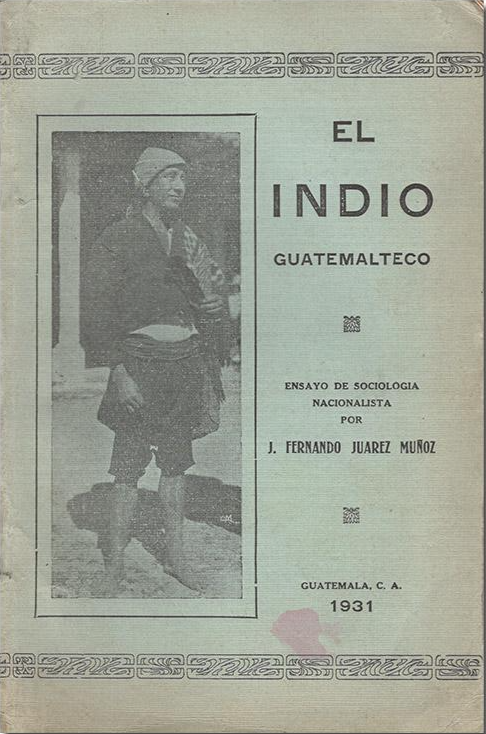
El indio guatemalteco. Ensayo de sociología nacionalista. JUÁREZ MUÑOZ (J. Fernando).Published by Guatemala, Talleres de la Tip. Latina,, 1931
リ ンク
文 献
そ の他の情報
CC
Copyleft,
CC, Mitzub'ixi Quq Chi'j, 1996-2099