On
Process to Acceptance of Death

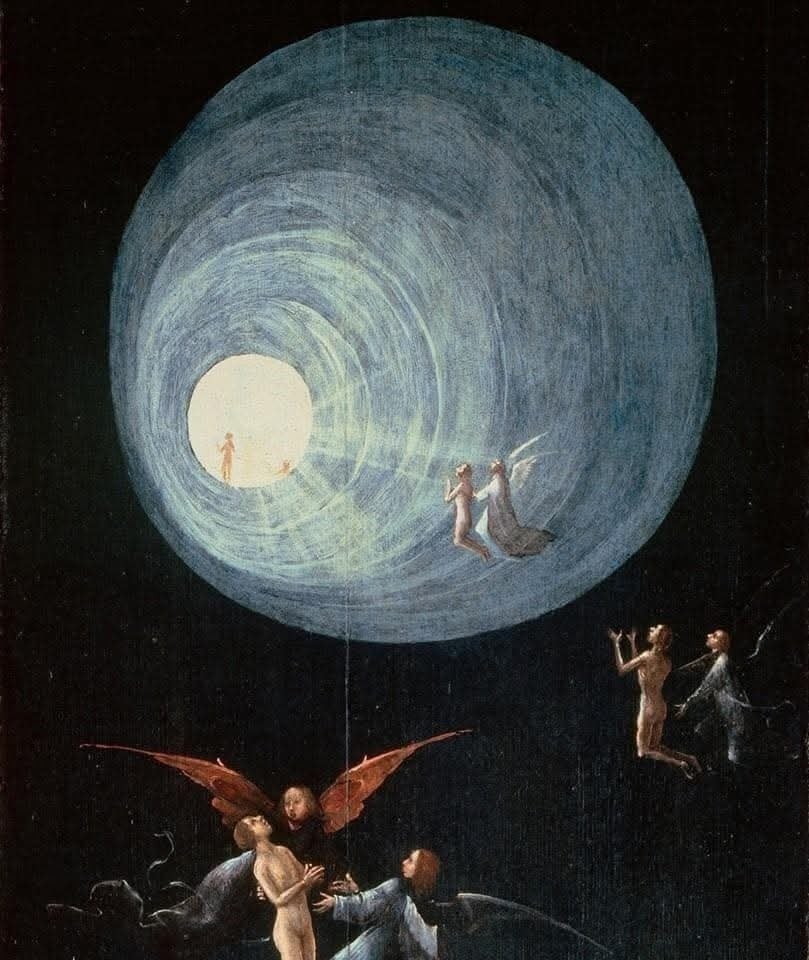
On
Process to Acceptance of Death
以下の情報はWikiwand「エリザベス・キューブラー=ロス 」 「死ぬ瞬間」(Five stages of grief)からの引用である。一部加工しているので、出典を明記すること が必要な場合は必ずオリジナルに当たってください。
書 籍紹介:「巻頭に「わたしの父 および セップリー・ブッチャー の思い出に捧ぐ」と記されている。 1965年、キューブラー=ロスはシカゴのビリングス病院で「死とその過程」に関するワークショップを開始する。その中で死病の末期患者約200人との面 談内容を録音し、死にゆく人々の心理を分析し、文面に顕したものである。地名、人名、その他プライバシーは伏せられているが、おおよそインタビューの内容 は要約・編集されず、冗長であってもそのままにナマに記された。インタビューに際して、患者に対しキューブラー=ロスはまず許しを求め、このように切り出 す。 「わたしたちは特別のお願いでここに来ました。N牧師とわたしは重病で死にかかっている患者について、もっと知りたいと考えているのです」 婉曲な表現は使わず、「死にかかっている」という直截な言葉を使用した。 キューブラー=ロスは死の意味をここであえて哲学的に探ろうとはしない。本書の意図ではないからであるが、一方「死ぬ人が”平和と威厳”をもって死ぬ権利 がある」と主張する。この死に臨んだ静かな境地をキューブラー=ロスは「デカセクシス(Decathexis)」と呼んだ。自分自身を周囲の世界とのかか わりから引き離すというような意味である。これは日本語の”解脱、涅槃の境地”、”無我の境地”などに該当する。このときに患者は頻繁に短い間隔で新生児 のようにウトウトとまどろむ必要があると説く。この時期は、短くて数時間、通常数日、長ければ数週間続くことがあるという。その後、臨終が来る。仏教では 相当な修行を積み到達する涅槃も、キューブラー=ロスは凡人でも周囲の人々の愛と協力があればデカセクシスに容易に到達できるとする。また、愛と協力の本 質はコミュニケーションであるとした。 本書を執筆した段階では、著者はまだ「死後の生」を語ってはいなかったが、後にキューブラー=ロスは死後の生や輪廻転生について積極的に語るようになる。 このため、一部でオカルトだとする批判を受けることとなる[要出典]。」

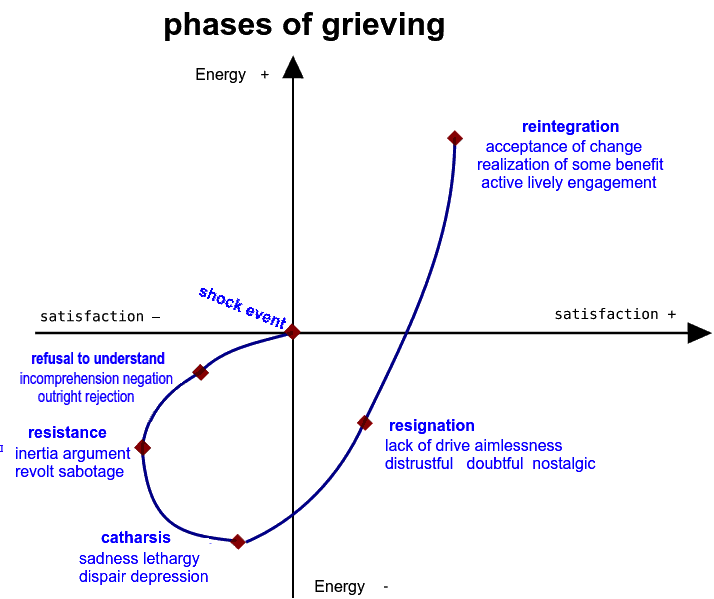
| 1. 否認 |
患者は大きな衝撃を受け、自分が死ぬということはないはずだと否認する
段階。「仮にそうだとしても、特効薬が発明されて自分は助かるのではないか」といった部分的否認の形をとる場合もある。 |
| 2. 怒り |
なぜ自分がこんな目に遭うのか、死ななければならないのかという怒りを
周囲に向ける段階。 |
| 3. 取引 |
延命への取引である。「悪いところはすべて改めるので何とか命だけは助
けてほしい」あるいは「もう数ヶ月生かしてくれればどんなことでもする」などと死なずにすむように取引を試みる。神(絶対的なもの)にすがろうとする状
態。 |
| 4. 抑うつ |
取引が無駄と認識し、運命に対し無力さを感じ、失望し、ひどい抑うつに
襲われなにもできなくなる段階。すべてに絶望を感じ、間歇的に「部分的悲嘆」のプロセスへと移行する。 |
| 5. 受容 |
部分的悲嘆のプロセスと並行し、死を受容する最終段階へ入っていく。最
終的に自分が死に行くことを受け入れるが、同時に一縷の希望も捨てきれない場合もある。受容段階の後半には、突然すべてを悟った解脱の境地が現れる。希望
ともきっぱりと別れを告げ、安らかに死を受け入れる。 |
***
| Grief work refers to
the cognitive and emotional processes individuals go through to adapt
to and cope with the loss of a loved one. It involves distinguishing
between adaptive grieving and maladaptive rumination, and can include
physiological measurements to understand the grieving process better. https://www.sciencedirect.com/topics/social-sciences/grief-work |
グリーフワークとは、愛する人の喪失に適応し対処するために、個人が経
験する認知的・感情的プロセスを指す。適応的な悲嘆と不適応的な反芻を区別し、悲嘆のプロセスをよりよく理解するために生理学的な測
定を行うこともある。 |
★Elisabeth Kübler-Ross, 1926-2004
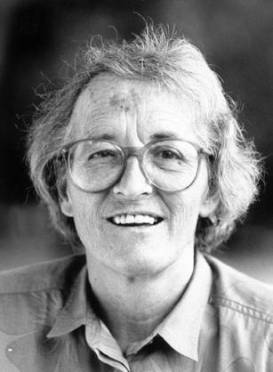
| Elisabeth Kübler-Ross
(July 8, 1926 – August 24, 2004) was a Swiss-American psychiatrist, a
pioneer in near-death studies, author, and developer of the five stages
of grief, also known as the "Kübler-Ross model". In 1970, Kübler-Ross delivered the Ingersoll Lecture at Harvard University,[1] focusing on her book, On Death and Dying (1969). By July 1982, Kübler-Ross had taught 125,000 students in death and dying courses in colleges, seminaries, medical schools, hospitals, and social-work institutions.[2][3] In 1999, the New York Public Library named On Death and Dying one of its "Books of the Century",[4] and Time magazine recognized her as one of the "100 Most Important Thinkers" of the 20th century. Throughout her career, Kübler-Ross received over 100 awards, including twenty honorary degrees, and was inducted into the National Women's Hall of Fame in 2007.[5] In 2024, Simon & Schuster released a list of their 100 most notable books, including Kübler-Ross's On Death & Dying. Stanford University's Green Library currently houses her remaining archives which are available for study.[6] |
エリザベス・キューブラー=ロス(1926年7月8日 - 2004年8月24日)は、スイス系アメリカ人の精神科医であり、臨死体験研究の先駆者、著作家、そして「キューブラー=ロスモデル」として知られる悲嘆の五段階理論の提唱者であった。 1970年、キューブラー=ロスはハーバード大学でインガーソル記念講演を行い[1]、著書『死と死にゆくこと』(1969年)に焦点を当てた。1982 年7月までに、キューブラー=ロスは大学、神学校、医科大学、病院、社会福祉機関で死と死にゆくことに関する講座を開講し、12万5千人の学生を指導し た。[2][3] 1999年、ニューヨーク公共図書館は『死と死にゆくこと』を「世紀の書物」の一つに選定した[4]。またタイム誌は彼女を20世紀の「最も重要な思想家 100人」の一人に選出した。生涯を通じて、キュブラー=ロスは20の名誉学位を含む100以上の賞を受賞し、2007年には全米女性名誉の殿堂入りを果 たした[5]。2024年、サイモン&シュスター社は自社の最も注目すべき書籍100冊のリストを発表し、キュブラー=ロスの『死と死にゆくことについ て』も含まれていた。スタンフォード大学のグリーン図書館は現在、彼女の残されたアーカイブを所蔵しており、研究に利用可能である。[6] |
| Early life and education Elisabeth Kübler was born on July 8, 1926, in Zurich, Switzerland, into a Protestant Christian family. She was one of a set of triplets, two of whom were identical.[7] Her life was jeopardized due to complications, weighing only 2 pounds at birth, but she said she survived due to her mother's love and attentiveness.[8][9]  Triplets: Elisabeth Kübler, Eva Kübler, Erika Kübler, Zurich, Switzerland, 1930 During World War II, at only thirteen years of age, Kübler-Ross worked as a laboratory assistant for refugees in Zurich. From a young age, she was determined to become a doctor despite her father's efforts in forcing her to become a secretary for his business. She refused him and left home at 16.[10] On May 8, 1945, at the age of eighteen, she joined the International Voluntary Service as an activist.[9] In 1947, Kübler visited the Majdanek concentration camp in Poland, an experience that profoundly affected her understanding of compassion and the resilience of the human spirit. The harrowing stories of survivors left an indelible mark on her, inspiring her life's mission to assist and heal others. She was also profoundly affected by the images of hundreds of butterflies carved into some of the walls there. To Kübler-Ross, the butterflies—these final works of art by those children facing death—stayed with her for years and influenced her thinking about the end of life.[10] After returning to Zurich, Kübler-Ross worked for a dermatologist named Dr. Kan Zehnder at the Canton Hospital as an apprentice.[11] After this time, she worked to support herself in a variety of jobs, gaining major experience in hospitals while volunteering to provide aid to refugees. Following this, she went on to attend the University of Zurich to study medicine, and graduated in 1957.[12] |
幼少期と教育 エリザベス・キューブラーは1926年7月8日、スイス・チューリッヒのプロテスタントの家庭に生まれた。彼女は三つ子のうちの一人で、そのうち二人は一 卵性双生児であった[7]。出生時の体重はわずか2ポンド(約907グラム)で合併症により命が危ぶまれたが、彼女は母の愛情と献身的な世話によって生き 延びたと語っている[8]。[9] 三つ子:エリザベス・キューブラー、エヴァ・キューブラー、エリカ・キューブラー、スイス・チューリッヒ、1930年 第二次世界大戦中、わずか13歳のキューブラー=ロスはチューリッヒで難民のための実験助手として働いた。幼い頃から医師になる決意を固めていたが、父親 は彼女を自社の秘書にさせようと強要した。彼女は父親の要求を拒否し、16歳で家を出た。[10] 1945年5月8日、18歳の時に国際ボランティアサービス(IVS)の活動家として参加した。[9] 1947年、キュブラーはポーランドのマジャネク強制収容所を訪問した。この体験は、彼女の思いやりと人間の精神の回復力に対する理解に深い影響を与え た。生存者たちの痛ましい体験談は彼女に消えない傷跡を残し、他者を助け癒すという生涯の使命を喚起した。また、収容所の壁に刻まれた数百匹の蝶の彫刻も 彼女に深い衝撃を与えた。クブラー=ロスにとって、死を目前にした子供たちの最後の芸術作品である蝶は、その後何年も彼女の心に留まり、人生の終焉につい ての考え方に影響を与えたのである。[10] チューリッヒに戻った後、キュブラー=ロスは州立病院で皮膚科医カン・ツェンダー博士の下で研修医として働いた。[11] その後、生計を立てるため様々な職に就き、病院での重要な経験を積む一方で、難民支援のボランティア活動にも従事した。その後、チューリッヒ大学で医学を 学び、1957年に卒業した。[12] |
| Career Academic career After graduating from the University of Zurich in 1957, Kübler-Ross moved to New York in 1958 to work and continue her studies. She commenced her psychiatric residency in the Manhattan State Hospital on July 6, 1959, marking the beginning of her career working by creating her own treatments for those who were schizophrenic along with those faced with the title "hopeless patient", a term used at the time to reference terminal patients. These treatment programs would work to restore the patient's sense of dignity and self-respect. Kübler-Ross also intended to reduce the medications that kept these patients overly sedated, and found ways to help them relate to the outside world.[13] During this time, Ross was horrified by the neglect and abuse of psychiatric patients as well as the imminently dying. She found that the patients were often treated with little care or completely ignored by the hospital staff. This realization made her strive to make a difference in the lives of these individuals. She developed a program that focused on the individual care and attention for each patient. This program worked incredibly well, and resulted in significant improvement in the mental health of 94% of her patients.[14] In 1962, she accepted a position at the University of Colorado School of Medicine. There, Kübler-Ross worked as a junior faculty member and gave her first interview of a young terminally ill woman in front of a roomful of medical students. Her intentions were not to be an example of pathology, but she wanted to depict a human being who desired to be understood as she was coping with her illness and how it has impacted her life.[13] She stated to her students: Now you are reacting like human beings instead of scientists. Maybe now you'll not only know how a dying patient feels but you will also be able to treat them with compassion – the same compassion that you would want for yourself.[13] Kübler-Ross completed her training in psychiatry in 1963, and moved to Chicago in 1965. She sometimes questioned the practices of traditional psychiatry that she observed. She also undertook 39 months of classical psychoanalysis training in Chicago. She became an instructor at the University of Chicago's Pritzker School of Medicine, where she began to conduct a regular weekly educational seminar consisting of live interviews with terminally ill patients. She had her students participate in these despite a large amount of resistance from the medical staff.[13] |
経歴 学歴 1957年にチューリッヒ大学を卒業後、キューブラー・ロスは1958年にニューヨークへ移り、仕事と研究を続けた。 1959年7月6日、マンハッタン州立病院で精神科レジデントを開始し、これが彼女のキャリアの始まりとなった。彼女は統合失調症患者や「絶望的な患者」 と称される末期患者に対して独自の治療法を開発した。これらの治療プログラムは患者の尊厳と自尊心を回復させることを目的としていた。キューブラー=ロス はまた、患者を過度に鎮静させる薬剤を減らすことを意図し、彼らが外界と関わる手助けをする方法を見出した[13]。この時期、ロスは精神科患者や死期が 迫った患者への怠慢や虐待に衝撃を受けた。患者が病院スタッフからほとんどケアされず、完全に無視されているケースが多いことに気づいたのだ。この現実を 目の当たりにした彼女は、こうした人々の生活に変化をもたらすべく尽力した。患者一人ひとりに個別的なケアと注意を払うプログラムを開発したのだ。このプ ログラムは驚くほど効果を発揮し、彼女の患者の94%において精神状態が著しく改善した。[14] 1962年、彼女はコロラド大学医学部の職を受け入れた。そこでキュブラー=ロスは若手教員として働き、医学部生が詰めかけた教室で、若くして末期症状の 女性に対する初めての面接を行った。彼女の意図は病理学の事例を示すことではなく、病と向き合い、それが人生に与えた影響を理解されたいと願う一人の人間 を描き出すことにあった。[13] 彼女は学生たちにこう述べた: 今、君たちは科学者ではなく人間として反応している。これで死にゆく患者の心情を理解できるだけでなく、思いやりを持って接することができるだろう。それは君自身が望むのと同じ思いやりだ。[13] キューブラー=ロスは1963年に精神医学の研修を終え、1965年にシカゴへ移った。彼女は時に、目にした伝統的精神医学の実践に疑問を抱いた。またシ カゴで39ヶ月にわたる古典的精神分析の研修を受けた。シカゴ大学プリツカー医学部の講師となり、末期患者との生インタビューを内容とする定期的な週次教 育セミナーを開始した。医療スタッフからの強い抵抗があったにもかかわらず、彼女は学生たちにこのセミナーへの参加を義務付けた。[13] |
 The Chicago Theological Seminary Register, Volume LVII, Number 3, – On Death & Dying – "The Dying Patient as Teacher" by Elisabeth Ross M.D., December 1966 By 1966, Kübler-Ross was giving regular weekly seminars on dying patients at her hospital. In late 1966, she wrote a seventeen-page article titled "The Dying Patient as Teacher: An Experiment and an Experience" for the December issue of The Chicago Theological Seminary Journal, which was themed "On Death and Dying". Although she expressed concerns about her English proficiency, the editor reassured her. Despite the journal's limited circulation, a copy of her article reached an editor at Macmillan Publishing Company in New York City. Consequently, on July 7, 1967, Macmillan offered Kübler-Ross a contract to expand her work into a 256-page book titled On Death & Dying. Coincidentally, just six days later, on July 13, 1967, St. Christopher's Hospice, the first modern hospice, admitted its inaugural patient.[15] The book was officially registered with the US copyright office on May 19, 1969. Despite delays, the book was eventually published in November 1969 and quickly became a best-seller, profoundly altering her life. Notably, as of December 18, 1976, On Death & Dying remained on the New York Times Best Seller list for trade paperbacks, listing at #3.[16] In November 1969, Life magazine ran an article on Kübler-Ross, bringing public awareness to her work outside of the medical community. The response was enormous and influenced Kübler-Ross's decision to focus her career on working with the terminally ill and their families. The intense scrutiny her work received also had an impact on her career path. Kübler-Ross stopped teaching at the university to work privately on what she called the "greatest mystery in science"—death.[10] During the 1970's, Kübler-Ross became a champion of the worldwide hospice movement. She traveled to over twenty countries on six continents initiating various hospice and palliative care programs. In 1970, Kübler-Ross spoke at the prestigious Ingersoll Lecture at Harvard University on the subject of death and dying.[17] On August 7, 1972, she spoke to the United States Senate Special Committee on Aging to promote the "Death With Dignity" movement. In 1977, she was named "Woman of the Year" by Ladies' Home Journal. In 1978, Kübler-Ross cofounded the American Holistic Medical Association. |
シカゴ神学校紀要 第57巻 第3号 ― 死と死にゆくことについて ― 「死にゆく患者という教師」エリザベス・ロス医学博士 1966年12月 1966年までに、キュブラー=ロスは自身の病院で死にゆく患者に関する定期的な週次セミナーを開催していた。同年12月号の『シカゴ神学校ジャーナル』 が「死と死にゆくこと」をテーマとする中、彼女は17ページに及ぶ論文「死にゆく患者という教師:実験と経験」を寄稿した。英語力の不安を口にしたが、編 集者は彼女を安心させた。同誌の発行部数は限られていたが、論文の写しがニューヨークのマクミラン出版社の編集者の手に渡った。その結果、1967年7月 7日、マクミラン社はキューブラー=ロスに、その研究を256ページの書籍『死と死にゆくことについて』として発展させる契約を提示した。偶然にも、その わずか6日後の1967年7月13日、最初の近代的ホスピスであるセント・クリストファーズ・ホスピスが最初の患者を受け入れた。[15] この書籍は1969年5月19日に米国著作権局へ正式登録された。遅延はあったものの、1969年11月にようやく出版されると瞬く間にベストセラーとな り、彼女の人生を大きく変えた。特筆すべきは、1976年12月18日時点で『死と死にゆくことについて』がニューヨーク・タイムズ紙の一般向けペーパー バック部門ベストセラーリストに3位でランクインし続けていたことだ。[16] 1969年11月、『ライフ』誌がキューブラー=ロスに関する記事を掲載した。これにより医療界以外でも彼女の研究が広く知られるようになった。反響は大 きく、キューブラー=ロスが末期患者とその家族への支援にキャリアを集中させる決断に影響を与えた。彼女の研究が受けた厳しい検証もまた、そのキャリアパ スに影響を与えた。キューブラー=ロスは大学での教職を辞し、自ら「科学における最大の謎」と呼んだ死について、私的に研究する道を選んだ。[10] 1970年代、キュブラー=ロスは世界的なホスピス運動の旗手となった。六大陸20ヶ国以上を訪問し、様々なホスピス・緩和ケアプログラムを立ち上げた。 1970年にはハーバード大学の名高いインガーソル記念講演で死と死にゆく過程について講演した。[17] 1972年8月7日には、米国上院高齢化特別委員会で「尊厳ある死」運動を推進する講演を行った。1977年には『レディース・ホーム・ジャーナル』誌よ り「今年の女性」に選出された。1978年にはアメリカホリスティック医療協会の共同設立者となった。 |
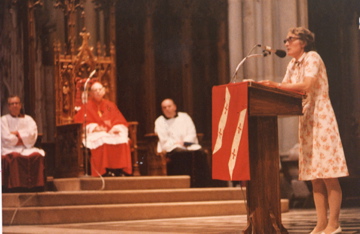 Elisabeth Kubler-Ross speech attended by Cardinal Terence Cooke, 1970's Healing center in California Kübler-Ross was one of the central figures in the hospice care movement, believing that euthanasia prevents people from completing their "unfinished business".[18] In 1977, she founded "Shanti Nilaya" (Home of Peace) on forty acres of land in Escondido, California. At this time, Kübler-Ross began conducting "Life, Death, and Transition (LTD) workshops with the goal of assisting people to resolve their "unfinished business", using Shanti Nilaya as a setting for some of these five-day workshops.[19] She also intended it as a healing center for the dying and their families. She was also a co-founder of the American Holistic Medical Association during this time period. In the late 1970s, after interviewing thousands of patients who had died and been resuscitated, Kübler-Ross became interested in out-of-body experiences, mediumship, spiritualism, and other ways of attempting to contact the dead. This led to a scandal connected to the Shanti Nilaya Healing Center, in which she was duped by Jay Barham, founder of the Church of the Facet of the Divinity. Claiming he could channel the spirits of the departed and summon ethereal "entities", he encouraged church members to engage in sexual relations with the "spirits". He may have hired several women to play the parts of female spirits for this purpose.[20] Kübler-Ross's friend Deanna Edwards was invited to attend a service to ascertain whether allegations against Barham were true. He was found to be naked and wearing only a turban when Edwards unexpectedly pulled masking tape off the light switch and flipped on the light.[21][22][23][24] Despite the accusation of sexual misconduct Kübler-Ross defended him for over a year.[25] The authorities did not press charges against the Barhams. Kübler-Ross announced the ending of her association with both Jay Barham and his wife Martha in her Shanti Nilaya Newsletter (issue 7) on June 7, 1981. |
エリザベス・キューブラー=ロスによる講演(テレンス・クック枢機卿出席)、1970年代 カリフォルニア州のヒーリングセンター キューブラー=ロスはホスピスケア運動の中心的人物の一人で、安楽死は人が「未完了の課題」を終えるのを妨げると信じていた。[18] 1977年、彼女はカリフォルニア州エスコンディードの40エーカーの土地に「シャンティ・ニラヤ(平和の家)」を設立した。この時期、キューブラー=ロ スは「人生、死、そして移行(LTD)」ワークショップを開始し、人々が「未解決の問題」を解決するのを支援することを目的とした。これらの5日間のワー クショップの一部はシャンティ・ニラヤを会場として行われた。[19] また、彼女はこれを死にゆく者とその家族のための癒しのセンターとする意図もあった。この時期、彼女はアメリカホリスティック医療協会の共同創設者でも あった。 1970年代後半、数千人の死亡後に蘇生した患者へのインタビューを経て、キュブラー=ロスは体外離脱体験、霊媒術、スピリチュアリズム、その他死者と接 触しようとする方法に関心を抱くようになった。これがシャンティ・ニラヤ・ヒーリング・センターにまつわるスキャンダルにつながった。彼女は「神性の側面 教会」創設者ジェイ・バーハムに騙されたのである。バーハムは死者の霊を降霊し、幽玄な「実体」を召喚できると主張し、教会員に「霊」との性的関係を持つ よう促した。この目的で複数の女性を雇い、女性の霊の役を演じさせていた可能性がある。[20] クブラー=ロスの友人ディアナ・エドワーズは、バーハムに対する告発の真偽を確かめるため礼拝に招かれた。エドワーズが予期せず照明スイッチのマスキング テープを剥がし明かりをつけた時、バーハムは裸でターバンだけを身につけているのが判明した。[21][22][23][24] 性的不正行為の告発にもかかわらず、クブラー=ロスは1年以上も彼を擁護し続けた。[25] 当局はバーハム夫妻を起訴しなかった。キューブラー=ロスは1981年6月7日付『シャンティ・ニラヤ通信』(第7号)で、ジェイ・バーハムとその妻マー サとの関わりを終了すると発表した。 |
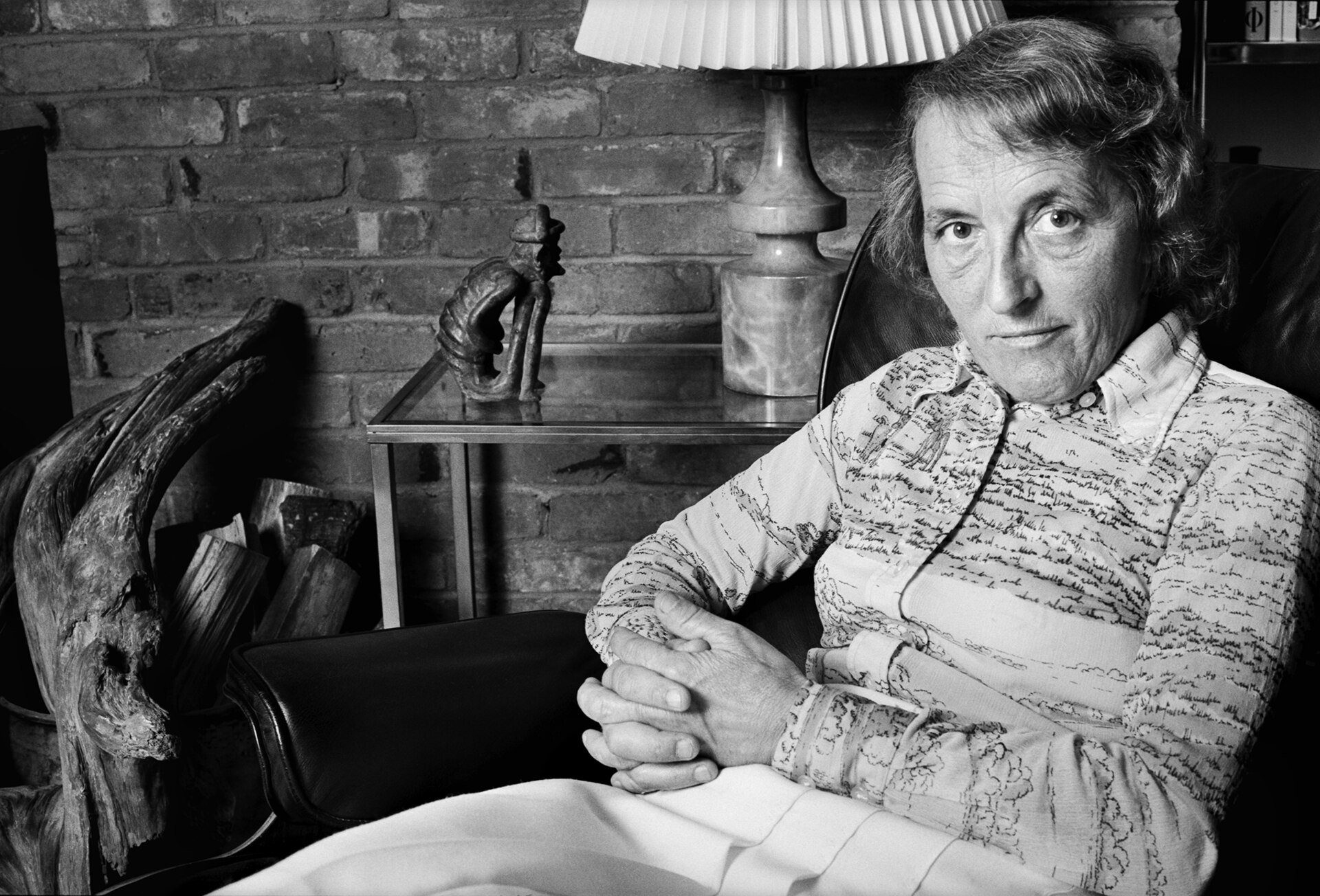 Elisabeth Kübler-Ross photographed by Lynn Gilbert Investigations on near-death experiences Kübler-Ross also dealt with the phenomenon of near-death experience. She was also an advocate for spiritual guides and the afterlife,[13] serving on the Advisory Board of the International Association for Near-Death Studies (IANDS).[26] Kübler-Ross reported her interviews with the dying for the first time in her book, On Death and Dying: What the Dying Have to Teach Doctors, Nurses, Clergy, and Their Own Families (1969).[27][28] Originally, this book had a thirteenth chapter on near-death experiences but her colleagues strongly advised her to remove it for the sake of public acceptance, which she did before the book went to press. In 1981, she appeared on an Australian radio documentary about death and near-death experiences that aired on the ABC, And When I Die, Will I Be Dead?[29] It was adapted into a book in 1987.[30] Kübler-Ross went on to write several books about near-death experiences (NDEs). Her book On Life After Death (1991) was compiled from three lectures she gave: "Leben und Sterben" (Living and Dying), a speech she made in Switzerland in December 1982 in the German language. "There is no Death", given in San Diego in 1977. "Life, Death, and Life After Death", a recorded lecture she gave in 1980. The English-language edition sold over 200,000 copies. The German-language edition was also a bestseller, with hundreds of thousands sold. Another book, The Tunnel and The Light (1999), originally entitled Death is of Vital Importance, was also composed of various lectures she had previously given. |
リン・ギルバート撮影のエリザベス・キューブラー=ロス 臨死体験に関する研究 キューブラー=ロスは臨死体験という現象にも取り組んだ。彼女はまた、霊的な導き手や死後の世界[13]の擁護者でもあり、国際臨死体験研究協会 (IANDS)の諮問委員会委員を務めた[26]。キューブラー=ロスは、死にゆく者たちとの対話を初めて著書『死と死にゆくことについて:死にゆく者が 医師、看護師、聖職者、そして自らの家族に教えること』(1969年)で報告した。[27][28] 当初、この本には臨死体験に関する第13章が含まれていたが、同僚たちは世間の受容を考慮して削除を強く勧めた。彼女は出版前にその助言に従った。 1981年には、オーストラリアのABC放送で放送された死と臨死体験に関するラジオドキュメンタリー『私が死んだら、本当に死んでいるのか?』[29]に出演した。これは1987年に書籍化された[30]。 キュブラー=ロスはその後、臨死体験(NDE)に関する数冊の著作を執筆した。1991年の著書『死後の生命について』は、彼女が発表した三つの講演をまとめたものである: 「生と死」(Leben und Sterben)-1982年12月にスイスで行ったドイツ語講演。 「死は存在しない」-1977年にサンディエゴで行った講演。 「生と死と死後の生」は1980年に録音された講演である。 英語版は20万部以上を売り上げた。ドイツ語版もベストセラーとなり、数十万部が販売された。 別の著書『トンネルと光』(1999年)は、当初『死は極めて重要である』というタイトルで、これも彼女が以前に行った様々な講演をまとめたものである。 |
| Life, Death, and Transition workshops In the late 1970s, Kübler-Ross developed a series of 5-day residential workshops aimed at helping individuals who were nearing the end of their lives to live more fully during their remaining time. These workshops were designed to accommodate not only the dying but also their caregivers, who were encouraged to participate in the sessions. The workshops provided a forum for patients to share their stories and express their fears, anger, and grief regarding their impending death. A recurring theme in the workshops was addressing regrets associated with perceived wasted time and energy related to unresolved childhood issues such as abuse and neglect. These unresolved issues often manifested as misplaced anger, perfectionism, controlling behavior, prioritization of material wealth over relationships, feelings of unworthiness, and a lack of meaning.[31][32] To address the intensity of these emotions, Kübler-Ross incorporated techniques to help participants externalize their emotions, including the release of buried rage, grief, and fear. This approach often facilitated a deeper understanding and resolution of long-standing pain, leading to a transformation of fear and grief into gratitude. Recognizing that caregivers also benefited from the workshops, Dr. Kübler-Ross opened the sessions to anyone seeking to live more fully until death.[33] A distinctive feature of the workshops was the use of impromptu crayon drawings, a technique influenced by the work of Jungian analyst Dr. Susan Bach. Kübler-Ross instructed participants on drawing interpretation to help uncover unconscious reasons for their attendance and to address past losses. Additionally, she presented a model of human development encompassing four parts—emotional, intellectual, physical, and spiritual—referred to as "The Four Quadrants", which forms the basis of her work in the beginnings of the palliative care movement.[34] She also addressed what she called "the five core emotions"—fear, anger, natural jealousy, grief, and love—and their natural expressions and distortions.[35] |
生と死と移行のワークショップ 1970年代後半、キューブラー=ロスは、人生の終わりに近づいた人々が残された時間をより充実して生きる手助けを目的とした、5日間の宿泊型ワーク ショップシリーズを開発した。これらのワークショップは、死にゆく者だけでなく、介護者も参加するよう促され、両者を対象に設計されていた。ワークショッ プでは、患者が自らの物語を共有し、差し迫った死に対する恐怖、怒り、悲しみを表現する場が提供された。繰り返し取り上げられたテーマは、虐待やネグレク トといった未解決の幼少期の問題に関連し、無駄に過ごした時間やエネルギーに対する後悔に向き合うことだった。こうした未解決の問題は、しばしば誤った怒 り、完璧主義、支配的行動、人間関係よりも物質的富を優先する姿勢、無価値感、意味の欠如として現れた[31]。[32] こうした感情の強度に処するため、キューブラー=ロスは参加者が感情を外部化(外在化)する技法を取り入れた。これには抑圧された怒り、悲嘆、恐怖の解放 が含まれる。このアプローチは往々にして長年の痛みの深い理解と解決を促し、恐怖や悲嘆を感謝へと変容させた。介護者もワークショップから恩恵を受けるこ とを認識したキューブラー=ロス博士は、死に至るまでより充実した生を求める者なら誰でも参加できるセッションを開いた。[33] ワークショップの特徴的な手法は、即興のクレヨン画を用いたことである。これはユング派分析家スーザン・バック博士の影響を受けた技法だ。キュブラー=ロ スは参加者に絵の解釈を指導し、参加の無意識的な理由を明らかにし、過去の喪失に向き合う手助けをした。さらに彼女は「四象限」と呼ばれる、感情的・知 的・身体的・精神的という四つの領域を含む人間発達モデルを提示した。これは緩和ケア運動の黎明期における彼女の研究の基盤を成すものである[34]。ま た「五つの核心感情」——恐怖、怒り、自然な嫉妬、悲嘆、愛——とその自然な表現と歪みについても論じた[35]。 |
| Work with children Throughout her career, Kübler-Ross extensively studied and wrote about children's perceptions of death. Her notable works include The Dougy Letter (1979), Living with Death and Dying (1981), and On Children and Dying (1983). These books explore how children understand, discuss, and respond to death, reflecting her insights into the unique ways children express their experiences and fears. Kübler-Ross's work was partly driven by requests from patients and readers seeking a deeper understanding of the language used by terminally ill children to articulate their needs. In Living with Death and Dying (1981), she argues that children have a more nuanced awareness of death than often assumed and are more willing to discuss it openly.[36] Influenced by the work of Susan Bach and Gregg Furth,[37] Kübler-Ross examined how children's drawings serve as a crucial means of communication. She identified two distinct types of communication related to death in children. "Nonverbal Symbolic Language" is used by younger children, who may express their understanding of death through drawings, pictures, or objects, as they might lack the verbal skills to articulate their feelings directly.[36] As children grow older, they may transition to "Verbal Symbolic Language", characterized by complex stories and unusual questions that serve to express their emotions and concerns about death.[38] Children may be fearful of asking direct questions regarding their death, so they may come up with stories or strange questions that will meet their needs.[36] This form of communication reflects their evolving ability to articulate their feelings and fears, though they may still struggle with direct inquiries about death. |
子どもとの取り組み キャリアを通じて、キューブラー=ロスは子どもの死の認識について広く研究し著述した。代表作には『ダギー・レター』(1979年)、『死と死にゆくこと と共に生きる』(1981年)、『子どもと死について』(1983年)がある。これらの著作は、子どもが死を理解し、話し合い、反応する方法を考察し、子 どもが経験や恐怖を表現する独特の方法を彼女が洞察したことを反映している。 キュブラー=ロスの研究は、末期状態にある子どもたちが自らの要求を表現する言葉遣いを深く理解したいと願う患者や読者からの要望に一部後押しされてい た。『死と死にゆくことと共に生きる』(1981年)において、彼女は子どもたちが一般的に想定されるよりも死に対する認識が繊細であり、より率直にそれ について話し合う意思があることを主張している[36]。 スーザン・バックとグレッグ・ファースの研究に影響を受け[37]、キュブラー=ロスは子どもの絵が重要なコミュニケーション手段となることを検証した。 彼女は子どもにおける死に関連する二つの異なるコミュニケーション様式を特定した。「非言語的象徴言語」は幼い子どもが用い、絵や図、物体を通じて死への 理解を表現する。これは感情を直接言葉で表す能力が未発達なためである[36]。成長するにつれ、子供は「言語的象徴言語」へ移行する。これは複雑な物語 や特異な質問によって特徴づけられ、死に対する感情や懸念を表現する手段となる[38]。子供は自らの死について直接質問することを恐れるため、必要を満 たす物語や奇妙な質問を編み出すことがある[36]。このコミュニケーション形態は、感情や恐怖を言語化する能力の発達を反映しているが、死に関する直接 的な問いかけには依然として苦戦する可能性がある。 |
| AIDS work During a time when patients suffering from AIDS were being disowned and discriminated against for their illness, Kübler-Ross accepted them with open arms.[39] She conducted many workshops on life, death, grief, and AIDS in different parts of the world, teaching about the disease and working to reduce the stigma surrounding it. Later, she created a workshop meant solely for patients who had contracted AIDS; even though the majority of people who contracted AIDS at that time were gay men, women and children also contracted the disease. This surprised her, as she had not expected just how many children and babies had contracted the terminal illness. She noted in her book that babies typically contracted the disease through the mother or father or through contaminated blood transfusions, also remarking that older children that had the disease may have contracted it due to sexual assault from someone who was HIV-seropositive.[39] |
エイズ活動 苦悩するエイズ患者が病気を理由に見捨てられ差別されていた時代、キューブラー=ロスは彼らを温かく受け入れた[39]。彼女は世界各地で人生、死、悲 嘆、エイズに関する数多くのワークショップを開催し、この病気について教え、それにまつわる偏見を減らすために活動した。後に彼女は、エイズに感染した患 者専用のワークショップを創設した。当時エイズに感染した人々の大半はゲイ男性だったが、女性や子供も感染していた。これは彼女にとって驚きだった。なぜ なら、これほど多くの子供や乳児が不治の病に感染しているとは予想していなかったからだ。彼女は著書の中で、乳児は通常、母親や父親、あるいは汚染された 輸血によって感染すると記している。また、年長の子供たちがこの病気にかかっている場合、HIV陽性者からの性的暴行によって感染した可能性があるとも述 べている。[39] |
| Prison hospices During this period, Kübler-Ross developed an interest in the concept of prison hospice care.[40] In the mid-1980's, the prison facility at Vacaville, California emerged as the primary site for delivering healthcare services to incarcerated individuals.[41] In 1984, Kübler-Ross delegated one of her staff members, Irene Smith to conduct an investigative assessment of conditions at this institution. Subsequently, Kübler-Ross enlisted the aid of Nancy Jaicks Alexander, a workshop leader in Kübler-Ross's Life, Death, and Transition (LDT) workshops, to further explore avenues for enhancing end-of-life care for AIDS patients confined at the Vacaville facility. Alexander and her husband, Robert, went on to co-found the first prison hospice in 1992.[42] Concurrently, Kübler-Ross pursued additional prison-related initiatives in Hawaii, Ireland and Scotland throughout the 1980s. In June 1991, she held her first LDT workshop inside a prison at Edinburgh's Saughton Prison (HM Prison). One of her greatest wishes was to build a hospice for abandoned infants and children infected with HIV to give them a lasting home where they could live until their death. Kübler-Ross attempted to set this up in the late 1980s in Virginia, but local residents feared the possibility of infection and blocked the necessary re-zoning. In October 1994, she lost her house and many possessions, including photos, journals, and notes, to an arson fire that is suspected to have been set by opponents of her AIDS work.[43] |
刑務所ホスピス この期間、キューブラー・ロスは刑務所ホスピスケアの概念に関心を抱くようになった[40]。1980年代半ば、カリフォルニア州ヴァカヴィルの刑務所施 設が、収監者に医療サービスを提供する主要な場所として台頭した[41]。1984年、キューブラー・ロスは、スタッフの一人であるアイリーン・スミス に、この施設の状況に関する調査評価を行うよう指示した。その後、キューブラー・ロスは、キューブラー・ロスの「生、死、そして移行(LDT)」ワーク ショップのリーダーであるナンシー・ジャイクス・アレクサンダーの協力を得て、ヴァカヴィル施設に収容されているエイズ患者の終末期ケアを改善する方法を さらに模索した。アレクサンダーとその夫ロバートは、1992年に最初の刑務所ホスピスを共同で設立した。[42] 同時に、キューブラー・ロスは 1980 年代を通じて、ハワイ、アイルランド、スコットランドで、刑務所関連の追加的な取り組みを推進した。1991 年 6 月、彼女はエディンバラのソートン刑務所(HM 刑務所)内で、初の LDT ワークショップを開催した。 彼女の最大の願いの一つは、HIV に感染した見捨てられた乳児や子供たちのためにホスピスを建設し、彼らが死ぬまで暮らせる永続的な家を与えることだった。キュブラー=ロスは1980年代 後半にバージニア州でこの計画を推進したが、地域住民が感染の可能性を恐れ、必要な区域変更を阻止した。1994年10月、彼女の自宅と写真・日記・メモ を含む多くの所有物が、エイズ活動への反対派によるものと疑われる放火で焼失した。[43] |
Legacy and contributions Street named after Kübler-Ross in Meilen, Switzerland Kübler-Ross changed the way that the world looks at the terminally ill; she pioneered hospice care, palliative care, bioethics, and near-death research, and was the first to bring terminally ill individuals' lives to the public eye.[13] Kübler-Ross was the driving force behind the movement for doctors and nurses alike to "treat the dying with dignity".[26] Balfour Mount, the first palliative care physician in Canada and the person who coined the term palliative care, credits Kübler-Ross with sparking his interest in end-of-life care.[44] Kübler-Ross wrote over 20 books on death and dying, which have been translated into 44 languages.[26] At the end of her life she was mentally active, co-authoring two books with David Kessler including On Grief and Grieving (2005).[26] In 2018 Stanford University acquired the Kübler-Ross archives from her family and has started building a digital library of her papers, interviews and other archival material.[45] Following extensive work with dying patients, Kübler-Ross published On Death and Dying in 1969, in which she proposed the now famous "five stages" model as a pattern of adjustment: denial, anger, bargaining, depression, and acceptance. This model has since become widely accepted in academia and by the general public. In the graphic that was included in On Death & Dying, Kübler-Ross mentions other emotions as being a part of this journey, including shock, partial denial, preparatory grief (anticipatory grief), hope, and decathexis.[46] The five-stage model has received some criticism by academics, who argue against approaches that universally apply it to all bereaved groups or claim that grief should be expressed in a set number of rigidly linear stages. Kübler-Ross, with colleague David Kessler in On Grief and Grieving, cautioned that the stages "are not stops on some linear timeline in grief. Not everyone goes through all of them or in a prescribed order".[47] Dr. Allan Kellehear responded to the critics in the 40th anniversary edition's introduction to On Death & Dying the following, "the so-called 'stage theory' that you will read in this book is openly described and discussed as a heuristic device. In other words, these stages are merely a set of categories artificially isolated and separately described so that the author can discuss each of these experiences more clearly and simply. The careful reader will note Kübler-Ross's own repeated warnings that many of these 'stages' overlap, occur together, or even that some reactions are missed altogether. To emphasize this conditional way of talking about stages, the word 'stages' was even put in inverted commas to emphasize their tentative nature in the only diagrammatic representation of these ideas in the book."[48] In the 1980s, an increasing number of companies began using the five stages model to explain reactions to change and loss. This is now known as the "Kübler-Ross Change Curve" and is used by a variety of Fortune 500 companies in the US and internationally.[49][50] |
遺産と貢献 スイス・マイレンにクブラー=ロスに因んで名付けられた通り クブラー=ロスは、世界が末期患者を見る方法を変えた。彼女はホスピスケア、緩和ケア、生命倫理、臨死体験研究の先駆者であり、末期患者の人生を初めて公 の目に晒した人物である。[13] クブラー=ロスは医師や看護師が「尊厳をもって死を迎える者を扱う」運動の原動力となった。[26] カナダ初の緩和ケアの人格であり「緩和ケア」という用語を考案したバルフォア・マウントは、自身の終末期ケアへの関心をクブラー=ロスが喚起したと述べて いる。[44] クブラー=ロスは死と死にゆく過程について20冊以上の著作を残し、これらは44言語に翻訳されている。[26] 生涯の終わりまで精神的に活発で、デイヴィッド・ケスラーとの共著として『悲嘆と嘆きについて』(2005年)を含む2冊を執筆した。[26] 2018年、スタンフォード大学はキュブラー=ロス家の遺品アーカイブを取得し、彼女の論文・インタビュー・その他の資料を収めたデジタル図書館の構築を 開始した。[45] 死にゆく患者との長年の研究を経て、キュブラー=ロスは1969年に『死と死にゆくことについて』を出版した。その中で彼女は、適応のパターンとして現在 有名な「五段階」モデルを提唱した。それは否認、怒り、取引、抑うつ、受容である。このモデルはその後、学界や一般社会で広く受け入れられるようになっ た。『死と死にゆくことについて』に掲載された図表で、キュブラー=ロスはショック、部分的否認、予期悲嘆(予期的な悲嘆)、希望、脱情動といった感情も この過程の一部として言及している。[46] この五段階モデルは学界から批判も受けており、全ての喪失体験者に普遍的に適用する手法や、悲嘆が厳格な直線的段階を経て表現されるべきだとする主張に異 議が唱えられている。キューブラー=ロス自身も同僚のデイヴィッド・ケスラーとの共著『悲嘆と嘆きについて』で「これらの段階は悲嘆の直線的な時間軸上の 停留所ではない。誰もが全ての段階を経るわけでも、決められた順序で進むわけでもない」と注意を促している。[47] アラン・ケレハー博士は『死と死にゆくこと』40周年記念版序文で批判者に対しこう応じた。「本書で読むいわゆる『段階理論』は、明らかに発見的手法とし て記述・議論されている。つまりこれらの段階は、著者が各体験をより明確かつ簡潔に論じるために、人為的に分離・個別化した分類体系に過ぎない」 注意深い読者は、キュブラー=ロス自身が繰り返し警告していることに気付くだろう。すなわち、これらの『段階』の多くは重複し、同時に発生し、あるいは一 部の反応が完全に見落とされることさえあると。この段階に関する条件付きの表現を強調するため、本書で唯一図式化された概念表現において、『段階』という 語は仮説的な性質を強調するために引用符で囲まれている。」[48] 1980年代に入ると、変化や喪失への反応を説明するために、この五段階モデルを採用する企業が増加した。これは現在「キューブラー=ロス変化曲線」として知られ、米国および国際的なフォーチュン500企業の多くで活用されている。[49][50] |
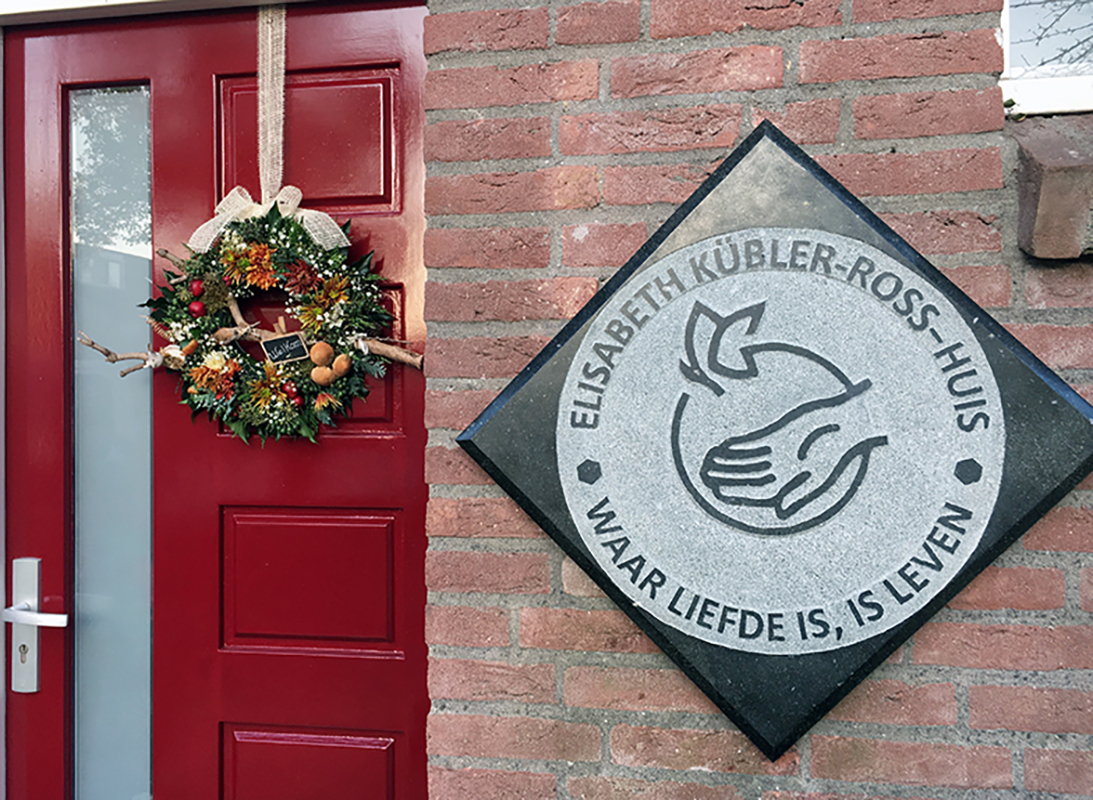 The first hospice in the Netherlands is named after Kübler-Ross The Elisabeth Kübler-Ross Foundation continues her work through a series of international chapters around the world. She received many awards and honors during her career, including honorary degrees from various universities, and is featured in a photograph exhibit at the Virginia headquarters of the National Hospice and Palliative Care Organization.[51] The American Journal of Bioethics devoted its entire December 2019 issue to the 50th anniversary of On Death and Dying. For instance, in his article "Everything I Really Needed to Know to Be a Clinical Ethicist, I Learned From Elisabeth Kübler-Ross", American bioethicist Mark G. Kuczewski outlined how Kübler-Ross laid the foundation for clinical bioethics and emphasized the need to listen to patients for understanding their needs and improving their quality of life.[52] |
オランダ初のホスピスはキューブラー=ロスに因んで名付けられた エリザベス・キューブラー・ロス財団は、世界中の国際支部を通じて彼女の活動を継承している。彼女はキャリアの中で数多くの賞や栄誉を受け、様々な大学か ら名誉学位を授与された。また、全米ホスピス・緩和ケア機構のバージニア本部では、彼女の写真展が開催されている[51]。『アメリカン・ジャーナル・オ ブ・バイオエシックス』誌は、2019年12月号の全ページを『死と死にゆくことについて』出版50周年に捧げた。例えば、アメリカの生命倫理学者マー ク・G・クチェフスキーは「臨床倫理学者になるために本当に必要なことは全てエリザベス・キューブラー・ロスから学んだ」と題した論文で、キューブラー・ ロスが臨床生命倫理の基礎を築いた経緯を概説し、患者のニーズを理解し生活の質を向上させるためには患者の声に耳を傾ける必要性を強調した。[52] |
| Personal life In 1958, she married a fellow medical student and classmate from the United States, Emanuel "Manny" Ross, and moved to New York. Together, they completed their internships at Long Island's Glen Cove Community Hospital in New York.[9] After they married, she had their first child in 1960, a son named Kenneth, and in 1963, a daughter named Barbara.[11] The marriage ended in 1979.[53] They remained friends until his death on December 9, 1992. Final years and death Kübler-Ross endured a sequence of strokes from 1987 to 1994, none of which imposed lasting physical limitations upon her. Following a Virginia house fire on October 6, 1994, and subsequent transient ischemic attack (TIA), she relocated to Scottsdale, Arizona.[54] During this period, the Healing Waters Farm and the Elisabeth Kübler-Ross Center ceased operations in Headwaters, Virginia. The following month, she acquired a residence in the desert near Carefree, Arizona. After suffering a larger stroke in May 1995, she found herself living in a wheelchair and wished to be able to determine her time of death.[55] In 1997, Oprah Winfrey flew to Arizona to interview Kübler-Ross and discuss with her whether she herself was going through the five stages of grief. July 2001 saw her traveling to Switzerland to celebrate her 75th birthday with her triplet sisters. In a 2002 interview with The Arizona Republic, she stated that she was ready for death and even welcomed it, calling God a "damned procrastinator".[26] 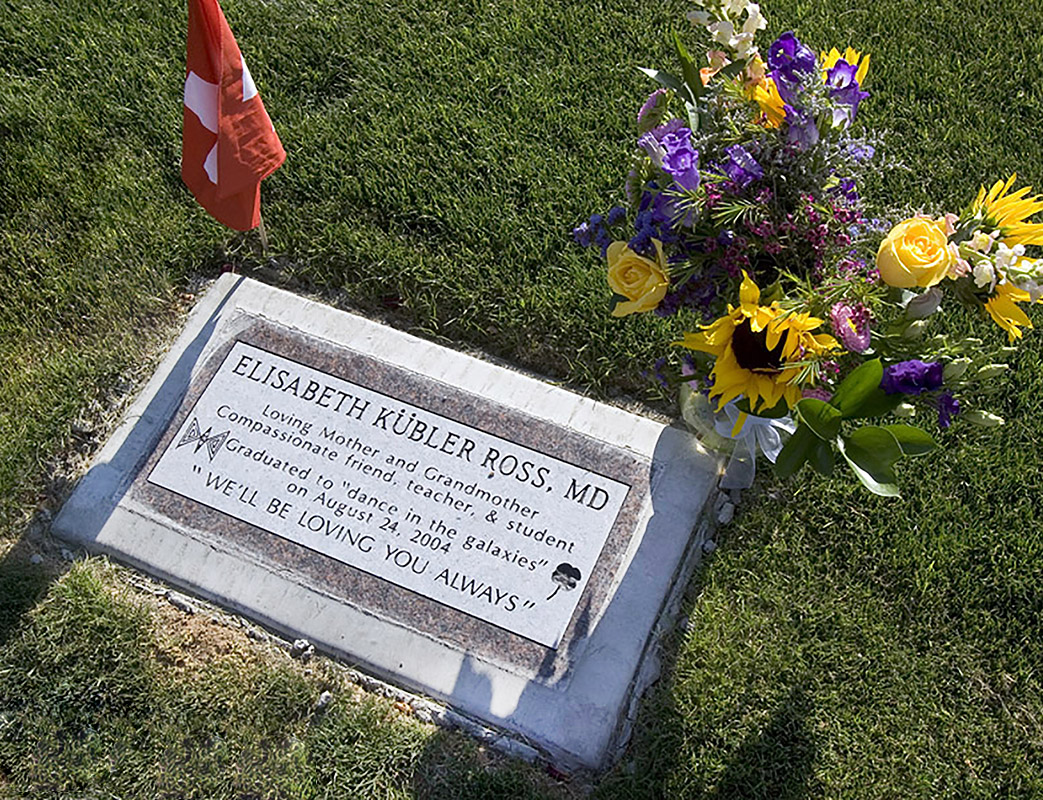 Elisabeth Kübler-Ross's gravesite, Paradise Memorial Gardens, Scottsdale, Arizona With her two children at her side in Scottsdale on August 24, 2004, Kübler-Ross finally died of natural causes. She was 78.[26] She was buried at the Paradise Memorial Gardens Cemetery in Scottsdale. In 2005 her son, Ken Ross, founded the Elisabeth Kübler-Ross Foundation in Scottsdale, Arizona.[56] The trademark 'Elisabeth Kübler-Ross,' along with all associated copyrights, is managed by her children through the Elisabeth Kübler-Ross Family Limited Partnership.[57] |
個人的な生活 1958年、彼女はアメリカの医学部生で同級生だったエマニュエル・「マニー」・ロスと結婚し、ニューヨークに移った。二人は共にニューヨーク州ロングア イランドのグレンコーブ・コミュニティ病院でインターンシップを修了した[9]。結婚後、1960年に最初の子供である息子ケネスを、1963年には娘 バーバラをもうけた。[11] この結婚は1979年に終焉を迎えた。[53] その後も二人は友人関係を保ち、1992年12月9日に彼が亡くなるまで続いた。 晩年と死 キューブラー=ロスは1987年から1994年にかけて一連の脳卒中を経験したが、いずれも彼女に永続的な身体的制限をもたらすことはなかった。1994 年10月6日にバージニア州の自宅で火災が発生し、その後一過性脳虚血発作(TIA)を起こしたため、アリゾナ州スコッツデールに移住した。この期間に、 バージニア州ヘッドウォーターズにあったヒーリング・ウォーターズ・ファームとエリザベス・キューブラー・ロス・センターは活動を停止した。翌月、彼女は アリゾナ州ケアフリー近郊の砂漠地帯に住宅を購入した。1995年5月に大規模な脳卒中を患った後、苦悩する日々を送り、車椅子生活となり、自らの死期を 自ら決めたいと望むようになった。 1997年、オプラ・ウィンフリーがアリゾナ州に飛んでキューブラー=ロスにインタビューし、彼女自身が悲嘆の五段階を経験しているかどうかを話し合っ た。2001年7月には、75歳の誕生日を三つ子の姉妹と祝うためスイスへ旅行した。2002年のアリゾナ・リパブリック紙のインタビューで、彼女は死を 受け入れる準備ができていると述べ、むしろそれを歓迎し、神を「くそったれの先延ばし屋」と呼んだ。[26] エリザベス・キューブラー・ロスの墓所、パラダイス記念庭園、スコッツデール、アリゾナ州 2004年8月24日、スコッツデールで二人の子供に見守られながら、キューブラー・ロスはついに自然死した。78歳だった。[26] 彼女はスコッツデールのパラダイス記念庭園墓地に埋葬された。 2005年、息子のケン・ロスがアリゾナ州スコッツデールにエリザベス・キューブラー・ロス財団を設立した。[56] 商標「エリザベス・キューブラー・ロス」及び関連する全ての著作権は、エリザベス・キューブラー・ロス家族有限責任組合を通じて彼女の子供たちが管理して いる。[57] |
| In popular culture [better source needed] 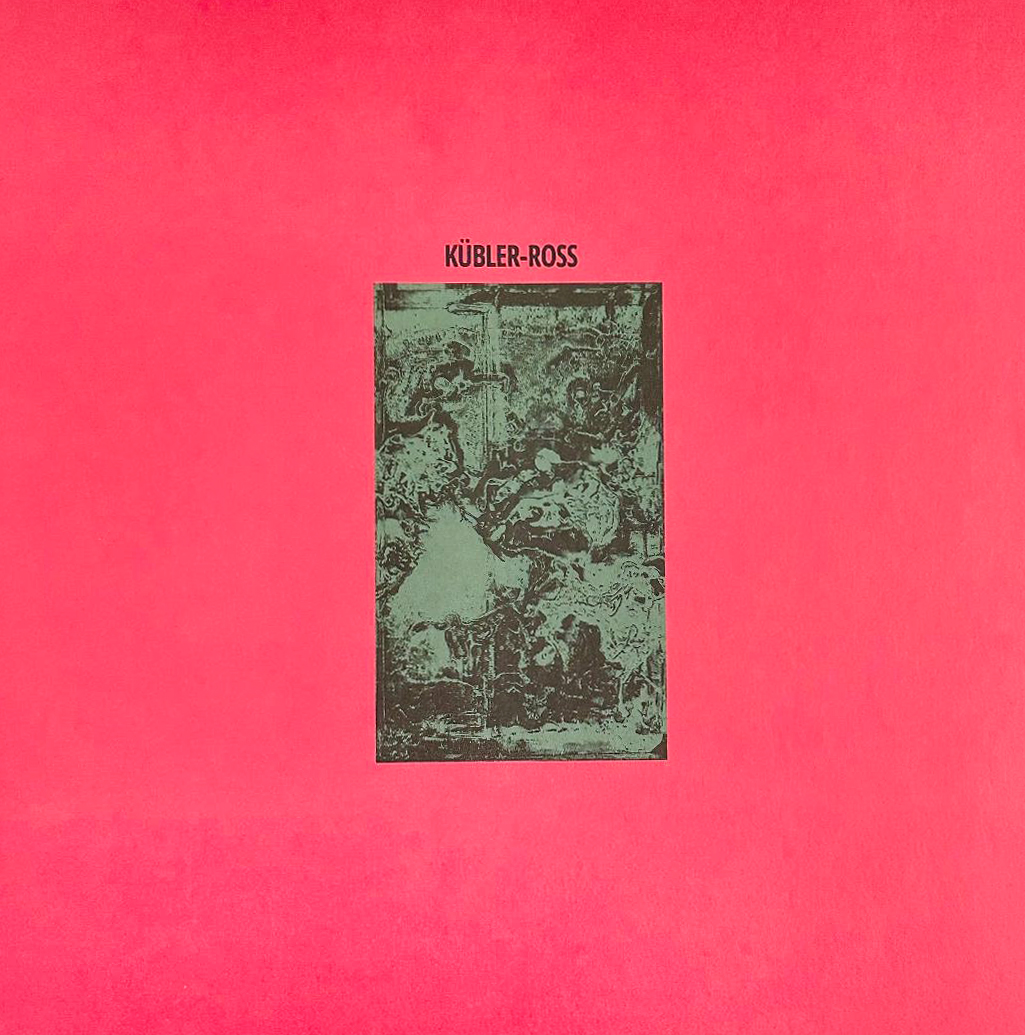 "Kübler-Ross" by Kübler-Ross (band) 2023 Since Kübler-Ross's death, many songs and albums have been named after her or dedicated to her. Songs titled "Kübler-Ross" have been named after her by many artists, including Matthew B Everett (2008), Chuck Wilson (2010),[58] Elephant Rifle (2010), Permute (2011), Taylor Whitelow of the Youth (2012), Dominic Moore (2015), Andy Jenkinson (2019)Alp Aybers (2020), Audio Medic (2021),[59] O SIZE (2022), Kübler-Ross the band (2020), Norro (2024),[60] and Mic Lanny & James Rock (2014). In 2008 Matt Elliott release, "The Kübler-Ross Model" on his album, "Howling Songs.[61] 'In 2006, The Gnomes released a song track titled "Elisabeth Kübler-Ross has Died".[62] Notably, the Oxford-based band Spring Offensive incorporated excerpts of Kübler-Ross's voice three times in their 13:20-minute rock ballad 'The First of Many Dreams About Monsters,' a 2010 song about grief, death, and the singer's deceased mother.[63] In addition to songs, EP albums such as "Kübler-Ross" by Chine Drive (2023),[64] "Kübler-Ross Soliloquies" album by Deadbeat (2023),[65] "Kübler-Ross" album by Coachello (2024), and "Kübler-Ross (Five Stages of Grief)" album by Saint Juvi (2024) have been named in her remembrance. Several musical artists have also titled albums based on Kübler-Ross's books, such as Beyond the Shores (On Death & Dying) by Shores of Null (2020)[66] and Wheel of Life by Japanese saxophonist Sadao Watanabe.[67] Marina's 2019 album Love & Fear draws inspiration from Kübler-Ross's philosophy.[68] Kübler-Ross's impact extends to band names as well, with KÜBLER ROSS, a Swedish punk band founded by a former nurse, and Kübler-Ross, a synth/wave/industrial band from Glasgow, Scotland, whose album Kübler-Ross was nominated for Album of the Year in Scotland in 2021.[69] A South Korean math rock band named Dabda, an acronym representing the Five Stages of Grief, was formed in 2014.[70] |
ポピュラー・カルチャーにおける [より良い情報源が必要] Kübler-Ross (バンド) による「Kübler-Ross」 2023 Kübler-Ross の死後、彼女にちなんで名付けられた、あるいは彼女に捧げられた多くの曲やアルバムが生まれた。「キューブラー・ロス」と題された楽曲は、マシュー・B・ エヴェレット(2008年)、チャック・ウィルソン(2010年)、[58] エレファント・ライフル(2010年)、パーミュート(2011年)、テイラー・ホワイトロー・オブ・ザ・ユース(2012年)、ドミニク・ムーア (2015年)、アンディ・ジェンキンソン (2019)、アルプ・アイバーズ (2020)、オーディオ・メディック (2021)、[59] O SIZE (2022)、クブラ・ロス・ザ・バンド (2020)、ノロ (2024)、[60]、そしてミック・ラニー&ジェームズ・ロック (2014) などが挙げられる。2008年、マット・エリオットはアルバム『ハウリング・ソングス』で「キューブラー・ロス・モデル」を発表した。2006年、ザ・ ノームズは「エリザベス・キューブラー・ロスが亡くなった」という曲を発表した。[62] 特に、オックスフォードを拠点とするバンド、スプリング・オフェンシブは、2010年にリリースした、悲しみ、死、そしてボーカルの亡き母親について歌っ た13分20秒のロックバラード「The First of Many Dreams About Monsters」の中で、キューブラー・ロスの声を3回引用している。[63] 楽曲に加え、チャイナ・ドライブの『キューブラー・ロス』(2023年)[64]、デッドビートの『キューブラー・ロス独白集』(2023年)、 [65] Coachelloの『Kübler-Ross』(2024年)、Saint Juviの『Kübler-Ross (Five Stages of Grief)』(2024年)といったEPアルバムも、彼女を追悼して名付けられている。 また、いくつかの音楽アーティストはキュブラー=ロスの著書に基づいてアルバムのタイトルを付けている。例えば、ショアーズ・オブ・ナルによる『ビヨン ド・ザ・ショアーズ(死と死について)』(2020年)[66]や、日本のサックス奏者渡辺貞夫による『輪廻』(Wheel of Life)[67]などである。マリーナの2019年のアルバム『愛と恐怖』(Love & Fear)はキュブラー=ロスの哲学から着想を得ている。[68] キュブラー=ロスの影響はバンド名にも及んでいる。元看護師が結成したスウェーデンのパンクバンド「KÜBLER ROSS」、スコットランド・グラスゴーのシンセ/ウェーブ/インダストリアルバンド「Kübler-Ross」がそれだ。後者のアルバム『Kübler -Ross』は2021年にスコットランドの年間最優秀アルバム賞にノミネートされた。[69] 韓国のマスロックバンド「Dabda」は、悲嘆の五段階を表す頭字語として2014年に結成された。[70] |
Selected bibliography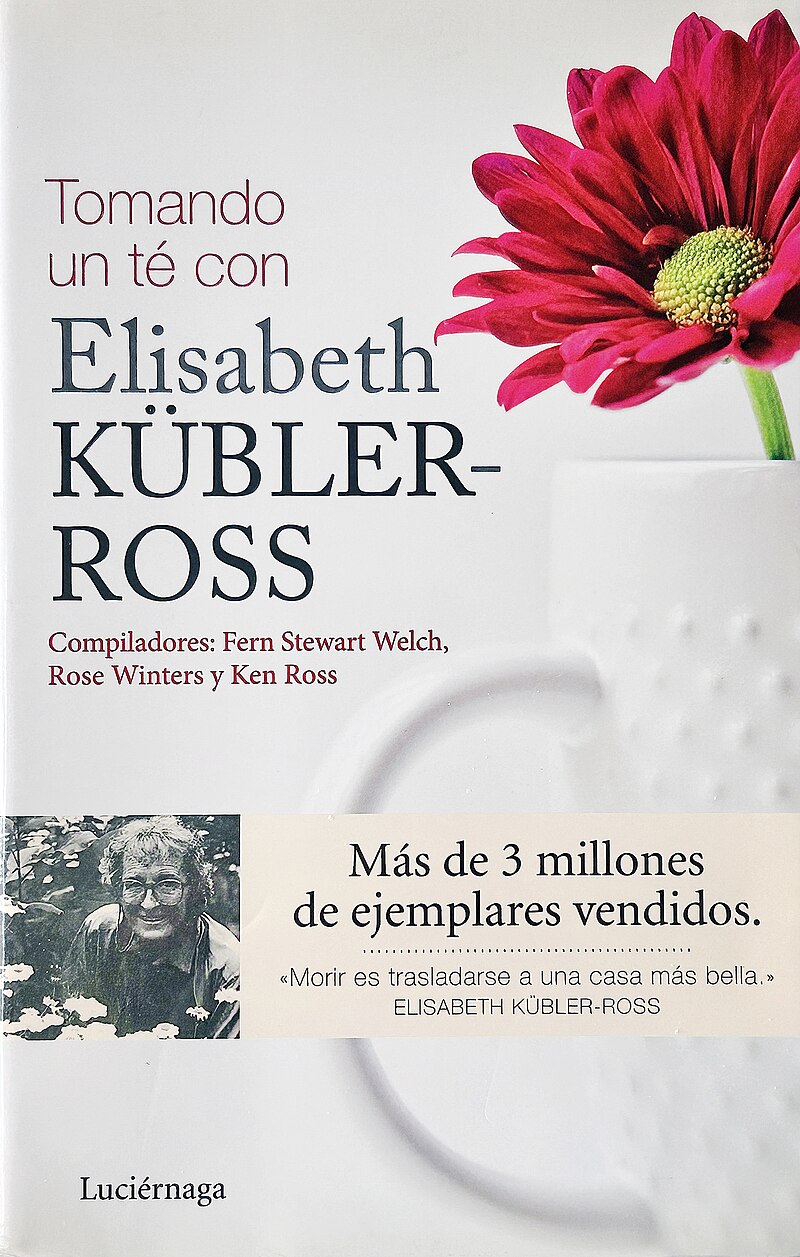 Kübler-Ross's Spanish language books have sold in excess of 3.5 million copies. On Death & Dying (Simon & Schuster/Touchstone), 1969.[71] Questions & Answers on Death & Dying (Simon & Schuster/Touchstone), 1972[72] Death: The Final Stage of Growth (Simon & Schuster/Touchstone), 1974[73] To Live Until We Say Goodbye (Simon & Schuster/Touchstone), 1978[74] The Dougy Letter – A Letter to a Dying Child (Celestial Arts/Ten Speed Press), 1979 Quest, Biography of EKR (Written with Derek Gill), (Harper & Row), 1980[75] Working It Through (Simon & Schuster/Touchstone), 1981[76] Living with Death & Dying (Simon & Schuster/Touchstone), 1981.[77] Remember the Secret (Celestial Arts/Ten Speed Press), 1981[78] On Children & Death (Simon & Schuster), 1985[79] AIDS: The Ultimate Challenge (Simon & Schuster), 1988[80] On Life After Death (Celestial Arts), 1991.[81] Jedes Ende ist ein strahlender Beginn (Every Ending is a Bright Beginning) (German Language) 1992[82] Death Is of Vital Importance (The Tunnel and the Light), 1995.[83] Unfolding the Wings of Love (Germany only – Silberschnur), 1996 Making the Most of the Inbetween (Various Foreign), 1996 AIDS & Love, The Conference in Barcelona (Spain), 1996 The Wheel of Life: A Memoir of Living and Dying (Simon & Schuster/Scribner), 1997[84] Sehnsucht nach Hause (Longing to Go Back Home) (German Language only), 1998[85] Warum wir hier sind (Why Are We Here) (German Language only), 1999.[86] The Tunnel and the Light (Avalon), 1999[87] Life Lessons: Two Experts on Death and Dying Teach Us About the Mysteries of Life and Living, with David Kessler, Scribner, 2001.[88] On Grief and Grieving: Finding the Meaning of Grief Through the Five Stages of Loss, with David Kessler. Scribner, 2005. ISBN 0-7432-6628-5. Real Taste of Life: A photographic Journal, 2003.[89] Is There Life After Death, Audio/CD, Sounds True, ISBN 9781591793786, 2005 The American Journal of Bioethics – Special Issue: 50th Anniversary of On Death & Dying by Elisabeth Kubler-Ross, 2019[90] |
選書目録 キューブラー=ロスのスペイン語書籍は350万部以上を売り上げた。 『死と死にゆくことについて』(サイモン&シュスター/タッチストーン社)、1969年[71] 『死と死にゆくことに関する質問と回答』(サイモン&シュスター/タッチストーン社)、1972年[72] 死:成長の最終段階(サイモン&シュスター/タッチストーン社)、1974年[73] 別れを告げるまで生きる(サイモン&シュスター/タッチストーン社)、1978年[74] 『ダギーの手紙 ― 死にゆく子供への手紙』(セレスティアル・アーツ/テン・スピード・プレス)、1979年 『探求 ― EKRの伝記』(デレク・ギルとの共著)、(ハーパー&ロウ)、1980年[75] 『乗り越えるために』(サイモン&シュスター/タッチストーン)、1981年[76] 死と死にゆくものと共に生きる(サイモン&シュスター/タッチストーン)、1981年[77] 秘密を覚えておけ(セレスティアル・アーツ/テン・スピード・プレス)、1981年[78] 子供と死について(サイモン&シュスター)、1985年[79] エイズ:究極の挑戦(サイモン&シュスター)、1988年[80] 死後の生命について(セレスティアル・アーツ)、1991年[81] あらゆる終わりは輝かしい始まりである(ドイツ語版)、1992年[82] 死は極めて重要である(トンネルと光)、1995年[83] 愛の翼を広げて(ドイツ語版のみ - シルバーシュヌール社)、1996年 中間期を最大限に生きる(諸外国版)、1996年 エイズと愛、バルセロナ会議(スペイン)、1996年 生命の輪:生と死の回想録(サイモン&シュスター/スクリブナー社)、1997年[84] 故郷への憧れ(ドイツ語版のみ)、1998年[85] 我々がここにいる理由(ドイツ語版のみ)、1999年。[86] トンネルと光(アバロン)、1999年[87] 『人生の教訓:死と死にゆくことに関する二人の専門家が教える、生命と生きる神秘について』(デイヴィッド・ケスラーとの共著)、スクリブナー、2001年[88] 『悲嘆と悲嘆の過程:喪失の五段階を通じて悲嘆の意味を見出す』(デイヴィッド・ケスラーとの共著)、スクリブナー、2005年。ISBN 0-7432-6628-5 『人生の本当の味:写真日記』2003年。[89] 『死後の世界はあるのか』オーディオCD、サウンズ・トゥルー、ISBN 9781591793786、2005年 『アメリカン・ジャーナル・オブ・バイオエシックス』特別号:エリザベス・キューブラー・ロス著『死と死にゆくことについて』刊行50周年記念、2019年[90] |
| References |
https://en.wikipedia.org/wiki/Elisabeth_K%C3%BCbler-Ross |
| Further reading Quest: The Life of Elisabeth Kubler-Ross, by Derek Gill. Ballantine Books (Mm), 1982. ISBN 0-345-30094-7. The Life Work of Dr. Elisabeth Kübler-Ross and Its Impact on the Death Awareness Movement, by Michèle Catherine Gantois Chaban. E. Mellen Press, 2000. ISBN 0-7734-8302-0. Elisabeth Kubler-Ross: Encountering Death and Dying, by Richard Worth. Published by Facts On File, Inc., 2004. ISBN 0-7910-8027-7. Tea with Elisabeth: Tributes to Hospice Pioneer Dr. Elisabeth Kubler-Ross, compiled by Fern Stewart Welch, Rose Winters and Ken Ross. Published by Quality of Life Publishing Co. 2009. ISBN 978-0-9816219-9-9. Stanford University Acquires the Kübler-Ross Archives, Elisabeth Kübler-Ross Foundation website, 2019 Recollections of Dr. Elisabeth Kübler-Ross at the University of Chicago (1965–70), by Mark Siegler, MD. Published by the American Journal of Bioethics, 2019[1] The Under-appreciated Influence of Elisabeth Kübler-Ross on the Development of Palliative Care for Children, Bryan Sisk, MD. and Justin N. Baker, MD., National Library of Medicine, 2019 Appreciating the Legacy of Kübler-Ross: One Clinical Ethicist’s Perspective by Daniel O. Dugan, November 20, 2019[2] Elisabeth Kübler-Ross as Astrophysicist: Emotional Intelligence and Resilience Unlock the Black Hole of Physician Burnout, Moral Distress, and Compassion Fatigue, American Journal of Bioethics, 2019[3] Death Education: An Approach from the Work of Elisabeth Kübler-Ross, by João Carlos Macedo, Lambert Academic Press, 2020 Angels in Alaska: My Adventure with Elisabeth Kubler-Ross[4] Psychiatrist Elisabeth Kübler-Ross and Ireland By RTE Radio 1 Ireland, July 19, 2021 Open History of Psychology: The Lives and Contributions of Marginalized Psychology Pioneers, 21. Kübler-Ross, 2023 UPLIFTING: Inspiring Stories of Loss, Change, and Growth Inspirited by the work of Dr. Elisabeth Kübler-Ross by Dr. Katie Eastman, 2024 |
追加文献(さらに読む) 『クエスト:エリザベス・キューブラー=ロスの生涯』デレク・ギル著。バランタイン・ブックス(Mm)、1982年。ISBN 0-345-30094-7。 エリザベス・キューブラー・ロス博士の生涯の仕事と死の意識運動への影響、ミシェル・キャサリン・ガントワ・シャバン著。E. メレン・プレス、2000年。ISBN 0-7734-8302-0。 エリザベス・キューブラー・ロス:死と臨終との出会い、リチャード・ワース著。ファクツ・オン・ファイル社刊、2004年。ISBN 0-7910-8027-7。 『エリザベスとのティータイム:ホスピス先駆者エリザベス・キューブラー・ロス博士への賛辞』フェルン・スチュワート・ウェルチ、ローズ・ウィンターズ、ケン・ロス編。クオリティ・オブ・ライフ出版、2009年。ISBN 978-0-9816219-9-9。 スタンフォード大学がキューブラー=ロス文書を収蔵、エリザベス・キューブラー=ロス財団ウェブサイト、2019年 シカゴ大学におけるエリザベス・キューブラー=ロス博士の回想(1965-70年)、マーク・シーグラー医学博士著。アメリカン・ジャーナル・オブ・バイオエシックス刊、2019年[1] 小児緩和ケア発展におけるエリザベス・キューブラー=ロスの過小評価された影響、ブライアン・シスク医学博士とジャスティン・N・ベイカー医学博士、国立医学図書館、2019年 キューブラー=ロスの遺産を評価する:臨床倫理学者による視点、ダニエル・O・デュガン、2019年11月20日[2] 天体物理学者としてのエリザベス・キューブラー=ロス:医師の燃え尽き症候群、道徳的苦痛、思いやりの疲労というブラックホールを解き放つ感情知性と回復力、アメリカ生物倫理学会誌、2019年[3] 死の教育:エリザベス・キューブラー=ロスの仕事から見たアプローチ、ジョアン・カルロス・マセド著、ランバート学術出版社、2020年 アラスカの天使たち:エリザベス・キューブラー=ロスとの冒険[4] 精神科医エリザベス・キューブラー=ロスとアイルランド、RTEラジオ1アイルランド、2021年7月19日 心理学のオープンな歴史:周縁化された心理学の先駆者たちの生涯と貢献、21. キューブラー=ロス、2023年 『高揚:喪失、変化、成長の感動的な物語』エリザベス・キューブラー=ロス博士の業績に触発されて、ケイティ・イーストマン博士著、2024年 |
| Viewing: To Die Today, Filmmakers Library, New York, (1967) People Are Talking: Interview with Oprah and Dr. Kübler-Ross, (1974) On Death and Dying, NBC special on the phenomenon of Death, (1974) Nothing Final: The Work of Elisabeth Kübler-Ross, BBC, (1981) Das Ende das Angst, Ein Portrat der Stebeforscherin, German Language (1981) Elisabeth Kübler-Ross über Lebens und Sterbehilfe, Einen Vortrag an der Universität Zürich, Switzerland, German Language (1982) Elisabeth Kübler-Ross – Speaks to a dying patient, Nova Interview (1983) To Live Until We Say Goodbye, Interview with Dr. Kübler-Ross, 55 min, (1983) Elisabeth Kübler-Ross Lectures on Children & Death, University of Washington, (1983) University of Washington: Interview by Dr. Thomas McCormick with Kübler-Ross, (1984) Ärztin Elisabeth Kübler-Ross: Spricht über Leben und Tod, Telfs, Österreich, German Language (1989) We're Almost Home Now: Elisabeth Kübler-Ross on Children and Death, Rites of Passage, (1993) Oprah: Interview of Elisabeth Kübler-Ross, Filmed at Kübler-Ross home, (1997) Elisabeth Kübler-Ross: Facing Death (Elisabeth Kübler-Ross: Dem Tod ins Gesicht Sehen) Director & write Stephan Haupt, 98 min, (2003) Pioneers of Hospice: Changing the Face of Dying, Madison Deane Initiative, (2004) |
Viewing: To Die Today, Filmmakers Library, New York, (1967) People Are Talking: Interview with Oprah and Dr. Kübler-Ross, (1974) On Death and Dying, NBC special on the phenomenon of Death, (1974) Nothing Final: The Work of Elisabeth Kübler-Ross, BBC, (1981) Das Ende das Angst, Ein Portrat der Stebeforscherin, German Language (1981) Elisabeth Kübler-Ross über Lebens und Sterbehilfe, Einen Vortrag an der Universität Zürich, Switzerland, German Language (1982) Elisabeth Kübler-Ross – Speaks to a dying patient, Nova Interview (1983) To Live Until We Say Goodbye, Interview with Dr. Kübler-Ross, 55 min, (1983) Elisabeth Kübler-Ross Lectures on Children & Death, University of Washington, (1983) University of Washington: Interview by Dr. Thomas McCormick with Kübler-Ross, (1984) Ärztin Elisabeth Kübler-Ross: Spricht über Leben und Tod, Telfs, Österreich, German Language (1989) We're Almost Home Now: Elisabeth Kübler-Ross on Children and Death, Rites of Passage, (1993) Oprah: Interview of Elisabeth Kübler-Ross, Filmed at Kübler-Ross home, (1997) Elisabeth Kübler-Ross: Facing Death (Elisabeth Kübler-Ross: Dem Tod ins Gesicht Sehen) Director & write Stephan Haupt, 98 min, (2003) Pioneers of Hospice: Changing the Face of Dying, Madison Deane Initiative, (2004) |
| Elisabeth Kübler-Ross Foundation Elisabeth Kübler-Ross papers housed at Stanford Libraries Publications by and about Elisabeth Kubler-Ross in the catalog of the Swiss National Library/Schweizerische Nationalbibliotek Publications by and about Elisabeth Kübler-Ross in the catalog of the German National Library/Deutsche Nationalbibliothek Publications by and about Elisabeth Kübler-Ross in the catalog of the French National Library/ Bibliothèque Nationale de France Elisabeth Kübler-Ross – Dem Tod ins Gesicht sehen (aka Elisabeth Kübler-Ross: Facing Death) at IMDb a 2003 Swiss German documentary BBC's Witness History program – "Elisabeth Kübler-Ross and the Five Stages of Grief", 2020 "The Queen of Dying: Elisabeth Kübler-Ross and the Five Stages", Radiolab, WNYC Studios, July 23, 2021 |
エリザベス・キューブラー=ロス財団 スタンフォード大学図書館所蔵のエリザベス・キューブラー=ロス文書 スイス国立図書館所蔵のエリザベス・キューブラー=ロス関連出版物 ドイツ国立図書館(Deutsche Nationalbibliothek)所蔵のエリザベス・キューブラー・ロスに関する出版物 フランス国立図書館(Bibliothèque Nationale de France)所蔵のエリザベス・キューブラー・ロスに関する出版物 エリザベス・キューブラー・ロス – 死と向き合う(別名:エリザベス・キューブラー・ロス:死と向き合う)IMDb掲載 2003年スイス・ドイツ語ドキュメンタリー BBCの『Witness History』番組「エリザベス・キューブラー=ロスと悲嘆の五段階」、2020年 「死の女王:エリザベス・キューブラー=ロスと五段階」、Radiolab、WNYCスタジオ、2021年7月23日 |
| 1. Siegler, Mark (November 20,
2019). "Recollections of Dr. Elisabeth Kübler-Ross at the University of
Chicago (1965–70)". The American Journal of Bioethics. 19 (12): 1–2.
doi:10.1080/15265161.2019.1674550. PMID 31746701 – via Taylor &
Francis Online. 2. Dugan, Daniel O (November 20, 2019). "Appreciating the Legacy of Kübler-Ross: One Clinical Ethicist's Perspective". The American Journal of Bioethics. 19 (12): 5–9. doi:10.1080/15265161.2019.1676591. PMID 31746700 – via Taylor & Francis Online. 3. Boateng, Adjoa; Aslakson, Rebecca (2019). "Elisabeth Kübler-Ross as Astrophysicist: Emotional Intelligence and Resilience Unlock the Black Hole of Physician Burnout, Moral Distress, and Compassion Fatigue". The American Journal of Bioethics. 19 (12): 54–57. doi:10.1080/15265161.2019.1674423. PMID 31746718. 4. Hoover, Leota (May 6, 2020). Angels in Alaska: My Adventure with Elisabeth Kübler-Ross. Self Published. ISBN 9798638188405. |
1.
ジーグラー、マーク(2019年11月20日)。「シカゴ大学におけるエリザベス・キューブラー=ロス博士の回想(1965–70年)」。『アメリカン・
ジャーナル・オブ・バイオエシックス』。19巻12号:1–2頁。doi:10.1080/15265161.2019.1674550. PMID
31746701 – via Taylor & Francis Online. 2. ダガン、ダニエル・O(2019年11月20日)。「キューブラー=ロスの遺産を評価する:臨床倫理学者としての視点」『アメリカ生物倫理学雑誌』19巻 12号:5–9頁。doi:10.1080/15265161.2019.1676591. PMID 31746700 – Taylor & Francis Online経由。 3. ボアテン、アジョア;アスラクソン、レベッカ(2019)。「天体物理学者としてのエリザベス・キューブラー=ロス:感情知性と回復力が医師の燃え尽き症 候群、道徳的苦痛、思いやりの疲労というブラックホールを解き放つ」。『アメリカン・ジャーナル・オブ・バイオエシックス』。19巻12号:54–57 頁。doi:10.1080/15265161.2019.1674423. PMID 31746718. 4. フーバー, リーオタ (2020年5月6日). 『アラスカの天使たち: エリザベス・キューブラー・ロスとの冒険』. 自費出版. ISBN 9798638188405. |
| https://en.wikipedia.org/wiki/Elisabeth_K%C3%BCbler-Ross |
リンク
文献
その他の情報
Copyleft, CC, Mitzub'ixi Quq Chi'j, 1997-2099

++
Copyleft,
CC, Mitzub'ixi Quq Chi'j, 1996-2099