
悪いイメージの単語
Negative Image Words
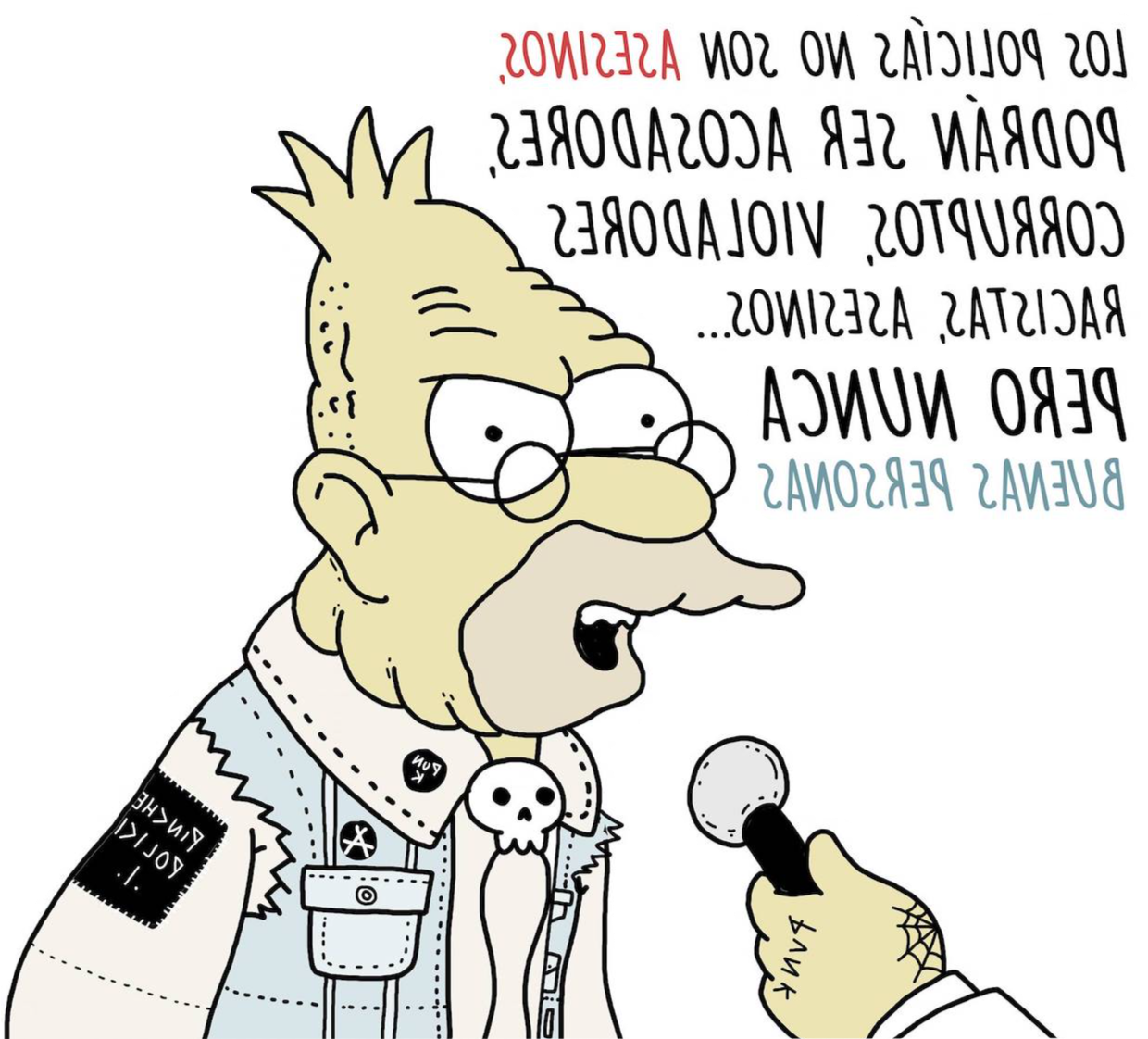
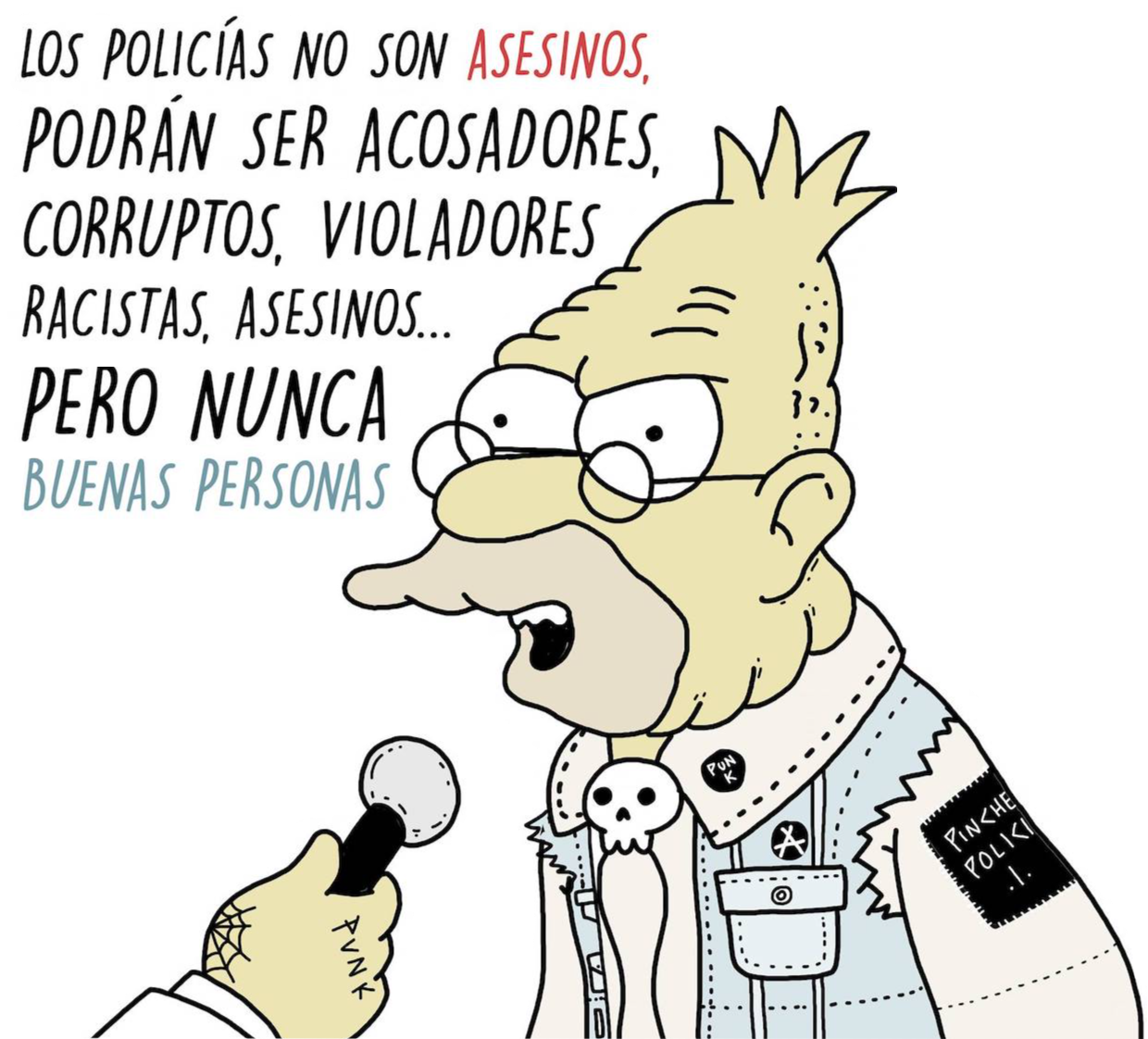
☆ ネガティブなことばは、ポジティブなイメージをもつ言葉と逆の効果をもつ。この否定的な言葉やイメージで宣伝することは、しばしばネガティブ・キャンペーンと呼ばれる。
| 「あんな無能なかつは、立候補する資格なんかないね」 |
|
| 「あいつは、わがままで、クソなやつだね」 |
★悪の語彙(中村 1994:16-17)
1. さかしま、捻れ、カオス
2. きたなさ、穢れ、醜さ
3. 妖怪、悪鬼、毒物、病原菌、毒虫
4. 暴力、権力、破壊、侵犯、残酷、不正、犯罪、差別、裏切り、嘘、憎しみ
5. 痛み、苦しみ、病、ガン、エイズ
★The Bad Sleep Well, 1960
| The Bad Sleep Well
(Japanese: 悪い奴ほどよく眠る, Hepburn: Warui Yatsu Hodo Yoku Nemuru; lit. 'The
worse they are, the better they sleep') is a 1960 Japanese neo-noir
crime mystery film directed by Akira Kurosawa. It was the first film to
be produced under Kurosawa's own independent production
company.[3][self-published source] It was entered into the 11th Berlin
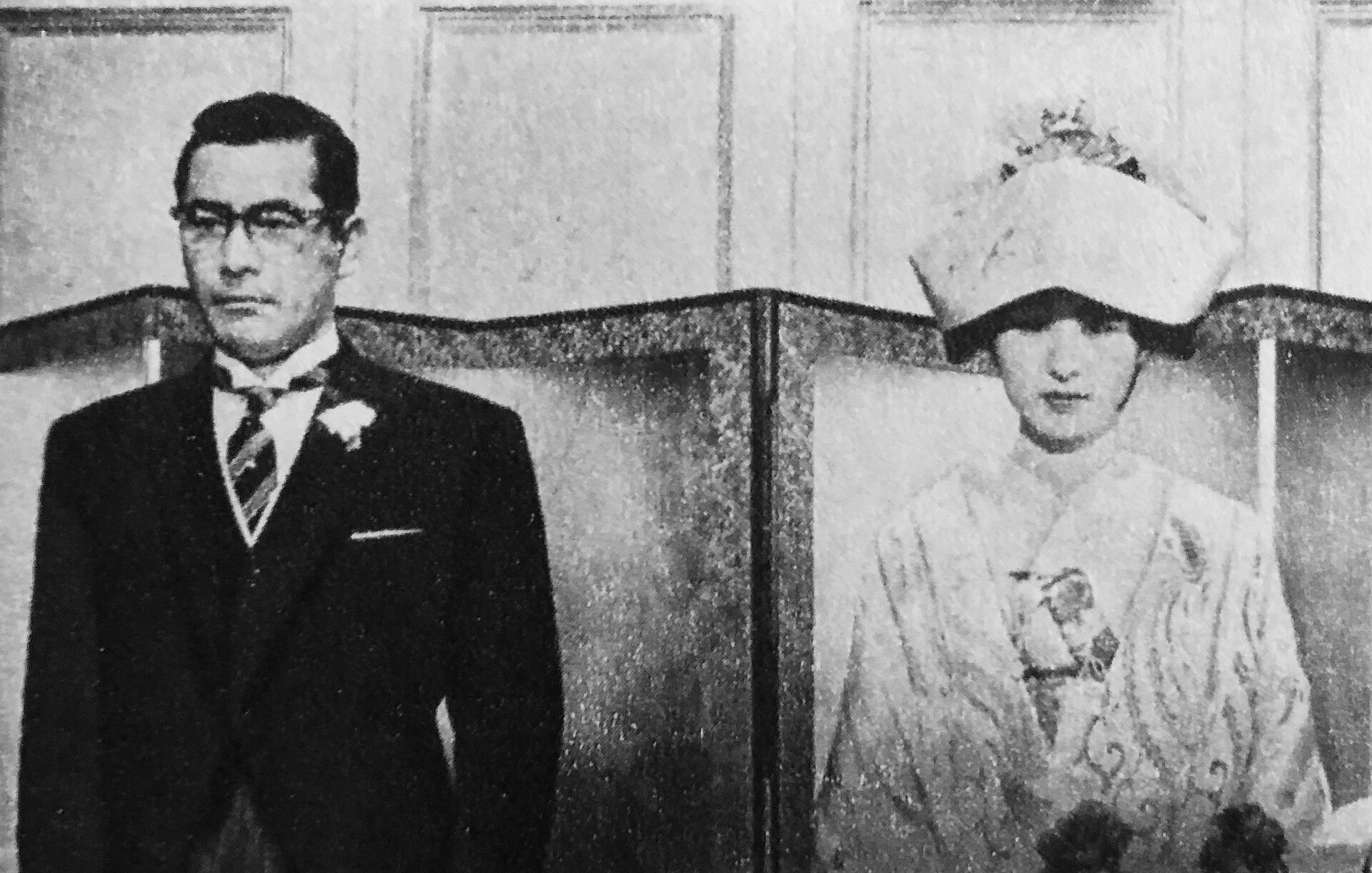
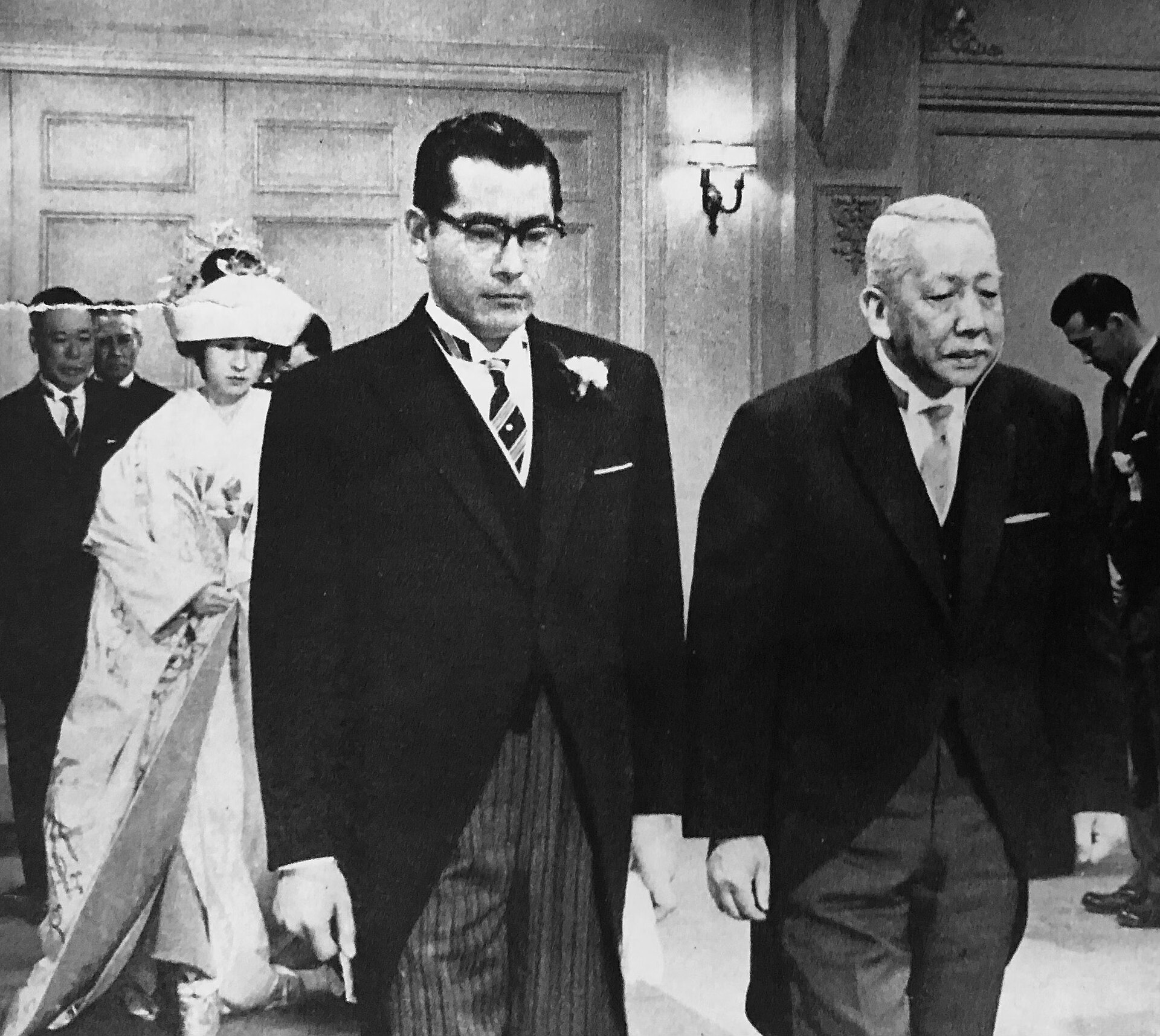
International Film Festival. The film stars Toshiro Mifune as a young man who gets a prominent position in a corrupt postwar Japanese company to expose the men responsible for his father's death. It draws upon Shakespeare's Hamlet,[4] while doubling as a critique of corporate corruption.[5] It is one of four films, along with Drunken Angel (1948), Stray Dog (1949) and High and Low (1963), in which Kurosawa explores the film noir genre.[3][self-published source] Like Kurosawa's next two movies with Mifune, Yojimbo (1961) and Sanjuro (1962), Mifune's character is "a lone hero fighting against overwhelming odds and corrupt authorities."[6] |
『悪い奴ほどよく眠る』(原題:Warui Yatsu Hodo
Yoku
Nemuru)は、1960年に公開された黒澤明監督による日本のネオ・ノワール犯罪ミステリー映画である。これは、黒澤明が自ら設立した独立制作会社に
よって製作された最初の映画である。[3][自費出版の資料] 第11回ベルリン国際映画祭に出品された。 本作では、三船敏郎が、父の死の責任者を暴くために、腐敗した戦後の日本企業で要職に就く青年を演じている。シェイクスピアの『ハムレット』[4] を題材としつつ、企業の腐敗に対する批判も兼ねている。[5] 本作は、『酔いどれ天使』(1948年)、『野良犬』(1949年)、『天国と地獄』(1963年)と並び、黒澤がフィルム・ノワールというジャンルを探 求した4作品の一つである。[3][自費出版の資料] 三船と黒澤が次に手がけた2作品『用心棒』(1961年)と『三匹の侍』(1962年)と同様、本作における三船のキャラクターは「圧倒的な不利と腐敗し た権力に立ち向かう孤独な英雄」である。[6] |
| Plot A group of news reporters watch and gossip at an elaborate wedding reception held by the Public Development Corporation's Vice President Iwabuchi, who married his daughter Yoshiko to his secretary Koichi Nishi. The police interrupt the wedding to arrest corporate assistant officer Wada, the reception's master of ceremony, on charges of bribery in a kickback scheme. The reporters comment on similarity to an earlier scandal involving Iwabuchi, administrative officer Moriyama, and contract officer Shirai that was hushed up after the suicide of Assistant Chief Furuya, who had jumped from a seventh-story window of the corporate office building, bringing the investigation to a dead end before any of the company's higher-ups could be implicated. Following the wedding, the police question Wada and accountant Miura about bribery between Dairyu Construction Company and the government-funded Public Corporation. Following the inquiry, Miura commits suicide by running in front of a truck when about to be arrested. Wada attempts to take his own life by jumping into an active volcano but is stopped by Nishi. To convince Wada to help him and his best friend Itakura in their agenda of revenge, Nishi then drives Wada where they both are shown spying on the (pre-scripted) funeral, that reveals to Wada what his employers thought of him. Nishi then focuses his efforts on contract officer Shirai by setting him up so that Iwabuchi and Moriyama believe him to be stealing from them, while also using Wada to drive him insane with guilt. Nishi then saves Shirai from an assassin hired by Iwabuchi before taking him to the office where Furuya died, revealing himself as Furuya's illegitimate son who exchanged identities with Itakura to avenge his father's death. Nishi's interrogation methods shatter what little sanity Shirai had left, with Moriyama deducing that someone connected to Furuya is orchestrating these events as he soon learns the truth about Nishi and informs Iwabuchi. Iwabuchi's son Tatsuo overhears and angrily drives Nishi off when he returns to the house. Retreating to the ruins of a factory he worked at during World War II, Nishi manages to abduct Moriyama and starves him into revealing the location of evidence he can use to expose the corruption and all involved to the press. In the meantime, Wada slips away and brings back Yoshiko in the hopes that the newlyweds will reconcile. Nishi tells his wife that he has grown to truly love her. Yoshiko accepts the truth about her father's evil deeds and reluctantly agrees to allow Nishi to complete his plans to expose him. But as Nishi calls for a press conference to be held the next day and prepares to retrieve the final evidence, Iwabuchi deduces Yoshiko saw Nishi and tricks her by claiming Tatsuo intends to kill Nishi while promising to turn himself in. She offers to go with Iwabuchi, but he drugs his daughter with wine laced with sleeping pills. Yoshiko comes to by the time Tatsuo returns home from duck hunting, realizing her father tricked her as they rush to Nishi's location. But they are too late, Itakura revealing that Nishi had been killed, with his murder made to look as though he'd crashed while driving drunk. He also reveals that Wada, Moriyama, and the evidence have all been disposed of. All three are devastated by this development, knowing the truth but having nothing to back up their story. After Iwabuchi cancels Nishi's conference, his children confront him and disown him. Iwabuchi receives a call from his superior and apologizes for the recent trouble while assuring them that he handled it. He then requests retirement, but his superior advises him to take a vacation. Iwabuchi proceeds to hang up after apologizing, as he lost his sense of time from having not slept at all the previous night. |
あらすじ 公共開発公社の岩渕副社長が、娘の良子と秘書の西浩一を結婚させるために開いた豪華な披露宴で、記者団が見物し、噂話を交わしている。警察が披露宴に乱入 し、司会を務めていた公社補佐官の和田を、リベート事件の収賄容疑で逮捕した。記者たちは、この事件が以前のスキャンダルと似ていると指摘する。そのス キャンダルでは、岩渕、行政官の森山、契約担当の白井が関与していたが、会社本社の7階の窓から飛び降り自殺した古谷次長によって捜査が行き詰まり、上層 部が関与する前にうやむやにされていたのだ。結婚式の後、警察は大竜建設と公的資金による公社との間の贈収賄について、和田と経理担当の三浦を取り調べ た。 取り調べの後、三浦は逮捕されそうになった際、トラックの前に飛び出して自殺する。和田は活火山に飛び込んで自殺を図ったが、西に止められる。西は、自分 と親友の板倉による復讐計画に協力させるため、和田を車で連れ出し、二人で(事前に仕組まれた)葬儀を盗み見させる。そこで和田は、雇用主たちが自分をど う思っていたかを知ることになる。その後、西は契約担当官の白井に狙いを定めた。岩渕と森山に白井が横領していると信じ込ませる罠を仕掛け、同時に和田を 利用して白井を罪悪感で狂わせた。西は岩渕が雇った暗殺者から白井を救い出し、古谷が死んだ事務所へ連れて行く。そこで西は、父の死を復讐するために板倉 と身分をすり替えた古谷の非嫡出子であることを明かす。西の尋問手法は、白井に残っていたわずかな正気さえも打ち砕く。森山は、西の正体を知り、すぐに岩 渕にその事実を伝える中で、古谷と関係のある人物がこれらの出来事を仕組んでいると推理する。岩渕の息子・達夫はそれを耳にし、家に戻ってきた西を怒りに 任せて追い払う。 第二次世界大戦中に働いていた工場の廃墟に身を隠した西は、なんとか森山を拉致し、飢えさせ、腐敗と関与者全員をマスコミに暴露できる証拠の場所を吐かせ た。その間、和田はこっそりと抜け出し、新婚夫婦が和解することを願って良子連れ戻す。西は妻に、心から彼女を愛するようになったと告げる。良子は父の悪 行という真実を受け入れ、しぶしぶながら、父を暴露するという西の計画を遂行させることに同意する。しかし、西が翌日の記者会見を呼びかけ、最後の証拠を 取りに行く準備をしていると、岩渕は良子が西を見かけたことを察知し、辰男が自首する代わりに西を殺そうとしていると偽って彼女を騙す。彼女は岩渕に同行 すると申し出るが、岩渕は睡眠薬を混ぜたワインで娘を眠らせてしまう。 吉子は、辰夫がアヒル狩りから帰宅する頃には意識を取り戻し、父に騙されたことに気づく。二人は急いで西の居場所へ向かう。しかし、彼らは遅すぎた。板倉 は、西が殺害されており、その死は飲酒運転による事故に見せかけられていたことを明かす。さらに、和田、森山、そして証拠品もすべて処分されたと告げる。 3人はこの展開に打ちのめされる。真実を知りながらも、それを裏付けるものが何もないからだ。岩渕が西の記者会見を中止すると、子供たちは彼に詰め寄り、 縁を切った。岩渕は上司から電話を受け、最近の騒動について謝罪するとともに、事態は収拾したと伝えた。その後、彼は退職を申し出たが、上司は休暇を取る よう勧めた。岩渕は謝罪した後、電話を切った。前夜、一睡もしていなかったため、時間の感覚を失っていたのだ。 |
| Toshiro Mifune as Kōichi Nishi Masayuki Mori as Public Corporation Vice President Iwabuchi Kyōko Kagawa as Yoshiko Nishi Tatsuya Mihashi as Tatsuo Iwabuchi Takashi Shimura as Administrative Officer Moriyama Kō Nishimura as Contract Officer Shirai Takeshi Katō as Itakura Kamatari Fujiwara as Assistant-to-the-Chief Wada Chishū Ryū as Public Prosecutor Nonaka Seiji Miyaguchi as Prosecutor Okakura Kōji Mitsui as Reporter Ken Mitsuda as Public Corporation President Arimura Nobuo Nakamura as Legal Adviser Susumu Fujita as Detective Kōji Nanbara as Prosecutor Horiuchi Gen Shimizu as Managing Director Miura Natsuko Kahara as Furuya's wife |
三船敏郎(西浩一役) 森雅之(公社副社長・岩渕役) 香川京子(西良子役) 三橋達也(岩渕達夫役) 志村喬(行政官・森山役) 西村浩(契約担当官・白井役) 加藤武 役:板倉 藤原鎌太郎 役:和田(課長補佐) 検事・野中役:龍千秋 検事・岡倉役:宮口精二 記者役:三井浩二 公社社長・有村役:三津田健 法律顧問役:中村信夫 刑事役:藤田進 検事・堀内役:南原浩二 専務取締役・三浦役:清水元 古谷の妻役:加原夏子 |
| Production After Toho Studios had grown frustrated with Kurosawa going overbudget during filming of The Hidden Fortress, in 1959 the director formed his own film company, Kurosawa Productions. Believing that making his first independent film merely for commercial success would be insulting to the audience, Kurosawa elected to tackle a subject of social significance. The idea for The Bad Sleep Well came from Kurosawa's nephew Yoshio Inoue, whose story called "Bad Men's Prosperity" founded Kurosawa's draft. Kurosawa began writing the script with Eijirō Hisaita, whom he had collaborated with on No Regrets for Our Youth and The Idiot, both starring Setsuko Hara. Kurosawa's other writing collaborators Hideo Oguni, Ryūzō Kikushima and Shinobu Hashimoto would later join Kurosawa and Hisaita in the writing process once they were free from other projects. The process of writing the script took 80 days, with care taken to not resemble real-life cases of corruption in Japan.[7] Filming began on March 22, 1960, with the Navy Yard of Toyohashi, Mount Aso, Marunouchi Building and the Yokohama Prison serving as main locations. To convincingly play the part of a disabled wife, Kyōko Kagawa used uneven shoes and a knee brace. During filming of a car scene, Kagawa suffered facial injuries and considered quitting her acting career. At the hospital where she was being treated, Toshiro Mifune stopped the press from interviewing her by standing in front of her room door.[8] |
製作 東宝が『隠し砦の三悪人』の撮影中に黒澤が予算超過を繰り返したことに不満を抱くようになった後、1959年に黒澤は自身の映画会社「黒澤プロダクショ ン」を設立した。初の独立作品が単なる商業的成功のためだけのものであることは観客への侮辱になると考えた黒澤は、社会的に意義のあるテーマに取り組むこ とを選んだ。 『悪人は眠れ』の着想は、黒澤の甥である井上義雄によるもので、彼の短編小説『悪人の繁栄』が黒澤の草案の基礎となった。黒澤は、原節子主演の『青春の無 念』や『白痴』で共に仕事をした久井田栄二郎と共に脚本執筆を開始した。黒澤の他の脚本協力者である小国英雄、菊島龍三、橋本忍は、他のプロジェクトから 解放されると、後に黒澤と久井田に加わり、脚本執筆に参加した。脚本執筆には80日を要し、日本の実在する汚職事件に似てしまわないよう細心の注意が払わ れた。[7] 撮影は1960年3月22日に始まり、豊橋海軍工廠、阿蘇山、丸の内ビル、横浜刑務所が主なロケ地となった。障害のある妻の役を説得力を持って演じるた め、香川京子は左右の足に長さの異なる靴を履き、膝装具を装着した。車のシーンの撮影中、香川は顔に怪我を負い、女優業を辞めようかと苦悩した。治療を受 けていた病院では、三船敏郎が彼女の病室のドアの前に立ちはだかり、報道陣が彼女にインタビューするのを阻止した。[8] |
| Reception Contemporary reviews were positive, with a Bosley Crowther piece in The New York Times from January 1963 calling it "an aggressive and chilling drama of modern-day Japan" which "gives to an ordinary tale of greedy and murderous contention a certain basic philosophical tone". It praises Kurosawa for staging "what amounts to cliches in this type of strongarm fiction in a way that makes them seem fresh and as fully of sardonic humor as though we had never seen their likes before".[9] Dan Schneider considers it one of Kurosawa's finest movies.[10] The most common criticism of the film among professional reviewers refers to the ending. In a 2006 review of the Criterion Collection DVD release, The A.V. Club's Keith Phipps calls it "an assured, muscular Kurosawa film [...] that it's all the more disappointing when a shapeless, anticlimactic, but probably inevitable ending does it in".[11] At the 14th Mainichi Film Awards, Masayuki Mori and Masaru Sato won the awards for Best Supporting Actor and Best Music. American filmmaker Francis Ford Coppola has listed The Bad Sleep Well as one of his favorite films, citing the first thirty minutes of the film "as perfect as any film I've ever seen" and used it as inspiration for the wedding sequence in the 1972 Oscar-winning gangster drama The Godfather.[12] |
評価 当時の批評は好意的で、1963年1月の『ニューヨーク・タイムズ』紙に掲載されたボズリー・クロウザーの記事では、本作を「現代日本を描いた攻撃的で身 も凍るようなドラマ」と評し、「貪欲と殺戮に満ちた争いというありふれた物語に、ある種の根本的な哲学的色合いを与えている」と述べている。同紙は、黒澤 が「この種の強引なフィクションにおける決まり文句とも言える要素を、あたかも我々がこれまで見たことのないような新鮮さと皮肉なユーモアに満ちたものと して演出した」点を称賛している。[9] ダン・シュナイダーは、本作を黒澤の最高傑作の一つと位置づけている。[10] 専門家の間で最もよく見られる批判は、結末に関するものだ。2006年のクリテリオン・コレクション版DVDのレビューで、『The A.V. Club』のキース・フィップスは、本作を「確固たる力強さを持つ黒澤映画[...]であるだけに、形のない、盛り上がりに欠ける、しかしおそらく避けら れなかった結末によって台無しにされてしまうのは、なおさら残念だ」と評している。[11] 第14回毎日映画コンクールにおいて、森雅之と佐藤勝が助演男優賞と音楽賞を受賞した。 アメリカの映画監督フランシス・フォード・コッポラは、『悪いやつほどよく眠る』を自身の好きな映画の一つに挙げ、その冒頭30分間を「私が今まで見たど の映画にも引けを取らない完璧さ」と評し、1972年のアカデミー賞受賞作であるギャング映画『ゴッドファーザー』の結婚式のシーンのインスピレーション 源とした。[12] |
| References 1. Blair, Gavin J. (2016-03-16). "1957: When Akira Kurosawa's 'Throne of Blood' Was Ahead of Its Time". The Hollywood Reporter. Retrieved 2024-01-18. Movie Yearbook: 1962 Edition (in Japanese). Jiji Press. 1962. pp. 211–213. Smoliak, Kevan. "Kurosawa in Review: The Bad Sleep Well (1960)". Kurosawa in Review. Retrieved 2018-11-19. "The Bad Sleep Well". Letterboxd. Retrieved 19 November 2018. "The Bad Sleep Well". The Criterion Collection. Retrieved 2018-11-19. Conrad, David A. (2022). Akira Kurosawa and Modern Japan, 144, McFarland & Co. Tadao Sato, "Interpretation of Akira Kurosawa's Works", October 2002 Michiko Matsuda, "Samurai: A Biography of Toshiro Mifune", January 2014 Crowther, Bosley (21 January 1963). "Screen: Film From Japan:New Teahouse Cinema Is Opened by Toho". The New York Times. Retrieved 2018-11-19. 10. "The Bad Sleep Well: Great Akira Kurosawa Corporate Corruption Drama". Alt Film Guide. Retrieved 2018-11-19. Phipps, Keith. "The Bad Sleep Well". Film. Retrieved 2018-11-19. 12. "Japan: Directory of World Cinema", John Berra, 2010 |
参考文献 1. ブレア、ギャビン・J. (2016年3月16日). 「1957年:黒澤明の『蜘蛛の巣城』が時代を先取りしていた頃」. 『ザ・ハリウッド・リポーター』. 2024年1月18日閲覧。 『映画年鑑:1962年版』(日本語). 時事通信社. 1962年. pp. 211–213. スモリアック、ケヴァン。「黒澤映画評:『悪いやつほどよく眠る』(1960年)」。『Kurosawa in Review』。2018年11月19日閲覧。 「悪悪いやつほどよく眠る」。Letterboxd。2018年11月19日閲覧。 「悪いやつほどよく眠る」。ザ・クリテリオン・コレクション。2018年11月19日閲覧。 コンラッド、デビッド・A.(2022)。『黒澤明と現代日本』、144頁、マクファーランド社。 佐藤忠雄、「黒澤明作品の解釈」、2002年10月 松田美智子、「サムライ:三船敏郎の伝記」、2014年1月 クロウザー、ボズリー(1963年1月21日)。「スクリーン:日本映画:東宝が新茶屋シネマを開館」。ニューヨーク・タイムズ。2018年11月19日閲覧。 10. 「『悪いやつほどよく眠る』:黒澤明による傑作企業腐敗ドラマ」。『Alt Film Guide』。2018年11月19日閲覧。 フィップス、キース。「『悪いやつほどよく眠る』」。『Film』。2018年11月19日閲覧。 12. 『Japan: Directory of World Cinema』、ジョン・ベラ、2010年 |
| https://en.wikipedia.org/wiki/The_Bad_Sleep_Well |
The Bad Sleep Well |
リ ンク
文 献
そ の他の情報
Copyleft, CC, Mitzub'ixi Quq Chi'j, 1996-2099

☆
 ☆
☆