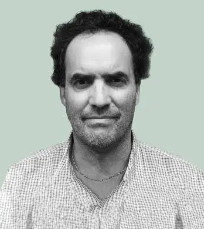
エドゥアルド・コーン
Eduardo Kohn, b.1968
☆エ
ドゥアルド・コーン[Eduardo Kohn]は、1968年3月14日生まれ、マギル大学の人類学准教授である。2014年のグレゴリー・ベイトソン賞[1]を受賞し、著書『森の
思考』で最もよく知られている。
| Eduardo Kohn, né le
14 mars 1968, est un professeur agrégé d'anthropologie à l'université
McGill. Lauréat du prix Gregory Bateson 2014[1], il est surtout connu
pour le livre Comment pensent les forêts. |
エドゥアルド・コーン[Eduardo Kohn]は、1968年3月14日生まれ、マギル大学の人
類学准教授である。2014年のグレゴリー・ベイトソン賞[1]を受賞し、著書『森の思考』で最もよく知られている。 |
| Comment pensent les forêts Son livre de 2013, Comment pensent les forêts[2], a été décrit par la professeure d'anthropologie de Cambridge, Marilyn Strathern, comme « un élan de pensée au sens le plus créatif » et « [un] suprême artefact de l'habileté humaine en matière de pensée symbolique[3]. » Ce travail s'appuie sur quatre ans de travail ethnographique sur le terrain avec les Runa de Haute-Amazonie ; il remet en question des hypothèses parmi les plus fondamentales de la pensée anthropologique. En utilisant la théorie sémiotique de Charles Sanders Peirce, Kohn propose que toutes les formes de vie, pas seulement les êtres humains, participent à des processus de signification et qu'elles puissent donc être considérées, d'un certain point de vue, comme capables de penser et d'apprendre. En affirmant que la conscience individuelle du soi n'appartient pas uniquement à l'humain, Kohn propose que toute entité qui communique au moyen de signes puisse être considérée comme un « soi », ce qui donne lieu à une « écologie du soi » complexe, à la fois humaine et non humaine[2]. Les travaux de Kohn s’appuient sur un corpus important de textes écrits par des auteurs tels que Bruno Latour, Donna Haraway et Eduardo Viveiros de Castro, qui s’efforcent d’emporter les sciences sociales au-delà des relations strictement humaines. En 2014, HAU a inclus une section entière basée sur un symposium relatif au livre Comment pensent les forêts[4], y compris les contributions de Bruno Latour[5] et Philippe Descola[6]. |
森はどのように考えるか 2013年に出版された彼の著書『森はどのように考えるか』[2]は、ケンブリッジ大学の人類学教授マリリン・ストラサーンによって「最も創造的な意味で の思考の飛躍」であり、「象徴的思考における人間の能力の最高の成果」[3]と評されている。この著作は、アマゾン川上流のルナ族との4年にわたる民族誌 学的フィールドワークに基づいており、人類学的思考の最も基本的な仮定に疑問を投げかけている。チャールズ・サンダース・パースの記号論を用いて、コーン は、人間だけでなく、あらゆる生命体が意味形成のプロセスに関与しており、ある観点からは、思考や学習能力があると考えられることを示唆している。 個人の自己意識は人間だけに属するものではないと主張し、コーンは、記号を用いてコミュニケーションを行うあらゆる存在は「自己」と見なすことができると 提案している。これにより、人間と非人間が混在する複雑な「自己の生態学」が生まれるのである[2]。コーンの研究は、ブルーノ・ラトゥール、ドナ・ハラ ウェイ、エドゥアルド・ヴィヴェイロス・デ・カストロなどの著者による、社会科学を厳密に人間関係だけにとどまらないものへと発展させようとする、膨大な 文献に基づいている。 2014年、HAU は、ブルーノ・ラトゥール[5]やフィリップ・デスコラ[6]の寄稿を含む、書籍『森はどのように考えるか』[4]に関するシンポジウムに基づくセクショ ン全体を掲載した。 |
| Critiques On a reproché à Comment pensent les forêts d'utiliser une définition très faible de la « pensée » : "avec une telle définition, on peut dire de beaucoup de choses qu'elles pensent. Cependant, la découverte n'a rien de révolutionnaire ; il ne s'agit que d'un décalage sémantique, qui donne l'illusion de la nouveauté [7]". Il a également été avancé que la faiblesse de cette définition de la pensée ne permet pas de rendre compte des phénomènes d'anthropomorphisme et d'animisme amazonien discutés par Philippe Descola et d'autres. |
批判 『森はどのように考えるか』は、「思考」の定義が非常に狭すぎると批判されている。「この定義では、多くのものが思考していると主張できる。しかし、この 発見は決して革新的なものではなく、意味上のズレに過ぎず、斬新であるような錯覚を与えるだけだ[7]」。また、この思考の定義は弱すぎるため、フィリッ プ・デスコラらが論じているアマゾンの擬人観やアニミズムの現象を説明できないとも指摘されている。 |
| Publications 2015 : « Anthropology of ontologies [archive] ». Annual Review of Anthropology, 44, 311-327 2014 : Further Thoughts on Sylvan Thinking [archive] (Réflexions sur la pensée sylvaine) [archive][8] 2014 : Toward an ethical practice in the Anthropocene [archive] 2014 : « What an ontological anthropology might mean [archive] ». Fieldsight—Theorizing the Contemporary, Cultural Anthropology Online, 13 2013 : Comment pensent les forêts : vers une anthropologie au-delà de l'humain[2], traduit de l’anglais (États-Unis) par Grégory Delaplace, préface de Philippe Descola ; éditions Zones sensibles (2017), présentation [archive] 2009 : « A conversation with Philippe Descola [archive] ». Tipití: Journal of the Society for the Anthropology of Lowland South America, 7(2), 1 2007 : « How dogs dream: Amazonian natures and the politics of transspecies engagement [archive] » (« Comment les chiens rêvent : la nature amazonienne et la politique de l'engagement trans-espèce »), American ethnologist, 34(1), 3-24 2005 : « Runa realism: Upper Amazonian attitudes to nature knowing ». Ethnos, 70(2), 171-196 (résumé [archive]) 2002 : « Infidels, virgins, and the black-robed priest: a backwoods history of Ecuador's Montaña region ». Ethnohistory, 49(3), 545-582 1992 : La cultura médica de los Runas de la region Amazonica Ecuatoriana (Vol. 21). Ediciones Abya-Yala |
出版物 2015 : 「存在論の人類学 [アーカイブ]」。『人類学年次レビュー』44巻、311-327頁 2014年:『森林的思考に関するさらなる考察』[アーカイブ] 2014年:『人新世における倫理的実践に向けて』[アーカイブ] 2014年:「存在論的人類学が意味しうるもの」『フィールドサイト―現代を理論化する』文化人類学オンライン、13号 2013 : 森はどう考えるか:人間を超えた人類学へ[2]、グレゴリー・ドラプラス訳(米国)、フィリップ・デスコラ序文;ゾーン・センシブル社(2017)、紹介 文 [アーカイブ] 2009年:「フィリップ・デスコラとの対話[アーカイブ]」。『ティピティ:低地南米人類学会誌』7(2), 1 2007年:「犬はどのように夢を見るか:アマゾンの自然と種を超えた関与の政治学[アーカイブ]」 」(原題:Comment les chiens rêvent : la nature amazonienne et la politique de l'engagement trans-espèce)、『アメリカン・エスノロジスト』34(1)、3-24頁 2005年:「ルナ・リアリズム:上アマゾン地域における自然認識への態度」。『エスノス』70(2)、171-196頁(要約[アーカイブ]) 2002年:「異教徒、処女、そして黒衣の司祭:エクアドル・モンターニャ地方の辺境史」。『エスノヒストリー』49巻3号、545-582頁 1992年:『エクアドル・アマゾン地域ルナ族の医療文化』(第21巻)。アビア・ヤラ出版 |
| En collaboration 2015 : Stevenson L. & Kohn, E., Leviathan: An ethnographic dream. Visual Anthropology Review, 31(1), 49-53 (résumé [archive]) 2007 : Fausto, C., Århem, K., Karadimas, D., Kohn, E., Lagrou, E., Langdon, E. J. & Fausto, C. « Feasting on people: eating animals and humans in Amazonia [archive] ». Current Anthropology, 48(4), 497-530 |
共同研究 2015 : Stevenson L. & Kohn, E., 『リヴァイアサン:民族誌的夢』. Visual Anthropology Review, 31(1), 49-53 (要約 [アーカイブ]) 2007年:ファウスト、C.、アーヘム、K.、カラディマス、D.、コーン、E.、ラグー、E.、ラングドン、E. J. & ファウスト、C.「人を食らう:アマゾニアにおける動物と人間の食」『カレント・アンソロポロジー』48(4)、497-530頁 |
| Notes et références (en) Cet article est partiellement ou en totalité issu de l’article de Wikipédia en anglais intitulé « Eduardo Kohn » (voir la liste des auteurs). |
注釈および参考文献 (en) この記事は、英語版ウィキペディアの「Eduardo Kohn」という記事から一部または全部が引用されている(執筆者リストを参照)。 |
| Références 1. « Eduardo Kohn reçoit le prix Bateson 2014 ». [archive] Eduardo Kohn, Comment pensent les forêts : vers une anthropologie au-delà de l'humain, Presses de l'Université de Californie, 2013 ; éd. en français, 2017. Notice bibliographique [archive] sur le catalogue général de la BNF. Critiques dans University of California Press. [archive] HAU vol. 4 No.2 (2014). [archive] 5. B. Latour,« Sur les formes et les forces ». [archive] P. Descola, « All too human (still) A comment on Eduardo Kohn’s “How forests think” [archive] ». HAU: Journal of Ethnographic Theory, 4(2), 267-273 (2014). Martin Fortier, « Les arbres et les signes. À propos de : Eduardo Kohn, Comment pensent les forêts », La vie des idées, 2018 (lire en ligne [archive]). 8. In HAU, vol. 4 n° 2. [archive] |
参考文献 1. 「エドゥアルド・コーン、2014年ベイトソン賞を受賞」。[アーカイブ] エドゥアルド・コーン著『森の思考:人間を超えた人類学へ』、カリフォルニア大学出版、2013年、フランス語版、2017年。 BNF総合カタログの書誌情報[アーカイブ]。 カリフォルニア大学出版局の書評。[アーカイブ] HAU vol. 4 No.2 (2014)。[アーカイブ] 5. B. ラトゥール、「形態と力について」。[アーカイブ] P. デスコラ、「あまりにも人間的(依然として)エドゥアルド・コーン著『森の思考』に関するコメント」[アーカイブ]。HAU: Journal of Ethnographic Theory, 4(2), 267-273 (2014)。 Martin Fortier, 「木々と記号。エドゥアルド・コーン著『森の思考』について」, La vie des idées, 2018 (オンラインで読む [アーカイブ])。 8. HAU, vol. 4 n° 2. [アーカイブ] |
| Bibliographie Foyer J (2018), Lectures Eduardo Kohn, Comment pensent les forêts : vers une anthropologie au-delà de l’humain, p. 88-89 ; 2018 : Naissances et politiques publiques Bruxelles, Zones sensibles éditions, 2017 ; p. 179-183 à propos de Eduardo Kohn, Comment pensent les forêts : vers une anthropologie au-delà de l’humain, Bruxelles, Zones sensibles éditions, 2017, 334 p.[pas clair] |
参考文献 Foyer J (2018)、Lectures Eduardo Kohn、Comment pensent les forêts : vers une anthropologie au-delà de l’humain、p. 88-89。2018年:出生と公共政策 ブリュッセル、Zones sensibles éditions、2017年、179-183ページ、エドゥアルド・コーン著『森の思考:人間を超えた人類学へ』ブリュッセル、Zones sensibles éditions、2017年、334ページについて[不明瞭] |
| Anthropologie Ethnologie Histoire |
人類学 民族学 歴史 |
| Liens externes Notices d'autorité : VIAFISNIBnF (données)IdRefLCCNGNDItalieIsraëlNUKATTchéquieCorée du Sud (en) « “An anti-nominalist book”: Eduardo Kohn on How Forests Think » [archive] sur savageminds.org (en) Frédéric Keck, « Eduardo Kohn’s How Forests Think: Toward an Anthropology Beyond the Human » [archive] (en) Barbara J King, « The Way Life Thinks » [archive] pour The Times Literary Supplement |
外部リンク 権威データ:VIAFISNIBnF (データ)IdRefLCCNGNDイタリアイスラエルNUKATTチェコ共和国韓国 (en) 「反名目論的書物」:エドゥアルド・コーン『森の思考』について [アーカイブ] savageminds.org (en) フレデリック・ケック「エドゥアルド・コーンの『森の思考』:人間を超えた人類学へ」[アーカイブ] (en) バーバラ・J・キング「生命の思考の仕方」[アーカイブ](The Times Literary Supplement掲載) |
| https://fr.wikipedia.org/wiki/Eduardo_Kohn |
★Ontological turn(存在論的転回)
存在論的転回とは、2000年代初頭にかけて複数の哲学・学術分野において存在論への関心が強まった現象である。人類学における存在論的転回は、人類学的 な文化概念や認識論、世界観には関心を向けない。[1] むしろ、存在論的転回は世界における存在そのものへの関心を喚起し、異なる世界観が単に同じ世界の異なる表現ではないことを認める。より具体的には、存在 論的転回とは、差異を世界観の相違ではなく世界の相違として理解する理論的指向の変化を指し[1]、これらの世界はすべて同等の妥当性を持つ。
| The ontological turn
is an increased interest in ontology within a number of philosophical
and academic disciplines during the early 2000s. The ontological turn
in anthropology is not concerned with anthropological notions of
culture, epistemology, nor world views.[1] Instead, the ontological
turn generates interest in being in the world and accepts that
different world views are not simply different representations of the
same world. More specifically, the ontological turn refers to a change
in theoretical orientation according to which differences are
understood not in terms of a difference in world views but a difference
in worlds,[1] and all of these worlds are of equal validity. |
存在論的転回とは、2000年代初頭にかけて複数の哲学・学術分野にお
いて存在論への関心が強まった現象である。人類学における存在論的転回は、人類学的な文化概念や認識論、世界観には関心を向けない。[1]
むしろ、存在論的転回は世界における存在そのものへの関心を喚起し、異なる世界観が単に同じ世界の異なる表現ではないことを認める。より具体的には、存在
論的転回とは、差異を世界観の相違ではなく世界の相違として理解する理論的指向の変化を指し[1]、これらの世界はすべて同等の妥当性を持つ。 |
| Definitions Ontology is the study of reality as constructed in both human and non-human worlds.[2][3] Conversely, ontology has also been understood as a process of "becoming".[4] Finally, ontology has also been defined as the set of historical circumstances through which individuals comprehend reality. However, this last definition in particular has garnered significant critics due to its similarity to definitions of culture.[5] |
定義 存在論とは、人間と非人間の世界の両方で構築される現実の研究である[2][3]。逆に、存在論は「なる」という過程としても理解されてきた[4]。最後 に、存在論は個人が現実を理解する歴史的状況の集合体とも定義される。しかし、特にこの最後の定義は、文化の定義と類似しているため、大きな批判を集めて いる[5]。 |
| Philosophical influence The field of ontology corresponds to the philosophical study of being.[6] This focus on being draws on Martin Heidegger's insights into the specific nature of what it means to "be" in the world. Heidegger's theorizing on the fundamental nature of being drew on ontological ideals that emerged from the traditions of the Platonic school.[7] In this view, the mind or the experience of being a human, does not refer to a singular entity.[citation needed] Instead, the mind refers to a collection of events, life events, or material objects an individual experiences. Thus, ontology relates the experience of being in the world. Further, interest in ontology is associated with a greater understanding of existence, reality, becoming, and how these concepts relate to broad categories of entities.[8][citation needed] |
哲学の影響 存在論の分野は、存在に関する哲学的研究に対応する。[6] この存在への焦点は、世界において「存在すること」が意味するものの具体的な性質に関するマーティン・ハイデガーの洞察に基づいている。ハイデガーの存在 の本質に関する理論は、プラトン学派の伝統から生まれた存在論的理想に基づいていた。[7] この見解では、心、あるいは人間であるという経験は、単一の存在を指すものではない。代わりに、心とは、個人が経験する一連の出来事、人生における出来 事、あるいは物質的な対象を指す。したがって、存在論は、世界における存在の経験と関連している。さらに、存在論への関心は、存在、現実、生成、そしてこ れらの概念が広範な存在のカテゴリーとどのように関連しているかをより深く理解することと関連している。 |
| In anthropology Within the field of anthropology, ontological ideas first began emerging around the 1990s. However, the first influence of ontological understandings within anthropology emerged in the work of Roy Wagner, Marilyn Strathern, and Eduardo Viveiros de Castro.[9] Following these initial deliberations, the ontological turn took hold of British anthropology. From there, North American anthropologists began considering how ontology might be useful in ethnographic research. The application of ontological frameworks really gained popularity following 2010[citation needed] and were brought to national anthropological attention at the 2013 Annual Meeting of the American Anthropological Association in Chicago,[10] where ontology became the focus of several sessions there.[11][3] After the conference one of the oldest and prominent[12] anthropology blog, Savage Minds, declared ontology to be "the next big thing"[13] in anthropological theory. This burgeoning interest in ontology spawned a number of articles that highlighted the usefulness of ontological premises in anthropological research.[14][15][16][17] The concept of ontology and what people mean by ontology is diverse; therefore, tracing the ontological turn in anthropology remains difficult. However, if ontology refers to the study of reality then ontological anthropology incorporates theoretical and methodological elements of anthropology to a study of being or existence.[3] Ethnographies are the most widely utilized method in anthropological research.[18] While, in a theoretical sense, anthropology has contributed greatly to the concept of culture. These two elements in anthropology have broadened philosophical notions of ontology so that ontological anthropology is not simply about the world; rather, it is about the experience of being a human in the world.[3] Moreover, ontological anthropology is explicitly concerned with how humans communicate and interact with a host of non-human actors.[19] For example, as a trained biologist turned anthropologist, Donna Haraway insists on including other beings, both human and non-human, in her accounts of living with pets.[20] Finally, ontological anthropology is not claiming that individuals or communities are living in distinct universes and by crossing into a different setting you are suddenly in a different reality.[1] Instead, ontological anthropologists are claiming that we "should allow difference or alterity to challenge our understanding of the very categories of nature and culture themselves".[21] |
人類学において 人類学の分野では、存在論的観念が最初に現れ始めたのは1990年代頃である。しかし、人類学における存在論的理解の最初の影響は、ロイ・ワグナー、マリ リン・ストラサーン、エドゥアルド・ヴィヴェイロス・デ・カストロの研究に現れた[9]。これらの初期の熟議に続き、存在論的転回は英国人類学を捉えた。 そこから北米の人類学者たちは、存在論が民族誌的研究にどう役立つかを考え始めた。存在論的枠組みの応用は2010年以降に本格的に普及し[出典必要]、 2013年にシカゴで開催されたアメリカ人類学会年次総会[10]で全国的な注目を集めた。この総会では複数のセッションが存在論を主題とした。[11] [3] 会議後、最も古く著名な[12]人類学ブログの一つであるサベージ・マインズは、オントロジーを人類学理論における「次の大きな潮流」[13]と宣言し た。このオントロジーへの高まる関心は、人類学研究におけるオントロジー的前提の有用性を強調する数多くの論文を生み出した。[14][15][16] [17] オントロジーの概念や人々がオントロジーに意味するものは多様である。したがって、人類学におけるオントロジー的転回を追跡することは依然として困難だ。 しかし、オントロジーが現実の研究を指すならば、オントロジー的人類学は存在の研究に人類学の理論的・方法論的要素を取り入れるものだ。[3] 民族誌は人類学研究で最も広く利用される方法である。[18] 一方で理論的観点では、人類学は文化概念に大きく貢献してきた。これら二つの要素が哲学的実存論の概念を広げ、実存論的人類学は単に世界についてではな く、世界における人間としての存在体験について論じるものとなった。[3] さらに実存論的人類学は、人間が非人間的存在群と如何にコミュニケーションし相互作用するかを明示的に扱う。[19] 例えば、生物学者から人類学者へ転身したドナ・ハラウェイは、ペットとの生活に関する記述において、人間と非人間双方の他の存在を包含することを主張して いる。[20] 最後に、存在論的人類学は、個人や共同体が別々の宇宙に生きているとか、異なる環境へ移動すれば突然別の現実へ移行するといった主張をしているわけではな い。[1] むしろ存在論的人類学者は、我々が「異なる差異や他者性によって、自然と文化というカテゴリーそのものへの理解に挑戦されるべきだ」と主張しているのだ。 [21] |
| Other turns in anthropology Anthropology as a field has experienced a number of turns in its history, including the linguistic turn, the reflexive turn, the temporal turn, the affective turn, the literary turn, and the post-human turn.[citation needed][22] The ontological turn presents differences in cultural phenomena not as different interpretations of a singular, natural world. Rather, the ontological turn in anthropology suggests that there are alternate realities and other ways of beings that exist in parallel with our own. The proponents of this movement claim that this way of framing cultural difference is the first attempt anthropologists have made in taking the beliefs of their interlocutors "seriously" or "literally".[23] Critics of the ontological turn argue that claims of different worlds tend towards essentialism. Political ontology is another theoretical development associated with the ontological turn. |
人類学におけるその他の転換 人類学という分野は、その歴史の中で数々の転換を経験してきた。言語学的転換、反省性転換、時間的転換、情動的転換、文学的転換、ポストヒューマン的転換 などがそれである。[出典が必要][22] 存在論的転換は、文化現象の差異を単一の自然世界に対する異なる解釈として提示するものではない。むしろ、人類学における存在論的転回は、私たちの世界と 並行して存在する別の現実や存在のあり方があることを示唆する。この運動の支持者は、文化的な差異をこのように捉えることが、人類学者が対話相手の信念を 「真剣に」あるいは「文字通り」受け止める初めての試みだと主張する。[23] 存在論的転回への批判は、異なる世界という主張が本質主義に傾きがちだと論じる。 政治存在論もまた、存在論的転回に関連する理論的発展である。 |
| Narrow turn towards ontology The works of French authors Philippe Descola[24][25] and Bruno Latour,[26] and Brazilian author Eduardo Viveiros de Castro[27] gravitated towards what has been termed "a narrow ontological turn".[3] This narrow ontological turn produced much concern and curiosity within North American anthropology. |
存在論への狭義の転換 フランスのフィリップ・デスコラ[24][25]とブルーノ・ラトゥール[26]、ブラジルのエドゥアルド・ヴィヴェイロス・デ・カストロ[27]の著作 は、いわゆる「狭義の存在論的転換」へと収束していった[3]。この狭義の存在論的転換は、北米の人類学界に多くの懸念と好奇心を生んだ。 |
| Descola's beyond nature Philippe Descola in his work among the Amazonian Achuar suggested that the category of nature is not a human universal and therefore, should not be considered a line of anthropological inquiry.[24][28][29] The domain of "nature", Descola argues has emerged from modern, Western notions that intend to posit "nature" as ontologically real. Instead, Descola claims that "Other civilizations have devised different ways of detecting qualities among existents, resulting in other forms of organizing continuity and discontinuity between humans and nonhumans, of aggregating beings in collectives, of defining who or what is capable of agency and knowledge".[29] Meaning Descola treats animism not as some sort of mistaken belief, but as an extension of social relationality to nonhuman actors. In this sense, Descola utilizes ontology as an elementary analytical tool to explore how worlds are constructed in a manner that is distinct from the way anthropologists generally discuss worldviews. Descola proposes that anthropology can utilize ontological frameworks to best account for how worlds are composed.[29] |
デスコラの自然を超えた世界 フィリップ・デスコラはアマゾンのアチュアル族との研究において、自然というカテゴリーは人類普遍のものではなく、したがって人類学的な探究の対象とすべ きではないと示唆した[24][28][29]。デスコラは「自然」という領域は、現代西洋の概念から生まれたものであり、それは「自然」を存在論的に実 在するものとして位置づけようとする意図から生まれたと論じる。代わりにデスコラは「他の文明は存在物の中に質を見出す異なる方法を考案し、その結果とし て人間と非人間との連続性と不連続性を組織化する他の形態、存在を集合体に集約する方法、主体性と知識を持つ主体を定義する方法が生み出された」と主張す る[29]。つまりデスコラはアニミズムを誤った信念としてではなく、非人間的行為者への社会的関係性の拡張として扱うのである。この意味で、デスコラは 存在論を、世界がどのように構築されるかを探るための基本的な分析ツールとして利用している。これは人類学者が一般的に世界観について論じる方法とは異な る。デスコラは、世界がどのように構成されるかを最も適切に説明するために、人類学が存在論的枠組みを利用できると提案している。 |
| Viveiros de Castro's perspectivism Eduardo Viveiros de Castro utilizes a framework perspectivism in his synthesis of Amazonian ethnographic literature.[30] His discussion of Amazonian understandings takes into account how perspectives of human versus nonhuman are not inherently different. Viveiros de Castro's reflections on perspectivism lead him to conclude that we are dealing with a perspective that is fundamentally different from those which inform Western academic thought. Viveiros de Castro's approach inherently takes an ontological approach that "allows him to see more clearly the ways in which anthropology is founded on a nature/culture divide that posits nature as a sort of universal, unitary, and existent ground and culture as the infinitely variable form of representing nature."[3] |
ヴィヴェイロス・デ・カストロの視点主義 エドゥアルド・ヴィヴェイロス・デ・カストロは、アマゾンの民族誌文献を統合する枠組みとして視点主義を用いている[30]。彼が論じるアマゾンの理解 は、人間と非人間の視点が本質的に異なるものではないことを考慮している。ヴィヴェイロス・デ・カストロの視点主義に関する考察は、我々が扱っている視点 が西洋の学術思想を形成する視点とは根本的に異なるという結論に至らせた。ヴィヴェイロス・デ・カストロのアプローチは本質的に存在論的アプローチを取っ ており、それによって「人類学が、自然を普遍的で単一かつ実在する基盤として位置づけ、文化を自然を表象する無限に可変的な形態として位置づける、自然と 文化の二分法に基づいて構築されている方法をより明確に見ることができる」のである。[3] |
| Latour's modes of existence Bruno Latour argues that researchers should not sort entities into the "social" world and the "natural" world. Latour argues that instead of predetermining what things are deemed as part of society and what things are deemed as part of nature, social scientists should view these categories as complex negotiations between people and their world.[31] This resistance to the division between the social and natural is integral to ontological anthropology. |
ラトゥールの存在様式 ブルーノ・ラトゥールは、研究者が実体を「社会」世界と「自然」世界に分類すべきではないと主張する。ラトゥールによれば、社会科学者は、何が社会の一部 と見なされ、何が自然の一部と見なされるかを予め決めつける代わりに、これらのカテゴリーを人間とその世界との間の複雑な交渉として捉えるべきだ [31]。この社会と自然の区分への抵抗は、存在論的人類学の核心をなす。 |
| Reception Haidy Geismar, one of the critics of ontological anthropology, has claimed that in presenting others not as having different cultures, but in having different worlds, is just a novel form of essentialism.[32][33] Further, many critics of ontological anthropology have demonstrated that this framework does not take difference as seriously as it claims to. Specifically, Pierre Charbonnier, Gildas Salmon, and Peter Skafish have brought attention to the fact that many ontological anthropologists have drawn similar conclusions to anthropologists not using ontological frameworks, while also utilizing much of the same theoretical bases in their arguments.[34][1][35] However, the ontologists have responded that many of these critiques are merely attempts to reproduce the status quo.[36] In response to turn towards ontology a Group for Debates in Anthropological Theory's debate was held on 9 February 2008 in Manchester, on the motion 'Ontology is just another word for culture'.[37] Speaking for the motion were Michael Carrithers (Durham) and Matei Candea (Cambridge), and against were Karen Sykes (Manchester) and Martin Holbraad (University College London). The final vote - 19 in favour, 39 against and six abstentions - reflected a general consensus that between culture and ontology, ontology might have something to contribute.[37] Marshall Sahlins in the forward to Beyond Nature and Culture, echos this consensus in his claim that ontology "offers a radical change in the current anthropological trajectory—a paradigm shift if you will—that would overcome the present analytic disarray by what amounts to a planetary table of the ontological elements and the compounds they produce".[25] Sahlins celebrates how anthropology, through this ontological focus, will return to its true focus - the state of being other.[38] In 2025, a special issue of the Revue du MAUSS (one of France's leading social science journals) was devoted to the ontological turn, and drew up a rather negative assessment of the legacy of this moment, both for the French social sciences and for ecology. In the introduction, the editors summarize: "While in principle the elimination of the word nature is supposed to help us go beyond traditional ecological struggles and open up broader horizons, in the end it leads to nothing palpable, or rather [...] either to a liberal conservatism that leaves everything as it is (while turning to the Gospels), as with Bruno Latour, or to a rather anti-modern ecology, reversing all signs of modernity, following Viveiros de Castro. Or a simple environmentalism, celebrating living things but saying nothing about the social order required to sustain them. By dispensing with reading the authors of the ecological tradition and criticizing them rather than seeking to build bridges, the proponents of the Ontological Turn prove incapable of proposing a political project equal to the issues of the day. We could sum up some of these criticisms by saying that it is perilous to claim to save nature by asserting that it does not exist, and problematic to want to advance knowledge, and therefore science, by positing as a starting point that there is no objective reality. [...] By locking each culture or cultural zone into its own irreducible self-enclosure, it cannot propose any form of universal, even relative, except to say that we must pay attention to cultural differences, which is undeniable. It cannot therefore be the bearer of any political philosophy capable of countering the neoliberal ideology that is ravaging the planet and giving rise to increasingly fascistic dictatorships everywhere."[39] |
受容 存在論的人類学の批判者の一人であるハイディ・ガイスマーは、他者を異なる文化を持つ存在としてではなく、異なる世界を持つ存在として提示することは、単 なる新たな形の本質主義に過ぎないと主張している[32][33]。さらに、存在論的人類学の多くの批判者は、この枠組みが主張するほど差異を真剣に受け 止めていないことを示してきた。具体的には、ピエール・シャルボニエ、ジルダ・サルモン、ピーター・スカフィッシュらが、多くの存在論的人類学者が、存在 論的枠組みを用いない人類学者と類似の結論を導き出し、議論においてほぼ同じ理論的基盤を利用している事実に注目した[34][1][35]。しかし存在 論者側は、こうした批判の多くは現状維持を再現しようとする試みに過ぎないと反論している。[36] 存在論への転換に対応するため、人類学理論討論グループによる討論が 2008 年 2 月 9 日、マンチェスターで開催され、「存在論は文化の別名にすぎない」という動議が提出された。[37] この動議に賛成したのは、マイケル・カリザース(ダラム)とマテイ・カンデア(ケンブリッジ)であり、反対したのはカレン・サイクス(マンチェスター)と マーティン・ホルブラード(ユニバーシティ・カレッジ・ロンドン)であった。最終的な投票結果は、賛成 19 票、反対 39 票、棄権 6 票であり、文化とオントロジーの間では、オントロジーが何か貢献できるかもしれないという一般的な合意を反映していた。[37] マーシャル・サールズは『自然を超え、文化を超えて』の序文で、オントロジーは「現在の人類学の軌跡に抜本的な変化、つまりパラダイムシフトをもたらし、 オントロジー的要素とそれらが作り出す複合体の惑星的な表によって、現在の分析上の混乱を克服する」と主張し、この合意を反映している。[25] サリンズは、この存在論的焦点を通じて人類学が本来の焦点——他者性という状態——へ回帰することを称賛している。[38] 2025年、フランスを代表する社会科学誌『レヴュー・デュ・モース』はオントロジカル・ターン特集号を刊行し、この潮流がフランス社会科学と生態学にも たらした遺産についてかなり否定的な評価を下した。編集者たちは序文でこう要約している: 「原則として『自然』という語の排除は、従来の生態学的闘争を超越しより広範な地平を開くはずだったが、結局は具体的な成果をもたらさず、むしろ[…]ブ ルノ・ラトゥールのように(福音書に依拠しつつ)現状維持の自由主義的保守主義へ、あるいはヴィヴェイロス・デ・カストロに従い近代性のあらゆる兆候を逆 転させる反近代的生態学へと至る。あるいは単なる環境主義——生き物を称賛しながら、それらを支える社会秩序については何も語らない——に終わる。生態学 の伝統を持つ著者たちを読まず、橋渡しを模索する代わりに批判するだけで済ませることで、存在論的転回を提唱する者たちは、現代の課題に見合う政治的プロ ジェクトを提案する能力を欠いていることを証明しているのだ。こうした批判のいくつかを要約すれば、自然が存在しないと主張することで自然を救おうとする のは危険であり、客観的現実など存在しないと前提として知識、ひいては科学を進展させようとするのは問題だと言える。[...] 各文化や文化圏を還元不可能な自己完結状態に閉じ込めることで、この立場は普遍性や相対性すら提案できなくなる。文化の違いに注意を払うべきだという、否 定の余地のない主張以外には。したがって、地球を荒廃させ、至る所でファシズム的独裁を生み出している新自由主義イデオロギーに対抗し得る政治哲学の担い 手にはなり得ないのだ。」[39] |
| References 01. Heywood, Paolo (2012). "Anthropology and What There Is: Reflections on 'Ontology'". The Cambridge Journal of Anthropology. 30 (1). University of Cambridge. doi:10.3167/ca.2012.300112. ISSN 0305-7674. The Development of Ontology from Suarez to Kant Kohn, Eduardo (21 October 2015). "Anthropology of Ontologies". Annual Review of Anthropology. 44 (1): 311–327. doi:10.1146/annurev-anthro-102214-014127. ISSN 0084-6570. Deleuze, Gilles; Guattari, Félix (1987). A Thousand Plateaus: Capitalism and Schizophrenia. Minneapolis: University of Minnesota Press. ISBN 978-0816614011. OCLC 16472336. 05. Carrithers, Michael; Candea, Matei; Sykes, Karen; Holbraad, Martin; Venkatesan, Soumhya (2010). "Ontology Is Just Another Word for Culture: Motion Tabled at the 2008 Meeting of the Group for Debates in Anthropological Theory, University of Manchester". Critique of Anthropology. 30 (2): 152–200. doi:10.1177/0308275X09364070. ISSN 0308-275X. S2CID 141506449. "Ontology | metaphysics". Encyclopedia Britannica. Retrieved 26 March 2019. Heidegger, Martin (1971). On the Way to Language (1st Harper & Row paperback ed.). San Francisco: Harper & Row. ISBN 978-0060638597. OCLC 7875767. "Definition of Ontology". Merriam-Webster. Retrieved 25 March 2019. Holbraad, Martin; Pedersen, Morten Axel (2017). The Ontological Turn: An Anthropological Exposition. Cambridge: Cambridge University Press. ISBN 9781107103887. OCLC 985966648. 10. "Ontology as the Major Theme of AAA 2013". Savage Minds. 2013. Retrieved 25 March 2019. "About AAA - Connect with AAA". www.americananthro.org. American Anthropological Association. Retrieved 26 March 2019. Price, David H. (2010). "Blogging Anthropology: Savage Minds, Zero Anthropology, and AAA Blogs". American Anthropologist. 112 (1): 140–142. doi:10.1111/j.1548-1433.2009.01203.x. ISSN 0002-7294. JSTOR 20638767. "On Taking Ontological Turns". Savage Minds. 25 January 2014. Retrieved 26 March 2019. Ries, Nancy (2009). "Potato Ontology: Surviving Postsocialism in Russia". Cultural Anthropology. 24 (2): 181–212. doi:10.1111/j.1548-1360.2009.01129.x. 15. Alberti, Benjamin; Fowles, Severin; Holbraad, Martin; Marshall, Yvonne; Witmore, Christopher (2011). ""Worlds Otherwise": Archaeology, Anthropology, and Ontological Difference" (PDF). Current Anthropology. 52 (6): 896–912. doi:10.1086/662027. ISSN 0011-3204. S2CID 67817305. Course, Magnus (2010). "Of Words and Fog: Linguistic Relativity and Amerindian Ontology". Anthropological Theory. 10 (3): 247–263. doi:10.1177/1463499610372177. ISSN 1463-4996. S2CID 146430306. de la Cadena, Marisol (2010). "Indigenous Cosmopolitics in the Andes: Conceptual Reflections Beyond "Politics"". Cultural Anthropology. 25 (2): 334–370. doi:10.1111/j.1548-1360.2010.01061.x. Monaghan, John and Peter Just (2000). Social and Cultural Anthropology: A Very Short Introduction. Oxford: Oxford University Press. pp. 13. ISBN 9780192853462. Kohn, Eduardo (2013). How Forests Think: Toward an Anthropology Beyond the Human. Berkeley. ISBN 9780520956865. OCLC 857079372. 20. Haraway, Donna Jeanne (2008). When Species Meet. Minneapolis: University of Minnesota Press. ISBN 9780816654031. OCLC 191733419. Heywood, Paolo (19 May 2017). "The Ontological Turn". Open Encyclopedia of Anthropology. doi:10.29164/17ontology. Bialecki, Jon (2016-06-20). "Turn, Turn, Turn". www.publicbooks.org/. Public Books. Viveiros de Castro, Eduardo (2011). "Zeno and the Art of Anthropology: Of Lies, Beliefs, Paradoxes, and Other Truths". Common Knowledge. 17 (1). Duke University Press: 128–145. doi:10.1215/0961754X-2010-045. ISSN 0961-754X. S2CID 145307160. 25. Descola, Philippe (1994). In the Society of Nature: A Native Ecology in Amazonia. Cambridge [England]: Cambridge University Press. ISBN 978-0521411035. OCLC 27974392. Descola, Philippe; Lloyd, Janet (2013). Beyond Nature and Culture. Chicago: University of Chicago Press. ISBN 9780226145006. OCLC 855534400. Latour, Bruno (2013). An Inquiry Into Modes of Existence: An Anthropology of the Moderns. Cambridge, Massachusetts. ISBN 9780674724990. OCLC 826456727. Viveiros de Castro, Eduardo; Skafish, Peter (2014). Cannibal Metaphysics. Minneapolis: University of Minnesota Press. ISBN 9781937561970. OCLC 939262444. Descola, Philippe; Pálsson, Gísli (1996). Nature and Society: Anthropological Perspectives. London: Routledge. ISBN 9780203451069. OCLC 1081429894. Descola, Philippe (2014). "Modes of Being and Forms of Predication". HAU: Journal of Ethnographic Theory. 4 (1): 271–280. doi:10.14318/hau4.1.012. ISSN 2575-1433. S2CID 145504956. 30. Viveiros de Castro, Eduardo (1998). "Cosmological Deixis and Amerindian Perspectivism". The Journal of the Royal Anthropological Institute. 4 (3): 469–488. doi:10.2307/3034157. JSTOR 3034157. Latour, Bruno; Porter, Catherine (1993). We Have Never Been Modern. Cambridge, Massachusetts. ISBN 978-0674948389. OCLC 27894925. Geismar, Haidy (2009). "On Multiple Ontologies and the Temporality of Things". Material World. Archived from the original on 1 April 2019. Retrieved 26 March 2019. "Turn, Turn, Turn". Public Books. 2017. Retrieved 1 April 2019. Charbonnier, Pierre; Salmon, Gildas; Skafish, Peter (2017). Comparative Metaphysics: Ontology After Anthropology. London. ISBN 9781783488575. OCLC 929123082. 35. Abramson, Allen; Holbraad, Martin (November 2014). Framing Cosmologies: The Anthropology of Worlds. Manchester. ISBN 9781847799098. OCLC 953456922. Pedersen, Morten Axel (2012). Common Nonsense: A review of certain recent reviews of the 'ontological turn'. OCLC 842767912. Rollason, William (June 2008). "Ontology – just another word for culture?". Anthropology Today. 24 (3): 28–31. doi:10.1111/j.1467-8322.2008.00593.x. ISSN 0268-540X. Bessire, Lucas; Bond, David (August 2014). "Ontological anthropology and the deferral of critique". American Ethnologist. 41 (3): 440–456. doi:10.1111/amet.12083. 39. Alain Caillé, Fabrice Flipo & François Gauthier, Du "Tournant ontologique" : Descola, Viveiros de Castro, Revue du MAUSS, 2025. |
参考文献 01. Heywood, Paolo (2012). 「人類学と存在論:『存在論』に関する考察」. 『ケンブリッジ人類学ジャーナル』. 30 (1). ケンブリッジ大学. doi:10.3167/ca.2012.300112. ISSN 0305-7674. スアレスからカントへのおんとう論の発展 コーン、エドゥアルド(2015年10月21日)。「おんとう論の人類学」。『人類学年次レビュー』。44巻1号:311–327頁。doi:10.1146/annurev-anthro-102214-014127。ISSN 0084-6570。 ドゥルーズ、ジル;ガタリ、フェリックス(1987)。『千のプラトー:資本主義と統合失調症』。ミネアポリス:ミネソタ大学出版。ISBN 978-0816614011。OCLC 16472336。 05. キャリザース、マイケル、カンデア、マテイ、サイクス、カレン、ホルブラード、マーティン、ヴェンカテサン、スミヤ(2010)。「オントロジーは文化の 別名に過ぎない:2008年マンチェスター大学人類学理論討論会での動議」。人類学の批判。30 (2): 152–200. doi:10.1177/0308275X09364070. ISSN 0308-275X. S2CID 141506449. 「オントロジー|形而上学」。ブリタニカ国際大百科事典。2019年3月26日取得。 ハイデガー、マーティン (1971)。『言語への道』(第1版、Harper & Row ペーパーバック版)。サンフランシスコ:Harper & Row。ISBN 978-0060638597。OCLC 7875767。 「オントロジーの定義」。メリアム・ウェブスター。2019年3月25日取得。 ホルブラード、マーティン;ペダーセン、モーテン・アクセル(2017)。『オントロジカル・ターン:人類学的考察』。ケンブリッジ:ケンブリッジ大学出版局。ISBN 9781107103887。OCLC 985966648。 10. 「AAA 2013 の主要テーマとしてのオントロジー」。サベージ・マインズ。2013年。2019年3月25日取得。 「AAA について - AAA とのつながり」。www.americananthro.org。アメリカ人類学会。2019年3月26日取得。 プライス、デビッド H. (2010)。「人類学のブログ化:サベージ・マインズ、ゼロ・アンソロポロジー、そしてAAAブログ」。『アメリカン・アンソロポロジスト』。112巻 1号:140–142頁。doi:10.1111/j.1548-1433.2009.01203.x。ISSN 0002-7294。JSTOR 20638767. 「存在論的転回について」. サベージ・マインズ. 2014年1月25日. 2019年3月26日閲覧. リーズ, ナンシー (2009). 「ジャガイモの存在論:ロシアにおけるポスト社会主義の生存」. 文化人類学. 24 (2): 181–212. doi:10.1111/j.1548-1360.2009.01129.x. 15. Alberti, Benjamin; Fowles, Severin; Holbraad, Martin; Marshall, Yvonne; Witmore, Christopher (2011). 「「Worlds Otherwise」: Archaeology, Anthropology, and Ontological Difference」 (PDF). Current Anthropology. 52 (6): 896–912. doi:10.1086/662027. ISSN 0011-3204. S2CID 67817305. コース、マグナス (2010). 「言葉と霧について:言語相対性理論とアメリカ先住民の存在論」『人類学理論』10巻3号:247–263頁。doi: 10.1177/1463499610372177。ISSN 1463-4996。S2CID 146430306。 デ・ラ・カデナ、マリソル(2010)。「アンデスにおける先住民のコスモポリティクス:『政治』を超えた概念的考察」。『文化人類学』25巻2号:334–370頁。doi:10.1111/j.1548-1360.2010.01061.x。 モナハン、ジョンとピーター・ジャスト(2000)。『社会文化人類学:超入門』。オックスフォード:オックスフォード大学出版局。13頁。ISBN 9780192853462。 コーン、エドゥアルド(2013)。『森の思考:人間を超えた人類学へ』。バークレー。ISBN 9780520956865。OCLC 857079372。 20. ハラウェイ、ドナ・ジーン(2008)。『種が出会うとき』。ミネアポリス:ミネソタ大学出版局。ISBN 9780816654031。OCLC 191733419。 ヘイウッド、パオロ(2017年5月19日)。「存在論的転回」。『人類学オープン百科事典』。doi:10.29164/17ontology。 ビアレッキ、ジョン(2016年6月20日)。「ターン、ターン、ターン」。『www.publicbooks.org/』。パブリックブックス。 ヴィヴェイロス・デ・カストロ、エドゥアルド(2011年)。「ゼノンと人類学の技法:嘘、信念、パラドックス、その他の真実について」。『コモン・ナ レッジ』。17巻1号。デューク大学出版局:128–145頁。doi:10.1215/0961754X-2010-045。ISSN 0961-754X. S2CID 145307160. 25. デスコラ、フィリップ(1994)。『自然の社会の中で:アマゾニアの先住民生態学』。ケンブリッジ[イングランド]:ケンブリッジ大学出版局。ISBN 978-0521411035。OCLC 27974392。 デスコラ、フィリップ; ロイド、ジャネット (2013). 『自然と文化を超えて』. シカゴ: シカゴ大学出版局. ISBN 9780226145006. OCLC 855534400. ラトゥール、ブルーノ (2013). 『存在の様式に関する探究:現代人の人類学』. マサチューセッツ州ケンブリッジ. ISBN 9780674724990。OCLC 826456727。 ヴィヴェイロス・デ・カストロ、エドゥアルド;スカフィッシュ、ピーター(2014)。『カニバル形而上学』。ミネアポリス:ミネソタ大学出版局。ISBN 9781937561970。OCLC 939262444。 デスコラ、フィリップ; パルソン、ギスリ (1996). 『自然と社会:人類学的視点』. ロンドン: ラウトレッジ. ISBN 9780203451069. OCLC 1081429894. デスコラ、フィリップ(2014)。「存在様式と述語の形式」。『HAU:民族誌理論ジャーナル』。4巻1号:271–280頁。doi:10.14318/hau4.1.012。ISSN 2575-1433。S2CID 145504956。 30. エドゥアルド・ヴィヴェイロス・デ・カストロ (1998). 「宇宙論的ダイクシスとアメリカ先住民の視点主義」. 『王立人類学協会紀要』. 4 (3): 469–488. doi:10.2307/3034157. JSTOR 3034157. ラトゥール、ブルーノ; ポーター、キャサリン (1993). 『我々は決して近代的ではなかった』. マサチューセッツ州ケンブリッジ. ISBN 978-0674948389. OCLC 27894925. ガイスマー、ハイディ (2009). 「複数の存在論と物の時間性について」. 物質世界。2019年4月1日にオリジナルからアーカイブ。2019年3月26日に取得。 「ターン、ターン、ターン」。パブリックブックス。2017年。2019年4月1日に取得。 シャルボニエ、ピエール、サーモン、ギルダス、スカフィッシュ、ピーター(2017)。比較形而上学:人類学後の存在論。ロンドン。ISBN 9781783488575。OCLC 929123082。 35. アブラムソン、アレン;ホルブラード、マーティン(2014年11月)。『宇宙論の枠組み:世界の人類学』。マンチェスター。ISBN 9781847799098。OCLC 953456922。 ペダーセン、モーテン・アクセル(2012)。『共通のナンセンス:「存在論的転換」に関する最近のレビューのレビュー』。OCLC 842767912。 ロラソン、ウィリアム(2008年6月)。「存在論 – 文化の別名?」。『Anthropology Today』 24 (3): 28–31。doi:10.1111/j.1467-8322.2008.00593.x. ISSN 0268-540X. ベシール、ルカーチ; ボンド、デイヴィッド (2014年8月). 「存在論的人類学と批判の延期」. American Ethnologist. 41 (3): 440–456. doi:10.1111/amet.12083. 39. アラン・カイユ、ファブリス・フリポ、フランソワ・ゴティエ著、「存在論的転換について:デスコラ、ヴィヴェイロス・デ・カストロ」、『MAUSS評論』、2025年。 |
| https://en.wikipedia.org/wiki/Ontological_turn |
リ ンク
文 献
そ の他の情報
CC
Copyleft,
CC, Mitzub'ixi Quq Chi'j, 1996-2099