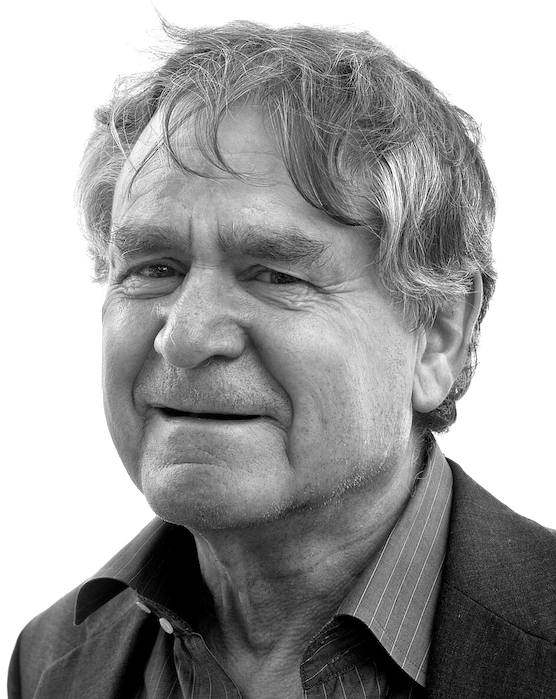
イアン・ハッキング
Ian MacDougall Hacking,
1936-2023
☆イアン・マクドゥガル・ハッキング CC FRSC FBA[Ian MacDougall Hacking](1936年2月18日 - 2023年5月10日)は、カナダの哲学者であり、科学哲学を専門とした。そのキャリアを通じて、人文科学分野のキラム賞やバルザン賞など数々の賞を受賞し、カナダ勲章、カナダ王立協会、英国学士院など多くの権威ある団体の会員であった。
| Ian MacDougall Hacking
CC FRSC FBA (February 18, 1936 – May 10, 2023) was a Canadian
philosopher specializing in the philosophy of science. Throughout his
career, he won numerous awards, such as the Killam Prize for the
Humanities and the Balzan Prize, and was a member of many prestigious
groups, including the Order of Canada, the Royal Society of Canada and
the British Academy. |
イ
アン・マクドゥガル・ハッキング CC FRSC FBA(1936年2月18日 -
2023年5月10日)は、カナダの哲学者であり、科学哲学を専門とした。そのキャリアを通じて、人文科学分野のキラム賞やバルザン賞など数々の賞を受賞
し、カナダ勲章、カナダ王立協会、英国学士院など多くの権威ある団体の会員であった。 |
| Life and career Born in Vancouver, British Columbia, he earned undergraduate degrees from the University of British Columbia (1956) and the University of Cambridge (1958), where he was a student at Trinity College.[1] Hacking also earned his PhD at Cambridge (1962) under the direction of Casimir Lewy, a former student of G. E. Moore.[2] Hacking started his teaching career as an instructor at Princeton University in 1960 but, after just one year, moved to the University of Virginia as an assistant professor. After working as a research fellow at Peterhouse, Cambridge from 1962 to 1964, he taught at his alma mater, UBC, first as an assistant professor and later as an associate professor from 1964 to 1969. He became a lecturer at Cambridge, again a member of Peterhouse, in 1969 before moving to Stanford University in 1974. After teaching for several years at Stanford, he spent a year at the Center for Interdisciplinary Research in Bielefeld, Germany, from 1982 to 1983. Hacking was promoted to Professor of Philosophy at the University of Toronto in 1983 and University Professor, the highest honour the University of Toronto bestows on faculty, in 1991.[2] From 2000 to 2006, he held the Chair of Philosophy and History of Scientific Concepts at the Collège de France. Hacking is the first Anglophone to be elected to a permanent chair in the Collège's history.[3] After retiring from the Collège de France, Hacking was a professor of philosophy at UC Santa Cruz, from 2008 to 2010. He concluded his teaching career in 2011 as a visiting professor at the University of Cape Town.[4] Hacking was married three times: his first two marriages, to Laura Anne Leach and fellow philosopher Nancy Cartwright, ended in divorce. His third marriage, to Judith Baker, also a philosopher, lasted until her death in 2014. He had two daughters and a son, as well as one stepson.[1] Hacking died from heart failure at a retirement home in Toronto on May 10, 2023, at the age of 87.[1][5] |
生涯と経歴 ブリティッシュコロンビア州バンクーバー生まれ。ブリティッシュコロンビア大学(1956年)とケンブリッジ大学(1958年)で学士号を取得した。ケン ブリッジではトリニティ・カレッジに在籍した[1]。ハッキングはまた、G・E・ムーアの元学生であるカシミール・レウィの指導のもと、ケンブリッジ大学 で博士号(1962年)を取得した。[2] ハッキングは1960年、プリンストン大学の講師として教職を開始したが、わずか1年でバージニア大学助教授に転じた。1962年から1964年までケン ブリッジ大学ピーターハウス校の研究員を務めた後、母校であるUBCで教鞭を執り、1964年から1969年まで助教授、後に准教授を務めた。1969年 には再びピーターハウスのメンバーとしてケンブリッジ大学の講師となり、1974年にスタンフォード大学へ移った。スタンフォードで数年教鞭をとった後、 1982年から1983年にかけてドイツ・ビーレフェルトの学際研究センターで1年間過ごした。ハッキングは1983年にトロント大学哲学教授に昇進し、 1991年には同大学が教員に授与する最高栄誉である大学教授に任命された[2]。2000年から2006年までコレージュ・ド・フランスで科学概念の哲 学・歴史講座の教授職を務めた。ハッキングは同校史上初の英語圏出身者による終身教授職就任者である。[3] コレージュ・ド・フランスを退任後、ハッキングは2008年から2010年までカリフォルニア大学サンタクルス校で哲学教授を務めた。2011年にはケー プタウン大学の客員教授として教職生活に終止符を打った。[4] ハッキングは三度の結婚を経験した。最初の二度の結婚相手であるローラ・アン・リーチと哲学者ナンシー・カートライトとは離婚した。三度目の結婚相手であ る哲学者ジュディス・ベイカーとは、彼女の2014年の死まで連れ添った。彼には二人の娘と一人の息子、そして継子が一人いた。[1] ハッキングは2023年5月10日、トロントの老人ホームで心不全により87歳で死去した。[1][5] |
| Philosophical work Influenced by debates involving Thomas Kuhn, Imre Lakatos, Paul Feyerabend and others, Hacking is known for bringing a historical approach to the philosophy of science.[6] The fourth edition (2010) of Feyerabend's 1975 book Against Method, and the 50th anniversary edition (2012) of Kuhn's The Structure of Scientific Revolutions include an Introduction by Hacking. He is sometimes described as a member of the "Stanford School" in philosophy of science, a group that also includes John Dupré, Nancy Cartwright and Peter Galison. Hacking himself identified as a Cambridge analytic philosopher. Hacking was a main proponent of a realism about science called "entity realism."[7] This form of realism encourages a realistic stance towards answers to the scientific unknowns hypothesized by mature sciences (of the future), but skepticism towards current scientific theories. Hacking has also been influential in directing attention to the experimental and even engineering practices of science, and their relative autonomy from theory. Because of this, Hacking moved philosophical thinking a step further than the initial historical, but heavily theory-focused, turn of Kuhn and others.[8] After 1990, Hacking shifted his focus somewhat from the natural sciences to the human sciences, partly under the influence of the work of Michel Foucault. Foucault was an influence as early as 1975 when Hacking wrote Why Does Language Matter to Philosophy? and The Emergence of Probability. In the latter book, Hacking proposed that the modern schism between subjective or personalistic probability, and the long-run frequency interpretation, emerged in the early modern era as an epistemological "break" involving two incompatible models of uncertainty and chance. As history, the idea of a sharp break has been criticized,[9][10] but competing 'frequentist' and 'subjective' interpretations of probability still remain today. Foucault's approach to knowledge systems and power is also reflected in Hacking's work on the historical mutability of psychiatric disorders and institutional roles for statistical reasoning in the 19th century, his focus in The Taming of Chance (1990) and other writings. He labels his approach to the human sciences transcendental nominalism[11][12] (also dynamic nominalism[13] or dialectical realism),[13] a historicised form of nominalism that traces the mutual interactions over time between the phenomena of the human world and our conceptions and classifications of them.[14] In Mad Travelers (1998) Hacking provided a historical account of the effects of a medical condition known as fugue in the late 1890s. Fugue, also known as "mad travel," is a diagnosable type of insanity in which European men would walk in a trance for hundreds of miles without knowledge of their identities.[15] Hacking used the work of historian of science A. C. Crombie to develop his own "style" project.[16] In 2012 he wrote "I have been thinking about ‘styles of scientific thinking in the European tradition’ off and on, ever since I encountered A. C. Crombie at a conference in Pisa in 1978."[17] Parts of this project appeared in his book Historical Ontology (2002). |
哲学的著作 トマス・クーン、イムレ・ラカトシュ、ポール・ファイアーベントらによる議論に影響を受け、ハッキングは科学哲学に歴史的アプローチをもたらしたことで知 られる。[6] ファイアーベントの1975年刊『方法への反論』第4版(2010年)とクーンの『科学革命の構造』50周年記念版(2012年)には、ハッキングによる 序文が収録されている。彼は時に科学哲学における「スタンフォード学派」の一員と評される。このグループにはジョン・デュプレ、ナンシー・カートライト、 ピーター・ガリソンも含まれる。ハッキング自身はケンブリッジの分析哲学者と自認していた。彼は「実体実在論」と呼ばれる科学実在論の主要な提唱者であっ た[7]。この実在論は、成熟した科学(未来の)が仮説化する科学的未知への回答に対しては現実的な姿勢を促す一方、現在の科学理論に対しては懐疑的であ る。ハッキングはまた、科学の実験的実践、さらには技術的実践、そしてそれらが理論から相対的に自律している点に注目を向ける上で影響力を持っていた。こ のため、ハッキングはクーンらによる初期の歴史的転回(理論に強く焦点を当てたもの)から、哲学的思考をさらに一歩前進させたのである。[8] 1990年以降、ハッキングはミシェル・フーコーの著作の影響もあり、自然科学から人文科学へと焦点をやや移した。フーコーの影響は早くも1975年、 ハッキングが『言語はなぜ哲学にとって重要なのか?』と『確率の出現』を執筆した時期に遡る。後者の著作でハッキングは、主観的/個人主義的確率論と長期 頻度解釈論との現代的分裂が、不確実性と偶然性に関する二つの相容れないモデルを伴う認識論的「断絶」として近世初期に生じたと提唱した。歴史的事実とし て、この急激な断絶という見解は批判されている[9][10]が、確率論に対する「頻度論的」解釈と「主観的」解釈の対立は今日なお続いている。フーコー の知識体系と権力へのアプローチは、精神疾患の歴史的変容性や19世紀における統計的推論の制度的役割に関するハッキングの研究、特に『偶然の飼いなら し』(1990年)やその他の著作にも反映されている。彼は人間科学への自らのアプローチを「超越的唯名論」[11][12](あるいは「動的唯名論」 [13]、「弁証法的現実主義」[13])と称する。これは唯名論の歴史化形態であり、人間世界の現象と、それらに対する我々の概念化・分類との間の時間的相互作用を追跡するものである。[14] 『狂気の旅人』(1998年) において、ハッキングは1890年代末に「フューグ」として知られる医学的状態が及ぼした影響を歴史的に記述した。フューグ(別名「狂気の旅」)とは、 ヨーロッパ人男性が自己の身元を認識せずに数百マイルもトランス状態で歩き続ける、診断可能な精神病の一種である。[15] ハッキングは科学史家A.C.クロムビーの研究を基に、自身の「様式」プロジェクトを展開した。[16] 2012年に彼はこう記している。「1978年にピサの会議でA.C.クロムビーと出会って以来、断続的に『ヨーロッパ伝統における科学的思考の様式』に ついて考えてきた」 [17] この研究の一部は、彼の著書『歴史的存在論』(2002年)に掲載された。 |
| Awards and lectures In 2002, Hacking was awarded the first Killam Prize for the Humanities, Canada's most distinguished award for outstanding career achievements. He was made a Companion of the Order of Canada (CC) in 2004.[18] Hacking was appointed visiting professor at University of California, Santa Cruz for the Winters of 2008 and 2009. On August 25, 2009, Hacking was named winner of the Holberg International Memorial Prize, a Norwegian award for scholarly work in the arts and humanities, social sciences, law and theology.[19] In 2003, he gave the Sigmund H. Danziger Jr. Memorial Lecture in the Humanities, and in 2010 he gave the René Descartes Lectures at the Tilburg Center for Logic and Philosophy of Science (TiLPS). Hacking also gave the Howison lectures at the University of California, Berkeley, on the topic of mathematics and its sources in human behavior ('Proof, Truth, Hands and Mind') in 2010. In 2012, Hacking was awarded the Austrian Decoration for Science and Art, and in 2014 he was awarded the Balzan Prize.[20] |
受賞と講演 2002年、ハッキングはカナダで最も権威ある功績賞である第1回キラム人文科学賞を受賞した。2004年にはカナダ勲章コンパニオン(CC)に叙され た。[18] ハッキングは2008年と2009年の冬学期、カリフォルニア大学サンタクルス校の客員教授に任命された。2009年8月25日、ハッキングはノルウェー の学術賞であるホルベルグ国際記念賞の受賞者に選ばれた。この賞は芸術・人文科学、社会科学、法学、神学における学術的業績に対して授与されるものであ る。[19] 2003年にはシグムンド・H・ダンジガー・ジュニア記念人文科学講演を行い、2010年にはティルブルフ論理学・科学哲学センター(TiLPS)にてル ネ・デカルト記念講演を行った。ハッキングはまた、2010年にカリフォルニア大学バークレー校で数学とその人間行動における源泉(「証明、真実、手と 心」)をテーマにハウイソン記念講演を行った。2012年にはオーストリア科学芸術勲章を、2014年にはバルザン賞を受賞した。[20] |
| Selected works Books Hacking's works have been translated into several languages. His works include: Logic of Statistical Inference (1965)[21] A Concise Introduction to Logic (1972) ISBN 978-0-394-31008-4 The Emergence of Probability (1975)[22] Why Does Language Matter to Philosophy? (1975)[23] Scientific Revolutions (1981) ISBN 978-0-19-875051-2 Representing and Intervening, Introductory Topics in the Philosophy of Natural Science, Cambridge University Press, Cambridge, UK, 1983.[24][25] The Taming of Chance (1990)[26] Rewriting the Soul: Multiple Personality and the Sciences of Memory (1995)[27][28] Mad Travelers: Reflections on the Reality of Transient Mental Illnesses (1998)[29] The Social Construction of What? (1999)[30] An Introduction to Probability and Inductive Logic (2001)[31] Historical Ontology (2002) ISBN 978-0-674-01607-1[32] Why Is There Philosophy of Mathematics at All? (2014) ISBN 978-1-107-05017-4 Chapters in books Hacking, Ian (1992), "The self-vindication of the laboratory sciences", in Pickering, Andrew (ed.), Science as practice and culture, Chicago: University of Chicago Press, pp. 29–64, ISBN 978-0-226-66801-7. Hacking, Ian (1996), "The Looping Effects of Human Kinds", in Sperber, Dan; Premack, David; Premack, Ann James (eds.), Causal Cognition: A Multidisciplinary Debate, Oxford University Press, pp. 351–394, ISBN 978-0-19-168909-3 Articles Hacking, Ian (1967). "Slightly More Realistic Personal Probability". Philosophy of Science. 34 (4): 311–325. doi:10.1086/288169. S2CID 14344339. 1979: "What is Logic?", Journal of Philosophy 76(6), reprinted in A Philosophical Companion to First Order Logic (1993), edited by R.I.G. Hughes Hacking, Ian (1988). "Telepathy: Origins of Randomization in Experimental Design". Isis. 79 (3): 427–451. doi:10.1086/354775. S2CID 52201011. Hacking, I. (2005). "Truthfulness". Common Knowledge. 11: 160–172. doi:10.1215/0961754X-11-1-160. S2CID 258005264. Hacking, Ian (2006). "Genetics, biosocial groups & the future of identity". Daedalus. 135 (4): 81–95. doi:10.1162/daed.2006.135.4.81. S2CID 57563796. 2007: "Root and Branch: A Canadian philosopher surveys some of the livelier flashpoints in America's battle over evolution". Archived March 4, 2016, at the Wayback Machine, The Nation Hacking, Ian (January 1, 2007). "Putnam's Theory of Natural Kinds and Their Names is Not the Same as Kripke's". Principia: An International Journal of Epistemology (in Portuguese). 11 (1): 1–24. ISSN 1808-1711. |
選集 書籍 ハッキングの著作は複数の言語に翻訳されている。主な著作は以下の通りである: 統計的推論の論理 (1965)[21] 論理学の簡潔な入門 (1972) ISBN 978-0-394-31008-4 確率の出現 (1975)[22] 言語はなぜ哲学にとって重要なのか? (1975)[23] 科学的革命 (1981) ISBN 978-0-19-875051-2 表象と介入:自然科学哲学入門主題、ケンブリッジ大学出版局、英国ケンブリッジ、1983年。[24] [25] 偶然の飼いならし(1990年)[26] 魂の再記述:多重人格と記憶の科学(1995年)[27][28] 狂気の旅人たち:一過性精神疾患の現実に関する考察(1998年)[29] 何の社会的構築か?(1999年)[30] 確率と帰納論理入門(2001年)[31] 歴史的存在論(2002年) ISBN 978-0-674-01607-1[32] なぜ数学哲学が存在するのか?(2014年) ISBN 978-1-107-05017-4 書籍の章 ハッキング、イアン (1992)、「実験科学の自己正当化」、ピッカリング、アンドルー (編)、『実践と文化としての科学』、シカゴ:シカゴ大学出版局、29-64 ページ、ISBN 978-0-226-66801-7。 ハッキング、イアン (1996)、「人間種のループ効果」、スペルベル、ダン、プレマック、デビッド、プレマック、アン・ジェームズ (編)、『因果的認知:学際的討論』、オックスフォード大学出版局、351-394 ページ、ISBN 978-0-19-168909-3 論文 ハッキング、イアン(1967)。「やや現実的な個人的確率」。『科学哲学』34巻4号:311–325頁。doi:10.1086/288169。S2CID 14344339。 1979年:「論理学とは何か?」、『哲学ジャーナル』76(6)、R.I.G.ヒューズ編『一階論理学の哲学的解説』(1993年)に再録 ハッキング、イアン(1988年)。「テレパシー:実験計画における無作為化の起源」。『アイシス』79(3): 427–451. doi:10.1086/354775. S2CID 52201011. ハッキング, I. (2005). 「真実性」. 『コモン・ナレッジ』. 11: 160–172. doi:10.1215/0961754X-11-1-160. S2CID 258005264. ハッキング, イアン (2006). 「遺伝学、生物社会集団、そしてアイデンティティの未来」. 『ダイダロス』. 135 (4): 81–95. doi:10.1162/daed.2006.135.4.81. S2CID 57563796. 2007: 「根と枝:カナダ人哲学者がアメリカの進化論論争における活発な論争点を概観する」. 2016年3月4日、ウェイバックマシンにアーカイブ. The Nation Hacking, Ian (2007年1月1日). 「パットナムの自然種とその名称に関する理論はクリプキの理論とは異なる」. Principia: An International Journal of Epistemology (ポルトガル語). 11 (1): 1–24. ISSN 18 |
| References 1. Williams, Alex (May 28, 2023). "Ian Hacking, Eminent Philosopher of Science and Much Else, Dies at 87". The New York Times. Archived from the original on May 28, 2023. Retrieved May 28, 2023. 2. "Ian Hacking, Philosopher". www.ianhacking.com. Archived from the original on January 25, 2013. Retrieved June 9, 2016. 3. Jon Miller, "Review of Ian Hacking, Historical Ontology", Theoria 72(2) (2006), p. 148. doi:10.1111/j.1755-2567.2006.tb00951.x 4. "Ian Hacking fonds - Discover Archives". discoverarchives.library.utoronto.ca. Retrieved May 15, 2023. 5. "In memoriam: Ian Hacking (1936-2023)". Retrieved May 10, 2023. 6. Hacking, Ian (2002). Historical Ontology. Harvard University Press. doi:10.2307/j.ctv1n3x198. ISBN 978-0-674-00616-4. JSTOR j.ctv1n3x198. 7. Boaz Miller. "What is Hacking's Argument for Entity Realism?". philarchive.org. Retrieved June 27, 2023. 8. Grandy, Karen. "Ian Hacking". The Canadian Encyclopedia. Archived from the original on August 10, 2016. Retrieved June 10, 2016. 9. Garber, Daniel; Zabell, Sandy (1979). "On the emergence of probability". Archive for History of Exact Sciences. 12 (1): 33–53. doi:10.1007/BF00327872. JSTOR 41133550. S2CID 121660640. Retrieved August 20, 2022. 10. Franklin, James (2001). The Science of Conjecture: Evidence and Probability Before Pascal. Baltimore: Johns Hopkins University Press. p. 373. ISBN 978-0-8018-6569-5. 11. See Transcendence (philosophy) and Nominalism. 12. A view that Hacking also ascribes to Thomas Kuhn (see D. Ginev, Robert S. Cohen (eds.), Issues and Images in the Philosophy of Science: Scientific and Philosophical Essays in Honour of Azarya Polikarov, Springer, 2012, pp. 313–315). 13. Ş. Tekin (2014), "The Missing Self in Hacking's Looping Effects". 14. "Root and Branch". The Nation. ISSN 0027-8378. Archived from the original on March 4, 2016. Retrieved June 10, 2016. 15. "Dissociative Amnesia, DSM-IV Codes 300.12 ( Diagnostic and Statistical Manual of Mental Disorders, Fourth Edition )". Psychiatryonline.com. Archived from the original on September 28, 2007. Retrieved November 28, 2011. 16. Hackings webpage archived here: https://web.archive.org/web/20150516165039/http://ianhacking.com/thestylesproject.html 17. Hacking, I. (2012) ”Language, Truth and Reason" Thirty Years Later. Studies in History and Philosophy of Science 43(4): 599-609. 18. "Mr. Ian Hacking". Governor General of Canada. Retrieved May 11, 2023. 19. Michael Valpy (August 26, 2009). "From autism to determinism, science to the soul". The Globe and Mail. pp. 1, 7. Retrieved April 14, 2012. 20. "Ian Hacking – Balzan Prize Epistemology/Philosophy of Mind". www.balzan.org. Retrieved June 10, 2016. 21. Hacking, Ian; Romeijn, Jan-Willem (2016). Logic of Statistical Inference – Ian Hacking. Cambridge University Press. doi:10.1017/CBO9781316534960. ISBN 978-1-107-14495-8. 22. Barnouw, Jeffrey (1979). "Review of The Emergence of Probability: A Philosophical Study of Early Ideas About Probability, Induction and Statistical Inference". Eighteenth-Century Studies. 12 (3): 438–443. doi:10.2307/2738528. ISSN 0013-2586. JSTOR 2738528. 23. Loeb, Louis E. (1977). "Review of Why does Language Matter to Philosophy?". The Philosophical Review. 86 (3): 437–440. doi:10.2307/2183805. ISSN 0031-8108. JSTOR 2183805. 24. Hacking, Ian (October 20, 1983). Representing and Intervening: Introductory Topics in the Philosophy of Natural Science. Cambridge University Press. ISBN 978-0-521-28246-8. 25. Hacking, Ian (1983). Representing and Intervening: Introductory Topics in the Philosophy of Natural Science. Cambridge: Cambridge University Press. ISBN 978-0-521-28246-8. 26. Hacking, Ian (1990). The Taming of Chance. Ideas in Context. Cambridge: Cambridge University Press. ISBN 978-0-521-38014-0. 27. Hacking, Ian (1995). Rewriting the Soul: Multiple Personality and the Sciences of Memory. Princeton University Press. ISBN 978-0-691-05908-2. JSTOR j.ctt7rr17. 28. "Rewriting the soul: Multiple personality and the sciences of memory". psycnet.apa.org. Retrieved May 17, 2023. 29. Hacking, Ian (1998). Mad travelers: reflections on the reality of transient mental illnesses. Page-Barbour lectures for (1. publ ed.). Charlottesville, Va.: Univ. Press of Virginia. ISBN 978-0-8139-1823-5. 30. Hacking, Ian (November 15, 2000). The Social Construction of What?. Cambridge, MA: Harvard University Press. ISBN 978-0-674-00412-2. 31. Hacking, Ian (July 2, 2001). An Introduction to Probability and Inductive Logic. Cambridge University Press. ISBN 978-0-521-77501-4. 32. Hyder, David (June 1, 2003). "Review of Historical Ontology". Notre Dame Philosophical Reviews. ISSN 1538-1617. |
参考文献 1. ウィリアムズ、アレックス(2023年5月28日)。「イアン・ハッキング、著名な科学哲学者でありその他多くの分野の専門家が87歳で死去」。ニューヨーク・タイムズ。2023年5月28日にオリジナルからアーカイブ。2023年5月28日に閲覧。 2. 「イアン・ハッキング、哲学者」www.ianhacking.com. 2013年1月25日時点のオリジナルからアーカイブ。2016年6月9日に閲覧。 3. ジョン・ミラー「イアン・ハッキング『歴史的存在論』の書評」『テオリア』72(2) (2006年)、148頁。doi:10.1111/j.1755-2567.2006.tb00951.x 4. 「イアン・ハッキング文書 - ディスカバー・アーカイブス」. discoverarchives.library.utoronto.ca. 2023年5月15日閲覧. 5. 「追悼:イアン・ハッキング(1936-2023)」。2023年5月10日閲覧。 6. ハッキング、イアン(2002)。『歴史的存在論』。ハーバード大学出版局。doi:10.2307/j.ctv1n3x198。ISBN 978-0-674-00616-4。JSTOR j.ctv1n3x198. 7. ボアズ・ミラー. 「実体実在論に対するハッキングの論証とは何か?」. philarchive.org. 2023年6月27日閲覧. 8. カレン・グランディ. 「イアン・ハッキング」. カナダ百科事典. 2016年8月10日時点のオリジナルからアーカイブ. 2016年6月10日取得。 9. ガーバー、ダニエル;ザベル、サンディ(1979)。「確率の出現について」。『正確科学の歴史アーカイブ』。12 (1): 33–53. doi:10.1007/BF00327872. JSTOR 41133550. S2CID 121660640。2022年8月20日取得。 10. フランクリン、ジェームズ (2001)。『推測の科学:パスカル以前の証拠と確率』。ボルチモア:ジョンズ・ホプキンズ大学出版。373ページ。ISBN 978-0-8018-6569-5。 11. 超越(哲学)および唯名論を参照のこと。 12. ハッキングもトーマス・クーンに帰する見解(D. Ginev、Robert S. Cohen (eds.)、Issues and Images in the Philosophy of Science: Scientific and Philosophical Essays in Honour of Azarya Polikarov、Springer、2012、pp. 313–315 を参照)。 13. Ş. Tekin (2014), 「ハッキングのループ効果における欠落した自己」. 14. 「根と枝」. The Nation. ISSN 0027-8378. 2016年3月4日時点のオリジナルからアーカイブ. 2016年6月10日閲覧. 15. 「解離性健忘症、DSM-IVコード300.12(精神障害の診断と統計マニュアル、第4版)」。Psychiatryonline.com。2007年9月28日にオリジナルからアーカイブ。2011年11月28日に取得。 16. ハッキングのウェブページはこちらにアーカイブされている: https://web.archive.org/web/20150516165039/http://ianhacking.com/thestylesproject.html 17. Hacking, I. (2012) 「言語、真実、そして理性」三十年後の考察. 科学史・科学哲学研究 43(4): 599-609. 18. 「イアン・ハッキング氏」カナダ総督府。2023年5月11日閲覧。 19. Michael Valpy (2009年8月26日). 「自閉症から決定論へ、科学から魂へ」『グローブ・アンド・メール』1, 7頁。2012年4月14日閲覧。 20. 「イアン・ハッキング – バルザン賞 認識論/精神哲学部門」. www.balzan.org. 2016年6月10日閲覧. 21. ハッキング, イアン; ローメイーン, ヤン=ウィレム (2016). 『統計的推論の論理 – イアン・ハッキング』. ケンブリッジ大学出版局. doi:10.1017/CBO9781316534960. ISBN 978-1-107-14495-8. 22. バーノウ, ジェフリー (1979). 「確率の出現:確率、帰納法、統計的推論に関する初期思想の哲学的研究」の書評。18世紀研究。12巻3号:438–443頁。doi: 10.2307/2738528。ISSN 0013-2586。JSTOR 2738528。 23. ローブ、ルイス・E. (1977). 「『言語はなぜ哲学にとって重要なのか?』の書評」. 『フィロソフィカル・レビュー』. 86 (3): 437–440. doi:10.2307/2183805. ISSN 0031-8108. JSTOR 2183805. 24. Hacking, Ian (1983年10月20日). 『表象と介入:自然科学哲学入門』. Cambridge University Press. ISBN 978-0-521-28246-8. 25. イアン・ハッキング (1983). 『表象と介入:自然科学哲学入門』. ケンブリッジ: ケンブリッジ大学出版局. ISBN 978-0-521-28246-8. 26. イアン・ハッキング (1990). 『偶然の飼いならし』. アイデア・イン・コンテクスト. ケンブリッジ: ケンブリッジ大学出版局. ISBN 978-0-521-38014-0. 27. Hacking, Ian (1995). 『魂の書き換え:多重人格と記憶の科学』. プリンストン大学出版局. ISBN 978-0-691-05908-2. JSTOR j.ctt7rr17. 28. 「魂の書き換え:多重人格と記憶の科学」. psycnet.apa.org. 2023年5月17日閲覧. 29. ハッキング, イアン (1998). 『狂気の旅人:一過性精神疾患の現実に関する考察』. ページ・バーバー記念講演集 (初版). バージニア州シャーロッツビル: バージニア大学出版局. ISBN 978-0-8139-1823-5. 30. Hacking, Ian (2000年11月15日). 『何の社会的構築か?』. マサチューセッツ州ケンブリッジ: Harvard University Press. ISBN 978-0-674-00412-2. 31. ハッキング、イアン(2001年7月2日)。『確率論と帰納論理入門』。ケンブリッジ大学出版局。ISBN 978-0-521-77501-4。 32. ハイダー、デイヴィッド(2003年6月1日)。「歴史的存在論の書評」。ノートルダム哲学評論。ISSN 1538-1617。 |
| Further reading Ruphy, Stéphanie (2011). "From Hacking's Plurality of Styles of Scientific Reasoning to "Foliated" Pluralism: A Philosophically Robust Form of Ontologico-Methodological Pluralism". Philosophy of Science. 78 (5). Springer Science and Business Media LLC: 1212–1222. Bibcode:2010SHPSA..41..158K. doi:10.1086/664571. S2CID 144717363. Kusch, Martin (2010). "Hacking's historical epistemology: a critique of styles of reasoning". Studies in History and Philosophy of Science Part A. 41 (2). Elsevier BV: 158–173. Bibcode:2010SHPSA..41..158K. doi:10.1016/j.shpsa.2010.03.007. ISSN 0039-3681. Resnik, David B. (1994). "Hacking's Experimental Realism". Canadian Journal of Philosophy. 24 (3). Cambridge University Press (CUP): 395–411. doi:10.1080/00455091.1994.10717376. ISSN 0045-5091. S2CID 142532335. Sciortino, Luca (2017). "On Ian Hacking's Notion of Style of Reasoning". Erkenntnis. 82 (2). Springer Science and Business Media LLC: 243–264. doi:10.1007/s10670-016-9815-9. ISSN 0165-0106. S2CID 148130603. Sciortino, Luca (2016). "Styles of Reasoning, Human Forms of Life, and Relativism". International Studies in the Philosophy of Science. 30 (2). Informa UK Limited: 165–184. doi:10.1080/02698595.2016.1265868. ISSN 0269-8595. S2CID 151642764. Tsou, Jonathan Y. (2007). "Hacking on the Looping Effects of Psychiatric Classifications: What Is an Interactive and Indifferent Kind?". International Studies in the Philosophy of Science. 21 (3). Informa UK Limited: 329–344. doi:10.1080/02698590701589601. ISSN 0269-8595. S2CID 121742010. Vesterinen, Tuomas (2020). "Identifying the Explanatory Domain of the Looping Effect: Congruent and Incongruent Feedback Mechanisms of Interactive Kinds: Winner of the 2020 Essay Competition of the International Social Ontology Society". Journal of Social Ontology. 6 (2). De Gruyter: 159–185. doi:10.1515/jso-2020-0015. ISSN 2196-9663. S2CID 232106024. Sciortino, Luca (2023), History of Rationalities: Ways of Thinking from Vico to Hacking and Beyond, New York: Springer- Palgrave McMillan, pp. 1–351, ISBN 978-3-031-24003-4. Martínez Rodríguez, María Laura (2021) Texture in the Work of Ian Hacking. Springer International Publishing. ISBN 978-3-030-64785-8 |
追加文献(さらに読む) ルフィ、ステファニー(2011)。「ハッキングの科学的推論の様式の多元性から『層状』多元主義へ:哲学的に堅牢な存在論的・方法論的多元主義の形 態」。『科学哲学』。78巻5号。Springer Science and Business Media LLC: 1212–1222. Bibcode:2010SHPSA..41..158K. doi:10.1086/664571. S2CID 144717363. Kusch, Martin (2010). 「ハッキングの歴史認識論:推論のスタイルに対する批判」. 科学の歴史と哲学の研究 Part A. 41 (2). Elsevier BV: 158–173. Bibcode:2010SHPSA..41..158K. doi:10.1016/j.shpsa.2010.03.007. ISSN 0039-3681. レスニック、デイヴィッド・B. (1994). 「ハッキングの実験的現実主義」. カナダ哲学ジャーナル. 24 (3). ケンブリッジ大学出版局 (CUP): 395–411. doi:10.1080/00455091.1994.10717376. ISSN 0045-5091. S2CID 142532335. Sciortino, Luca (2017). 「イアン・ハッキングの推論様式概念について」. 『エインザルツ』. 82 (2). スプリンガー・サイエンス・アンド・ビジネス・メディアLLC: 243–264. doi:10.1007/s10670-016-9815-9. ISSN 0165-0106. S2CID 148130603. Sciortino, Luca (2016). 「推論様式、人間の生活様式、そして相対主義」. 科学哲学国際研究. 30 (2). Informa UK Limited: 165–184. doi:10.1080/02698595.2016.1265868. ISSN 0269-8595. S2CID 151642764. Tsou, Jonathan Y. (2007). 「精神医学的分類のループ効果へのハッキング:相互的かつ無関心な種類とは何か?」. 科学哲学国際研究. 21 (3). Informa UK Limited: 329–344. doi:10.1080/02698590701589601. ISSN 0269-8595. S2CID 121742010. ヴェステリネン、トゥオマス(2020)。「ループ効果の説明領域の特定:相互作用的種類の整合的・非整合的フィードバック機構:国際社会存在論学会 2020年エッセイコンペティション優勝論文」。『社会存在論ジャーナル』。6巻2号。デ・グリュイター:159–185頁。doi: 10.1515/jso-2020-0015. ISSN 2196-9663. S2CID 232106024. Sciortino, Luca (2023), History of Rationalities: Ways of Thinking from Vico to Hacking and Beyond, New York: Springer- Palgrave McMillan, pp. 1–351, ISBN 978-3-031-24003-4. マルティネス・ロドリゲス, マリア・ラウラ (2021) 『イアン・ハッキングの著作におけるテクスチャー』 スプリンガー・インターナショナル・パブリッシング. ISBN 978-3-030-64785-8 |
| https://en.wikipedia.org/wiki/Ian_Hacking |
|
★実体実在論(Entity realism)
| Entity realism (also
selective realism),[1] sometimes equated with referential realism,[2]
is a philosophical position within the debate about scientific realism.
It is a variation of realism (independently proposed by Stanford School
philosophers Nancy Cartwright and Ian Hacking in 1983) that restricts
warranted belief to only certain entities.[1] |
実体実在論[Entity realism](選択的実在論とも呼ばれる)[1]は、科学的実在論に関す
る議論における哲学的立場である。これは実在論の一形態(スタンフォード学派の哲学者ナンシー・カートライトとイアン・ハッキングが1983年に独立して
提唱した)であり、正当化された信念を特定の存在物のみに限定するものである[1]。 |
| Overview Whereas traditional scientific realism argues that our best scientific theories are true, approximately true, or closer to the truth than their predecessors, entity realism does not commit itself to judgments about scientific theories' truth. Instead, it holds that the theoretical entities in scientific theories, e.g. 'electrons', should be regarded as real if and only if they can be routinely used to create effects in domains that can be investigated independently. 'Manipulative success' thus becomes the criterion by which to judge the reality of (typically unobservable) scientific entities. As Ian Hacking, the main proponent of this formulation of entity realism, puts it (referring to an experiment he observed in a Stanford laboratory, where electrons and positrons were sprayed, one after the other, onto a superconducting metal sphere), "if you can spray them, then they are real."[3] Entity realism has been an influential position partly because it coincided with a general trend in philosophy of science, and science studies more generally, to downplay the role of theories in favor of experimentation and scientific practice. Thus, entity realism sometimes is also called instrumental realism[4] or experimental realism.[5] |
概要 従来の科学的実在論は、最良の科学的理論は真である、あるいは近似的に真である、あるいは先行理論より真に近いと主張する。一方、実体実在論は科学的理論 の真偽に関する判断にはコミットしない。代わりに、科学的理論における理論的実体(例えば「電子」)は、独立して調査可能な領域において効果を生み出すた めに日常的に使用できる場合に限り、実在すると見なすべきだと主張する。こうして「操作的成功」が、(通常は観測不可能な)科学的実体の現実性を判断する 基準となる。この実体実在論の主要提唱者であるイアン・ハッキングは(スタンフォード大学の実験室で目撃した、超伝導金属球に電子と陽電子を次々に噴射す る実験に言及しつつ)こう述べている。「噴射できるなら、それらは実在する」と。[3] 実体実在論が影響力を持った背景には、科学哲学や科学研究全般において、理論の役割を軽視し実験や科学的実践を重視する傾向と一致したことがある。このため実体実在論は、道具的実在論[4]や実験的実在論[5]とも呼ばれることがある。 |
| Criticism While many philosophers acknowledge the intuitive pull of entity realism, it has also been strongly criticised, both as too restrictive (in that it ignores entities that are observable yet do not lend themselves to manipulation)[6] and as too permissive (to the extent that seemingly successful instances of manipulation may turn out to be spurious).[7] Stathis Psillos has said that entity realism is indeed a realist position (since it defends the reality of unobservable entities), but selectively realist, since "it restricts warranted belief to entities only, and suggests to fellow realists that they are wrong in claiming that the theoretical descriptions of these entities are approximately true".[1] Psillos also says that to a certain extent "this scepticism about theories is motivated by none other than the argument from the pessimistic induction".[1] |
批判 多くの哲学者が実体実在論の直観的な魅力を認める一方で、この立場は強く批判されてきた。その批判は、実体実在論が過度に制限的である点(観察可能であり ながら操作に適さない実体を無視する点)[6]と、過度に寛容である点(一見成功した操作の事例が、実は偽りである可能性が生じる点)の両方に向けられて いる。[7] スタシス・プシロスは、実体実在論は確かに実在論的立場である(観察不能な実体の実在を擁護するから)と述べているが、同時に選択的実在論でもあると指摘 する。なぜなら「正当化された信念を実体のみに限定し、他の実在論者に対して、これらの実体の理論的記述が近似的に真であると主張するのは誤りだと示唆す る」からである。[1] プシロスはまた、ある程度「理論に対するこの懐疑主義は、悲観的帰納の議論に他ならない」とも述べている。[1] |
| Semirealism, a similar[8] position |
セミリアリズム、類似した立場である[8] |
| Notes 1. Psillos, Stathis, Scientific Realism: How Science Tracks Truth, Routledge, 1999, p. 247. 2. Nola, R. (1988) Relativism and Realism in Science, Springer, p. 32, quotation: Entity realism is strongly supported in Harre (1986) under the name 'referential realism' 3. Hacking, I. Representing and Intervening, page 24. Cambridge University Press, 1983. 4. Norris, Christopher, Hilary Putnam: Realism, Reason and the Uses of Uncertainty, Manchester University Press, 2002, p. 43. 5. Resnik, D. "Hacking's Experimental Realism", Canadian Journal of Philosophy Vol. 24 (1994), 395–412. 6. Shapere, D. "Astronomy and Antirealism", Philosophy of Science Vol. 60 (1993), 134–150. 7. Gelfert, A. "Manipulative Success and the Unreal", International Studies in the Philosophy of Science Vol. 17 (2003), 245–263. 8. A Metaphysics for Scientific Realism: Knowing the Unobservable, reviewed by James Ladyman, University of Bristol |
注記 1. プシロス、スタシス『科学的現実主義:科学が真実を追跡する方法』ラウトレッジ、1999年、247頁。 2. ノラ、R.(1988)『科学における相対主義と現実主義』シュプリンガー、32頁、引用: 実体実在論はハレ(1986)において「参照的実在論」の名の下に強く支持されている 3. ハッキング, I. 『表象と介入』, 24頁. ケンブリッジ大学出版局, 1983. 4. ノリス, クリストファー, 『ヒラリー・パトナム:実在論、理性、そして不確実性の利用』, マンチェスター大学出版局, 2002, p. 43. 5. Resnik, D. 「ハッキングの実験的実在論」『カナダ哲学ジャーナル』第24巻(1994年)、395–412頁。 6. Shapere, D. 「天文学と反実在論」『科学哲学』第60巻(1993年)、134–150頁。 7. ゲルフェルト、A. 「操作的成功と非現実」、『国際科学哲学研究』第17巻(2003年)、245–263頁。 8. 『科学的現実主義のための形而上学:観測不可能なものを知る』、ジェームズ・レディマン(ブリストル大学)による書評 |
| References Nancy Cartwright (1983). How the Laws of Physics Lie, Clarendon Press. ISBN 978-0-19-824704-3. Ian Hacking (1983). Representing and Intervening, Introductory Topics in the Philosophy of Natural Science, Cambridge University Press. ISBN 978-0-521-28246-8. Hans Lenk (2003). Grasping Reality: An Interpretation-Realistic Epistemology, World Scientific, ch. 8: pp. 132–49. |
参考文献 ナンシー・カートライト(1983年)。『物理学の法則はどのように嘘をつくか』、クラレンドン・プレス。ISBN 978-0-19-824704-3。 イアン・ハッキング(1983)。『表象と介入』自然科学哲学入門トピック、ケンブリッジ大学出版局。ISBN 978-0-521-28246-8。 ハンス・レンク(2003)。『現実の把握:解釈現実主義的認識論』、ワールドサイエンティフィック、第8章:132–149頁。 |
| https://en.wikipedia.org/wiki/Entity_realism |
★Mad Travelers(きちがい旅行者)
| Mad Travelers: Reflections on the Reality of Transient Mental Illnesses
(1998) is a book by the Canadian philosopher of science Ian Hacking.
The book provides an historical account of a medical condition that
used to be known as fugue or mad travel. Fugue emerged as ‘a specific,
diagnosable type of insanity’ (p. 8)[1] in late nineteenth century
France and then spread to Italy, Germany and Russia. The book was
published in London nu: Free Association Books in, 1999. ISBN
9781853434556 |
『狂気の旅人:一過性精神障害の実態に関する考察』
(1998年)は、カナダの科学哲学者イアン・ハッキングによる著作である。本書は、かつて「フューグ」あるいは「狂気の旅」と呼ばれた病態の歴史的経緯
を記している。フューグは19世紀末のフランスで「特定の診断可能な精神病の一種」(p.
8)[1]として現れ、その後イタリア、ドイツ、ロシアに広がった。本書は1999年にロンドンでフリー・アソシエーション・ブックスより出版された。
ISBN 9781853434556 |
| The disease According to Hacking, the fugue epidemic lasted twenty-two years, from 1887 to 1909. The disease never spread heavily in either Britain or America. It is characterised by a compulsion to travel, which, if fulfilled, manifests itself in impetuous travelling during which the traveller loses sense of their identity. Hacking gives as an example the case of the first officially diagnosed fuguer, Albert Dadas, and describes briefly his symptoms as follows: In his normal state, at home, in the factory, or as a cook in the army, he was a good worker, timid, respectful, shy with women. He never drank and when he was on a fugue had a particular hostility to alcohol. At home he would have a regular and uneventful life. Then would come about three days of severe headaches, anxiety, sweats, insomnia, masturbation five or six times a night, and then – he would set out.’(p.24).[1] As Hacking (p. 196) reports, the fugue was introduced as a distinct disorder for the first time in DSM-III (1980) under the name ‘psychogenic fugue’ which was associated with: 1. 'the predominant disturbance is sudden, unexpected travel away from home or ones’ customary place of work, with inability to recall one’s past’ 2. ‘confusion about personal identity or assumption of new identity (partial or complete)’ 3. ‘the disturbance does not occur exclusively during the course of Dissociative Identity Disorder and is not due to the direct physiological effects of a substance (e.g., a drug of abuse, a medication) or a general medical condition (e.g., temporal lobe epilepsy)’ 4. ‘the symptoms cause clinically significant distress or impairment in social, occupational or other important areas of functioning.[1] Hacking uses Albert Dadas as a case study of what he terms ‘transient mental illness’: ‘an illness that appears at a time and in a place, and later fades away. It may spread from place to place and reappear from time to time. It may be selective for social class or gender, preferring poor women or rich men.’ (p. 1).[2] The concept of a transient mental illness has provoked debates as to whether the condition is real or socially constructed; Hacking, however, does not follow this line of argument but focuses instead on how knowledge, scientific practices and ordinary life in a particular context allow for socially permissible diagnoses and diseases to emerge. To aid his investigation of the major factors which may be involved in the emergence of a disease, Hacking applies the metaphor of an ‘ecological niche’ (p. 2)[1] For a disease to emerge and thrive, it should first fit into the larger taxonomy of illnesses, which in this case is hysteria and epilepsy. Secondly, it should be situated somewhere between some virtuous and vicious elements of contemporary culture, which in this instance is what Hacking calls ‘romantic tourism versus criminal vagrancy’ (p. 81).[1] Thirdly, it should be observable as a disorder – since travellers on the continent were obliged to have identification papers, fuguers could be easily identified and, if necessary, jailed or hospitalised. Fourthly, the disease should provide, alongside all the pain and suffering, some release: during their travels, fuguers could find consolation and escape from the pressures of daily life (p. 82).[1] |
この病気 ハッキングによれば、フューガー病の流行は1887年から1909年までの22年間続いた。この病気は英国でも米国でも大規模に蔓延することはなかった。 特徴は旅行への強迫観念であり、それが満たされると衝動的な旅に出る。その間、旅行者は自己のアイデンティティを失う。ハッキングは、公式に初めて診断さ れた逃避症患者アルバート・ダダスの事例を例に挙げ、その症状を次のように簡潔に記述している: 平常時、自宅や工場、あるいは軍隊の調理兵として、彼は勤勉で、臆病で、礼儀正しく、女性には内気な労働者だった。酒は決して飲まず、逃避状態にある時は 特にアルコールに対して強い嫌悪感を示した。自宅では規則正しく平穏な生活を送っていた。しかしその後、約3日間にわたり激しい頭痛、不安、発汗、不眠、 一晩に5、6回の自慰行為が起こり、そして――彼は旅に出たのである。」(p.24) [1] ハッキング(p.196)が報告するように、解離性遁走はDSM-III(1980年)において初めて独立した障害として「心因性遁走」の名で導入された。その特徴は次の通りである: 1. 「主な障害は、自宅や慣れた職場からの突然の予期せぬ離脱であり、過去の記憶が想起できないこと」 2. 「個人的同一性の混乱、あるいは新たな同一性の仮装(部分的または完全な)」 3. 「この障害は解離性同一性障害の経過中にのみ生じるものではなく、薬物(乱用薬物、医薬品など)の直接的な生理的効果や一般医学的状態(側頭葉てんかんなど)によるものではない」 4. 「症状が社会的・職業的その他の重要な機能領域において、臨床的に有意な苦痛または障害を引き起こすこと」[1] ハッキングは、アルバート・ダダスの事例を「一過性精神疾患」のケーススタディとして用いている。「特定の時間と場所で現れ、後に消える疾患である。場所 から場所へ広がり、時折再発する可能性がある。社会的階級やジェンダーによって選択的に現れ、貧しい女性や富裕な男性を好むこともある。」(p. 1)。[2] 一時的精神疾患の概念は、その病態が実在するか社会的に構築されたものかについての議論を引き起こしてきた。しかしハッキングはこの議論の筋には従わず、 特定の文脈における知識、科学的実践、日常生活が、社会的に許容される診断や疾病の出現をいかに可能にするかに焦点を当てる。病気が出現する主要因の調査 を助けるため、ハッキングは「生態学的ニッチ」という隠喩を用いる(p. 2)。病気が出現し繁栄するには、まずより広範な疾病分類体系に適合する必要がある。この場合、それはヒステリーとてんかんである。第二に、それは当時の 文化における美徳と悪徳の要素の間のどこかに位置づけられる必要がある。この事例では、ハッキングが「ロマンチックな観光旅行対犯罪的放浪」(p. 81)と呼ぶものだ[1]。第三に、それは障害として観察可能であるべきだ。大陸を旅する者は身分証明書の携帯が義務付けられていたため、フゲールは容易 に特定され、必要ならば投獄または入院させることができた。第四に、この病は苦痛や苦悩に加え、何らかの解放をもたらすものでなければならない。旅の途中 で、フゲールは慰めを見出し、日常生活の重圧から逃れられたのだ(p. 82)。 |
| Hysteria or Epilepsy? Whereas Albert Dadas was diagnosed as an hysterical epileptic, Hacking mentions another fuguer, a man called "Mén", who was diagnosed by the prominent French neurologist Jean-Martin Charcot as being epileptic, but not hysterical. Having assumed that fugue is a kind of epilepsy, Charcot treated Mén with potassium bromide. As he said at the time, "This is plainly a special variety of epilepsy. Thanks to the bromide treatment, we have already helped him, and I hope that by the use of the same medication I shall continue to be of service to him" (p. 37).[1] By entering the hysteria-epilepsy debate, fugue was accepted in the contemporary taxonomy of mental illnesses (Hacking’s first condition for the emergence of an ‘ecological niche’). In 1895, in an attempt to solve the debate whether fugue is a kind of hysteria or a kind of epilepsy, Fulgence Raymond investigated all the published cases and concluded that: ‘there were both epileptic and hysterical fugues, with the hysterical ones predominating’ (p. 47).[1] According to Raymond, epileptic fugues were to be treated by chemical means and hysterical ones via hypnosis. |
ヒステリーか、それともてんかいか? アルバート・ダダスはヒステリー性てんかんと診断されたが、ハッキングは別の遁走者、「メン」という男性について言及している。この男性は、著名なフラン スの神経学者ジャン=マーティン・シャルコによって、ヒステリーではなくてんかんと診断された。遁走はてんかんの種類であると想定したシャルコは、メンに 臭化カリウムによる治療を行った。当時、彼は「これは明らかに特殊な種類のてんかんだ。」 臭化物治療のおかげで、我々はすでに彼を助けている。同じ薬を使用することで、今後も彼のために役立てたいと思う」(37ページ)。[1] ヒステリーとてんかんの議論に参入することで、遁走は当時の精神疾患の分類法に受け入れられた(ハッキングが「生態学的ニッチ」の出現に掲げた最初の条 件)。1895年、遁走症がヒステリーの一種か癲癇の一種かという論争を解決しようと、フルジャン・レイモンは公表された全症例を調査し、次のように結論 づけた。「癲癇性遁走症とヒステリー性遁走症の両方が存在し、ヒステリー性遁走症が優勢である」(p. 47)。[1] レイモンによれば、癲癇性遁走症は化学的手段で、ヒステリー性遁走症は催眠療法で治療すべきであった。 |
| Niches Hacking discusses why fugue did not spread in either Britain or America. Firstly, he argues, both countries had high rates of emigration – if there were some cases of fugue at all, the fuguers would be unlikely to return and thereby be diagnosed. Secondly, neither Britain nor America had conscript armies during this period. In other countries, such as France, which at the time did have conscription, and thereby their young men were more likely rigorously scrutinised while travelling and, if necessary, jailed or hospitalised (p. 64).[1] Another reason why fugue did not spread in America was that the country did not have a degeneracy programme. France, in contrast, was notorious for low birth rates, vagrancy, insanity and homosexuality - what was at this time perceived as a state of degeneracy. Therefore, according to Hacking, fugue could more easily ‘thrive’ on the continent than in America. |
ニッチ ハッキングは、なぜ逃亡が英国でもアメリカでも広まらなかったのかを論じている。第一に、両国とも移民率が高かったと彼は主張する。仮に逃亡事例があった としても、逃亡者が帰国して診断される可能性は低かったのだ。第二に、この時期の英国もアメリカも徴兵制の軍隊を持っていなかった。フランスなど他の国々 では当時徴兵制が存在したため、若年男性は移動中に厳しく監視され、必要に応じて投獄または入院させられる可能性が高かった(p. 64)。[1] アメリカで逃避行が広まらなかった別の理由は、同国に退廃対策プログラムが存在しなかったことだ。対照的にフランスは、低出生率・浮浪・精神異常・同性愛 といった、当時「退廃状態」と見なされた問題で悪名高かった。したがってハッキングによれば、逃避行はアメリカよりも大陸で「蔓延」しやすかったのであ る。 |
| References 1. Hacking, Ian. 1998. Mad Travellers: Reflections on the Reality of Transient Illnesses.University Press of Virginia: Charlottesville and London. 2. Hacking, Ian. 1998. Mad Travellers: Reflections on the Reality of Transient Illnesses.University Press of Virginia: Charlottesville and London |
参考文献 1. Hacking, Ian. 1998. 『狂気の旅人:一過性疾患の現実に関する考察』バージニア大学出版局:シャーロッツビルおよびロンドン。 2. Hacking, Ian. 1998. 『狂気の旅人:一過性疾患の現実に関する考察』バージニア大学出版局:シャーロッツビルおよびロンドン。 |
| https://en.wikipedia.org/wiki/Mad_Travelers |
★Alistair Cameron Crombie(アリスター・キャメロン・クロンビー)
| Alistair Cameron Crombie (4 November 1915 – 9 February 1996) was an Australian historian of science who began his career as a zoologist. He was noted for his contributions to research on competition between species before turning to history. | アリステア・キャメロン・クロムビー(1915年11月4日 - 1996年2月9日)は、オーストラリアの科学史家である。動物学者としてキャリアを始めた。歴史研究に転じる前は、種間競争の研究への貢献で知られていた。 |
| Early life and education Born in Brisbane, Australia, Crombie was educated at the Church of England Grammar School[1] and Geelong Grammar School. He then undertook tertiary study in Science at the University of Melbourne, where he was a resident from 1935 at Trinity College.[2] During his studies in Melbourne, he won the First Brunning Prize in Botany Part I (1935) and the Exhibition in Zoology Part III (1937).[3] Crombie undertook postgraduate study at Jesus College, Cambridge, receiving his doctorate in 1942 in the area of population dynamics. He married Nancy Hey in 1943 and had five children. He undertook research at the Cambridge Zoological Laboratory for the British Ministry of Agriculture and Fisheries from 1941 until he was appointed as lecturer at University College London in 1946. Involved in the establishment of the British Society for the History of Science in 1947 (and later its President from 1964 to 1968),[4] he was an early editor of the British Journal for the Philosophy of Science.[5] Following the publication in 1952 of his textbook Augustine to Galileo: The History of Science A.D. 400–1650, in 1953 Crombie was selected to establish the teaching of History of Science subjects at Oxford, and after a year as visiting professor at the University of Washington, Seattle, he took up his lectureship at Oxford in 1954.[5] During Crombie's tenure at Oxford, the history of science was added to the graduate level offerings of Oxford's history faculty.[6] |
幼少期と教育 オーストラリアのブリスベン生まれのクロムビーは、英国国教会系グラマースクール[1]とジーロング・グラマースクールで教育を受けた。その後、メルボル ン大学で理学の高等教育を受け、1935年からトリニティ・カレッジに在籍した。[2] メルボルン在学中、彼は植物学第一部で第一回ブルーニング賞(1935年)を、動物学第三部で奨学金(1937年)を獲得した。[3] クロムビーはケンブリッジ大学ジーザス・カレッジで大学院研究を行い、1942年に個体群動態学の分野で博士号を取得した。1943年にナンシー・ヘイと 結婚し、5人の子をもうけた。1941年から1946年にロンドン大学ユニバーシティ・カレッジの講師に任命されるまで、英国農漁省のためにケンブリッジ 動物学研究所で研究に従事した。1947年には英国科学史学会の設立に関与し(後に1964年から1968年まで会長を務めた)、[4]『英国科学哲学 ジャーナル』の初期編集者でもあった。[5] 1952年に教科書『アウグスティヌスからガリレオへ:西暦400年から1650年までの科学史』を出版した後、1953年にクロムビーはオックスフォー ド大学で科学史科目の教育を確立するよう選ばれた。シアトルのワシントン大学で客員教授を1年間務めた後、1954年にオックスフォード大学で講師職に就 いた。[5] クロムビーがオックスフォードに在職中、科学史はオックスフォード歴史学部の大学院レベル科目に加わった。[6] |
| Career Crombie was one of the founders of the review journal History of Science in 1962, and was awarded the Galileo Prize by the Domus Galileana in Pisa in 1964. Crombie served as President of the Académie Internationale d’Histoire des Sciences from 1968 to 1971. He became a fellow at Trinity College, Oxford, in 1970,[7] but was passed over for the Chair in history of science when it was created at Oxford in 1971.[8] He retired in 1983 and took up a half-time appointment as Kennedy Professor in the Renaissance at Smith College, Massachusetts, and was Professor of History of Science and Medicine there from 1983 to 1985. He also held many visiting professorships in France, Germany and Japan. He was made a Senior Fellow of the British Academy in 1990 and was also made a member of the Pontifical Academy of Sciences (1994) and the Academia Leopoldina in Halle, Germany. He received the Forschungspreis (Research Award) of the Alexander von Humboldt Foundation, honorary doctorates from Durham (1978), Paris, X-Nanterre and Sassari, and the European Premio Dondi (1995).[9] During his career as a historian of science, Crombie identified thematic threads or "styles" in the development of European approaches to science. He published his ideas in 1994 in a definitive 3-volume work, entitled, Styles of Scientific Thinking in the European Tradition: The History of Argument and Explanation especially in the Mathematical and Biomedical Sciences and Arts. The main argument about six distinct styles of scientific thinking in the history of Western science was also published in the brief 1995 article Commitments and Styles of European Scientific Thinking. Crombie's analysis of the six styles was taken up by philosopher of science Ian Hacking, who further developed this perspective. During Crombie's tenure he supervised several students, including Robert Fox (Professor of the History of Science, Oxford University), David M Knight (Professor of the History and Philosophy of Science, Durham University); German E Berrios (Professor of the Epistemology of Psychiatry, University of Cambridge) and Trevor Levere (Professor of the History of Science, University of Toronto).[citation needed] |
経歴 クロムビーは1962年に学術誌『科学史』の創刊者の一人となり、1964年にはピサのドムス・ガリレアナからガリレオ賞を授与された。1968年から 1971年まで国際科学史アカデミーの会長を務めた。1970年にオックスフォード大学トリニティ・カレッジのフェローとなったが、1971年にオックス フォードに新設された科学史講座の教授職には選ばれなかった。1983年に退職後、マサチューセッツ州スミス大学でルネサンス研究のケネディ教授職を半日 勤務で務め、1983年から1985年まで同大学の科学・医学史教授を務めた。また、フランス、ドイツ、日本で多くの客員教授を務めた。1990年に英国 学士院の上級フェローに選ばれ、1994年には教皇庁科学アカデミー、ドイツ・ハレのレオポルディナアカデミーの会員にも選ばれた。アレクサンダー・フォ ン・フンボルト財団の研究賞、ダラム大学(1978年)、パリ第10大学、サッサリ大学の名誉博士号、ヨーロッパのドンド賞(1995年)を受賞した。 [9] 科学史家としてのキャリアの中で、クロムビーは、ヨーロッパの科学へのアプローチの発展における主題的な糸口、すなわち「様式」を特定した。彼は1994 年、その考えを3巻からなる決定的な著作『ヨーロッパの伝統における科学的思考の様式:特に数学、生物医学、芸術における議論と説明の歴史』として発表し た。西洋科学史における6つの異なる科学的思考様式に関する主論は、1995年の短編論文『欧州的科学的思考のコミットメントと様式』でも発表された。ク ロムビーの6様式分析は科学哲学者イアン・ハッキングに取り上げられ、この視点はさらに発展した。クロムビーの在職期間中、彼は複数の学生を指導した。そ の中にはロバート・フォックス(オックスフォード大学科学史教授)、デイヴィッド・M・ナイト(ダラム大学科学史・科学哲学教授)、ゲルマン・E・ベリオ ス(ケンブリッジ大学精神医学認識論教授)、トレヴァー・レヴァー(トロント大学科学史教授)が含まれる。[出典が必要] |
| Bibliography Augustine to Galileo: The History of Science A.D. 400 – 1650 (Revised ed.). Penguin. 1969 [1952]. ISBN 0-14-055074-7. (also published under the title: Medieval and Early Modern Science) Robert Grosseteste and the Origins of Experimental Science, 1100–1700. Oxford: Clarendon Press. 1953. ISBN 0-19-824189-5. Science, Optics and Music in Medieval and Early Modern Thought. London: Hambledon. 1990. ISBN 0-907628-79-6. Styles of Scientific Thinking in the European Tradition: The History of Argument and Explanation Especially in the Mathematical and Biomedical Sciences and Arts. London: Gerald Duckworth & Company. 1994. ISBN 0-7156-2439-3.[10] Crombie, A. C. (1995). "Commitments and Styles of European Scientific Thinking". History of Science. 33 (2): 225–238. Bibcode:1995HisSc..33..225C. doi:10.1177/007327539503300204. hdl:10810/40210. PMID 11639681. S2CID 6577121. |
参考文献 アウグスティヌスからガリレオへ:科学の歴史 西暦400年~1650年(改訂版)。ペンギン社。1969年[1952年]。ISBN 0-14-055074-7. (別題:中世と近世の科学) ロバート・グロセステと実験科学の起源、1100–1700年。オックスフォード:クラレンドン・プレス。1953年。ISBN 0-19-824189-5。 中世および近世思想における科学、光学、音楽。ロンドン:ハンブルドン社。1990年。ISBN 0-907628-79-6。 ヨーロッパ伝統における科学的思考様式:特に数学・生物医学科学および芸術における議論と説明の歴史。ロンドン:ジェラルド・ダックワース社。1994年。ISBN 0-7156-2439-3。[10] クロムビー、A. C. (1995). 「ヨーロッパ科学思考のコミットメントと様式」. 科学史. 33 (2): 225–238. Bibcode:1995HisSc..33..225C. doi:10.1177/007327539503300204. hdl:10810/40210. PMID 11639681. S2CID 6577121. |
| Notes 1. Mason, James (2011). Churchie: The Centenary Register. Brisbane, Australia: The Anglican Church Grammar School. ISBN 978-0-646-55807-3. 2. "Salvete", The Fleur-de-Lys, vol. 4, no. 35 (Oct. 1935): 10. 3. "Valete", The Fleur-de-Lys, vol. 4, no.38 (Oct. 1938): 12. 4. Browne, Janet (1997). "Officers and council members of the British Society for the History of Science, 1947–97". The British Journal for the History of Science. 30 (1): 77–89. doi:10.1017/S0007087496002919. ISSN 1474-001X. 5. J.D. North, "Alistair Cameron Crombie 1915–1996", British Academy, 1998. 6. Fox, Robert (2006). "The history of science, medicine and technology at Oxford". Notes and Records of the Royal Society. 60 (1): 69–83. doi:10.1098/rsnr.2005.0129. PMID 17153170. 7. Trinity College, Oxford, Archive, Order Book F p. 230. 8. Fox, Robert (March 1997). "Eloge: Alistair Cameron Crombie, 4 November 1915-9 February 1996". Isis. 88 (1): 183–186. doi:10.1086/383688. JSTOR 235887. S2CID 145167599. 9. Stuart Brown, ed., Dictionary of Twentieth-century British Philosophers (Bristol: Thoemmes Continuum, 2005), vol. 1, pp, 206–7. 10. Meadows, Jack (23 July 1994). "review of Styles of Scientific Thinking in the European Tradition, Volumes I, II and III by Alistair Crombie". New Scientist. |
注記 1. メイソン、ジェームズ(2011)。『チャーチー:創立100周年記念名簿』。オーストラリア・ブリスベン:英国国教会グラマースクール。ISBN 978-0-646-55807-3。 2. 「サルヴェーテ」、『フルール・ド・リス』第4巻第35号(1935年10月):10頁。 3. 「ヴァレテ」、『フルール・ド・リス』第4巻第38号(1938年10月):12頁。 4. ブラウン、ジャネット(1997年)。「英国科学史協会役員および評議員、1947–97年」。『英国科学史ジャーナル』 30巻1号:77–89頁。doi:10.1017/S0007087496002919。ISSN 1474-001X。 5. J.D. ノース、「アリステア・キャメロン・クロムビー 1915–1996」、英国学士院、1998年。 6. Fox, Robert (2006). 「オックスフォードにおける科学・医学・技術の歴史」. 王立協会紀要. 60 (1): 69–83. doi:10.1098/rsnr.2005.0129. PMID 17153170. 7. オックスフォード大学トリニティ・カレッジ、アーカイブ、注文書 F p. 230。 8. Fox, Robert (1997年3月). 「Eloge: Alistair Cameron Crombie, 1915年11月4日-1996年2月9日」. Isis. 88 (1): 183–186. doi:10.1086/383688. JSTOR 235887. S2CID 145167599. 9. スチュワート・ブラウン編、『20世紀英国哲学者辞典』(ブリストル:Thoemmes Continuum、2005年)、第1巻、206-7ページ。 10. メドウズ、ジャック (1994年7月23日)。「アリステア・クロムビー著『ヨーロッパの伝統における科学的思考の様式』第 I 巻、第 II 巻、第 III 巻の書評」。ニューサイエンティスト。 |
| https://en.wikipedia.org/wiki/Alistair_Cameron_Crombie |
☆
★
リ ンク
文 献
そ の他の情報
CC
Copyleft,
CC, Mitzub'ixi Quq Chi'j, 1996-2099