生命の尊厳派/生命の神聖性
Sanctity of life
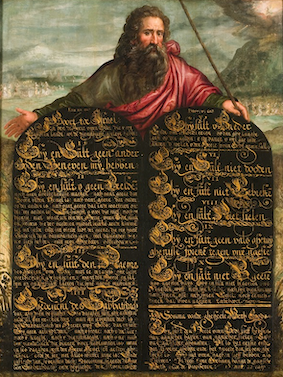
left:Anonymous
(Noord-Nederland) , Museum Catharijneconvent, (source: Ten Commandments)
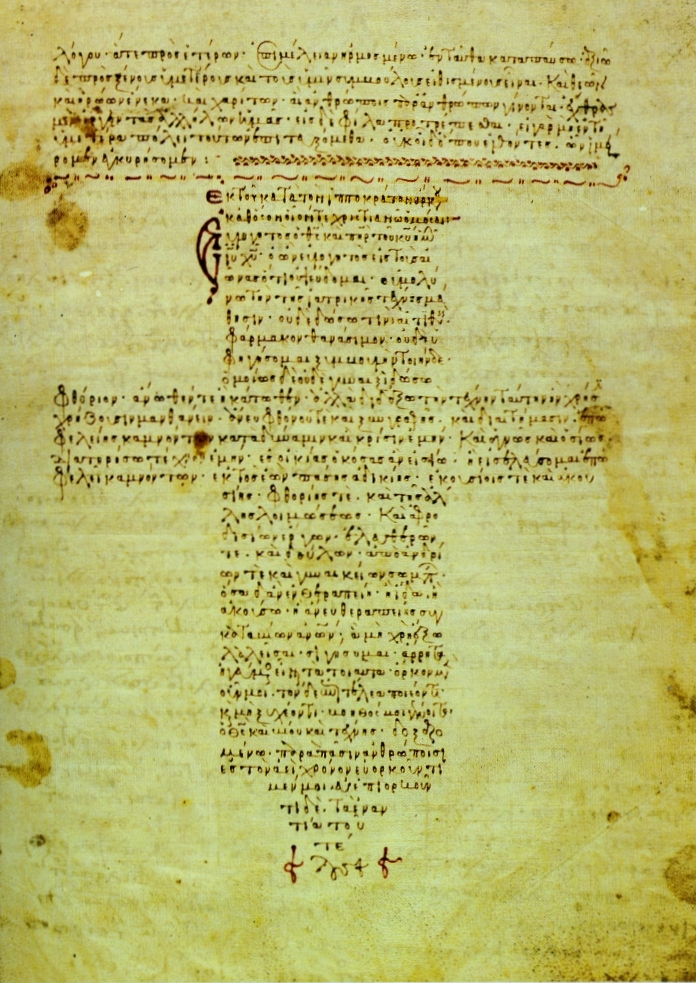
right: A 12th-century Byzantine manuscript of the Hippocratic Oath (source: medical ethics)
☆宗
教と倫理において、生命の尊厳(時に生命の不可侵性とも呼ばれる)とは、聖なるもの、神聖なもの、あるいは侵害してはならないほどの価値を持つとされる知
覚ある生命の側面に対する暗黙の保護原則である。これは人間、動物、あるいは(アヒンサーの実践においては)微生物にまで適用され得る。生命の尊厳は、中
絶や安楽死をめぐる議論の中心にある。[3]
| In
religion and ethics, the sanctity of life, sometimes described as the
inviolability of life,[1][2] is a principle of implied protection
regarding aspects of sentient life that are said to be holy, sacred, or
otherwise of such value that they are not to be violated. This can be
applied to humans, animals or (in the practice of Ahimsa) even
micro-organisms. Sanctity of life sits at the centre of debate over
abortion and euthanasia.[3] |
宗
教と倫理において、生命の尊厳(時に生命の不可侵性とも呼ばれる)とは、聖なるもの、神聖なもの、あるいは侵害してはならないほどの価値を持つとされる知
覚ある生命の側面に対する暗黙の保護原則である。これは人間、動物、あるいは(アヒンサーの実践においては)微生物にまで適用され得る。生命の尊厳は、中
絶や安楽死をめぐる議論の中心にある。[3] |
| In Christianity See also: Christianity and abortion The phrase sanctity of life refers to the idea that humans are sacred, holy, and precious, since each human life ultimately belongs to God. Although the phrase was used primarily in the 19th century in Protestant discourse, since World War II the phrase has been used in Catholic moral theology and, following Roe v. Wade, Evangelical Christian moral rhetoric.[4] The absolute sanctity of life, often contrasted with valuing the quality of life, is the basis of all Catholic teaching about the fifth commandment in the Ten Commandments.[5][6][7][8] |
キリスト教 キリスト教と堕胎(中絶) 生命の尊厳とは、人間は神聖で聖なる存在であり、尊いものであるという考えを指す。なぜなら、あらゆる人間の生命は究極的には神に属するからである。この 言葉は主に19世紀のプロテスタントの言説で使われたが、第二次世界大戦以降はカトリックの道徳神学で用いられ、ロー対ウェイド判決後は福音派キリスト教 の道徳的レトリックでも使われるようになった。[4] 絶対的な生命の尊厳は、しばしば生活の質を重視する考え方と対比されるが、十戒の第五戒に関するカトリック教義の全ての基礎となっている。[5][6][7][8] |
| In Judaism See also: Judaism and abortion Pikuach nefesh allows the Jewish person to override all other Jewish laws and practices in order to preserve human life. It places the conservation of humanity and the survival of a human being above every other possible thing. It applies to both saving the lives of Jews and non-Jews.[9] All denominations of Judaism allow abortion to save the life of the mother, but there is no common consensus for other situations in which abortion could be used. Due to the treatment of a foetus as a part of the mother, but not as a separate human being, this is often cited to permit abortion by Jewish people.[10] |
ユダヤ教において 関連項目: ユダヤ教と中絶 ピクアハ・ネフェシュは、ユダヤ人格が人間の生命を守るために、他のあらゆるユダヤ教の律法や慣習を優先することを認める。これは人類の保全と人間の生存を、他のあらゆる事柄よりも優先する。ユダヤ人と非ユダヤ人の双方の生命を救う場合に適用される。[9] ユダヤ教のあらゆる宗派は、母親の命を救うための中絶を認めている。しかし、中絶が認められるその他の状況については共通の合意が存在しない。胎児を母親 の一部として扱い、独立した人間とは見なさないという立場から、ユダヤ教徒による中絶を許容する根拠としてしばしば引用される。[10] |
| In Islam Islam considers all life forms sacred, but puts humans above other living things. Islam considers the unlawful killing of a person on the same level as the killing of all humanity. The same is applicable in the inverse: saving a life is as important as saving the entire of humanity.[11][12] The Qur'an never explicitly refers to abortion, but other teachings can be applied to the matter.[13] Muslims believe that ensoulment occurs on the 120th day of gestation.[14] Before ensoulment, abortion is allowed for foetal anomalies. After ensoulment, all schools of Islam allow abortion to save the life of the mother, and in the case of an intrauterine death (miscarriage), but on little other grounds. However, there is a growing movement to allow abortion for malformed foetuses whose deaths are inevitable shortly after birth.[15] The inability to provide for a foetus is generally dismissed as an acceptable reason, but some schools of thought are more lenient on the matter.[13][14] |
イスラム教では イスラム教は全ての生命を神聖と見なすが、人間を他の生物より上位に位置づける。イスラム教は、一人の人格を不当に殺す行為を、全人類を殺す行為と同等と見なす。逆もまた真なり:一つの人格を救うことは、全人類を救うことと同等に重要である。[11][12] クルアーンは中絶について明示的に言及していないが、他の教えをこの問題に応用できる。[13] イスラム教徒は、胎児に魂が宿るのは妊娠120日目だと信じている。[14] 魂が宿る前であれば、胎児の異常がある場合に中絶が許される。魂が宿った後は、全てのイスラム学派が、母親の命を救うための中絶と、子宮内死亡(流産)の 場合の中絶を認めているが、それ以外の理由ではほとんど認められない。しかし、出生直後に死亡が避けられない奇形胎児に対する中絶を認める動きが広がって いる。[15] 胎児を養育できないことは一般的に正当な理由とは認められないが、一部の学派はこの点についてより寛容である。[13][14] |
| In Eastern religions In Western thought, sanctity of life is usually applied solely to the human species (anthropocentrism, sometimes called dominionism), in marked contrast to many schools of Eastern philosophy, which often hold that all animal life is sacred―in some cases to such a degree that, for example, practitioners of Jainism carry brushes with which to sweep insects from their path, lest they inadvertently tread upon them.[16] |
東洋の宗教においては 西洋の思想では、生命の尊厳は通常、人類のみに適用される(人間中心主義、支配主義とも呼ばれる)。これは多くの東洋哲学の流派とは著しい対照をなす。東 洋の哲学では、あらゆる動物の生命が神聖であると考えることが多い。例えば、ジャイナ教の修行者は、誤って踏んでしまうことを避けるため、道に現れる虫を 掃き払うためのブラシを携帯するほどである。[16] |
| Abortion-rights movements Anti-abortion movements Catholic Church and capital punishment Buddhism Jainism Consistent life ethic Culture of life Fetal protection Medical ethics National Sanctity of Human Life Day (in the US) Religion and abortion Right to life Sanctity of Life Act, US bill, repeatedly introduced since 1995, that has never become law |
中絶の権利を求める運動 中絶反対運動 カトリック教会と死刑 仏教 ジャイナ教 一貫した生命倫理 生命の文化 胎児保護 医療倫理 全米生命の尊厳の日(アメリカ) 宗教と中絶 生命の権利 生命の尊厳法(アメリカ法案)。1995年以降繰り返し提出されているが、未だに法律化されていない。 |
| References 1. Keown, John (2012-05-01). The Law and Ethics of Medicine. Oxford University Press. doi:10.1093/acprof:oso/9780199589555.001.0001. ISBN 978-0-19-958955-5. 2. Keown, John (2012). The law and ethics of medicine: essays on the inviolability of human life. Oxford (GB): Oxford University Press. ISBN 978-0-19-958955-5. 3. Clarke, Steve (January 2023). "The sanctity of life as a sacred value". Bioethics. 37 (1): 32–39. doi:10.1111/bioe.13094. ISSN 0269-9702. PMC 10087279. PMID 36131633. 4. Drutchas, Geoffrey Gilbert (1996). Is Life Sacred? The Incoherence of the Sanctity of Life as a Moral Principle within the Christian Churches. Lancaster Theological Seminary. 5. Ronald M. Green (1999). "Jewish Teaching on the Sanctity and Quality of Life". In Edmund D. Pellegrino; Alan I. Faden (eds.). Jewish and Catholic Bioethics: An Ecumenical Dialogue. Georgetown University Press. pp. 25–26. ISBN 9781589013506. 6. Anthony Fisher (2011). Catholic Bioethics for a New Millennium. Cambridge University Press. pp. 238–239. ISBN 9781139504881. 7. David F. Kelly; Gerard Magill; Henk ten Have (2013). Contemporary Catholic Health Care Ethics. Georgetown University Press. pp. 32–38. ISBN 9781589019614. 8. Scaria Kanniyakonil (2007). The Fundamentals of Bioethics: Legal Perspectives and Ethical Aproches. Oriental Institute of Religious Studies India. pp. 229–230. ISBN 9788188456284. 9. "Pikuach Nefesh: The Jewish Value of Saving a Life". My Jewish Learning. Retrieved 2023-05-08. 10. Feldman, David M. (August 23, 1983). "'Abortion: The Jewish View" (PDF). {{cite journal}}: Cite journal requires |journal= (help) 11. "Sanctity of Life | Facts about the Muslims & the Religion of Islam". Why Islam?. Retrieved 2023-05-12. 12. Adil, Adnan (2017-07-14). "Sanctity of life". DAWN.COM. Retrieved 2023-05-14. 13. "BBC - Religions - Islam: Abortion". www.bbc.co.uk. Retrieved 2023-05-14. 14. Ayubi, Zahra (8 July 2022). "There is no one Islamic interpretation on ethics of abortion, but the belief in God's mercy and compassion is a crucial part of any consideration". The Conversation. Retrieved 2023-05-14. 15. Al-Matary, Abdulrahman; Ali, Jaffar (2014-02-05). "Controversies and considerations regarding the termination of pregnancy for Foetal Anomalies in Islam". BMC Medical Ethics. 15 (1): 10. doi:10.1186/1472-6939-15-10. ISSN 1472-6939. PMC 3943453. PMID 24499356. 16. "Jainism Literature Center - Jain Education". sites.fas.harvard.edu. Archived from the original on 2020-09-21. Retrieved 2019-11-28. |
参考文献 1. キーン、ジョン(2012年5月1日)。『医学の法と倫理』。オックスフォード大学出版局。doi:10.1093/acprof:oso/9780199589555.001.0001。ISBN 978-0-19-958955-5。 2. キーン, ジョン (2012). 『医学の法と倫理: 人間の生命の不可侵性に関する論考』. オックスフォード (GB): オックスフォード大学出版局. ISBN 978-0-19-958955-5. 3. クラーク、スティーブ(2023年1月)。「神聖な価値としての生命の尊厳」。『バイオエシックス』。37巻1号:32–39頁。doi: 10.1111/bioe.13094。ISSN 0269-9702。PMC 10087279。PMID 36131633。 4. ドルチャス、ジェフリー・ギルバート(1996)。『生命は神聖か? キリスト教教会における道徳原則としての生命の尊厳の不整合性』。ランカスター神学校。 5. ロナルド・M・グリーン(1999)。「生命の尊厳と質に関するユダヤ教の教え」。エドマンド・D・ペレグリノ、アラン・I・フェイデン(編)。ユダヤ教 とカトリックの生命倫理:エキュメニカルな対話。ジョージタウン大学出版局。pp. 25–26。ISBN 9781589013506。 6. Anthony Fisher (2011). 新たな千年紀のためのカトリック生命倫理。ケンブリッジ大学出版局。pp. 238–239。ISBN 9781139504881。 7. デイヴィッド・F・ケリー; ジェラルド・マギル; ヘンク・テン・ハーヴェ (2013). 『現代カトリック健康倫理』. ジョージタウン大学出版局. pp. 32–38. ISBN 9781589019614. 8. スカリア・カニヤコニル (2007). 『生命倫理の基礎:法的視点と倫理的アプローチ』. インド宗教研究オリエンタル研究所. pp. 229–230. ISBN 9788188456284. 9. 「ピクアハ・ネフェシュ:ユダヤ教における命を救う価値」. マイ・ユダヤ・ラーニング. 2023年5月8日閲覧. 10. フェルドマン、デイヴィッド・M.(1983年8月23日)。「『中絶:ユダヤ教の見解』」(PDF)。{{cite journal}}: Cite journal requires |journal= (help) 11. 「生命の尊厳|イスラム教徒とイスラム教に関する事実」。Why Islam?。2023年5月12日閲覧。 12. アディル、アドナン(2017年7月14日)。「生命の尊厳」。DAWN.COM。2023年5月14日閲覧。 13. 「BBC - 宗教 - イスラム教:中絶」。www.bbc.co.uk。2023年5月14日閲覧。 14. アユビ、ザフラ(2022年7月8日)。「中絶の倫理に関するイスラム教の解釈は一つではないが、神の慈悲と慈愛への信仰はあらゆる考察において重要な要素である」。ザ・コンバージェンス。2023年5月14日閲覧。 15. アル=マタリー、アブドゥルラフマン;アリ、ジャファル(2014年2月5日)。「イスラムにおける胎児異常を理由とした妊娠中絶に関する論争と考察」 『BMC Medical Ethics』15巻1号、10頁。doi:10.1186/1472-6939-15-10。ISSN 1472-6939。PMC 3943453。PMID 24499356。 16. 「ジャイナ教文献センター - ジャイナ教教育」. sites.fas.harvard.edu. 2020年9月21日にオリジナルからアーカイブ. 2019年11月28日に閲覧. |
| Further reading Barry, Robert Laurence (2002). The Sanctity of Human Life and Its Protection. Lanham: University Press of America. Bayertz, Kurt, ed. (1996). Sanctity of Life and Human Dignity. Philosophy and Medicine; v. 52. Dordrecht; Boston: Kluwer Academic. Bernardin, Joseph Louis; et al. (1988). Consistent Ethic of Life. Kansas City, MO: Sheed & Ward. Kass, Leon R. (March 1990). "Death with Dignity and the Sanctity of Life". Commentary. 89 (3). New York: American Jewish Committee: 33–43. ISSN 0010-2601. PMID 11652555. Keyserlingk, Edward W. (1979). Sanctity of Life: or, Quality of Life in the Context of Ethics, Medicine, and Law: A Study. Protection of Life Series. Ottawa: Law Reform Commission of Canada. ISBN 9780662104452. Kohl, Marvin (1974). The Morality of Killing; Sanctity of Life, Abortion, and Euthanasia. New York: Humanities Press. ISBN 9780391001954. Kuhse, Helga (1987). The Sanctity-of-Life Doctrine in Medicine: A Critique. Oxford: Oxford University Press. McCormick, Richard A. (1981). "The Quality of Life and the Sanctity of Life". How Brave a New World?: Dilemmas in Bioethics. New York: Doubleday: 383–402. Singer, Peter (2002). Unsanctifying Human Life: essays on ethics. Oxford: Blackwell. Wildes, Kevin Wm.; Francesc Abel; John C. Harvey (1992). Birth, Suffering, and Death: Catholic Perspectives at the Edges of Life. Dordrecht; Boston: Kluwer Academic. |
追加文献(さらに読む) バリー、ロバート・ローレンス(2002)。『人間の生命の尊厳とその保護』。ランハム:ユニバーシティ・プレス・オブ・アメリカ。 バイエルツ、クルト編(1996)。『生命の尊厳と人間の尊厳』。哲学と医学;第52巻。ドルドレヒト;ボストン:クルーワー・アカデミック。 バーナディン、ジョセフ・ルイスほか(1988)。『一貫した生命倫理』。ミズーリ州カンザスシティ:シード&ウォード。 カッス、レオン・R.(1990年3月)。「尊厳ある死と生命の尊厳」。『コメンタリー』89巻3号。ニューヨーク:アメリカ・ユダヤ人委員会:33–43頁。ISSN 0010-2601。PMID 11652555。 カイザーリンク、エドワード・W.(1979)。『生命の尊厳:あるいは倫理・医学・法の文脈における生活の質:研究』。生命保護シリーズ。オタワ:カナダ法改正委員会。ISBN 9780662104452。 コール、マービン(1974)。『殺すことの道徳性:生命の尊厳、中絶、安楽死』。ニューヨーク:ヒューマニティーズ・プレス。ISBN 9780391001954。 クーゼ、ヘルガ(1987)。医学における生命の尊厳の教義:批判。オックスフォード:オックスフォード大学出版局。 マコーミック、リチャード A.(1981)。「生活の質と生命の尊厳」。『なんて勇敢な新世界か?:生命倫理のジレンマ』。ニューヨーク:ダブルデイ:383–402。 シンガー、ピーター(2002)。『人間の生命の聖性を否定する:倫理に関するエッセイ』。オックスフォード:ブラックウェル。 ワイルズ、ケビン・Wm.、フランセスク・アベル、ジョン・C・ハーヴェイ(1992)。『誕生、苦悩、そして死:生命の境界におけるカトリックの視点』。ドルドレヒト、ボストン:クルワー・アカデミック。 |
| https://en.wikipedia.org/wiki/Sanctity_of_life |
|
生命の尊厳とは、倫理学や宗教において、生命や命 (いのち)は、全体性があり、神聖で、それ自体に価値があるゆえに、不可侵性なものであるという思潮や生き方のことをいう。普通は、生命現象は、人間のみ ならず、他の動物や、草木などの植物などにもみられることから、あらゆる生命を傷つけてはならないという、東洋思想(ヒンドゥー、仏教、ジャイナなどの教 え)のアヒンサー(デーヴァナーガリー:अहिंसा, ahiṃsā)=非暴力の思想と通底するものがあ る。
西洋哲学では、キリスト教の倫理(=教義)の、汝殺 すことなかれ!(Thou shalt not kill)——旧約聖書(トーラー)の第五番目の掟——で、この原理が適確に現されている。
left:Anonymous
(Noord-Nederland) , Museum Catharijneconvent, (source: Ten Commandments)
right: A 12th-century
Byzantine manuscript of the Hippocratic Oath (source: medical
ethics)
その他にも、生命の尊厳は、生命倫理学や法の倫理学 という領域において、主張されており、妊娠出産中絶や避妊、幹細胞(場合によってはiPS細胞ですら含まれる) 研究、あるいは安楽死(尊厳死)が可能である/権利があると考える選択派(Pro-choice) に反対するプロライフ(生命優先派:Pro-life)の思想の根幹をなすものとして、よく知られている。他方で、キリスト教の生命の尊厳派は、人間中心 主義やキリスト教による法の支配の考え方に繋がる思潮もある。そのため、生命の尊厳派を、このようなキリスト教の原理主義の中にみて、東洋の生命尊重思想 を、同じカテゴリーに含めない西洋中心的な考え方もある。
また、生命の価値を絶対視することから、生命の質(Quality of life)を比較考量できるという考え方にも対立する。
生命の尊厳は、我々の日常の生活倫理に近いものであ るが、生命科学の進歩により生命が操作されたり、また、ロボットや人工知能のように、人格表象可能なエージェントの存在で、「生命とは何か?」と真面目に 考える機運が失われつつある。このことを危惧して、宗教実践者は、近年、生命の尊厳の主張を声高にするようになったが、生命操作や人体実験のガイドライン に介入するのが精一杯で、生命の尊厳の独自思想を持って、過度の生権力(バイオパワー)の横溢を止めるまでの抑止力にはなっていない。
北米プロテスタントの文脈では、生命の尊厳派のうち
過激な一団が、人工妊娠中絶のクリニックを襲い、医師を殺害したり、爆破する事件が起こるが、胎児や胚の生命の尊厳を主張するあまり、人を傷つけたり殺人
を犯すという矛盾し、かつ馬鹿げた者が登場するのは、悲劇を通り越して、茶番という他はない。
リンク(サイト内)
リンク
文献(擁護派)
文献(批判派)
その他の情報
Copyleft,
CC, Mitzub'ixi Quq Chi'j, 1996-2099