否定神学
Apophatic theology
☆否定神学(アポファティック神学)[Apophatic theology][1]
は、否定によって神や神聖なる存在に接近しようとする神学的思考と宗教的実践の一形態である。すなわち、神について語れないことのみを語ろうとする。
[web 1]
これは肯定神学(カタファティック神学)と対をなす。肯定神学は、神の本質についての肯定的記述や肯定的声明によって神や神聖なる存在に接近しようとす
る。[web 2]
否定神学の伝統は、常にではないがしばしば、神秘主義の手法と結びつく。神秘主義は、通常の知覚の領域を超えた神聖な実在の認識、すなわち神の顕現を目指
すものである[2]。
| Apophatic theology,
also known as negative theology,[1] is a form of theological thinking
and religious practice which attempts to approach God, the Divine, by
negation, to speak only in terms of what may not be said about God.[web
1] It forms a pair together with cataphatic theology (also known as
affirmative theology), which approaches God or the Divine by
affirmations or positive statements about what God is.[web 2] The apophatic tradition is often, though not always, allied with the approach of mysticism, which aims at the vision of God, the perception of the divine reality beyond the realm of ordinary perception.[2] |
否定神学(アポファティック神学)[Apophatic theology][1]は、否定によって神や神聖なる
存在に接近しようとする神学的思考と宗教的実践の一形態である。すなわち、神について語れないことのみを語ろうとする。[web 1]
これは肯定神学(カタファティック神学)と対をなす。肯定神学は、神の本質についての肯定的記述や肯定的声明によって神や神聖なる存在に接近しようとす
る。[web 2] 否定神学の伝統は、常にではないがしばしば、神秘主義の手法と結びつく。神秘主義は、通常の知覚の領域を超えた神聖な実在の認識、すなわち神の顕現を目指 すものである[2]。 |
| Etymology and definition "Apophatic", Ancient Greek: ἀπόφασις (noun); from ἀπόφημι apophēmi, meaning 'to deny'. From Online Etymology Dictionary: apophatic (adj.) "involving a mention of something one feigns to deny; involving knowledge obtained by negation", 1850, from Latinized form of Greek apophatikos, from apophasis "denial, negation", from apophanai "to speak off," from apo "off, away from" (see apo-) + phanai "to speak," related to pheme "voice," from PIE root *bha- (2) "to speak, tell, say."[web 3] Via negativa or via negationis (Latin), 'negative way' or 'by way of denial'.[1] The negative way forms a pair together with the kataphatic or positive way. According to Deirdre Carabine, Pseudo Dionysius describes the kataphatic or affirmative way to the divine as the "way of speech": that we can come to some understanding of the Transcendent by attributing all the perfections of the created order to God as its source. In this sense, we can say "God is Love", "God is Beauty", "God is Good". The apophatic or negative way stresses God's absolute transcendence and unknowability in such a way that we cannot say anything about the divine essence because God is so totally beyond being. The dual concept of the immanence and transcendence of God can help us to understand the simultaneous truth of both "ways" to God: at the same time as God is immanent, God is also transcendent. At the same time as God is knowable, God is also unknowable. God cannot be thought of as one or the other only.[web 2] In literary and rhetorical analysis, such claims about the inadequacy of language are often discussed under the Topos of ineffability (German: Unsagbarkeitstopos). |
語源と定義 「アポファティック」、古代ギリシャ語: ἀπόφασις(名詞);ἀπόφημι apophēmi(否定する)に由来する。オンライン語源辞典より: apophatic (形容詞) 「否定するふりをして言及することを含む;否定によって得られる知識を含む」、1850年、ギリシャ語 apophatikos のラテン語化形から。apophasis「否定、否認」に由来し、apophanai「離れて話す」から。apo「離れて、遠ざかって」 (apo-参照)+ phanai「話す」、pheme「声」に関連し、PIE語根*bha-(2)「話す、伝える、言う」に由来する。[web 3] 否定の道(ラテン語: via negativa または via negationis)、「否定の道」あるいは「否定による道」。[1] 否定の道は、肯定の道(カタファティック)と対をなす。ディアドラ・カラバインによれば、 偽ディオニュシオスは、神への肯定的アプローチを「言語による道」と説明する。つまり、被造界のあらゆる完全性をその源である神に帰属させることで、超越者への理解に到達できるという。この意味で「神は愛である」「神は美である」「神は善である」と言える。 否定的な道は、神が絶対的な超越性と不可知性を有することを強調する。神は存在を超越した存在であるため、神の本質について何も語れないのである。神の内 在性と超越性という二元概念は、神への両方の「道」が同時に真実であることを理解する助けとなる。神が内在的であると同時に、神は超越的でもあるのだ。神 が知られ得るのと同時に、神は知られ得ない。神はどちらか一方としてのみ考えられないのである。[web 2] 文学的・修辞学的分析において、言語の不十分性に関するこうした主張は、しばしば「言い表せなさ」のトポス(ドイツ語: Unsagbarkeitstopos)の下で論じられる。 |
| Origins and development According to Fagenblat, "negative theology is as old as philosophy itself:" elements of it can be found in Plato's unwritten doctrines, while it is also present in Neo-Platonic, Gnostic and early Christian writers. A tendency to apophatic thought can also be found in Philo of Alexandria.[3] According to Carabine, "apophasis proper" in Greek thought starts with Neo-Platonism, with its speculations about the nature of the One, culminating in the works of Proclus.[4] Carabine writes that there are two major points in the development of apophatic theology, namely the fusion of the Jewish tradition with Platonic philosophy in the writings of Philo, and the works of Pseudo-Dionysius the Areopagite, who infused Christian thought with Neo-Platonic ideas.[4] The Early Church Fathers were influenced by Philo,[4] and Meredith even states that Philo "is the real founder of the apophatic tradition."[5] Yet, it was with Pseudo-Dionysius the Areopagite and Maximus the Confessor,[6] whose writings shaped both Hesychasm (the contemplative monastic tradition of the Eastern Orthodox Churches) and the mystical traditions of western Europe, that apophatic theology became a central element of Christian theology and contemplative practice.[4] Elijah's hearing of a "still, small voice" at 1 Kings 19:11-13 has been proposed as a Biblical example of apophatic prayer.[citation needed] |
起源と発展 フェイゲンブラットによれば、「否定的神学は哲学そのものと同じくらい古い」という。その要素はプラトンの未著述の教義に見られ、新プラトン主義、グノー シス主義、初期キリスト教の著述家たちにも現れている。否定的な思考の傾向はアレクサンドリアのフィロンにも見られる。[3] カラバインによれば、ギリシャ思想における「真の否定神学」は新プラトン主義に端を発し、一者(ウー)の本質に関する思索を経て、プロクロスの著作で頂点 を迎えた。[4] カラバインは、否定神学の発展において二つの主要な転換点があると記している。すなわち、フィロの著作におけるユダヤ的伝統とプラトン哲学の融合、そして キリスト教思想に新プラトン主義的観念を注入したアレオパゴスのディオニュシオス(偽ディオニュシオス)の著作である。[4] 初期教父たちはフィロの影響を受けていた[4]。メリディスはさらに、フィロこそが「否定神学的伝統の真の創始者である」と述べている。[5] しかし、アポファティック神学がキリスト教神学と瞑想的実践の中心要素となったのは、偽ディオニュシオスとマキシモス・コンフェッサー[6]の登場によ る。彼らの著作は、東方正教会の瞑想的修道伝統であるヘシカズムと、西ヨーロッパの神秘主義的伝統の両方を形作ったのである。[4] 列王記上19章11-13節でエリヤが聞いた「かすかなささやき」は、否定神学的祈りの聖書的例として提案されている。[出典が必要] |
| Greek philosophy See also: Epoché, Pyrrhonism, and Skepticism Pre-Socratic For the ancient Greeks, knowledge of the gods was essential for proper worship.[7] Poets had an important responsibility in this regard, and a central question was how knowledge of the Divine forms can be attained.[7] Epiphany played an essential role in attaining this knowledge.[7] Xenophanes (c. 570 – c. 475 BC) noted that the knowledge of the Divine forms is restrained by the human imagination, and Greek philosophers realized that this knowledge can only be mediated through myth and visual representations, which are culture-dependent.[7] According to Herodotus (484–425 BC), Homer and Hesiod (between 750 and 650 BC) taught the Greek the knowledge of the Divine bodies of the Gods.[8] The ancient Greek poet Hesiod (between 750 and 650 BC) describes in his Theogony the birth of the gods and creation of the world,[web 4] which became an "ur-text for programmatic, first-person epiphanic narratives in Greek literature,"[7][note 1] but also "explores the necessary limitations placed on human access to the divine."[7] According to Platt, the statement of the Muses who grant Hesiod knowledge of the Gods "actually accords better with the logic of apophatic religious thought."[10][note 2] Parmenides (fl. late sixth or early fifth century BC), in his poem On Nature, gives an account of a revelation on two ways of inquiry. "The way of conviction" explores Being, true reality ("what-is"), which is "What is ungenerated and deathless,/whole and uniform, and still and perfect."[12] "The way of opinion" is the world of appearances, in which one's sensory faculties lead to conceptions which are false and deceitful. His distinction between unchanging Truth and shifting opinion is reflected in Plato's allegory of the Cave. Together with the Biblical story of Moses's ascent of Mount Sinai, it is used by Gregory of Nyssa and Pseudo-Dionysius the Areopagite to give a Christian account of the ascent of the soul toward God.[13] Cook notes that Parmenides' poem is a religious account of a mystical journey, akin to the mystery cults,[14] giving a philosophical form to a religious outlook.[15] Cook further notes that the philosopher's task is to "attempt through 'negative' thinking to tear themselves loose from all that frustrates their pursuit of wisdom."[15] |
ギリシャ哲学 関連項目: エポケー、ピュロン主義、懐疑主義 前ソクラテス派 古代ギリシャ人にとって、神々の知識は適切な礼拝に不可欠であった。[7] 詩人たちはこの点で重要な責任を負っており、中心的な問題は神聖な形態の知識をいかにして得られるかであった。[7] この知識を得る上で、啓示は不可欠な役割を果たした。[7] クセノパネス(紀元前570年頃 - 紀元前475年頃)は、神聖な形態の知識が人間の想像力によって制限されることを指摘した。ギリシャの哲学者たちは、この知識が神話や視覚的表現を通じて のみ媒介され得ること、そしてそれらが文化に依存していることを認識した。[7] ヘロドトス(紀元前484–425年)によれば、ホメロスとヘシオドス(紀元前750–650年)はギリシャ人に神々の神聖な身体に関する知識を教えた。 [8] 古代ギリシャの詩人ヘシオドス(紀元前750~650年頃)は『神統記』において神々の誕生と世界の創造を描いている[web 4]。これは「ギリシャ文学における計画的な一人称啓示的物語の原典」となった[7][注1]が、同時に「人間が神聖なものにアクセスする際の必然的な限 界」も探求している。[7] プラットによれば、ヘシオドスに神々の知識を与えたムーサたちの主張は「むしろ否定神学的宗教思想の論理に合致する」[10][注2]。 パルメニデス(紀元前6世紀末~5世紀初頭)は詩『自然について』で、二つの探究方法に関する啓示を記している。「確信の道」は存在、真の現実(「あるも の」)を探求する。それは「生じず死なず、/全体にして均一、静寂にして完全なるもの」である[12]。「意見の道」は表象の世界であり、感覚器官が導く 概念は虚偽で欺瞞に満ちている。不変の真理と移ろいゆく意見の区別は、プラトンの洞窟の比喩に反映されている。モーセがシナイ山に登った聖書の物語と併 せ、ニッサのグレゴリウスやアレオパゴスのディオニュシオス(偽名)によって、魂が神へと昇華する過程をキリスト教的に説明するために用いられた。 [13] クックは、パルメニデスの詩が神秘的旅路の宗教的記述であり、秘儀信仰に類似していると指摘する[14]。これは宗教的観念に哲学的形態を与えたものであ る[15]。さらにクックは、哲学者の任務は「『否定的な』思考を通じて、知恵の追求を妨げるあらゆるものから自らを解き放とうと試みること」だと述べて いる[15]。 |
Plato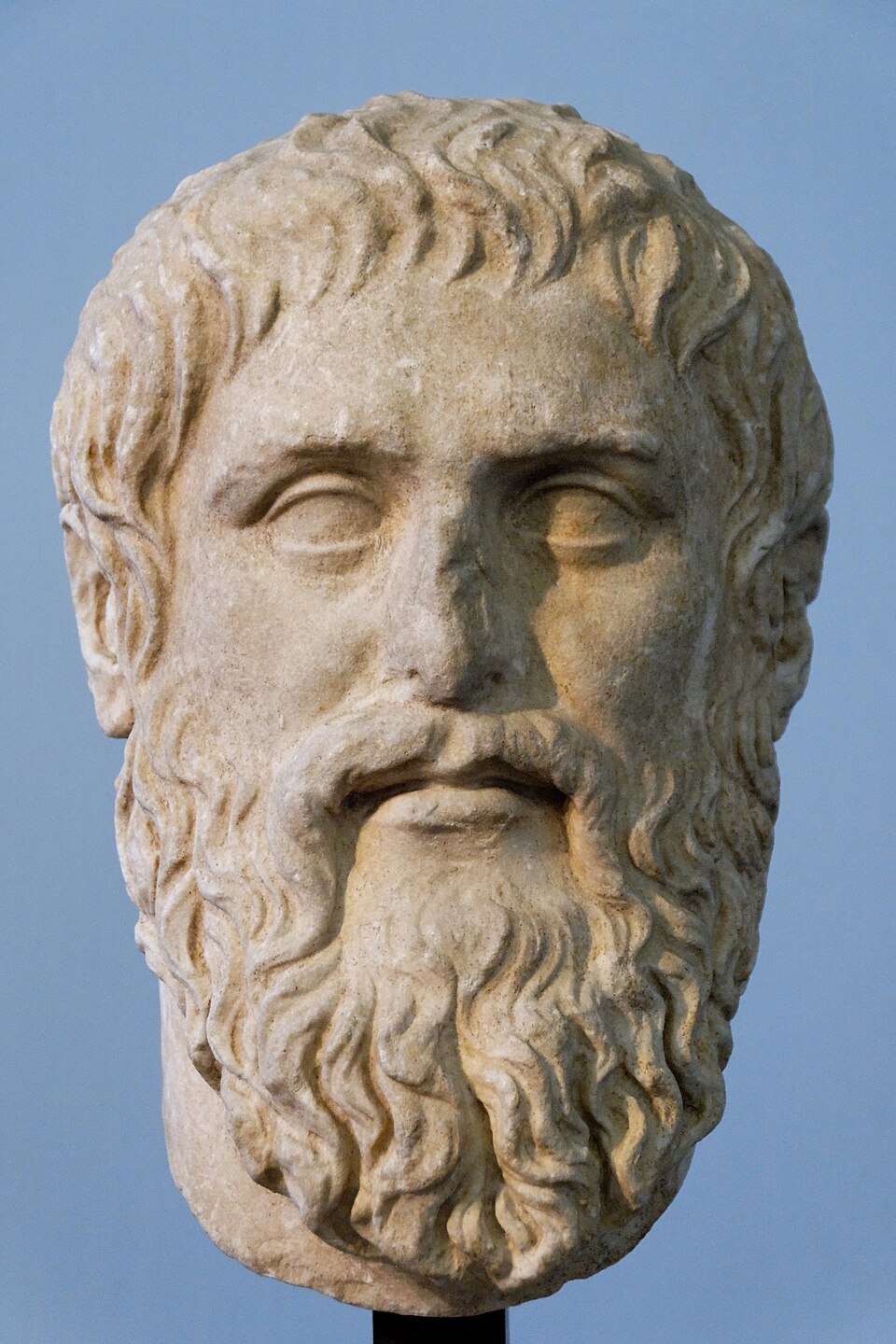 Plato Silanion Musei Capitolini MC1377 Plato (428/427 or 424/423 – 348/347 BC), "deciding for Parmenides against Heraclitus" and his theory of eternal change,[16] had a strong influence on the development of apophatic thought.[16] Plato further explored Parmenides's idea of timeless truth in his dialogue Parmenides, which is a treatment of the eternal forms, Truth, Beauty and Goodness, which are the real aims for knowledge.[16] The Theory of Forms is Plato's answer to the problem of how one fundamental reality or unchanging essence can admit of many changing phenomena, other than by dismissing them as being mere illusion.[16] In The Republic, Plato argues that the "real objects of knowledge are not the changing objects of the senses, but the immutable Forms,"[web 5] stating that the Form of the Good[note 3] is the highest object of knowledge.[17][18][web 5][note 4] His argument culminates in the Allegory of the Cave, in which he argues that humans are like prisoners in a cave, who can only see shadows of the Real, the Form of the Good.[18][web 5] Humans are to be educated to search for knowledge, by turning away from their bodily desires toward higher contemplation, culminating in an intellectual[note 5] understanding or apprehension of the Forms, c.q. the "first principles of all knowledge."[18] According to Cook, the Theory of Forms has a theological flavour, and had a strong influence on the ideas of his Neo-Platonist interpreters Proclus and Plotinus.[16] The pursuit of Truth, Beauty and Goodness became a central element in the apophatic tradition,[16] but nevertheless, according to Carabine "Plato himself cannot be regarded as the founder of the negative way."[19] Carabine warns not to read later Neo-Platonic and Christian understandings into Plato, and notes that Plato did not identify his Forms with "one transcendent source," an identification which his later interpreters made.[20] |
プラトン プラトン・シラニオン カピトリーノ博物館所蔵 MC1377 プラトン(紀元前428/427年または424/423年 - 348/347年)は、「パルメニデスをヘラクレイトスに対して支持し」、その永遠の変化の理論[16]を否定したことで、否定神学の発展に強い影響を与えた。[16] プラトンは対話篇『パルメニデス』において、パルメニデスの永遠の真理の思想をさらに探求した。これは永遠のイデア、すなわち真理・美・善を扱ったもの で、これらが知識の真の目的であると論じている[16]。イデア論は、一つの根本的実在や不変の本質が、いかにして多くの変化する現象を許容し得るかとい う問題に対するプラトンの答えであり、それらを単なる幻影として退ける以外の方法によるものである[16]。 『国家』においてプラトンは、「知識の真の対象は感覚が捉える変化する対象ではなく、不変のイデアである」と論じ[web 5]、善のイデア[注3]が知識の最高対象であると述べている。[17][18][web 5][note 4] この議論は「洞窟の比喩」で頂点に達する。そこでは人間は洞窟の囚人のような存在であり、真の現実である「善のイデア」の影しか見ることができないと論じ られている。[18][web 5] 人間は、肉体的欲望から離れ、より高次の観想へと向かうことで知識を追求するよう教育されるべきであり、その頂点として理念、すなわち「あらゆる知識の第 一原理」[18]を知的[注5]に理解し把握するに至る。 クックによれば、イデア論には神学的な趣があり、新プラトン主義の解釈者であるプロクロスやプロティノスの思想に強い影響を与えた[16]。真理・美・善 の追求は否定神学の伝統における中心要素となったが[16]、それでもカラバインによれば「プラトン自身を否定神学の創始者と見なすことはできない」 [19]。[19] カラバインは、後世の新プラトン主義的・キリスト教的解釈をプラトンに読み込むべきではないと警告し、プラトンが自身のイデアを「一つの超越的な源」と同 一視していなかった点を指摘する。この同一視は後世の解釈者たちが行ったものである。[20] |
| Middle Platonism Main article: Middle Platonism Middle Platonism (1st century BC–3rd century AD)[web 6] further investigated Plato's "Unwritten Doctrines," which drew on Pythagoras' first principles of the Monad and the Dyad (matter).[web 6] Middle Platonism proposed a hierarchy of being, with God as its first principle at its top, identifying it with Plato's Form of the Good.[21] An influential proponent of Middle Platonism was Philo (c. 25 BC – c. 50 AD), who employed Middle Platonic philosophy in his interpretation of the Hebrew scriptures, and asserted a strong influence on early Christianity.[web 6] According to Craig D. Allert, "Philo made a monumental contribution to the creation of a vocabulary for use in negative statements about God."[22] For Philo, God is undescribable, and he uses terms which emphasize God's transcendence.[22] |
中プラトン主義 詳細な記事: 中プラトン主義 中プラトン主義(紀元前1世紀~紀元後3世紀)[web 6]は、ピタゴラスの第一原理である単子(モノアド)と二子(ダイアド、物質)を基盤としたプラトンの「不文の教義」をさらに探究した。[web 6] 中期プラトン主義は存在の階層を提唱し、その頂点に第一原理である神を置き、これをプラトンの「善のイデア」と同一視した[21]。中期プラトン主義の有 力な提唱者であるフィロン(紀元前25年頃 - 紀元50年頃)は、ヘブライ聖書の解釈に中期プラトン哲学を用い、初期キリスト教に強い影響を与えた。[web 6] クレイグ・D・アラーターによれば、「フィロンは神に関する否定的な記述に用いる語彙の創出に画期的な貢献をした」[22]。フィロンにとって神は記述不 能であり、彼は神の超越性を強調する用語を用いる[22]。 |
| Neo-Platonism Main article: Neo-Platonism Neo-Platonism was a mystical or contemplative form of Platonism, which "developed outside the mainstream of Academic Platonism."[web 7] It started with the writings of Plotinus (204/5–270 AD), and ended with the closing of the Platonic Academy by Emperor Justinian in 529 AD, when the pagan traditions were ousted.[web 8] It is a product of Hellenistic syncretism, which developed due to the crossover between Greek thought and the Jewish scriptures, and also gave birth to Gnosticism.[web 7] Proclus of Athens (*412–485 AD) played a crucial role in the transmission of Platonic philosophy from antiquity to the Middle Ages, serving as head or 'successor' (diadochos, sc. of Plato) of the Platonic 'Academy' for over 50 years.[23] His student Pseudo-Dionysius had a far-stretching Neo-Platonic influence on Christianity and Christian mysticism.[web 7] |
新プラトン主義 主な記事: 新プラトン主義 新プラトン主義は、神秘主義的あるいは観想的なプラトン主義の一形態であり、「アカデメイア派プラトン主義の主流の外で発展した」ものである。[web 7] プロティノス(204/5–270年)の著作から始まり、529年にユスティニアヌス帝がプラトン学派を閉鎖し異教の伝統が排除されたことで終焉を迎え た。[web 8] これはヘレニズム期の融合主義の産物であり、ギリシャ思想とユダヤ教聖書の交わりから発展し、グノーシス主義も生み出した。[web 7] アテネのプロクロス(412年頃–485年)は、古代から中世へのプラトン哲学の伝承において決定的な役割を果たした。50年以上にわたりプラトン「学 堂」の長、すなわち「後継者」(プラトンの後継者という意味で「ディアドコス」)を務めたのである。[23] その弟子である偽ディオニュシオスは、キリスト教とキリスト教神秘主義に広範な新プラトン主義的影響を与えた。[web 7] |
Plotinus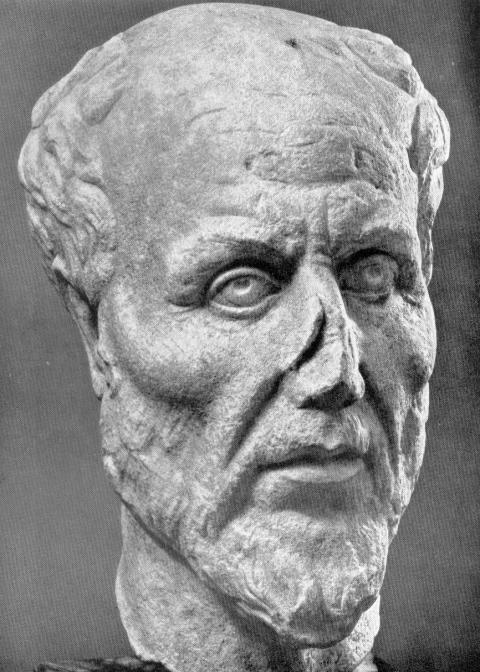 Plotinus, 204/5–270 AD Plotinus (204/5–270 AD) was the founder of Neo-Platonism.[24] In the Neo-Platonic philosophy of Plotinus and Proclus, the first principle became even more elevated as a radical unity, which was presented as an unknowable Absolute.[21] For Plotinus, the One is the first principle, from which everything else emanates.[24] He took it from Plato's writings, identifying the Good of the Republic, as the cause of the other Forms, with the One of the first hypothesis of the second part of the Parmenides.[24] For Plotinus, the One precedes the Forms,[24] and "is beyond Mind and indeed beyond Being."[21] From the One comes the Intellect, which contains all the Forms.[24] The One is the principle of Being, while the Forms are the principle of the essence of beings, and the intelligibility which can recognize them as such.[24] Plotinus's third principle is Soul, the desire for objects external to itself. The highest satisfaction of desire is the contemplation of the One,[24] which unites all existents "as a single, all-pervasive reality."[web 8] The One is radically simple, and does not even have self-knowledge, since self-knowledge would imply multiplicity.[21] Nevertheless, Plotinus does urge for a search for the Absolute, turning inward and becoming aware of the "presence of the intellect in the human soul,"[note 6] initiating an ascent of the soul by abstraction or "taking away," culminating in a sudden appearance of the One.[25] In the Enneads Plotinus writes: Our thought cannot grasp the One as long as any other image remains active in the soul [...] To this end, you must set free your soul from all outward things and turn wholly within yourself, with no more leaning to what lies outside, and lay your mind bare of ideal forms, as before of the objects of sense, and forget even yourself, and so come within sight of that One. Carabine notes that Plotinus' apophasis is not just a mental exercise, an acknowledgement of the unknowability of the One, but a means to ecstasis and an ascent to "the unapproachable light that is God."[web 10] Pao-Shen Ho, investigating what are Plotinus' methods for reaching henosis,[note 7] concludes that "Plotinus' mystical teaching is made up of two practices only, namely philosophy and negative theology."[28] According to Moore, Plotinus appeals to the "non-discursive, intuitive faculty of the soul," by "calling for a sort of prayer, an invocation of the deity, that will permit the soul to lift itself up to the unmediated, direct, and intimate contemplation of that which exceeds it (V.1.6)."[web 8] Pao-Shen Ho further notes that "for Plotinus, mystical experience is irreducible to philosophical arguments."[28] The argumentation about henosis is preceded by the actual experience of it, and can only be understood when henosis has been attained.[28] Ho further notes that Plotinus's writings have a didactic flavour, aiming to "bring his own soul and the souls of others by way of Intellect to union with the One."[28] As such, the Enneads as a spiritual or ascetic teaching device, akin to The Cloud of Unknowing,[29] demonstrating the methods of philosophical and apophatic inquiry.[30] Ultimately, this leads to silence and the abandonment of all intellectual inquiry, leaving contemplation and unity.[31] |
プロティノス プロティノス、紀元204/5年–270年 プロティノス(204/5–270年)は新プラトン主義の創始者である。[24] プロティノスとプロクロスの新プラトン哲学において、第一原理はさらに高次の存在として位置づけられ、究極の統一性として提示された。それは知ることので きない絶対者として描かれた。[21] プロティノスにとって、一者(ウー)は第一原理であり、あらゆるものはそこから発現する。[24] 彼はプラトンの著作からこれを採り、国家論における「善」を他のイデアの原因として特定し、パルメニデス篇第二部の第一仮説における「一者」と同一視し た。[24] プロティノスにとって「一者」はイデアに先行し、[24]「知性を超え、存在そのものを超えている」[21]。一者から知性(インテレクテス)が生まれ、 それは全てのイデアを含む。[24] 一者は存在の原理であり、イデアは存在物の本質原理であると同時に、それらをそのように認識し得る知性原理である[24]。プロティノスの第三原理は魂、 すなわち自己外部の対象への欲求である。欲求の最高の充足は一者の観照であり[24]、それは全ての存在を「単一の遍在的実体として」統合する[web 8]。 一者は根源的に単純であり、自己認識すら持たない。なぜなら自己認識は多元性を暗示するからだ。[21] しかしながらプロティノスは、内面に向き合い「人間の魂における知性の存在」[注6]に気づくことで、抽象化あるいは「取り去り」による魂の昇華を開始 し、一者の突然の顕現に至る絶対の探求を強く促す。[25] 『エンネアデス』においてプロティノスは記す: 我々の思考は、魂に他のいかなるイメージも作用している限り、一を把握することはできない [...] このために、お前は魂をあらゆる外的なものから解放し、完全に自己の内へと向き直らねばならない。もはや外にあるものへ傾くことなく、感覚の対象からそう していたように、観念的形式から心を解き放ち、自分自身さえも忘れ、かくして一を視界に捉えねばならない。 カラバインは、プロティノスのアポファシス(否定法)が単なる知的訓練や「一者」の不可知性の承認ではなく、エクスタシス(恍惚状態)への手段であり、 「神たる近づきがたい光」への昇華であると指摘する。[web 10] 鄒申(Pao-Shen Ho)は、プロティノスがヘノーシス(合一)に到達するための方法論を考察し[注7]、「プロティノスの神秘的教義は、哲学と否定的神学という二つの実践 のみで構成されている」と結論づけている。[28] ムーアによれば、プロティノスは「魂の非論理的・直観的機能」に訴えかける。具体的には「一種の祈り、神への呼びかけを求め、それによって魂が自らを超越 する存在を媒介なしに直接的かつ親密に観照することを可能にする(V.1.6)」のである。[web 8] ホー・パオシェンはさらに「プロティノスにとって神秘体験は哲学的議論に還元できない」と指摘している[28]。ヘノーシスの議論は、その実体験に先行 し、ヘノーシスが達成されて初めて理解可能となる。[28] ホーはさらに、プロティノスの著作には教訓的な趣があり、「自身の魂と他者の魂を知性を通じて一者との合一へ導く」ことを目的としていると指摘する。 [28] したがって『エネーアデス』は『知られざる雲』[29]に類似した精神的・禁欲的教導装置として、哲学的・否定神学的探究の手法を実証するものである [30]。究極的には、これは沈黙とあらゆる知的探究の放棄へと至り、観想と合一のみを残す[31]。 |
| Proclus Proclus (412–485) introduced the terminology used in apophatic and cataphatic theology.[32] He did this in the second book of his Platonic Theology, arguing that Plato states that the One can be revealed "through analogy," and that "through negations [dia ton apophaseon] its transcendence over everything can be shown."[32] For Proclus, apophatic and cataphatic theology form a contemplatory pair, with the apophatic approach corresponding to the manifestation of the world from the One, and cataphatic theology corresponding to the return to the One.[33] The analogies are affirmations which direct us toward the One, while the negations underlie the confirmations, being closer to the One.[33] According to Luz, Proclus also attracted students from other faiths, including the Samaritan Marinus. Luz notes that "Marinus' Samaritan origins with its Abrahamic notion of a single ineffable Name of God (יהוה) should also have been in many ways compatible with the school's ineffable and apophatic divine principle."[34] |
プロクロス プロクロス(412–485)は、否定神学と肯定神学で使用される用語を導入した[32]。彼は『プラトン神学』第二巻において、プラトンが「類推によっ て」一者が明らかにされ、「否定(ディア・トン・アポファセオン)によって」その万物に対する超越性が示されると述べていると論じた。[32] プロクロスにとって、否定神学と肯定神学は観想的な対をなす。否定神学的手法は「一者」からの世界の顕現に対応し、肯定神学は「一者」への回帰に対応す る。[33] 類比は「一者」へと導く肯定であり、否定は確認の基盤をなし「一者」により近い。[33] ルズによれば、プロクロスはサマリア人のマリヌスを含む他宗教の信徒も引きつけた。ルズは「マリヌスのサマリア的起源は、アブラハム的伝統における唯一無 二の不可言の神の名(יהוה)という概念を持ち、多くの点で学派の不可言かつ否定神学的原理と相容れるはずだった」と指摘する。[34] |
Christianity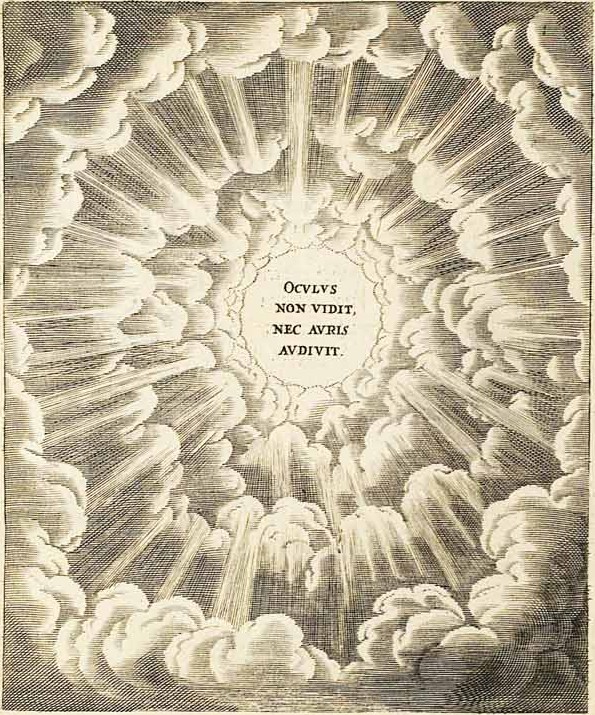 Engraving of Otto van Veen (1660), who negatively describes God as Quod oculus non vidit, nec auris audivit (Vulgate), "What no eye has seen, nor ear heard" (1 Corinthians 2:9)[35] Apostolic Age The Book of Revelation 8:1[36] mentions "the silence of the perpetual choir in heaven." According to Dan Merkur: The silence of the perpetual choir in heaven had mystical connotations, because silence attends the disappearance of plurality during experiences of mystical oneness. The term "silence" also alludes to the "still small voice" (1 Kings 19:12) whose revelation to Elijah on Mount Horeb rejected visionary imagery by affirming a negative theology.[37][note 8] |
キリスト教 オットー・ファン・フェーン(1660年)の彫刻。神を否定的に「目が見たこともなく、耳が聞いたこともないもの」(ウルガタ訳、コリントの信徒への手紙一 2:9)と表現している[35] 使徒時代 ヨハネの黙示録 8:1[36]は「天の永遠の聖歌隊の沈黙」について言及している。ダン・マーカーによれば: 天における永遠の聖歌隊の沈黙は神秘的な含意を持っていた。なぜなら沈黙は神秘的な一体感を体験する際に多様性が消え去る状態を伴うからだ。「沈黙」とい う用語はまた「微かなささやき」(列王記上19:12)を暗示している。ホレブ山でエリヤに示されたこの啓示は、否定的神学を肯定することで幻視的イメー ジを拒絶したのである。[37][注8] |
| Early Church Fathers The Early Church Fathers were influenced by Philo[4] (c. 25 BC – 50 AD), who saw Moses as "the model of human virtue and Sinai as the archetype of man's ascent into the 'luminous darkness' of God."[38] His interpretation of Moses was followed by Clement of Alexandria, Origen, the Cappadocian Fathers, Pseudo-Dionysius, and Maximus the Confessor.[39][40][5][41] God's appearance to Moses in the burning bush was often elaborated on by the Early Church Fathers,[39] especially Gregory of Nyssa (c. 335 – 395),[40][5][41] realizing the fundamental unknowability of God;[39][42] an exegesis which continued in the medieval mystical tradition.[43] Their response is that, although God is unknowable, Jesus as person can be followed, since "following Christ is the human way of seeing God."[44] Clement of Alexandria (c. 150 – 215) was an early proponent of apophatic theology.[45][5] Clement holds that God is unknowable, although God's unknowability, concerns only his essence, not his energies, or powers.[45] According to R.A. Baker, in Clement's writings the term theoria develops further from a mere intellectual "seeing" toward a spiritual form of contemplation.[46] Clement's apophatic theology or philosophy is closely related to this kind of theoria and the "mystic vision of the soul."[46] For Clement, God is transcendent and immanent.[47] According to Baker, Clement's apophaticism is mainly driven not by Biblical texts, but by the Platonic tradition.[48] His conception of an ineffable God is a synthesis of Plato and Philo, as seen from a Biblical perspective.[49] According to Osborne, it is a synthesis in a Biblical framework; according to Baker, while the Platonic tradition accounts for the negative approach, the Biblical tradition accounts for the positive approach.[50] Theoria and abstraction is the means to conceive of this ineffable God; it is preceded by dispassion.[51] According to Tertullian (c. 155 – c. 240): [T]hat which is infinite is known only to itself. This it is which gives some notion of God, while yet beyond all our conceptions – our very incapacity of fully grasping Him affords us the idea of what He really is. He is presented to our minds in His transcendent greatness, as at once known and unknown.[52] Saint Cyril of Jerusalem (313–386), in his Catechetical Homilies, states: For we explain not what God is but candidly confess that we have not exact knowledge concerning Him. For in what concerns God to confess our ignorance is the best knowledge.[53] 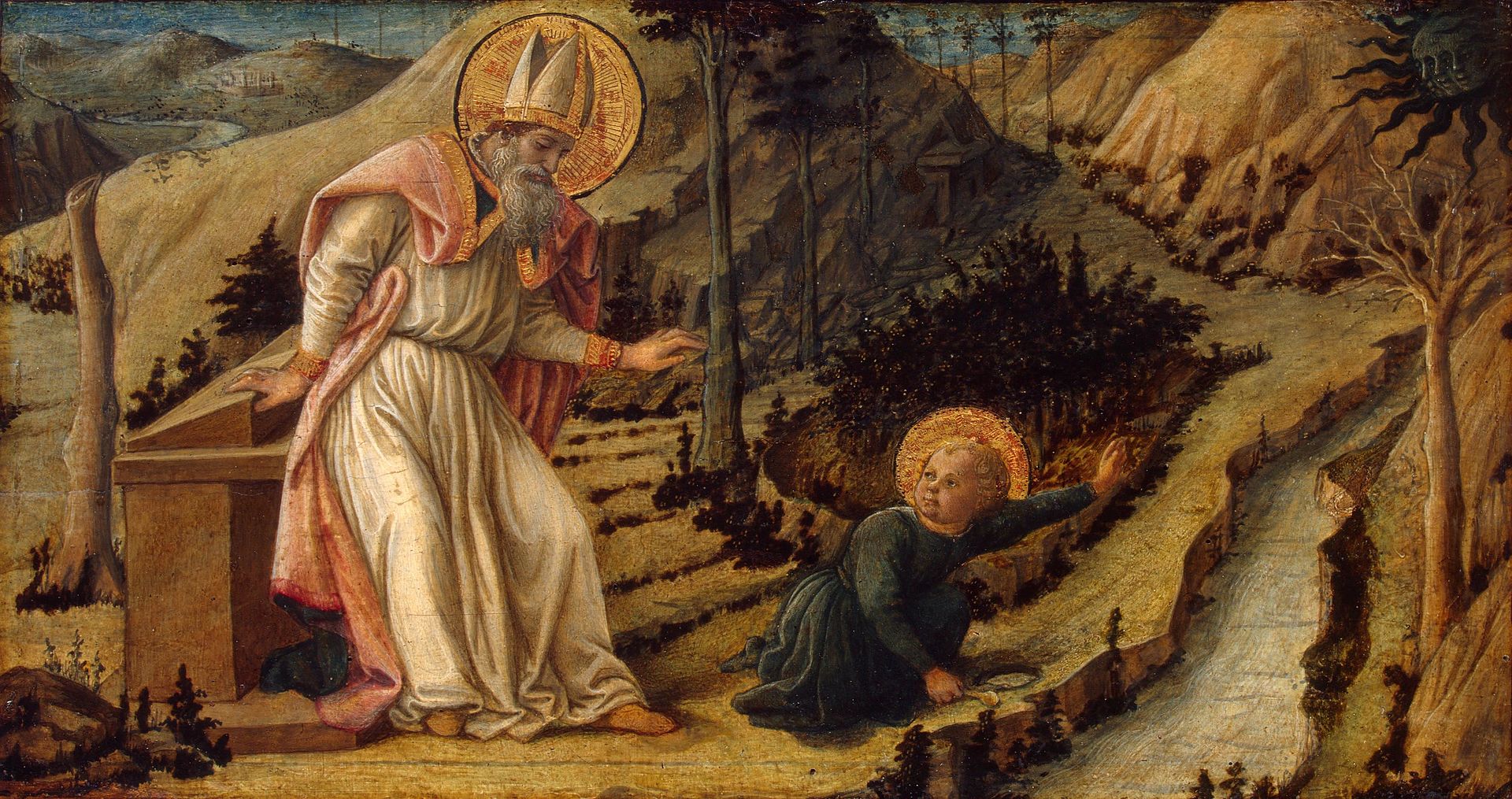 Filippo Lippi, Vision of St. Augustine, c. 1465, tempera, Hermitage Museum, Saint Petersburg Augustine of Hippo (354–430) defined God aliud, aliud valde, meaning 'other, completely other', in Confessions 7.10.16,[54] wrote Si [enim] comprehendis, non est Deus,[55] meaning 'if you understand [something], it is not God', in Sermo 117.3.5[56] (PL 38, 663),[57][58] and a famous legend tells that, while walking along the Mediterranean shoreline meditating on the mystery of the Trinity, he met a child who with a seashell (or a little pail) was trying to pour the whole sea into a small hole dug in the sand. Augustine told him that it was impossible to enclose the immensity of the sea in such a small opening, and the child replied that it was equally impossible to try to understand the infinity of God within the limited confines of the human mind.[59][60][61] |
初期教父たち 初期教父たちはフィロン[4](紀元前25年頃 - 紀元50年)の影響を受けた。彼はモーセを「人間の美徳の模範」とし、シナイ山を「神という『光り輝く闇』への人間の昇華の原型」と見なした。[38] このモーセ解釈はアレクサンドリアのクレメント、オリゲネス、カッパドキアの教父たち、偽ディオニュシオス、マキシモス・コンフェッサーらに継承された。 [39][40][5][41] 燃える荊棘における神のモーセへの顕現は、初期教父たちによってしばしば詳述された[39]。特にニッサのグレゴリオス(約335年 – 395年)[40][5][41]は、神の本質的な不可知性を認識した[39][42]。この解釈は中世神秘主義の伝統において継続された。[43] 彼らの応答は、神は知ることができないが、イエスという人格は従うことができるというものである。なぜなら「キリストに従うことは、人間が神を見る方法で ある」からである。[44] アレクサンドリアのクレメンス(約150年 - 215年)は、否定神学の初期の提唱者であった。[45][5] クレメンスは、神は知ることができないと主張する。ただし、神の知ることの不可は、その本質のみに関わるものであり、その作用や力には関与しない。 [45] R.A.ベイカーによれば、クレメンスの著作において「テオリア」という用語は、単なる知的な「見る」ことから、霊的な形の観想へとさらに発展していく。 クレメンスの否定神学あるいは哲学は、この種のテオリアと「魂の神秘的観想」と密接に関連している。クレメンスにとって神は超越的でありながら内在的であ る。ベイカーによれば、クレメンスの否定神学は主に聖書本文ではなくプラトン主義の伝統に駆動されている。彼の不可言の神の概念は、聖書的視点から見たプ ラトンとフィロの統合である。[49] オスボーンによれば、これは聖書的枠組み内での統合であり、ベイカーによれば、プラトン的伝統が否定的アプローチを、聖書的伝統が肯定的アプローチを説明 している。[50] テオリアと抽象化は、この不可言の神を構想する手段であり、その前段階として無情が存在する。[51] テルトゥリアヌス(約155年 - 約240年)によれば: 無限なるものは、それ自身にのみ知られる。これこそが神について何らかの概念を与えるものであり、同時にあらゆる我々の概念を超越している。すなわち、我 々が神を完全に把握できないという不可能性そのものが、神が真に何者であるかの観念を我々に与えるのである。神は超越的な偉大さをもって我々の心に提示さ れ、同時に知られつつも知られざるものとして現れる。[52] エルサレムの聖キリコ(313–386)は『教理説教』において次のように述べている: 我々は神が何であるかを説明するのではなく、神に関する正確な知識を持たないことを率直に認める。神に関わる事柄において、我々の無知を認めることが最良の知識だからだ。[53] フィリッポ・リッピ作『聖アウグスティヌスの幻視』、1465年頃、テンペラ画、エルミタージュ美術館(サンクトペテルブルク)所蔵 ヒッポのアウグスティヌス(354–430)は『告白録』7.10.16で神を「aliud, aliud valde」(異質なるもの、全く異質なるもの)と定義した[54]。また『説教集』117.3.5で「もし理解できるなら、それは神ではない」と記して いる[55]。[56](PL 38, 663)[57][58]。有名な伝説によれば、彼は地中海の海岸を歩きながら三位一体の神秘について思索していたところ、貝殻(あるいは小さなバケツ) で砂に掘った小さな穴に海全体を注ぎ込もうとしている子供に出会ったという。アウグスティヌスは、海の広大さをそんな小さな穴に閉じ込めるのは不可能だと 告げた。すると子供は、人間の限られた知性で神の無限を理解しようとするのも同様に不可能だと答えたという。[59][60][61] |
| The Chalcedonian Christological dogma See also: Kenosis and eternal super-kenosis The Christological dogma, formulated by the Fourth Ecumenical Council held in Chalcedon in 451, is based on dyophysitism and hypostatic union, concepts used to describe the union of humanity and divinity in a single hypostasis, or individual existence, that of Jesus Christ. This remains transcendent to mankind's rational categories, a mystery which has to be guarded by apophatic language, as it is a personal union of a singularly unique kind.[62] Pseudo-Dionysius the Areopagite Apophatic theology found its most influential expression in the works of Pseudo-Dionysius the Areopagite (late 5th to early 6th century), a student of Proclus (412–485) who combined a Christian worldview with Neo-Platonic ideas.[63] He is a constant factor in the contemplative tradition of the eastern Orthodox Churches, and from the 9th century onwards his writings also had a strong impact on western mysticism.[64] Dionysius the Areopagite was a pseudonym, taken from Acts of the Apostles chapter 17, in which Paul gives a missionary speech to the court of the Areopagus in Athens.[65] In Acts 17:23[66] Paul makes a reference to an altar-inscription, dedicated to the Unknown God, "a safety measure honoring foreign gods still unknown to the Hellenistic world."[65] For Paul, Jesus Christ is this unknown God, and as a result of Paul's speech Dionysius the Areopagite converts to Christianity.[67] Yet, according to Stang, for Pseudo-Dionysius the Areopagite Athens is also the place of Neo-Platonic wisdom, and the term "unknown God" is a reversal of Paul's preaching toward an integration of Christianity with Neo-Platonism, and the union with the "unknown God."[67] Pseudo-Dionysius further explored apophasis within the context of Christian Philosophy, to him, that which is the transcendent cause in a stricter sense, does not possess all the positive attributes of the universe as it succeeds them all, wherein there ought to be no contradiction between affirmation and denial of such inasmuch as it precedes and surpasses all deprivation, being wholly beyond all positive (kataphic) and negative distinctions.[68] In this sense, the One, that we may arise by unknowing is the realization that none can fully know the Infinite One, and therefore is only to be approached by agnosia or by that which is beyond and above all knowledge.[69] According to Corrigan and Harrington, "Dionysius' central concern is how a triune God [...] who is utterly unknowable, unrestricted being, beyond individual substances, beyond even goodness, can become manifest to, in, and through the whole of creation in order to bring back all things to the hidden darkness of their source."[70] Drawing on Neo-Platonism, Pseudo-Dionysius described human ascent to divinity as a process of purgation, illumination and union.[64] Another Neo-Platonic influence was his description of the cosmos as a series of hierarchies, which overcome the distance between God and humans.[64] |
カルケドン公会議のキリスト論的教義 関連項目:ケノーシスと永遠の超ケノーシス 451年にカルケドンで開催された第四回公会議で定められたキリスト論的教義は、二性論と実体的合一を基盤とする。これらはイエス・キリストという単一の 実体、すなわち個別の存在における人間性と神性の結合を説明する概念である。これは人類の理性的範疇を超越したものであり、唯一無二の個人的結合であるた め、否定神学的な言語によって守られなければならない神秘である。[62] アレオパゴスのディオニュシオス(偽名) 否定神学は、プロクロス(412–485)の弟子であり、キリスト教的世界観と新プラトン主義思想を融合させたアレオパゴスのディオニュシオス(偽名) (5世紀末~6世紀初頭)の著作において、最も影響力のある表現を見出した。[63] 彼は東方正教会の観想的伝統において常に重要な存在であり、9世紀以降、その著作は西洋神秘主義にも強い影響を与えた。[64] アレオパゴスのディオニュシオスは偽名であり、使徒言行録第17章に由来する。この章ではパウロがアテネのアレオパゴス法廷で宣教演説を行っている。 [65] 使徒言行録17章23節[66]でパウロは「未知の神」に捧げられた祭壇の碑文に言及している。これは「ヘレニズム世界にまだ知られていない異国の神々を 敬う安全策」であった[65]。パウロにとってイエス・キリストこそがこの未知の神であり、パウロの説教の結果、アレオパゴスのディオニュシオスはキリス ト教に改宗した。[67] しかし、スタンガによれば、偽ディオニュシオス・アレオパゴスにとってアテネは新プラトン主義の知恵の場所でもあり、「未知の神」という用語は、キリスト 教と新プラトン主義の統合、そして「未知の神」との合一へ向けたパウロの説教の逆転である。[67] 偽ディオニュシオスはさらにキリスト教哲学の文脈でアポファシス(否定による神論)を探求した。彼にとって、より厳密な意味での超越的因は、宇宙のあらゆ る肯定的属性を持つのではなく、それら全てを包含するものである。ゆえに、あらゆる欠如に先行し超越する存在として、肯定と否定の間に矛盾は存在し得ず、 あらゆる肯定的(カタフィック)及び否定的区別を完全に超越している。[68] この意味で、我々が「知らざる」ことによって到達し得る「一者」とは、無限なる一者を完全に知ることは誰にも不可能であるという認識であり、ゆえにそれは 無知(アグノシア)によって、あるいはあらゆる知識を超越し超越するそれによってのみ接近し得るものである。[69] コリガンとハリントンによれば、「ディオニュシオスの中心的な関心は、三一なる神が [...] 完全に知られざる、制限のない存在であり、個々の実体を超え、善さえも超えているにもかかわらず、いかにして全被造物において、全被造物を通して、全被造 物に現れ、すべてのものをその源である隠された闇へと戻すことができるか、という点にある」 [70] 偽ディオニュシオスは新プラトン主義に依拠し、人間が神性に至る過程を「浄化」「啓示」「合一」の段階として描いた[64]。また宇宙を神と人間の隔たり を克服する階層構造の連鎖として描写した点も新プラトン主義の影響である[64]。 |
| Eastern Orthodox Christianity Main article: Eastern Orthodox Church In Orthodox Christianity, apophatic theology is taught as superior to cataphatic theology. The fourth-century Cappadocian Fathers[note 9] stated a belief in the existence of God, but an existence unlike that of everything else: everything else that exists was created, but the Creator transcends this existence, is uncreated. The essence of God is completely unknowable; mankind can acquire an incomplete knowledge of God in his attributes (propria), positive and negative, by reflecting upon and participating in his self-revelatory operations (energeiai).[72] Gregory of Nyssa (c. 335 – c. 395), John Chrysostom (c. 349–407), and Basil the Great (329–379) emphasized the importance of negative theology to an orthodox understanding of God. John of Damascus (c. 675/676–749) employed negative theology when he wrote that positive statements about God reveal "not the nature, but the things around the nature." Maximus the Confessor (580–622) took over Pseudo-Dionysius' ideas, and had a strong influence on the theology and contemplative practices of the Eastern Orthodox Churches.[63] Gregory Palamas (1296–1359) formulated the definite theology of Hesychasm, the Eastern Orthodox practices of contemplative prayer and theosis, "deification." Influential 20th-century Orthodox theologians include the Neo-Palamist writers Vladimir Lossky, John Meyendorff, John S. Romanides, and Georges Florovsky. Lossky argues, based on his reading of Dionysius and Maximus Confessor, that positive theology is always inferior to negative theology, which is a step along the way to the superior knowledge attained by negation.[73] This is expressed in the idea that mysticism is the expression of dogmatic theology par excellence.[74] According to Lossky, outside of directly revealed knowledge through Scripture and Sacred Tradition, such as the Trinitarian nature of God, God in his essence is beyond the limits of what human beings (or even angels) can understand. He is transcendent in essence (ousia). Further knowledge must be sought in a direct experience of God or his indestructible energies through theoria (vision of God).[75][76] According to Aristotle Papanikolaou, in Eastern Christianity, God is immanent in his hypostasis or existences.[77] |
東方正教会 メイン記事: 東方正教会 正教会において、否定神学は肯定神学より優れていると教えられる。4世紀のカッパドキアの教父たち[注9]は、神の存在を信じるが、その存在は他のあらゆ るものとは異なると述べた。存在する他のあらゆるものは創造されたが、創造主はこの存在を超越し、非創造である。神の本質は完全に知ることができない。人 類は神の属性(プロプリア)について、肯定的・否定的な両面から不完全な知識を得ることができる。それは神の自己啓示的働き(エネルゲイアイ)を考察し、 それに参与することによって達成される。[72] ニッサのグレゴリオス(約335年 - 約395年)、金口ヨハネ(約349年 - 407年)、大バシレイオス(329年 - 379年)は、正統的な神理解において否定的神学の重要性を強調した。ダマスコのヨハネス(675/676年頃–749年)は、神に関する肯定的記述は 「本質そのものではなく、本質を取り巻く事柄」を明らかにすると記し、否定的神学を用いた。 マキシモス・コンフェッサー(580–622)は偽ディオニュシウスの思想を受け継ぎ、東方正教会の神学と観想的実践に強い影響を与えた[63]。グレゴ リオス・パラマス(1296–1359)は、東方正教会の観想的祈りと神化(「神化」)の実践であるヘシカズムの明確な神学を体系化した。 20世紀の有力な正教会神学者には、新パラマス派の作家であるウラジーミル・ロスキー、ジョン・メイエンドルフ、ジョン・S・ロマニデス、ジョルジュ・フ ロロフスキーらがいる。ロスキーはディオニュシオスとマクシムス・コンフェッサーの解釈に基づき、肯定神学は常に否定神学に劣ると主張する。否定神学は否 定によって到達する優れた知識への道程の一歩である。[73] これは神秘主義が教義神学の究極的表現であるという考えに表れている。[74] ロスキーによれば、聖書と聖伝を通じて直接啓示された知識(例えば神の三位一体的性質)を除けば、神の本質は人間(あるいは天使でさえ)が理解できる限界 を超越している。神は本質(ウーシア)において超越的である。さらなる知識は、神そのもの、あるいは神の見えざる力(エネルギー)を、神観(テオリア)を 通じて直接体験することによって求められねばならない。[75][76] アリストテレス・パパニコラウによれば、東方キリスト教において神は、その実体(ヒュポスタシス)あるいは存在において内在的である。[77] |
Western Christianity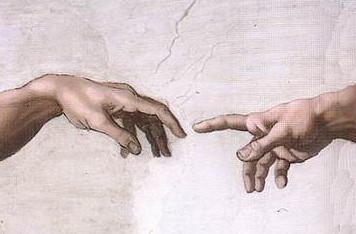 In The Creation of Adam painted by Michelangelo (c. 1508–1512), the two index fingers are separated by a small gap (3⁄4 inch (1.9 cm)):[78] some scholars think that it represents the unattainability of divine perfection by man.[79] Negative theology has a place in the Western Christian tradition as well. The 9th-century theologian John Scotus Erigena wrote: We do not know what God is. God Himself does not know what He is because He is not anything [i.e., "not any created thing"]. Literally God is not, because He transcends being.[80] When he says "He is not anything" and "God is not", Scotus does not mean that there is no God, but that God cannot be said to exist in the way that creation exists, i.e. that God is uncreated. He is using apophatic language to emphasise that God is "other".[81] Theologians like Meister Eckhart and John of the Cross exemplify some aspects of or tendencies towards the apophatic tradition in the West. The medieval work, The Cloud of Unknowing and John of the Cross' Dark Night of the Soul are particularly well known. In 1215 apophatism became the official position of the Catholic Church, which, on the basis of Scripture and church tradition, during the Fourth Lateran Council formulated the following dogma: Between Creator and creature no similitude can be expressed without implying an even greater dissimilitude.[82][83][84] The via eminentiae Main article: Analogia entis See also: Credo ut intelligam and Fides et ratio Thomas Aquinas was born ten years later (1225–1274) and, although in his Summa Theologiae he quotes Pseudo-Dionysius 1,760 times,[85] stating that "Now, because we cannot know what God is, but rather what He is not, we have no means for considering how God is, but rather how He is not"[86][87] and leaving the work unfinished because it was "like straw" compared to what had been revealed to him,[88] his reading in a neo-Aristotelian key[89] of the conciliar declaration overthrew its meaning inaugurating the "analogical way" as tertium between via negativa and via positiva: the via eminentiae.[clarification needed] In this way, the believers see what attributes are common between them and God, as well as the unique, not human, properly divine and not understandable way in respect of which God possesses that attributes.[90] According to Adrian Langdon: The distinction between univocal, equivocal, and analogous language and relations corresponds to the distinction between the via positiva, via negativa, and via eminentiae. In Thomas Aquinas, for example, the via positiva undergirds the discussion of univocity, the via negativa the equivocal, and the via eminentiae the final defense of analogy.[91] According to Catholic Encyclopedia, the Doctor Angelicus and the scholastici declare that: God is not absolutely unknowable, and yet it is true that we cannot define Him adequately. But we can conceive and name Him in an "analogical way". The perfections manifested by creatures are in God, not merely nominally (equivoce) but really and positively, since He is their source. Yet, they are not in Him as they are in the creature, with a mere difference of degree, nor even with a mere specific or generic difference (univoce), for there is no common concept including the finite and the Infinite. They are really in Him in a supereminent manner (eminenter) which is wholly incommensurable with their mode of being in creatures. We can conceive and express these perfections only by an analogy; not by an analogy of proportion, for this analogy rests on a participation in a common concept, and, as already said, there is no element common to the finite and the Infinite; but by an analogy of proportionality.[92] Since then Thomism has played a decisive role in resizing the negative or apophatic tradition of the magisterium.[93][94] |
西洋キリスト教 ミケランジェロが描いた『アダムの創造』(1508年頃~1512年頃)では、両手の親指の間にわずかな隙間(3/4インチ(1.9センチ))がある[78]。一部の学者は、これが人間が神の完全性に到達できないことを表していると考えている。[79] 否定神学は西洋キリスト教の伝統においても位置づけられている。9世紀の神学者ヨハネス・スコトゥス・エリゲナはこう記した: 我々は神が何であるかを知らない。神自身もご自身が何であるかを知らない。なぜなら神は何でもないからだ[すなわち「いかなる被造物でもない」]。文字通り神は存在しない。なぜなら神は存在を超越しているからだ。[80] スコトゥスが「神は何ものでもない」「神は存在しない」と言う時、神が存在しないという意味ではない。創造物が存在するのと同じ方法で神が存在するとは言 えない、つまり神は被造物ではないという意味だ。彼は否定神学の言語を用いて、神が「他者」であることを強調しているのだ。[81] マイスター・エックハルトや十字架のヨハネのような神学者たちは、西洋における否定神学の伝統の一側面や傾向を体現している。中世の著作『無知の雲』と十 字架のヨハネの『魂の暗夜』は特に有名である。1215年、否定神学はカトリック教会の公式見解となった。第四ラテラノ公会議において、聖書と教会の伝統 に基づき、以下の教義が定められた: 創造主と被造物との間には、より大きな相違を暗示せずに表現できる類似性は存在しない。[82][83][84] 顕彰の道 詳細記事: 存在類比 関連項目: 信仰による理解と信仰と理性 トマス・アクィナスは10年後に生まれた(1225–1274)。彼は『神学大全』において偽ディオニュシオスを1,760回引用しているが[85]、 「我々は神が何であるかを知ることはできず、むしろ神が何でないかを知るだけである。ゆえに神が如何なるものであるかを考察する手段はなく、むしろ如何な るものではないかを考察する手段がある」[86]と述べている。[87] 彼はこの著作を未完のまま残した。それは彼に啓示されたものとは比べものにならない「わらのようなもの」だったからである[88]。しかし彼が新アリスト テレス主義的解釈[89]で公会議宣言を読み解いたことで、その意味は覆された。こうして「類比的道」が、否定の道と肯定の道の中間として「第三の道」 ——卓越の道——として確立されたのである。[説明が必要] このようにして、信者は自分たちと神との間に共通する属性、そして神がその属性を持つという点において、人間的ではなく、唯一無二の、神に固有の、理解不 可能な方法を認識する。[90] エイドリアン・ラングドンによれば: 一義的・多義的・類比的言語と関係の区別は、肯定的道・否定的道・卓越の道の区別に対応する。例えばトマス・アクィナスにおいて、肯定的道は一義性の議論を支え、否定的道は多義性を支え、卓越の道は類比の最終的擁護を支える。[91] カトリック百科事典によれば、天使の博士とスコラ学派は次のように宣言している: 神は絶対的に不可知ではない。しかし我々が神を十分に定義できないのは事実である。だが我々は「類比的な方法」で神を概念化し命名できる。被造物が示す完 全性は、神の中に存在する。それは単なる名称上の(多義的)存在ではなく、真に実在的かつ肯定的な存在である。なぜなら神はそれらの源だからだ。しかしそ れらは、被造物におけるのと同じ程度差、あるいは単なる種差・属差(同義的)で神に存在するのではない。有限と無限を包含する共通概念は存在しないから だ。それらは被造物における存在様式とは全く共約不可能な、卓越した(eminenter)方法で神に実在する。我々はこれらの完全性を類推によってのみ 概念化し表現できる。比例の類推ではなく、この類推は共通概念への参与に基づくが、既に述べたように有限と無限に共通する要素は存在しない。比例性の類推 によってである。[92] それゆえトマス主義は、教導権の否定的あるいは否定神学的伝統を再構築する上で決定的な役割を果たしてきた。[93] [94] |
20th century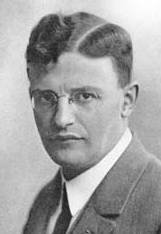 Herman Dooyeweerd Apophatic statements are still crucial to many modern theologians, restarting in the 1800s by Søren Kierkegaard (see his concept of the infinite qualitative distinction)[95][96] up to Rudolf Otto, Karl Barth (see their idea of "Wholly Other", i.e. ganz Andere or totaliter aliter),[97][98][99] the Ludwig Wittgenstein of the Tractatus, and Martin Heidegger after his Kehre.[100][101] C. S. Lewis, in his book Miracles (1947), advocates the use of negative theology when first thinking about God, in order to cleanse one's mind of misconceptions. He goes on to advocate refilling the mind with the truth about God, untainted by mythology, bad analogies or false mind-pictures.[102] The mid-20th century Dutch philosopher Herman Dooyeweerd, who is often associated with a neo-Calvinistic tradition, provides a philosophical foundation for understanding the impossibility of absolutely knowing God, and yet the possibility of truly knowing something of God.[103] Dooyeweerd made a sharp distinction between theoretical and pre-theoretical attitudes of thought. He argues that most of the discussion of knowledge of God presupposes theoretical knowledge, which involves reflection and attempts to define and discuss. Theoretical knowing, for Dooyeweerd, is never absolute, always depends on religious presuppositions, and cannot grasp either God or the law side. Pre-theoretical knowing, on the other hand, is intimate engagement, exhibits a diverse range of aspects, and can grasp at least the law side. According to Dooyeweerd, knowledge of God, as God wishes to reveal it, is pre-theoretical, immediate and intuitive, never theoretical in nature.[104][105] The philosopher Leo Strauss considered that the Bible, for example, should be treated as pre-theoretical (everyday) rather than theoretical in what it contains.[106] Ivan Illich (1926–2002), the historian and social critic, can be read as an apophatic theologian, according to a longtime collaborator, Lee Hoinacki, in a paper presented in memory of Illich, called "Why Philia?".[107] 21st century Karen Armstrong, in her book The Case for God (2009), notices a recovery of apophatic theology in postmodern theology.[108] Philosopher and literary scholar William Franke, particularly in his 2007 two-volume collection On What Cannot Be Said and his 2014 monograph A Philosophy of the Unsayable, puts forth that negative theology's exploration and performance of language's limitations is not simply one current among many in religious thought, but is "a kind of perennial counter-philosophy to the philosophy of Logos" that persistently challenges central tenets of Western thought throughout its history. For Franke, literature demonstrates the "infinitely open" nature of language which negative theology and related forms of philosophical thought seek to draw attention to. Franke therefore argues that literature, philosophy, and theology begin to bleed into one another as they approach what he frames as the "apophatic" side of Western thought.[109] |
20世紀 ハーマン・ドゥイウェルト 否定的な表現は、1800年代にセーレン・キルケゴール(彼の無限の質的区別という概念を参照)[95][96] から始まり、ルドルフ・オットー、カール・バルト(「完全なる他者」、すなわち ganz Andere または totaliter aliter の概念を参照)、 [97][98][99] 『論理哲学論考』のルートヴィヒ・ウィトゲンシュタイン、そして「回帰」後のマーティン・ハイデガーに至るまで、現代の神学者たちにとって依然として重要 である。[101] C. S. ルイスは、著書『奇跡』(1947年)の中で、神について最初に考える際には、誤解を頭から取り除くために、否定神学を使うことを提唱している。彼はさら に、神話や誤った類推、誤ったイメージに汚染されていない、神についての真実で頭を満たすことを提唱している。[102] 20世紀半ばのオランダの哲学者、ハーマン・ドゥイウェルトは、新カルヴァン主義の伝統と関連付けられることが多いが、神を絶対的に知ることは不可能であ るにもかかわらず、神について何かを真に知ることは可能だという理解の哲学的基礎を提供している[103]。ドゥイウェルトは、理論的思考と理論以前の思 考を明確に区別した。彼は、神に関する知識の議論の大半が、省察や定義・議論の試みを伴う理論的知識を前提としていると主張する。ドゥイウェルトにとって 理論的知は決して絶対的ではなく、常に宗教的前提に依存し、神も法側も把握できない。一方、理論以前の知は親密な関わりであり、多様な側面を示し、少なく とも法側を把握し得る。ドゥイヴェルトによれば、神が啓示を望む形の神への認識は、理論的ではなく、直観的で即時的な前理論的認識である[104] [105]。哲学者レオ・シュトラウスは、例えば聖書の内容を理論的ではなく前理論的(日常的)なものとして扱うべきだと考えた。[106] 歴史家であり社会評論家であるイヴァン・イリイチ(1926年~2002年)は、長年の協力者であるリー・ホイナッキが、イリイチを偲んで発表した論文「なぜフィリアなのか?」の中で、否定神学的な神学者として読むことができると述べている。[107] 21 世紀 カレン・アームストロングは、著書『The Case for God』(2009 年)の中で、ポストモダン神学における否定神学の復活に注目している。[108] 哲学者であり文学者でもあるウィリアム・フランケは、特に2007年の2巻からなる著作『On What Cannot Be Said』と2014年の単行本『A Philosophy of the Unsayable』の中で、否定神学による言語の限界の探求と表現は、宗教思想における多くの潮流の一つにすぎないのではなく、 むしろ「ロゴス哲学に対する一種の恒久的な対抗哲学」であり、西洋思想の歴史を通じてその核心的主張に絶えず挑戦してきたものであると論じている。フラン ケによれば、文学は言語の「無限に開かれた」性質を実証するものであり、否定神学や関連する哲学的思考形態が注目を促そうとする対象である。したがってフ ランケは、文学・哲学・神学が西洋思想の「否定神学的側面」に接近するにつれ、相互に浸透し始めることを主張する[109]。 |
| Islam Further information: Tafwid Various traditions and schools in Islam (see Islamic schools and branches) draw on sundry theologies in approaching God in Islam (Allah, Arabic الله) or the ultimate reality. "Negative theology" involves the use of تَعْطِيل, ta'tīl, defined as 'setting aside', 'canceling out', 'negation', or 'nullification'.[110] The followers of the Mu'tazili school of Kalam, the spread of which is often attributed to Wasil ibn Ata, are often called the Mu'aṭṭilah ('cancelers' or 'negators'), a description, sometimes employed derogatorily, deriving from the school's descriptions of the Islamic God.[111] Rajab ʿAlī Tabrīzī, an Iranian and Shi'ite philosopher and mystic of the 17th century, is credited with instilling an apophatic theology in a generation of philosophers and theologians whose influence extended into the Qajar period.[112] Mulla Rajab affirmed the completely unknowable, unqualifiable, and attributeless nature of God and upheld a general view concerning God's attributes which can only be negatively 'affirmed' (that is, by affirmingly negating all that is not God about God).[112] Shia Islam largely adopts "negative theology".[note 10][113] In the words of the Persian Ismaili missionary, Abu Yaqub al-Sijistani: "There does not exist a tanzíh ["transcendence"] more brilliant and more splendid than that by which we establish the absolute transcendence of our Originator through the use of these phrases in which a negative and a negative of a negative apply to the thing denied."[114] Literalists completely reject and condemn any negation that would clash with the wording of the Islamic Scriptures or with the narratives ascribed to the Islamic Prophet. They therefore hold that descriptors and qualifiers that occur in the Qur'ān and in the canonized religious traditions, even if seeming or sounding humanlike such as "hand", "finger, or "foot", are to be wholly affirmed as attributes of God (not limbs).[115] Many Sunnites, like the Ash'aris and Maturidis, adhere to some middle path or synthesis between negation and anthropomorphism, though the kind of each combination of negation and affirmation varies greatly.[115] |
イスラム教 詳細情報: タフウィド イスラム教における様々な伝統や学派(イスラム教の学派と分派を参照)は、神(アッラー、アラビア語で الله)または究極の現実への接近において、多様な神学を参照している。「否定的神学」は、تَعْطِيل(タアティール)の使用を含む。これは「脇 に置くこと」「無効化」「否定」「無効化」と定義される。[110] ワシル・イブン・アタにその普及が帰せられることが多い、カラーム学派のムウタズィラ派の信奉者は、しばしばムアッティラ(「取消者」または「否定者」) と呼ばれる。この呼称は、同学派のイスラムの神に関する記述に由来し、時に蔑称として用いられる。[111] 17世紀のイラン人シーア派哲学者・神秘主義者ラジャブ・アリー・タブリージーは、否定神学を哲学者・神学者たちに浸透させ、その影響はカーザーール朝時 代まで及んだとされる。[112] ムラ・ラジャブは、神の完全なる不可知性・不可定性・無属性性を断言し、神の属性に関する一般的な見解として、否定的にのみ「肯定」できる(すなわち、神 について神でない全てのものを肯定的に否定することによってのみ可能である)という立場を堅持した。[112] シーア派イスラム教は主に「否定神学」を採用している。[注10] [113] ペルシャ人イスマーイール派宣教師アブー・ヤクブ・アル=シジスターニーの言葉によれば:「我々が創造主の絶対的超越性を確立するために用いるこれらの表 現——否定と二重否定が否定対象に適用される表現——によって示される超越性(タンジーフ)ほど、輝かしく壮麗なものは存在しない」[114] 文字主義者は、イスラム聖典の文言や預言者に帰せられる伝承と矛盾する否定を完全に拒絶し非難する。したがって彼らは、クルアーンや正統化された宗教的伝 承に現れる「手」「指」「足」といった人間的な響きを持つ記述や修飾語でさえ、神の属性(肢体ではない)として完全に肯定されるべきだと主張する。 [115] アッシャーリー派やマトゥリーディー派のような多くのスンニ派は、否定と擬人化の中間的な立場、あるいは両者の統合を採っている。ただし、否定と肯定の組み合わせの形態は大きく異なる。[115] |
| Judaism See also: Tzimtzum § Inherent paradox, Divine simplicity § Jewish thought, and Free will in theology § The paradox of free will 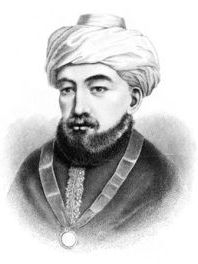 Maimonides, 1138–1204 AD Maimonides (1135/1138–1204) was "the most influential medieval Jewish exponent of the via negativa."[3] Maimonides – along with Samuel ibn Tibbon – draws on Bahya ibn Paquda,[citation needed] who shows that our inability to describe God is related to the fact of his absolute unity. God, as the entity which is "truly One" (האחד האמת), must be free of properties and is thus unlike anything else and indescribable.[citation needed] In The Guide for the Perplexed, Maimonides states: God's existence is absolute and it includes no composition and we comprehend only the fact that He exists, not His essence. Consequently it is a false assumption to hold that He has any positive attribute [...] still less has He accidents (מקרה), which could be described by an attribute. Hence it is clear that He has no positive attribute however, the negative attributes are necessary to direct the mind to the truths which we must believe [...] When we say of this being, that it exists, we mean that its non-existence is impossible; it is living — it is not dead; [...] it is the first — its existence is not due to any cause; it has power, wisdom, and will — it is not feeble or ignorant; He is One — there are not more Gods than one [...] Every attribute predicated of God denotes either the quality of an action, or, when the attribute is intended to convey some idea of the Divine Being itself — and not of His actions — the negation of the opposite.[116] According to Rabbi Yosef Wineberg, Maimonides stated that "[God] is knowledge," and saw his essence, being, and knowledge as completely one, "a perfect unity and not a composite at all."[117] Wineberg quotes Maimonides as stating: This [form of unity] wherein G‑d's knowledge and so on is one with G‑d Himself is beyond the capacity of the mouth to express, beyond the capacity of the ear to hear, and beyond the capacity of the heart of man to apprehend clearly.[117] According to Fagenblat, it is only in the modern period that negative theology really gains importance in Jewish thought.[3] Yeshayahu Leibowitz (1903–1994) was a prominent modern exponent of Jewish negative theology.[118] According to Leibowitz, a person's faith is their commitment to obey God, meaning God's commandments, and this has nothing to do with a person's image of God. This must be so because Leibowitz thought that God cannot be described, that God's understanding is not man's understanding, and thus all the questions asked of God are out of place.[119] Jacques Derrida The work of Jewish philosopher Jacques Derrida, and in particular his critical method called deconstruction, has frequently been compared to negative theology, and led to renewed interest in apophaticism in the late 20th century, even among continental philosophers and literary scholars who may not have otherwise have been particularly invested in theological issues.[120] Conversely, the perception that deconstruction resembled or essentially was a form of secular negative theology also – according to Derrida himself – took the form of an accusation from his critics, implicitly positing both negative theology and deconstruction as being elaborate ways of saying nothing of any substance or importance. However, Derrida strongly repudiated this comparison for much of his career, arguing that any resemblance between his thought and apophaticism is purely superficial. Derrida argued that the aims of negative theology – to demonstrate the ultimate, incomprehensible, transcendent reality of God – are a form of ontotheology which runs fundamentally counter to deconstruction's aim of purging Western thought of its pervasive metaphysics of presence.[121] Later in his career, such in as his essay "Sauf le nom", Derrida comes to see apophatic theology as potentially but not necessarily a means through which the intractable inadequacies of language and the ontological difficulties which proceed from them can brought to our attention and explored:[122] There is one apophasis that can in effect respond to, correspond to, correspond with the most insatiable desire of God, according to the history and the event of its manifestation or the secret of its non-manifestation. The other apophasis, the other voice, can remain readily foreign to all desire, in any case to every anthropotheomorphic form of desire.[123] Scholars such as Stephen Shakespeare have noted that – despite Derrida's pervasive concern with many aspects of Jewish theology and identity – his writing on negative theology draws almost exclusively on Christian writing and couches the topic in the language of Christianity generally. Derrida's thought in general, but in particular his later writing on negative theology, was highly influential in the development of the Weak Theology movement, and of postmodern theology as a whole.[124] David Wood and Robert Bernasconi have highlighted how Derrida explains what deconstruction is in an overwhelmingly negative, "apophatic" fashion.[125] |
ユダヤ教 関連項目:ツィムツム § 内在的パラドックス、神の単純性 § ユダヤ思想、神学における自由意志 § 自由意志のパラドックス マイモニデス、1138–1204年 マイモニデス(1135/1138–1204)は「否定の道(via negativa)を説いた中世ユダヤ思想家の中で最も影響力のある人物」であった[3]。マイモニデスはサミュエル・イブン・ティボンと共に、バヒヤ・ イブン・パクダ[出典必要]の思想を継承している。バヒヤは、我々が神を記述できないことが、神の絶対的単一性という事実と関連していることを示した。神 は「真に唯一なる者」(האחד האמת)として、いかなる属性も持たず、それゆえ他の何物とも異なり、記述不可能である[出典必要]。『迷える者のための導き』においてマイモニデスは 次のように述べている: 神の存在は絶対的であり、何ものも含まない。我々が理解できるのは神が存在する事実のみであり、その本質ではない。したがって、神に何らかの肯定的属性が あると考えるのは誤った前提である[…]ましてや、属性によって記述可能な偶有性(מקרה)など神には存在しない。よって神に肯定的属性がないことは明 らかだが、否定的な属性は、我々が信じねばならない真理へ心を導くために必要である[…] この存在について「存在する」と言うとき、我々は「その非存在は不可能である」という意味だ。それは生きている―死んでいない。[...]それは第一者で ある―その存在は原因に由来しない。力と知恵と意志を持つ―弱くも無知でもない。唯一である——神はただひとりであり、複数存在しない[...]神に帰せ られるあらゆる属性は、行為の性質を示すか、あるいは神の行為ではなく神そのものの概念を伝える場合、反対概念の否定を示すのである。[116] ラビ・ヨセフ・ワインバーグによれば、マイモニデスは「神は知識である」と述べ、神の本質・存在・知識を完全に一体のもの、すなわち「完全なる統一体であって、決して複合体ではない」と捉えた[117]。ワインバーグはマイモニデスの次の言葉を引用する: この[一体性の形態]、すなわち神の知識などが神自身と一体であるという状態は、口で表現する能力を超え、耳で聞く能力を超え、人の心が明確に把握する能力を超えている。[117] ファゲンブラットによれば、否定神学がユダヤ思想において真に重要性を帯びたのは近代になってからである[3]。イェシャヤフ・ライボヴィッツ (1903–1994)は、ユダヤ的否定神学の現代における主要な提唱者であった[118]。ライボヴィッツによれば、人の信仰とは神、すなわち神の戒め に従うという誓約であり、これは人の神像とは何の関係もない。これは必然的な帰結である。なぜならライボヴィッツは、神は記述不可能であり、神の理解は人 間の理解とは異なるため、神に対して投げかけられるあらゆる問いは場違いだと考えたからだ。[119] ジャック・デリダ ユダヤ人哲学者ジャック・デリダの著作、特に脱構築と呼ばれる批判的方法は、否定神学と頻繁に比較されてきた。これにより20世紀後半、大陸哲学や文学研 究の分野でさえ、本来なら神学的問題に特に興味を持たない学者たちの間で、アポファティズムへの関心が再燃した。[120] 逆に、脱構築が世俗的な否定的神学に似ている、あるいは本質的にその一種であるという認識も、デリダ自身によれば、批判者たちからの非難という形をとっ た。それは暗に、否定的神学と脱構築の両方が、実質的・重要なことを何も語らない精巧な方法であると位置づけるものだった。しかしデリダは、自身の思想と 否定神学の類似性は純粋に表層的なものに過ぎないと主張し、この比較をキャリアの大半において強く否定した。デリダによれば、否定神学の目的——究極的で 不可解な超越的実体としての神を実証すること——は存在神学の一形態であり、それは西洋思想に蔓延する「在るものの形而上学」を浄化しようとする脱構築の 目的と根本的に相反するものである。[121] キャリア後期、例えば『名を除いて』というエッセイにおいて、デリダは否定神学を、言語の克服しがたい不十分さと、そこから生じる存在論的困難を我々の注意に引き、探求するための手段となり得る(ただし必然ではない)ものと見なすようになる: [122] 神の現れ(あるいは現れないという秘密)の歴史と出来事によれば、神の最も飽くなき渇望に実質的に応答し、対応し、呼応しうる否定神学が一つ存在する。他 の否定神学、他の声は、あらゆる渇望、少なくともあらゆる人間神学的形態の渇望に対して、容易に異質であり続けうる。[123] スティーブン・シェイクスピアら研究者は指摘している。デリダがユダヤ神学やアイデンティティの諸側面を広く論じつつも、否定的神学に関する著作ではほぼ キリスト教文献のみを参照し、主題を概してキリスト教の言語で表現していることを。デリダの思想全般、特に後期における否定的神学論は、弱き神学運動およ びポストモダン神学全体の発展に多大な影響を与えた。[124] デイヴィッド・ウッドとロバート・ベルナスコーニは、デリダが脱構築を圧倒的に否定的な「否定神学的」手法で説明している点を強調している。[125] |
Indian parallels Adi Shankara, 788–820 AD Early Indian philosophical works which have apophatic themes include the Principal Upanishads (800 BC to the start of the common era) and the Brahma Sutras (from 450 BC and 200 AD). An expression of negative theology is found in the Brihadaranyaka Upanishad, where Brahman is described as "neti neti" or "neither this, nor that".[126] Further use of apophatic theology is found in the Brahma Sutras, which state: Whenever we deny something unreal, it is in reference to something real.[127] Buddhist philosophy has also strongly advocated the way of negation, beginning with the Buddha's own theory of anatta (not-atman, not-self) which denies any truly existent and unchanging essence of a person. Madhyamaka is a Buddhist philosophical school founded by Nagarjuna (2nd–3rd century AD), which is based on a four-fold negation of all assertions and concepts and promotes the theory of emptiness (shunyata). Apophatic assertions are also an important feature of Mahayana sutras, especially the prajñaparamita genre. These currents of negative theology are visible in all forms of Buddhism. Apophatic movements in medieval Hindu philosophy are visible in the works of Shankara (8th century), a philosopher of Advaita Vedanta (non-dualism), and Bhartṛhari (5th century), a grammarian. While Shankara holds that the transcendent noumenon, Brahman, is realized by the means of negation of every phenomenon including language, Bhartṛhari theorizes that language has both phenomenal and noumenal dimensions, the latter of which manifests Brahman.[128] In Advaita, Brahman is defined as being Nirguna or without qualities. Anything imaginable or conceivable is not deemed to be the ultimate reality.[129] The Taittiriya hymn speaks of Brahman as "one where the mind does not reach". Yet the Hindu scriptures often speak of Brahman's positive aspect. For instance, Brahman is often equated with bliss. These contradictory descriptions of Brahman are used to show that the attributes of Brahman are similar to ones experienced by mortals, but not the same. Negative theology also figures in the Buddhist and Hindu polemics. The arguments go something like this – Is Brahman an object of experience? If so, how do you convey this experience to others who have not had a similar experience? The only way possible is to relate this unique experience to common experiences while explicitly negating their sameness. |
インドにおける類似点 アディ・シャンカラ、788–820年 否定神学の主題を含む初期インド哲学著作には、主要ウパニシャッド(紀元前800年から紀元後初期)やブラフマ・スートラ(紀元前450年から紀元後200年頃)がある。 否定神学の表現はブリハダラニャカ・ウパニシャッドに見られ、そこではブラフマンが「ネティ・ネティ(これでもなく、あれでもない)」と描写されている。[126] 否定神学のさらなる使用はブラフマ・スートラに見られ、そこでは次のように述べられている: 我々が非実在的なものを否定する時は、常に実在的なものとの対比において行われる。[127] 仏教哲学もまた、否定の道を強く提唱してきた。それは仏陀自身の無我(非我、非自我)の理論に端を発し、人格の真に存在し不変の本質を否定するものであ る。中観派はナーガールジュナ(2~3世紀)が創設した仏教哲学の一派であり、あらゆる主張や概念に対する四重の否定を基盤とし、空(くう)の理論を提唱 する。否定的な主張は大乗経典、特に般若経典においても重要な特徴である。こうした否定神学の流れはあらゆる形態の仏教に見られる。 中世ヒンドゥー哲学における否定神学的動向は、アドヴァイタ・ヴェーダーンタ(非二元論)の哲学者シャンカラ(8世紀)や文法学者バルトリハリ(5世紀) の著作に見られる。シャンカラは超越的な実体であるブラフマンが、言語を含むあらゆる現象の否定によって実現されると主張する一方、バルトリハリは言語が 現象的側面と実体的側面の両方を持つと理論化し、後者がブラフマンを顕現すると説く。[128] アドヴァイタでは、ブラフマンはニルグナ(属性なきもの)と定義される。想像し得るもの、概念化可能なものは究極の現実とは見なされない。[129] タイティリヤ・ウパニシャッドの賛歌はブラフマンを「心が行き届かないもの」と述べる。しかしヒンドゥー教の聖典はしばしばブラフマンの積極的側面を語 る。例えばブラフマンは至福と同一視されることが多い。こうした矛盾したブラフマンの描写は、ブラフマンの属性は人間が経験するものと似ているが同一では ないことを示すために用いられる。 否定神学は仏教とヒンドゥー教の論争にも現れる。議論の流れはこうだ――ブラフマンは経験の対象か? もしそうなら、同様の経験を持たない者にこの経験をどう伝えるのか? 唯一可能な方法は、この特異な経験を共通の経験に関連付けつつ、その同一性を明示的に否定することである。 |
| Bahá'í Faith Bahá'í's believe that God is an ultimately unknowable being (see God in the Baháʼí Faith) and Bahá'í writings state that "there can be no tie of direct intercourse to bind the one true God with His creation, and no resemblance whatever can exist between the transient and the Eternal, the contingent and the Absolute." According to the Bahá'í Faith, the only way to grow nearer to God is to gain knowledge of the Manifestation of God, who is a reflection of God's reality in a similar way to how a mirror reflects an image of the sun. Stephen Lambden has written a paper entitled, The Background and Centrality of Apophatic Theology in Bábí and Bahá'í Scripture[130] and Ian Kluge has also looked into the Apophatic Theology and the Baha'i faith in the second part of his paper, Neoplatonism and the Bahá'í Writings.[131] |
バハイ教 バハイ教徒は、神は究極的に知ることのできない存在であると信じている(バハイ教における神を参照)。バハイの書物には「唯一真の神とその被造物を結びつ ける直接的な交流の絆は存在し得ず、また、一時的なものと永遠なるもの、条件付きのものと絶対的なものの間には、いかなる類似性も存在し得ない」と記され ている。 バハーイー教によれば、神に近づく唯一の方法は、神の顕現者についての知識を得ることである。顕現者は、鏡が太陽の像を映すのと同様に、神の現実を反映す る存在である。スティーブン・ラムデンは『バビ教とバハイ教の聖典における否定神学の背景と中心性』[130]と題する論文を執筆している。またイアン・ クルーゲも、自身の論文『新プラトン主義とバハイ教の書物』[131]の第2部において、否定神学とバハイ教の信仰について考察を加えている。 |
| Apophatic theology and atheism Even though the via negativa essentially rejects theological understanding in and of itself as a path to God, some have sought to make it into an intellectual exercise, by describing God only in terms of what God is not. One problem noted with this approach is that there seems to be no fixed basis on deciding what God is not, unless the Divine is understood as an abstract experience of full aliveness unique to each individual consciousness, and universally, the perfect goodness applicable to the whole field of reality.[132] Apophatic theology is often accused of being a version of atheism or agnosticism, since it cannot truly say that God exists.[133] "The comparison is crude, however, for conventional atheism treats the existence of God as a predicate that can be denied ("God is nonexistent"), whereas negative theology denies that God has predicates".[134] "God or the Divine is" without being able to attribute qualities about "what He is" would be the prerequisite of positive theology in negative theology that distinguishes theism from atheism. "Negative theology is a complement to, not the enemy of, positive theology".[135] Since religious experience—or consciousness of the holy or sacred, is not reducible to other kinds of human experience, an abstract understanding of religious experience cannot be used as evidence or proof that religious discourse or praxis can have no meaning or value.[136] In apophatic theology, the negation of theisms in the via negativa also requires the negation of their correlative atheisms if the dialectical method it employs is to maintain integrity.[137] |
否定神学と無神論 否定神学は本質的に、神への道としての神学的理解そのものを拒絶するものであるにもかかわらず、神を「神ではないもの」という観点からのみ描写すること で、これを知的訓練にしようとする試みもある。このアプローチの問題点として指摘されるのは、神が何かを決定する固定された基準が存在しないように見える ことだ。ただし、神聖なるものを各個人の意識に特有の完全な生気という抽象的な体験、あるいは普遍的に現実の全領域に適用される完全なる善として理解する 場合を除く。[132] 否定神学は、神の存在を真に断言できないため、無神論や不可知論の一形態であると非難されることが多い。[133]「しかしこの比較は粗雑だ。なぜなら従 来の無神論は神の存在を否定可能な述語(「神は存在しない」)と見なすのに対し、否定的神学は神に述語そのものが存在しないと否定するからだ」[134] 「神あるいは神聖なるものは存在する」という事実を、「神が何であるか」についての性質を帰属させられないままに保つことこそが、否定的神学における肯定 的神学の前提であり、有神論と無神論を区別する要素となる。「否定的神学は肯定的神学の敵ではなく、補完物である」。[135] 宗教的経験―あるいは聖なるものへの意識―は他の人間的経験に還元できないため、宗教的経験の抽象的理解を根拠として、宗教的言説や実践に意味や価値がな いと証明することはできない。[136] 否定神学において、否定の道による有神論の否定は、その弁証法的手法が整合性を保つためには、対応する無神論の否定をも要求する。[137] |
| See also Buddhism Anatta Dharmadhatu Dharmakāya Sunyata Tathātā Vipassana Christianity Christian contemplation Christian meditation Conceptions of God Existence of God Monastic silence Tabor Light Hinduism Neti neti Self-enquiry Islam Fana (Sufism) Ta'tili Judaism Tzimtzum Free will in theology § Judaism Taoism Taoism#Theology Philosophy Nihilism Existence of God Fideism Limit-experience Rational fideism |
関連項目 仏教 無我 法界 法身 空 如実 ヴィパッサナー キリスト教 キリスト教的瞑想 キリスト教的黙想 神概念 神の存在 修道院の沈黙 タボールの光 ヒンドゥー教 ネティ・ネティ 自己探求 イスラム教 ファナ(スーフィズム) タティリ ユダヤ教 ツィムツム 神学における自由意志 § ユダヤ教 道教 道教#神学 哲学 ニヒリズム 神の存在 フィデイズム 限界体験 合理的フィデイズム |
| Notes 1. Hesiod's Theogony was highly referred in the time of Plato (428/427 or 424/423 – 348/347 BCE), and Plato's Timaeus shows a profound familiarity with Hesiod's Theogony.[9] See also Timaeus e39-e41.[web 4] Richard G. Geldard: "[M]ore than any other pre-Socratic thinker, Heraclitus embodies the apophatic method. He "unsaid" the myths of the Archaic tradition on his way to transforming the ideas of divinity through the divine Logos. It was a transformation affirmed by Plotinus 800 years later."[11] Identified by various commentators with the Form of Unity.[further explanation needed][citation needed] See The Republic 508d–e, 511b, 516b. 5. As opposed to mere rationality. Compare Korean Chon (Zen) master Jinuls "tracing back the radiance": "Question: What is the mind of void and calm, numinous awareness? Chinul: What has just asked me this question is precisely your mind of void and calm, numinous awareness. Why not trace back its radiance rather than search for it outside? For your benefit I will now point straight to your original mind so that you can awaken to it. Clear your minds and listen to my words."[web 9] See also Buswell, Robert E. (1991), Tracing Back the Radiance: Chinul's Korean Way of Zen, University of Hawaii Press The Neoplatonic concept of henosis has precedents in the Greek mystery religions[26] as well as parallels in Eastern philosophy.[27] According to Michel Masson, Elijah's theophany is an "apophatic revelation," a mystical experience which is akin to nirvana and Böhme's Ungrund." Michel Masson (2001), Rois et prophètes dans le cycle d'Élie. In: Lemaire, André (2001). Prophètes et rois. Bible et Proche-Orient. Paris: Éditions du Cerf. pp. 119–131. ISBN 978-2-204-06622-8.. Quoted by Lasine, Stuart (2012). Weighing Hearts. Character, Judgment, and the Ethics of Reading the Bible. London: Bloomsbury Publishing. p. 121. ISBN 978-0-567-42674-1. Basil the Great (330–379), who was bishop of Caesarea; Basil's younger brother Gregory of Nyssa (c. 332–395), who was bishop of Nyssa; and a close friend, Gregory of Nazianzus (329–389), who became Patriarch of Constantinople.[71] 10. Encyclopædia Iranica: "God Himself comprises two ontological levels: first, of the Essence (ḏāt). This is said to be forever inconceivable, unimaginable, above all thought, beyond all knowledge. It can only be described by God through revelations and can only be apprehended by a negative apophatic theology. This recalls the Deus absconditus, the unknowable that forms the hidden, esoteric level of God, the level of the absolute abscondity of God." |
注記 1. ヘシオドスの『神統記』はプラトン(紀元前428/427年または424/423年 - 348/347年)の時代に広く参照され、プラトンの『ティマイオス』はヘシオドスの『神統記』に対する深い理解を示している。[9] 『ティマイオス』e39-e41も参照のこと。[web 4] リチャード・G・ゲルダード:「ヘラクレイトスは、他のいかなる前ソクラテス派思想家よりも、否定神学的手法を体現している。彼は神聖なるロゴスを通じて 神性の概念を変容させる過程で、古代伝統の神話を『語られざるもの』とした。この変容は800年後にプロティノスによって確認されたものである。」 [11] 様々な注釈者によって「統一の理念」と同一視される。[詳細説明が必要][出典が必要] 『国家』508d–e、511b、516bを参照。 5. 単なる理性とは対照的に。 韓国の禅宗(チョン)の祖・真訥(ジンウル)の「輝きを辿る」思想と比較せよ: 「問う:虚無と静寂の心、神聖なる覚醒とは何か? 知訥:今まさにこの問いを投げかけたものこそ、お前の空虚で静寂なる、神聖なる気づきの心だ。なぜその輝きを辿らず、外に求めるのか? お前のために、今こそお前の本来あるべき心に直接指し示そう。そうすればお前はそれに目覚めるだろう。心を澄ませて、私の言葉に耳を傾けよ。」[web 9] 参照:Buswell, Robert E. (1991), 『輝きを辿る:チンヌルの韓国禅』, ハワイ大学出版局 新プラトン主義のヘノーシス概念は、ギリシャ神秘宗教[26]に先例があり、東洋哲学にも類似点が見られる。[27] ミシェル・マソンによれば、エリヤの神顕現は「否定神学的啓示」であり、涅槃やベーメの「根源なき根源」に類似した神秘体験である。ミシェル・マソン (2001)『エリヤ物語における王と預言者たち』アンドレ・ルメール編『預言者と王たち。聖書と近東』所収。パリ:エディション・デュ・セルフ。 pp.119-131。ISBN 978-2-204-06622-2 預言者と王たち。聖書と中東。パリ:エディション・デュ・セルフ。119-131 ページ。ISBN 978-2-204-06622-8。ラシーン、スチュワート(2012)による引用。心を量る。性格、判断、そして聖書を読む倫理。ロンドン:ブルーム ズベリー出版。121 ページ。ISBN 978-0-567-42674-1。 カエサレアの司教であった大バシレイオス(330年~379年)。バシルの弟であるニッサのグレゴリオス(332年頃~395年)はニッサの司教であり、親しい友人であるナジアンゾスのグレゴリオス(329年~389年)はコンスタンティノープル総主教となった。 10. Encyclopædia Iranica: 「神自身は、2つの存在論的レベルで構成されている。まず、本質(ḏāt)である。これは永遠に不可解であり、想像を超え、あらゆる思考を超越し、あらゆ る知識を超越していると言われる。それは神による啓示を通じてのみ記述され、否定的なアポファティック神学によってのみ把握され得る。これはデウス・アブ スコンディトゥス、すなわち神の隠された秘教的次元、神の絶対的隠蔽性の次元を形成する不可知性を想起させる。」 |
| References 01. McCombs 2013, p. 84. Belzen & Geels 2003, p. 84–87. Fagenblat 2017, p. 4. Carabine 2015, p. 1. Meredith 2002, p. 545. Berthold 1985, p. 9. Platt 2011, p. 52. Platt 2011, p. 51. Boys-Stones & Haubold 2009, p. xiviii. 10. Platt 2011, p. 53. Geldard 2000, p. 23. Cook 2013, p. 109-111. Cook 2013, p. 111-112. Cook 2013, p. 109. Cook 2013, p. 112. Cook 2013, p. 113. Kahn 1998, p. 61. Phillips 2008, p. 234. Carabine 2015, p. 21. 20. Carabine 2015, p. 21-22. Mooney 2009, p. 7. Allert 2002, p. 89. Zalta, Edward N. "Proclus". Stanford Encyclopedia of Philosophy. The Metaphysics Research Lab. Retrieved 29 October 2023. Gerson 2012. Mooney 2009, p. 8. Angus 1975, p. 52. Gregorios 2002. Ho 2015, p. 20. Ho 2015, p. 20-21. 30. Ho 2015, p. 26. Ho 2015, p. 25-27. Louth 2012, p. 139. Louth 2012, p. 140. Luz 2017, p. 149. 1 Corinthians 2:9 Revelation 8:1 Merkur 2014, p. 331. Buxhoeveden & Woloschak 2011, p. 152. Louth 2003, p. 220. 40. Lane 2007, p. 67. Boersma 2013, p. 243. Mayes 2016, p. 117. Glasscoe 1992, p. 57. Louth 2003, p. 221. Hägg 2006. Baker 2000, p. 88. Baker 2000, p. 89. 50. Baker 2000, p. 92-92. Baker 2000, p. 92. Baker 2000, p. 92-93. Baker 2000, p. 98-103. Tertullian, Apologeticus, § 17. Cyril, Archbishop of Jerusalem (c. 335), "Catechetical Homilies, VI §2", in Schaff, Philip (ed.), Nicene and Ante-Nicene Fathers (2nd Series), vol. VII, Peabody, Mass.: Hendrickson Publishers, Inc. (published 1994), p. 33, retrieved 2008-02-01 Vessey, Mark, ed. (2012). A Companion to Augustine. With the assistance of Shelley Reid. Hoboken, New Jersey: John Wiley & Sons. p. 107. ISBN 978-1-405-15946-3. Latin text. Fitzgerald, Allan D., ed. (1999). Augustine Through the Ages. An Encyclopedia. Grand Rapids, Michigan: Wm. B. Eerdmans Publishing. p. 389. ISBN 978-0-802-83843-8. Bretzke, James T. (1998). Consecrated Phrases. A Latin Theological Dictionary. Latin Expressions Commonly Found in Theological Writings. Saint John's Abbey, Collegeville: Liturgical Press. p. 131. ISBN 978-0-814-65880-2. Migne, Jacques Paul, ed. (1841). Patrologia Latina. Vol. 38. Wm. B. Eerdmans. p. 663. ISBN 978-0-802-83843-8. Augustine (2010). "Introduction (p. XIII)". Selections from Confessions and Other Essential Writings. Annotated and Explained. Contributor: Joseph T. Kelley. Woodstock, Vermont: SkyLight Paths Publishing. ISBN 978-1-594-73282-9. 60. Myers, Rawley (1996). "St. Augustine". The Saints Show Us Christ. Daily Readings on the Spiritual Life. San Francisco: Ignatius Press. ISBN 978-1-681-49547-7. Alister, McGrath (2002). Knowing Christ. New York City: Crown Publishing Group. p. 29. ISBN 978-0-385-50721-9. Gergis, Emmanuel (2015). "Chapter 12. T.F. Torrance and the Christological Realism of the Coptic Orthodox Church of Alexandria (pp. 267—285)". In Baker, Matthew; Speidell, Todd (eds.). T. F. Torrance and Eastern Orthodoxy: Theology in Reconciliation. Eugene, Oregon: Wipf and Stock Publishers. p. 279. ISBN 978-1-498-20814-7. Berthold 1985, p. 9 MacCulloch 2010, p. 439. Stang 2011, p. 12. Acts 17:23 Stang 2011, p. 13. The Mystical Theology, p, 2. "The Mystical Theology Ch. 1". Archived from the original on 2024-12-13. Retrieved 2024-12-10. 70. Corrigan & Harrington 2014. "Commentary on Song of Songs; Letter on the Soul; Letter on Ascesis and the Monastic Life". World Digital Library. Retrieved 6 March 2013. McGinn, Bernard (2014). "4. Hidden God and Hidden Self (pp. 85ff.)". In DeConick, April D; Adamson, Grant (eds.). Histories of the Hidden God. Concealment and Revelation in Western Gnostic, Esoteric, and Mystical Traditions. Abingdon-on-Thames: Routledge. ISBN 978-1-844-65687-5. Lossky, Vladimir (1976). The Mystical Theology of the Eastern Church. Crestwood, Yonkers: SVS Press. p. 26. ISBN 978-0-913-83631-6. Lossky, Vladimir (1976). p. 9. Lossky, Vladimir (1976). p. 81. Lossky, Vladimir (1964). The Vision of God. Leighton Buzzard: Faith Press. p. 26. Papanikolaou, Aristotle (2006), Being With God: Trinity, Apophaticism, and Divine–Human Communion (1st Edition), Notre Dame, Indiana:University of Notre Dame Press, p. 2, ISBN 978-0-268-03830-4. Lubbock, Tom (January 5, 2007). "Buonarroti, Michelangelo: The Creation of Adam (1510)". The Independent. Northcliffe House, Kensington. Retrieved April 26, 2023. Tallis, Raymond (2010). Michelangelo's Finger. An Exploration of Everyday Transcendence. Ormond House in Bloomsbury, London Borough of Camden: Atlantic Books. pp. v-vi. ISBN 978-1-848-87552-4. 80. Quote on Google Books. Indick, William (2015). The Digital God. How Technology Will Reshape Spirituality. Jefferson, North Carolina: McFarland. p. 179. ISBN 978-0-786-49892-5. CCC 43. (in Latin) Enchiridion symbolorum, definitionum et declarationum de rebus fidei et morum 806. (in Latin) CCC 43. Ware, Kallistos (1963), The Orthodox Church, London: Penguin Group, p. 73, ISBN 0-14-020592-6 ST 1a, q.3, prologue (Benziger Bros. edition, 1947). Translated by Fathers of the English Dominican Province. White, Roger M. (2010). Talking about God. The Concept of Analogy and the Problem of Religious Language. Farnham: Ashgate Publishing. p. 189. ISBN 978-1-409-40036-3. Murray, Paul (2013). "10. The collapse, the silence". Aquinas at Prayer. The Bible, Mysticism and Poetry. London: A & C Black. ISBN 978-1-441-10755-8. Przywara 2014, p. 38 ("Thomas Aquinas stands out as Aristotle's most important medieval commentator – both for having clarified received notions of analogy and for assessing its theological uses"). 90. Thomas Aquinas, Quaestiones disputatae de potentia, q. 7, a. 5, ad 2. Cited in International Theological Commission (2012). "La teologia oggi: prospettive, principi e criteri" [Theology Today: Perspectives, Principia and Criteria]. Holy See (in Italian and English). (at n°. 97) Langdon 2014, p. 189a-189b. One or more of the preceding sentences incorporates text from a publication now in the public domain: Sauvage, George (1913). "Analogy". In Herbermann, Charles (ed.). Catholic Encyclopedia. New York: Robert Appleton Company. Payton, James R. Jr. (2007). ""POSITIVE" AND "NEGATIVE" THEOLOGY" (pp. 72-78)". Light from the Christian East. An Introduction to the Orthodox Tradition. Downers Grove, Illinois: IVP Academic. ISBN 978-0-830-82594-3. See for example the Regensburg lecture delivered on 12 September 2006 by Pope Benedict XVI at the University of Regensburg in Germany: "as the Fourth Lateran Council in 1215 stated – unlikeness remains infinitely greater than likeness, yet not to the point of abolishing analogy and its language." Kierkegaard, Søren (1941). Training in Christianity, and the Edifying discourse which 'accompanied' it. Transl. by Walter Lowrie. Oxford University Press. p. 139 ("the infinite qualitative difference between God and man"). Law, David R. (1993) [1989]. Kierkegaard as Negative Theologian (illustrated, reprint ed.). Oxford: Clarendon Press. ISBN 978-0-198-26336-4. Webb, Stephen H. (1991). Re-figuring Theology. The Rhetoric of Karl Barth. Albany, New York: SUNY Press. p. 87. ISBN 978-1-438-42347-0. Elkins, James (2011). "Iconoclasm and the Sublime. Two Implicit Religious Discourses in Art History (pp. 133–151)". In Ellenbogen, Josh; Tugendhaft, Aaron (eds.). Idol Anxiety. Redwood City, California: Stanford University Press. p. 147. ISBN 978-0-804-76043-0. Mariña, Jacqueline (2010) [1997]. "26. Holiness (pp. 235–242)". In Taliaferro, Charles; Draper, Paul; Quinn, Philip L. (eds.). A Companion to Philosophy of Religion. Hoboken, New Jersey: John Wiley & Sons. p. 238. ISBN 978-1-444-32016-9. 100. Noble, Ivana (2002). "Apophatic Elements in Derrida's Deconstruction (pp. 83–93)". In Pokorný, Petr; Roskovec, Jan (eds.). Philosophical Hermeneutics and Biblical Exegesis. Tübingen: Mohr Siebeck. pp. 89–90. ISBN 978-3-161-47894-9. Nesteruk, Alexei (2008). The Universe as Communion. Towards a Neo-Patristic Synthesis of Theology and Science. Bloomsbury: Bloomsbury Publishing. p. 96 ("according to Heidegger (after his Kehre), the oblivion of Being was effected by this Being itself, as its withdrawal and it is through this withdrawal Being manifested itself, although in an characteristically apophatic way"). ISBN 978-0-567-18922-6. Brazier, P. H. (2012). "Transposition and Analogy (pp.181-83)". C.S. Lewis — Revelation, Conversion, and Apologetics. Eugene, Oregon: Wipf and Stock. ISBN 978-1-610-97718-0. Friesen, J. Glenn. "The religious dialectic revisited" (PDF). jgfriesen.files. Retrieved 5 May 2018. VanDrunen, David (2009). Natural Law and the Two Kingdoms. A Study in the Development of Reformed Social Thought. Grand Rapids MI: Eerdmans. pp. 351-68. ISBN 978-0-802-86443-7. Skillen, James W. "Philosophy of the Cosmonimic Idea: Herman Dooyeweerd's Political and Legal Thought". First Principles. Intercollegiate Studies Institute. Archived from the original on 5 May 2018. Retrieved 5 May 2018. Smith, Gregory B. (2008). Between Eternities. On the Tradition of Political Philosophy, Past, Present, and Future. Lanham, Maryland: Lexington Books. p. 199. ISBN 978-0-739-12077-4. Hoinacki, Lee Archived 2016-03-03 at the Wayback Machine. Blackburn, Simon (4 July 2009). "All quiet on the God front". The Guardian. Guardian News and Media. Retrieved 7 April 2017. Franke, William (2014). "Pre-face". A Philosophy of the Unsayable. University of Notre Dame Press. pp. 1–19. ISBN 978-0-268-02894-7. 110. Bosworth, C. E.; van Donzel, E.; Heinrichs, W. P.; Lecomte, G.; Bearman, P. J.; Bianquis, T. (2000). Encyclopaedia of Islam. Vol. X (T–U) (New ed.). Leiden, Netherlands: Brill. p. 342. ISBN 9004112111. Hughes, Thomas Patrick (1994). A Dictionary of Islam. Chicago: Kazi Publications. p. 425. ISBN 978-0935782707. Faruque, Muhammad U. and Mohammed Rustom. "Rajab ʿAlī Tabrīzī's Refutation of Ṣadrian Metaphysics" (PDF). mohammedrustom.com. Retrieved 3 May 2018. Amir-Moezzi, Mohammad Ali. "Shiʿite doctrine". Encyclopædia Iranica. Columbia University. Retrieved 3 May 2018. Walker, Paul.E. (1993). Early Philosophical Shiism, The Ismaili Neoplatonism of Abá Ya'qáb al-Sijistání. Cambridge: Cambridge University Press. p. 78. ISBN 978-0521060820. Campo, Juan Eduardo (2009). Encyclopedia of Islam. New York City: Infobase Publishing. pp. 45-46. ISBN 978-1-438-12696-8. The Guide for the Perplexed, 1:58. Shaar Hayichud Vehaemunah Ch. 8 Fagenblat 2017, p. 2. Zev Golan, "God, Man and Nietzsche: A Startling Dialogue between Judaism and Modern Philosophers" (New York: iUniverse, 2008), p. 43. 120. Jacques Derrida (1992). Coward, Harold (ed.). Derrida and Negative Theology. Albany, N.Y.: State University of New York Press. p. 128. Shakespeare, Stephen (2009). Derrida and Theology. London: T&T Clark. pp. 100–111. ISBN 9780567032409. Shakespeare, Stephen (2009). Derrida and Theology. London: T&T Clark. pp. 111–123. ISBN 9780567032409. Derrida, Jacques (1995). On the Name. Stanford: Stanford UP. p. 36. ISBN 0804725551. Caputo, John D. (2006). The Weakness of God. Bloomington: Indiana UP. ISBN 0-253-34704-1. Wood, David, and Bernasconi, Robert (1988): Derrida and Différance, Evanston: Northwestern University Press. Tharaud, Barry. Emerson for the Twenty-First Century: Global Perspectives on an American Icon. Rosemont Publishing and Printing Corp, 2010. p. 453. ISBN 978-0-87413-091-1 Verse III.2.22, Brahma-Sutra, Translated by Swami Gambhirananda. Coward, Harold G. and Foshay, Toby. Derrida and Negative Theology. State University of New York, 1992. p. 21. ISBN 0-7914-0964-3. Renard, John. Responses to One Hundred One Questions on Hinduism. Paulist Press, 1999. p. 75. ISBN 0-8091-3845-X. 130. Lambden, Stephen. "The Background and Centrality of Apophatic Theology in Bábí and Bahá'í Scripture: Studies in the Babi and Baha'i Religions". Revisioning the Sacred: New Perspectives on a Bahá'í Theology, Studies in the Babi and Baha'i Religions. 8: 37–78. Kluge, Ian. "Neoplatonism and the Bahá'í Writings Part 2". Lights of Irfan. 12: 105–193. Pondé, Luiz Felipe (2003). Crítica e profecia: A filosofia da religião em Dostoiévski. São Paulo: Editora 34. pp. 74–92. ISBN 8573262842. Jacobs, Jonathan D. (2015). "7. The Ineffable, Inconceivable, and Incomprehensible God. Fundamentality and Apophatic Theology (pp. 158 — 176)". In Kvanvig, Jonathan (ed.). Oxford Studies in Philosophy of Religion. Volume 6. Oxford University Press. p. 168. ISBN 978-0-198-72233-5. Fagenblat 2017, p. 3. Bryson 2016, p. 114. Lonergan, Bernard (1972), "Method in Theology", New York, N.Y.: Seabury Press, ISBN 0-8164-2204-4. 137. Buckley, Michael J. (2004), "Denying and Disclosing God: The Ambiguous Progress of Modern Atheism", New Haven, C.T.: Yale University Press, pp. 120ff, ISBN 0-30009384-5. |
参考文献 01. マコームズ 2013, p. 84. ベルゼン&ギールス 2003, p. 84–87. ファーゲンブラット 2017, p. 4. カラバイン 2015, p. 1. メレディス 2002, p. 545. 10. ベルトホルト 1985, p. 9. 11. プラット 2011, p. 52. 12. プラット 2011, p. 51. 13. ボイズ=ストーンズ & ハウボルト 2009, p. xiviii. 14. プラット 2011, p. 53. 15. ゲルダード 2000, p. 23. クック 2013, p. 109-111。 クック 2013, p. 111-112。 クック 2013, p. 109。 クック 2013, p. 112。 クック 2013, p. 113。 カーン 1998, p. 61. フィリップス 2008, p. 234. カラバイン 2015, p. 21. 20. カラバイン 2015, p. 21-22. ムーニー 2009, p. 7. アレルト 2002, p. 89. ザルタ、エドワード・N. 「プロクロス」. スタンフォード哲学百科事典. メタフィジックス研究ラボ. 2023年10月29日閲覧. ガーソン 2012. ムーニー 2009, p. 8. アンガス 1975, p. 52. グレゴリオス 2002. ホー 2015, p. 20. ホー 2015, p. 20-21. 30. ホー 2015, p. 26. ホー 2015, p. 25-27. ラウス 2012, p. 139. ラウス 2012, p. 140. ルズ 2017, p. 149. コリントの信徒への手紙一 2:9 ヨハネの黙示録 8:1 メルクール 2014, p. 331. ブクスホーフェデン & ウォロシャック 2011, p. 152. ラウス 2003, p. 220. 40. レーン 2007, p. 67. ボースマ 2013, p. 243. メイズ 2016, p. 117. グラスコー 1992, p. 57. ラウス 2003, p. 221. ヘッグ 2006. ベイカー 2000, p. 88. ベイカー 2000, p. 89. 50. ベイカー 2000, p. 92-92. ベイカー 2000, p. 92. ベイカー 2000, p. 92-93. ベイカー 2000, p. 98-103. テルトゥリアヌス、Apologeticus、§ 17。 シリル、エルサレム大司教(335年頃)、「教理説教、VI §2」、Schaff、Philip(編)、Nicene and Ante-Nicene Fathers(第2シリーズ)、vol. VII、Peabody、Mass. ヘンドリックソン出版社(1994年出版)、33ページ、2008年2月1日取得 ベッセイ、マーク編(2012)。『アウグスティヌス・コンパニオン』。シェリー・リードの協力による。ニュージャージー州ホボーケン:ジョン・ワイリー・アンド・サンズ。p. 107. ISBN 978-1-405-15946-3. ラテン語テキスト。 フィッツジェラルド、アラン D. 編 (1999). 『時代を超えたアウグスティヌス。百科事典』。ミシガン州グランドラピッズ:Wm. B. Eerdmans Publishing. p. 389. ISBN 978-0-802-83843-8. ブレッツケ、ジェームズ・T.(1998年)。『聖句集』。ラテン語神学辞典。神学著作に頻繁に見られるラテン語表現。セント・ジョンズ修道院、カレッジビル:典礼出版社。131頁。ISBN 978-0-814-65880-2。 ミグネ、ジャック・ポール編(1841年)。『ラテン教父集』第38巻。Wm. B. Eerdmans刊。663頁。ISBN 978-0-802-83843-8。 アウグスティヌス(2010年)。「序文(p. XIII)」。『 『告白録およびその他の主要著作からの抜粋。注釈と解説付き』。寄稿者:ジョセフ・T・ケリー。ウッドストック、バーモント州:スカイライト・パス出版。ISBN 978-1-594-73282-9。 60. マイヤーズ、ローリー(1996)。「聖アウグスティヌス」。『聖人たちはキリストを私たちに示す』。霊的生活の日々の読解。サンフランシスコ:イグナティウス・プレス。ISBN 978-1-681-49547-7。 アリスター・マクグラス(2002)。『キリストを知る』。ニューヨーク:クラウン出版グループ。p. 29。ISBN 978-0-385-50721-9。 ゲルギス、エマニュエル(2015)。「第12章 T.F. トーランスとアレクサンドリア・コプト正教会のキリスト論的現実主義(pp. 267—285)」。『T. F. トーランスと東方正教会:和解の神学』マシュー・ベイカー、トッド・スペイデル編。オレゴン州ユージーン:ウィップ・アンド・ストック出版社。p. 279. ISBN 978-1-498-20814-7. Berthold 1985, p. 9 MacCulloch 2010, p. 439. Stang 2011, p. 12. 使徒言行録 17:23 Stang 2011, p. 13. 神秘神学、p. 2。 「神秘神学 第1章」。2024年12月13日にオリジナルからアーカイブ。2024年12月10日に取得。 70. Corrigan & Harrington 2014。 「雅歌の注解;魂に関する書簡;禁欲と修道生活に関する書簡」。世界デジタル図書館。2013年3月6日取得。 マクギン、バーナード(2014)。「4. 隠された神と隠された自己(pp. 85ff.)」デコニック、エイプリル・D;アダムソン、グラント(編)。『隠された神の歴史』。西洋グノーシス主義、秘教、神秘主義伝統における隠蔽と 啓示。アビンドン=オン=テムズ:ラウトリッジ。ISBN 978-1-844-65687-5。 ロスキー、ウラジーミル(1976)。東方教会の神秘神学。クレストウッド、ヨンカーズ:SVSプレス。p. 26。ISBN 978-0-913-83631-6。 ロスキー、ウラジーミル(1976)。p. 9。 ロスキー、ウラジーミル(1976)。p. 81。 ロスキー、ウラジーミル(1964)。『神の観想』。レイトン・バザード:フェイス・プレス。p. 26。 パパニコラウ、アリストテレス(2006年)、『神と共に在ること:三位一体、否定神学、神人交わり』(初版)、ノートルダム、インディアナ州:ノートルダム大学出版局、p. 2、ISBN 978-0-268-03830-4。 ラブック、トム(2007年1月5日)。「ブオナローティ、ミケランジェロ:『アダムの創造』(1510年)」。『インディペンデント』。ノースクリフ・ハウス、ケンジントン。2023年4月26日閲覧。 タリス、レイモンド(2010年)。『ミケランジェロの指。日常の超越性を探る』。ロンドン・カムデン区ブルームズベリー、オーモンド・ハウス:アトランティック・ブックス。v-vi頁。ISBN 978-1-848-87552-4。 80. Google Booksでの引用。 インディック、ウィリアム(2015)。『デジタル神。技術が霊性を再構築する方法』。ノースカロライナ州ジェファーソン:マクファーランド。p. 179。ISBN 978-0-786-49892-5。 CCC 43。 (ラテン語)信仰と道徳に関する信条、定義、宣言の手引書 806。 (ラテン語)CCC 43. ウェア、カリストス(1963年)、『正教会』、ロンドン:ペンギン・グループ、p. 73、ISBN 0-14-020592-6 ST 1a, q.3, 序文(ベンツィガー兄弟社版、1947年)。英ドミニコ会管区の修道士たちによる翻訳。 ホワイト、ロジャー・M.(2010)。『神について語る。類比の概念と宗教言語の問題』。ファーンハム:アッシュゲート出版。p. 189。ISBN 978-1-409-40036-3。 マレー、ポール(2013)。「10. 崩壊、沈黙」。『祈りにおけるアキノのトマス』。聖書、神秘主義、そして詩。ロンドン:A & C ブラック。ISBN 978-1-441-10755-8。 プシュワラ 2014, p. 38(「トマス・アクィナスは、比喩に関する従来の概念を明確化し、その神学的用途を評価した点で、アリストテレスの中世における最も重要な注釈者として際立っている」)。 90. トマス・アクィナス『力に関する論争問答集』第7問第5項第2反論。国際神学委員会(2012)『今日の神学:展望、原理、基準』で引用。ローマ教皇庁(イタリア語・英語)。(第97項) ラングドン 2014, p. 189a-189b. 上記の文の1つまたは複数には、現在パブリックドメインとなっている出版物からのテキストが含まれている:ソーヴィッジ、ジョージ(1913)。「類比」。ハーバーマン、チャールズ(編)。『カトリック百科事典』。ニューヨーク:ロバート・アップルトン社。 ペイトン、ジェームズ・R・ジュニア(2007)。「「積極神学」と「消極神学」」(pp. 72-78)。『キリスト教東方の光:正教伝統入門』。ダウンズグローブ、イリノイ州:IVPアカデミック。ISBN 978-0-830-82594-3。 例えば、2006年9月12日にドイツのレーゲンスブルク大学で教皇ベネディクト16世が行ったレーゲンスブルク講演を参照せよ:「1215年の第4ラテラノ公会議が述べたように――非類似性は類似性よりも無限に大きいものの、類推とその言語を廃止するほどではない。」 キルケゴール、ソレン(1941年) 『キリスト教の訓練』及びこれに付随する『啓発的談話』。ウォルター・ローリー訳。オックスフォード大学出版局。p. 139(「神と人間との間の無限の質的差異」)。 ロー、デイヴィッド・R.(1993)[1989]。『否定神学者としてのキルケゴール』(図版付、再版)。オックスフォード:クラレンドン出版局。ISBN 978-0-198-26336-4。 ウェブ、スティーブン・H.(1991)。『神学の再構築。カール・バルトの修辞学』。ニューヨーク州立大学出版局。p. 87。ISBN 978-1-438-42347-0。 エルキンス、ジェームズ(2011) 。「偶像破壊と崇高。美術史における二つの暗黙の宗教的言説(pp. 133–151)」。エレンボーゲン、ジョシュ;トゥーゲンハフト、アーロン(編)。『偶像への不安』。カリフォルニア州レッドウッドシティ:スタン フォード大学出版局。p. 147。ISBN 978-0-804-76043-0。 マリニャ、ジャクリーン(2010年)[1997年]。「26. 聖性(pp. 235–242)」。『宗教哲学コンパニオン』所収。チャールズ・タリアフェロ、ポール・ドレイパー、フィリップ・L・クイン(編)。ニュージャージー州 ホボーケン:ジョン・ワイリー・アンド・サンズ。p. 238。ISBN 978-1-444-32016-9。 100。ノーブル、イヴァナ(2002)。「デリダの脱構築における否定神学的要素(pp. 83–93)」。ポコルニー、ペトル;コスコヴェツ、ヤン(編) 『哲学的解釈学と聖書解釈学』. テュービンゲン: モア・ジーベック. pp. 89–90. ISBN 978-3-161-47894-9. ネステルク, アレクセイ (2008). 『宇宙としての交わり』. 神学と科学の新教父学的統合に向けて. ブルームズベリー: ブルームズベリー出版. p. 96(「ハイデガーによれば(彼のケール(転回)以降)、存在の忘却は、存在そのものによって、その隠遁として実現された。そしてこの隠遁を通じて、存在 は自らを顕現した。ただしそれは特徴的な否定神学的(アポファティック)な方法によるものである」)。ISBN 978-0-567-18922-6。 ブレイジャー、P. H. (2012). 「転置と類推(pp.181-83)」。C.S.ルイス——啓示、回心、弁証学。オレゴン州ユージーン:ウィップ・アンド・ストック。ISBN 978-1-610-97718-0。 フライゼン、J. グレン。「宗教的弁証法の再考」(PDF)。jgfriesen.files. 2018年5月5日取得。 ヴァンドルーネン、デイヴィッド(2009)。『自然法と二つの王国。改革派社会思想の発展に関する研究』。ミシガン州グランドラピッズ:アードマンス。pp. 351-68。ISBN 978-0-802-86443-7。 スキレン、ジェームズ・W. 「コスモニミック観念の哲学:ヘルマン・ドゥイウェルトの政治・法思想」. 『第一原理』. インターカレッジエート・スタディーズ・インスティテュート. 2018年5月5日時点のオリジナルからアーカイブ. 2018年5月5日閲覧. スミス、グレゴリー・B. (2008). 『永遠の狭間で:過去・現在・未来の政治哲学の伝統について』. メリーランド州ラナム:レキシントン・ブックス. p. 199. ISBN 978-0-739-12077-4. ホイナッキー、リー 2016年3月3日ウェイバックマシンにアーカイブ ブラックバーン、サイモン (2009年7月4日). 「神の前線は静かだ」. ガーディアン. ガーディアン・ニュース・アンド・メディア. 2017年4月7日閲覧. フランケ、ウィリアム (2014). 「序文」. 言えぬものの哲学. ノートルダム大学出版局。pp. 1–19。ISBN 978-0-268-02894-7。 110. ボスワース、C. E.;ファン・ドンゼル、E.;ハインリヒス、W. P.;ルコント、G.;ベアマン、P. J.;ビアンキ、T. (2000)。『イスラム百科事典』第 X 巻 (T–U) (新編)。オランダ、ライデン:ブリル社。342 ページ。ISBN 9004112111。 ヒューズ、トーマス・パトリック (1994)。『イスラム辞典』。シカゴ:カジー出版。425 ページ。ISBN 978-0935782707。 ファルーク、ムハンマド・U、モハメッド・ラストム。「ラジャブ・アリー・タブリジーによるサドリア形而上学の反駁」 (PDF). mohammedrustom.com. 2018年5月3日取得。 アミール・モエジ、モハンマド・アリ。「シーア派の教義」。Encyclopædia Iranica. コロンビア大学。2018年5月3日取得。 Walker, Paul.E. (1993). Early Philosophical Shiism, The Ismaili Neoplatonism of Abá Ya'qáb al-Sijistání. ケンブリッジ: ケンブリッジ大学出版局。p. 78. ISBN 978-0521060820. カンポ、フアン・エドゥアルド(2009)。『イスラム百科事典』。ニューヨーク:インフォベース出版。45-46頁。ISBN 978-1-438-12696-8。 『迷える者のための導き』、1:58。 『シャール・ハイフッド・ヴェハームナー』第8章 ファーゲンブラット 2017、p. 2。 ゼヴ・ゴラン『神、人間、ニーチェ:ユダヤ教と現代哲学者たちの驚くべき対話』(ニューヨーク:アイユニバース、2008年)、43頁。 120. ジャック・デリダ(1992年)。ハロルド・カワード編『デリダと否定的神学』。ニューヨーク州オールバニ:ニューヨーク州立大学出版局。128頁。 シェイクスピア、スティーブン(2009)。『デリダと神学』。ロンドン:T&T Clark。pp. 100–111。ISBN 9780567032409。 シェイクスピア、スティーブン(2009)。『デリダと神学』。ロンドン:T&Tクラーク。pp. 111–123。ISBN 9780567032409。 デリダ、ジャック(1995)。『名について』。スタンフォード:スタンフォード大学出版局。p. 36。ISBN 0804725551。 カプト、ジョン D. (2006). 『神の弱さ』. ブルーミントン: インディアナ大学出版. ISBN 0-253-34704-1. ウッド、デイヴィッド、およびベルナスコーニ、ロバート(1988):『デリダと差異』、エヴァンストン:ノースウェスタン大学出版局。 タロー、バリー。『21 世紀のためのエマーソン:アメリカの象徴に対するグローバルな視点』。ローズモント出版印刷株式会社、2010 年。453 ページ。ISBN 978-0-87413-091-1 第 III.2.22 節、ブラフマ・スートラ、スワミ・ガンビラナンダ訳。 カウアード、ハロルド G.、フォシェイ、トビー。デリダと否定神学。ニューヨーク州立大学、1992 年。21 ページ。ISBN 0-7914-0964-3。 レナード、ジョン。『ヒンドゥー教に関する百一問への回答』。パウリスト・プレス、1999年。75頁。ISBN 0-8091-3845-X。 130. ラムデン、スティーブン。「バビ教とバハーイー教の聖典における否定神学の背景と中心性:バビ教とバハーイー教の研究」。『聖なるものの再構想:バハーイー神学への新たな視点』バビー教とバハーイー教研究、第8巻、37-78頁。 クルーグ、イアン。「新プラトン主義とバハーイーの書物 第2部」。『イルファンの光』第12巻、105-193頁。 ポンデ、ルイス・フェリペ(2003)。『批判と予言:ドストエフスキーにおける宗教哲学』。サンパウロ:エディトーラ34。74–92頁。ISBN 8573262842。 ジェイコブス、ジョナサン・D.(2015)。「7. 言い表せない、考えられない、理解できない神。基礎性と否定神学(pp. 158 — 176)」。クヴァンヴィグ、ジョナサン(編)。『オックスフォード宗教哲学研究』第6巻。オックスフォード大学出版局。p. 168。ISBN 978-0-198-72233-5。 Fagenblat 2017, p. 3. Bryson 2016, p. 114. Lonergan, Bernard (1972), 「神学における方法」, ニューヨーク, N.Y.: Seabury Press, ISBN 0-8164-2204-4. 137. Buckley, Michael J. (2004), 「神を否定し、神を明かす:現代無神論の曖昧な進展」, New Haven, C.T.: Yale University Press, pp. 120ff, ISBN 0-30009384-5. |
| Sources Printed sources Allert, Craig D. (2002), Revelation, Truth, Canon and Interpretation. Studies in Justin Martyr's Dialogue with Trypho, Leiden: BRILL, ISBN 978-9-004-12619-0 Angus, Samuel (1975) [1920], The Mystery Religions. A Study in the Religious Background of Early Christianity, Courier Dover Publications, ISBN 0-486-23124-0 Baker, R.A. (2000), Spiritual Contemplation in Clement of Aleandria's Stromateis Belzen, Jacob A.; Geels, Antoon (2003), Mysticism. A Variety of Psychological Perspectives, Rodopi, ISBN 9-04201125-4 Berthold, George C. (1985), "Introduction" to Maximus the Confessor. Selected Writings, Mahwah NJ: Paulist Press, ISBN 978-0-809-12659-0 Boersma, Hans (2013), Embodiment and Virtue in Gregory of Nyssa: An Anagogical Approach, Oxford University Press, ISBN 9780191651328 Boys-Stones, G.R.; Haubold, J.H. (2009), Plato and Hesiod, Oxford University Press Bryson, Michael E. (2016), The Atheist Milton, Abingdon-on-Thames: Routledge, ISBN 978-1-317-04095-8 Carabine, Deirdre (2015), The Unknown God: Negative Theology in the Platonic Tradition: Plato to Eriugena, Eugene, Oregon: Wipf and Stock Publishers Cook, Brendan (2013), Pursuing Eudaimonia: Re-appropriating the Greek Philosophical Foundations of the Christian Apophatic Tradition, Cambridge Scholars Publishing Corrigan, Kevin; Harrington, L. Michael (2014), Pseudo-Dionysius the Areopagite, Stanford Encyclopedia of Philosophy Fagenblat, Michael, ed. (2017), Negative Theology as Jewish Modernity, Indiana University Press, ISBN 978-0-253-02504-3 Geldard, Richard G. (2000), Remembering Heraclitus, Richard Geldard Gerson, Lloyd (2012), Plotinus, Stanford Encyclopedia of Philosophy Glasscoe, Door Marion, ed. (1992), The Medieval Mystical Tradition in England. Exeter Symposium V. Papers Read at the Devon Centre, Dartington Hall, July 1992, Woodbridge, Suffolk: Boydell & Brewer, ISBN 978-0-859-91346-1 Gregorios, Paulos (2002), Neoplatonism and Indian Philosophy, SUNY Press Hägg, Henny Fiska (2006), Clement of Alexandria and the Beginnings of Christian Apophaticism, Oxford: Oxford University Press, ISBN 978-0-199-28808-3 Ho, Pao-Shen (2015), Plotinus' Mystical Teaching of Henosis: An Interpretation in the Light of the Metaphysics of the One, Peter Lang GmbH Kahn, Charles H. (1998), Plato and the Socratic Dialogue: The Philosophical Use of a Literary Form, Cambridge University Press Lane, Belden C. (2007), The Solace of Fierce Landscapes: Exploring Desert and Mountain Spirituality, Oxford University Press, ISBN 9780199760428 Langdon, Adrian (2014), God the Eternal Contemporary. Trinity, Eternity, and Time in Karl Barth, Eugene, Oregon: Wipf and Stock Publisher, ISBN 978-1-610-97998-6 Louth, Andrew (2003), "Holiness and the Vision of God in the Eastern Fathers", in Barton, Stephen C. (ed.), Holiness: Past and Present, A&C Black Louth, Andrew (2007), The Origins of the Christian Mystical Tradition: From Plato to Denys, Oxford University Press Louth, Andrew (2012), "Apophatic and Cataphatic Theology", in Hollywood, Amy; Beckman, Patricia Z. (eds.), The Cambridge Companion to Christian Mysticism, Cambridge University Press Luz, Menahem (2017), "Marinus' Abrahamic notions of the Soul and One (pp. 145ff.)", in Layne, Danielle; Butorac, David D. (eds.), Proclus and his Legacy, Berlin: Walter de Gruyter GmbH & Co KG, ISBN 978-3-110-47162-5 MacCulloch, Diarmaid (2010), A History of Christianity, Penguin, ISBN 978-0-141-02189-8 Mayes, Andrew D. (2016), Learning the Language of the Soul. A Spiritual Lexicon, Collegeville, Minnesota: Liturgical Press, ISBN 978-0-814-64751-6 McCombs, Richard (2013), The Paradoxical Rationality of Søren Kierkegaard, Bloomington, Indiana: Indiana University Press, ISBN 978-0-253-00647-9 Meredith, Anthony (2002), "Patristic Spirituality", in Byrne, Peter; Houlden, Leslie (eds.), Companion Encyclopedia of Theology, Routledge, ISBN 9781134922017 Merkur, Dan (2014), "From Seer to Saint: Psychotherapeutic Change in the Book of Revelation (pp. 316ff.)", in Ashton, John (ed.), Revealed Wisdom. Studies in Apocalyptic in honour of Christopher Rowland. Ancient Judaism and Early Christianity, Leiden: BRILL, ISBN 978-9-004-27204-0 Mooney, Hilary Anne-Marie (2009), Theophany: The Appearing of God According to the Writings of Johannes Scottus Eriugena, Mohr Siebeck Phillips, D.C. (2008), "Theories of Teaching and Learning", in Curren, Randall (ed.), A Companion to the Philosophy of Education, John Wiley & Sons Platt, Verity Jane (2011), Facing the Gods: Epiphany and Representation in Graeco-Roman Art, Literature and Religion, Cambridge University Press Przywara, Erich (2014), Analogia Entis. Metaphysics: Original Structure and Universal Rhythm, Transl. by John R. Betz, David Bentley Hart, Grand Rapids, Michigan: Wm. B. Eerdmans Publishing, ISBN 978-0-802-86859-6 Stang, Charles M. (2011), "Dionysius, Paul and the Significance of the Pseudonym", in Stang, Paul M.; Coakley, Sarah (eds.), Re-thinking Dionysius the Areopagite, John Wiley & Sons Buxhoeveden, Daniel; Woloschak, Gayle, eds. (2011). Science and the Eastern Orthodox Church (1. ed.). Farnham: Ashgate. ISBN 9781409481614. |
出典 印刷物 Allert, Craig D. (2002), 『黙示録、真理、正典、解釈。ユスティノス・マルティルのトリフォとの対話に関する研究』, ライデン: BRILL, ISBN 978-9-004-12619-0 Angus, Samuel (1975) [1920], 『神秘宗教。初期キリスト教の宗教的背景に関する研究』, Courier Dover Publications, ISBN 0-486-23124-0 初期キリスト教の宗教的背景に関する研究、クーリエ・ドーバー出版、ISBN 0-486-23124-0 ベイカー、R.A.(2000)、『アレクサンドリアのクレメンスの「ストロマエティス」における霊的観想』 ベルゼン、ジェイコブ・A.;ギールス、アントーン(2003)、『神秘主義。様々な心理学的視点、ロドピ社、ISBN 9-04201125-4 ベルトホルト、ジョージ・C. (1985)、『告白者マクシムス選集』序文、マホワ(ニュージャージー州):パウリスト・プレス、ISBN 978-0-809-12659-0 ボースマ、ハンス(2013)、『ニッサのグレゴリウスにおける身体性と徳:アナゴジカルなアプローチ』、オックスフォード大学出版局、ISBN 9780191651328 ボイズ=ストーネス、G.R.;ハウボルト、J.H.(2009)、『プラトンとヘシオドス』、オックスフォード大学出版局 ブライソン、マイケル・E.(2016)、『無神論者ミルトン』、アビンドン=オン=テムズ:ラウトリッジ、ISBN 978-1-317-04095-8 カラバイン、ディアドラ(2015)、『未知なる神:プラトン的伝統における否定的神学―プラトンからエリュウゲナまで』、ユージーン、オレゴン:ウィップ・アンド・ストック出版社 クック、ブレンダン(2013)、『ユーダイモニアの追求:キリスト教否定神学のギリシャ哲学的基盤の再構築』、ケンブリッジ・スカラーズ出版 コリガン、ケヴィン;ハリントン、L. マイケル(2014)、『アレオパゴスのディオニュシオス(偽)』、スタンフォード哲学百科事典 フェイゲンブラット、マイケル編(2017)、『否定神学としてのユダヤ的近代性』、インディアナ大学出版局、ISBN 978-0-253-02504-3 ゲルダード、リチャード・G.(2000)、『ヘラクレイトスを記憶する』、リチャード・ゲルダード ガーソン、ロイド(2012)、『プロティノス』、スタンフォード哲学百科事典 グラスコー、ドア・マリオン編(1992)『イングランド中世神秘主義の伝統。エクセターシンポジウムV。1992年7月デヴォンセンター、ダーティント ンホールにて発表された論文集』サフォーク州ウッドブリッジ:ボイデル&ブリューワー、ISBN 978-0-859-91346-1 グレゴリオス、パウロス(2002)、『新プラトン主義とインド哲学』、SUNY出版局 ヘッグ、ヘニー・フィスカ(2006)、『アレクサンドリアのクレメンスとキリスト教否定的神学の始まり』、オックスフォード:オックスフォード大学出版局、ISBN 978-0-199-28808-3 ホー、パオシェン(2015)、『プロティノスの神秘的教義「ヘノーシス」:一者形而上学の観点からの解釈』、ピーター・ラング社 カーン、チャールズ・H.(1998)、『プラトンとソクラテス的対話:文学形式の哲学的利用』、ケンブリッジ大学出版局 レーン、ベルデン C. (2007)、『厳しい風景の慰め:砂漠と山岳の精神性を探る』、オックスフォード大学出版局、ISBN 9780199760428 ラングドン、エイドリアン (2014)、『永遠の現代人、神。 トリニティ、永遠、そしてカール・バルトにおける時間、オレゴン州ユージーン:Wipf and Stock Publisher、ISBN 978-1-610-97998-6 ラウス、アンドルー(2003)、『東方の教父たちにおける聖性と神のビジョン』、バートン、スティーブン C.(編)、『聖性:過去と現在』、A&C Black ラウス、アンドルー(2007)、『キリスト教神秘主義の起源:プラトンからデニスまで』、オックスフォード大学出版局 ラウス、アンドルー(2012)、「否定神学と肯定神学」、ハリウッド、エイミー、ベックマン、パトリシア・Z(編)、『ケンブリッジ・コンパニオン・トゥ・クリスチャン・ミスティシズム』、ケンブリッジ大学出版局 ルズ、メナヘム(2017)、『マリヌスの魂と唯一者に関するアブラハム的観念(145 ページ以降)』、レイン、ダニエル、ブトラック、デビッド D. 編、『プロクルスとその遺産』、ベルリン:Walter de Gruyter GmbH & Co KG、ISBN 978-3-110-47162-5 マッカロック、ディアメイド(2010)、『キリスト教の歴史』、ペンギン社、ISBN 978-0-141-02189-8 メイズ、アンドルー・D(2016)、『魂の言語を学ぶ。霊的な語彙集』、ミネソタ州カレッジビル、典礼出版社、ISBN 978-0-814-64751-6 マコームズ、リチャード(2013)、『ソレン・キルケゴールの逆説的合理性』、インディアナ州ブルーミントン:インディアナ大学出版、ISBN 978-0-253-00647-9 メレディス、アンソニー(2002)、「教父学の霊性」、バーン、ピーター編、 ホールデン、レスリー(編)、『神学コンパニオン百科事典』、ラウトレッジ、ISBN 9781134922017 メルクール、ダン(2014)、『預言者から聖人へ:黙示録における心理療法的変化(pp. 316ff.)』、アシュトン、ジョン(編)、『啓示された知恵。 黙示文学研究:クリストファー・ローランドへの献呈。古代ユダヤ教と初期キリスト教、ライデン:ブリル、ISBN 978-9-004-27204-0 ムーニー、ヒラリー・アン=マリー(2009)、『神顕現:ヨハネス・スコトゥス・エリウゲナの著作に見る神の顕現』、モーア・ジーベック フィリップス、D.C.(2008)、「教育と学習の理論」、カレン、ランドール(編)、『教育哲学コンパニオン』、ジョン・ワイリー・アンド・サンズ プラット、ベリティ・ジェーン(2011)、『神々に向き合う:ギリシャ・ローマ美術、文学、宗教における顕現と表現』、ケンブリッジ大学出版局 プシュワラ、エーリヒ(2014)『存在の類比。形而上学:原初的構造と普遍的リズム』ジョン・R・ベッツ、デイヴィッド・ベントレー・ハート訳、グラン ドラピッズ、ミシガン州:Wm. B. Eerdmans Publishing、ISBN 978-0-802-86859-6 Stang, Charles M. (2011), 「ディオニュシオス、パウロ、そして偽名の意義」, Stang, Paul M.; Coakley, Sarah (編), 『アレオパゴスのディオニュシオスを再考する』, John Wiley & Sons Buxhoeveden, Daniel; Woloschak, Gayle, 編 (2011). 科学と東方正教会(第1版)。ファーンハム:アッシュゲート。ISBN 9781409481614。 |
| Web sources Nicholas Bunnin and Jiyuan Yu. "The Blackwell Dictionary of Western Philosophy: negative theology". Blackwell Reference Online. Living Without a Why. An Interview with Deirdre Carabine. Holos: Forum for a New Worldview, Vol. 5, No. 1 (2009). Online Etymology Dictionary: "apophatic". ellopsos.net, Plato's TIMAEUS : Visible and created Gods. Timaeus 39e-41d (primary source). Encyclopedia of Plato, Plato Archived 2017-04-12 at the Wayback Machine Moore, Edward. "Middle Platonism". Internet Encyclopedia of Philosophy. Moore, Edward. "Neo-Platonism". Internet Encyclopedia of Philosophy. Moore, Edward. "Plotinus". Internet Encyclopedia of Philosophy. zenmind.org, Tracing Back the Radiance Centre for sacred Sciences, Living Without a Why. An Interview with Deirdre Carabine. Holos: Forum for a New Worldview, Vol. 5, No. 1 (2009) |
ウェブ出典 ニコラス・バニンとジユアン・ユー。「ブラックウェル西洋哲学辞典:否定的神学」。ブラックウェル・リファレンス・オンライン。 『理由なき生』ディアドレ・カラバインへのインタビュー。ホロス:新世界観フォーラム、第5巻第1号(2009年)。 オンライン語源辞典:「否定神学(apophatic)」。 ellopsos.net、プラトンの『ティマイオス』:可視的かつ創造された神々。ティマイオス 39e-41d(一次資料)。 プラトン百科事典、プラトン 2017年4月12日ウェイバックマシンにアーカイブ ムーア、エドワード。「中世プラトン主義」。インターネット哲学百科事典。 ムーア、エドワード。「新プラトン主義」。インターネット哲学百科事典。 ムーア、エドワード。「プロティノス」。インターネット哲学百科事典。 zenmind.org、輝きを辿る 聖なる科学センター、理由なき生き方。ディアドラ・カラバインへのインタビュー。ホロス:新たな世界観のためのフォーラム、第5巻第1号(2009年) |
| Further reading Davies, Oliver; Turner, Denys, eds. (2002). Silence and the Word. Negative Theology and Incarnation. Cambridge University Press. ISBN 978-1-139-43483-6. Franke, William (2014). A Philosophy of the Unsayable. Notre Dame, Indiana: University of Notre Dame Press. ISBN 978-0-268-07977-2. Karahan, Anne (2013). Allen Brent; Markus Vinzent (eds.). "The Image of God in Byzantine Cappadocia and the Issue of Supreme Transcendence". Studia Patristica. LIX - Papers presented at the Sixteenth International Conference on Patristic Studies held in Oxford 2011 (7). Leuven: Peeters Publishers: 97–111. ISBN 978-9-042-92992-0. Karahan, Anne (2010). Jane Baun; Averil Cameron; Mark Julian Edwards; Markus Vinzent (eds.). "The Issue of περιχώρησις in Byzantine Holy Images". Studia Patristica. XLIV–XLIX - Papers presented at the Fifteenth International Conference on Patristic Studies held in Oxford 2007. Leuven: Peeters Publishers: 27–34. ISBN 978-9-042-92370-6. Keller, Catherine (2014). Cloud of the Impossible. Negative Theology and Planetary Entanglement. New York City: Columbia University Press. ISBN 978-0-2-315-3870-1. Wolfson, Elliot R. (2014). Giving Beyond the Gift. Apophasis and Overcoming Theomania. New York City: Fordham University Press. ISBN 978-0-823-25570-2. Yannaras, Christos (1999). "Apophatic Theology". In Fahlbusch, Erwin (ed.). Encyclopedia of Christianity. Vol. 1. Grand Rapids, Michigan: Wm. B. Eerdmans. pp. 105–106. ISBN 0802824137.[dead link] |
さらに読む デービス、オリバー、ターナー、デニス編(2002)。『沈黙と言葉。否定神学と受肉』。ケンブリッジ大学出版局。ISBN 978-1-139-43483-6。 フランケ、ウィリアム(2014)。『言い表せないものの哲学』。インディアナ州ノートルダム:ノートルダム大学出版局。ISBN 978-0-268-07977-2。 カラハン、アン(2013)。アレン・ブレント、マーカス・ヴィンツェント(編)。「ビザンチン・カッパドキアにおける神のイメージと至高の超越の問 題」。Studia Patristica。LIX - 2011年にオックスフォードで開催された第16回国際教父学会議で発表された論文 ルヴェン:ピーテス出版社:97–111頁。ISBN 978-9-042-92992-0。 カラハン、アン(2010)。ジェーン・バウン、アヴェリル・キャメロン、マーク・ジュリアン・エドワーズ、マルクス・ヴィンツェント(編)。「ビザンツ 聖像におけるπεριχώρησιςの問題」。『教父学研究』XLIV–XLIX - 2007年オックスフォード開催第15回国際教父学会議発表論文集。ルーヴェン:ピーテルス出版社:27–34頁。ISBN 978-9-042-92370-6。 ケラー、キャサリン(2014)。『不可能の雲。否定神学と惑星的絡み合い。ニューヨーク: コロンビア大学出版局。ISBN 978-0-2-315-3870-1。 ウルフソン、エリオット・R. (2014). 贈り物を超えた与え。アポファシスと神狂の克服。ニューヨーク: フォーダム大学出版局。ISBN 978-0-823-25570-2。 ヤナラス、クリストス(1999)。「否定神学」。ファールブッシュ、エルヴィン(編)。『キリスト教百科事典』。第1巻。グランドラピッズ、ミシガン州:Wm. B. Eerdmans。105–106頁。ISBN 0802824137。[リンク切れ] |
| https://en.wikipedia.org/wiki/Apophatic_theology |
リ ンク
文 献
そ の他の情報
CC
Copyleft,
CC, Mitzub'ixi Quq Chi'j, 1996-2099