健全なコミュニティデザイン
Healthy community design
☆健康的なコミュニティデザイン=健全なコミュニティの設計[Healthy community
design]とは、人々が健康的な生活を送れるように計画・設計された地域社会のことだ[1]。健康的なコミュニティ設計には重要な利点がある[出典が必要]:
住宅、事業所、学校、教会、公園を互いに近接して建設することで自動車への依存を減らし、人々が徒歩や自転車で移動しやすくする。
日常の生活の一部として身体活動や社会参加の機会を提供し、住民の心身の健康を向上させる。
希望する者が、変化する生活様式や身体能力に合わせつつ、生涯を通じて同じ地域で暮らし続けられるようにする。
| Healthy community
design is planning and designing communities that make it easier for
people to live healthy lives.[1] Healthy community design offers
important benefits:[citation needed] Decreases dependence on the automobile by building homes, businesses, schools, churches and parks closer to each other so that people can more easily walk or bike between them. Provides opportunities for people to be physically active and socially engaged as part of their daily routine, improving the physical and mental health of its citizens. Allows persons, if they choose, to age in place and remain all their lives in a community that reflects their changing lifestyles and changing physical capabilities. |
健康的なコミュニティ設計[Healthy community
design]とは、人々が健康的な生活を送れるように計
画・設計された地域社会のことだ[1]。健康的なコミュニティ設計には重要な利点がある[出典が必要]: 住宅、事業所、学校、教会、公園を互いに近接して建設することで自動車への依存を減らし、人々が徒歩や自転車で移動しやすくする。 日常の生活の一部として身体活動や社会参加の機会を提供し、住民の心身の健康を向上させる。 希望する者が、変化する生活様式や身体能力に合わせつつ、生涯を通じて同じ地域で暮らし続けられるようにする。 |
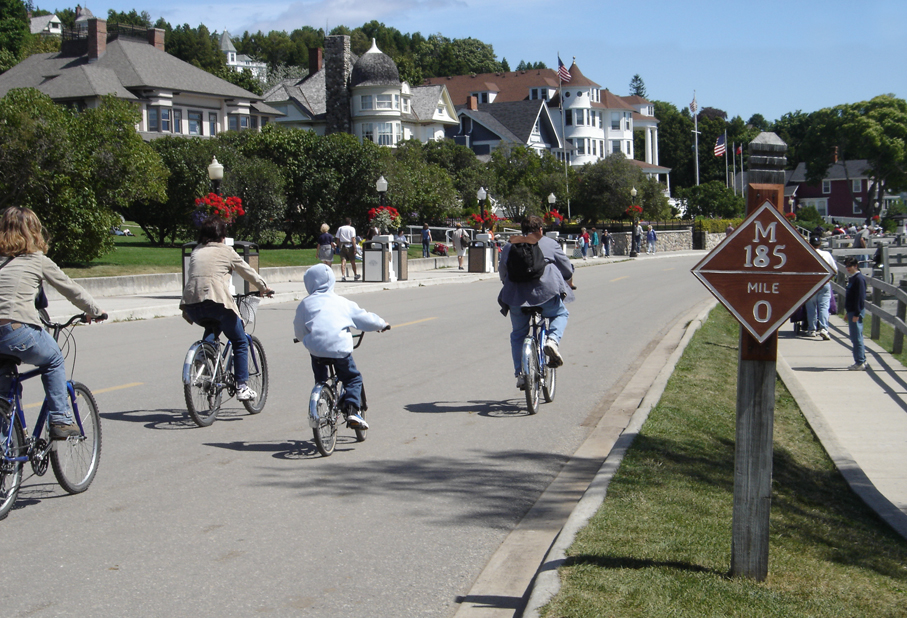 Mackinac Island carfree since 1898 |
マキナク島[Mackinac Island]における自動車のない社会(1898年から) |
| Health benefits Healthy places are those designed and built to improve the quality of life for all people who live, work, learn, and play within their borders—person is free to make choices amid a variety of healthy, available, accessible, and affordable options.[2] Healthy community design can provide many advantages: Promote physical activity Promote a diet free of additives, preservatives, and pesticides Improve air quality Lower risk of injuries Increase social connection and sense of community Reduce contributions to climate change |
健康という便益 健康的な場所は、その地域で生活し、働き、学び、遊ぶ全ての人々の生活の質を向上させるために設計・建設された場所だ。人々は、健康的で利用可能、アクセス可能、手頃な価格の多様な選択肢の中から自由に選択できる。[2] 健康的なコミュニティ設計は多くの利点をもたらす: 身体活動の促進 添加物・保存料・農薬を含まない食生活の促進 大気質の改善 負傷リスクの低減 社会的つながりと地域意識の向上 気候変動への寄与の削減 |
Principles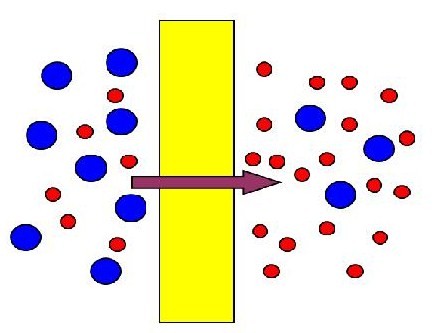 Membrane diagram resembling high traffic street 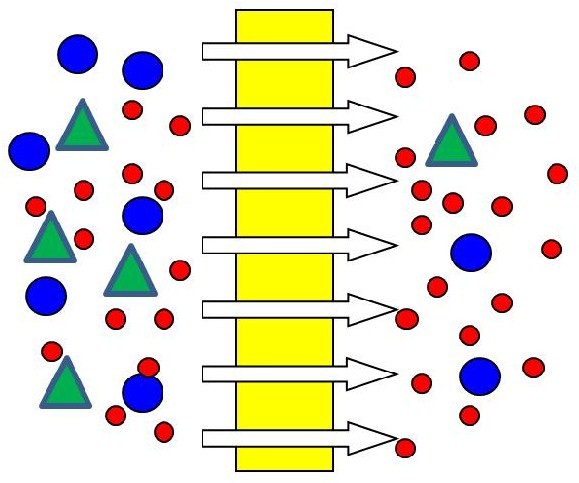 Membrane diagram resembling low traffic street[3] Encourage mixed land use and greater land density to shorten distances between homes, workplaces, schools and recreation so people can walk or bike more easily to them. Provide good mass transit to reduce the dependence upon automobiles. Build good pedestrian and bicycle infrastructure, including sidewalks and bike paths that are safely removed from automobile traffic as well as good right of way laws and clear, easy-to-follow signage. Ensure affordable housing is available for people of all income levels. Create community centers where people can gather and mingle as part of their daily activities. Offer access to green space and parks. |
原則 交通量の多い道路に似た膜状図 交通量の少ない道路に似た膜状図[3] 土地利用の混合と土地密度の向上を促進し、住宅・職場・学校・レクリエーション施設間の距離を短縮する。これにより人々が徒歩や自転車で容易に移動できるようにする。 自動車依存を減らすため、優れた公共交通機関を提供する。歩道や自転車専用道など、自動車交通から安全に分離された歩行者・自転車インフラを整備する。また、優先通行権に関する法律や、明確で分かりやすい標識も整備する。 あらゆる所得層の人々が手頃な価格の住宅を利用できるようにする。 人々が日常活動の一環として集い交流できるコミュニティセンターを設ける。 緑地や公園へのアクセスを提供する。 |
| See also 15-minute city – Urban accessibility concept Active design – Building and planning promoting physical activity Active living – Physically active way of life Complete Communities – Planning meeting needs of all residents Complete streets – Transportation policy and design approach Healthy city – Concept in urban design for health Health impact assessment – Type of public health document Health impact of light rail Human-powered transport – Transport of goods and/or people only using human muscles Most livable cities Obesity and the environment – Overview of environmental factors affecting the incidence of obesity Public interest design Smart growth – Urban planning philosophy Social influences on fitness behavior – Effect on physical activity Social determinants of obesity Transit-oriented development – Urban planning prioritising transit Urban vitality |
関連項目 15分圏都市 – 都市アクセシビリティの概念 アクティブデザイン – 身体活動を促進する建築・計画手法 アクティブライフ – 身体活動的な生活様式 包括的コミュニティ – 全住民のニーズを満たす計画手法 包括的道路 – 交通政策と設計アプローチ 健康都市 – 健康を重視した都市設計の概念 健康影響評価 – 公衆衛生文書の一種 ライトレールの健康影響 人力輸送 – 人間の筋肉のみを用いた物品および/または人の輸送 最も住みやすい都市 肥満と環境 – 肥満発生率に影響を与える環境要因の概要 公益デザイン スマートグロース – 都市計画の理念 フィットネス行動への社会的影響 – 身体活動への影響 肥満の社会的決定要因 公共交通指向型開発 – 公共交通を優先する都市計画 都市の活力 |
| References 01. "Healthy Community Design" (PDF). U.S. Centers for Disease Control and Prevention, National Center for Environmental Health. 2008. 02. Maiden, Kristin M.; Kaplan, Marina; Walling, Lee Ann; Miller, Patricia P.; Crist, Gina (February 2017). "A comprehensive scoring system to measure healthy community design in land use plans and regulations". Preventive Medicine. 95 Suppl: S141–S147. doi:10.1016/j.ypmed.2016.09.031. PMID 27687536. 03. Appleyard, Donald; Gerson, M. Sue; Lintell, Mark (1981). Livable Streets. University of California Press. ISBN 978-0-520-04769-3. |
参考文献 01. 「健康的なコミュニティ設計」 (PDF). 米国疾病予防管理センター、国立環境衛生センター. 2008年. 02. Maiden, Kristin M.; Kaplan, Marina; Walling, Lee Ann; Miller, Patricia P.; Crist, Gina (2017年2月). 「土地利用計画と規制における健康的なコミュニティ設計を測定する包括的スコアリングシステム」. 予防医学. 95 Suppl: S141–S147. doi:10.1016/j.ypmed.2016.09.031. PMID 27687536. 03. アプリーヤード, ドナルド; ガーソン, M. スー; リントル, マーク (1981). 『住みやすい街路』. カリフォルニア大学出版局. ISBN 978-0-520-04769-3. |
| https://en.wikipedia.org/wiki/Healthy_community_design |
|
リ ンク
文 献
そ の他の情報
CC
Copyleft,
CC, Mitzub'ixi Quq Chi'j, 1996-2099