
神学
Theology
☆神学(Theology)
とは、宗教的観点から宗教的信念を研究する学問であり、神性の本質と宗教の歴史に焦点を当てる。通常、大学や神学校で学術分野として教えられる[1]。超
自然的なものを分析するという独特の内容を扱うが、宗教認識論にも関わり、啓示の問題を問い、その答えを求めようとする。啓示とは、神や神々を自然界を超
越した存在としてのみならず、自然界と関わり、自らを人類に顕現する意思と能力を持つ存在として受け入れることを指す。
神学者たちは様々な分析手法や論証(経験的、哲学的、エスノグラファー的、歴史的など)を用いて、無数の宗教的テーマを理解し、説明し、検証し、批判し、
擁護し、推進する。倫理哲学や判例法と同様に、議論はしばしば事前に解決済みの問題を前提とし、それらから類推を導き出して新たな状況における推論を展開
する。
神学の研究は、神学者が自らの宗教的伝統[2]や他の宗教的伝統[3]をより深く理解するのに役立つかもしれない。あるいは、特定の伝統に依拠せずに神性
の本質を探求することを可能にするかもしれない。神学は、宗教的伝統を広めたり[4]、改革したり[5]、正当化したりするために用いられることもある。
あるいは、宗教的伝統や世界観を比較したり[6]、批判したり(例:聖書批評)、反対したり(例:無宗教)するために用いられることもある。神学はまた、
神学者が宗教的伝統を通じて現在の状況や必要性に対処する[7]ことや、世界を解釈する可能性のある方法を探求する[8]ことにも役立つかもしれない(→キリスト教神学)。
| Theology is the
study of religious belief from a religious perspective, with a focus on
the nature of divinity and the history behind religion. It is taught as
an academic discipline, typically in universities and seminaries.[1] It
occupies itself with the unique content of analyzing the supernatural,
but also deals with religious epistemology, asks and seeks to answer
the question of revelation. Revelation pertains to the acceptance of
God, gods, or deities, as not only transcendent or above the natural
world, but also willing and able to interact with the natural world and
to reveal themselves to humankind. Theologians use various forms of analysis and argument (experiential, philosophical, ethnographic, historical, and others) to help understand, explain, test, critique, defend or promote any myriad of religious topics. As in philosophy of ethics and case law, arguments often assume the existence of previously resolved questions, and develop by making analogies from them to draw new inferences in new situations. The study of theology may help a theologian more deeply understand their own religious tradition,[2] another religious tradition,[3] or it may enable them to explore the nature of divinity without reference to any specific tradition. Theology may be used to propagate,[4] reform,[5] or justify a religious tradition; or it may be used to compare,[6] challenge (e.g. biblical criticism), or oppose (e.g. irreligion) a religious tradition or worldview. Theology might also help a theologian address some present situation or need through a religious tradition,[7] or to explore possible ways of interpreting the world.[8] |
神学とは、宗教的観点から宗教的信念を研究する学問であり、神性の本質
と宗教の歴史に焦点を当てる。通常、大学や神学校で学術分野として教えられる[1]。超自然的なものを分析するという独特の内容を扱うが、宗教認識論にも
関わり、啓示の問題を問い、その答えを求めようとする。啓示とは、神や神々を自然界を超越した存在としてのみならず、自然界と関わり、自らを人類に顕現す
る意思と能力を持つ存在として受け入れることを指す。 神学者たちは様々な分析手法や論証(経験的、哲学的、エスノグラファー的、歴史的など)を用いて、無数の宗教的テーマを理解し、説明し、検証し、批判し、 擁護し、推進する。倫理哲学や判例法と同様に、議論はしばしば事前に解決済みの問題を前提とし、それらから類推を導き出して新たな状況における推論を展開 する。 神学の研究は、神学者が自らの宗教的伝統[2]や他の宗教的伝統[3]をより深く理解するのに役立つかもしれない。あるいは、特定の伝統に依拠せずに神性 の本質を探求することを可能にするかもしれない。神学は、宗教的伝統を広めたり[4]、改革したり[5]、正当化したりするために用いられることもある。 あるいは、宗教的伝統や世界観を比較したり[6]、批判したり(例:聖書批評)、反対したり(例:無宗教)するために用いられることもある。神学はまた、 神学者が宗教的伝統を通じて現在の状況や必要性に対処する[7]ことや、世界を解釈する可能性のある方法を探求する[8]ことにも役立つかもしれない。 |
| Etymology Main article: History of theology The term "theology" derives from the Greek theologia (θεολογία), a combination of theos (Θεός, 'god') and logia (λογία, 'utterances, sayings, oracles')—the latter word relating to Greek logos (λόγος, 'word, discourse, account, reasoning').[9][10] The term would pass on to Latin as theologia, then French as théologie, eventually becoming the English theology. Through several variants (e.g., theologie, teologye), the English theology had evolved into its current form by 1362.[11] The sense that the word has in English depends in large part on the sense that the Latin and Greek equivalents had acquired in patristic and medieval Christian usage although the English term has now spread beyond Christian contexts. Plato (left) and Aristotle in Raphael's 1509 fresco The School of Athens Classical philosophy Greek theologia (θεολογία) was used with the meaning 'discourse on God' around 380 BC by Plato in The Republic. Greek … ὀρθῶς, ἔφη· ἀλλʼ αὐτὸ δὴ τοῦτο, οἱ τύποι περὶ θεολογίας τίνες ἂν εἶεν; τοιοίδε πού τινες, ἦν δʼ ἐγώ· οἷος τυγχάνει ὁ θεὸς ὤν, ἀεὶ δήπου ἀποδοτέον, ἐάντέ τις αὐτὸν ἐν ἔπεσιν ποιῇ ἐάντε ἐν μέλεσιν ἐάντε ἐν τραγῳδίᾳ. —Plato, Republic 379a.[12][13] (emphasis added) Translation: English translation by Shorey (1969) … Right, he said; but this very thing—the patterns or norms of right speech about the gods, what would they be? Something like this, I said. The true quality of God we must always surely attribute to him whether we compose in epic, melic, or tragic verse. —Plato, Republic 379a.[12][14] (emphasis added) Plato develops his rational theology (natural theology) in Book 10 of the Laws. In the dialogue, he opposes atheism and argues that the heavenly bodies are moved by the divine souls of the gods and their intelligence (nous). He also maintains that these gods care for humans and aim for the good of the universe as a whole. Aristotle divided theoretical philosophy into mathematike, physike, and theologike, with the latter corresponding roughly to metaphysics, which, for Aristotle, included discourse on the nature of the divine.[15] Drawing on Greek Stoic sources, the Latin writer Varro distinguished three forms of such discourse:[16] 1. mythical, concerning the myths of the Greek gods; 2. rational, philosophical analysis of the gods and of cosmology; and 3. civil, concerning the rites and duties of public religious observance. |
語源 詳細な記事: 神学の歴史 「神学」という用語は、ギリシャ語のtheologia(θεολογία)に由来する。これはtheos(Θεός、「神」)とlogia (λογία、「言葉、発言、神託」)の組み合わせである。後者の語はギリシャ語のlogos(λόγος、「言葉、言説、説明、推論」)に関連してい る。[9] [10] この語はラテン語でtheologiaとなり、フランス語ではthéologieを経て、最終的に英語のtheologyとなった。 いくつかの変種(theologie、teologyeなど)を経て、英語の神学は1362年までに現在の形に進化した[11]。この語が英語で持つ意味 は、主に教父学や中世キリスト教におけるラテン語・ギリシャ語の同義語が獲得した意味に依存しているが、英語の用語は現在ではキリスト教の文脈を超えて広 がっている。 ラファエロの1509年制作のフレスコ画『アテネの学堂』に描かれたプラトン(左)とアリストテレス 古典哲学 ギリシャ語のtheologia(θεολογία)は、紀元前380年頃、プラトンの『国家』において「神に関する言説」の意味で使用された。 ギリシャ語 … ὀρθῶς, ἔφη· ἀλλʼ αὐτὸ δὴ τοῦτο, οἱ τύποι περὶ θεολογίας τίνες ἂν εἶεν; τοιοίδε πού τινες, ἦν δʼ ἐγώ· 神とはどのような存在なのか、常に説明されねばならない。たとえ誰かが神を詩作に、あるいは悲劇に、あるいは悲劇詩に描こうとも。 —プラトン『国家』379a[12][13](強調は筆者) 訳文: ショリー訳(1969年) … そうだ、と彼は言った。だがまさにこのこと——神々について正しく語るべき規範や基準とは、いったい何だろうか? こういうものだ、と私は言った。神の本質は、叙事詩であれ、抒情詩であれ、悲劇詩であれ、常に確実に神に帰属させねばならない。 —プラトン『国家』379a.[12][14](強調追加) プラトンは『法律』第10巻で理性神学(自然神学)を展開する。この対話篇で彼は無神論に反対し、天体は神々の神聖な魂とその知性(ヌース)によって動かされると論じる。またこれらの神々は人間を慈しみ、宇宙全体の善を志向していると主張する。 アリストテレスは理論哲学を数学(マテマティケ)、物理学(フィシケ)、神学(テオロギケ)に分類した。後者はおおむね形而上学に相当し、アリストテレスにとって神性の本質に関する言説を含む。[15] ラテン語作家ヴァロはギリシャ・ストア派の資料を基に、この種の言説を三形態に区分した[16]: 1. 神話的形態:ギリシャ神話の神々に関するもの 2. 理性的形態:神々と宇宙論の哲学的分析 3. 市民的形態:公的宗教儀礼の儀式と義務に関するもの |
| Later usage Some Latin Christian authors, such as Tertullian and Augustine, followed Varro's threefold usage.[16][17] However, Augustine also defined theologia as "reasoning or discussion concerning the Deity".[18] The Latin author Boethius, writing in the early 6th century, used theologia to denote a subdivision of philosophy as a subject of academic study, dealing with the motionless, incorporeal reality; as opposed to physica, which deals with corporeal, moving realities.[19] Boethius' definition influenced medieval Latin usage.[20] In patristic Greek Christian sources, theologia could refer narrowly to devout and/or inspired knowledge of and teaching about the essential nature of God.[21] In scholastic Latin sources, the term came to denote the rational study of the doctrines of the Christian religion, or (more precisely) the academic discipline that investigated the coherence and implications of the language and claims of the Bible and of the theological tradition (the latter often as represented in Peter Lombard's Sentences, a book of extracts from the Church Fathers).[citation needed] In the Renaissance, especially with Florentine Platonist apologists of Dante's poetics, the distinction between 'poetic theology' (theologia poetica) and 'revealed' or Biblical theology serves as stepping stone for a revival of philosophy as independent of theological authority.[citation needed] It is in the last sense, theology as an academic discipline involving rational study of Christian teaching, that the term passed into English in the 14th century,[22] although it could also be used in the narrower sense found in Boethius and the Greek patristic authors, to mean rational study of the essential nature of God, a discourse now sometimes called theology proper.[23] From the 17th century onwards, the term theology began to be used to refer to the study of religious ideas and teachings that are not specifically Christian or correlated with Christianity (e.g., in the term natural theology, which denoted theology based on reasoning from natural facts independent of specifically Christian revelation)[24] or that are specific to another religion (such as below). Theology can also be used in a derived sense to mean "a system of theoretical principles; an (impractical or rigid) ideology".[25][26] |
後の用法 テルトゥリアヌスやアウグスティヌスといったラテン語圏のキリスト教著述家たちは、ヴァロの三つの用法に従った[16][17]。ただしアウグスティヌスは神学を「神性に関する推論または議論」とも定義した。[18] 6世紀初頭に活躍したラテン語の著者ボエティウスは、theologiaを哲学の一分野として学術研究の対象となる概念を指す言葉として用いた。これは、 物質的で動的な現実を扱うphysicaとは対照的に、不動で非物質的な現実を扱う学問を指す。[19] ボエティウスの定義は中世ラテン語の用法に影響を与えた。[20] 教父時代のギリシャ語キリスト教文献において、テオロギアは狭義に、神の本質に関する敬虔かつ/あるいは霊感を受けた知識や教えを指すことがあった。[21] スコラ哲学のラテン語文献では、この用語はキリスト教教義の理性的な研究、あるいは(より正確には)聖書と神学的伝統(後者はしばしば教父たちの著作から 抜粋した書物であるペトルス・ロンバルドの『教理要綱』に代表される)の言語と主張の一貫性および含意を調査する学問分野を指すようになった。[出典が必 要] ルネサンス期、特にダンテの詩学を擁護したフィレンツェのプラトン主義者たちにおいて、「詩的神学」(theologia poetica)と「啓示された」あるいは聖書的神学との区別は、神学的権威から独立した哲学復興の足掛かりとなった。[出典が必要] この最後の意味、すなわちキリスト教教義の合理的探究を伴う学術分野としての神学において、この用語は14世紀に英語へ導入された[22]。ただしボエ ティウスやギリシャ教父たちの著作に見られるより狭義の意味、すなわち神の本質に関する合理的探究(現在では「正統神学」と呼ばれることもある言説)を指 す用法も存在した。[23] 17世紀以降、「神学」という用語は、特にキリスト教的でない、あるいはキリスト教と関連しない宗教的思想や教義の研究を指すようになった(例:自然神学 という用語。これは、特定のキリスト教的啓示に依存しない自然的事実からの推論に基づく神学を意味した)。[24] あるいは、他の宗教に特有のもの(下記のようなもの)を指すようになった。 神学は派生的な意味で「理論的原理体系、あるいは(非現実的もしくは硬直した)イデオロギー」を意味することもある。[25][26] |
| In religion | |
| The
term theology has been deemed by some as only appropriate to the study
of religions that worship a supposed deity (a theos), i.e. more widely
than monotheism; and presuppose a belief in the ability to speak and
reason about this deity (in logia). They suggest the term is less
appropriate in religious contexts that are organized differently (i.e.,
religions without a single deity, or that deny that such subjects can
be studied logically). Hierology has been proposed, by such people as
Eugène Goblet d'Alviella (1908), as an alternative, more generic
term.[27] |
神学という用語
は、一部の者によって、想定される神(テオス)を崇拝する宗教の研究にのみ適切であると見なされてきた。つまり一神教よりも広い範囲を指し、この神につい
て語り論理的に考察する能力(ロゴス)を前提とする信仰を想定する。彼らは、この用語は異なる組織形態を持つ宗教的文脈(単一の神を置かない宗教、あるい
はそのような主題が論理的に研究可能だと否定する宗教)では適切ではないと主張する。ユージェーヌ・ゴブレ・ダルヴィエラ(1908年)らによって、より
一般的な代替用語として「神学(hierology)」が提案されている。[27] |
| Abrahamic religions Illustration of the Jewish theologian Maimonides. Judaism Main articles: Jewish principles of faith, Midrash, and Talmud In Jewish theology, the historical absence of political authority after the destruction of the Second Temple has meant that most theological reflection has happened within the context of the Jewish community and synagogue, including through rabbinical discussion of Jewish law and Midrash (rabbinic biblical commentaries). Jewish theology is also linked to ethics, as it is the case with theology in other religions, and therefore has implications for how one behaves.[28][29] Christianity Thomas Aquinas, an influential 13th century theologian. Main articles: Christian theology and Neoplatonism Further information: Diversity in early Christian theology, Great Apostasy, Nontrinitarianism, Son of God (Christianity), and Trinity As defined by Thomas Aquinas, theology is constituted by a triple aspect: what is taught by God, teaches of God, and leads to God (Latin: Theologia a Deo docetur, Deum docet, et ad Deum ducit).[30] This indicates the three distinct areas of God as theophanic revelation, the systematic study of the nature of divine and, more generally, of religious belief, and the spiritual path. Christian theology as the study of Christian belief and practice concentrates primarily upon the texts of the Old Testament and the New Testament as well as on Christian tradition. Christian theologians use biblical exegesis, rational analysis and argument. Theology might be undertaken to help the theologian better understand Christian tenets, to make comparisons between Christianity and other traditions, to defend Christianity against objections and criticism, to facilitate reforms in the Christian church, to assist in the propagation of Christianity, to draw on the resources of the Christian tradition to address some present situation or need, or for a variety of other reasons. Islam Islamic scholar, jurist and theologian Malik ibn Anas. Main article: Aqidah Further information: Kalam, List of Muslim theologians, and Schools of Islamic theology Islamic theological discussion that parallels Christian theological discussion is called Kalam; the Islamic analogue of Christian theological discussion would more properly be the investigation and elaboration of Sharia or Fiqh.[31] Kalam...does not hold the leading place in Muslim thought that theology does in Christianity. To find an equivalent for 'theology' in the Christian sense it is necessary to have recourse to several disciplines, and to the usul al-fiqh as much as to kalam. — translated by L. Gardet Some Universities in Germany established departments of islamic theology (e.g., the Deutsche Islamkonferenz (de)).[32] Dharmic religions Buddhism Further information: Buddhist philosophy and Trikāya Some academic inquiries within Buddhism, dedicated to the investigation of a Buddhist understanding of the world, prefer the designation Buddhist philosophy to the term Buddhist theology, since Buddhism lacks the same conception of a theos or a Creator God. Jose Ignacio Cabezon, who argues that the use of theology is in fact appropriate, can only do so, he says, because "I take theology not to be restricted to discourse on God.... I take 'theology' not to be restricted to its etymological meaning. In that latter sense, Buddhism is of course atheological, rejecting as it does the notion of God."[33] Whatever the case, there are various Buddhist theories and discussions on the nature of Buddhahood and the ultimate reality / highest form of divinity, which has been termed "buddhology" by some scholars like Louis de La Vallée-Poussin.[34] This is a different usage of the term than when it is taken to mean the academic study of Buddhism, and here would refer to the study of the nature of what a Buddha is. In Mahayana Buddhism, a central concept in its buddhology is the doctrine of the three Buddha bodies (Sanskrit: Trikāya).[34] This doctrine is shared by all Mahayana Buddhist traditions. Hinduism See also: Vedanta, Vaishnavism, Shaivism, and Shaktism Within Hindu philosophy, there are numerous traditions of philosophical speculation on the nature of the universe, of God (termed Brahman, Paramatma, Ishvara, and/or Bhagavan in some schools of Hindu thought) and of the ātman (soul). The Sanskrit word for the various schools of Hindu philosophy is darśana ('view, viewpoint'), the most influential one in terms of modern Hindu religion is Vedanta and its various sub-schools, each of which presents a different theory of Ishvara (the Supreme lord, God). Vaishnava theology has been a subject of study for many devotees, philosophers and scholars in India for centuries. A large part of its study lies in classifying and organizing the manifestations of thousands of gods and their aspects. In recent decades the study of Hinduism has also been taken up by a number of academic institutions in Europe, such as the Oxford Centre for Hindu Studies and Bhaktivedanta College.[35] There are also other traditions of Hindu theology, including the various theologies of Shaivism (which include dualistic and non-dualistic strands) as well as the theologies of the Goddess centered Shakta traditions which posit a feminine deity as the ultimate. Other religions Shinto In Japan, the term theology (神学, shingaku) has been ascribed to Shinto since the Edo period with the publication of Mano Tokitsuna's Kokon shingaku ruihen (古今神学類編, 'categorized compilation of ancient theology'). In modern times, other terms are used to denote studies in Shinto—as well as Buddhist—belief, such as kyōgaku (教学, 'doctrinal studies') and shūgaku (宗学, 'denominational studies'). Modern Paganism English academic Graham Harvey has commented that Pagans "rarely indulge in theology".[36] Nevertheless, theology has been applied in some sectors across contemporary Pagan communities, including Wicca, Heathenry, Druidry and Kemetism. As these religions have given precedence to orthopraxy, theological views often vary among adherents. The term is used by Christine Kraemer in her book Seeking The Mystery: An Introduction to Pagan Theologies and by Michael York in Pagan Theology: Paganism as a World Religion. |
アブラハムの宗教 ユダヤ教神学者マイモニデスの肖像画。 ユダヤ教 主な記事:ユダヤ教の信仰原則、ミドラーシュ、タルムード ユダヤ教神学において、第二神殿破壊後の政治的権威の欠如は、神学的考察の大半がユダヤ人共同体とシナゴーグの文脈内で行われてきたことを意味する。これ にはラビによるユダヤ法やミドラーシュ(ラビによる聖書注解)の議論も含まれる。ユダヤ教神学は他の宗教の神学と同様に倫理とも結びついており、したがっ て人の行動様式に影響を与えるのである。[28][29] キリスト教 トマス・アクィナス、13世紀の有力な神学者。 主な記事:キリスト教神学、新プラトン主義 詳細情報:初期キリスト教神学の多様性、大離反、非三位一体論、キリスト教における神の子、三位一体 トマス・アクィナスが定義したように、神学は三つの側面から構成される:神によって教えられ、神について教え、神へと導くもの(ラテン語: Theologia a Deo docetur, Deum docet, et ad Deum ducit)。[30] これは神を三つの異なる領域として示す:神顕的啓示、神の本質およびより広く宗教的信仰の体系的研究、そして霊的道程である。キリスト教信仰と実践の研究 としてのキリスト教神学は、主に旧約聖書と新約聖書のテキスト、ならびにキリスト教伝統に焦点を当てる。キリスト教神学者は聖書解釈、合理的分析と論証を 用いる。神学は、神学者がキリスト教の教義をより深く理解するため、キリスト教と他の伝統との比較を行うため、異議や批判に対するキリスト教の擁護のた め、キリスト教会の改革を促進するため、キリスト教の普及を支援するため、キリスト教の伝統の資源を活用して現在の状況や必要性に対処するため、あるいは その他の様々な理由で行われることがある。 イスラム教 イスラム学者、法学者、神学者であるマリク・イブン・アナス。 主な記事:アキーダ 詳細情報:カラム、イスラム神学者の一覧、イスラム神学の学派 キリスト教の神学的議論に相当するイスラム神学的議論はカラムと呼ばれる。キリスト教神学的議論のイスラムにおける対応物は、より正確にはシャリーア(イスラム法)やフィクフ(イスラム法学)の探究と展開である。[31] カラームは…キリスト教における神学のような主導的地位をイスラム思想において占めていない。キリスト教的な意味での「神学」に相当する概念を見出すには、カラームと同様に、いくつかの学問分野やウスール・アル=フィクフに頼る必要がある。 — 訳者:L. ガルデ ドイツのいくつかの大学ではイスラム神学の学科が設置されている(例:ドイツ・イスラム会議(de))。[32] ダルマ系宗教 仏教 詳細情報:仏教哲学および三身 仏教における世界観の探究に専念する一部の学術的調査では、仏教神学という用語よりも仏教哲学という呼称を好む。なぜなら仏教にはテオス(神)や創造主神 という概念が存在しないからである。ホセ・イグナシオ・カベソンは、神学という用語の使用が実際には適切であると主張するが、彼は「神学を神に関する言説 に限定しないからである...『神学』を語源的な意味に限定しないからである。後者の意味では、仏教は当然ながら神を否定する無神論的である」と述べてい る。[33] いずれにせよ、仏性の本質や究極的実在/最高神性に関する様々な仏教理論や議論が存在し、ルイ・ド・ラ・ヴァレ=プッサンら一部の学者によって「仏性学 (buddhology)」と称されている[34]。これは仏教の学術的研究を意味する用法とは異なり、ここでは仏の本質に関する研究を指す。大乗仏教に おいて、その仏学の中核概念は三身(サンスクリット語:Trikāya)の教義である[34]。この教義は大乗仏教の全ての伝統に共通する。 ヒンドゥー教 関連項目:ヴェーダーンタ、ヴァイシュナヴァ派、シャイヴァ派、シャクティ派 ヒンドゥー哲学においては、宇宙の本質、神(ブラフマン、パラマートマ、イーシュヴァラ、バガヴァンなどと呼ばれる)、そしてアートマン(魂)について、 数多くの哲学的思索の伝統が存在する。ヒンドゥー哲学の諸学派を指すサンスクリット語はダルシャナ(見解、視点)である。現代ヒンドゥー宗教において最も 影響力を持つのはヴェーダーンタとその諸派であり、各派はイシュヴァラ(至高の主、神)について異なる理論を展開している。 ヴァイシュナヴァ神学は、何世紀にもわたりインドの多くの信者、哲学者、学者によって研究されてきた。その研究の大部分は、数千の神々とその側面の顕現を 分類し体系化することに注がれている。近年では、オックスフォード・ヒンドゥー研究センターやバクティヴェーダーンタ・カレッジなど、ヨーロッパの多くの 学術機関でもヒンドゥー教の研究が取り上げられている。[35] ヒンドゥー教神学には他にも様々な伝統がある。シャイヴィズム(二元論的・非二元論的流派を含む)の諸神学や、女神を中心とするシャクティ派の諸神学(女性神を究極の存在と位置付ける)などがそれにあたる。 その他の宗教 神道 日本では、江戸期に真野時綱の『古今神学類編』が出版されて以来、神学(しんがく)という用語が神道に用いられてきた。現代では、神道(および仏教)の信仰研究を指すために、教学(きょうがく)や宗学(しゅうがく)といった他の用語が用いられている。 現代の異教 英国の学者グラハム・ハーヴェイは、異教徒は「神学にほとんど耽らない」と指摘している。[36] しかしながら、現代の異教コミュニティの一部、例えばウィッカ、ヘイサニー、ドルイド教、ケメティズムなどでは、神学が応用されている。これらの宗教は正 実践を優先しているため、信者間で神学的見解はしばしば異なる。この用語は、クリスティーン・クレーマーの著書『神秘を求めて:異教神学入門』や、マイケ ル・ヨークの『異教神学:世界宗教としての異教』で使用されている。 |
| Topics icon This section needs additional citations for verification. Please help improve this article by adding citations to reliable sources in this section. Unsourced material may be challenged and removed. (July 2025) (Learn how and when to remove this message) Further information: Outline of theology Richard Hooker defines theology as "the science of things divine".[37] The term can, however, be used for a variety of disciplines or fields of study.[38] Theology considers whether the divine exists in some form, such as in physical, supernatural, mental, or social realities, and what evidence for and about it may be found via personal spiritual experiences or historical records of such experiences as documented by others. The study of these assumptions is not part of theology proper, but is found in the philosophy of religion, and increasingly through the psychology of religion and neurotheology. Theology's aim, then, is to record, structure and understand these experiences and concepts; and to use them to derive normative prescriptions for the right way to live life. |
トピック アイコン この節は検証可能な情報源を必要としている。信頼できる情報源をこの節に追加し、記事の改善に協力してほしい。出典のない記述は削除される可能性がある。(2025年7月)(このメッセージの削除方法と時期について) 詳細情報: 神学の概説 リチャード・フッカーは神学を「神聖なるものの学問」と定義している。[37] しかしこの用語は、様々な学問分野や研究領域を指す場合もある。[38] 神学は、神聖なるものが物理的・超自然的・精神的・社会的実在など何らかの形で存在するかどうか、また個人的な霊的体験や他者が記録したそのような体験の 歴史的記録を通じて、それに関する証拠が発見できるかどうかを検討する。これらの前提条件の研究は神学の本質的な部分ではなく、宗教哲学、そしてますます 宗教心理学や神経神学を通じて行われている。したがって神学の目的は、これらの経験や概念を記録し、体系化し、理解することである。そしてそれらを用い て、正しい生き方に関する規範的な指針を導き出すことにある。 |
| History of academic discipline See also: Divinity (academic discipline) This article focuses too much on specific examples. Please help improve it by adding sources that evaluate within broader context. Relevant discussion may be found on the talk page. (October 2024) (Learn how and when to remove this message) The history of the study of theology in institutions of higher education is as old as the history of such institutions themselves. For instance: Taxila was an early centre of Vedic learning, possible from the 6th-century BC or earlier;[39][40]: 140–142 the Platonic Academy founded in Athens in the 4th-century BC seems to have included theological themes in its subject matter;[41] the Chinese Taixue delivered Confucian teaching from the 2nd century BC;[42] the School of Nisibis was a centre of Christian learning from the 4th century AD;[43][44] Nalanda in India was a site of Buddhist higher learning from at least the 5th or 6th century AD;[40]: 149 and the Moroccan University of Al-Karaouine was a centre of Islamic learning from the 10th century,[45] as was Al-Azhar University in Cairo.[46] The earliest universities were developed under the aegis of the Latin Church by papal bull as studia generalia and perhaps from cathedral schools. It is possible, however, that the development of cathedral schools into universities was quite rare, with the University of Paris being an exception.[47] Later they were also founded by kings (University of Naples Federico II, Charles University in Prague, Jagiellonian University in Kraków) or by municipal administrations (University of Cologne, University of Erfurt). In the early medieval period, most new universities were founded from pre-existing schools, usually when these schools were deemed to have become primarily sites of higher education. Many historians state that universities and cathedral schools were a continuation of the interest in learning promoted by monasteries.[48] Christian theological learning was, therefore, a component in these institutions, as was the study of church or canon law: universities played an important role in training people for ecclesiastical offices, in helping the church pursue the clarification and defence of its teaching, and in supporting the legal rights of the church over against secular rulers.[49] At such universities, theological study was initially closely tied to the life of faith and of the church: it fed, and was fed by, practices of preaching, prayer and celebration of the Mass.[50] Many of the first European universities, such as the University of Paris (established c. 1150), the University of Oxford (c. 1096), and the University of Bologna (1088), were founded primarily to educate clergy and focused initially on theological studies, with faculties in philosophy, law, and medicine developing later.[51][52] Theology was traditionally regarded as the "queen of the sciences", with philosophy often described as its "handmaiden" due to its guiding role in the search for ultimate truth.[53] During the High Middle Ages, theology was the ultimate subject at universities, being named "The Queen of the Sciences". It served as the capstone to the Trivium and Quadrivium that young men were expected to study. This meant that the other subjects (including philosophy) existed primarily to help with theological thought.[54] In this context, medieval theology in the Christian West could subsume fields of study which would later become more self-sufficient, such as metaphysics (Aristotle's "first philosophy",[55][56] or ontology (the science of being).[57][58] Christian theology's preeminent place in the university started to come under challenge during the European Enlightenment, especially in Germany.[59] Other subjects gained in independence and prestige, and questions were raised about the place of a discipline that seemed to involve a commitment to the authority of particular religious traditions in institutions that were increasingly understood to be devoted to independent reason.[60] Since the early 19th century, various different approaches have emerged in the West to theology as an academic discipline. Much of the debate concerning theology's place in the university or within a general higher education curriculum centres on whether theology's methods are appropriately theoretical and (broadly speaking) scientific or, on the other hand, whether theology requires a pre-commitment of faith by its practitioners, and whether such a commitment conflicts with academic freedom.[59][61][62][63] |
学術分野の歴史 関連項目: 神学(学術分野) この記事は特定の事例に偏りすぎている。より広い文脈で評価する出典を追加し、改善に協力してほしい。関連する議論はトークページで行われている。(2024年10月) 高等教育機関における神学研究の歴史は、そうした機関自体の歴史と同じくらい古い。例えば: タキシラは紀元前6世紀あるいはそれ以前からヴェーダ学習の初期中心地であった[39][40]: 140–142 紀元前4世紀にアテネで設立されたプラトン学派は、その研究対象に神学的な主題を含んでいたようである; [41] 中国の太学は紀元前2世紀から儒教を教授した。[42] ニシビス学派は紀元4世紀からキリスト教学習の中心地であった。[43] [44] インドのナーランダは少なくとも紀元5世紀または6世紀から仏教高等教育の拠点であった;[40]: 149 そして モロッコのアル=カラウィーン大学は10世紀からイスラム教学の中心地であった[45]、カイロのアル=アズハル大学も同様である。[46] 最も初期の大学は、教皇勅書によってラテン教会の庇護下でstudia generaliaとして、おそらく大聖堂付属学校から発展した。しかし、大聖堂付属学校が大学へと発展した例はごく稀であり、パリ大学はその例外と言え る。[47] 後には国王(ナポリのフェデリコ2世大学、プラハのカレル大学、クラクフのヤギェウォ大学)や自治体(ケルン大学、エアフルト大学)によっても設立され た。 中世初期、新たな大学の多くは既存の学校を基盤として設立された。通常、それらの学校が主に高等教育の場となったとみなされた時である。多くの歴史家は、 大学と大聖堂付属学校は修道院が推進した学問への関心の継続であったと述べている。[48] したがって、キリスト教神学の学習は、教会法やカノン法の研究と同様に、これらの機関の構成要素であった。大学は、教会職への人材育成、教会の教義の明確 化と防衛の追求、世俗の支配者に対する教会の法的権利の支持において重要な役割を果たした。[49] このような大学では、神学研究は当初、信仰生活や教会生活と密接に結びついていた。説教、祈り、ミサの執行といった実践から養われ、またそれらを養うもの であった。[50] パリ大学(1150年頃設立)、オックスフォード大学(1096年頃)、ボローニャ大学(1088年)など、初期のヨーロッパ大学の大半は、主に聖職者を 教育するために創設された。当初は神学研究が中心であり、哲学、法学、医学の学部は後になって発展した。[51] [52] 神学は伝統的に「学問の女王」とされ、究極の真理探求における指導的役割から、哲学はしばしばその「侍女」と称された。[53] 中世盛期において、神学は大学における究極の学問であり、「学問の女王」と称された。これは若者が学ぶべきトリヴィウム(三科)とクアドリヴィウム(四 科)の頂点に位置する学問であった。これは他の学問(哲学を含む)が主に神学的思考を助けるために存在することを意味した。[54] この文脈において、キリスト教西欧の中世神学は、後に自律性を増す分野、例えば形而上学(アリストテレスの「第一哲学」[55][56])や存在論(存在 の科学)[57][58]を包含し得た。 大学におけるキリスト教神学の優位性は、ヨーロッパ啓蒙時代、特にドイツにおいて疑問視され始めた[59]。他の学問分野が独立性と威信を高める中、独立 した理性の追求に専念する機関において、特定の宗教的権威への帰依を前提とする学問の存立意義が問われるようになったのである。[60] 19世紀初頭以降、西洋では神学を学術分野として捉える様々な異なるアプローチが登場した。大学や高等教育カリキュラムにおける神学の位置付けをめぐる議 論の多くは、神学の方法論が理論的かつ(広義で)科学的であるか、あるいは逆に、神学の実践者が信仰への事前コミットメントを必要とし、そのようなコミッ トメントが学問の自由と矛盾するかどうかという点に集中している。[59][61][62][63] |
| Ministerial training In some contexts, theology has been held to belong in institutions of higher education primarily as a form of professional training for Christian ministry. This was the basis on which Friedrich Schleiermacher, a liberal theologian, argued for the inclusion of theology in the new University of Berlin in 1810.[64][59]: ch. 14 For instance, in Germany, theological faculties at state universities are typically tied to particular denominations, Protestant or Roman Catholic, and those faculties will offer denominationally-bound (konfessionsgebunden) degrees, and have denominationally bound public posts amongst their faculty; as well as contributing "to the development and growth of Christian knowledge" they "provide the academic training for the future clergy and teachers of religious instruction at German schools."[65] In the United States, several prominent colleges and universities were started in order to train Christian ministers. Harvard,[66] Georgetown,[67] Boston University, Yale,[68] Duke University,[69] and Princeton[70] all had the theological training of clergy as a primary purpose at their foundation. Seminaries and bible colleges have continued this alliance between the academic study of theology and training for Christian ministry. There are, for instance, numerous prominent examples in the United States, including Phoenix Seminary, Catholic Theological Union in Chicago,[71] The Graduate Theological Union in Berkeley,[72] Criswell College in Dallas,[73] The Southern Baptist Theological Seminary in Louisville,[74] Trinity Evangelical Divinity School in Deerfield, Illinois,[75] Dallas Theological Seminary,[76] North Texas Collegiate Institute in Farmers Branch, Texas,[77] and the Assemblies of God Theological Seminary in Springfield, Missouri. The only Judeo-Christian seminary for theology is the 'Idaho Messianic Bible Seminary' which is part of the Jewish University of Colorado in Denver.[78] |
牧師養成 ある文脈では、神学は主にキリスト教の牧師職に向けた専門的訓練として高等教育機関に属するとされてきた。これが1810年、自由主義神学者フリードリヒ・シェーラーマッハーが新設のベルリン大学に神学を包含させる根拠としたものである。[64][59]: ch. 14 例えばドイツでは、国立大学神学部は通常プロテスタントまたはローマ・カトリックといった特定の教派と結びついており、それらの学部は教派に縛られた学位 (konfessionsgebunden)を授与し、教職員には教派に縛られた公的職位が存在する。これらは「キリスト教知識の発展と成長」に寄与する と同時に、「将来の聖職者およびドイツ学校における宗教教育の教師のための学術的訓練を提供する」のである。[65] アメリカでは、キリスト教の牧師を養成するためにいくつかの著名な大学が設立された。ハーバード大学[66]、ジョージタウン大学[67]、ボストン大 学、イェール大学[68]、デューク大学[69]、プリンストン大学[70]はいずれも、創設時に聖職者の神学教育を主要な目的としていた。 神学校や聖書大学は、神学の学術的研究とキリスト教奉仕者養成とのこの連携を継承している。例えば米国には数多くの著名な例があり、フェニックス神学校、 シカゴのカトリック神学連合[71]、バークレーの大学院神学連合[72]、ダラスのクリスウェル大学[73]、ルイビルの南部バプテスト神学校 [74]、イリノイ州ディアフィールドのトリニティ福音神学校[75]、 [75] ダラス神学校[76]、テキサス州ファーマーズブランチのノーステキサス大学付属研究所[77]、ミズーリ州スプリングフィールドのアッセンブリーズ・オ ブ・ゴッド神学校などである。ユダヤ・キリスト教系の神学校としては、デンバーにあるコロラド・ユダヤ大学の一部である『アイダホ・メシアニック聖書神学 校』[78]が唯一の存在である。 |
| As an academic discipline in its own right In some contexts, scholars pursue theology as an academic discipline without formal affiliation to any particular church (though members of staff may well have affiliations to churches), and without focussing on ministerial training. This applies, for instance, to the Department of Theological Studies at Concordia University in Canada, and to many university departments in the United Kingdom, including the Faculty of Divinity at the University of Cambridge, the Department of Theology and Religion at the University of Exeter, and the Department of Theology and Religious Studies at the University of Leeds.[79][80] Traditional academic prizes, such as the University of Aberdeen's Lumsden and Sachs Fellowship, tend to acknowledge performance in theology (or divinity as it is known at Aberdeen) and in religious studies. Religious studies In some contemporary contexts, a distinction is made between theology, which is seen as involving some level of commitment to the claims of the religious tradition being studied, and religious studies, which by contrast is normally seen as requiring that the question of the truth or falsehood of the religious traditions studied be kept outside its field. Religious studies involves the study of historical or contemporary practices or of those traditions' ideas using intellectual tools and frameworks that are not themselves specifically tied to any religious tradition and that are normally understood to be neutral or secular.[81] In contexts where 'religious studies' in this sense is the focus, the primary forms of study are likely to include: Anthropology of religion Comparative religion History of religions Philosophy of religion Psychology of religion Sociology of religion Sometimes, theology and religious studies are seen as being in tension,[82] and at other times, they are held to coexist without serious tension.[83] Occasionally it is denied that there is as clear a boundary between them.[84] |
独立した学問分野として 特定の教会との正式な所属関係を持たず(ただし教職員が教会と関係を持つことはある)、また牧師養成に焦点を当てずに、学者が神学を学問分野として追求す るケースがある。例えばカナダのコンコルディア大学神学研究科や、英国のケンブリッジ大学神学部、エクセター大学神学・宗教学科、リーズ大学神学・宗教学 科など多くの大学学部がこれに該当する。[79][80] アバディーン大学のラムズデン・フェローシップやサックス・フェローシップといった伝統的な学術賞は、神学(アバディーンでは神学と称される)と宗教研究 における業績を認める傾向にある。 宗教研究 現代の文脈では、研究対象となる宗教的伝統の主張に対する一定のコミットメントを伴うとされる神学と、対照的に研究対象の宗教的伝統の真偽の問題をその領 域外に置くことが通常求められる宗教研究との区別がなされることがある。宗教研究は、特定の宗教伝統に結びつかない知的ツールや枠組みを用い、中立的ある いは世俗的と理解される手法で、歴史的・現代的な実践やそれらの伝統の思想を研究する。[81] この意味での「宗教研究」が焦点となる文脈では、主な研究形態として以下が挙げられる: 宗教人類学 比較宗教学 宗教史 宗教哲学 宗教心理学 宗教社会学 神学と宗教研究は対立関係にあると見なされることもあれば[82]、深刻な対立なく共存するとされることもある[83]。両者の間に明確な境界線が存在しないとする見解も時折見られる[84]。 |
| Criticism See also: Criticism of religion Pre-20th century Whether or not reasoned discussion about the divine is possible has long been a point of contention. Protagoras, as early as the fifth century BC, who is reputed to have been exiled from Athens because of his agnosticism about the existence of the gods, said that "Concerning the gods I cannot know either that they exist or that they do not exist, or what form they might have, for there is much to prevent one's knowing: the obscurity of the subject and the shortness of man's life."[85][86] 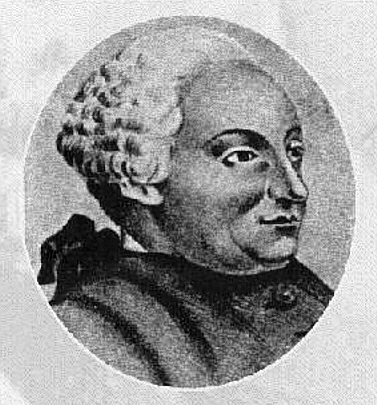 Baron d'Holbach Since at least the eighteenth century, various authors have criticized the suitability of theology as an academic discipline.[87] In 1772, Baron d'Holbach labeled theology "a continual insult to human reason" in Le Bon sens.[87] Lord Bolingbroke, an English politician and political philosopher, wrote in Section IV of his Essays on Human Knowledge, "Theology is in fault not religion. Theology is a science that may justly be compared to the Box of Pandora. Many good things lie uppermost in it; but many evil lie under them, and scatter plagues and desolation throughout the world."[88] Thomas Paine, a Deistic American political theorist and pamphleteer, wrote in his three-part work The Age of Reason (1794, 1795, 1807):[89] The study of theology, as it stands in Christian churches, is the study of nothing; it is founded on nothing; it rests on no principles; it proceeds by no authorities; it has no data; it can demonstrate nothing; and it admits of no conclusion. Not anything can be studied as a science, without our being in possession of the principles upon which it is founded; and as this is the case with Christian theology, it is therefore the study of nothing. The German atheist philosopher Ludwig Feuerbach sought to dissolve theology in his work Principles of the Philosophy of the Future: "The task of the modern era was the realization and humanization of God – the transformation and dissolution of theology into anthropology."[90] This mirrored his earlier work The Essence of Christianity (1841), for which he was banned from teaching in Germany, in which he had said that theology was a "web of contradictions and delusions".[91] The American satirist Mark Twain remarked in his essay "The Lowest Animal", originally written in around 1896, but not published until after Twain's death in 1910, that:[92][93] [Man] is the only animal that loves his neighbor as himself and cuts his throat if his theology isn't straight. He has made a graveyard of the globe in trying his honest best to smooth his brother's path to happiness and heaven.... The higher animals have no religion. And we are told that they are going to be left out in the Hereafter. I wonder why? It seems questionable taste. |
批判 関連項目: 宗教批判 20世紀以前 神について理性的な議論が可能かどうかは、古くから論争の的となってきた。紀元前5世紀には、神々の存在について不可知論を唱えたためにアテネから追放さ れたと言われるプロタゴラスが「神々について、私は彼らが存在するとも存在しないとも、またどのような姿をしているとも知ることができない。なぜなら、そ の主題の不明瞭さと人間の寿命の短さという、知ることの妨げとなるものが多すぎるからだ」と述べている。[85] [86] ドルバック男爵 少なくとも18世紀以降、多くの著者が神学を学術分野として適格ではないと批判してきた。[87] 1772年、ドルバック男爵は『良識』において神学を「人間の理性に絶え間ない侮辱を与えるもの」と断じた。[87] 英国政治家・政治哲学者ボリングブローク卿は『人間知識論』第4節でこう記した。「過失があるのは宗教ではなく神学である。神学は正当にパンドラの箱に喩 えられる学問だ。その表面には多くの善が横たわるが、その下には多くの悪が潜み、世界中に疫病と荒廃を撒き散らす」[88] トーマス・ペインは、アメリカ人神智論的政治理論家・パンフレット作家であり、三部作『理性時代』(1794年、1795年、1807年)の中でこう記している:[89] キリスト教教会における神学の研究は、何ものも研究していない。それは何ものにも基づかず、何の原理にも依拠せず、何の権威にも従わず、何のデータもな く、何ものも証明できず、何の結論も導き出せない。科学として何かを研究するには、その基礎となる原理を我々が掌握していなければならない。キリスト教神 学はまさにこの状態にある。ゆえにそれは何ものも研究していないのだ。 ドイツの無神論哲学者ルートヴィヒ・フォイエルバッハは『未来の哲学の原理』において神学の解体を試みた。「現代の課題は神の実現と人間化、すなわち神学 を人間学へと変容させ解体することである」[90] これは彼の初期著作『キリスト教の本質』(1841年)を反映したもので、同書で神学を「矛盾と妄想の網」と評したためドイツでの教職を禁じられた [91]。アメリカの風刺作家マーク・トウェインは、1896年頃に執筆されながら1910年の死後まで未発表だったエッセイ「最低の動物」でこう述べて いる: [92][93] [人間]は隣人を己の如く愛しつつ、その神学が正しくないならば喉を掻き切る唯一の動物だ。同胞の幸福と天国への道を整えようと誠実に最善を尽くした結 果、地球を墓場に変えてしまった…。高等動物には宗教がない。そして我々は、彼らが来世で取り残されると聞かされている。なぜか?疑問に思う。疑問の余地 のある趣味だ。 |
| 20th and 21st centuries A. J. Ayer, a British former logical-positivist, sought to show in his essay "Critique of Ethics and Theology" that all statements about the divine are nonsensical and any divine-attribute is unprovable. He wrote: "It is now generally admitted, at any rate by philosophers, that the existence of a being having the attributes which define the god of any non-animistic religion cannot be demonstratively proved.... [A]ll utterances about the nature of God are nonsensical."[94] Jewish atheist philosopher Walter Kaufmann, in his essay "Against Theology", sought to differentiate theology from religion in general:[95] Theology, of course, is not religion; and a great deal of religion is emphatically anti-theological.... An attack on theology, therefore, should not be taken as necessarily involving an attack on religion. Religion can be, and often has been, untheological or even anti-theological. However, Kaufmann found that "Christianity is inescapably a theological religion."[95] English atheist Charles Bradlaugh believed theology prevented human beings from achieving liberty,[96] although he also noted that many theologians of his time held that, because modern scientific research sometimes contradicts sacred scriptures, the scriptures must therefore be wrong.[97] Robert G. Ingersoll, an American agnostic lawyer, stated that, when theologians had power, the majority of people lived in hovels, while a privileged few had palaces and cathedrals. In Ingersoll's opinion, it was science that improved people's lives, not theology. Ingersoll further maintained that trained theologians reason no better than a person who assumes the devil must exist because pictures resemble the devil so exactly.[98] The British evolutionary biologist Richard Dawkins has been an outspoken critic of theology.[87][99] In an article published in The Independent in 1993, he severely criticizes theology as entirely useless,[99] declaring that it has completely and repeatedly failed to answer any questions about the nature of reality or the human condition.[99] He states, "I have never heard any of them [i.e. theologians] ever say anything of the smallest use, anything that was not either platitudinously obvious or downright false."[99] He then states that, if all theology were completely eradicated from the earth, no one would notice or even care. He concludes:[99] The achievements of theologians don't do anything, don't affect anything, don't achieve anything, don't even mean anything. What makes you think that 'theology' is a subject at all? |
20世紀と21世紀 英国の論理実証主義者であったA.J.エアは、論文『倫理学と神学の批判』において、神に関するあらゆる主張はナンセンスであり、いかなる神の属性も証明 不可能であることを示そうとした。彼はこう記している: 「非アニミズム的宗教の神を定義する属性を持つ存在の存在は、少なくとも哲学者たちの間では、今や一般的に、証明不可能であると認められている…神の本質 に関するあらゆる発言はナンセンスである」[94] ユダヤ人無神論哲学者ウォルター・カウフマンは、論文「神学への反論」において、神学と宗教一般を区別しようとした: [95] 神学は当然ながら宗教ではない。そして多くの宗教は明らかに反神学的である…。したがって神学への攻撃は、必ずしも宗教への攻撃を意味するとは限らない。宗教は非神学的、あるいは反神学的であり得るし、実際そうであったことも多い。 しかしカウフマンは「キリスト教は避けがたく神学的宗教である」と結論づけた[95]。 英国の無神論者チャールズ・ブラッドローは、神学が人間の自由達成を妨げると信じていた[96]。ただし彼は、当時の多くの神学者たちが「現代科学研究が 聖典と矛盾する場合、聖典こそが誤りである」と主張していた点にも言及している。[97] アメリカの不可知論者で弁護士のロバート・G・インガーソルは、神学者たちが権力を握っていた時代、大多数の人々は粗末な小屋に住み、特権階級のみが宮殿 や大聖堂を所有していたと述べた。インガーソルの見解では、人々の生活を向上させたのは神学ではなく科学であった。さらに彼は、訓練を受けた神学者たちの 推論能力は、絵が悪魔に酷似しているから悪魔は存在すると決めつける人格と同レベルに過ぎないと主張した。[98] 英国の進化生物学者リチャード・ドーキンスは、神学に対する率直な批判者である。[87][99] 1993年に『インディペンデント』紙に掲載された記事で、彼は神学を全く無用なものとして厳しく批判し、[99] 現実の本質や人間の条件に関するいかなる疑問にも、神学は完全に、そして繰り返し答えられなかったと宣言している。[99] 彼はこう述べている。「神学者と呼ばれる連中が、少しでも役に立つこと、陳腐なほど明白なことや完全に間違ったこと以外の何かを口にしたのを、俺は聞いた ことがない」[99]。そして、もし神学が地球から完全に消え去っても、誰も気づかず、気にも留めないだろうと続ける。彼はこう結論づける: [99] 神学者の業績は何も成し遂げず、何にも影響せず、何も達成せず、意味すら持たない。いったい何が『神学』を学問分野だと考えさせるのか? |
| Thealogy | 女神学 |
| References "theology". Wordnetweb.princeton.edu. Archived from the original on 4 August 2012. Retrieved 11 November 2012. See, e.g., Migliore, Daniel L. 2004. Faith Seeking Understanding: An Introduction to Christian Theology (2nd ed.) Grand Rapids: Eerdmans. See, e.g., Kogan, Michael S. 1995. "Toward a Jewish Theology of Christianity." Journal of Ecumenical Studies 32(1):89–106. Archived from the online on 15 June 2006. See, e.g., Dormor, Duncan, et al., eds. 2003. Anglicanism, the Answer to Modernity. London: Continuum. See, e.g., Spong, John Shelby. 2001. Why Christianity Must Change or Die. New York: Harper Collins. See, e.g., Burrell, David. 1994. Freedom and Creation in Three Traditions. Notre Dame: University of Notre Dame Press. See, e.g., Gorringe, Timothy. 2004. Crime, (Changing Society and the Churches Series). London: Society for Promoting Christian Knowledge. See e.g., Anne Hunt Overzee's gloss upon the view of Ricœur (1913–2005) as to the role and work of 'theologian': "Paul Ricœur speaks of the theologian as a hermeneut, whose task is to interpret the multivalent, rich metaphors arising from the symbolic bases of tradition so that the symbols may 'speak' once again to our existential situation." Overzee, Anne Hunt. 1992. The Body Divine: The Symbol of the Body in the Works of Teilhard de Chardin and Ramanuja Archived 26 March 2023 at the Wayback Machine, (Cambridge Studies in Religious Traditions 2). Cambridge: Cambridge University Press. ISBN 978-0521385169. Retrieved 5 April 2010. p. 4. The accusative plural of the neuter noun λόγιον; cf. Bauer, Walter, William F. Arndt, F. Wilbur Gingrich, and Frederick W. Danker. 1979. A Greek–English Lexicon of the New Testament (2nd ed.). Chicago: University of Chicago Press. p. 476. For examples of λόγια in the New Testament, cf. Acts 7:38; Romans 3:2; 1 Peter 4:11. Scouteris, Constantine B. [1972] 2016. Ἡ ἔννοια τῶν ὅρων 'Θεολογία', 'Θεολογεῖν', 'Θεολόγος', ἐν τῇ διδασκαλίᾳ τῶν Ἑλλήνων Πατέρων καί Ἐκκλησιαστικῶν συγγραφέων μέχρι καί τῶν Καππαδοκῶν [The Meaning of the Terms 'Theology', 'to Theologize' and 'Theologian' in the Teaching of the Greek Fathers up to and Including the Cappadocians] (in Greek). Athens. pp. 187. Langland, Piers Plowman A ix 136 Plato, Republic, Book 2, Section 379 (2.379) Plato. Platonis Opera, ed. John Burnet. Oxford University Press. 1903. Plato. Plato in Twelve Volumes, Vols. 5 & 6 translated by Paul Shorey. Cambridge, MA, Harvard University Press; London, William Heinemann Ltd. 1969. Aristotle, Metaphysics, Book Epsilon. Archived 16 February 2008 at the Wayback Machine Augustine, City of God VI Archived 13 December 2006 at the Wayback Machine, ch. 5. Tertullian, Ad Nationes II Archived 13 May 2007 at the Wayback Machine, ch. 1. Augustine of Hippo. City of God Book VIII. i.. Archived 4 April 2008 at the Wayback Machine: "de divinitate rationem sive sermonem." "Boethius, On the Holy Trinity" (PDF). Archived (PDF) from the original on 7 February 2012. Retrieved 11 November 2012. Evans, G. R. 1980. Old Arts and New Theology: The Beginnings of Theology as an Academic Discipline. Oxford: Clarendon Press. pp. 31–32. McGukin, John. 2001. Saint Gregory of Nazianzus: An Intellectual Biography. Crestwood, NY: St. Vladimir's Seminary Press. p. 278: Gregory of Nazianzus uses the word in this sense in his 4th-century Theological Orations Archived 7 August 2006 at the Wayback Machine. After his death, he was called "the Theologian" at the Council of Chalcedon and thereafter in Eastern Orthodoxy either because his Orations were seen as crucial examples of this kind of theology or in the sense that he was (like the author of the Book of Revelation) seen as one who was an inspired preacher of the words of God. (It is unlikely to mean, as claimed in the Nicene and Post-Nicene Fathers Archived 16 July 2006 at the Wayback Machine introduction to his Theological Orations, that he was a defender of the divinity of Christ the Word.) "Theology." Oxford English Dictionary. note. See, e.g., Hodge, Charles. 1871. Systematic Theology 1, part 1. Oxford English Dictionary, sense 1 "Theology, 1(d)" and "Theological, A.3." Oxford English Dictionary. 1989. Times Literary Supplement 329/4. 5 June 1959: "The 'theological' approach to Soviet Marxism...proves in the long run unsatisfactory." Jones, Alan H. 1983. Independence and Exegesis: The Study of Early Christianity in the Work of Alfred Loisy (1857–1940), Charles Guignebert (1857 [i.e. 1867]–1939), and Maurice Goguel (1880–1955). Mohr Siebeck. p. 194. Libenson, Dan and Lex Rofeberg, hosts. 5 October 2018. "God and Gender – Rachel Adler Archived 11 October 2018 at the Wayback Machine." Ep. 138 in Judaism Unbound (podcast). Rashkover, Randi. 1999. "A Call for Jewish Theology." CrossCurrents. "Frequently the claim is made that, unlike Christianity, Judaism is a tradition of deeds and maintains no strict theological tradition. Judaism's fundamental beliefs are inextricable from their halakhic observance (that set of laws revealed to Jews by God), embedded and presupposed by that way of life as it is lived and learned." Kapic, Kelly M. Kapic (2012). A Little Book for New Theologians. Why and How to Study Theology. Downers Grove, Illinois: InterVarsity Press. p. 36. ISBN 978-0830866700. Gardet, L. 1999. "Ilm al-kalam Archived 3 March 2016 at the Wayback Machine." The Encyclopedia of Islam, edited by P. J. Bearman, et al. Leiden: Koninklijke Brill NV. "Speech by State Secretary Dr Markus Kerber at the official opening ceremony for the Islamkolleg Deutschland". DIK – Deutsche Islam Konferenz. Archived from the original on 31 January 2023. Retrieved 31 January 2023. Cabezon, Jose Ignacio. 1999. "Buddhist Theology in the Academy." pp. 25–52 in Buddhist Theology: Critical Reflections by Contemporary Buddhist Scholars, edited by R. Jackson and J. J. Makransky. London: Routledge. de la Vallée Poussin, Louis. (1906). "XXXI. Studies in Buddhist Dogma. The Three Bodies of a Buddha (Trikāya)." Journal of the Royal Asiatic Society of Great Britain & Ireland, 38(4), 943–977. doi:10.1017/S0035869X0003522X King, Anna S. 2006. "For Love of Krishna: Forty Years of Chanting." pp. 134–67 in The Hare Krishna Movement: Forty Years of Chant and Change, edited by G. Dwyer and R. J. Cole. London: I.B. Tauris. p. 163: Describes developments in both institutions, and speaks of Hare Krishna devotees "studying Vaishnava theology and practice in mainstream universities." Harvey, Graham (2007). Listening People, Speaking Earth: Contemporary Paganism (2nd ed.). London: Hurst & Company. p. 1. ISBN 978-1850652724. "Of the Laws of Ecclesiastical Polity, 3.8.11" (PDF). Archived (PDF) from the original on 4 March 2012. Retrieved 11 November 2012. McGrath, Alister. 1998. Historical Theology: An Introduction to the History of Christian Thought. Oxford: Blackwell Publishers. pp. 1–8. An earlier date is provided in: Reagan, Timothy. 2004. Non-Western Educational Traditions: Alternative Approaches to Educational Thought and Practice (3rd ed.). Lawrence Erlbaum. p. 185; and Chitnis, Sunna. 2003. "Higher Education." pp. 1032–56 in The Oxford India Companion to Sociology and Social Anthropology, edited by V. Das. New Delhi: Oxford University Press. p. 1036. Scharfe, Hartmut. 2002. Education in Ancient India. Leiden: Brill. Dillon, John. 2003. The Heirs of Plato: A Study in the Old Academy, 347–274 BC. Oxford: Oxford University Press. Yao, Xinzhong. 2000. An Introduction to Confucianism. Cambridge: Cambridge University Press. p. 50. Becker, Adam H. (2006). The Fear of God and the Beginning of Wisdom: The School of Nisibis and the Development of Scholastic Culture in Late Antique Mesopotamia. University of Pennsylvania Press. "The School of Nisibis". Nestorian.org. Archived from the original on 3 March 2016. Lulat, Y. G. 2005. A History of African Higher Education from Antiquity to the Present: A Critical Synthesis. Greenwood. p. 71: The Al-Qarawiyyin mosque was founded in 859 AD, but "While instruction at the mosque must have begun almost from the beginning, it is only...by the end of the tenth-century that its reputation as a center of learning in both religious and secular sciences...must have begun to wax." Beattie, Andrew. 2005. Cairo: A Cultural History. New York: Oxford University Press. p. 101. Leff, Gordon. 1968. Paris and Oxford Universities in the Thirteenth and Fourteenth Centuries. An Institutional and Intellectual History. Wiley. Johnson, Paul. 2000. The Renaissance: A Short History, (Modern Library Chronicles). New York: Modern Library. p. 9. Rüegg, Walter. 2003. "Themes." pp. 3–34 in A History of the University in Europe, edited by W. Rüegg and H. de Ridder-Symoens, (Universities in the Middle Ages 1). Cambridge: Cambridge University Press. pp. 15–16. See D'Costa, Gavin. 2005. Theology in the Public Square: Church, Academy and Nation. Oxford: Blackwell. ch. 1. Rüegg, Walter (ed.). A History of the University in Europe: Volume 1, Universities in the Middle Ages. Cambridge University Press, 1992. Leff, Gordon. Paris and Oxford Universities in the Thirteenth and Fourteenth Centuries: An Institutional and Intellectual History. Wiley-Blackwell, 1968. Gilson, Étienne. The Spirit of Medieval Philosophy. University of Notre Dame Press, 1991. Howard, Thomas Albert. 2006. Protestant Theology and the Making of the Modern German University Archived 15 June 2015 at the Wayback Machine. Oxford: Oxford University Press. p. 56: "philosophy, the scientia scientarum in one sense, was, in another, portrayed as the humble "handmaid of theology'." DeFilippo, Joseph G. (1991). Theology and First Philosophy in Aristotle's "Metaphysics". U.M.I., Dissertation Information Service. Retrieved 16 October 2023. Ontology - "In the 13th century, appropriating Aristotle's threefold division of the speculative sciences (physics, mathematics, and what Aquinas variously calls 'first philosophy' or 'metaphysics' or 'theology'), Aquinas argues that primary being and being in general are the subject of the same science (eadem enim est scientia primi entis et entis communis ) inasmuch as primary being (s) are principles of the others (nam prima entia sunt principia aliorum; cf. Aquinas' In Boeth. de Trin. 5.1, In 10 meta. 6 and 11, and the Proemium to the latter)." Rutherford, J. Alexander (2021). The Gift of Seeing: A Biblical Perspective on Ontology. Volume 3 of God's Gifts for the Christian Life – Part 1. Airdrie, Alberta: Teleioteti. p. 3. ISBN 9781989560198. Retrieved 16 October 2023. [...] Scripture has implications for ontology [...]. [...] the theology we proclaim is deeply intertwined with ontology [...]. Ontology – "In the sixth book [of the Metaphysics] (1026a16–32), Aristotle refers to a first philosophy that is concerned with being as being, but in contrast to physics and mathematics, precisely as the speculative science of what is separate from matter and motion. First philosophy in this context is labeled 'theology' inasmuch as the divine would only be present in something of this nature, i.e., some immutable being (ousia akinetos)." Howard, Thomas Albert. 2006. Protestant Theology and the Making of the Modern German University Archived 15 June 2015 at the Wayback Machine. Oxford: Oxford University Press. See the discussion of, for instance, Immanuel Kant's Conflict of the Faculties (1798), and J.G. Fichte's Deduzierter Plan einer zu Berlin errichtenden höheren Lehranstalt (1807) in Howard, Thomas Albert. 2006. Protestant Theology and the Making of the Modern German University Archived 15 June 2015 at the Wayback Machine. Oxford: Oxford University Press. Frei, Hans W. 1992. Types of Christian Theology, edited by W. C. Placher and G. Hunsinger. New Haven, CT: Yale University Press. D'Costa, Gavin. 2005. Theology in the Public Square: Church, Academy and Nation. Oxford: Blackwell. McClendon, James W. 2000. "Theology and the University." Ch. 10 in Systematic Theology 3: Witness. Nashville, TN: Abingdon. Schleiermacher, Friedrich. 1990. Brief Outline of Theology as a Field of Study (2nd ed.), translated by T. N. Tice. Lewiston, NY: Edwin Mellen. Kratz, Reinhard G. 2002. "Academic Theology in Germany." Religion 32(2):113–116. Marsden, George M. 1994. The Soul of the American University: From Protestant Establishment to Established Nonbelief. New York: Oxford University Press. p. 41: "The primary purpose of Harvard College was, accordingly, the training of clergy.' But 'the school served a dual purpose, training men for other professions as well." Curran, Robert Emmett, and Leo J. O'Donovan. 1961. The Bicentennial History of Georgetown University: From Academy to University 1789–1889, Part 1. Georgetown: Georgetown University Press: Georgetown was a Jesuit institution founded in significant part to provide a pool of educated Catholics some of whom who could go on to full seminary training for the priesthood. Dexter, Franklin Bowditch. 1916. "The Charter of the Collegiate School, October 1701." In Documentary History of Yale University, Under the Original Charter of the Collegiate School of Connecticut 1701–1745. New Haven, CT: Yale University Press: Yale's original 1701 charter speaks of the purpose being "Sincere Regard & Zeal for upholding & Propagating of the Christian Protestant Religion by a succession of Learned & Orthodox" and that "Youth may be instructed in the Arts and Sciences (and) through the blessing of Almighty God may be fitted for Publick employment both in Church and Civil State." Duke University Libraries (11 July 2013). "Duke University: A Brief Narrative History". Duke University Libraries. Archived from the original on 6 April 2018. Retrieved 10 April 2020. At Princeton, one of the founders (probably Ebeneezer Pemberton) wrote in c. 1750, 'Though our great Intention was to erect a seminary for educating Ministers of the Gospel, yet we hope it will be useful in other learned professions – Ornaments of the State as Well as the Church. Therefore we propose to make the plan of Education as extensive as our Circumstances will admit.' Quoted in Alexander Leitch, A Princeton Companion Archived 26 August 2015 at the Wayback Machine (Princeton University Press, 1978). "The CTU Story". Catholic Theological Union. Archived from the original on 7 March 2013. Retrieved 16 March 2013. lay men and women, religious sisters and brothers, and seminarians have studied alongside one another, preparing to serve God's people See 'About the GTU' Archived 19 August 2009 at the Wayback Machine at The Graduate Theological Union website (Retrieved 29 August 2009): 'dedicated to educating students for teaching, research, ministry, and service.' "The Criswell Vision". Criswell College. Archived from the original on 26 April 2010. Retrieved 29 August 2009. Criswell College exists to serve the churches of our Lord Jesus Christ by developing God-called men and women in the Word (intellectually and academically) and by the Word (professionally and spiritually) for authentic ministry leadership "Mission Statement". Southern Baptist Theological Seminary. Archived from the original on 29 March 2015. Retrieved 29 August 2009. the mission of The Southern Baptist Theological Seminary is ... to be a servant of the churches of the Southern Baptist Convention by training, educating, and preparing ministers of the gospel for more faithful service "About Trinity Evangelical Divinity School". Trinity Evangelical Divinity School. Archived from the original on 30 August 2011. Retrieved 29 August 2009. Trinity Evangelical Divinity School (TEDS) is a learning community dedicated to the development of servant leaders for the global church, leaders who are spiritually, biblically, and theologically prepared to engage contemporary culture for the sake of Christ's kingdom "About" at the Dallas Theological Seminary website: "At Dallas, the scholarly study of biblical and related subjects is inseparably fused with the cultivation of the spiritual life. All this is designed to prepare students to communicate the Word of God in the power of the Spirit of God." Retrieved 29 August 2009. Archived 20 February 2006 at the Wayback Machine. "North Texas Collegiate Institute". ntcollege.org. Archived from the original on 24 November 2016. Retrieved 23 November 2016. "Jewish University of Colorado". jewish-university.org. Archived from the original on 8 October 2022. Retrieved 31 October 2022. "Undergraduate Study – Why study Theology?". Department of Theology, University of Exeter, UK. Archived from the original on 9 August 2009. Retrieved 1 September 2009. "About us". University of Leeds – Department of Theology and Religious Studies. Archived from the original on 5 May 2008. See, e.g., Wiebe, Donald. 2000. The Politics of Religious Studies: The Continuing Conflict with Theology in the Academy. New York: Palgrave Macmillan. Noll, K. L. 27 July 2009. "The Ethics of Being a Theologian Archived 27 September 2009 at the Wayback Machine." Chronicle of Higher Education. Ford, David. 2009. "Theology and Religious Studies for a Multifaith and Secular Society." In Theology and Religious Studies in Higher Education, edited by D. L. Bird and S. G. Smith. London: Continuum. Fitzgerald, Timothy. 2000. The Ideology of Religious Studies. Oxford: Oxford University Press. Protagoras. "On the Gods", translated by M. J. O'Brien. In The Older Sophists, edited by R. K. Sprague. Columbia: University of South Carolina Press. 1972. p. 20 (fr.4). (emphasis added). Poster, Carol. "Protagoras (fl. 5th C. BCE) Archived 10 February 2014 at the Wayback Machine." Internet Encyclopedia of Philosophy. Retrieved 6 October 2008. Loughlin, Gerard (2009). "11 – Theology in the university". In Ker, John; Merrigan, Terrance (eds.). The Cambridge Companion to John Henry Newman. Cambridge, England: Cambridge University Press. pp. 221–240. doi:10.1017/CCOL9780521871860.011. ISBN 978-0521871860. The Philosophical Works of Lord Bolingbroke 3. p. 396. Paine, Thomas. [1794/1795/1807] 1945. "The Age of Reason." The Life and Major Writings of Thomas Paine, edited by P. S. Foner. New York: Citadel Press. p. 601. Feuerbach, Ludwig. 1986. Principles of the Philosophy of the Future, translated by M. H. Vogel. Indianapolis, Hackett Publishing Company. p. 5. Feuerbach, Ludwig. [1841] 1989. "Preface, XVI." The Essence of Christianity, translated G. Eliot. Amherst, New York: Prometheus Books. Twain, Mark (1896). "The Lowest Animal". thoughtco.com. Archived from the original on 10 July 2018. Retrieved 10 July 2018. "Directory of Mark Twain's maxims, quotations, and various opinions". Twainquotes.com. 28 November 1902. Archived from the original on 3 June 2012. Retrieved 11 November 2012. Ayer, A. J., 1936. Language, Truth and Logic. New York: Dover Publications. pp. 114–115. Kaufmann, Walter. 1963. The Faith of a Heretic. Garden City, NY: Anchor Books. pp. 114, 127–28, 130. "Charles Bradlaugh (1833–1891)". Positiveatheism.org. Archived from the original on 1 May 2013. Retrieved 11 November 2012. "Humanity's Gain from Unbelief". Positiveatheism.org. Archived from the original on 17 July 2012. Retrieved 11 November 2012. "Robert Green Ingersoll". Positiveatheism.org. 11 August 1954. Archived from the original on 5 August 2012. Retrieved 11 November 2012. Dawkins, Richard (20 March 1993). "Letter: Scientific versus theological knowledge". The Independent. Archived from the original on 7 May 2022. |
参考文献 「神学」. Wordnetweb.princeton.edu. 2012年8月4日時点のオリジナルからアーカイブ. 2012年11月11日に閲覧. 例えば、ミグリオーレ, ダニエル・L. 2004. 『理解を求める信仰:キリスト教神学入門』(第2版). グランドラピッズ:アードマンス. 例えば参照:Kogan, Michael S. 1995. 「キリスト教のユダヤ神学に向けて」『エキュメニカル研究ジャーナル』32(1):89–106. 2006年6月15日にオンライン版からアーカイブ。 例えば、Dormor, Duncan 他編 2003. 『英国国教会、現代への答え』 ロンドン:Continuum を参照。 例えば、Spong, John Shelby 2001. 『キリスト教は変化するか、死を選ぶか』 ニューヨーク:Harper Collins を参照。 例えば、Burrell, David. 1994. 『三つの伝統における自由と創造』. ノートルダム:ノートルダム大学出版局. 例えば、Gorringe, Timothy. 2004. 『犯罪(社会と教会の変化シリーズ)』. ロンドン:キリスト教知識普及協会. 例えば、アン・ハント・オーバージーが、リクール(1913-2005)の「神学者」の役割と仕事に関する見解について述べた解説を参照のこと。「ポー ル・リクールは、神学者を解釈者として語っている。その任務は、伝統の象徴的基盤から生じる多義的で豊かな隠喩を解釈し、その象徴が私たちの実存的状況に 対して再び「語りかける」ようにすることである。」 オーバージー、アン・ハント。1992年。『神の身体:テイヤール・ド・シャルダンとラーマヌジャにおける身体の象徴』(ケンブリッジ宗教伝統研究叢書 2)。ケンブリッジ:ケンブリッジ大学出版局。ISBN 978-0521385169。2010年4月5日取得。p. 4。 中性名詞 λόγιον の対格複数形。参照:バウアー、ウォルター、ウィリアム・F・アーント、F・ウィルバー・ギンリッチ、フレデリック・W・ダンカー。1979年。『新約聖 書ギリシャ語-英語辞典』(第2版)。シカゴ:シカゴ大学出版局。p. 476。新約聖書におけるλόγιαの例としては、使徒言行録7:38、ローマ人への手紙3:2、ペトロの手紙一4:11を参照せよ。 スコウテリス、コンスタンティノス・B. [1972] 2016. Ἡ ἔννοια τῶν ὅρων 『Θεολογία』, ' Θεολογεῖν『、』Θεολόγος'、ἐν τῇ διδασκαλίᾳ τῶν Ἑλλήνων Πατέρων καί Ἐκκλησιαστικῶν συγγραφέων μέχρι καί τῶν Καππαδοκῶν[『神学』、『神学する』、『神学者』という用語の意味:カッパドキア学派までのギリシャ教父および教会著述家の教えにおいて](ギ リシャ語)。アテネ。187頁。ラングランド、ピアーズ・プラウ[1996]2016. 『ギリシャ教父の教えにおける「神学する」と「神学者」の語義:カッパドキア学派までを含む](英語)。ニューヨーク:ジョン・ワイリー・アンド・サンズ 社。187頁。「神学を論じる」「神学者」の語義に関する考察(ギリシャ語))。アテネ。187頁。 ラングランド『ピアーズ・プラウマン』A ix 136 プラトン『国家』第2巻379節(2.379) プラトン。『プラトン全集』、ジョン・バーネット編。オックスフォード大学出版局。1903年。 プラトン。『十二巻のプラトン』、第5巻及び第6巻、ポール・ショリー訳。マサチューセッツ州ケンブリッジ、ハーバード大学出版局;ロンドン、ウィリアム・ハイネマン社。1969年。 アリストテレス、『形而上学』、エプシロン巻。2008年2月16日ウェイバックマシンにアーカイブ アウグスティヌス、『神の国』第 6 巻 2006年12月13日ウェイバックマシンにアーカイブ、第 5 章。 テルトゥリアヌス、『国民への手紙』第 2 巻 2007年5月13日ウェイバックマシンにアーカイブ、第 1 章。 ヒッポのアウグスティヌス。『神の国』第 8 巻。i.. 2008年4月4日ウェイバックマシンにアーカイブ:「de divinitate rationem sive sermonem. 「ボエティウス、聖三位一体について」(PDF)。2012年2月7日にオリジナルからアーカイブ(PDF)。2012年11月11日取得。 エヴァンス、G. R. 1980年。『古い芸術と新しい神学:学問分野としての神学の始まり』。オックスフォード:クラレンドン・プレス。31-32ページ。 マッガキン、ジョン。2001年。『ナジアンゾスの聖グレゴリウス:知的な伝記』。ニューヨーク州クレストウッド:聖ウラジミール神学校出版。278ペー ジ:ナジアンゾスのグレゴリウスは、4世紀の『神学演説』の中でこの意味でこの言葉を使用している。2006年8月7日、ウェイバックマシンにアーカイ ブ。死後、カルケドン公会議において、またその後東方正教会において、彼は「神学者」と呼ばれた。その理由は、彼の『神学演説』がこの種の神学の重要な例 と見なされたためか、あるいは(黙示録の著者と同様に)神の言葉を霊感を受けた説教者として見なされたためである。(ニカイア・ポストニカイア教父集 Archived 2006年7月16日 at the Wayback Machine の『神学演説』序文が主張するように、彼が「言葉」としてのキリストの神性を擁護したという意味ではないだろう。) 「神学」『オックスフォード英語辞典』注記。 参照例:ホッジ、チャールズ。1871年。『組織神学』第1巻第1部。 オックスフォード英語辞典、意味1 「神学、1(d)」および「神学的な、A.3」。オックスフォード英語辞典。1989年。 タイムズ・リテラリー・サプリメント 329/4。1959年6月5日:「ソビエト・マルクス主義への『神学的』アプローチは…長期的には不満足な結果に終わる」。 ジョーンズ、アラン・H. 1983. 『独立性と聖書解釈:アルフレッド・ロワジー(1857–1940)、シャルル・ギニベール(1857[すなわち1867]–1939)、モーリス・ゴ ギュエル(1880–1955)における初期キリスト教研究』. モア・ジーベック. p. 194. リベンソン、ダンとレックス・ロフェバーグ、ホスト。2018年10月5日。「神とジェンダー – レイチェル・アドラー」『ユダヤ教アンバウンド』(ポッドキャスト)第138回。 ランディ・ラシュコバー著。1999年。「ユダヤ神学の必要性」。『CrossCurrents』誌。「キリスト教とは異なり、ユダヤ教は行為の伝統であ り、厳密な神学的伝統を持たないという主張がしばしばなされる。ユダヤ教の基本的信念は、そのハラーハー的実践(神がユダヤ人に啓示した一連の律法)と切 り離せないものであり、その生き方と学び方の中に埋め込まれ、前提とされているのだ。」 " カピック、ケリー・M・カピック(2012)。『新進神学者たちのための小さな本。神学を学ぶ理由と方法』。ダウンズグローブ、イリノイ州:インターバーシティ・プレス。p. 36。ISBN 978-0830866700。 ガルデ、L. 1999. 「イルム・アル=カラーム(Ilm al-kalam)」(2016年3月3日時点のアーカイブ)『イスラーム百科事典』P. J. ベアマン他編、ライデン:Koninklijke Brill NV。 「イスラム・コレージュ・ドイチュラント公式開所式におけるマルクス・ケルバー国務長官の演説」。DIK – ドイツ・イスラム会議。2023年1月31日時点のオリジナルからアーカイブ。2023年1月31日閲覧。 カベソン、ホセ・イグナシオ。1999年。「学界における仏教神学」。pp. 25–52 in 『仏教神学:現代仏教学者による批判的考察』、R. ジャクソン、J. J. マクランスキー編。ロンドン:ラウトリッジ。 ド・ラ・ヴァレ・プッサン、ルイ。(1906年)。「第31章 仏教教義の研究。仏の三身(トリカーヤ)」。『英国王立アジア協会紀要』、38(4)、943–977頁。doi:10.1017/S0035869X0003522X キング、アンナ・S. 2006年。「クリシュナへの愛のために: 唱和の四十年」『ハレ・クリシュナ運動:唱和と変革の四十年』G. ドワイヤー、R. J. コール編、134–67頁、ロンドン:I.B. トゥアリス刊。163頁:両組織の発展を記述し、ハレ・クリシュナ信者が「主流大学でヴァイシュナヴァ神学と実践を研究している」と述べる。 ハーヴェイ、グラハム (2007). 『聞く人々、語る大地:現代の異教』 (第2版). ロンドン:ハースト社. p. 1. ISBN 978-1850652724. 「教会政治法、3.8.11」 (PDF). 2012年3月4日時点のオリジナル (PDF) からアーカイブ. 2012年11月11日取得。 マクグラス、アリスター。1998年。『歴史神学:キリスト教思想史入門』。オックスフォード:ブラックウェル出版社。pp. 1–8。 より早い日付は以下に記載されている:リーガン、ティモシー。2004年。『非西洋的教育伝統:教育思想と実践への代替的アプローチ(第3版)』。ローレ ンス・エルバウム。p. 185; 及び チトニス、スンナ。2003年。「高等教育」。pp. 1032–56 in 『オックスフォード・インド社会学・社会人類学事典』、V. ダス編。ニューデリー:オックスフォード大学出版局。p. 1036。 シャルフェ、ハルトムート。2002年。『古代インドの教育』。ライデン:ブリル。 ディロン、ジョン。2003年。『プラトンの継承者たち:紀元前347-274年の旧アカデミー研究』。オックスフォード:オックスフォード大学出版局。 姚新中。2000年。『儒教入門』。ケンブリッジ:ケンブリッジ大学出版局。50頁。 ベッカー、アダム H. (2006)。『神への畏怖と知恵の始まり:ニシビスの学校と古代メソポタミア後期における学問文化の発展』。ペンシルベニア大学出版局。 「ニシビスの学校」。Nestorian.org。2016年3月3日にオリジナルからアーカイブ。 ルラット、Y. G. 2005。古代から現代までのアフリカの高等教育の歴史:批判的統合。グリーンウッド。71 ページ:アル・カラウィーン・モスクは 859 年に創設されたが、「モスクでの教育は創設当初からほぼ開始されていたはずだが、宗教科学と世俗科学の両方における学問の中心地としての評判が高まり始め たのは、10 世紀の終わり頃になってからだった」と記されている。 ビーティー、アンドルー。2005年。カイロ:文化史。ニューヨーク:オックスフォード大学出版局。101ページ。 レフ、ゴードン。1968年。13世紀および14世紀のパリ大学とオックスフォード大学。制度および知的歴史。ワイリー。 ジョンソン、ポール。2000年。ルネサンス:その短い歴史(モダン・ライブラリー・クロニクルズ)。ニューヨーク:モダン・ライブラリー。9 ページ。 リュエグ、ウォルター。2003 年。「テーマ」。3~34 ページ、W. リュエグ、H. デ・リッダー=サイモエンス編『ヨーロッパの大学史』(中世の大学 1)。ケンブリッジ:ケンブリッジ大学出版局。pp. 15–16. 参照:D'Costa, Gavin. 2005. 『公共広場における神学:教会、学界、国民』. オックスフォード:ブラックウェル. 第1章. Rüegg, Walter (編). 『ヨーロッパ大学史:第1巻 中世の大学』. ケンブリッジ大学出版局, 1992. レフ、ゴードン。13~14世紀のパリ大学とオックスフォード大学:制度と知性の歴史。ワイリー・ブラックウェル、1968年。 ジルソン、エティエンヌ。中世哲学の精神。ノートルダム大学出版局、1991年。 ハワード、トーマス・アルバート。2006年。『プロテスタント神学と近代ドイツ大学の形成』[2015年6月15日時点のアーカイブ]。オックスフォー ド:オックスフォード大学出版局。56ページ:「哲学は、ある意味では諸学の母(scientia scientarum)でありながら、別の意味では謙虚な『神学の侍女』として描かれた。」 デフィリッポ、ジョセフ・G.(1991年)。アリストテレス『形而上学』における神学と第一哲学。U.M.I.、学位論文情報サービス。2023年10月16日閲覧。 存在論 - 「13世紀において、アリストテレスの思索的科学の三区分(物理学、数学、そしてアクィナスが『第一哲学』あるいは『形而上学』あるいは『神学』と様々な 名称で呼んだもの)を継承し 、アクィナスは、第一存在と一般的な存在は、第一存在が他の存在の原理である限り、同じ科学の対象であると主張している(eadem enim est scientia primi entis et entis communis)。5.1、In 10 meta. 6 および 11、および後者の Proemium を参照)。 ラザフォード、J. アレクサンダー (2021)。『見るという賜物:存在論に関する聖書的視点』。クリスチャンライフのための神の賜物 第 3 巻 – パート 1。アルバータ州エアドリ:Teleioteti。p. 3。ISBN 9781989560198。2023年10月16日取得。[...] 聖書は存在論に意味合いを持つ[...])。[...] 私たちが宣言する神学は、存在論と深く絡み合っている[...])。 存在論 – 「(『形而上学』)第六巻(1026a16–32)において、アリストテレスは、物理学や数学とは対照的に、物質や運動から切り離されたものについての思 索的科学として、存在そのものに関わる第一哲学に言及している。この文脈における第一哲学は、神聖なるものがこの性質、すなわち不変の存在(ousia akinetos)にのみ現れるという点で『神学』と称される。」 ハワード、トーマス・アルバート。2006年。『プロテスタント神学と近代ドイツ大学の形成』Archived 2015年6月15日 at the Wayback Machine。オックスフォード:オックスフォード大学出版局。 例えば、イマヌエル・カントの『学問の争い』(1798年)や、J・G・フィヒテの『ベルリンに設立される高等教育機関の推論的計画』(1807年)に関 する議論を参照のこと。ハワード、トーマス・アルバート。2006年。プロテスタント神学と近代ドイツ大学の形成 [2015年6月15日ウェイバックマシンにアーカイブ]。オックスフォード:オックスフォード大学出版局。 フライ、ハンス・W. 1992. 『キリスト教神学の類型』W. C. プラッハー、G. ハンシンガー編。ニューヘイブン、コネチカット州:イェール大学出版局。 ド・コスタ、ギャビン。2005年。『公共の広場における神学:教会、学界、国民』。オックスフォード:ブラックウェル。 マクレンドン、ジェームズ・W。2000年。「神学と大学」。『組織神学3:証し』第10章。ナッシュビル、テネシー州:アビンドン。 シュライエルマッハー、フリードリヒ。1990年。『学問としての神学概論(第2版)』T・N・タイス訳。ニューヨーク州ルイストン:エドウィン・メレン。 クラッツ、ラインハルト・G。2002年。「ドイツにおける学術神学」。『Religion』32(2):113–116。 マースデン、ジョージ・M. 1994. 『アメリカ大学の魂:プロテスタント体制から確立された無信仰へ』. ニューヨーク:オックスフォード大学出版局. p. 41: 「ハーバード大学の主たる目的は、従って、聖職者の養成であった。」しかし「この学校は二重の目的を果たし、他の職業の人材も養成した。」 カラン、ロバート・エメット、レオ・J・オドノヴァン。1961年。『ジョージタウン大学 200 年の歴史:アカデミーから大学へ 1789-1889、第 1 部』。ジョージタウン:ジョージタウン大学出版局:ジョージタウンは、教育を受けたカトリック教徒のプールを提供するために設立されたイエズス会の教育機 関であり、その一部は司祭になるための完全な神学校教育を受けることができた。 デクスター、フランクリン・ボウディッチ。1916年。「カレッジエイト・スクールの憲章、1701年10月」。『イェール大学の文書史、コネチカット州 カレッジエイト・スクールの最初の憲章 1701-1745』所収。コネチカット州ニューヘイブン:イェール大学出版局:イェール大学の1701年の設立憲章は、その目的を「学識と正統性を継承 する者たちによる、キリスト教プロテスタントの宗教の維持と普及に対する誠実な敬意と熱意」と述べ、「若者は芸術と科学の教育を受け、全能の神の祝福に よって、教会と市民社会の両方で公職に就くのにふさわしい人材となる」と記している。 デューク大学図書館(2013年7月11日)。「デューク大学:簡略な歴史的経緯」。デューク大学図書館。2018年4月6日時点のオリジナルからアーカイブ。2020年4月10日閲覧。 プリンストン大学では、創設者の一人(おそらくエベニーザー・ペンバートン)が 1750 年頃に次のように記している。「我々の大きな意図は、福音の牧師を教育するための神学校を設立することにあったが、他の学識のある職業、つまり教会だけで なく国家の装飾品にも役立つことを願っている。」 したがって、我々は、状況が許す限り、教育計画を幅広く行うことを提案する」と記している。アレクサンダー・リーチ著『A Princeton Companion』2015年8月26日ウェイバックマシンにアーカイブ(プリンストン大学出版局、1978年)より引用。 「CTU の歴史」。カトリック神学連合。2013年3月7日にオリジナルからアーカイブ。2013年3月16日取得。一般の男女、修道女、修道僧、神学生たちが共に学び、神の民に奉仕する準備をしてきた。 「GTUについて」を参照。2009年8月19日、ウェイバックマシンにアーカイブ。神学大学院連合のウェブサイト(2009年8月29日取得):「教育、研究、牧師、奉仕のために学生を教育することに専心している。 「クリスウェル・ビジョン」。クリスウェル大学。2010年4月26日時点のオリジナルからアーカイブ。2009年8月29日閲覧。クリスウェル大学は、 主イエス・キリストの教会に奉仕するために存在する。神の召された男女を、御言葉によって(知的に、学問的に)、また御言葉によって(専門的に、霊的に) 育成し、真の牧会指導者とするためである。 「ミッション・ステートメント」。南部バプテスト神学校。2015年3月29日にオリジナルからアーカイブ。2009年8月29日に取得。南部バプテスト 神学大学院の使命は...南部バプテスト連盟の諸教会に仕える者として、福音の奉仕者たちを訓練し、教育し、より忠実な奉仕のために備えることである 「トリニティ福音神学校について」。トリニティ福音神学校。2011年8月30日にオリジナルからアーカイブ。2009年8月29日に取得。トリニティ福 音神学校(TEDS)は、世界的な教会のために奉仕する指導者を育成することに専念する学習コミュニティである。その指導者たちは、キリストの御国のため に現代文化と関わるために、霊的、聖書的、神学的に備えられている。 ダラス神学校ウェブサイト「概要」:「ダラスでは、聖書および関連科目の学術的研究は、霊的生活の育成と不可分に融合している。」 これら全ては、学生が神の御霊の力によって神の言葉を伝える準備を整えるために設計されている。」2009年8月29日取得。2006年2月20日ウェイ バックマシンにアーカイブ。 「ノーステキサス大学研究所」。ntcollege.org。2016年11月24日にオリジナルからアーカイブ。2016年11月23日取得。 「コロラド・ユダヤ大学」。jewish-university.org。2022年10月8日にオリジナルからアーカイブ。2022年10月31日に取得。 「学部課程 – 神学を学ぶ理由」。英国エクセター大学神学部。2009年8月9日にオリジナルからアーカイブ。2009年9月1日に取得。 「当学科について」. リーズ大学 – 神学・宗教学科. 2008年5月5日時点のオリジナルからアーカイブ. 例えば、Wiebe, Donald. 2000. 『宗教学の政治学:学界における神学との継続的対立』. ニューヨーク: パルグレイブ・マクミラン. Noll, K. L. 2009年7月27日. 「神学者であることの倫理」『高等教育クロニクル』 フォード、デイヴィッド。2009年。「多宗教・世俗社会のための神学と宗教研究」『高等教育における神学と宗教研究』D. L. バード、S. G. スミス編。ロンドン:コンティニュアム。 フィッツジェラルド、ティモシー。2000年。『宗教研究のイデオロギー』。オックスフォード:オックスフォード大学出版局。 プロタゴラス。「神々について」、M. J. オブライエン訳。R. K. スプレイグ編『古代ソフィスト』所収。コロンビア:サウスカロライナ大学出版局。1972年。p. 20 (fr.4)。(強調は筆者による)。 ポスター、キャロル。「プロタゴラス(紀元前5世紀頃活動) Archived 2014年2月10日 at the Wayback Machine」『インターネット哲学百科事典』。2008年10月6日閲覧。 ラフリン、ジェラルド(2009)。「11 – 大学における神学」。カー、ジョン; メリガン、テレンス(編)。『ケンブリッジ・ジョン・ヘンリー・ニューマン研究』ケンブリッジ大学出版局、221–240頁。doi: 10.1017/CCOL9780521871860.011。ISBN 978-0521871860。 ボリングブローク卿の哲学著作集 3. p. 396. ペイン、トーマス。[1794/1795/1807] 1945. 「理性時代」. 『トーマス・ペインの生涯と主要著作』, P. S. フォナー編. ニューヨーク: シタデル・プレス. p. 601. フォイエルバッハ、ルートヴィヒ。1986年。『未来哲学の原理』、M・H・フォーゲル訳。インディアナポリス:ハケット出版会社。5頁。 フォイエルバッハ、ルートヴィヒ。[1841年] 1989年。「序文、XVI」。『キリスト教の本質』、G・エリオット訳。ニューヨーク州アマースト:プロメテウス・ブックス。 トウェイン、マーク (1896). 「最低の動物」. thoughtco.com. 2018年7月10日時点のオリジナルからアーカイブ. 2018年7月10日閲覧. 「マーク・トウェインの格律、引用、様々な意見のディレクトリ」. Twainquotes.com. 1902年11月28日. 2012年6月3日時点のオリジナルからアーカイブ. 2012年11月11日に取得。 Ayer, A. J., 1936. 『言語、真理、論理』. ニューヨーク: Dover Publications. pp. 114–115. Kaufmann, Walter. 1963. 『異端者の信仰』. ガーデンシティ, NY: Anchor Books. pp. 114, 127–28, 130. 「チャールズ・ブラッドロー(1833–1891)」。Positiveatheism.org。2013年5月1日にオリジナルからアーカイブ。2012年11月11日取得。 「不信仰から人類が得るもの」。Positiveatheism.org。2012年7月17日にオリジナルからアーカイブ。2012年11月11日取得。 「ロバート・グリーン・インガーソル」. Positiveatheism.org. 1954年8月11日. 2012年8月5日にオリジナルからアーカイブ. 2012年11月11日に閲覧. ドーキンス, リチャード (1993年3月20日). 「手紙:科学的知識と神学的知識」. The Independent. 2022年5月7日にオリジナルからアーカイブ. |
| https://en.wikipedia.org/wiki/Theology |
|
☆ホモデウス(Homo Deus: A Brief History of Tomorrow)

| Homo Deus: A Brief History of Tomorrow
(Hebrew: ההיסטוריה של המחר (Romanised: hahistoria shel hamachar),
English: The History of the Tomorrow) is a book written by Israeli
author Yuval Noah Harari, professor at the Hebrew University of
Jerusalem. The book was first published in Hebrew in 2015 by Dvir
publishing; the English-language version was published in September
2016 in the United Kingdom and in February 2017 in the United States. As with its predecessor, Sapiens: A Brief History of Humankind, Harari recounts the course of human history while describing events and the individual human experience, along with ethical issues in relation to his historical survey. However, Homo Deus (from Latin "Homo" meaning man or human and "Deus" meaning God) deals more with the abilities acquired by humans (Homo sapiens) throughout their existence, and their evolution as the dominant species in the world. The book describes mankind's current abilities and achievements and attempts to paint an image of the future. Many philosophical issues are discussed, such as humanism, individualism, transhumanism, and mortality. |
ホモ・デウス:明日の歴史(ヘブライ語:ההיסטוריה של
המחר(ローマ字表記:hahistoria shel hamachar)、英語:The History of the
Tomorrow)は、イスラエルの著者ユヴァル・ノア・ハラリが書いた本である。ハラリはエルサレム・ヘブライ大学の教授である。本書は2015年にヘ
ブライ語でDvir出版社より初版が刊行された。英語版は2016年9月に英国で、2017年2月に米国で出版された。 前作『サピエンス全史』と同様に、ハラリは人類史の歩みを、出来事や個人の体験、そして歴史的考察に関連する倫理的問題を交えながら叙述する。しかし『ホ モ・デウス』(ラテン語で「人間」を意味する「ホモ」と「神」を意味する「デウス」から成る)は、人類(ホモ・サピエンス)が存続の過程で獲得した能力 と、世界の支配種としての進化に焦点を当てている。本書は人類の現在の能力と成果を描き、未来像を提示しようとする。ヒューマニズム、個人主義、トランス ヒューマニズム、死といった多くの哲学的問題が論じられている。 |
| Summary The book sets out to examine possibilities of the future of Homo sapiens. The premise outlines that during the 21st century, humanity is likely to make a significant attempt to gain happiness, immortality, and God-like powers. Throughout the book, Harari openly speculates various ways that this ambition might be realised in the future based on the past and present.[1] The book focuses as well on humanism, religion and capitalism and compares the two throughout the book. Homo sapiens conquers the world The first part of the book explores the relationship between humans and other animals, exploring what led to the former's dominance over the latter. Harari speculates as well why homo sapiens and not neanderthals rule the world. Homo sapiens gives meaning to the world Since the language revolution some 70,000 years ago, humans have lived within an "intersubjective reality", such as countries, borders, religion, money and companies, all created to enable large-scale, flexible cooperation between different individual human beings. Humanity is separated from other animals by humans' ability to believe in these intersubjective constructs that exist only in the human mind and are given force through collective belief. Humankind's immense ability to give meaning to its actions and thoughts is what has enabled its many achievements. Harari argues that humanism is a form of religion that worships humankind instead of a god. It puts humankind and its desires as a top priority in the world, in which humans themselves are framed as the dominant beings. Humanists believe that ethics and values are derived internally within each individual, rather than from an external source. During the 21st century, Harari believes that humanism may push humans to search for immortality, happiness, and power. The book explores three different kinds of humanism including socialist humanism, evolutionary humanism and liberal humanism. Harari discusses their advantages as well as their impact on society throughout history and explores their chore doctrines and ideology. Harari speculates about various theories why different kinds of humanism have conquered the world throughout the last centuries and compares them in various aspects to religion. Hararis concludes that humanism is "the leading world religion" because humanism is flexible and adapts itself to new inventions and changes in society. The book states that religion has lost influence throughout previous centuries because religion tries to solve problems and answer questions by looking for the answer in holy scripts, whereas humanism in comparison would solve problems through science, research and innovation. Homo sapiens loses control Technological developments have threatened the continued ability of humans to give meaning to their lives; Harari suggests the possibility of the replacement of humankind with the super-man, or "homo deus" (human god) endowed with abilities such as eternal life.[2] The last chapter suggests the possibility that humans are algorithms, and as such Homo sapiens may not be dominant in a universe where big data becomes a paradigm. As humans absorb more data, they become more algorithmic and more efficient at processing data, which gives humans deeper emotions and superior intellectual abilities. However, the rapidly growing data may ultimately consume humans in the sense that nothing that originally made us human is left, and make humans obsolete.[3] The book closes with the following question addressed to the reader: "What will happen to society, politics and daily life when non-conscious but highly intelligent algorithms know us better than we know ourselves?"[4] |
要約 本書はホモ・サピエンスの未来の可能性を探ることを目的としている。前提として、21世紀において人類は幸福、不死、神のような力を得るための重大な試み を行う可能性が高いと述べている。本書全体を通して、ハラリは過去と現在に基づいて、この野心が将来実現するかもしれない様々な方法を率直に推測してい る。[1] 本書はヒューマニズム、宗教、資本主義にも焦点を当て、これらを比較検討する。 ホモ・サピエンスは世界を征服した 本書の第一部では、人間と他の動物との関係性を探り、前者が後者を支配するに至った要因を考察する。 ハラリはまた、なぜネアンデルタール人ではなくホモ・サピエンスが世界を支配しているのかを推測する。 ホモ・サピエンスは世界に意味を与える 約7万年前の言語革命以来、人類は「相互主観的現実」の中で生きてきた。国境、宗教、貨幣、企業など、これらは全て異なる個人間の大規模かつ柔軟な協力を 可能にするために創られたものだ。人類が他の動物と異なる点は、人間の心の中にのみ存在するこうした相互主観的構築物を信じ、集団的信念によってそれを実 体化できる能力にある。 自らの行動や思考に意味を与える人類の驚異的な能力こそが、数々の偉業を可能にしてきたのだ。 ハラリはヒューマニズムを、神ではなく人類を崇拝する宗教の一形態と論じる。それは人類とその欲望を世界の最優先事項とし、人間自身を支配的な存在として 位置づける。ヒューマニストは倫理や価値観が外部源ではなく、各個人の内面から派生すると信じる。21世紀において、ヒューマニズムは人類を不死、幸福、 権力への探求へと駆り立てるかもしれないとハラリは考える。 本書は社会主義的人間主義、進化的ヒューマニズム、自由主義的人間主義という三種類の人間主義を探求する。ハラリはそれらの利点と歴史を通じて社会に与え た影響を論じ、各教義とイデオロギーを掘り下げる。ハラリは過去数世紀にわたり異なる人間主義が世界を席巻した理由について諸説を考察し、様々な側面から 宗教と比較する。 ハラリはヒューマニズムが「主導的な世界宗教」だと結論づける。なぜならヒューマニズムは柔軟で、新たな発明や社会の変化に適応するからだ。本書は、宗教 が過去数世紀で影響力を失ったのは、聖典に答えを求めることで問題を解決しようとするのに対し、ヒューマニズムは科学・研究・革新を通じて問題を解決しよ うとするからだと述べる。 ホモ・サピエンスは支配力を失う 技術の発展は、人間が自らの生活に意味を与える能力の持続を脅かしている。ハラリは、不死などの能力を備えた超人、すなわち「ホモ・デウス」(人間の神)に人類が置き換えられる可能性を示唆している。[2] 最終章では、人類がアルゴリズムである可能性を示唆している。ビッグデータがパラダイムとなる宇宙において、ホモ・サピエンスは支配的ではないかもしれな い。人間がより多くのデータを吸収するにつれ、よりアルゴリズム的になり、データ処理効率が向上する。これにより人間はより深い感情と優れた知的能力を得 る。しかし、急速に増大するデータは、最終的に人間を消費するかもしれない。つまり、人間らしさの根源が失われ、人間は不要になるのだ。[3] 本書は読者に問いかける形で締めくくられる: 「無意識でありながら高度に知能化されたアルゴリズムが、我々自身よりも我々をよく知るようになった時、社会や政治、日常生活はどうなるのか?」[4] |
| Awards and honors Time magazine listed Homo Deus as one of its top ten non-fiction books of 2017.[5] Wellcome longlisted Homo Deus for their 2017 Book Prize.[6] |
受賞歴と栄誉 タイム誌は『ホモ・デウス』を2017年のノンフィクション書籍トップ10の一つに選んだ。[5] ウェルカム財団は『ホモ・デウス』を2017年ブック賞の最終候補に選んだ。[6] |
| Reception [icon] This section needs expansion. You can help by adding to it. (June 2023) Popular reception Homo Deus was reviewed or discussed in The New York Times,[7][8] The Guardian,[9][10] The Economist,[11] The New Yorker,[12] NPR,[13] Financial Times,[14] and Times Higher Education.[15] Steve Aoki's song "Homo Deus" on the album Neon Future IV is named after the book and features Harari's narration of the audiobook. Reception Writing in The Guardian, David Runciman praised the book's originality and style, although he suggested that it lacked empathy for Homo sapiens. The review points out that "Harari cares about the fate of animals in a human world but he writes about the prospects for Homo sapiens in a data-driven world with a lofty insouciance." He also added: "Harari would probably be the first to admit, it's [the book] only intelligent by human standards, which are nothing special. By the standards of the smartest machines it’s woolly and speculative."[16] Runciman nonetheless gave the book a generally positive review.[10] In a mixed review, The Economist called Homo Deus "a glib work, full of corner-cutting sleights of hand and unsatisfactory generalisations" and stated that "Mr Harari has a tendency towards scientific name-dropping—words like biotech, nanotechnology and artificial intelligence abound—but he rarely engages with these topics in any serious way."[11] Writing in the Journal of Evolution and Technology, Allan McCay has challenged Harari's claims about human algorithmic agency.[17] |
評価 [icon] この節は拡充が必要だ。追加して貢献できる。(2023年6月) 一般の評価 『ホモ・デウス』はニューヨーク・タイムズ[7][8]、ガーディアン[9][10]、エコノミスト[11]、ニューヨーカー[12]、NPR[13]、フィナンシャル・タイムズ[14]、タイムズ・ハイヤー・エデュケーションでレビューや議論がなされた。[15] スティーブ・アオキのアルバム『ネオン・フューチャーIV』に収録された楽曲「ホモ・デウス」は本書に因んで名付けられ、オーディオブック版でハラリ自身がナレーションを担当している。 評価 デイヴィッド・ランシマンはガーディアン紙で、本書の独創性と文体を称賛しつつも、ホモ・サピエンスへの共感に欠けると指摘した。レビューは「ハラリは人 間社会における動物の運命を気にかけるが、データ主導の世界におけるホモ・サピエンスの将来については、高慢な無頓着さで書いている」と述べている。さら に彼はこう付け加えた。「ハラリ自身も認めるだろうが、この本は人間の基準でしか知的とは言えず、その基準自体が大したものではない。最も賢い機械の基準 からすれば、曖昧で推測に満ちている」[16]。それでもランシマンは概ね肯定的な評価を与えた[10]。 『エコノミスト』誌は混血の書評で『ホモ・デウス』を「軽薄な著作であり、手抜きの手品や不十分な一般化に満ちている」と評し、「ハラリ氏は科学用語を乱 用する傾向がある——バイオテクノロジー、ナノテクノロジー、人工知能といった言葉が頻出するが——これらの主題を真剣に論じることは稀だ」と述べた [11]。 『Journal of Evolution and Technology』誌に寄稿したアラン・マッケイは、人間のアルゴリズム的能動性に関するハラリの主張に異議を唱えている。[17] |
| Translations The following translations have become available: English: September 2016 Spanish: October 2016 Catalan: October 2016 Portuguese: November 2016 Turkish: December 2016 Chinese: January 2017 German: February 2017 (by Andreas Wirthensohn) Dutch: February 2017[18] Hungarian: April 2017 Croatian: May 2017 Italian: May 2017, Bompiani Korean: May 2017 Finnish: September 2017 French: September 2017 Norwegian: 2017, Bazar Greek: December 2017 Czech: December 2017 Danish: August 2017 Slovene: 2017, 2019 Lithuanian: February 2018 Persian: March 2018 Romanian: March 2018 Russian: March 2018 Bulgarian: April 2018 Polish: April 2018 Ukrainian: May 2018 Albanian: June 2018 Vietnamese: July 2018 Japanese: September 2018 Serbian: September 2018[19] Indonesian: May 2018 Marathi: November 2018 Slovak: 2019 Thai: September 2019 Macedonian: 2019 Urdu: 2019 [20] Tamil : 2019 Mongolian: 2020 Malayalam: 2020 Arabic: November 2021 |
翻訳 以下の翻訳が利用可能になった: 英語版:2016年9月 スペイン語版:2016年10月 カタロニア語版:2016年10月 ポルトガル語版:2016年11月 トルコ語版:2016年12月 中国語版:2017年1月 ドイツ語版:2017年2月(アンドレアス・ヴィルテンゾーンによる) オランダ語: 2017年2月[18] ハンガリー語: 2017年4月 クロアチア語: 2017年5月 イタリア語: 2017年5月、ボンピアーニ社 韓国語: 2017年5月 フィンランド語: 2017年9月 フランス語: 2017年9月 ノルウェー語: 2017年、バザール社 ギリシャ語: 2017年12月 チェコ語: 2017年12月 デンマーク語: 2017年8月 スロベニア語: 2017年、2019年 リトアニア語: 2018年2月 ペルシア語: 2018年3月 ルーマニア語: 2018年3月 ロシア語: 2018年3月 ブルガリア語: 2018年4月 ポーランド語: 2018年4月 ウクライナ語: 2018年5月 アルバニア語: 2018年6月 ベトナム語: 2018年7月 日本語: 2018年9月 セルビア語: 2018年9月[19] インドネシア語: 2018年5月 マラーティー語: 2018年11月 スロバキア語: 2019年 タイ語:2019年9月 マケドニア語:2019年 ウルドゥー語:2019年[20] タミル語:2019年 モンゴル語:2020年 マラヤーラム語:2020年 アラビア語:2021年11月 |
| Sapiens: A Brief History of Humankind 21 Lessons for the 21st Century |
サピエンス:人類の短い歴史 21世紀のための21の教訓 |
| Notes and references 1. Harari, Yuval Noah (2017). Homo Deus: A Brief History of Tomorrow. London: Vintage. pp. 75–76. ISBN 978-1784703936. OCLC 953597984. 2. Shalev, Amichay (6 May 2015). ""ההיסטוריה של המחר": להרוג את המוות". Ynet (in Hebrew). Retrieved 15 October 2015. English via Google Translate 3. "'Homo sapiens is an obsolete algorithm': Yuval Noah Harari on how data could eat the world". Wired UK. Retrieved 9 January 2016. 4. Harari, Yuval Noah (2016). Homo Deus: A Brief History of Tomorrow. Random House. p. 462. 5. Howorth, Claire (21 November 2017). "The Top 10 Non-Fiction Books of 2017". Time. Retrieved 13 December 2017. 6. "Homo Deus | Wellcome Book Prize". wellcomebookprize.org. Archived from the original on 7 January 2019. Retrieved 11 March 2018. 7. Senior, Jennifer (15 February 2017). "Review: 'Homo Deus' Foresees a Godlike Future. (Ignore the Techno-Overlords.)". The New York Times. ISSN 0362-4331. Retrieved 5 April 2017. 8. Mukherjee, Siddhartha (13 March 2017). "The Future of Humans? One Forecaster Calls for Obsolescence". The New York Times. ISSN 0362-4331. Retrieved 5 April 2017. 9. Adams, Tim (11 September 2016). "Homo Deus: A Brief History of Tomorrow by Yuval Noah Harari review – chilling". The Guardian. ISSN 0261-3077. Retrieved 5 April 2017. 10. Runciman, David (24 August 2016). "Homo Deus by Yuval Noah Harari review – how data will destroy human freedom". The Guardian. ISSN 0261-3077. Retrieved 5 April 2017. 11. "Future shock". The Economist. 15 September 2016. Retrieved 5 April 2017. 12. "Are Liberals on the Wrong Side of History?". The New Yorker. 12 March 2017. Retrieved 5 April 2017. 13. "Are Cyborgs in Our Future? 'Homo Deus' Author Thinks So". NPR.org. Retrieved 5 April 2017. 14. Thornhill, John (31 August 2016). "Planet of the apps – have we paved the way for our own extinction?". Financial Times. Retrieved 5 April 2017. 15. "Homo Deus: A Brief History of Tomorrow, by Yuval Noah Harari". Times Higher Education (THE). 13 October 2016. Retrieved 5 April 2017. 16. Runciman, David (24 August 2016). "Homo Deus by Yuval Noah Harari review – how data will destroy human freedom". The Guardian. ISSN 0261-3077. Retrieved 3 June 2024. 17. "The Value of Consciousness and Free Will in a Technological Dystopia". jetpress.org. Retrieved 25 September 2018. 18. "Homo Deus, Yuval Noah Harari". www.bol.com (in Dutch). 23 February 2017. Archived from the original on 28 November 2023. 19. Laguna (publisher) 20. Book Corner (publisher) |
注釈と参考文献 1. ハラリ、ユヴァル・ノア(2017年)。『ホモ・デウス:明日の歴史』。ロンドン:ヴィンテージ。75–76頁。ISBN 978-1784703936。OCLC 953597984。 2. シャレフ、アミチャイ(2015年5月6日)。「「明日への歴史」:死を殺す」。Ynet(ヘブライ語)。2015年10月15日閲覧。Google翻訳による英語訳 3. 「『ホモ・サピエンスは時代遅れのアルゴリズムだ』:データが世界を飲み込む可能性についてユヴァル・ノア・ハラリが語る」。Wired UK。2016年1月9日閲覧。 4. ハラリ、ユヴァル・ノア(2016年)。『ホモ・デウス 明日への短い歴史』。ランダムハウス。p. 462。 5. ハワース、クレア(2017年11月21日)。「2017年ノンフィクション書籍トップ10」。タイム。2017年12月13日閲覧。 6. 「ホモ・デウス|ウェルカム・ブック・プライズ」. wellcomebookprize.org. 2019年1月7日時点のオリジナルからアーカイブ. 2018年3月11日閲覧. 7. シニア, ジェニファー (2017年2月15日). 「書評:『ホモ・デウス』が予見する神のような未来(テクノ支配者たちは無視せよ)」. ニューヨーク・タイムズ. ISSN 0362-4331. 2017年4月5日閲覧. 8. ムカジー, シッダールタ (2017年3月13日). 「人類の未来?ある予測者が廃れを唱える」. ニューヨーク・タイムズ. ISSN 0362-4331. 2017年4月5日閲覧. 9. アダムズ、ティム(2016年9月11日)。「ホモ・デウス:明日への短い歴史(ユヴァル・ノア・ハラリ著)書評――身も凍るような内容」。ガーディアン。ISSN 0261-3077。2017年4月5日閲覧。 10. ランシマン、デイヴィッド(2016年8月24日)。「ユヴァル・ノア・ハラリ著『ホモ・デウス』書評―データが人間の自由を破壊する方法」。ガーディアン。ISSN 0261-3077。2017年4月5日閲覧。 11. 「未来ショック」。エコノミスト。2016年9月15日。2017年4月5日閲覧。 12. 「リベラルは歴史の間違った側に立っているのか?」『ニューヨーカー』2017年3月12日。2017年4月5日閲覧。 13. 「サイボーグは未来に存在するのか?『ホモ・デウス』著者はそう考えている」NPR.org。2017年4月5日閲覧。 14. ソーンヒル、ジョン (2016年8月31日). 「アプリ惑星 – 私たちは自らの絶滅への道を敷いたのか?」. フィナンシャル・タイムズ. 2017年4月5日閲覧. 15. 「ホモ・デウス:明日のための短い歴史、ユヴァル・ノア・ハラリ著」. タイムズ・ハイヤー・エデュケーション (THE). 2016年10月13日. 2017年4月5日閲覧. 16. ランシマン、デイヴィッド (2016年8月24日). 「ユヴァル・ノア・ハラリ著『ホモ・デウス』書評 – データが人間の自由を破壊する方法」. ガーディアン. ISSN 0261-3077. 2024年6月3日取得. 17. 「技術的ディストピアにおける意識と自由意志の価値」. jetpress.org. 2018年9月25日閲覧。 18. 「ホモ・デウス、ユヴァル・ノア・ハラリ」. www.bol.com (オランダ語). 2017年2月23日. 2023年11月28日にオリジナルからアーカイブ. 19. ラグーナ (出版社) 20. ブックコーナー (出版社) |
| External links Public conversation on the book with BBC producer at London's Emmanuel Centre on 5 September 2016 – 1 hour 31 minutes, including Q&A. Intelligence Squared/YouTube Book review of Homo Deus: A Brief History of Tomorrow. In Med Health Care and Philos (2018). Retrieved 16 August 2018. |
外部リンク 2016年9月5日、ロンドンのエマニュエル・センターにてBBCプロデューサーとの書籍公開討論会 – 質疑応答を含む1時間31分。Intelligence Squared/YouTube 『ホモ・デウス 明日への短い歴史』書評。『In Med Health Care and Philos』(2018年)。2018年8月16日取得。 |
| https://en.wikipedia.org/wiki/Homo_Deus:_A_Brief_History_of_Tomorrow |
☆神は何故に人間となりたまひしか(Cur Deus Homo)
| Cur Deus Homo?
(Latin for "Why [Was] God a Human?"), usually translated Why God Became
a Man, is a book written by Anselm of Canterbury in the period of
1094–1098. In this work he proposes the satisfaction view of the
atonement. |
『なぜ神は人となったのか』(ラテン語: Cur Deus Homo)は、通常『なぜ神は人となったのか』と訳される。カンタベリーのアンセルムスが1094年から1098年の間に著した書物である。この著作において彼は、贖罪の満足説を提唱している。 |
| Anselm says his reason for writing the book is: I have been often and most earnestly requested by many, both personally and by letter, that I would hand down in writing the proofs of a certain doctrine of our faith, which I am accustomed to give to inquirers; for they say that these proofs gratify them, and are considered sufficient. This they ask, not for the sake of attaining to faith by means of reason, but that they may be gladdened by understanding and meditating on those things which they believe; and that, as far as possible, they may be always ready to convince any one who demands of them a reason of that hope which is in us.[1] |
アンセルムスはこの書物を著した理由をこう述べている: 多くの人々が、個人的あるいは書簡を通じて、繰り返し熱心に私に求めてきた。すなわち、私が問い求める者たちに与えてきた、我々の信仰に関するある教義の 証明を、文書として残してほしいと。彼らは言う、これらの証明は彼らを満足させ、十分であると認められると。彼らがこう求めるのは、理性を用いて信仰に到 達するためではなく、自らが信じる事柄を理解し熟考することで喜びを得たいからである。そして可能な限り、常に「我らにある希望の理由」を問う者に対し て、いつでも説得できる準備を整えておきたいからである。[1] |
| References Cur Deus Homo Preface p. 177 Deane translation of Proslogium etc 1903 |
参考文献 『神はなぜ人となったのか』序文 177頁 ディーン訳『プロスロギウム』等 1903年 |
| External links Cur Deus Homo (in Latin) Cur Deus Homo (Deane's 1903 translation) (in English) Cur Deus Homo public domain audiobook at LibriVox |
外部リンク Cur Deus Homo(ラテン語) Cur Deus Homo(ディーンによる1903年訳)(英語) LibriVoxにおけるCur Deus Homoのパブリックドメイン音声書籍 |
| https://en.wikipedia.org/wiki/Cur_Deus_Homo |
|
| CHAPTER XVI The reason why the number of angels who fell must be made up from men. Anselm. It was proper that God should design to make up for the number of angels that fell, from human nature which he created without sin. Boso. This is a part of our belief, but still I should like to have some reason for it. Anselm. You mistake me, for we intended to discuss only the incarnation of the Deity, and here you are bringing in other questions. Boso. Be not angry with me; "for the Lord loveth a cheerful giver;" and no one shows better how cheerfully he gives what he promises, than he who gives more than he promises; therefore, tell me freely what I ask. Anselm. There is no question that intelligent nature, which finds its happiness, both now and forever, in the contemplation of God, was foreseen by him in a certain reasonable and complete number, so that there would be an unfitness in its being either less or greater. For either God did not know in what number it was best to create rational beings, which is false; or, if he did know, then he appointed such a number as he perceived was most fitting. Wherefore, either the angels who fell were made so as to be within that number; or, since they were out of that number, they could not continue to exist, and so fell of necessity. But this last is an absurd idea. Boso. The truth which you set forth is plain. Anselm. Therefore, since they ought to be of that number, either their number should of necessity be made up, or else rational nature, which was foreseen as perfect in number, will remain incomplete. But this cannot be. Boso. Doubtless, then, the number must be restored. Anselm. But this restoration can only be made from human beings, since there is no other source. |
第十六章 堕ちた天使の数を人間で補わねばならぬ理由 アンセルムス。神が堕ちた天使の数を、罪なく創造された人間性によって補うことを計画されたのは当然である。 ボソ。これは我々の信仰の一部ではあるが、それでも何らかの理由を知りたい。 アンセルムス。君は私の意図を誤解している。我々は神の受肉についてのみ議論するつもりだったのに、君は別の問題を持ち込んでいる。 ボソ。怒らないでくれ。「主は喜んで与える者を愛される」のだから。約束以上のものを与える者ほど、約束を喜んで果たすことを示す者はいない。だから、私の質問に率直に答えてくれ。 アンセルムス。疑いなく、知性ある存在は、今この時も永遠にも、神を仰ぎ見ることに幸福を見出す。神はその存在を、ある合理的かつ完全な数として予見して おられた。ゆえに、その数が少なすぎても多すぎても不適切となる。なぜなら、神が理性ある存在を何体創造するのが最善かを知らなかったなら、それは誤りで ある。もし知っていたなら、最もふさわしいと認めた数を定められたのだ。したがって、堕ちた天使たちは、その数の中に収まるように造られたか、あるいはそ の数から外れていたため、存在を続けられず必然的に堕ちたのだ。しかし後者の考えは荒唐無稽である。 ボソ。お前の説く真理は明白だ。 アンセルムス。ゆえに、彼らがその数に含まれるべき存在である以上、その数は必然的に補充されねばならない。さもなければ、数において完全であると予見された理性的な性質は不完全なまま残る。しかしこれはありえない。 ボソ。では疑いなく、その数は回復されねばならない。 アンセルムス。しかしこの回復は人間からしかなされ得ない。他に源はないからだ。 |
| https://en.wikisource.org/wiki/Cur_Deus_Homo/Book_First/Chapter_16 |
☆
リ ンク
文 献
そ の他の情報
CC
Copyleft,
CC, Mitzub'ixi Quq Chi'j, 1996-2099