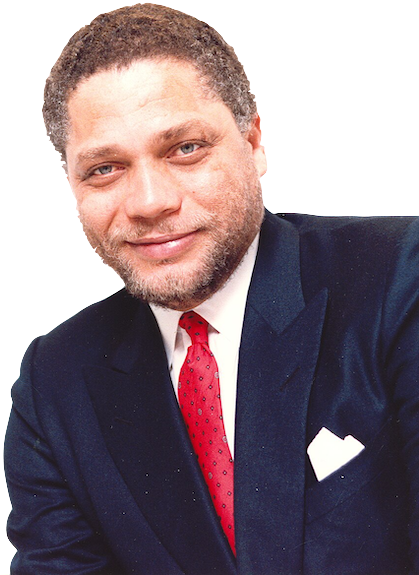
ミッキー・リーランド
Mickey Leland, 1944-1989
あ
るいは、医療人類学は美学を論じれるのか?
Does / Can Medical anthropology (NOT an
anthropologist) talk on aesthetics?
☆ 「美学」というワーディングが(学者が感じるような)安く買い叩かれた のか?(カルスタ流解釈のように)それともラップ音楽の中心的用語と概念に踊りでたと言うべきか? #医療人類学は美学を論じれるのか?(→メインサイトへ)
★ 美の概念への関心の隆盛と終焉:「18世紀に哲学の辞書に登場した「美的」という用語は、とりわけ、対象の種類、判断の種類、態度の種類、経験の種類、価 値の種類を指すようになった。芸術 作品は必然的に美的対象であるのか、美的判断の根拠が知覚的であるとされることと、私たちがそれを支持する理由を与えるという事実とをどのように結びつけ るのか、美的態度と実践的態度との間のとらえどころのない対比をどのように捉えるのが最善なのか、美的経験を現象学的な内容か表象的な内容かによって定義 するのか、美的価値と美的経験との関係をどのように理解するのが最善なのか、などである。「美的」のどのような用法も、他の用法に訴えることなく説明でき るのか、どのような用法に関しても同意することが、意味のある理論的な同意や不同意の根拠として十分なのか、この用語が辞書に含まれることを正当化するよ うな、正当な哲学的目的に最終的に答えるものなのか、などである。このような一般的 な疑問によって表明される懐疑論が定着し始めたのは20世紀後半になってからであり、この事実は、(a)美学という概念は本質的に問題があり、それを何と か理解できるようになったのはごく最近のことなのか、(b)概念は問題なく、そうでないと想像できるほど混乱したのはごく最近のことなのか、という問いを 投げかける。これらの可能性の間を裁くには、美学的な事柄に関する初期と後期の理論化を取り入れる視点が必要である。」(スタンフォード哲 学事典「美学/美 的なものの概念」サイト内リンク→「美学」)
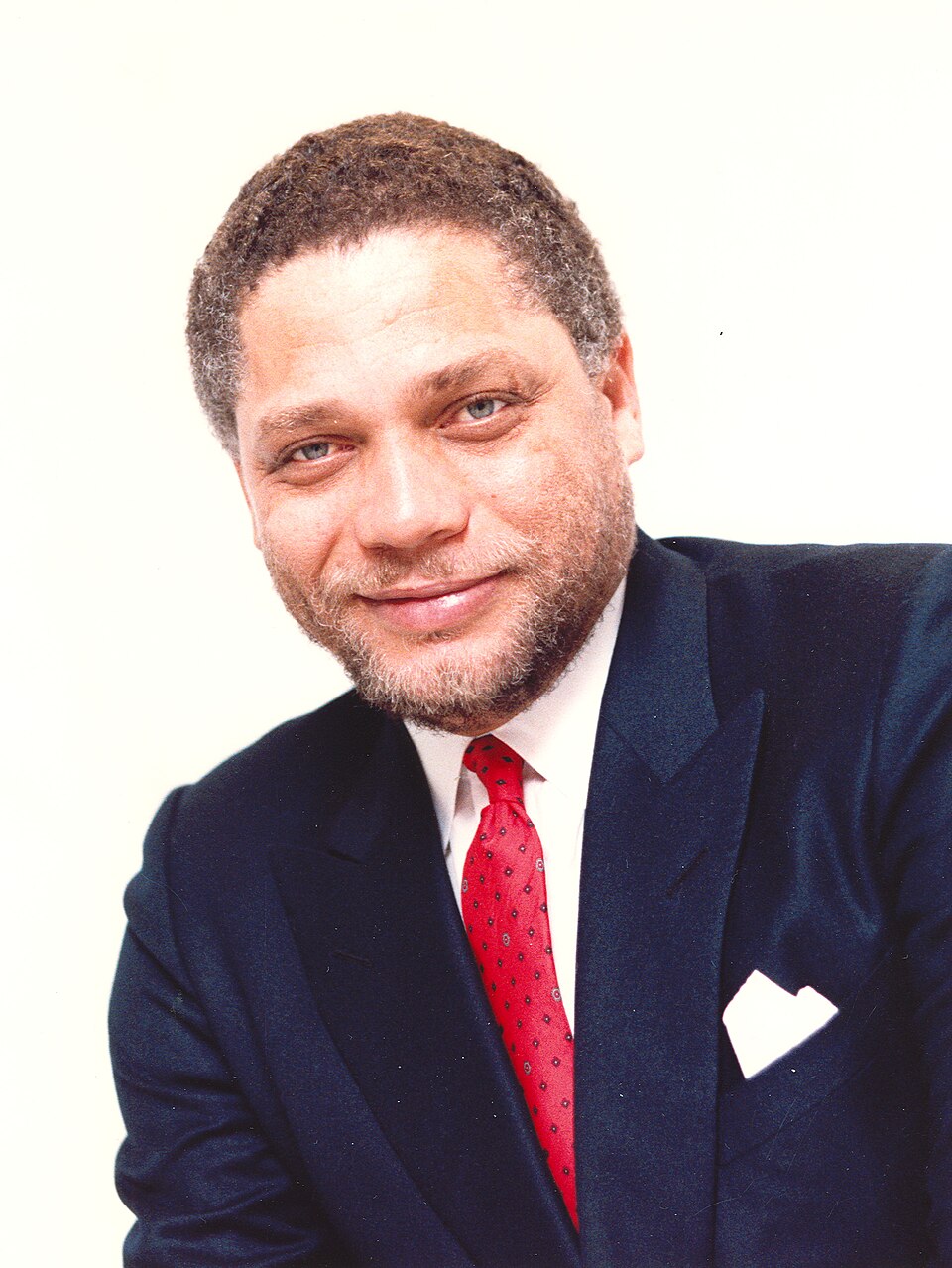
テ
キサス州の元下院議員ミッキー・リーランド(Mickey Leland)
| George Thomas
"Mickey" Leland III (November 27, 1944 – August 7, 1989) was an
American politician and anti-poverty activist. He served as a
congressman from the Texas 18th District and chair of the Congressional
Black Caucus. He was a Democrat. |
ジョージ・トーマス・「ミッキー」・リーランド三世(1944年11月
27日 -
1989年8月7日)は、アメリカの政治家であり、貧困対策活動家であった。テキサス州第18選挙区選出の下院議員を務め、議会黒人議員連盟の議長も務め
た。民主党員であった。 |
| Early years Leland was born in Lubbock, Texas to Alice and George Thomas Leland, II. At a very early age, the Lelands moved to Houston's Fifth Ward neighborhood. Growing up in a predominantly African American neighborhood, Leland attended Wheatley High School in Houston, Texas,[1] where he ranked in the top ten percent of his class when he graduated from Wheatley in 1964. While attending Texas Southern University in the late 1960s, he emerged as a vocal leader of the Houston-area civil rights movement and had brought national leaders of the movement to Houston. Leland graduated from Texas Southern in 1970 with a bachelor's degree in Pharmacy. He served as an Instructor of Clinical Pharmacy at his alma mater in 1970–71, where he set up "door-to-door" outreach campaigns in low-income neighborhoods to inform people about their medical care options and performing preliminary screenings. It was during the administration of then-Texas Southern University President Leonard O. Spearman, where Leland received an honorary doctorate degree from his alma mater. |
幼少期 リーランドはテキサス州ラボックで、アリスとジョージ・トーマス・リーランド二世の間に生まれた。ごく幼い頃、リーランド家はヒューストンのフィフス・ ウォード地区へ移住した。 主にアフリカ系アメリカ人が住む地区で育ったリーランドは、テキサス州ヒューストンのウィートリー高校に通った[1]。1964年に同校を卒業した際、彼 はクラス上位10%の成績を収めていた。1960年代後半にテキサス・サザン大学在学中、彼はヒューストン地域における公民権運動の活発な指導者として頭 角を現し、運動の全国的指導者をヒューストンに招いた。リーランドは1970年にテキサス・サザン大学を卒業し、薬学の学士号を取得した。1970年から 71年にかけて母校で臨床薬学の講師を務め、低所得地域で「戸別訪問」による啓発活動を展開した。住民に医療選択肢を説明し、予備的な健康診断を実施した のである。 当時テキサス・サザン大学の学長を務めていたレナード・O・スピアマンの在任中に、リーランドは母校から名誉博士号を授与されたのである。 |
| Texas House of Representatives In 1972, Texas for the first time allowed its State House of Representatives and Senate seats to be elected as single-member districts. Soon after the decision, five minority candidates (dubbed the "People's Five"), including eventual winners Leland, Craig Washington and Benny Reyes ran for district seats in the Texas House of Representatives, a first for a state that had not seen any African-American state representatives since Reconstruction although Barbara Jordan had been a state senator. Re-elected in 1974 and again in 1976, Leland served three two-year terms in the Texas House of Representatives, representing the 88th District and while in Austin, he became famous for being a staunch advocate of healthcare rights for poor Texans. He was responsible for the passage of legislation that provided low-income consumers with access to affordable generic drugs, and supported the creation of healthcare access through Health Maintenance Organizations (HMOs). In order to accomplish his goals in Austin, Leland served on the Texas State Labor Committee, the State Affairs Committee, the Human Resources Committee, the Legislative Council, and the Subcommittee on Occupational and Industrial Safety. He was elected the Vice-Chairman of the Joint Committee on Prison Reform including becoming the first African-American to serve on the Senate–House Conference Committee as a member of the House Appropriations Committee. |
テキサス州下院 1972年、テキサス州は初めて州下院と上院の議席を小選挙区制で選出することを認めた。この決定直後、リーランド、クレイグ・ワシントン、ベニー・レイ エスら5人の少数派候補者(「人民の5人」と呼ばれた)が州下院の選挙区議席に立候補した。これは、バーバラ・ジョーダンが州上院議員を務めていたもの の、復興期以降アフリカ系アメリカ人の州下院議員が一人もいなかった州としては初めての出来事であった。 リーランドは1974年と1976年に再選され、テキサス州下院で第88選挙区を代表して3期(2年任期)を務めた。オースティンでは、貧しいテキサス州 民の医療権利を強く擁護する人物として有名になった。低所得層が手頃な価格のジェネリック医薬品を利用できるようにする法案の成立に貢献し、健康維持機構 (HMO)を通じた医療アクセスの創出を支援した。オースティンでの目標達成のため、リーランドはテキサス州労働委員会、州政委員会、人的資源委員会、立 法評議会、職業・産業安全小委員会に所属した。刑務所改革合同委員会の副委員長に選出され、下院歳出委員会の一員として上院・下院合同会議委員会にアフリ カ系アメリカ人として初めて参加した。 |
| U.S. House of Representatives After six years in the Texas State Legislature, Leland was elected to the United States House of Representatives in November 1978 to represent Texas's 18th District and was re-elected easily in 1980, 1982, 1984, 1986 and again in 1988 to six two-year terms, serving until his death. The congressional district included the neighborhood in which he had grown up, and he was recognized as a knowledgeable advocate for health, children and the elderly. His leadership abilities were immediately noticed in Washington, and he was named to serve as Freshman Majority Whip in his first term, and later served twice as At-Large Majority Whip. Leland was re-elected to each succeeding Congress until his death. Mickey Leland International Terminal D at Houston's George Bush Intercontinental Airport is named after Leland. Leland was an effective advocate on hunger and public health issues. In 1984, Leland established the Congressional Select Committee on Hunger and initiated a number of programs designed to assuage the famine crises that plagued Ethiopia and Sudan through much of the 1980s. Leland pioneered many afro-centric cultural norms in Washington which included wearing a dashiki and African-style hats.[2] As he visited soup kitchens and makeshift shelters, he became increasingly concerned about the hungry and homeless. The work for which he is best remembered began when Leland co-authored legislation with U.S. Rep. Ben Gilman (R-New York State) in establishing the House Select Committee on Hunger. U.S. Speaker of the House Tip O'Neill (D-Massachusetts) named Leland chairman when it was enacted in 1984. The Select Committee's mandate was to "conduct a continuing, comprehensive study and review of the problems of hunger and malnutrition." Although the committee had no legislative jurisdiction, the committee for the first time provided a single focus for hunger-related issues. The committee's impact and influence would stem largely from Leland's ability to generate awareness of complex hunger alleviation issues and exert his personal moral leadership. In addition to focusing attention on issues of hunger, his legislative initiatives would create the National Commission on Infant Mortality, better access for fresh food for at-risk women, children and infants, and the first comprehensive services for the homeless. Leland's sensitivity to the immediate needs of poor and hungry people would soon make him a spokesperson for hungry people on a far broader scale. Reports of acute famine in sub-Saharan Africa immediately prompted Speaker O'Neill to ask Leland to lead a bipartisan Congressional delegation to assess conditions and relief requirements. When Leland returned, he brought together entertainment personalities, religious leaders and private voluntary agencies to create general public support for the Africa Famine Relief and Recovery Act of 1985. That legislation provided $800 million in food and humanitarian relief supplies. The international attention Leland had focused on the famine brought additional support for non-governmental efforts, saving thousands of lives. His ability in reaching out to others with innovative ideas and to gain support from unlikely sources was a key to his success in effectively addressing the problems for the poor and minorities. He met with both Pope John Paul II about food aid to Africa and Cuban President Fidel Castro about reuniting Cuban families. In Moscow, as part of the first Congressional delegation led by a Speaker of the House as part of the post-Cold War Era, he proposed a joint US-Soviet food initiative to Mozambique. As Chairman of the Congressional Black Caucus, Leland proudly presented the first awards the caucus had ever given to non-black recipients: rock musician Bob Geldof and news anchor Ted Koppel. Geldof was honored for his Band Aid concert and fund-raising efforts for African famine victims, while Koppel was honored for his news stories on the African famine. Leland was a powerful advocate on other major issues as well. While chairing the House Select Committee on Hunger, Leland was a member of the Committee on Energy and Commerce, and the Subcommittees on Telecommunications and Finance, Health and the Environment, and Energy and Power. He chaired the Subcommittee on Postal Operations and Services and served on the Committee on Post Office and Civil Service and the Subcommittee on Compensation and Employment. |
アメリカ合衆国下院 テキサス州議会で6年間活動した後、リーランドは1978年11月にテキサス州第18選挙区代表としてアメリカ合衆国下院議員に選出された。その後 1980年、1982年、1984年、1986年、そして1988年と再選を重ね、計6期(2年任期)を務め、死去するまでその職にあった。この選挙区に は彼が育った地域も含まれており、彼は健康・児童・高齢者問題に精通した擁護者として認められた。その指導力はワシントンで即座に評価され、初当選時には 新人議員の院内幹事補に任命され、後に全議員対象の院内幹事補を二度務めた。リーランドはその後、死去するまで次期議会ごとに再選された。 ヒューストンのジョージ・ブッシュ国際空港にあるミッキー・リーランド国際線ターミナルDは、リーランドにちなんで名付けられた。 リーランドは飢餓問題と公衆衛生問題において効果的な提唱者であった。1984年、彼は議会飢餓特別委員会を設立し、1980年代を通じてエチオピアと スーダンを苦しめた飢饉危機を緩和するための数多くのプログラムを開始した。リーランドはワシントンでダシキやアフリカ風帽子を着用するなど、多くのアフ リカ中心の文化的規範を開拓した。 彼は炊き出しや仮設の避難所を訪問するうちに、飢餓やホームレスの問題についてますます懸念を強めた。彼が最もよく記憶されている仕事は、リーランドがベ ン・ギルマン(共和党、ニューヨーク州)下院議員と共同で、下院飢餓特別委員会を設立する法案を起草したことから始まった。1984年に法案が可決される と、ティップ・オニール(民主党、マサチューセッツ州)下院議長はリーランドを委員長に任命した。特別委員会の使命は、「飢餓と栄養失調の問題について、 継続的かつ包括的な調査と検討を行う」ことだった。 委員会には立法権はなかったが、飢餓関連の問題に初めて一つの焦点を与えた。委員会の影響力と影響力は、主に、複雑な飢餓緩和の問題に対する認識を高め、 個人的な道徳的リーダーシップを発揮するリーランドの能力に由来していた。飢餓問題への注目に加え、彼の立法イニシアチブは、全国乳児死亡率委員会、危険 にさらされている女性、子供、乳児のための生鮮食品へのアクセス改善、そしてホームレスのための初の包括的サービスの創設につながった。 貧しい人々や飢えた人々の差し迫ったニーズに対するリーランドの敏感さは、すぐに彼を、はるかに広範な規模で飢えた人々の代弁者にした。サハラ以南のアフ リカで深刻な飢饉が発生したという報告を受け、オニール下院議長は直ちにリーランドに、状況と救援の必要性を評価するための超党派の議会代表団を率いるよ う要請した。リーランドは帰国後、芸能人、宗教指導者、民間のボランティア団体などを結集し、1985年の「アフリカ飢饉救済・復興法」に対する一般大衆 の支持を集めた。この法律により、8億ドルの食糧と人道支援物資が提供された。リーランドが飢饉に国際的な注目を集めたことで、非政府組織の取り組みがさ らに支援され、何千人もの命が救われた。 革新的なアイデアで人々に働きかけ、思いもよらないところから支援を得る彼の能力は、貧困層やマイノリティの問題に効果的に取り組む上で成功の鍵となっ た。彼は、アフリカへの食糧援助について教皇ヨハネ・パウロ2世と、キューバの家族の再会についてフィデル・カストロ大統領とそれぞれ会談した。冷戦終結 後の時代において、下院議長が率いる初の議会代表団の一員としてモスクワを訪れた際、彼はモザンビークへの米ソ共同食糧支援計画を提案した。議会黒人議員 連盟の議長として、リーランドは同連盟が非黒人受領者に初めて授与した賞を誇らしげに贈呈した。受賞者はロックミュージシャンのボブ・ゲルドフとニュース キャスターのテッド・コッペルである。ゲルドフはアフリカの飢餓被害者支援のためのバンド・エイド・コンサートと資金調達活動で、コッペルはアフリカの飢 餓に関する報道でそれぞれ表彰された。 リーランドは他の主要問題でも強力な提唱者であった。下院飢餓特別委員会委員長を務めながら、エネルギー・商業委員会、電気通信・財政小委員会、健康・環 境小委員会、エネルギー・電力小委員会のメンバーでもあった。郵便業務・サービス小委員会委員長を務め、郵便局・公務員委員会、報酬・雇用小委員会にも所 属した。 |
| Death On August 7, 1989, Leland died in a plane crash in Gambela, Ethiopia, during a mission to Fugnido, Ethiopia.[3] A total of 16 people died in the crash, also including the acclaimed writer Maria Thomas.[4] Leland's friend and former fellow Texas legislator, Craig Washington, was elected to his unexpired congressional term in December 1989. |
死 1989年8月7日、リーランドはエチオピアのフグニドへの任務中、ガンベラで起きた飛行機事故で死亡した[3]。この事故では計16名が死亡し、著名な 作家マリア・トーマスも含まれていた[4]。リーランドの友人であり元テキサス州議会議員だったクレイグ・ワシントンは、1989年12月に彼の残任期間 を引き継ぐ形で下院議員に選出された。 |
| Personal life In 1983, Leland married Alison Clarke Walton (b. 1959), who he had met a year earlier at a reception on Capitol Hill while she was attending her first semester at Georgetown Law School. After being convinced by her friends to approach Leland for an internship, the two held their first date at a dinner at Al Gore's home. They had three sons, Jarrett David (b. February 6, 1986) and twins, Austin Mickey and Cameron George (b. January 14, 1990 after Leland's death).[5][6] Leland was Catholic.[7] |
個人的な生活 1983年、リーランドはアリソン・クラーク・ウォルトン(1959年生まれ)と結婚した。二人は一年前に、彼女がジョージタウン大学ロースクールの一学 期目を過ごしていた際、キャピトル・ヒルでのレセプションで出会っていた。彼女の友人たちに説得され、リーランドにインターンシップを申し込んだ後、二人 はアル・ゴアの自宅での夕食会で初めてのデートをした。彼らには三人の息子がいる。ジャレット・デイヴィッド(1986年2月6日生まれ)と、双子のオー スティン・ミッキーとキャメロン・ジョージ(1990年1月14日生まれ。リーランドの死後に出生)。[5][6] リーランドはカトリック教徒だった。[7] |
| Legacy Since Leland's death, a number of buildings and initiatives have been renamed in his honor: A federal building in Downtown Houston (which currently served as the congressional headquarters for one of his successors, Congresswoman Sheila Jackson Lee) The International Terminal (Terminal D) at George Bush Intercontinental Airport in Houston A street in Addis Ababa A condominium village in Addis Ababa The USAID Leland Initiative to improve internet connectivity in Africa The Texas Commission on Environmental Quality's Mickey Leland Environmental Internship Program The Department of Energy's Minority Education Initiative was renamed the Mickey Leland Energy Fellowship A large number of other government programs, fellowships, and academic organizations have also been named in his memory. Singer-songwriter Pierce Pettis included a song about Leland on his 1991 album Tinseltown. The Mickey Leland College Preparatory Academy for Young Men in Houston The Barbara Jordan-Mickey Leland School of Public Affairs[8] at Texas Southern University. So Others Might Eat's Leland Place[9] is a 90-day transitional housing program for 23 homeless men in recovery, located in Washington, DC. Mickey Leland Primary School in Addis Ababa, Ethiopia. There is a statue on Leland in Hermann Park, Houston, near the Miller Outdoor Theatre. |
レガシー リーランドの死後、彼の名誉を称えて多くの建物や事業が改名された: ヒューストン中心部の連邦政府ビル(現在は後継者の一人であるシーラ・ジャクソン・リー下院議員の議会本部として使用されている) ヒューストン・ジョージ・ブッシュ国際空港の国際線ターミナル(ターミナルD) アディスアベバの道路 アディスアベバの分譲住宅団地 アフリカにおけるインターネット接続環境改善のためのUSAIDリーランド・イニシアチブ テキサス州環境品質委員会ミッキー・リーランド環境インターンシッププログラム エネルギー省マイノリティ教育イニシアチブはミッキー・リーランド・エネルギー・フェローシップに改称 その他多数の政府プログラム、フェローシップ、学術機関も彼の記憶に因んで命名されている。 シンガーソングライターのピアース・ペティスは1991年アルバム『ティンセルタウン』にリーランドを題材とした楽曲を収録した。 ヒューストンにあるミッキー・リーランド男子大学進学準備アカデミー テキサス・サザン大学内のバーバラ・ジョーダン=ミッキー・リーランド公共政策大学院[8] 「ソ・アザーズ・マイト・イート」のリーランド・プレイス[9]は、ワシントンD.C.に位置する、回復途上のホームレス男性23名を対象とした90日間 の移行住宅プログラムである。 エチオピア・アディスアベバにあるミッキー・リーランド小学校。 ヒューストンのハーマン公園、ミラー野外劇場近くにはリーランドの像が立っている。 |
| References 01. "Distinguished HISD Alumni Archived 2012-05-15 at the Wayback Machine," Houston Independent School District Leland, Mickey. Handbook of Texas Online. Last accessed November 10, 2006. Hiltzik, Michael A. "Leland crash leaves no survivors." Los Angeles Times at the Boca Raton News. Monday August 14, 1989. 7th year, Issue 144. 1A. Google News 5 of 34. "Roberta Worrick Dies; Wrote Tales of Africa". New York Times. 14 August 1989. Retrieved 24 August 2023. 05. "Mickey Leland - Biography". www.uh.edu. Retrieved 2025-02-06. "Miss Walton Engaged to Congressman". The New York Times. 1983-03-27. ISSN 0362-4331. Retrieved 2025-02-06. Hudson, Elizabeth (1989-08-20). "REP. LELAND EULOGIZED AS FRIEND OF POOR". Washington Post. ISSN 0190-8286. Retrieved 2022-01-18. "Barbara Jordan-Mickey Leland School of Public Affairs". Barbara Jordan-Mickey Leland School of Public Affairs. Retrieved 2017-02-19. 09. "SOME's Leland House". So Others Might Eat. Retrieved 2020-02-20. |
参考文献 01. 「著名なヒューストン独立学区卒業生」ヒューストン独立学区(2012年5月15日ウェイバックマシンにアーカイブ) リーランド、ミッキー。『テキサス州ハンドブックオンライン』。最終アクセス日:2006年11月10日。 ヒルツィック、マイケル・A. 「リーランド墜落事故、生存者なし」『ロサンゼルス・タイムズ』(ボカラトン・ニュース掲載)。1989年8月14日(月)。第7年、第144号。1A 面。Googleニュース 34件中5件目。 「ロベルタ・ウォリック死去、アフリカの物語を執筆」『ニューヨーク・タイムズ』。1989年8月14日。2023年8月24日閲覧。 05. 「ミッキー・リーランド - 略歴」. www.uh.edu. 2025年2月6日閲覧。 「ウォルトン嬢、下院議員と婚約」. ニューヨーク・タイムズ. 1983年3月27日. ISSN 0362-4331. 2025年2月6日閲覧。 ハドソン、エリザベス (1989-08-20). 「貧困層の友として称えられたリーランド議員」. ワシントン・ポスト. ISSN 0190-8286. 2022-01-18 参照. 「バーバラ・ジョーダン=ミッキー・リーランド公共政策大学院」. バーバラ・ジョーダン=ミッキー・リーランド公共政策大学院. 2017年2月19日閲覧. 09. 「SOMEのリーランド・ハウス」. So Others Might Eat. 2020年2月20日閲覧. |
| Further reading Talton, Benjamin (2019). In This Land of Plenty: Mickey Leland and Africa in American Politics. Philadelphia, PA: University of Pennsylvania Press. ISBN 9780812251470. |
追加文献(さらに読む) タルトン、ベンジャミン(2019)。『この豊穣の地にて:ミッキー・リーランドとアフリカ系アメリカ人政治』。ペンシルベニア大学出版局、フィラデル フィア。ISBN 9780812251470。 |
Mickey Leland の「低所得地域で「戸別訪問」による啓発活動を展開。住民に医療選択肢を説明し、予備的なスクリーニングを実施した」活動は︎、美学的に美しいと言える か?
リ ンク
文 献
そ の他の情報
Copyleft, CC, Mitzub'ixi Quq Chi'j, 1996-2099

☆
 ☆
☆