医療人類学読本
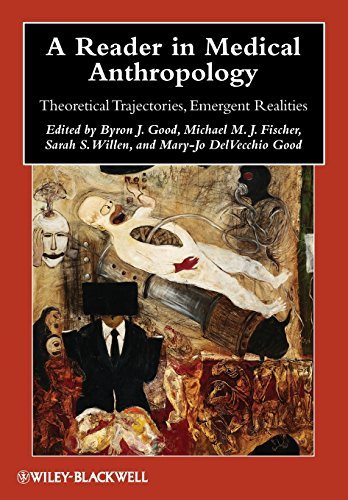
A Reader in Medical Anthropology:
Theoretical Trajectories, Emergent Realities
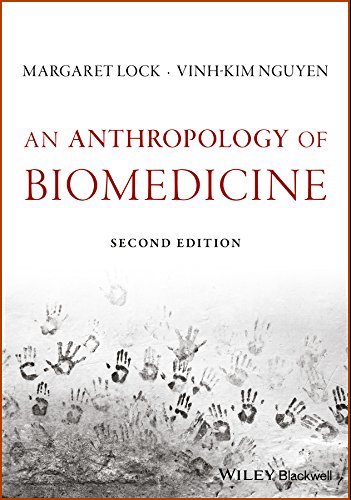
★2010 年にウィリー=ブラックウェルから出版された『医療人類学読本』と『生物医学の人類学』を読む。
この論集の出版社(A Reader in Medical Anthropology, Wiley, 2010)による特徴
☆『医療人類学読本』のパートごとの構成
0)全体の紹介
1)医療人類学に先行する学問分野の貢献
2)病いと語り;身体と経験
3)統治性と生物学的身体
4)生物技術的信仰
5)生物科学、生物技術
6)グローバルヘルス、グローバルメディスン
7)ポストコロニアル時代の異常
| 0)全体の紹介 | Introduction 01 |
|
| 1)医療人類学に先行する学問分野の貢献 | Part I Antecedents |
|
| 2)病いと語り;身体と経験 | Part II Illness and Narrative, Body and Experience 077 |
|
| 3)統治性と生物学的身体 | Part III Governmentalities and Biological Citizenship 175 |
|
| 4)生物技術的信仰 | Part IV The Biotechnical Embrace 263 |
|
| 5)生物科学、生物技術 | Part V Biosciences, Biotechnologies 331 |
|
| 6)グローバルヘルス、グローバルメディスン | Part VI Global Health, Global Medicine 389 |
|
| 7)ポストコロニアル時代の異常 | Part VII Postcolonial Disorders 467 |
☆『生物医学の人類学』(2010版)のパートごとの構成
0)全体の紹介
1)文脈における技術と諸身体
2)生物学的「標準/規格」
3)道徳的境界と人間の変容
4)捉えどころのないエージェントと道徳的破壊
| Introduction |
0)全体の紹介 | ||
| Part I: Technologies and Bodies in Context | 1)文脈における技術と諸身体 | ||
| 1: Biomedical Technologies in Practice |
1: 実践における生物医学技術 |
§ Technological Mastery of the Natural World and Human Development § Technology and Boundary Crossings § Biomedicine as Technology: Some Implications § Technologies of Bodily Governance § Technologies of the Self § The Power of Biological Reductionism § Techno/Biologicals | § 自然界の技術的支配と人間の発達 § 技術と境界の越境 § 技術としての生物医学:いくつかの含意 § 身体統治の技術 § 自己の技術 § 生物学的還元主義の力 § テクノ/バイオロジカルズ |
| 2: The Normal Body |
2: 正常な身体 |
§ Cholera in the 19th Century § Representing the Natural Order § Truth to Nature § The Natural Body § A Numerical Approach § Other Natures § Interpreting the Body § How Normal Became Possible § When Normal Does Not Exist § Problems with Assessing Normal § Pathologizing the “Normal” § Limitations to Biomedical “Objectivity” § Better Than Well? | § 19世紀のコレラ § 自然秩序の表現 § 自然への忠実さ § 自然な身体 § 数値的アプローチ § 他の自然 § 身体の解釈 § 正常が可能になった経緯 § 正常が存在しない場合 § 正常評価の問題点 § 「正常」の病理化 § 生物医学的「客観性」の限界 § 健常以上? |
| 3: Anthropologies of Medicine |
§ The Body Social § Contextualizing Medical Knowledge § Medical Pluralism § The Modernization of “Traditional” Medicine § Medical Hybridization § Biodiversity and Indigenous Medical Knowledge § Self-Medication § A Short History of Medicalization § Opposition to Medicalization § The Social Construction of Illness and Disease § The Politics of Medicalization § In Pursuit of Health § In Summary | § 社会的な身体 § 医療知識の文脈化 § 医療の多元性 § 「伝統的」医療の近代化 § 医療のハイブリッド化 § 生物多様性と先住民の医療知識 § 自己治療 § 医療化の短い歴史 § 医療化への反対 § 病気と疾患の社会的構築 § 医療化の政治学 § 健康の追求 § まとめ |
|
| 4: Local Biologies and Human Difference |
§ The End of Menstruation § Local Biologies § Rethinking Biology in the Midst of Life’s Complexity § Is Biology Real? § Kuru and Endocannibalism 57 § Racism and Birth Weight § Of Microbes and Humans § Antibiotics and Resistant Microbes § Debates about the Origin of HIV § In Summary | § 月経の終わり § 局所的な生物学 § 生命の複雑さの中で生物学を再考する § 生物学は現実か? § クル病と内食現象 57 § 人種主義と出生体重 § 微生物と人間について § 抗生物質と耐性微生物 § HIV起源をめぐる論争 § まとめ |
|
| Part II: The Biological Standard |
2)生物学的「標準/規格」 | ||
| 5: The Right Population |
5.正しい集団 |
§ The Origins of Population as a “Problem” § Addressing the “Problem” of Population § Improving the Stock of Nations § Alternative Modernity and Indian Family Planning § The One-Child Policy § Biomedical Technology and Sex Selection § Contextualizing Sex Selection: India and “Family Balancing” § Contextualizing Sex Selection: Disappeared Girls in China § Sex Selection in a Global Context § Reproducing Nationalism § In Summary | § 人口が「問題」として認識されるようになった経緯 § 人口「問題」への対応 § 国民の質的向上 § 代替的近代性とインドの家族計画 § 一人っ子政策 § 生物医学技術と性別選択 § 性別選択の文脈化:インドと「家族バランス」 § 性別選択の文脈化:中国で消えた女児 § グローバルな文脈における性別選択 § ナショナリズムの再生産 § まとめ |
| 6: Colonial Disease and Biological Commensurability |
6: 植民地病と生物学的相容性 |
§ An Anthropological Perspective on Global Biomedicine § Biomedicine as a Tool of Empire § Acclimatization and Racial Difference § Colonial Epidemics: Microbial Theories Prove Their Worth § Resistance to the Biomedicalization of Epidemics § Microbiology as a Global Standard § Infertility and Childbirth as Critical Events § Birthing in the Belgian Congo § A Global Practice of Fertility Control § Intimate Colonialism: The Biomedicalization of Domesticity § Biomedicine, Evangelism, and Consciousness § The Biological Standardization of Hunger § The Colonial Discovery of Malnutrition § Albumin as Surplus § The Biologization of Salvation § Madness § In Summary |
§ グローバルな生物医学に対する人類学的視点 § 帝国主義の道具としての生物医学 § 順応と人種的差異 § 植民地における伝染病:微生物理論の有用性の証明 § 伝染病の生物医学化への抵抗 § グローバル基準としての微生物学 § 不妊と出産という重大な出来事 § ベルギー領コンゴにおける出産 § 避妊という世界的な実践 § 親密な植民地主義:家庭生活の生物医学化 § 生物医学、福音主義、そして意識 § 飢餓の生物学的標準化 § 植民地による栄養失調の発見 § 余剰としてのアルブミン § 救済の生物学的解釈 § 狂気 § まとめ |
| 7: Grounds for Comparison: Biology and Human Experiments |
7: 比較の根拠:生物学と人体実験 |
§ The Laboratory as the Site of Comparison § The Colonial Laboratory § Experimental Bodies § Rise of the Clinical Trial § Taming Difference by Chance § The Alchemy of the Randomized Controlled Trial § The Problem of Generalizability § Medical Standardization and Contested Evidence § Globalizing Clinical Research § Creating Markets for Biomedical Technologies in Developing Countries § Testing Biomedical Interventions for the World’s Poor § Disputes over Perinatal HIV Transmission Trials § What Should Count as Significant Evidence? § Living with Vampires: Perceptions of Research § Experimental Communities: Social Relations § In Summary |
§ 比較の場としての実験室 § 植民地実験室 § 実験的肉体 § 臨床試験の台頭 § 偶然による差異の制御 § ランダム化比較試験の錬金術 § 一般化可能性の問題 § 医療の標準化と争われる証拠 § 臨床研究のグローバル化 § 発展途上国における生物医学技術の市場創出 § 世界の貧困層に向けた生物医学的介入の試験 § 周産期HIV感染試験をめぐる論争 § 何を重要な証拠とすべきか? § 吸血鬼との共生:研究への認識 § 実験的共同体:社会関係 § まとめ |
| Part III: Moral Boundaries and Human Transformations |
3)道徳的境界と人間の変容 | ||
| 8: Who Owns the Body? |
8: 身体の所有権は誰にあるのか? |
§ Commodification of Human Biologicals § Objects of Worth and Their Alienation § The Wealth of Inalienable Goods § A Bioeconomy of Human Biologicals § Who Owns the Body? § The Commodification of Eggs and Sperm § Immortalized Cell Lines § The Exotic Other § Biological Databases § Concluding Comments |
§ ヒト生物資源の商品化 § 価値の対象とその疎外 § 譲渡不能財の富 § ヒト生物資源のバイオエコノミー § 身体の所有権は誰にあるのか § 卵子と精子の商品化 § 不死化細胞株 § エキゾチックな他者 § 生物学的データベース § 結論 |
| 9: The Social Life of Organs |
9: 臓器の社会生活 |
§ Bioavailability – Who Becomes a Donor? § A Shortage of Organs § Inventing a New Death § The Good-as-Dead § Struggling for National Consensus § The Social Life of Human Organs § When Resources Are Short § Altruism, Entitlement, and Commodification |
§ 生体利用率 – 誰がドナーになるのか? § 臓器不足 § 新たな死の定義 § 死んだも同然の状態 § 国民的合意の模索 § 人間の臓器の社会的営み § 資源が不足する時 § 利他主義、権利意識、商品化 |
| 10: Kinship, Infertility, and Assisted Reproduction |
10: 血縁関係、不妊、および生殖補助医療 |
§ Assisted Reproductive Technologies § Problematizing Infertility Figures § From Underfertility to Overfertility § Reproducing Culture § Assisted Reproduction in the United States § Assisted Reproduction in Egypt § Assisted Reproduction in Israel § ART in Global Perspective |
§ 補助生殖技術 § 不妊の図式を問題化する § 低生殖能力から過剰生殖能力へ § 文化の再生 § アメリカにおける補助生殖 § エジプトにおける補助生殖 § イスラエルにおける補助生殖 § グローバルな視点からのART(人工生殖技術) |
| Part IV: Elusive Agents and Moral Disruptions |
4)捉えどころのないエージェントと道徳的破壊 | ||
| 11: The Matter of the Self |
11: 自我の問題 |
§ The Discovery of an Unconscious Self § Unlocking the Pathogenic Secret § The Pathogenic Secret as a Technology of the Self § The Making of Post-Traumatic Stress Disorder § The Practitioner-Self § The Sources of Therapeutic Efficacy § The Self’s Therapeutic Powers § Technologies of Health Promotion § Technologies of Empowerment § Technologies of Self-Help § Confessional Technologies § Conclusion |
§ 無意識の自己の発見 § 病原性の秘密の解明 § 病原性の秘密という自己の技術 § 心的外傷後ストレス障害の形成 § 実践者としての自己 § 治療効果の源泉 § 自己の治療的力 § 健康増進の技術 § エンパワーメントの技術 § 自己支援の技術 § 告白の技術 § 結論 |
| 12: Genes as Embodied Risk |
12: 遺伝子としての具体化されたリスク |
§ From Hazard to Embodied Risk § From Generation to Rewriting Life § Genomic Hype § Geneticization § Genetic Testing and Human Contingency § Genetic Citizenship and Future Promise in America § Biosociality and the Affiliation of Genes § Genetic Screening § Preimplantation Genetic Diagnosis |
§ 危険から具体化されたリスクへ § 生成から生命の再記述へ § ゲノムブーム § 遺伝子化 § 遺伝子検査と人間の不確実性 § アメリカにおける遺伝子市民権と未来の約束 § 生物社会性と遺伝子の帰属 § 遺伝子スクリーニング § 着床前遺伝子診断 |
| § 13: Genomics, Epigenomics, and Uncertain Futures |
§ 13: ゲノミクス、エピゲノミクス、そして不確かな未来 |
§ Dethroning the Gene? § Eclipse of the Genotype–Phenotype Dogma § Epigenetics: Beyond Genetic Determinism § Epigenomics § The APOE Gene and Alzheimer’s Disease § Genetic Testing for Late-Onset Alzheimer’s Disease § Interpretations of Risk Estimates § Learning (Again) to Live with Uncertainty |
§ 遺伝子の王座を退けるのか? § 遺伝子型-表現型ドグマの衰退 § エピジェネティクス:遺伝的決定論を超えて § エピゲノミクス § APOE遺伝子とアルツハイマー病 § 遅発性アルツハイマー病の遺伝子検査 § リスク推定値の解釈 § 不確実性と共存することを(再び)学ぶ |
| 14: Human Difference Revisited |
14: 人間の異なること=多様性の再考 |
§ Molecular Biology and Racial Politics § The Molecularization of Race § Commodifying “Race” and Ancestry § Looping Effects |
§ 分子生物学と人種政治 § 人種の分子化 § 「人種」と祖先の商品化 § ループ効果 |
| Epilogue |
|||
| § Notes § Bibliography § Index |
☆
★『医療人類学読本』各論文の解説
| ページ |
番号 |
タイトル(項目名を含む) |
著者名 |
内容・コメント・メモ |
| ix |
Acknowledgments |
|||
| xiii |
About the Editors |
|||
| 1 |
Introduction |
|||
| 7 |
Part I Antecedents |
|||
| 9 |
Introduction |
|||
| 15 |
1 |
Massage in Melanesia |
W. H. R. Rivers |
|
| 18 |
2 |
The Notion of Witchcraft
Explains Unfortunate Events |
E. E. Evans-Pritchard |
|
| 26 |
3 |
Muchona the Hornet, Interpreter
of Religion |
Victor Turner |
|
| 38 |
4 |
The Ojibwa Self and Its
Behavioral Environment |
Irving A. Hallowell |
|
| 47 |
5 |
The Charity Physician |
Rudolf Virchow |
|
| 50 |
6 |
The Role of Beliefs and Customs
in Sanitation Programs |
Benjamin Paul |
|
| 55 |
7 |
Introduction to Asian Medical
Systems |
Charles Leslie |
|
| 64 |
8 |
Medical Anthropology and the
Problem of Belief |
Byron J. Good |
|
| 77 |
Part II Illness and Narrative,
Body and Experience |
|||
| 79 |
Introduction |
|||
| 85 |
9 |
Medicine’s Symbolic Reality: On
a Central Problem in the Philosophy of Medicine |
Arthur M. Kleinman |
|
| 91 |
10 |
Elements of Charismatic
Persuasion and Healing |
Thomas J. Csordas |
|
| 108 |
11 |
The Thickness of Being: Intentional Worlds, Strategies of Identity, and Experience Among Schizophrenics | Ellen Corin |
|
| 121 |
12 |
The Concept of Therapeutic
‘Emplotment’ |
Cheryl Mattingly |
|
| 137 |
13 |
Myths/Histories/Lives |
Michael Jackson |
|
| 143 |
14 |
The State Construction of
Affect: Political Ethos and Mental Health Among Salvadoran Refugees |
Janis Hunter Jenkins |
|
| 160 |
15 |
Struggling Along: The
Possibilities for Experience among the Homeless Mentally Ill |
Robert Desjarlais |
|
| 175 |
Part III Governmentalities and
Biological Citizenship |
|||
| 177 |
Introduction |
|||
| 181 |
16 |
Dreaming of Psychiatric
Citizenship: A Case Study of Supermax Confinement |
Lorna A. Rhodes |
|
| 199 |
17 |
Biological Citizenship: The
Science and Politics of Chernobyl-Exposed Populations |
Adriana Petryna |
|
| 213 |
18 |
Human Pharmakon: Symptoms,
Technologies, Subjectivities |
João Biehl |
|
| 232 |
19 |
The Figure of the Abducted
Woman: The Citizen as Sexed |
Veena Das |
|
| 245 |
20 |
Where Ethics and Politics Meet:
The Violence of Humanitarianism in France |
Miriam Ticktin |
|
| 263 |
Part IV The Biotechnical Embrace |
|||
| 265 |
Introduction |
|||
| 272 |
21 |
The Medical Imaginary and the
Biotechnical Embrace: Subjective Experiences of Clinical Scientists and
Patients |
Mary-Jo DelVecchio Good |
|
| 284 |
22 |
Where It Hurts: Indian Material
for an Ethics of Organ Transplantation |
Lawrence Cohen |
|
| 300 |
23 |
‘‘Robin Hood’’ of Techno-Turkey
or Organ Trafficking in the State of Ethical Beings |
Aslihan Sanal |
|
| 319 |
24 |
Quest for Conception: Gender,
Infertility, and Egyptian Medical Traditions |
Marcia C. Inhorn |
|
| 327 |
25 |
AIDS in 2006: Moving toward One
World, One Hope? |
Jim Yong Kim and Paul Farmer |
|
| 331 |
Part V Biosciences,
Biotechnologies |
|||
| 333 |
Introduction |
|||
| 339 |
26 |
Dr. Judah Folkman’s Decalogue
and Network Analysis |
Michael M. J. Fischer |
|
| 345 |
27 |
Beyond Nature and Culture: Modes
of Reasoning in the Age of Molecular Biology and Medicine |
Hans-Jörg Rheinberger |
|
| 353 |
28 |
Immortality, In Vitro: A History
of the HeLa Cell Line |
Hannah Landecker |
|
| 367 |
29 |
A Digital Image of the Category
of the Person |
Joseph Dumit |
|
| 377 |
30 |
Experimental Values: Indian
Clinical Trials and Surplus Health |
Kaushik Sunder Rajan |
|
| 389 |
Part VI Global Health, Global
Medicine |
|||
| 391 |
Introduction |
|||
| 394 |
31 |
Medical Anthropology and
International Health Planning |
George M. Foster |
|
| 405 |
32 |
Anthropology and Global Health |
Craig R. Janes and Kitty K.
Corbett |
|
| 422 |
33 |
Mot Luuk Problems in Northeast
Thailand: Why Women’s Own Health Concerns Matter as Much as Disease
Rates |
Pimpawun Boonmongkon, Mark
Nichter, and Jen Pylypa |
|
| 437 |
34 |
The New Malaise: Medical Ethics
and Social Rights in the Global Era |
Paul Farmer |
|
| 452 |
35 |
Humanitarianism as a Politics of
Life |
Didier Fassin |
|
| 467 |
Part VII Postcolonial Disorders |
|||
| 469 |
Introduction |
|||
| 473 |
36 |
Amuk in Java: Madness and
Violence in Indonesian Politics |
Byron J. Good and Mary-Jo
DelVecchio Good |
|
| 481 |
37 |
The Political Economy of
‘Trauma’ in Haiti in the Democratic Era of Insecurity |
Erica James |
|
| 496 |
38 |
Contract of Mutual
(In)Difference: Governance and the Humanitarian Apparatus in
Contemporary Albania and Kosovo |
Mariella Pandolfi |
|
| 505 |
39 |
Darfur through a Shoah Lens:
Sudanese Asylum Seekers, Unruly Biopolitical Dramas, and the Politics
of Humanitarian Compassion in Israel |
Sarah S. Willen |
|
| 522 |
40 |
The Elegiac Addict: History,
Chronicity, and the Melancholic Subject |
Angela Garcia |
|
| 540 |
Index 540 |
Features
☆A reader in medical anthropology : theoretical trajectories, emergent realities / edited by Byron J. Good (Editor), Michael M. J. Fischer (Editor), Sarah S. Willen (Editor), Mary-Jo DelVecchio Good (Editor) : pbk.. - Chichester : Wiley-Blackwell , 2010. - (Blackwell anthologies in social and cultural anthropology ; 14),
|
Table of Contents Acknowledgments
ix W.
H. R. Rivers E.
E. Evans-Pritchard Victor
Turner Irving
A. Hallowell Rudolf
Virchow Benjamin
Paul Charles
Leslie Byron
J. Good Arthur
M. Kleinman Thomas
J. Csordas Ellen
Corin Cheryl
Mattingly Michael
Jackson Janis
Hunter Jenkins Robert
Desjarlais Lorna
A. Rhodes Adriana
Petryna João
Biehl Veena
Das Miriam
Ticktin Mary-Jo
DelVecchio Good Lawrence
Cohen Aslihan
Sanal Marcia
C. Inhorn Jim
Yong Kim and Paul Farmer Michael
M. J. Fischer Hans-Jörg
Rheinberger Hannah
Landecker Joseph
Dumit Kaushik
Sunder Rajan George
M. Foster Craig
R. Janes and Kitty K. Corbett Pimpawun
Boonmongkon, Mark Nichter, and Jen Pylypa Paul
Farmer Didier
Fassin Byron
J. Good and Mary-Jo DelVecchio Good Erica
James Mariella
Pandolfi Sarah
S. Willen Index 540 |
目次 謝辞 ix 編集者について xiii はじめに 1 第 I 部 前史 7 はじめに 9 1 メラネシアにおけるマッサージ 15 W. H. R. リバース 2 不幸な出来事を説明する妖術の概念 18 E. E. エヴァンズ=プリチャード 3 宗教の通訳者、ホーネットのムチョナ 26 ヴィクター・ターナー 4 オジブワ族の自己とその行動環境 38 アーヴィング・A・ハロウェル 5 慈善医師 47 ルドルフ・ヴィルヒョウ 6 衛生プログラムにおける信念と慣習の役割 50 ベンジャミン・ポール 7 アジアの医療システム入門 55 チャールズ・レスリー 8 医療人類学と信念の問題 64 バイロン・J・グッド 第 II 部 病気と物語、身体と経験 77 はじめに 79 9 医学の象徴的現実:医学哲学の中心的な問題について 85 アーサー・M・クラインマン 10 カリスマ的説得と治癒の要素 91 トーマス・J・チョルダス 11 存在の厚み:統合失調症患者の意図的な世界、アイデンティティの戦略、そして経験 108 エレン・コリン 12 治療的「プロット」の概念 121 シェリル・マッティングリー 13 神話/歴史/人生 137 マイケル・ジャクソン 14 感情の国家による構築:エルサルバドル難民における政治的風土と精神的健康 143 ジャニス・ハンター・ジェンキンズ 15 苦闘:ホームレスの精神疾患患者における経験の可能性 160 ロバート・デジャレ 第 III 部 ガバナメンタリティと生物学的市民権 175 はじめに 177 16 精神医学的市民権を夢見て:スーパーマックス刑務所における事例研究 181 ローナ・A・ローズ 17 生物学的市民権:チェルノブイリ被曝者に関する科学と政治 199 アドリアナ・ペトリナ 18 人間というファルマコン:症状、技術、主体性 213 ジョアン・ビール 19 誘拐された女性の形象:性化された市民 232 ヴィーナ・ダス 20 倫理と政治の交差点:フランスにおける人道主義の暴力 245 ミリアム・ティックティン 第IV部 バイオテクニカルな抱擁 263 序論 265 21 医療的想像とバイオテクニカルな抱擁:臨床科学者と患者の主観的体験 272 メアリー=ジョー・デルヴェッキオ・グッド 22 痛みの所在:臓器移植倫理のためのインド的素材 284 ローレンス・コーエン 23 テクノ・トルコの「ロビン・フッド」か、倫理的存在の国家における臓器密売か 300 アスリハン・サナル 24 受胎への探求:ジェンダー、不妊、そしてエジプトの医療伝統 319 マーシア・C・インホルン 25 2006年のエイズ:一つの世界、一つの希望へ向かって? 327 ジム・ヨン・キムとポール・ファーマー 第V部 生命科学、バイオテクノロジー 331 序論 333 26 ジュダ・フォークマン博士の十戒とネットワーク分析 339 マイケル・M・J・フィッシャー 27 自然と文化を超えて:分子生物学と医学の時代の推論様式 345 ハンス=ヨルグ・ラインベルガー 28 試験管内での不死:ヘラ細胞株の歴史 353 ハンナ・ランデッカー 29 人格というカテゴリーのデジタルイメージ 367 ジョセフ・デュミット 30 実験的価値:インドの臨床試験と余剰健康 377 カウシク・スンダー・ラジャン 第6部 グローバルヘルス、グローバルメディシン 389 序論 391 31 医療人類学と国際健康計画 394 ジョージ・M・フォスター 32 人類学とグローバル健康 405 クレイグ・R・ジェインズとキティ・K・コーベット 33 タイ北東部におけるモット・ルーク問題:疾病率と同様に女性の健康懸念が重要である理由 422 ピンパウン・ブーンモンコン、マーク・ニクター、ジェン・ピリパ 34 新たな病:グローバル時代における医療倫理と社会的権利 437 ポール・ファーマー 35 生命の政治としてのヒューマニタリアニズム 452 ディディエ・ファッサン 第VII部 ポストコロニアルな病態 467 序論 469 36 ジャワ島の狂乱:インドネシア政治における狂気と暴力 473 バイロン・J・グッド、メアリー=ジョー・デルヴェッキオ・グッド 37 不安定な民主主義時代におけるハイチの「トラウマ」の政治経済学 481 エリカ・ジェームズ 38 相互(無)差異の契約:現代アルバニアとコソボにおけるガバナンスと人道支援機構 496 マリエラ・パンドルフィ 39 ショアのレンズを通して見たダルフール:スーダン難民申請者、制御不能な生命政治的ドラマ、そしてイスラエルにおける人道的同情の政治学 505 サラ・S・ウィレン 40 哀歌的な中毒者:歴史、慢性化、そして憂鬱な主体 522 アンジェラ・ガルシア 索引 540 |
| An anthropology of biomedicine / Margaret Lock and Vinh-Kim Nguyen, Chichester, West Sussex : Wiley-Blackwell , 2010 | 2nd ed. - Hoboken, N.J. : Wiley Blackwell , 2018 |
| § Cover § Copyright Page § Contents § Acknowledgments § Introduction § Improving Global Health: The Challenge § Biomedicine as Technology § Does Culture Exist? § A Word about Ethnography § Outline of Chapters § Part I: Technologies and Bodies in Context § 1: Biomedical Technologies in Practice § Technological Mastery of the Natural World and Human Development § Technology and Boundary Crossings § Biomedicine as Technology: Some Implications § Technologies of Bodily Governance § Technologies of the Self § The Power of Biological Reductionism § Techno/Biologicals § 2: The Normal Body § Cholera in the 19th Century § Representing the Natural Order § Truth to Nature § The Natural Body § A Numerical Approach § Other Natures § Interpreting the Body § How Normal Became Possible § When Normal Does Not Exist § Problems with Assessing Normal § Pathologizing the “Normal” § Limitations to Biomedical “Objectivity” § Better Than Well? § 3: Anthropologies of Medicine § The Body Social § Contextualizing Medical Knowledge § Medical Pluralism § The Modernization of “Traditional” Medicine § Medical Hybridization § Biodiversity and Indigenous Medical Knowledge § Self-Medication § A Short History of Medicalization § Opposition to Medicalization § The Social Construction of Illness and Disease § The Politics of Medicalization § In Pursuit of Health § In Summary § 4: Local Biologies and Human Difference § The End of Menstruation § Local Biologies § Rethinking Biology in the Midst of Life’s Complexity § Is Biology Real? § Kuru and Endocannibalism 57 § Racism and Birth Weight § Of Microbes and Humans § Antibiotics and Resistant Microbes § Debates about the Origin of HIV § In Summary § Part II: The Biological Standard § 5: The Right Population § The Origins of Population as a “Problem” § Addressing the “Problem” of Population § Improving the Stock of Nations § Alternative Modernity and Indian Family Planning § The One-Child Policy § Biomedical Technology and Sex Selection § Contextualizing Sex Selection: India and “Family Balancing” § Contextualizing Sex Selection: Disappeared Girls in China § Sex Selection in a Global Context § Reproducing Nationalism § In Summary § 6: Colonial Disease and Biological Commensurability § An Anthropological Perspective on Global Biomedicine § Biomedicine as a Tool of Empire § Acclimatization and Racial Difference § Colonial Epidemics: Microbial Theories Prove Their Worth § Resistance to the Biomedicalization of Epidemics § Microbiology as a Global Standard § Infertility and Childbirth as Critical Events § Birthing in the Belgian Congo § A Global Practice of Fertility Control § Intimate Colonialism: The Biomedicalization of Domesticity § Biomedicine, Evangelism, and Consciousness § The Biological Standardization of Hunger § The Colonial Discovery of Malnutrition § Albumin as Surplus § The Biologization of Salvation § Madness § In Summary § 7: Grounds for Comparison: Biology and Human Experiments § The Laboratory as the Site of Comparison § The Colonial Laboratory § Experimental Bodies § Rise of the Clinical Trial § Taming Difference by Chance § The Alchemy of the Randomized Controlled Trial § The Problem of Generalizability § Medical Standardization and Contested Evidence § Globalizing Clinical Research § Creating Markets for Biomedical Technologies in Developing Countries § Testing Biomedical Interventions for the World’s Poor § Disputes over Perinatal HIV Transmission Trials § What Should Count as Significant Evidence? § Living with Vampires: Perceptions of Research § Experimental Communities: Social Relations § In Summary § Part III: Moral Boundaries and Human Transformations § 8: Who Owns the Body? § Commodification of Human Biologicals § Objects of Worth and Their Alienation § The Wealth of Inalienable Goods § A Bioeconomy of Human Biologicals § Who Owns the Body? § The Commodification of Eggs and Sperm § Immortalized Cell Lines § The Exotic Other § Biological Databases § Concluding Comments § 9: The Social Life of Organs § Bioavailability – Who Becomes a Donor? § A Shortage of Organs § Inventing a New Death § The Good-as-Dead § Struggling for National Consensus § The Social Life of Human Organs § When Resources Are Short § Altruism, Entitlement, and Commodification § 10: Kinship, Infertility, and Assisted Reproduction § Assisted Reproductive Technologies § Problematizing Infertility Figures § From Underfertility to Overfertility § Reproducing Culture § Assisted Reproduction in the United States § Assisted Reproduction in Egypt § Assisted Reproduction in Israel § ART in Global Perspective § Part IV: Elusive Agents and Moral Disruptions § 11: The Matter of the Self § The Discovery of an Unconscious Self § Unlocking the Pathogenic Secret § The Pathogenic Secret as a Technology of the Self § The Making of Post-Traumatic Stress Disorder § The Practitioner-Self § The Sources of Therapeutic Efficacy § The Self’s Therapeutic Powers § Technologies of Health Promotion § Technologies of Empowerment § Technologies of Self-Help § Confessional Technologies § Conclusion § 12: Genes as Embodied Risk § From Hazard to Embodied Risk § From Generation to Rewriting Life § Genomic Hype § Geneticization § Genetic Testing and Human Contingency § Genetic Citizenship and Future Promise in America § Biosociality and the Affiliation of Genes § Genetic Screening § Preimplantation Genetic Diagnosis § 13: Genomics, Epigenomics, and Uncertain Futures § Dethroning the Gene? § Eclipse of the Genotype–Phenotype Dogma § Epigenetics: Beyond Genetic Determinism § Epigenomics § The APOE Gene and Alzheimer’s Disease § Genetic Testing for Late-Onset Alzheimer’s Disease § Interpretations of Risk Estimates § Learning (Again) to Live with Uncertainty § 14: Human Difference Revisited § Molecular Biology and Racial Politics § The Molecularization of Race § Commodifying “Race” and Ancestry § Looping Effects § Epilogue § Notes § Bibliography § Index |
§ Cover § Title Page § Copyright Page § Contents § Acknowledgements § Introduction § The Argument § Interwoven Themes § Improving Global Health: The Challenge § Biomedicine as Technology § Does Culture Exist? § A word About Ethnography § Section 1 § Chapter 1 Biomedical Technologies in Practice § Technological Mastery of the Natural World and Human Development § Technology and Boundary Crossings § Biomedicine as Technology: Some Implications § Technologies of Bodily Governance § Technologies of the Self § The Power of Biological Reductionism § Techno/Biologicals § Chapter 2 The Normal Body § Cholera in the Nineteenth Century § Representing the Natural Order § Truth to Nature § The Natural Body § A Numerical Approach § Other Natures § Interpreting the Body § How Normal Became Possible § When Normal Does not Exist § Problems with Assessing Normal § Pathologizing the ‘Normal’ § Limitations to Biomedical ‘Objectivity’ § Better than Well? § Chapter 3 Anthropologies of Medicine § The Body Social § Contextualizing Medical Knowledge § Medical Pluralism § The Modernization of ‘Traditional’ Medicine § Medical Hybridization § Biodiversity and Indigenous Medical Knowledge § Self-medication § A Short History of Medicalization § Opposition to Medicalization § The Social Construction of Illness and Disease and Beyond § The Politics of Medicalization § Beyond Medicalization? § In Pursuit of Health § In Summary § Section 2 § Overview § Chapter 4 Colonial Disease and Biological Commensurability § An Anthropological Perspective on Global Biomedicine § Biomedicine as a Tool of Empire § Acclimatization and Racial Difference § Colonial Epidemics: Microbial Theories Prove their Worth § Fear of Biomedicine § Microbiology as a Global Standard § Infertility and Childbirth as Critical Events § Birthing in the Belgian Congo § A Global Practice of Fertility Control § Intimate Colonialism: The Biomedicalization of Domesticity § Biomedicine, Evangelism and Consciousness § The Biological Standardization of Hunger § The Colonial Discovery of Malnutrition § Albumin as Surplus § The Biologization of Salvation § In Summary § Chapter 5 Grounds for Comparison § The Laboratory as the Site of Comparison § The Colonial Laboratory § Experimental Bodies § Rise of the Clinical Trial § Taming Chance § The Alchemy of the Randomized Controlled Trial § The Problem of Generalizability § Medical Standardization and Contested Evidence § Anthropological Perspectives on Clinical Trials: The West African Ebola Epidemic § ‘Jiki’: A Clinical Trial Amidst the Ebola Epidemic § Context of the Clinical Trial § Globalizing Clinical Research § What Should Count as Evidence? § Economies of Blood § Experimental Communities: Social Relations § In Summary § Chapter 6 The Right Population § The Origins of Population as a ‘Problem’ § Addressing the ‘Problem’ of Population § Improving the Stock of Nations § Contraceptive Technologies and Family Planning § Indian Family Planning – meeting Quotas § Increasing Fertility with Contraceptive Use § The One-child Policy § Biomedical Technology and Sex Selection § Contextualizing Sex Selection: India and ‘Family Balancing § Contextualizing Sex Selection: Disappeared Girls in China § Sex Selection in a Global Context § Ghost Children, Little Emperors, Burgeoning Elders § Reproducing Nationalism § In Summary § Section 3 § Overview § Chapter 7 Who Owns the Body? § Commodification of Human Biological Material § Objects of Worth and their Alienation § The Wealth of Inalienable Goods § A Bioeconomy of Human Biological Materials § Who Owns the Body? § Gifting Life § Commodification of Eggs and Sperm § Medical Tourism § Immortalized Cell Lines § The Exotic Other § Biological Databases § Concluding Comments § Chapter 8 The Social Life of Human Organs § Bioavailability – Who Becomes a Donor? § The Biopolitics of Organ Transplants § A Shortage of Organs § Inventing a New Death § The Good-as-dead § Struggling for National Consensus § A Rapacious Need for Organs § The Social Life of Human Organs § When Resources are in Short Supply § Liminal Lives § Does the Body Belong to God? § Altruism, Entitlement and Commodification § Chapter 9 Making Kinship § Assisted Reproductive Technologies § Problematizing Infertility Figures § From Underfertility to Overfertility § Reproducing Culture § Assisted Reproduction in the United States § Assisted Reproduction in Egypt § Assisted Reproduction in Israel § ART and the Reproduction of Normalcy § Global Hubs of Conception § Section 4 § Overview § Chapter 10 The Sociotechnical Self § The Biological Boundary Between Self and Other § The Sociotechnical Self § Technologies of the Self § Technologies of the Self in Biomedicine § The Unconscious as Technology of the Self § The Discovery of an Unconscious Self § Unlocking the Pathogenic Secret § The Pathogenic Secret as a Mode of Subjection § The Making of Posttraumatic Stress Disorder § The Practitioner-self § Producing the Self Through Talking Technologies: Technologies of Health Promotion § Technologies of Empowerment § Technologies of Self-help § Confessional Technologies § The Globalization of the Unconscious § Beyond Freud to the Neurosciences § The Psychiatric Self § Psychopharmaceuticals § Addiction and the Lie § Conclusion § Chapter 11 Genes as Embodied Risk § From Hazard to Embodied Risk § From Generation to Rewriting Life § Genomic Hype § Geneticization § Genetic Testing and Human Contingency § Genetic Citizenship and Future Promise in America § Biosociality and the Affiliation of Genes § Community-based Participatory Research § Genetic Information and Hybrid Causality § Genetic Testing in the Era of Personalized Medicine § Genetic Screening § Screening as a Collective Endeavour § Race and Genetic Testing § Preimplantation Genetic Diagnosis § Is a Neo-Eugenics Looming on the Horizon? § Chapter 12 Global Health § What is Global Health, and How is it Different fromInternational Health? § Metrics and the Global Clinic § Botswana’s Cancer Ward § Leukaemia in the Indian Ocean § Value in Global Health: A Global Market for Diagnostics and Drugs § When Markets don’t Work § Medical Humanitarianism and ‘Philanthrocapitalism’ § Regimes of Anticipation in Global Health: Epidemics Fast and Slow § An Anthropology of Preparedness § The Politics of Anticipation § Conclusion § Section 5 § Overview § Chapter 13 From Local to Situated Biologies § The End of Menstruation § Local Biologies § Kuru and Endocannibalism45 § Racism and Birth Weight § Agent Orange and Foetal Abnormalities in Vietnam § An Abundance of Local Biologies § Local Biology and the Erosion of Universal Bodies § Rethinking Biology in the Midst of Life’s Complexity § Is Biology Real? § In Summary § Chapter 14 Of Microbes and Humans § The Microbial Arms Race § Warfare and Iraqibacter § Debates About the Origin of HIV § From Versus to Commensals: Microbiomes and Metagenomes § The Human Ecosystem § Chapter 15 Genomics, Epigenomics and Uncertain Futures § Divining the Contemporary § Amassing and Systematizing DNA § The APOE Gene and Alzheimer’s Disease § Genetic Testing for Late‐onset Alzheimer’s Disease § Interpretations of Risk Estimates § Dethroning the Gene? § Eclipse of the Genotype–phenotype Dogma § Does a Programme for Life Exist? § Learning (Again) to Live with Uncertainty § Epigenetics: Overtaking Genetic Determinism § From Epigenesis to Epigenetics § Molecular Epigenetics and the Reactive Genome § Miniaturization of the Environment § Embedded Bodies § Epigenetics and the Womb § Food as Environment § Social Deprivation § Ageing and Epigenetics § From Causality to Contingency § Chapter 16 Molecularizing Racial Difference § Molecular Biology and Racial Politics § The Molecularization of Race § Bioethnic Conscription § Racialized Allelic Variation § Mexican Genomics § Discordant Genomic Knowledge § Commodifying ‘Race’ and Ancestry § Looping Effects § Epilogue § Notes § Bibliography § Index § EULA |
| § 表紙 § 著作権表示 § 目次 § 謝辞 § 序論 § グローバル健康の向上:課題 § 技術としての生物医学 § 文化は存在するのか? § 一言、民族誌について § 章の構成 § 第1部:文脈における技術と身体 § 1:実践における生物医学技術 § 自然界と人間開発の技術的支配 § 技術と境界の越境 § 技術としての生物医学:いくつかの示唆 § 身体統治の技術 § 自己の技術 § 生物学的還元主義の力 § テクノ/バイオロジカルズ § 2:正常な身体 § 19世紀のコレラ § 自然秩序の表象 § 自然への忠実 § 自然的身体 § 数値的アプローチ § 他の自然 § 身体の解釈 § 正常が可能になった経緯 § 正常が存在しない場合 § 正常評価の問題点 § 「正常」の病理化 § 生物医学的「客観性」の限界 § 健常以上か? § 3: 医学の人類学 § 社会的身体 § 医療知識の文脈化 § 医療の多元性 § 「伝統的」医療の近代化 § 医療のハイブリッド化 § 生物多様性と先住民の医療知識 § 自己治療 § 医療化の短い歴史 § 医療化への抵抗 § 病気と疾患の社会的構築 § 医療化の政治学 § 健康の追求 § まとめ § 4: 地域の生物学と人間の差異 § 月経の終焉 § 地域の生物学 § 生命の複雑性における生物学の再考 § 生物学は現実か? § クル病と内食 § 人種主義と出生体重 § 微生物と人間 § 抗生物質と耐性微生物 § HIV起源論争 § まとめ § 第二部:生物学的基準 § 5:適切な人口 § 「問題」としての人口の起源 § 人口「問題」への対応 § 国民の質的向上 § 代替的近代性とインドの家族計画 § 一子政策 § 生物医学技術と性別選択 § 性別選択の文脈化:インドと「家族バランス」 § 性別選択の文脈化:中国で消えた女児 § グローバルな文脈における性別選択 § ナショナリズムの再生 § まとめ § 6:植民地時代の疾病と生物学的比較可能性 § グローバルな生物医学に対する人類学的視点 § 帝国主義の道具としての生物医学 § 順化と人種的差異 § 植民地時代の伝染病:微生物理論の有用性の証明 § 疫病の生物医学化への抵抗 § グローバル基準としての微生物学 § 重大事象としての不妊と出産 § ベルギー領コンゴにおける出産 § グローバルな出生制御の実践 § 親密な植民地主義:家庭生活の生物医学化 § 生物医学、福音主義、そして意識 § 飢餓の生物学的標準化 § 植民地による栄養失調の発見 § 余剰としてのアルブミン § 救済の生物学的解釈 § 狂気 § まとめ § 7:比較の根拠:生物学と人体実験 § 比較の場としての実験室 § 植民地実験室 § 実験対象としての身体 § 臨床試験の台頭 § 偶然による差異の制御 § ランダム化比較試験の錬金術 § 一般化可能性の問題 § 医療標準化と争われる証拠 § 臨床研究のグローバル化 § 発展途上国における生物医学技術の市場創出 § 世界の貧困層のための生物医学的介入の試験 § 周産期HIV感染試験をめぐる論争 § 何を重要な証拠とすべきか? § 吸血鬼との共生:研究への認識 § 実験的共同体:社会関係 § まとめ § 第3部:道徳的境界と人間の変容 § 8:身体の所有権は誰にあるのか? § ヒト生物資源の商品化 § 価値ある対象とその疎外 § 譲渡不能な財の富 § ヒト生物資源のバイオエコノミー § 身体の所有権は誰にあるのか? § 卵子と精子の商品化 § 不死化細胞株 § エキゾチックな他者 § 生物学的データベース § 結論的所見 § 9: 臓器の社会生活 § 生体利用可能性 – 誰がドナーとなるのか? § 臓器の不足 § 新たな死の発明 § 死同然の状態 § 国民的合意をめぐる葛藤 § 人間の臓器の社会生活 § 資源が不足する時 § 利他主義、権利意識、商品化 § 10:血縁、不妊、生殖補助医療 § 生殖補助医療技術 § 不妊の図式を問題化する § 低出生率から過剰出生率へ § 文化の再生 § アメリカにおける生殖補助医療 § エジプトにおける生殖補助医療 § イスラエルにおける生殖補助医療 § グローバルな視点から見たART § 第4部:捉えどころのない主体と道徳的混乱 § 11:自己の問題 § 無意識の自己の発見 § 病原性の秘密の解明 § 自己の技術としての病原性の秘密 § 心的外傷後ストレス障害の形成 § 実践者としての自己 § 治療効果の源泉 § 自己の治療力 § 健康増進の技術 § エンパワーメントの技術 § セルフヘルプの技術 § 告白の技術 § 結論 § 12: 体現されたリスクとしての遺伝子 § 危険から体現されたリスクへ § 世代から生命の再記述へ § ゲノムブーム § 遺伝化 § 遺伝子検査と人間の不確実性 § アメリカにおける遺伝的市民権と未来の約束 § 生物社会性と遺伝子の帰属 § 遺伝子スクリーニング § 着床前遺伝子診断 § 13: ゲノミクス、エピゲノミクス、そして不確かな未来 § 遺伝子の王座剥奪? § 遺伝子型-表現型ドグマの衰退 § エピジェネティクス:遺伝的決定論を超えて § エピゲノミクス § APOE遺伝子とアルツハイマー病 § 遅発性アルツハイマー病の遺伝子検査 § リスク推定値の解釈 § 不確実性と共に生きることを(再び)学ぶ § 14: 人間の差異の再考 § 分子生物学と人種政治 § 人種の分子化 § 「人種」と祖先の商品化 § ループ効果 § エピローグ § 注釈 § 参考文献 § 索引 |
§ 表紙 § タイトルページ § 著作権表示ページ § 目次 § 謝辞 § 序論 § 論旨 § 絡み合うテーマ § グローバル健康の改善:課題 § 技術としての生物医学 § 文化は存在するのか? § 民族誌について一言 § 第1節 § 第1章 実践における生物医学技術 § 自然界と人間開発の技術的支配 § 技術と境界の越境 § 技術としての生物医学:いくつかの示唆 § 身体統治の技術 § 自己の技術 § 生物学的還元主義の力 § テクノ/バイオロジカルズ § 第2章 正常な身体 § 19世紀のコレラ § 自然秩序の表象 § 自然への忠実 § 自然的身体 § 数値的アプローチ § 他の自然 § 身体の解釈 § 正常が可能になった経緯 § 正常が存在しない場合 § 正常評価の問題点 § 「正常」の病理化 § 生物医学的「客観性」の限界 § 健常以上の状態? § 第3章 医学の人類学 § 社会的身体 § 医学知識の文脈化 § 医学の多元性 § 「伝統的」医学の近代化 § 医学のハイブリッド化 § 生物多様性と先住民の医学知識 § 自己治療 § 医療化の短い歴史 § 医療化への反対 § 病気と疾患の社会的構築、そしてその先 § 医療化の政治学 § 医療化を超えて? § 健康の追求 § まとめ § 第2節 § 概観 § 第4章 植民地病と生物学的比較可能性 § グローバルな生物医学に対する人類学的視点 § 帝国主義の道具としての生物医学 § 順化と人種的差異 § 植民地における伝染病:微生物理論の価値証明 § 生物医学への恐怖 § グローバル基準としての微生物学 § 不妊と出産という重大事 § ベルギー領コンゴにおける出産 § グローバルな避妊実践 § 親密な植民地主義:家庭生活の生物医学化 § 生物医学、福音主義、そして意識 § 飢餓の生物学的標準化 § 植民地における栄養失調の発見 § 余剰としてのアルブミン § 救済の生物学的解釈 § まとめ § 第5章 比較の根拠 § 比較の場としての実験室 § 植民地の実験室 § 実験的肉体 § 臨床試験の台頭 § 偶然の制御 § ランダム化比較試験の錬金術 § 一般化可能性の問題 § 医療の標準化と争われる証拠 § 臨床試験に対する人類学的視点:西アフリカのエボラ流行 § 「ジキ」:エボラ流行下での臨床試験 § 臨床試験の文脈 § 臨床研究のグローバル化 § 何が証拠として数えられるべきか? § 血の経済学 § 実験的共同体:社会関係 § 要約 § 第6章 適切な人口 § 「問題」としての「人口」の起源 § 「人口」という問題への対処 § 国民の質的向上 § 避妊技術と家族計画 § インドの家族計画 – 割当達成 § 避妊具使用による出生率の増加 § 一人っ子政策 § 生物医学技術と性別選択 § 性別選択の文脈化:インドと「家族バランス」 § 性別選択の文脈化:中国で消えた女児たち § グローバルな文脈における性別選択 § 幽霊児、小さな皇帝、急増する高齢者 § ナショナリズムの再生 § まとめ § 第3節 § 概観 § 第7章 身体の所有権は誰にあるのか? § ヒト生物材料の商品化 § 価値ある対象とその疎外 § 譲渡不能財の富 § ヒト生物材料のバイオエコノミー § 身体の所有権は誰にあるのか? § 生命の贈与 § 卵子と精子の商品化 § 医療観光 § 不死化細胞株 § エキゾチックな他者 § 生物学的データベース § 結論的所見 § 第8章 人体臓器の社会生活 § 生体利用可能性―誰がドナーとなるのか? § 臓器移植の生政治学 § 臓器不足 § 新たな死の発明 § 死同然の状態 § 国家的合意をめぐる闘争 § 臓器への貪欲な需要 § 人体器官の社会生活 § 資源が不足している時 § 境界的な生命 § 身体は神に属するのか? § 利他主義、権利意識、商品化 § 第9章 親族関係の構築 § 補助生殖技術 § 不妊の図像を問題化する § 低出生率から過剰出生率へ § 文化の再生 § アメリカ合衆国における補助生殖 § エジプトにおける生殖補助医療 § イスラエルにおける生殖補助医療 § ARTと正常性の再生産 § 受胎のグローバル拠点 § 第4節 § 概観 § 第10章 社会技術的自己 § 自己と他者の生物学的境界 § 社会技術的自己 § 自己の技術 § 生物医学における自己の技術 § 無意識としての自己の技術 § 無意識の自己の発見 § 病原性の秘密の解明 § 服従の様式としての病原性の秘密 § 心的外傷後ストレス障害の形成 § 実践者としての自己 § 対話技術による自己の生産:健康の技術 § エンパワーメントの技術 § 自己救済の技術 § 告白の技術 § 無意識のグローバル化 § フロイトを超えて神経科学へ § 精神医学的自己 § 向精神薬 § 依存症と虚偽 § 結論 § 第11章 体現されたリスクとしての遺伝子 § 危険から体現されたリスクへ § 世代から生命の再記述へ § ゲノム・ハイプ § 遺伝化 § 遺伝子検査と人間の不確実性 § アメリカにおける遺伝的市民権と未来の約束 § 生物社会性と遺伝子の帰属 § コミュニティ参加型研究 § 遺伝子情報とハイブリッド因果性 § 個別化医療時代の遺伝子検査 § 遺伝子スクリーニング § 集団的取り組みとしてのスクリーニング § 人種と遺伝子検査 § 着床前遺伝子診断 § 新優生学の台頭か? § 第12章 グローバルヘルス § グローバルヘルスとは何か、国際健康との違いは? § 指標とグローバル・クリニック § ボツワナのがん病棟 § インド洋の白血病 § グローバル健康における価値:診断と医薬品のグローバル市場 § 市場が機能しない時 § 医療人道主義と「フィランソロキャピタリズム」 § グローバル健康における予見の体制:速い伝染病と遅い伝染病 § 準備態勢の人類学 § 予見の政治学 § 結論 § 第5節 § 概要 § 第13章 ローカルからシチュエイテッド・バイオロジーへ § 月経の終焉 § ローカル・バイオロジー § クル病と内食45 § 人種主義と出生体重 § ベトナムにおけるエージェント・オレンジと胎児異常 § ローカル・バイオロジーの豊かさ § ローカル・バイオロジーと普遍的身体の侵食 § 生命の複雑性における生物学の再考 § 生物学は実在するのか? § 要約 § 第14章 微生物と人間 § 微生物の軍拡競争 § 戦争とイラクバクター § HIV起源をめぐる論争 § 敵対から共生へ:マイクロバイオームとメタゲノム § 人間の生態系 § 第15章 ゲノム学、エピゲノム学、そして不確かな未来 § 現代を解き明かす § DNAの蓄積と体系化 § APOE遺伝子とアルツハイマー病 § 遅発性アルツハイマー病の遺伝子検査 § リスク推定値の解釈 § 遺伝子の王座剥奪? § 遺伝子型-表現型ドグマの衰退 § 生命のプログラムは存在するのか? § 不確実性と共存する術を(再び)学ぶ § エピジェネティクス:遺伝的決定論の追い越し § エピジェネシスからエピジェネティクスへ § 分子エピジェネティクスと反応性ゲノム § 環境の微小化 § 埋め込まれた身体 § エピジェネティクスと子宮 § 環境としての食物 § 社会的剥奪 § 老化とエピジェネティクス § 因果関係から偶然性へ § 第16章 人種の差異の分子化 § 分子生物学と人種政治 § 人種の分子化 § バイオエスニック徴兵制 § 人種化された対立遺伝子変異 § メキシコ人ゲノム学 § 矛盾するゲノム知識 § 「人種」と祖先の商品化 § ループ効果 § エピローグ § 注釈 § 参考文献 § 索引 § EULA |
☆
★30
分で医療人類学を理解するためのもっとも有益な方法はウィキペディア
(英語)の"Medical
anthropology"を紐解くことである。本ページの姉妹編に「3分でわかる医療人
類学」がある。
☆
医学と人類学を架橋(ブリッジ)する学問を医療人類学(medical anthropology)と呼ぶ。より平凡には、医療人類学は、
「人間の健康と疾病、医療システム、生物文化的適応」を研究する学問である。それは、多次元的かつ生態学的な視点から人間を捉える。人類学および応用人類
学の中で最も高度に発展した分野の一つであり、文化や社会が保健や医療、関連する問題を中心に組織されたり、その影響を受けたりする方法を研究する社会文
化人類学の一分野で[も]ある。医療人類学」という用語は、1963年以来、人類学者による、保健、疾病、およびそれらに関連する看護/ケア実践の社会的
プロセスと文化的表象に関する実証的研究と理論的生産のためのラベルとして使用されてきた。さらにヨーロッパでは、「医療人類学」「保健人類学」「疾病人
類学」という用語も使用されており、「医療人類学」は19世紀のオランダ語「medische
anthropologie」の翻訳語でもあった。この用語は1940年代に保健と病気に関する哲学的研究を指すために一部の著者によって使われたという
経緯もある。
| Medical
anthropology studies "human health and disease, health care
systems,
and biocultural adaptation".[1] It views humans from multidimensional
and ecological perspectives.[2] It is one of the most highly developed
areas of anthropology and applied anthropology,[3] and is a subfield of
social and cultural anthropology that examines the ways in which
culture and society are organized around or influenced by issues of
health, health care and related issues. The term "medical anthropology" has been used since 1963 as a label for empirical research and theoretical production by anthropologists into the social processes and cultural representations of health, illness and the nursing/care practices associated with these.[4] Furthermore, in Europe the terms "anthropology of medicine", "anthropology of health" and "anthropology of illness" have also been used, and "medical anthropology", was also a translation of the 19th century Dutch term "medische anthropologie". This term was chosen by some authors during the 1940s to refer to philosophical studies on health and illness.[5] |
医療人類学は、「人間の健康と疾病、医療システム、生物文化的適応」を
研究する[1]。多次元的かつ生態学的な視点から人間を捉える[2]。人類学および応用人類学の中で最も高度に発展した分野の一つであり[3]、文化や社
会が保健や医療、関連する問題を中心に組織されたり、その影響を受けたりする方法を研究する社会文化人類学の一分野である。 「医療人類学」という用語は、1963年以来、人類学者による、保健、疾病、およびそれらに関連する看護/ケア実践の社会的プロセスと文化的表象に関する 実 証的研究と理論的生産のためのラベルとして使用されている[4]。 さらにヨーロッパでは、「医療人類学」、「保健人類学」、「疾病人類学」という用語も使用されており、「医療人類学」は19世紀のオランダ語 「medische anthropologie」の翻訳でもあった。この用語は1940年代に、保健と病気に関する哲学的研究を指すために一部の著者によって選ばれた [5]。 |
| Historical background The relationship between anthropology, medicine and medical practice is well documented.[6] General anthropology occupied a notable position in the basic medical sciences (which correspond to those subjects commonly known as pre-clinical). However, medical education started to be restricted to the confines of the hospital as a consequence of the development of the clinical gaze and the confinement of patients in observational infirmaries.[7][8] The hegemony of hospital clinical education and of experimental methodologies suggested by Claude Bernard relegate the value of the practitioners' everyday experience, which was previously seen as a source of knowledge represented by the reports called medical geographies and medical topographies both based on ethnographic, demographic, statistical and sometimes epidemiological data. After the development of hospital clinical training the basic source of knowledge in medicine was experimental medicine in the hospital and laboratory, and these factors together meant that over time mostly doctors abandoned ethnography as a tool of knowledge. Most, not all because ethnography remained during a large part of the 20th century as a tool of knowledge in primary health care, rural medicine, and in international public health. The abandonment of ethnography by medicine happened when social anthropology adopted ethnography as one of the markers of its professional identity and started to depart from the initial project of general anthropology. The divergence of professional anthropology from medicine was never a complete split.[9] The relationships between the two disciplines remained constant during the 20th century, until the development of modern medical anthropology in the 1960s and 1970s. A book by Saillant & Genest describes development of medical anthropology as a field of study, and some of the main theoretical and intellectual actual debates.[10][11] Some popular topics that are covered by medical anthropology are mental health, sexual health, pregnancy and birth, aging, addiction, nutrition, disabilities, infectious disease, non-communicable diseases (NCDs), global epidemics and disaster management.[citation needed] |
歴史的背景 人類学、医学、医療実践の関係はよく知られている[6]。 一般的な人類学は、基礎医学(一般に前臨床と呼ばれる科目に相当)において重要な位置を占めていた。クロード・ベルナールによって提案された病院臨床教育 や実験的方法論の覇権は、それまでエスノグラファー、人口統計学、統計学、時には疫学的データに基づくメディカル・ジオグラフィーやメディカル・トポグラ フィーと呼ばれる報告書に代表される知識源とみなされていた開業医の日常経験の価値を後退させた。病院での臨床研修が発達してからは、医学における知識の 基本的な源泉は病院や実験室での実験医学であり、これらの要因が相まって、時間の経過とともに、ほとんどの医師が知識の道具としての民族誌を放棄するよう になった。20世紀の大部分は、プライマリーヘルスケア、農村医療、国際公衆衛生において、民族誌が知識の道具として残っていたからである。医学における 民族誌の放棄は、社会人類学が民族誌を専門家としてのアイデンティティの標識の一つとして採用し、一般人類学の当初のプロジェクトから逸脱し始めたときに 起こった。専門的な人類学と医学の乖離は、決して完全な分裂ではなかった[9]。1960年代から1970年代にかけて近代的な医療人類学が発展するま で、この2つの学問分野の関係は20世紀を通じて不変であった。SaillantとGenestによる著書は、研究分野としての医療人類学の発展と、主な 理論的・知的な実際の議論のいくつかを記述している[10][11]。 医療人類学が扱う人気のあるトピックは、メンタルヘルス、性の健康、妊娠と出産、老化、中毒、栄養、障害、感染症、非感染性疾患(NCDs)、世界的な伝 染病、災害管理である[要出典]。 |
| Medical sociology Peter Conrad notes that medical sociology studies some of the same phenomena as medical anthropology but argues that medical anthropology has different origins, originally studying medicine within non-western cultures and using different methodologies.[12]: 91–92 He argues that there was some convergence between the disciplines, as medical sociology started to adopt some of the methodologies of anthropology such as qualitative research and began to focus more on the patient, and medical anthropology started to focus on western medicine. He argued that more interdisciplinary communication could improve both disciplines.[12] |
医療社会学 ピーター・コンラッドは、医療社会学は医療人類学と同じ現象のいくつかを研究しているが、医療人類学は異なる起源を持ち、もともとは非西洋文化の中で医学 を研究し、異なる方法論を用いていたと主張している。彼は、より学際的なコミュニケーションが両分野を改善する可能性があると主張した。 |
| Popular medicine and medical
systems For much of the 20th century, the concept of popular medicine, or folk medicine, has been familiar to both doctors and anthropologists. Doctors, anthropologists, and medical anthropologists used these terms to describe the resources, other than the help of health professionals, which European or Latin American peasants used to resolve any health problems. The term was also used to describe the health practices of aborigines in different parts of the world, with particular emphasis on their ethnobotanical knowledge. This knowledge is fundamental for isolating alkaloids and active pharmacological principles. Furthermore, studying the rituals surrounding popular therapies served to challenge Western psychopathological categories, as well as the relationship in the West between science and religion. Doctors were not trying to turn popular medicine into an anthropological concept, rather they wanted to construct a scientifically based medical concept which they could use to establish the cultural limits of biomedicine.[13][14] Biomedicine is the application of natural sciences and biology to the diagnosis of a disease. Often in the Western culture, this is ethnomedicine. Examples of this practice can be found in medical archives and oral history projects.[15] The concept of folk medicine was taken up by professional anthropologists in the first half of the twentieth century to demarcate between magical practices, medicine and religion and to explore the role and the significance of popular healers and their self-medicating practices. For them, popular medicine was a specific cultural feature of some groups of humans which was distinct from the universal practices of biomedicine. If every culture had its own specific popular medicine based on its general cultural features, it would be possible to propose the existence of as many medical systems as there were cultures and, therefore, develop the comparative study of these systems. Those medical systems which showed none of the syncretic features of European popular medicine were called primitive or pretechnical medicine according to whether they referred to contemporary aboriginal cultures or to cultures predating Classical Greece. Those cultures with a documentary corpus, such as the Tibetan, traditional Chinese or Ayurvedic cultures, were sometimes called systematic medicines. The comparative study of medical systems is known as ethnomedicine, which is the way an illness or disease is treated in one's culture, or, if psychopathology is the object of study, ethnopsychiatry (Beneduce 2007, 2008), transcultural psychiatry (Bibeau, 1997) and anthropology of mental illness (Lézé, 2014).[16] Under this concept, medical systems would be seen as the specific product of each ethnic group's cultural history. Scientific biomedicine would become another medical system and therefore a cultural form that could be studied as such. This position, which originated in the cultural relativism maintained by cultural anthropology, allowed the debate with medicine and psychiatry to revolve around some fundamental questions: 1. The relative influence of genotypical and phenotypical factors in relation to personality and certain forms of pathology, especially psychiatric and psychosomatic pathologies. 2. The influence of culture on what a society considers to be normal, pathological or abnormal. 3. The verification in different cultures of the universality of the nosological categories of biomedicine and psychiatry. 4. The identification and description of diseases belonging to specific cultures that have not been previously described by clinical medicine. These are known as ethnic disorders and, more recently, as culture-bound syndromes, and include the evil eye and tarantism among European peasants, being possessed or in a state of trance in many cultures, and nervous anorexia, nerves and premenstrual syndrome in Western societies. Since the end of the 20th century, medical anthropologists have had a much more sophisticated understanding of the problem of cultural representations and social practices related to health, disease and medical care and attention.[17] These have been understood as being universal with very diverse local forms articulated in transactional processes. The link at the end of this page is included to offer a wide panorama of current positions in medical anthropology. |
民間療法と医療制度 20世紀の大半の間、民衆医学あるいは民間療法という概念は、医師にとっても人類学者にとってもなじみの深いものであった。医師、人類学者、医療人類学者 は、ヨーロッパやラテンアメリカの農民があらゆる保健上の問題を解決するために利用した、保健専門家の助け以外の資源を説明するためにこれらの用語を使用 した。この用語はまた、世界各地の原住民の保健習慣を表すのにも使われ、特に彼らの民族植物学的知識に重点が置かれていた。この知識は、アルカロイドや活 性薬理原理を単離するための基本である。さらに、民衆療法にまつわる儀式を研究することは、西洋の精神病理学的カテゴリーや、西洋における科学と宗教の関 係に異議を唱えることにもなった。医師たちは、民間療法を人類学的な概念に変えようとしたのではなく、科学的根拠に基づいた医学的概念を構築し、それを用 いて生物医学の文化的限界を確立しようとしたのである[13][14]。西洋文化ではしばしば、これが民族医学である。この実践例は、医療文書館やオーラ ル・ヒストリー・プロジェクトで見ることができる[15]。 民間療法という概念は、呪術的実践、医療、宗教の間を区分し、民衆の治療者とその自己治療実践の役割と意義を探求するために、20世紀前半に専門の人類学 者によって取り上げられた。彼らにとって大衆医療とは、一部の人間集団に特有の文化的特徴であり、普遍的な生物医学の実践とは異なるものであった。もしす べての文化が、その一般的な文化的特徴に基づいた独自の大衆医学を持っているとすれば、文化の数だけ医学体系が存在することになり、それらの比較研究を発 展させることができるだろう。ヨーロッパの民衆医学のようなシンクレティックな特徴を示さない医学体系は、現代の原住民文化を指すのか、古典ギリシア以前 の文化を指すのかによって、原始医学または前技術医学と呼ばれた。チベット文化、伝統的な中国文化、アーユルヴェーダ文化など、文献資料のある文化は、体 系的な医学と呼ばれることもあった。医療システムの比較研究は、民族医学として知られており、病気や疾患がある文化において治療される方法であり、精神病 理学が研究対象であれば、民族精神医学(Beneduce 2007, 2008)、トランスカルチュラル精神医学(Bibeau, 1997)、精神病の人類学(Lézé, 2014)である[16]。 この概念のもとでは、医療制度は各民族の文化的歴史の具体的な産物とみなされることになる。科学的な生物医学はもうひとつの医療システムとなり、それゆえ そのようなものとして研究されうる文化的形態となる。文化人類学が維持する文化相対主義に端を発するこの立場は、医学と精神医学との論争を、いくつかの基 本的な問題を中心に展開することを可能にした: 1. 1.人格とある種の病理、特に精神医学的・心身医学的病理との関連において、遺伝型要因と表現型要因の相対的影響力。 2. ある社会が何を正常、病的、異常とみなすかにおける文化の影響。 3. 生物医学と精神医学の病名分類の普遍性の異なる文化における検証。 4. 臨床医学ではこれまで説明されてこなかった特定の文化に属する疾患を特定し、説明すること。これらはエスニック障害として、また最近では文化結合症候群と して知られており、ヨーロッパの農民における邪眼やタランティズム、多くの文化における憑依状態やトランス状態、西洋社会における神経性食欲不振症、神経 症、月経前症候群などが含まれる。 20世紀末以降、医療人類学者は、保健、疾病、医療と注意に関連する文化的表象と社会的実践の問題について、より洗練された理解を持つようになった。この ページ末尾のリンクは、医療人類学における現在の立場を幅広く俯瞰するためのものである。 |
| Applied medical anthropology This section does not cite any sources. Please help improve this section by adding citations to reliable sources. Unsourced material may be challenged and removed. (October 2019) (Learn how and when to remove this message) In the United States, Canada, Mexico, and Brazil, collaboration between anthropology and medicine was initially concerned with implementing community health programs among ethnic and cultural minorities and with the qualitative and ethnographic evaluation of health institutions (hospitals and mental hospitals) and primary care services. Regarding the community health programs, the intention was to resolve the problems of establishing these services for a complex mosaic of ethnic groups. The ethnographic evaluation involved analyzing the interclass conflicts within the institutions which had an undesirable effect on their administrative reorganization and their institutional objectives, particularly those conflicts among the doctors, nurses, auxiliary staff and administrative staff. The ethnographic reports show that interclass crises directly affected therapeutic criteria and care of the ill. They also contributed new methodological criteria for evaluating the new institutions resulting from the reforms as well as experimental care techniques such as therapeutic communities. The ethnographic evidence supported the criticisms of the institutional custodialism and contributed decisively to policies of deinstitutionalizing psychiatric and social care in general and led to in some countries such as Italy, a rethink of the guidelines on education and promoting health. The empirical answers to these questions led to the anthropologists being involved in many areas. These include: developing international and community health programs in developing countries; evaluating the influence of social and cultural variables in the epidemiology of certain forms of psychiatric pathology (transcultural psychiatry); studying cultural resistance to innovation in therapeutic and care practices; analysing healing practices toward immigrants; and studying traditional healers, folk healers and empirical midwives who may be reinvented as health workers (the so-called barefoot doctors). Also, since the 1960s, biomedicine in developed countries has been faced by a series of problems which stipulate inspection of predisposing social or cultural factors, which have been reduced to variables in quantitative protocols and subordinated to causal biological or genetic interpretations. Among these the following are of particular note: a) The transition between a dominant system designed for acute infectious pathology to a system designed for chronic degenerative pathology without any specific etiological therapy. b) The emergence of the need to develop long term treatment mechanisms and strategies, as opposed to incisive therapeutic treatments. c) The influence of concepts such as quality of life in relation to classic biomedical therapeutic criteria. Added to these are the problems associated with implementing community health mechanisms. These problems are perceived initially as tools for fighting against unequal access to health services. However, once a comprehensive service is available to the public, new problems emerge from ethnic, cultural or religious differences, or from differences between age groups, genders or social classes. If implementing community care mechanisms gives rise to one set of problems, then a whole new set of problems also arises when these same mechanisms are dismantled and the responsibilities which they once assumed are placed back on the shoulders of individual members of society. In all these fields, local and qualitative ethnographic research is indispensable for understanding the way patients and their social networks incorporate knowledge on health and illness when their experience is nuanced by complex cultural influences. These influences result from the nature of social relations in advanced societies and from the influence of social communication media, especially audiovisual media and advertising. |
応用医療人類学 このセクションでは出典を引用していない。信頼できる情報源への引用を追加することで、このセクションの改善にご協力いただきたい。出典のないものは異議 申し立てがなされ、削除されることがある。(2019年10月)(このメッセージを削除する方法とタイミングを学ぶ) 米国、カナダ、メキシコ、ブラジルでは、人類学と医学の協力は当初、民族的・文化的マイノリティの間での地域保健プログラムの実施や、保健機関(病院や精 神病院)やプライマリケアサービスの質的・エスノグラファー的評価に関するものであった。地域保健プログラムについては、複雑なモザイク状の民族グループ に対するサービス確立の問題を解決することが意図された。エスノグラファーによる評価では、医療機関内の階級間対立を分析した。階級間対立は、医療機関の 行政再編成や制度目的に好ましくない影響を及ぼし、特に医師、看護師、補助スタッフ、事務スタッフ間の対立が顕著であった。エスノグラファーによる報告 は、クラス間の危機が治療基準や病人のケアに直接影響を与えたことを示している。また、改革の結果生まれた新しい制度や、治療共同体のような実験的なケア 技術を評価するための、新しい方法論的基準にも貢献した。 エスノグラファーによる証拠は、施設収容主義に対する批判を支持し、精神医療と社会的ケア全般の脱施設化政策に決定的な貢献をした。 これらの疑問に対する実証的な答えから、人類学者は多くの分野に関わるようになった。発展途上国における国際保健プログラムや地域保健プログラムの開発、 ある種の精神医学的病態の疫学における社会的・文化的変数の影響の評価(トランスカルチュラル精神医学)、治療やケアの実践における革新に対する文化的抵 抗の研究、移民に対する癒しの実践の分析、保健ワーカー(いわゆる裸足の医者)として再発明される可能性のある伝統的な治療者、民間治療者、経験的助産師 の研究などである。 また、1960年代以降、先進国の生物医学は、素因となる社会的・文化的要因の検査を規定する一連の問題に直面してきた。これらの要因は、定量的プロトコ ルの変数に還元され、因果関係のある生物学的・遺伝学的解釈に従属させられてきた。これらのうち、特に注目すべきは次のようなものである: a) 急性の感染性病態を対象とした支配的なシステムから、慢性変性病態を対象としたシステムへの移行。 b) 鋭い治療とは対照的に、長期的な治療メカニズムや戦略を開発する必要性の出現。 c)古典的な生物医学的治療基準に対するQOL(生活の質)などの概念の影響。 これらに加えて、地域保健機構の実施に伴う問題がある。これらの問題は、当初は保健サービスへの不平等なアクセスと闘うための手段として認識されている。 しかし、ひとたび包括的なサービスが一般市民にも提供されるようになると、民族的、文化的、宗教的な違いや、年齢層、性別、社会階層間の違いから、新たな 問題が生じてくる。 コミュニティ・ケアの仕組みを導入することで、ある種の問題が発生するのであれば、同じ仕組みが解体され、かつて担っていた責任が個々の社会構成員の肩に 再びかかるようになったときにも、まったく新しい問題が発生する。 これらすべての分野において、患者とその社会的ネットワークが、複雑な文化的影響によって微妙に変化するときに、保健と病気に関する知識をどのように取り 込んでいくかを理解するためには、ローカルで質的なエスノグラファー研究が不可欠である。これらの影響は、先進社会における社会関係の性質や、社会的コ ミュニケーションメディア、特に視聴覚メディアや広告の影響から生じる。 |
| Fields As medical anthropology has not standardised, consistent fields have not been established.[citation needed] In general, we may consider the following six basic fields: the development of systems of medical knowledge and medical care the patient-physician relationship the integration of alternative medical systems in culturally diverse environments the interaction of social, environmental and biological factors which influence health and illness both in the individual and the community as a whole the critical analysis of interaction between psychiatric services and migrant populations the impact of biomedicine and biomedical technologies in non-Western settings Other subjects that have become central to the medical anthropology worldwide are violence and social suffering[18] as well as other issues that involve physical and psychological harm and suffering that are not a result of illness. On the other hand, there are fields that intersect with medical anthropology in terms of research methodology and theoretical production, such as cultural psychiatry and transcultural psychiatry or ethnopsychiatry. |
分野 医療人類学は標準化されていないため、一貫した分野は確立されていない[要出典]。一般的には、以下の6つの基本分野が考えられる: 医学知識と医療のシステムの発展 患者と医師の関係 文化的に多様な環境における代替医療システムの統合 個人と地域社会全体の保健と疾病に影響を与える社会的、環境的、生物学的要因の相互作用。 精神医療サービスと移民集団との相互作用の批判的分析 非西洋環境における生物医学と生物医学技術の影響 その他、暴力や社会的苦痛[18]など、病気の結果ではない自然人類学的な危害や苦痛を伴う問題も、世界の医療人類学の中心的なテーマとなっている。その 一方で、文化精神医学やトランスカルチュラル精神医学、あるいはエスノプシアトリーのように、研究方法論や理論的生産の点で医療人類学と交差する分野もあ る。 |
| Training All medical anthropologists are trained in anthropology as their main discipline. Many come from the health professions such as medicine or nursing, whereas others come from the other backgrounds such as psychology, social work, social education or sociology. Cultural and transcultural psychiatrists are trained as anthropologists and, naturally, psychiatric clinicians. Training in medical anthropology is normally acquired at a master's (M.A. or M.Sc.) and doctoral level. A fairly comprehensive account of different postgraduate training courses in different countries can be found on the website of the Society of Medical Anthropology of the American Anthropological Association.[19] |
トレーニング 医療人類学者は皆、人類学を主な学問として訓練を受けている。その多くは、医学や看護学などの保健医療専門職の出身であるが、心理学、ソーシャルワーク、 社会教育学、社会学など、その他のバックグラウンドの出身者もいる。文化精神科医やトランスカルチュラル精神科医は、人類学者として訓練を受けており、当 然ながら精神科臨床医でもある。医療人類学の訓練は通常、修士課程(M.A.またはM.S.)と博士課程で行われる。各国の異なる大学院の訓練コースにつ いては、アメリカ人類学会の医療人類学会のウェブサイトにかなり包括的な説明がある[19]。 |
| Biological
anthropology Critical medical anthropology Cultural ecology Culture-bound syndrome Disability anthropology Ecological anthropology Epidemiological transition Ethnomedicine Medical sociology William Abel Caudill |
生物人類学 批判的医療人類学 文化生態学 文化結合症候群 障害人類学 生態人類学 疫学的変遷 民族医学 医療社会学 ウィリアム・エーベル・コーディル |
| Further reading The following books present a global panorama on international medical anthropology, and can be useful as handbooks for beginners, students interested or for people who need a general text on this topic. Albretch GL, Fitzpatrick R Scrimshaw S, (2000) Handbook of Social Studies in Health and Medicine. London: Sage. Anderson, Robert (1996) Magic, Science and Health. The Aims and the Achievements of Medical Anthropology. Fort Worth, Harcourt Brace. Baer, Hans; Singer, Merrill; & Susser, Ida (2003)Medical Anthropology and the World System. Westport, CT: Praeger. Bibeau, Gilles (1997), "Cultural Psychiatry in a Creolizing World. Questions for a New Research Agenda", Transcultural Psychiatry, 34-1: 9–41. Brown PJ, ed.(1998) Understanding and Applying Medical Anthropology. Mountain View. Comelles, Josep M.; Dongen, Els van (eds.) (2002). Themes in Medical Anthropology. Perugia: Fondazione Angelo Celli Argo. Dongen, Els; Comelles, Josep M. (2001). Medical Anthropology and Anthropology. Perugia: Fondazione Angelo Celli Argo. Ember, Carol R.; Ember, Melvin, eds. (2004), Encyclopedia of Medical Anthropology: Health and Illness in the World's Cultures, New York: Kluwer Academic/Plenum Publishers, ISBN 0306477548 Farmer, Paul (1999) Infections and Inequalities: The Modern Plagues. Berkeley, University of California Press. Farmer, Paul (2003) Pathologies of Power: Health, Human Rights, and the New War on the Poor. Berkeley, University of California Press. Geest, Sjaak van der; Rienks, Ari (1998) The Art of Medical Anthropology. Readings. Amsterdam, Het Spinhuis. Universiteit van Amsterdam. Good, Byron, Michael M. J. Fischer, Sarah S. Willen, Mary-Jo DelVecchio Good, Eds. (2010) A Reader in Medical Anthropology: Theoretical Trajectories, Emergent Realities. Malden, MA: Wiley-Blackwell. Gray, A y Seale, C (eds.) (2001) Health and disease: a reader. Buckingham-Philadelphia, PA: Open University Press. Hahn, Robert A. (1995) Sickness and healing : an anthropological perspective. New Haven: Yale University Press. Hahn, Robert A. and Marcia Inhorn (eds.) (2010) Anthropology and Public Health, Second Edition: Bridging Differences in Culture and Society.Oxford University Press Helman, Cecil (1994) Culture Health and Illness. An Introduction for Health Professionals. London: Butterworth-Heinemann (new Fifth ed.). Janzen JM (2002) The Social Fabric of Health. An Introduction to Medical Anthropology, New York: McGraw-Hill. Johnson, Thomas; Sargent, C. (comps.) (1992), Medical Anthropology. Contemporary Theory and Method (reedition as Sargent i Johnson, 1996). Westport, Praeger. Landy, David (editor) Disease, and Healing: Studies in Medical Anthropology. New York: Macmillan. Lock, M & Nguyen, Vinh-Kim (2010) An Anthropology of Biomedicine, Wiley-Blackwell. ISBN 9781405110723 Loustaunan MO, Sobo EJ. (1997) The Cultural Context of Health, Illness and Medicine. Westport, Conn.: Bergin & Garvey. Nichter, Mark. (2008) 'Global health : why cultural perceptions, social representations, and biopolitics matter' Tucson: The University of Arizona Press. Pool, R and Geissler, W. (2005). Medical Anthropology. Buckingham: Open University Press. Samson C. (1999) Health Studies. A critical and Cross-Cultural Reader. Oxford, Blackwell. Singer, Merrill and Baer, Hans (2007) Introducing Medical Anthropology: A Discipline in Action. Lanham, AltaMira Press. Trevathan, W, Smith, EO, McKenna JJ (1999) Evolutionary Medicine: an interpretation in evolutionary perspective. Oxford University Press Trevathan, W, Smith, EO, McKenna J (2007) Evolutionary Medicine and Health: New Perspectives. Oxford University Press. Wiley, AS (2008) Medical anthropology: a biocultural approach. University of Southern California |
さらに読む 以下の書籍は、国際的な医療人類学のグローバルなパノラマを提示しており、初心者や興味のある学生、あるいはこのトピックに関する一般的なテキストを必要 とする人々のためのハンドブックとして有用である。 Albretch GL, Fitzpatrick R Scrimshaw S, (2000) Handbook of Social Studies in Health and Medicine. ロンドン:セージ。 Anderson, Robert (1996) 呪術、科学、保健。The Aims and the Achievements of Medical Anthropology. Fort Worth, Harcourt Brace. Baer, Hans; Singer, Merrill; & Susser, Ida (2003)Medical Anthropology and the World System. Westport, CT: Praeger. Bibeau, Gilles (1997), "Cultural Psychiatry in a Creolizing World. Questions for a New Research Agenda」, Transcultural Psychiatry, 34-1: 9-41. Brown PJ, ed.(1998) Understanding and Applying Medical Anthropology. Mountain View. Comelles, Josep M.; Dongen, Els van (eds.) (2002). Themes in Medical Anthropology. ペルージャ: Fondazione Angelo Celli Argo. Dongen, Els; Comelles, Josep M. (2001). Medical Anthropology and Anthropology. ペルージャ: Fondazione Angelo Celli Argo. Ember, Carol R.; Ember, Melvin, eds. (2004), Encyclopedia of Medical Anthropology: Health and Illness in the World's Cultures, New York: Kluwer Academic/Plenum Publishers, ISBN 0306477548 Farmer, Paul (1999) Infections and Inequalities: The Modern Plagues. Berkeley, University of California Press. Farmer, Paul (2003) Pathologies of Power: Health, Human Rights, and the New War on the Poor. Berkeley, University of California Press. Geest, Sjaak van der; Rienks, Ari (1998) The Art of Medical Anthropology. Readings. Amsterdam, Het Spinhuis. Universiteit van Amsterdam. Good, Byron, Michael M. J. Fischer, Sarah S. Willen, Mary-Jo DelVecchio Good, Eds. (2010) A Reader in Medical Anthropology: Theoretical Trajectories, Emergent Realities. Malden, MA: Wiley-Blackwell. Gray, A y Seale, C (eds.) (2001) Health and disease: a reader. Buckingham-Philadelphia, PA: Open University Press. Hahn, Robert A. (1995) Sickness and healing : an anthropological perspective. New Haven: Yale University Press. Hahn, Robert A. and Marcia Inhorn (eds.) (2010) Anthropology and Public Health, Second Edition: オックスフォード大学出版局。 Helman, Cecil (1994) Culture Health and Illness. An Introduction for Health Professionals. London: Butterworth-Heinemann (new Fifth ed.). Janzen JM (2002) The Social Fabric of Health. An Introduction to Medical Anthropology, New York: McGraw-Hill. Johnson, Thomas; Sargent, C. (comps.) (1992), Medical Anthropology. Contemporary Theory and Method (Sargent i Johnson, 1996として再版)。Westport, Praeger. Landy, David (editor) Disease, and Healing: Studies in Medical Anthropology. ニューヨーク: マクミラン。 Lock, M & Nguyen, Vinh-Kim (2010) An Anthropology of Biomedicine, Wiley-Blackwell. ISBN 97841405110723 Loustaunan MO, Sobo EJ. (1997) The Cultural Context of Health, Illness and Medicine. Westport, Conn.: Bergin & Garvey. Nichter, Mark. (2008) 'Global health : why cultural perceptions, social representations, and biopolitics matter' Tucson: The University of Arizona Press. Pool, R and Geissler, W. (2005). 医療人類学。バッキンガム: Open University Press. Samson C. (1999) Health Studies. A critical and Cross-Cultural Reader. Oxford, Blackwell. Singer, Merrill and Baer, Hans (2007) Introducing Medical Anthropology: A Discipline in Action. Lanham, AltaMira Press. Trevathan, W, Smith, EO, McKenna JJ (1999) Evolutionary Medicine: an interpretation in evolutionary perspective. オックスフォード大学出版局 Trevathan, W, Smith, EO, McKenna JJ (2007) Evolutionary Medicine and Health: New Perspectives. オックスフォード大学出版局。 Wiley, AS (2008) Medical anthropology: a biocultural approach. 南カリフォルニア大学 |
| https://en.wikipedia.org/wiki/Medical_anthropology |
★ クレジット:(旧クレジット)「30分でわかる医療人類学」(現在のクレジット)「ウィキペディアで読む医療人類学」
リ ンク
文 献
そ の他の情報
cc
Copyleft, CC, Mitzub'ixi Quq Chi'j, 1996-2099

☆
 ☆
☆