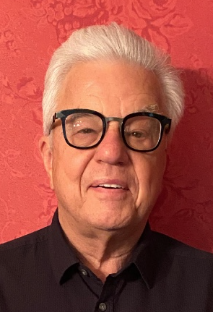
トム・ビーチャム
Tom Lamar Beauchamp, 1939-2025
☆ トム・ラマー・ビーチャム(1939-2025) は、デイヴィッド・ヒュームの著作、道徳哲学、生命倫理、動物倫理を専門とするアメリカの哲学者である。 ジョージタウン大学哲学科名誉教授[1]であり、ケネディ倫理研究所の上級研究員を務めた[2]。 『ヒュームと因果関係の問題』(1981年、アレクサンダー・ローゼンバーグとの共著)、『生物医学倫理原則』(1985年、ジェイムズ・F・チルドレス との共著)、『動物の人間利用』(1998年、F・バーバラ・オーランズらとの共著)など、倫理学やヒュームに関する著作がある。2011年には、 R.G.フレイとの共編著『The Oxford Handbook of Animal Ethics』を出版した。また、オックスフォード大学出版局から出版されているヒューム全集『The Critical Edition of the Works of David Hume』(1999年)の共同編集者でもある[1]。
| Tom Lamar Beauchamp
III (December 2, 1939 – February 19, 2025) was an American philosopher.
He specialized in the work of David Hume, moral philosophy, bioethics,
and animal ethics. Beauchamp was Professor Emeritus of Philosophy at
Georgetown University,[1] where he was Senior Research Scholar at the
Kennedy Institute of Ethics.[2] Beauchamp authored or co-authored several books on ethics and on Hume, including Hume and the Problem of Causation (1981, with Alexander Rosenberg), Principles of Biomedical Ethics (1985, with James F. Childress), and The Human Use of Animals (1998, with F. Barbara Orlans et al). He was the co-editor with R. G. Frey of The Oxford Handbook of Animal Ethics (2011). He was also the co-editor of the complete works of Hume, The Critical Edition of the Works of David Hume (1999), published by Oxford University Press.[1] |
トム・ラマー・ビーチャム3世(1939年12月2日 -
2025年2月19日)は、アメリカの哲学者であった。彼はデイヴィッド・ヒュームの著作、道徳哲学、生命倫理、動物倫理を専門としていた。ビーチャムは
ジョージタウン大学の哲学名誉教授であり、ケネディ倫理研究所の上級研究員を務めていた。[2] ビーチャムは、倫理学およびヒュームに関する著書を単独または共同で執筆した。主な著作に『ヒュームと因果関係の問題』(1981年、アレクサンダー・ ローゼンバーグとの共著)、『生物医学倫理の原則』(1985年、ジェームズ・F・チャイルドレスとの共著)、『人間による動物の利用』(1998年、 F・バーバラ・オーランズらとの共著)などがある。彼は R. G. フレイと共同で『オックスフォード動物倫理ハンドブック』(2011年)を編集した。また、オックスフォード大学出版局から出版されたヒュームの全集『デ イヴィッド・ヒューム著作批評版』(1999年)の共同編集者でもあった。 |
| Education He earned a BA from Southern Methodist University in 1963, a BD from Yale Divinity School, and PhD in philosophy from Johns Hopkins University in 1970. He is a fellow of the Hastings Center.[1] |
教育 1963年にサザンメソジスト大学で学士号、イェール大学神学部で学士号、1970年にジョンズ・ホプキンス大学で哲学博士号を取得。ヘイスティングス・ センターのフェローである[1]。 |
| Career Beauchamp worked on the staff of the National Commission for the Protection of Human Subjects of Biomedical and Behavioral Research, where he co-wrote the Belmont Report in 1978. He subsequently joined with James Childress to write Principles of Biomedical Ethics (1979), the first major American bioethics textbook.[3] Beauchamp was also an expert on the philosophy of David Hume. He was the coeditor of the complete works of Hume published by Oxford University Press, and together with Alexander Rosenberg was the author of Hume and the Problem of Causation (1981), in which Hume's regularity theory of causation is defended, along with a nonskeptical interpretation of Hume's arguments against induction. He also wrote extensively about animal rights, and defended a theory of animal rights which would significantly alter, though would not end, the ways in which non-human animals are currently used.[4] Beauchamp retired in 2016.[5] A ceremony celebrating his career featured tributes from Maggie Little, Bill Blattner, Jeffrey Kahn, James Childress, Alexander Rosenberg, Patricia King, David DeGrazia, Wayne Davis, Jack DeGioia, and his children.[6] Arthur Caplan, a professor of bioethics at the New York University Grossman School of Medicine, called Beauchamp "a key figure in the foundation of the entire field of bioethics.”[7] |
経歴 ビーチャムは、生物医学および行動研究における人間対象保護のための国家委員会のスタッフとして働き、1978年にベルモント報告書の共同執筆者となっ た。その後、ジェームズ・チャイルドレスと共同で、アメリカ初の主要な生命倫理の教科書である『生物医学倫理の原則』(1979年)を執筆した。[3] ビーチャムは、デイヴィッド・ヒュームの哲学の専門家でもあった。オックスフォード大学出版局から刊行されたヒューム全集の共同編集者であり、アレクサン ダー・ローゼンバーグとともに『ヒュームと因果関係の問題』(1981年)を執筆した。この本では、ヒュームの因果関係の規則性理論を擁護するとともに、 帰納法に対するヒュームの議論を懐疑的ではない解釈で論じている。 また、動物の権利についても幅広く執筆し、非人間動物が現在利用されている方法を大幅に変化させる(ただし、終わらせるわけではない)動物の権利の理論を 擁護した。[4] ビーチャムは2016年に引退した。[5] 彼の功績を称える式典では、マギー・リトル、ビル・ブラットナー、ジェフリー・カーン、ジェームズ・チャイルドレス、アレクサンダー・ローゼンバーグ、パ トリシア・キング、デヴィッド・デグラツィア、ウェイン・デイヴィス、ジャック・デジオイア、そして彼の子供たちが賛辞を述べた。[6] ニューヨーク大学グロスマン医学部の生命倫理学教授であるアーサー・キャプランは、ビーチャムを「生命倫理学分野全体の基礎を築いた重要人物」と呼んだ。 [7] |
| Death Beauchamp died on February 19, 2025, at the age of 85. He was buried at Abel's Hill Cemetery, in Chilmark, Massachusetts, on February 24.[8] |
死 ビーチャムは2025年2月19日、85歳で死去した。2月24日、マサチューセッツ州チルマークにあるエイベルズ・ヒル墓地に埋葬された。[8] |
| American philosophy List of American philosophers List of animal rights advocates Principlism |
アメリカ哲学 アメリカの哲学者一覧 動物権利擁護者一覧 原理主義 |
| 1. "Tom Beauchamp".
Georgetown360. Georgetown University. Retrieved 25 August 2020. 2. "Tom Beauchamp, PhD". The Kennedy Institute of Ethics. Retrieved 25 August 2020. 3. Beauchamp, Tom L.; Childress, James F. (1979). Principles of Biomedical Ethics. Oxford: Oxford University Press. ISBN 978-0-19-502488-3. 4. Beauchamp, Tom L. (2011). "Rights Theory and Animal Rights". In Beauchamp, Tom L.; Frey, R. G. (eds.). The Oxford Handbook of Animal Ethics. Oxford University Press. doi:10.1093/oxfordhb/9780195371963.001.0001. ISBN 9780195371963. 5. "Honoring the career of KIE Scholar Tom Beauchamp". The Kennedy Institute of Ethics. 28 April 2016. Retrieved 25 August 2020. 6. "An Evening Honoring Tom Beauchamp". YouTube. The Kennedy Institute of Ethics. 2016. 7. Murphy, Brian (2025-02-28). "Tom Beauchamp, scholar who helped define modern bioethics, dies at 85". The Washington Post. 8. "Tom Lamar Beauchamp III". Sagel Bloomfield Danzansky Goldberg Funeral Care Inc. 2025. Retrieved 2025-01-24. |
1. 「トム・ビーチャム」. Georgetown360.
ジョージタウン大学. 2020年8月25日閲覧. 2. 「トム・ビーチャム博士」. ケネディ倫理研究所. 2020年8月25日閲覧. 3. ビーチャム, トム・L.; チャイルドレス, ジェームズ・F. (1979). 『生物医学倫理の原則』. オックスフォード: オックスフォード大学出版局. ISBN 978-0-19-502488-3. 4. ビーチャム, トム・L. (2011). 「権利理論と動物の権利」. ビーチャム, トム・L.; フレイ, R. G. (編). 『オックスフォード動物倫理ハンドブック』. オックスフォード大学出版局. doi:10.1093/oxfordhb/9780195371963.001.0001. ISBN 9780195371963. 5. 「KIE 学者トム・ビーチャムの功績を称える」。ケネディ倫理研究所。2016年4月28日。2020年8月25日取得。 6. 「トム・ビーチャムを称える夕べ」。YouTube。ケネディ倫理研究所。2016年。 7. マーフィー、ブライアン (2025-02-28). 「現代の生命倫理の定義に貢献した学者、トム・ビーチャム氏、85歳で死去」. ワシントン・ポスト. 8. 「トム・ラマー・ビーチャム III」. Sagel Bloomfield Danzansky Goldberg Funeral Care Inc. 2025. 2025-01-24 取得. |
| https://en.wikipedia.org/wiki/Tom_Beauchamp |
|
| インフォームド・コンセント : 患者の選択 / ルース・R・フェイドン, トム・L・ビーチャム [著] ; 酒井忠昭, 秦洋一訳, 東京 : みすず書房 , 1994.9 | 本書は、インフォームド・コンセントとは何か、その理論と歴史を、あらゆる角度から、しか
もわかりやすく論じた、はじめての本である。第一部で、この概念の基礎となる考え方を、道徳哲学と法律学の蓄積のなかから説明する。第二部は、インフォー
ムド・コンセントの歴史、欧米の判例の積み重ねと米国の政策の発展を追ううちに、インフォームド・コンセントの輪郭がはっきり見えてくる。第三部では、著
者たちがみずからの立場を説明し、実質的なインフォームド・コンセントを達成するための条件をていねいに模索する。 |
| 第1部 基礎となる考えかた(→カント「人倫の形而上学」) 道徳理論の基礎 法的理論の基礎 第2部 インフォームド・コンセントの歴史 臨床医学のなかの見解と実践 同意と法廷 法理論の登場 研究倫理における同意要件の展開 ヒトを対象にした研究にたいする連邦政策の発展 第3部 インフォームド・コンセントの理論 自律性の概念 ICの概念と能力 理解 強制、操作、説得 |
|
| https://ci.nii.ac.jp/ncid/BN11392994 |
☆ 人種的バイアスと医学的知見
| Several complex
factors are associated with disparities in health care, not to mention
disparities in health, which
raise even more challenging questions about causes and corrective
measures. Some disparities in health care
may result from implicit biases, even though the causal links may not
be as direct as sometimes supposed.
Consider disparities in pain care, for example. The history of the
differential treatment of pain in the United
States displays a variety of social and cultural beliefs and values,
including some that lead to systematic
undertreatment of African Americans for pain. One study found that
false beliefs about biological differences
between whites and blacks (e.g., regarding the thickness of blacks’
skin) correlated with assessments of the level
of pain experienced by whites and blacks. These beliefs were not held
only by laypeople but also by half of a
sample of medical students and residents at a major medical center.
Medical participants with these beliefs rated
black patients’ pain lower than white patients’ pain and proposed less
correct or less appropriate treatments.
This study and others indicate the importance of attention to both
explicit and implicit bias as possible causal
factors in disparities in health care that must be addressed along with
culture, social structures, and policies. For
instance, one vignette study found that implicit racial bias (as
measured by Implicit Association Tests) predicted
physicians’ differential assessments and recommendations of white and
black patients for thrombolysis to treat
myocardial infarction. |
医療格差には複数の複雑な要因が関わっており、健康格差に至っては原因
や是正策についてさらに困難な疑問を投げかける。医療格差の一部は、因果関係が想定されるほど直接的ではないにせよ、暗黙の偏見に起因する可能性がある。
例えば疼痛治療における格差を考えてみよう。米国における痛みの差別的治療の歴史は、様々な社会的・文化的信念や価値観を反映しており、その中にはアフリ
カ系アメリカ人に対する痛みの治療が体系的に不足する原因となるものも含まれている。ある研究では、白人と黒人の生物学的差異に関する誤った信念(例:黒
人の皮膚の厚さに関する認識)が、白人と黒人が経験する痛みのレベル評価と相関することが判明した。こうした信念は一般市民だけでなく、主要医療センター
で調査した医学生・研修医の半数にも見られた。こうした信念を持つ医療従事者は、黒人患者の痛みを白人患者より低く評価し、より不適切あるいは不十分な治
療を提案した。この研究や他の研究は、健康格差の潜在的な要因として、文化・社会構造・政策と並んで、明示的・暗黙的バイアスへの注意が重要であることを
示している。例えば、ある事例研究では、暗黙的人種バイアス(暗黙的連合テストで測定)が、心筋梗塞治療のための血栓溶解療法について、医師が白人患者と
黒人患者を差別的に評価・推奨することを予測した。 |
| The first argument rests on what
Henry Sidgwick and others have called “benevolent deception.” Such
deception
has long been a part of medical tradition and practice. Its defenders
hold that disclosure, particularly of a
prognosis of death, can violate obligations of beneficence or
nonmaleficence by causing the patient anxiety, by
destroying the patient’s hope, by retarding or erasing a therapeutic
outcome, by leading the patient to consider
suicide, and the like. This line of argument—“What you don’t know can’t
hurt and may help you”—is
consequence-based. One objection to this argument rests largely on the
uncertainty and unreliability of
predicting consequences. A second objection rests on the moral
wrongness of appealing to such consequences in
these circumstances. Both objections appear in Samuel Johnson’s
overstatement that “I deny the lawfulness of
telling a lie to a sick man for fear of alarming him. You have no
business with consequences; you are to tell the
truth. Besides, you are not sure what effects your telling him that he
is in danger may have.” |
最
初の主張は、ヘンリー・シジウィックらが「慈悲深い欺瞞」と呼んだ概念に依拠している。この種の欺瞞は、医療の伝統と実践において長い間存在してきた。そ
の擁護者たちは、特に死の予後を開示することが、患者に不安を引き起こし、患者の希望を打ち砕き、治療効果を遅らせたり消し去ったりし、患者に自殺を考え
させたりするなど、有益性の義務や非加害性の義務に反する可能性があると主張する。この「知らぬが仏」という主張は帰結論的である。この主張に対する第一
の反論は、結果予測の不確実性と信頼性の低さに主眼を置く。第二の反論は、こうした状況下で結果を根拠とする行為の道徳的誤りに焦点を当てる。両反論はサ
ミュエル・ジョンソンの「病人に不安を与える恐れがあるからといって嘘をつくことの正当性は認めない。結果などお前の関知するところではない。真実を伝え
るべきだ。それに、危険を告げることでどんな影響が出るか、お前にはわからないのだ」という言い過ぎにも表れている。 |
★ 生命医学倫理 / トム・L・ビーチャム, ジェイムズ・F・チルドレス著 ; 立木教夫, 足立智孝監訳, 柏 : 麗沢大学出版会. - 柏 : 廣池学園事業部 (発売) , 2009.6
第
1章 道徳規範
第 2章 道徳的人格
第 3章 自律の尊重
第 4章 無危害
第 5章 仁恵
第 6章 正義
第 7章 専門家‐患者関係
第 8章 道徳理論
第
9章 方法および道徳的正当化
★Principles of Biomedical Ethics, 8TH
本
書は、非常に独創的で実践的、かつ洞察に満ちた、健康専門職における道徳の手引書である。高名な著者であるトム・L・ビーチャムとジェームズ・F・チルド
レスは、健康管理における道徳的推論の中核にある4つの原則、すなわち自律性の尊重、非利益、恩恵、正義を徹底的に発展させ、提唱している。現代の研究か
ら、詳細なケーススタディと生き生きとした実例やシナリオを統合し、悪い知らせの伝え方から生命維持治療の差し控えや中止の可否まで、さまざまな葛藤やジ
レンマにこれらの一応の原則がどのように適用拡大できるかを示している。
PART I: MORAL FOUNDATIONS
1. Moral Norms
2. Moral Character
3. Moral Status
PART 2: MORAL PRINCIPLES
4. Respect for Autonomy
5. Nonmaleficence
6. Beneficence
7. Justice
8. Professional-Patient Relationships
PART 3: THEORY AND METHOD
9. Moral Theories1
0. Method and Moral Justification
Index
リ ンク
文 献
そ の他の情報
Copyleft, CC, Mitzub'ixi Quq Chi'j, 1996-2099

☆
 ☆
☆