千のプラトー:資本主義と分裂病
Mille plateaux, and/or A Thousand
Plateaus: Capitalism and Schizophrenia
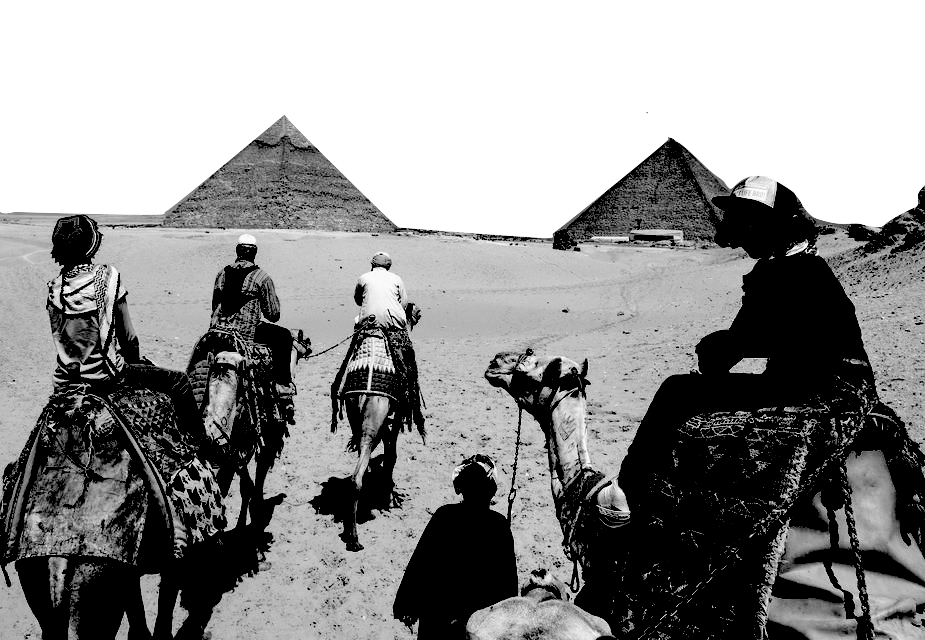
デジタル・ノマドたち(画像はイメージです)
千のプラトー:資本主義と分裂病
Mille plateaux, and/or A Thousand
Plateaus: Capitalism and Schizophrenia
デジタル・ノマドたち(画像はイメージです)
★3つの解説
『千のプラトー: 資本主義と分裂病』(フランス語:Mille plateaux)は、フランスの哲学者ジル・ドゥルーズとフランスの精神分析学者フェリックス・ガタリによる1980年の著作である。『資本主義と分裂 病』(Capitalism and Schizophrenia)の第2巻であり、最終巻である。第1巻の『アンチ・オイディプス』(1972年)が精神分析とマルクス主義の現代的な使用に 対する批判であったのに対し、『千のプラトー』ははるかに幅広いトピックを網羅する哲学の実験的作品として展開され、ドゥルーズとガタリが言うところのリ ゾーム的思考における「ポジティブなエクササイズ」としての役割を果たした[1]。
『千のプラトー』(1980)では、抽象機械としての資本主義が主題化される。すなわち資本主義を「世界を均質化する抽象機械」と規定するのだ。そこで は、 あらゆる差異を「交換可能な等価物」に変換する脱地図化的力をもつ資本主義に注目する。その実例として 、労働力の商品化 労働力の商品化が生み出す「器官なき身体(アントナン・アルトー)」の概念や 「捕捉と逃走」のダイナミズムが論じられる。 具体的には、資本が常に新たなフローを捕捉(公債、デリバティブ等)しながら、同時に内部から逃走線を生み出す矛盾など、資本主義のこれまで気づくことが なかった視点が提示される。
千のプラトー(原題:Mille
Plateaux)は、フランスの哲学者ジル・ドゥルーズと精神分析家フェリックス・ガタリの共著となる1980年刊行の評論集である。前作『アンチ・オ
イディプス』の内容を引き継ぎ、各章が前作で展開された難解な概念の解説章のような趣を呈する。「いかにして器官なき身体を獲得するか」「生成変化」「リ
トルネロ」「戦争機械」など。プラトーとは台地を意味するフランス語で、各章を意味し、それぞれが複雑な概念で構成された高み(山ではなく頂が平面である
ことが、存立平面への比喩も兼ねている)となっていることを表わす。
| A Thousand
Plateaus: Capitalism and Schizophrenia (French: Mille plateaux) is
a 1980 book by the French philosopher Gilles Deleuze and the French
psychoanalyst Félix Guattari. It is the second and final volume of
their collaborative work Capitalism and Schizophrenia. While the first
volume, Anti-Oedipus (1972), was a critique of contemporary uses of
psychoanalysis and Marxism, A Thousand Plateaus was developed as an
experimental work of philosophy covering a far wider range of topics,
serving as a "positive exercise" in what Deleuze and Guattari refer to
as rhizomatic thought.[1] |
『千のプラトー: 資本主義と分裂病』(フランス語:Mille plateaux)は、フランスの哲学者ジル・ドゥルーズとフランスの精神分析学者フェリックス・ガタリによる1980年の著作である。『資本主義と分裂 病』(Capitalism and Schizophrenia)の第2巻であり、最終巻である。第1巻の『アンチ・オイディプス』(1972年)が精神分析とマルクス主義の現代的な使用に 対する批判であったのに対し、『千のプラトー』ははるかに幅広いトピックを網羅する哲学の実験的作品として展開され、ドゥルーズとガタリが言うところのリ ゾーム的思考における「ポジティブなエクササイズ」としての役割を果たした[1]。 |
| Summary Like the first volume of Deleuze and Guattari's Capitalism and Schizophrenia, Anti-Oedipus (1972), A Thousand Plateaus is politically and terminologically provocative and is intended as a work of schizoanalysis,[2] but focuses more on what could be considered systematic, environmental and spatial philosophy, often dealing with the natural world, popular culture, measurements and mathematics. A "plateau", borrowed from ideas in Gregory Bateson's research on Balinese culture, is "a continuous, self-vibrating region of intensities"; the chapters in the book are described as plateaus, while their respective dates also signify a level of intensity, where "each plateau can be read starting anywhere and can be related to any other plateau." Deleuze and Guattari describe the book itself as a rhizome due to how it was written and produced. A Thousand Plateaus has been described as dealing with their ideas of the rhizome, as well as the body without organs, the plane of immanence, abstract machines, becoming, lines of flight, assemblages, smooth and striated space, state apparatuses, faciality, performativity in language, binary branching structures in language, deterritorialization and reterritorialization, arborescence, pragmatics, strata, stratification and destratification, the war machine, the signified, signifier and sign, and coding/recoding.[3] In the plateaus (chapters) of the book, they discuss psychoanalysts (Freud, Jung, Lacan—who trained Guattari,[4]: x and Melanie Klein), composers (Chopin, Debussy, Mozart, Pierre Boulez, and Olivier Messiaen), artists (Klee, Kandinsky, and Pollock), philosophers (Husserl, Foucault, Bergson, Nietzsche, Kierkegaard, and Gilbert Simondon), historians (Ibn Khaldun, Georges Dumézil, and Fernand Braudel), and linguists (Chomsky, Labov, Benveniste, Guillaume, Austin, Hjelmslev, and Voloshinov). Deleuze and Guattari highly favor and criticize these figures, sometimes overlapping or "plugging" their statements, works, research, studies and fragments "into each other".[3] The book starts with an introduction titled "Rhizome" that explains rhizomatic philosophy (addressing not just the book itself but all books as rhizomes), and ends with a conclusion, "Concrete Rules and Abstract Machines", that fully elaborates on and intertwines all of the major concepts in the book, as well as Anti-Oedipus, with a numbering system representing plateaus. In between are thirteen chapters, each dated non-linearly, sometimes precisely ("November 28, 1947: How Do You Make Yourself a Body Without Organs?"), sometimes less so ("10,000 B.C.: The Geology of Morals (Who Does the Earth Think It Is?)"). In the sixth chapter, "Year Zero: Faciality" (visagéité), the notion of face is discussed as an "overcoding" of body,[4]: 170 but also as being in dialectical tension with landscape (paysagéité). Faciality, the essence of the face, is ultimately a dominating and dangerously compelling trait of bodies, and Deleuze and Guattari remark that the face "is a whole body unto itself: it is like the body of the center of significance to which all of the deterritorialized signs affix themselves, and it marks the limit of their deterritorialization."[4]: 587 Like Anti-Oedipus, Deleuze and Guattari evaluate and criticize psychoanalysis: in the first two chapters, they discuss the work of Sigmund Freud, especially referring to the case histories of the Wolf Man and Little Hans. Their schizoanalysis of Freud's cases refuses the Oedipalization they were previously given, and aims to exercise the content of their fantasies instead; "Look at what happened to Little Hans already [...] they kept on breaking his rhizome and blotching his map, setting it straight for him, blocking his every way out, until he began to desire his own shame and guilt, until they had rooted shame and guilt in him".[5] In particular, focusing on child psychoanalysis, they remark that "children are Spinozists."[5] Meanwhile, owing to their mode of literary analysis, A Thousand Plateaus also frequently discusses novels. In "1874: Three Novellas, or "What Happened?"", they discuss Henry James' In the Cage (1898) and "The Story of the Abyss and the Spyglass" by Pierrette Fleutiaux, but they also evoke F. Scott Fitzgerald's essay The Crack-Up (1945) (which Deleuze previously discussed in The Logic of Sense), because his depression and frustration in the essay is dramatized, and Deleuze's idea of the crack constitutes a narrativized breakdown.[5]: 192–207 The works of Franz Kafka, Marcel Proust, Virginia Woolf, Henry Miller, D. H. Lawrence, Carlos Castaneda, H. P. Lovecraft, Herman Melville and Chrétien de Troyes are also discussed, often in conjunction with the rhizome, becoming, faciality, and the regimes of signs.[3] |
概要 ドゥルーズとガタリの『資本主義と分裂病』の第1巻『アンチ・エディプス』(1972年)と同様に、『千のプラトー』は政治的にも用語的にも挑発的であ り、スキゾ分析の著作として意図されている[2]が、より体系的、環境的、空間的哲学と考えられるものに焦点を当て、しばしば自然界、大衆文化、測定、数 学を扱っている。プラトー」とは、グレゴリー・ベイトソンのバリ文化研究のアイデアから借用したもので、「強度の連続的で自己振動する領域」である。本書 の各章はプラトーと表現され、それぞれの日付も強度のレベルを意味し、「各プラトーはどこからでも読み始めることができ、他のどのプラトーとも関連づける ことができる」。ドゥルーズとガタリは、この本がどのように書かれ、制作されたかによって、本自体がリゾームであると表現している。千のプラトー』は、彼 らのリゾーム(根茎)、器官のない身体、内在の平面、抽象的な機械、なりゆき、飛翔線、アッサンブラージュ、滑らかな空間と筋の通った空間、国家装置、顔 性、言語におけるパフォーマティヴィティ、二項分岐などを扱っていると説明されている、 言語におけるパフォーマティビティ、言語における二項分岐構造、非領土化と再領土化、樹木葬、語用論、地層、階層化と脱層化、戦争機械、記号化されたも の、シニフィエと記号、コード化/再コード化などである。[3] 本書のプラトー(章)では、精神分析家(フロイト、ユング、ガタリを育てたラカン、[4]: x、メラニー・クライン)、作曲家(ショパン、ドビュッ シー、モーツァルト、ピエール・ブーレーズ、オリヴィエ・メシアン)、芸術家(クレー、カンディンスキー、ポロック)、哲学者(フッサール、フーコー、ベ ルクソン、ニーチェ、 キルケゴール、ジルベルト・シモンドン)、歴史家(イブン・ハルドゥーン、ジョルジュ・デュメジル、フェルナン・ブローデル)、言語学者(チョムスキー、 ラボフ、ベンヴェニステ、ギョーム、オースティン、ヒェルムスレフ、ヴォロシノフ)である。ドゥルーズとガタリはこれらの人物を強く支持し、批判し、時に は彼らの発言、作品、研究、研究、断片を「互いに」重ね合わせたり、「差し込んだり」している[3]。 本書は、リゾーム哲学を説明する「リゾーム」と題された序論(本書そのものだけでなく、すべての書物をリゾームとして取り上げている)で始まり、結論であ る「具体的な規則と抽象的な機械」で終わる。その間に13の章があり、各章の日付は非直線的で、あるときは正確に(「1947年11月28日:臓器のない 身体をどうやって作るのか」)、またあるときはそうではない(「紀元前1万年:道徳の地質学(地球は自分を誰だと思っているのか)」)。第6章「ゼロ年」 では、「顔面性」(Visagé: 顔性」(visagéité)では、顔という概念が身体の「上書き」として論じられている[4]: 170が、風景(paysagéité)と弁証法的な 緊張関係にあるものとして論じられている。顔の本質である顔性は、究極的には身体の支配的で危険なほど説得力のある特徴であり、ドゥルーズとガタリは、顔 は「それ自体が身体全体である:それは、すべての非領域化された記号が自らを貼り付ける意義の中心の身体のようなものであり、その非領域化の限界を示すも のである」と述べている[4]: 587 『アンチ・オイディプス』のように、ドゥルーズとガタリは精神分析を評価し、批判している。最初の2章で、彼らはジークムント・フロイトの仕事を論じ、特 に『狼男』と『リトル・ハンス』の事例史に言及している。フロイトの事例に対する彼らのスキゾ分析は、彼らが以前に与えられていたエディプス化を拒否し、 代わりに彼らの空想の内容を行使することを目的としている。「小さなハンスがすでにどうなったかを見てください[......]彼らは彼の根茎を壊し、彼 の地図を滲ませ続け、彼のためにそれをまっすぐに設定し、彼のあらゆる出口を塞ぎ、彼が彼自身の恥と罪悪感を欲望し始めるまで、彼らが彼に恥と罪悪感を根 付かせるまで」。[5]特に、子どもの精神分析に焦点を当て、「子どもはスピノザ主義者である」と述べている[5]。一方、その文学分析の手法から、『千 のプラトー』は小説についても頻繁に論じている。1874年: 3 |
| Reception A Thousand Plateaus has been considered a major statement of post-structuralism and postmodernism.[6] Mark Poster writes that the work "contains promising elaborations of a postmodern theory of the social and political."[7] Writing in the foreword to his translation, Massumi comments that the work "is less a critique than a positive exercise in the affirmative 'nomad' thought called for in Anti-Oedipus." Massumi contrasts "nomad thought" with the "state philosophy... that has characterized Western metaphysics since Plato".[8] Deleuze critic Eugene Holland suggests that the work complicates the slogans and oppositions developed in its predecessor. Whereas Anti-Oedipus created binaries such as molar/molecular, paranoid/schizophrenic, and deterritorialization/reterritorialization, A Thousand Plateaus shows how such distinctions are operations on the surface of a deeper field with more complicated and multidimensional dynamics. In so doing, the book is less engaged with history than with topics like biology and geology.[9] Massumi writes that A Thousand Plateaus differs drastically in tone, content, and composition from Anti-Oedipus. In his view, the schizoanalysis the authors practice is not so much a study of their "pathological condition", but a "positive process" that involves "inventive connection".[10] Bill Readings appropriates the term "singularity" from A Thousand Plateaus, "to indicate that there is no longer a subject-position available to function as the site of the conscious synthesis of sense-impressions."[11] The sociologist Nikolas Rose writes that Deleuze and Guattari articulate "the most radical alternative to the conventional image of subjectivity as coherent, enduring, and individualized".[12] In 1997, the physicists Alan Sokal and Jean Bricmont asserted that the book contains many passages in which Deleuze and Guattari use "pseudo-scientific language".[13] Writing about this "science wars critique," Daniel Smith and John Protevi contend that "much of their chapter on Deleuze consists of exasperated exclamations of incomprehension."[14] Similarly, in a 2015 interview, British philosopher Roger Scruton characterized A Thousand Plateaus as "[a] huge, totally unreadable tome by somebody who can't write French."[15][16] At the beginning of a short essay on postmodernism, Jean-François Lyotard lists examples of what he describes as a desire "to put an end to experimentation", including a displeased reaction to A Thousand Plateaus that he had read in a weekly literary magazine, which said that readers of philosophy "expect [...] to be "gratified with a little sense". Behind this "slackening" desire to constrain language use, Lyotard identifies a "desire for a return to terror."[17]: 71–72, 82 Digital media theorist Janet Murray links the work to the aesthetic of hypertext.[18] Gaming and electronic literature expert Espen Aarseth draws parallels between Deleuze and Guattari's idea of the rhizome and semiotician Umberto Eco's idea of the net.[19] Christopher Miller criticizes Deleuze and Guattari's use of "second-hand" anthropological sources without providing the reader with contextualization of the colonialist "mission" that led to their writing. Timothy Laurie says that this claim is inaccurate, but that Deleuze & Guattari should extend that same "rigor" to uncovering the political and economic entanglements which contextualize academic philosophy.[20]: 10 |
レセプション 『千のプラトー』は、ポスト構造主義とポストモダニズムの主要な声明とみなされている[6]。マーク・ポスターは、この作品は「社会的・政治的なポストモ ダン理論の有望な推敲を含んでいる」と書いている[7]。マスミは翻訳の序文で、この作品は「批評というよりも、『アンチ・オイディプス』で求められてい る肯定的な『遊牧民』思想の積極的な実践である」とコメントしている。 マスミは「遊牧民の思想」を「プラトン以来西洋形而上学を特徴づけてきた...国家哲学」と対比している[8]。 ドゥルーズ批評家のユージン・ホランドは、この作品が前作で展開されたスローガンや対立を複雑にしていると指摘する。アンチ・オイディプス』が臼歯性/分 子性、妄想性/分裂病性、非領域化/再領域化といった二項対立を生み出したのに対し、『千のプラトー』は、そのような区別が、より複雑で多次元的な力学を 持つより深い場の表面上の操作であることを示している。マスミは、『千のプラトー』は『アンチ・オイディプス』とはトーンも内容も構成も大きく異なると書 いている。彼の見解によれば、著者たちが実践しているスキゾ分析は、彼らの「病的な状態」の研究というよりも、「創意的なつながり」を伴う「肯定的なプロ セス」である[10]。 ビル・リーディングスは『千のプラトー』から「特異点」という用語を流用し、「感覚的印象の意識的統合の場として機能する主体的な位置がもはや存在しない ことを示している」と述べている[11]。社会学者のニコラス・ローズは、ドゥルーズとガタリは「首尾一貫し、永続し、個別化された主体性という従来のイ メージに対する最も根本的な代替案」を明確にしていると書いている[12]。 1997年、物理学者のアラン・ソーカルとジャン・ブリクモンは、この本にはドゥルーズとガタリが「疑似科学的な言葉」を使っている箇所が多く含まれてい ると主張した[13]。この「科学戦争批判」について書いているダニエル・スミスとジョン・プロテヴィは、「ドゥルーズに関する彼らの章の多くは、理解不 能の憤慨した叫びから構成されている」と主張している。"[14]同様に、イギリスの哲学者ロジャー・スクルトンは2015年のインタビューで、『千のプ ラトー』を「フランス語が書けない誰かによる、巨大でまったく読めない本」と評している[15][16]。「ポストモダニズムに関する短いエッセイの冒頭 で、ジャン=フランソワ・リオタールは、彼が「実験に終止符を打ちたい」とする欲望の例を挙げている。リオタールは、言語使用を束縛しようとするこの「弛 緩した」欲望の背後には、「恐怖への回帰への欲望」があるとしている[17]: 71-72, 82。 デジタルメディア理論家のジャネット・マレーは、この作品をハイパーテキストの美学と結びつけている[18]。 ゲームと電子文学の専門家であるエスペン・アーセスは、ドゥルーズとガタリのリゾームのアイデアと、記号論者ウンベルト・エーコのネットのアイデアの間に 類似性を描いている[19]。 クリストファー・ミラーは、ドゥルーズとガタリが、彼らの著作につながった植民地主義的な「使命」の文脈を読者に提供することなく、「中古の」人類学的資 料を用いていることを批判している。ティモシー・ローリーは、この主張は不正確だが、ドゥルーズ&ガタリは、学術哲学を文脈づける政治的・経済的なもつれ を明らかにするためにも、同じ「厳密さ」を拡張すべきだと述べている[20]: 10 |
| Influence A Thousand Plateaus was an influence on the political philosophers Michael Hardt and Antonio Negri's book Empire (2000).[21] The sociologist John Urry sees Deleuze and Guattari's metaphor of the nomad as having "infected contemporary social thought."[22] The philosopher Manuel DeLanda, in A New Philosophy of Society (2006), adopts Deleuze's theory of assemblages, taken from A Thousand Plateaus.[23] According to military officers, Israel Defense Forces have taken influence and utilized concepts from A Thousand Plateaus in their conduction of urban warfare against Palestinians.[24] |
影響 『千のプラトー』は、政治哲学者ミヒャエル・ハートとアントニオ・ネグリの著書『帝国』(2000年)に影響を与えた[21]。 社会学者ジョン・ウリーは、ドゥルーズとガタリの遊牧民の隠喩が「現代の社会思想に感染した」と見ている[22]。 哲学者のマニュエル・デランダは『社会の新しい哲学』(2006年)の中で、『千のプラトー』から引用したドゥルーズのアッサンブラージュの理論を採用し ている[23]。 ある軍人たちによれば、イスラエル国防軍はパレスチナ人に対する市街戦の遂行において『千のプラトー』から影響を受け、その概念を利用している[24]。 |
| Fleet in being (quoting Paul
Virilio; the "fleet in being" is a "vector of deterritorialization") Mille Plateaux (record label) |
存在する艦隊(ポール・ヴィリリオの言葉を引用;「存在する艦隊」は
「非領土化のベクトル」である) ミル・プラトー(レコード・レーベル) |
| 1. Massumi, Brian (1987).
"Translator's Foreword: Pleasures of Philosophy". A Thousand Plateaus.
Minneapolis: University of Minnesota Press. p. xi. 2. Stivale, Charles J. (1984). "The Literary Element in "Mille Plateaux": The New Cartography of Deleuze and Guattari". SubStance. 13 (44–45). Johns Hopkins University Press: 20–34. doi:10.2307/3684772. JSTOR 3684772. 3. Melehy, Hassan; Deleuze, Gilles; Guattari, Félix (1987). "Index". A Thousand Plateaus. Minneapolis: University of Minnesota Press. pp. 589–610. ISBN 978-0-8166-1402-8. 4. Deleuze, Gilles; Guattari, Félix (1987). A Thousand Plateaus. Minneapolis: University of Minnesota Press. ISBN 978-0-8166-1402-8. 5. Deleuze, Gilles; Guattari, Félix (1993). A Thousand Plateaus. Minneapolis: University of Minnesota Press. ISBN 978-0-8166-1402-8. 6. For example, Steven Best and Douglas Kellner's Postmodern Theory (Guilford Press, 1991) devoted a chapter to Deleuze and Guattari. 7. Poster, Mark (1990). The Mode of Information: Poststructuralism and Social Context. Chicago: University of Chicago Press. p. 135. ISBN 978-0226675961. 8. Massumi, Brian; Deleuze, Gilles; Guattari, Félix (1993). A Thousand Plateaus. Minneapolis: University of Minnesota Press. p. xi. ISBN 978-0-8166-1402-8. 9. Holland, Eugene W. (1991). "Deterritorializing "Deterritorialization": From the "Anti-Oedipus" to "A Thousand Plateaus"". SubStance. 20 (3): 55–65. doi:10.2307/3685179. JSTOR 3685179. 10. Massumi, Brian (1993). A User's Guide to Capitalism and Schizophrenia: Deviations from Deleuze and Guattari. Cambridge, Massachusetts: MIT Press. pp. 1–4. ISBN 978-0-262-63143-3. 11. Readings, Bill (1997). The University in Ruins. Cambridge, Massachusetts: Harvard University Press. p. 115. ISBN 978-0674929531. 12. Rose, Nikolas (1996). Inventing our Selves: Psychology, Power, and Personhood. Cambridge: Cambridge University Press. p. 170. ISBN 978-0521646079. 13. Sokal, Alan; Bricmont, Jean (1999). Fashionable Nonsense: Postmodern Intellectuals' Abuse of Science. New York: Picador. p. 168. ISBN 978-0-312-20407-5.: "Should the reader entertain any further doubts about the ubiquity of pseudo-scientific language in Deleuze and Guattari's work, he or she is invited to consult [...] pages 32-33, 142-143, 211-212, 251-252, 293-295, 361-365, 369-374, 389-390, 461, 469-473, and 482-490 of A Thousand Plateaus." 14. Smith, Daniel; Protevi, John (2018), "Gilles Deleuze", in Zalta, Edward N.; Nodelman, Uri (eds.), The Stanford Encyclopedia of Philosophy (Spring 2018 ed.), Metaphysics Research Lab, Stanford University, retrieved 2024-04-09 15. Scruton, Roger (10 December 2015). "These left thinkers have destroyed the intellectual life". Spiked Online. Retrieved 12 January 2018. 16. Scruton, Roger (2015). Fools, Frauds and Firebrands: Thinkers of the New Left. London: Bloomsbury. p. 189. ISBN 978-1-4081-8733-3. 17. Lyotard, Jean-François (1993). "Answering the Question: What is Postmodernism?". The Postmodern Condition:A Report on Knowledge. Translated by Durand, Régis. Minneapolis: University of Minnesota Press. pp. 71–82. ISBN 978-0-8166-1173-7. "Under the general demand for slackening and appeasement, we can hear the mutterings of the desire for a return of terror, for the realization of the fantasy to seize reality. 18. Murray, Janet (1997). Hamlet on the Holodeck. New York: Free Press. p. 132. ISBN 978-0684827230. 19. Aarseth, Espen (1997). Cybertext: Perspectives on Ergodic Literature. Baltimore: Johns Hopkins University Press. p. 6. ISBN 978-0801855795. 20. Laurie, Timothy (2012). "Epistemology as Politics and the Double-Bind of Border Thinking: Lévi-Strauss, Deleuze and Guattari, Mignolo". PORTAL: Journal of Multidisciplinary International Studies. 9 (2): 1–20. doi:10.5130/portal.v9i2.1826. hdl:10453/44227. Deleuze and Guattari do recognise many of these concerns in their discussions of ethnologists. 21. Hardt, Michael; Negri, Antonio (2000). Empire. Cambridge, Massachusetts: Harvard University Press. p. 424. ISBN 978-0674006713. 22. Urry, John (2000). Sociology Beyond Societies: Mobilities for the Twenty First Century. New York: Routledge. p. 27. ISBN 978-0415190893. 23 DeLanda, Manuel (2006). A New Philosophy of Society: Assemblage Theory and Social Complexity. New York: Bloomsbury Academic. p. 120. ISBN 978-0826491695. 24. Weizman, Eyal (2006-08-03). "The art of war: Deleuze, Guattari, Debord and the Israeli Defence Force". Mute. Retrieved 2024-04-09. |
1. マスミ, ブライアン (1987).
「訳者まえがき:哲学の快楽」. A Thousand Plateaus. ミネアポリス: ミネソタ大学出版局. 2. Stivale, Charles J. (1984). 「Mille Plateaux』における文学的要素: ドゥルーズとガタリの新しい地図学". SubStance. 13 (44-45). Johns Hopkins University Press: 20-34. doi:10.2307/3684772. JSTOR 3684772. 3. Melehy, Hassan; Deleuze, Gilles; Guattari, Félix (1987). 「索引」. A Thousand Plateaus. ミネアポリス: ミネソタ大学出版局。ISBN 978-0-8166-1402-8. 4. Deleuze, Gilles; Guattari, Félix (1987). 千のプラトー. ミネアポリス: ミネソタ大学出版局. ISBN 978-0-8166-1402-8. 5. Deleuze, Gilles; Guattari, Félix (1993). 千のプラトー. ミネアポリス: ミネソタ大学出版局. ISBN 978-0-8166-1402-8. 6. 例えば、スティーブン・ベストとダグラス・ケルナーの『ポストモダン理論』(ギルフォード出版、1991年)は、ドゥルーズとガタリに1章を割いている。 7. Poster, Mark (1990). 情報の様式: Poststructuralism and Social Context. シカゴ: p. 135. ISBN 978-0226675961. 8. Massumi, Brian; Deleuze, Gilles; Guattari, Félix (1993). 千のプラトー. ミネアポリス: p. xi. ISBN 978-0-8166-1402-8. 9. Holland, Eugene W. (1991). 「Deterritorializing 「脱領土化」: 反エディプス」から「千のプラトー」へ". SubStance. 20 (3): doi:10.2307/3685179. JSTOR 3685179. 10. Massumi, Brian (1993). 資本主義と分裂症へのユーザーズガイド: ドゥルーズとガタリからの逸脱. マサチューセッツ州ケンブリッジ: MIT Press. ISBN 978-0-262-63143-3. 11. Readings, Bill (1997). The University in Ruins. マサチューセッツ州ケンブリッジ: p. 115. ISBN 978-0674929531. 12. Rose, Nikolas (1996). 自己を発明する: Psychology, Power, and Personhood. ケンブリッジ: ケンブリッジ大学出版局. ISBN 978-0521646079. 13. Sokal, Alan; Bricmont, Jean (1999). Fashionable Nonsense: Postmodern Intellectuals' Abuse of Science. New York: p. 168. ISBN 978-0-312-20407-5. 「ドゥルーズとガタリの作品における疑似科学的言語の偏在性について、読者がさらに疑念を抱くようであれば、『千のプラトー』の32-33、142- 143、211-212、251-252、293-295、361-365、369-374、389-390、461、469-473、482-490 ページを参照されたい。」 14. Smith, Daniel; Protevi, John (2018), 「Gilles Deleuze」, in Zalta, Edward N.; Nodelman, Uri (eds.), The Stanford Encyclopedia of Philosophy (Spring 2018 ed.), Metaphysics Research Lab, Stanford University, retrieved 2024-04-09. 15. Scruton, Roger (10 December 2015). 「These left thinkers have destroyed the intellectual life」. Spiked Online. 2018年1月12日取得。 16. Scruton, Roger (2015). Fools, Frauds and Firebrands: Thinkers of the New Left. London: Bloomsbury. p. 189. ISBN 978-1-4081-8733-3. 17. リオタール、ジャン=フランソワ(1993)。「問いに答える: ポストモダニズムとは何か?ポストモダンの条件:知に関する報告書』. Durand, Régis訳。ミネアポリス: ミネソタ大学出版局. ISBN 978-0-8166-1173-7. 「弛緩と宥和を求める一般的な要求の下で、我々は恐怖の再来を、幻想を現実のものとすることを求める欲望のつぶやきを聞くことができる。 18. Murray, Janet (1997). ホロデッキのハムレット ニューヨーク: p. 132. ISBN 978-0684827230. 19. Aarseth, Espen (1997). サイバーテキスト: エルゴード文学の展望. ボルチモア: Johns Hopkins University Press. ISBN 978-0801855795. 20. Laurie, Timothy (2012). 「Epistemology as Politics and the Double-Bind of Border Thinking: レヴィ=ストロース、ドゥルーズとガタリ、ミニョロ". PORTAL: 学際的国際研究ジャーナル。9 (2): 1-20. doi:10.5130/portal.v9i2.1826. hdl:10453/44227. ドゥルーズとガタリは、民族学者についての議論の中で、こうした懸念の多くを認識している。 21. ハート, マイケル; ネグリ, アントニオ (2000). Empire. マサチューセッツ州ケンブリッジ: p. 424. ISBN 978-0674006713. 22. Urry, John (2000). Sociology Beyond Societies: Mobilities for the Twenty First Century. ニューヨーク: p. 27. ISBN 978-0415190893. 23 DeLanda, Manuel (2006). 社会の新しい哲学: Assemblage Theory and Social Complexity. New York: p. 120. ISBN 978-0826491695. 24. Weizman, Eyal (2006-08-03). 「戦争の芸術: ドゥルーズ、ガタリ、ドゥボールとイスラエル国防軍". Mute. 2024-04-09を取得した。 |
| https://en.wikipedia.org/wiki/A_Thousand_Plateaus |
| Mille Plateaux est
un ouvrage du philosophe Gilles Deleuze et du philosophe et
psychanalyste Félix Guattari, publié en 1980. Il est le second des deux
volumes ayant pour sous-titre Capitalisme et schizophrénie (le premier
est L'Anti-Œdipe). |
『千の平原』は、哲学者ジル・ドゥルーズと哲学者・精神分析医フェリックス・ガタリによる著作で、1980年に刊行された。これは『資本主義と統合失調症』という副題を持つ2巻のうちの2巻目である(1巻目は『アンチ・エディプス』)。 |
| Contenu Cet ouvrage continue à étudier de nouvelles voies d'exploration de la psyché et des rapports aux autres. Le concept le plus important de Guattari est une idée d'un rapport à la nature et à soi qui se fait dans un pluralisme et suivant des rhizomes, c'est-à-dire comme métaphore des racines d'un arbre dont on explore les dessous, et qui s'enchevêtrent les unes aux autres pour s'enrichir, se démultiplier, former de nouvelles cellules de vie, cellules souches, cellules ou pôles entrelacés qui peuvent se nourrir de l'environnement ou d'une nappe d'eau par exemple : le titre Mille Plateaux évoque les couches généalogiques de la terre, stratifiées et parfois rencontrant des obstacles comme des couches calcaires ou des ouvertures comme des poches d'eau. Le concept ne raconte pas une métaphore pour elle seule, mais plutôt les liens naturels qui poussent d'une extension d'une racine à une autre, cherchant à attester de liens qui se font dans la psychose prise dans un ensemble, corrélation, interaction, ne sont pas néfastes ou intentionnelles, mais bien présentes. L'ouvrage, d'une lecture difficile, apparaît opaque au premier abord, mais révèle des systèmes de pensées complémentaires et non contestataires de la psychiatrie moderne ; il y a dans le titre Anti-Œdipe une équivoque qu'il faut contextualiser, être contre l'Œdipe, forme première de la métaphore paternelle, ne signifie pas que l'on n'accepte pas la psychose en tant que telle, mais interroge sur les modes de prises en charge institutionnelles. Ce livre souligne qu'être en deçà de la terre ne signifie pas être mort, malgré ce que l'on peut penser usuellement, mais bien vivant dans un monde hostile, précaire, où la survie psychique est en cause. Effectivement, dans l'Anti-Œdipe de Gilles Deleuze et Félix Guattari, la forme organisation sociale de l'Ancien Régime est décrite pour proposer une évolution de l'organisation sociale où le capitalisme apparaît au même titre qu'une autre classe sociale et Mille Plateaux est une œuvre écrite au sein même de l'hôpital, où les limites médecin/patient étaient d'un autre ordre, tout comme la relation thérapeutique ; en ce sens, l'individu n'y est pas conçu comme une unité, mais une subjectivité en lien avec un environnement, des subjectivités appartenant à un groupe, une collectivité, ce qui peut paraître proche du communisme, mais ne l'est pas. Ce qui est critiqué est un ordre hiérarchique pyramidal, où les subjectivités sociales sont toujours au-dessus ou en dessous du niveau de l'individu, ils proposent plutôt un ensemble de subjectivités à prendre en compte dans un mouvement hétérogène qui suit la singularité de chacun, d'où le concept de rhizome multidimensionnel. La question de l'identité, la visagéité, du miroir étant extrêmement difficile à supporter pour les schizophrènes au contrario d'un imaginaire surdéveloppé, proposer un système métaphorique ou concret que les patients peuvent éprouver dans un système pseudo-réduction ou pseudo-identification leur permettant de vivre en collectivité, avec un système de superpositions de couches ou l'enchevêtrement de racines, d'une ou plusieurs lignes abstraites qui vont se continuer et se conjuguer avec d'autres, pour produire immédiatement, directement, un monde[…][1] ». |
内容 この著作は、精神と他者との関係を探求する新たな方法を研究し続けている。 ガタリの最も重要な概念は、自然や自己との関係は、多元主義と根茎(リゾーム)に基づいて形成されるという考え方である。つまり、それは、その下を探求す る木の根の比喩であり、それらは互いに絡み合って豊かになり、増殖し、新しい生命細胞、幹細胞、 絡み合った細胞や極は、例えば環境や地下水層から栄養を摂取することができる。タイトル『千のプラトー』は、地層の系譜を想起させる。地層は層状になって おり、時には石灰岩層のような障害物や、水溜まりのような開口部に遭遇することもある。この概念は、単なる比喩ではなく、ある根から別の根へと伸びる自然 なつながりを物語っている。それは、全体として捉えた精神病における、相関関係や相互作用といったつながりが、有害でも意図的でもなく、確かに存在してい ることを証明しようとしている。 この作品は、読みにくく、一見難解に見えるが、現代精神医学を補完し、それに異議を唱えるものではない思考体系を明らかにしている。タイトル「アンチ・エ ディプス」には、文脈で理解すべき曖昧さがある。エディプス、つまり父性メタファーの最初の形に反対することは、精神病そのものを受け入れないことを意味 するのではなく、制度的な治療の方法について疑問を投げかけることだ。この本は、通常考えられていることとは裏腹に、この世にいることは死んでいることを 意味するのではなく、精神的な生存が問われる、敵対的で不安定な世界の中で生きていることを意味すると強調している。 実際、ジル・ドゥルーズとフェリックス・ガタリの『アンチ・エディプス』では、旧体制の社会組織形態が、資本主義が他の社会階級と同様に現れる社会組織の 進化を提案するために描かれている。また『千のプラトー』は、医師と患者の境界が別の次元にあり、治療関係も同様であった病院の中で書かれた作品である。 この意味で、個人は単一の単位としてではなく、環境と結びついた主観性、集団や共同体の一員としての主観性として捉えられている。これは共産主義に近いよ うに見えるかもしれないが、そうではない。 批判されているのは、社会的主観性が常に個人レベルの上位または下位にあるピラミッド型の階層秩序だ。彼らはむしろ、各人の特異性に従う異質な動きの中で 考慮すべき一連の主観性を提案している。そこから、多次元的な根茎の概念が生まれている。統合失調症患者にとって、アイデンティティや顔、鏡といったもの は、過度に発達した想像力とは対照的に、非常に耐え難いものである。そこで、患者が疑似的な還元や疑似的な同一化というシステムの中で体験できる、比喩的 あるいは具体的なシステムを提案する。それにより、患者は集団の中で生活することができるようになる。層を重ねたり、根を絡ませたり、1本または複数の抽 象的な線が続き、他の線と結合して、即座に、直接的に、世界を作り出すシステムだ。 |
| Rhizome Le concept de rhizome est une métaphore pour aller au-delà de la vision arborescente. La vision arborescente modélise les transferts d'information verticaux. Le rhizome y ajoute les plateaux avec des transferts d'information horizontaux. Le tronc est un centre, permettant d'accélérer l'information entre deux entités (par exemple les racines et les branches).  Forme rhizome avec des plateaux C'est une méthode pour modéliser l'information et la connaissance qui se rapproche du concept de la morphogènese. En effet, l'arbre du vivant ressemble plus à un rhizome qu'à un arbre. De nombreux biologistes considèrent que les transferts horizontaux de gènes (qu'ils soient dus à des hybridations ou à des recombinaisons résultant notamment de l'action de virus) sont un facteur de l'évolution bien plus important qu'on ne le pensait il y a quelques années encore. |
根茎 根茎の概念は、樹木型のビジョンを超えるための比喩である。樹木型のビジョンは、垂直的な情報伝達をモデル化している。根茎は、水平的な情報伝達を伴う台座を追加する。幹は中心であり、2つの実体(例えば、根と枝)間の情報伝達を加速させる。 プレートを備えた根茎の形態 これは、形態形成の概念に近い、情報と知識をモデル化する手法だ。 実際、生命の樹は樹木というよりも根茎に似ている。多くの生物学者は、水平的な遺伝子移動(交雑や、特にウイルスの作用による組換えによるもの)が、数年前まで考えられていたよりもはるかに重要な進化の要因であると考えている。 |
| Introductions, essais et prolongements Ricardo Tejada, « Quelle situation historique pour les devenirs », Chimères, no 33, 1998 Toni Negri, « Gilles-Félix », Rue Descartes, no 20, 1998 Alain Damasio, La Horde du Contrevent, La Volte, 2004 Anne Querrien, « Le plan de consistance du felice-deleuzisme », Chimères, no 37, 1999 (en) Rosi Braidotti, Metamorphoses : Towards a materialist theory of becoming, Polity Press, 2002, 328 p. (ISBN 0-7456-2577-0) Frédéric Neyrat, « L'être et le capital, ontologie et politique deleuziennes », Chimères, no 48, 2003 Maurizio Lazzarato, Les révolutions du capitalisme, Paris, Les Empêcheurs de penser en rond, 2004, 259 p. (ISBN 2-84671-104-6) Guillaume Sibertin-Blanc, Politique et État chez Deleuze et Guattari. Essai sur le matérialisme historico-machinique, Paris, PUF, coll. « Actuel Marx confrontation », 2013, 248 p. (ISBN 978-2130607311) (en) "Drawings from A Thousand Plateaus" ("Dessins de Mille Plateaux") [archive] par l'artiste de bandes dessinées Marc Ngui [archive] présente, paragraphe par paragraphe, une interprétation schématique des deux premiers chapitres de Mille Plateaux. |
序論、試論、および発展 リカルド・テハダ、「未来のための歴史的状況とは」、『キメレス』第33号、1998年 トニ・ネグリ、「ジル=フェリックス」、『デュ・デカルト』第20号、1998年 アラン・ダマシオ、『逆風の群れ』、ラ・ヴォルト社、2004年 アンヌ・ケリアン、「フェリーチェ・ドゥルーズ主義の一貫性」『キメレス』第37号、1999年 ロージー・ブレイドッティ、『変容:物質主義的生成理論に向けて』、ポリティ・プレス、2002年、328ページ(ISBN 0-7456-2577-0) フレデリック・ネイラ、「存在と資本、ドゥルーズのオントロジーと政治」、Chimères、第48号、2003年 マウリツィオ・ラザラート、『資本主義の革命』、パリ、Les Empêcheurs de penser en rond、2004年、259ページ(ISBN 2-84671-104-6) ギヨーム・シベルタン=ブラン『ドゥルーズとガタリにおける政治と国家。歴史的機械的唯物論に関するエッセイ』PUF、パリ、2013年、248ページ(ISBN 978-2130607311) (en) 「千のプラトーからのドローイング」 [アーカイブ] 漫画家マーク・ングイ [アーカイブ] による、千のプラトーの最初の 2 章を段落ごとに図式的に解釈したもの。 |
| Voir aussi Corps-sans-organe Déterritorialisation |
関連項目 器官のない身体 脱領域化 |
| Notes et références 1. Mille plateaux. Cité dans Erik Bordeleau, « La Chine et la ligne », dans Giroux, Lemieux, Chénier (dir.), Contr'hommage pour Gilles Deleuze [archive], Presses de l'Université Laval, 2009. |
注釈と参考文献 1. 『千の平原』。エリック・ボルドロー著「中国と線」より引用、ジルー、ルミュー、シェニエ(編)、『ジル・ドゥルーズへの賛辞』[アーカイブ]、プレス・ドゥ・ラヴァル大学、2009年。 |
| https://fr.wikipedia.org/wiki/Mille_Plateaux |
★クレジット:千のプラトー:資本主義と分裂症は「巡礼とノマドと観光」よりスピンオフしこちらにスピンオンしました
カントは『純粋理性批判』(1781)の冒頭の序文のなかで、ノマドと懐疑主義を怖がる。社 会的絆というものが根を張らないと不安になる《どん百姓根性》をカントは内面化したことは疑うべくもない。その二世紀後(199年後)に、ジル・ドゥルー ズとフェリックス・ガタリは『千のプラトー』(1980)で、独自の遊牧論の観点から、係留点をもたない思想の可能性を探究した。
リンク
文献
その他の情報
Copyleft,
CC, Mitzub'ixi Quq Chi'j, 1996-2099
