ナルコリード/ナルコ・コリード
Narcocorrido
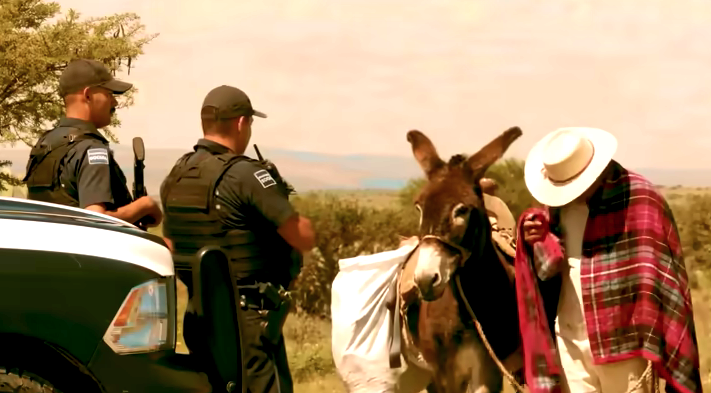
Ranchero
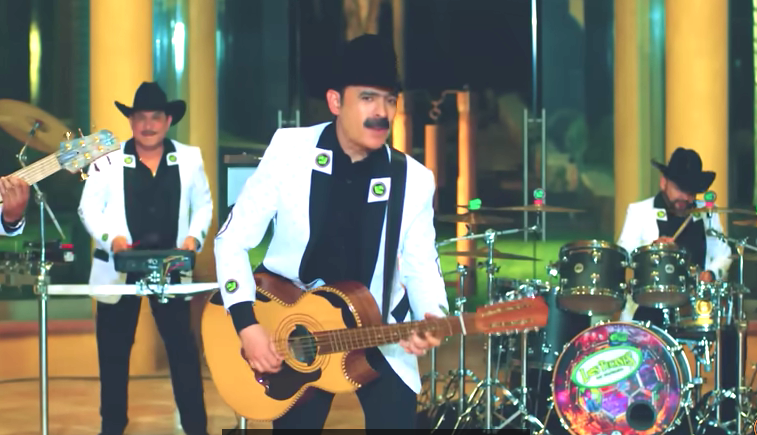
Y Medio – Los Tucanes De Tijuana (Video Oficial)
★ナルココリド(スペイン語発音:[naɾkokoˈriðo]、「ナルココリド」または麻 薬バラード)は、メキシコのコリド(物語バラード)ジャンルのサブジャンルで、ここからいくつかの他のジャンルが発展してきた。このタイプの音楽は、メキ シコとアメリカの国境の両側で聞かれ、生産されています。踊れる、ポルカ、ワルツ、マズルカのリズムをベースにしている。 麻薬密輸業者に焦点を当てた最初のコリドス(ナルコは「麻薬」に由来)は、フアン・ラミレス・ピミエンタによって1930年代とされている。初期のコリド ス(非ナルコ)は、1910年のメキシコ革命まで遡り、革命の闘士たちの物語を描いている。音楽評論家はまた、ナルココリドの歌詞とスタイルをギャングス タ・ラップやマフィア・ラップと比較している[1][2]。 ナルココリドの歌詞は特定の出来事に言及し、実際の日付や場所を含む[3]。歌詞は、主に麻薬密売などの違法行為を肯定的に語る傾向がある。
| A narcocorrido
(Spanish pronunciation: [naɾkokoˈriðo], "narco-corrido" or drug ballad)
is a subgenre of the Regional Mexican corrido (narrative ballad) genre,
from which several other genres have evolved. This type of music is
heard and produced on both sides of the Mexico–US border. It uses a
danceable, polka, waltz or mazurka rhythmic base. The first corridos that focus on drug smugglers—the narco comes from "narcotics"—have been dated by Juan Ramírez-Pimienta to the 1930s. Early corridos (non-narco) go back as far as the Mexican Revolution of 1910, telling the stories of revolutionary fighters. Music critics have also compared narcocorrido lyrics and style to gangster rap and mafioso rap.[1][2] Narcocorrido lyrics refer to particular events and include real dates and places.[3] The lyrics tend to speak approvingly of illegal activities, mainly drug trafficking. |
ナルココリド(スペイン語発音:[naɾkokoˈriðo]、「ナル
ココリド」または麻薬バラード)は、メキシコのコリド(物語バラード)ジャンルのサブジャンルで、ここからいくつかの他のジャンルが発展してきた。このタ
イプの音楽は、メキシコとアメリカの国境の両側で聞かれ、生産されています。踊れる、ポルカ、ワルツ、マズルカのリズムをベースにしている。 麻薬密輸業者に焦点を当てた最初のコリドス(ナルコは「麻薬」に由来)は、フアン・ラミレス・ピミエンタによって1930年代とされている。初期のコリド ス(非ナルコ)は、1910年のメキシコ革命まで遡り、革命の闘士たちの物語を描いている。音楽評論家はまた、ナルココリドの歌詞とスタイルをギャングス タ・ラップやマフィア・ラップと比較している[1][2]。 ナルココリドの歌詞は特定の出来事に言及し、実際の日付や場所を含む[3]。歌詞は、主に麻薬密売などの違法行為を肯定的に語る傾向がある。 |
| History This genre of music is the evolution of traditional corrido ballads of the Mexican-US border region, which stemmed from the 16th-century Spanish genre of romance. Among the earliest exponents of narcocorrido music were Los Alegres de Teran, who recorded many. In the 1980s, Rosalino "Chalino" Sánchez contributed to narcocorridos. Known throughout Mexico as "El Pelavacas" (Cow Skin Peeler), El Indio (The Indian, from his corrido "El Indio Sánchez"), and "Mi Compa" (My Friend), Chalino was a Mexican immigrant living in Los Angeles. He then began distributing his music for a sale price. His lyrics dealt with heartbreak, revolution, and socioeconomic issues. Soon he was selling mass copies. Chalino Sánchez was murdered in 1992 after a concert in Culiacán. In death, he became a legend and one of the most influential Mexican musicians to emerge from California, he was known throughout Mexico and United States as El Rey del Corrido (The King of the Corrido).[4] Various companies, governmental agencies, and individuals have sought to ban narcocorridos. These attempts include a voluntary radio station black-out in Baja California. Representative Casio Carlos Narváez explained that radio executives did not want to make "people who break the laws of our country into heroes and examples". Former President of Mexico Vicente Fox also proposed banning narcocorridos.[5] On the other hand, former Mexican foreign secretary Jorge Castaneda has argued that "corridos are attempts by Mexican society to come to terms with the world around them...You cannot blame narcocorridos for drug violence. Drug violence is to blame for narcocorridos".[6] |
歴史 このジャンルの音楽は、メキシコとアメリカの国境地帯の伝統的なコリドのバラードが進化したもので、16世紀のスペインのロマンスというジャンルに端を発 している。ナルココリドは、ロス・アレグレス・デ・テラン(Los Alegres de Teran)が最も早くから演奏し、多くの録音を残している。1980年代には、ロザリーノ・"チャリーノ"・サンチェスがナルコドリドに貢献しました。 メキシコ全土で「エル・ペラバカス(牛の皮むき)」「エル・インディオ(コリド「エル・インディオ・サンチェス」から)」「ミ・コンパ(私の友達)」と呼 ばれていたチャリーノは、ロサンゼルスに住むメキシコ系移民であった。その後、彼は自分の音楽を売値で配信し始めた。彼の歌詞は、心の傷、革命、社会経済 的な問題を扱っていた。やがて、彼は大量のコピーを売るようになった。1992年、チャリノ・サンチェスは、クリアカンのコンサート後に殺害された。死 後、彼は伝説となり、カリフォルニアから生まれた最も影響力のあるメキシコ人ミュージシャンの一人となり、メキシコとアメリカ中でEl Rey del Corrido (The King of the Corrido) として知られていた[4]。 様々な企業、政府機関、個人がナルココリドを禁止しようと試みてきた。これらの試みには、バハカリフォルニアのラジオ局の自主的な停電も含まれている。代 表者のCasio Carlos Narváezは、ラジオ局の幹部が「我が国の法律を破る人々を英雄や模範とする」ことを望まなかったと説明しています。一方、メキシコの元外務大臣ホル ヘ・カスタネダは、「コリドスはメキシコ社会が周囲の世界と折り合いをつけようとする試みであり、麻薬の暴力をナルココリドスのせいにすることはできな い。麻薬の暴力はナルココリドーのせいにしている」[6]。 |
| Narcocorridos and their lyrical
content Since music plays an important role and major influence in the narcoculture in Mexico, some songs have been tagged as "anthems" and banned from airplay in Mexico and parts of the United States. However, the banning has failed in Mexico because the music is still displayed and available on several radio stations in the United States,[7] near the border with Mexico, which still reaches the northern Mexico audience,[8][9] while another important point of narcocorrido distribution method has been the internet[10] for listening and downloading. Pirated (bootleg) copies of this music are sold in the "tianguis" (outdoor and flea markets). Narcocorridos describe the lives of the poor, the destitute, and those who seek power through illegal means. Like hip-hop and rap music, the narcocorrido is heard by many Spanish speakers who vary in age, and is popular among people who are not associated with cartels or gangs. The genre is becoming mainstream in many Spanish-speaking countries in recent years, along with the emergence of Narco-subcultures and Drug consumption cultures; it is now entering countries like Guatemala, Honduras, Colombia, Peru and Bolivia, where the music is available on an everyday basis.[11] |
ナルココリドとその歌詞の内容 メキシコのナルコカルチャーにおいて、音楽は重要な役割と大きな影響力を持つため、一部の曲は「アンセム」とタグ付けされ、メキシコと米国の一部で放送が 禁止されています。しかし、メキシコでの放送禁止は失敗に終わった。なぜなら、メキシコとの国境に近いアメリカのいくつかのラジオ局[7]では、音楽がま だ表示され、入手可能であり、メキシコ北部の視聴者に届いているからだ[8][9]。一方、ナルココリドの流通方法のもう一つの重要ポイントは、聴いたり ダウンロードしたりできるインターネット[10]になっている。この音楽の海賊版(ブートレグ)は、「ティアンギス」(屋外・蚤の市)で販売されていま す。 ナルココリドスは、貧しい人々や貧困層、非合法な手段で権力を求める人々の生活を描いています。ヒップホップやラップのように、ナルココリドは年齢を問わ ず多くのスペイン語話者に聞かれ、カルテルやギャングとは関係のない人々の間でも人気がある。近年、ナルコ・サブカルチャーやドラッグ消費文化の台頭とと もに、多くのスペイン語圏でこのジャンルが主流になりつつあり、グアテマラ、ホンジュラス、コロンビア、ペルー、ボリビアなど、日常的に音楽を聴くことが できる国にも進出しつつある[11]。 |
| Examples of such anthems include: "En Preparacion" (In Preparation) (a song that refers to the life of violent sinaloa cartel lieutenant Manuel Torres Félix known as "El Ondeado", brother of Javier Torres known as "El J.T.") by singer Gerardo Ortíz "El Señor de los Cielos" (The Lord of the Skies) (refers to Drug lord Amado Carrillo) by singer Los Plebes del Rancho de Ariel Camacho "A Mis Enemigos" (To My Enemies) by Valentín Elizalde "El Coco" (The coke head) by El Halcon de la Sierra "Nave 727" (refers to the "Boeing 727" aircraft) by Grupo Laberinto "Cuerno de Chivo" ("Goat's Horn", Spanish slang for AK-47 rifle) by Los Huracanes del Norte "Mis Tres Animales" (My Three Animals) (refers to the 3 top selling Mexican narcotics: cocaine, marijuana and heroin). by Los Tucanes de Tijuana "El Macho Prieto" (a supposed tribute to drug trafficker Gonzalo Inzunza Inzunza) by Luis Salomon "El Arremangado" "Ajustes Inzunza" (Retaliations Inzunza) (dedicated to the hitman squad led by Gonzalo Inzunza Inzunza) by Colmillo Norteño "La Vida Mafiosa" (The Mafia Life) by Los Canelos de Durango "El Chapo Guzmán" (a tribute to Sinaloa cartel drug lord Joaquín "Chapo" Guzmán) by Los Tucanes de Tijuana "El Jefe de Jefes" (The Boss of Bosses) (dedicated to Miguel Ángel Félix Gallardo) by Los Tigres del Norte "Chuy y Mauricio" (Jesus and Maurice) by Los Canelos de Durango "Chingon de Chingones" (The Badass of Badasses) by Los Razos de Sacramento y Reynaldo "Los Duros de Colombia" (The Colombia Hardhitters) by Gerardo Ortiz "JGL" (a tribute to Sinaloa cartel drug lord Joaquín "Chapo" Guzmán) by Luis R Conriquez and La Adictiva "El Sr. Mayo Zambada" (Mr. Mayo Zambada) (a song dedicated to Sinaloa cartel top Drug lord, Ismael "Mayo" Zambada) by Enigma Norteño. " El Regreso Del Chapo" (The Return of El Chapo) by El Komander " Pancho Loco" (Crazy Frank) by Roberto Tapia " El Corrido de Los Zetas" (The ballad of the Zetas) by Beto Quintanilla (Dedicated to the infamous enforcer gang Los Zetas) "Corrido a Felix Gallardo" (dedicated to Miguel Ángel Félix Gallardo) by Los Jilgueros Del Pico Real "Miguel Angel" (dedicated to Miguel Ángel Félix Gallardo) by Dareyes de la Sierra This verse of the song "El Cabron" (1998) by Los Capos is an example of typical narcocorrido subject matter. |
そのようなアンセムの例には以下が含まれる: 歌手ジェラルド・オルティスの 「En Preparacion」(準備中)(「エル・J.T.」として知られるハビエル・トーレスの弟で、「エル・オンデード」として知られるシナロア・カルテ ルの凶暴な警部補マヌエル・トーレス・フェリックスの人生に言及した歌)。 歌手ロス・プレベス・デル・ランチョ・デ・アリエル・カマーチョによる 「El Señor de los Cielos」(空の主)(麻薬王アマド・カリージョのこと)。 バレンティン・エリザルデの 「A Mis Enemigos」(私の敵へ エル・ハルコン・デ・ラ・シエラによる 「El Coco」(コカイン頭 「Nave 727"(ボーイング727型機を指す) by Grupo Laberinto 「ロス・フラカネス・デル・ノルテによる 「Cuerno de Chivo」(ヤギの角、AK-47ライフルのスペイン語スラング ロス・トゥカネス・デ・ティフアナによる 「Mis Tres Animales」(私の3匹の動物)(メキシコで最も売れている3つの麻薬、コカイン、マリファナ、ヘロインのこと)。 ルイス・サロモン 「エル・アレマンガド 」による 「エル・マチョ・プリエト」(麻薬密売人ゴンサロ・インズンサ・インズンサへのオマージュとされる)。 コルミーリョ・ノルテーニョによる 「Ajustes Inzunza」(報復インズンサ)(ゴンサロ・インズンサ・インズンサ率いる殺し屋集団に捧げる ロス・カネロス・デ・ドゥランゴによる 「La Vida Mafiosa」(マフィアの人生 ロス・トゥカネス・デ・ティフアナによる 「El Chapo Guzmán」(シナロア・カルテルの麻薬王ホアキン・「チャポ」・グスマンへのオマージュ ロス・ティグレス・デル・ノルテによる 「El Jefe de Jefes」(ボスの中のボス)(ミゲル・アンヘル・フェリックス・ガジャルドに捧ぐ 「チュイ・イ・マウリシオ」(イエスとモーリス) by ロス・カネロス・デ・ドゥランゴ ロス・レイソス・デ・サクラメント・イ・レイナルドによる 「チンゴン・デ・チンゴネス」(ワルの中のワル 「ロス・ドゥロス・デ・コロンビア」(コロンビア・ハードヒッター) by ジェラルド・オルティス ルイス・R・コンリケスとラ・アディクティバによる 「JGL」(シナロア・カルテルの麻薬王ホアキン・「チャポ」・グスマンへのオマージュ)。 エニグマ・ノルテーニョによる 「El Sr. Mayo Zambada」(ミスター・マヨ・ザンバダ)(シナロア・カルテルの麻薬王、イスマエル・「マイヨ」・ザンバダに捧げた曲)。 " エル・コマンダーによる 「El Regreso Del Chapo」(エル・チャポの帰還 " ロベルト・タピアによる 「パンチョ・ロコ」(クレイジー・フランク " El Corrido de Los Zetas" (セタスのバラード) by Beto Quintanilla (悪名高い暴力団ロス・セタスに捧げる) ロス・ジルゲロス・デル・ピコ・レアルによる 「Corrido a Felix Gallardo」(ミゲル・アンヘル・フェリックス・ガジャルドに捧げるバラード 「ミゲル・エンジェル」(ミゲル・アンヘル・フェリックス・ガジャルドに捧げる) by ダレイエス・デ・ラ・シエラ ロス・カポスの 「El Cabron」(1998年)のこの詩は、典型的なナルココリドの主題の一例である。 |
| Original Spanish verse: Desde que yo era chiquillo tenia fintas de cabrón; ya le pegaba al perico, y a la mota con más razón Es que en mi México lindo ahí cualquiera es cabrón Exact English translation: Ever since I was a lad [child] I had the fame of a badass, already hittin' the parrot [cocaine] and blowing dope [cannabis] with more reason It's because in my beloved Mexico anyone there is a badass. |
スペイン語の原詩 僕がチキージョだった頃から、キャブロンの鰭を持っていた。 私のメキシコでは、このように誰もがカブロンなのだ。 正確な英訳 子供の頃からワルの名声があり、すでにオウム(コカイン)に手を出し、ドープ(大麻)を吹いていた。 私の愛するメキシコでは、誰もがワルだからだ。 |
| Movimiento alterado A recent trend of hyper-violent narcocorridos has been labeled Movimiento alterado, a Spanish term translated as Agitated movement or the Altered movement,[12] The name is a reference to the physiological effect of cocaine consumption, an altered state of mind. In the same way that normal narcocorrido lyrics contrast with old traditional corridos (that narrated stories about revolutionaries, "benevolent bandits" or that attempted to give moral message), the lyrics of the 'Movimiento Alterado' songs contrast with previous narcocorridos. More traditional narcocorridos romanticized the trafficking lifestyle, but used many euphemisms (with words like "polvo" (dust) for cocaine and "cuerno" (horn) for the AK-47), and kept violence at a minimum (used only when or where a tragic event occurred).[13] However, in the Movimiento alterado trend, the songs cynically and deliberately express the pride that modern narcotraffickers have in murdering, torture, beheading, and dismembering their rivals, using explicit descriptions of their exploits, and also naming the military grade weaponry they use (grenade throwers, body armor, "bazucas", AR15, 50 caliber bullets, knives etc.)[14] The lyrics of a famous Movimiento alterado song, dedicated to the notorious cartel enforcer Manuel Torres Félix, starts as follows: With an AK-47 and a bazooka behind my head cross my path and I'll chop your head off I'm crazy and I like to kill my enemies, we're the best at kidnapping We are always in a posse with bullet-proof vests, ready to execute.[15] The songs under this trend have been also labeled as:[16][17][18] corridos arremangados (rolled-up sleeves ballads) corridos alterados (alertness ballads) corridos progresivos (progressive ballads) corridos enfermos (sick or insane ballads) |
モビミエント・アレタード(Movimiento alterado) 最近の超暴力的なナルココリドの傾向は、スペイン語でAgitated movementまたはAltered movementと訳されるMovimiento alteradoと呼ばれている[12] この名前は、コカイン消費の生理的効果である精神状態の変化への言及である。 通常のナルココリドの歌詞が古い伝統的なコリド(革命家、「善良な盗賊」についての物語を語り、道徳的なメッセージを与えようとするもの)と対照的である のと同様に、「Movimiento Alterado」の歌詞は以前のナルココリドと対照的である。より伝統的なナルココリドスは密売のライフスタイルをロマンチックに表現していたが、多く の婉曲表現(コカインの「polvo」(塵)やAK-47の「cuerno」(角)といった言葉)を用い、暴力は最小限に留めていた(悲惨な出来事が起 こった時や場所でのみ使われる)[13]。 しかし、Movimiento alteradoの傾向では、現代の麻薬密売人がライバルを殺害、拷問、斬首、バラバラにすることに誇りを持つことをシニカルかつ意図的に表現し、彼らの 功績を明示的に描写し、彼らが使う軍用兵器(手榴弾投げ、防護服、「バズーカ」、AR15、50口径弾、ナイフなど)にも名前をつけて歌われます [14]。 悪名高いカルテルの執行者マヌエル・トーレス・フェリックスに捧げられた、モビミエント・アルテラードの有名な曲の歌詞は、次のように始まる: AK-47とバズーカを頭の後ろに持っている。 俺の前を横切ったら、お前の頭を切り落としてやる。 俺はクレイジーで、敵を殺すのが好きなんだ、 俺たちは誘拐が一番うまいんだ 俺たちはいつも防弾チョッキを着たポッセで、実行する準備ができている[15]。 この傾向の曲は次のようなラベルも貼られている[16][17][18]。 corridos arremangados(巻き上げられた袖のバラード) corridos alterados(警戒心バラード) corridos progresivos (プログレッシブ・バラード) corridos enfermos(病気や狂気のバラード) |
| Narcocorrido and crime Narcocorrido as money laundering scheme In Mexico, parts of South America and some regions of the US[19] south border it is common to hear the sudden appearance of "new artists", mainly in folk radio stations, who are not known in the music industry, have no previous career and with no explanation of where they come from. These music groups and singers start to appear consistently on radio, television and public broadcasts with a strong promotion of their concerts. This happens for a fixed amount of time, and in the same sudden way they appear, they stop their promotion and disappear from the music scene, or change their stage name. Such artists are commonly manufactured by producers of dubious origin, who pay payola and do events in order to launder money from drug trafficking, prostitution or other illegal operations.[20][21] |
ナルココリドーと犯罪 マネーロンダリングとしてのナルココリド メキシコ、南米の一部、アメリカ[19]の南国境の一部地域では、主に民謡ラジオ局で、音楽業界で知られておらず、これまでのキャリアもなく、出身地も説 明できない「新しいアーティスト」が突然登場するのをよく耳にするようになった。これらの音楽グループや歌手は、ラジオやテレビ、公共放送で、コンサート の強力な宣伝とともにコンスタントに登場するようになります。これは一定期間起こり、同じように突然現れると、プロモーションをやめて音楽シーンから姿を 消したり、芸名を変えたりします。このようなアーティストは、一般的に出自の怪しいプロデューサーによって製造され、麻薬密売や売春などの違法行為から得 た資金を洗浄するために、パヨクを雇い、イベントを行う[20][21]。 |
| Violence in narcocorrido industry Between 2006 and 2008, over a dozen prominent Mexican musicians, many of them connected to the narcocorrido genre, were murdered. The violence came in the midst of the Mexican drug war. The most popular musicians killed were Valentín Elizalde and Sergio Gómez, the lead singer of Chicago-based Duranguense band K-Paz de la Sierra. In December 2007, both men were nominated posthumously for Grammy Awards in the banda category.[22] On June 26, 2010, Sergio Vega, known as El Shaka, was gunned down in Sinaloa state. He was shot dead only hours after he had denied reports of his own murder.[23] Ramiro Caro, Gerardo Ortiz's manager and cousin, was also killed when Ortiz's Chevy Suburban was attacked by men with AK-47's in an attempt to kill Ortiz. Ortiz escaped unhurt.[24] Other murdered music industry figures include Javier Morales Gómez (a singer for Los Implacables del Norte), four members of Tecno Banda Fugaz, four members of Los Padrinos de la Sierra, Zayda Peña (a singer for Zayda Y Los Culpables), trumpeter José Luis Aquino of Los Conde, record producer Marco Abdalá, manager Roberto del Fierro Lugo, Jorge Antonio Sepúlveda, Jesús Rey David Alfaro Pulido, Nicolás Villanueva of tropical group Brisas del Mar, four members of Los Herederos de Sinaloa, and the singer Fabian Ortega Pinon (El Halcon de la Sierra), who was executed along with two other victims in Guerrero, Chihuahua, in August 2006. Additionally, three members of Explosión Norteña were shot and wounded in Tijuana, in August 2006.[25][26][27] While few, if any, arrests have been made in these cases, experts and musicians themselves say that the murders can be explained by many Mexican musicians’ proximity to drug traffickers.[28] Some speculate the killings could be related to romantic disputes and jealousy.[29] Others cite cases in which a musician has written a song praising or criticizing a drug trafficker; many assert that Valentín Elizalde's murder, for example, was related to his song, "A Mis Enemigos", which some interpreted as an attack on the Gulf Cartel following its appearance in a widespread YouTube video.[30] |
ナルコドリド業界における暴力事件 2006年から2008年にかけて、メキシコの著名なミュージシャン、その多くはナルココリドというジャンルに関係する人たちが十数人殺害されました。こ の暴力事件は、メキシコの麻薬戦争の真っ只中に起こったものです。最も人気のあるミュージシャンが殺されたのは、Valentín Elizaldeと、シカゴを拠点とするデュランゲンスバンドK-Paz de la Sierraのリードシンガー、Sergio Gómezです。2007年12月、2人は死後グラミー賞のバンダ部門にノミネートされた[22]。 2010年6月26日、エル・シャカとして知られるセルジオ・ベガがシナロア州で銃殺された。彼は自身の殺害報道を否定したわずか数時間後に射殺された [23] ジェラルド・オルティスのマネージャーでいとこのラミロ・カロも、オルティスを殺害しようとしてAK-47を持った男たちにオルティスのシボレー・サバー バンが襲われ、殺された。オルティスは無傷で脱出した[24]。 その他の殺害された音楽業界の人物には、ハビエル・モラレス・ゴメス(ロス・インプラカブルズ・デル・ノルテの歌手)、テクノ・バンダ・フガスのメンバー 4人、ロス・パドリノス・デ・ラ・シエラのメンバー4人、ザイダ・ペニャ(ザイダ・イ・ロス・カルパブレスの歌手)、ロス・コンデのトランペッター、ホ ゼ・ルイス・アキーノ、レコードプロデューサーのマルコ・アブダラ、 マネージャーのRoberto del Fierro Lugo、Jorge Antonio Sepúlveda、Jesús Rey David Alfaro Pulido、熱帯グループBrisas del MarのNicolás Villanueva、Los Herederos de Sinaloaのメンバー4人、歌手のFabian Ortega Pinon (El Halcon de la Sierra) は、2006年の8月にChihuahua州のゲレロで他の2人と一緒に死刑にされました。さらに、2006年8月にはティフアナでエクスプロシオン・ノ ルテーニャのメンバー3人が撃たれて負傷した[25][26][27]。 これらの事件で逮捕者はほとんど出ていないが、専門家やミュージシャン自身は、多くのメキシコのミュージシャンが麻薬密売人に近かったことで殺人事件が説 明できると述べている[28]。また、殺人事件が恋愛関係の争いや嫉妬に関連しているのではないかと推測する者もいる[29]。 [29]また、ミュージシャンが麻薬密売人を賞賛または批判する曲を書いたケースを挙げる者もいる。例えば、バレンティン・エリザルデの殺害は、彼の曲 「A Mis Enemigos」に関連していると主張する者も多く、この曲は、YouTubeの動画に広く登場したことから、ガルフカルテルへの攻撃と解釈する者もい る[30]。 |
| There has been debate about the
motives behind the killings and about
whether or not the media has exaggerated the trend. Narcocorrido expert
Elijah Wald has disputed the assumption that any of the murders were
related or that musicians on the whole are targets for drug
traffickers.[31] But given the grisly nature of the murders, some of
which were accompanied by torture and disfigurement, few[who?] doubt
that drug cartel hitmen are to blame. In the wake of the high-profile murders of Elizalde and Gómez, among others, some prominent corrido musicians postponed concert dates in certain parts of Mexico.[32] Narcocorrido singers travel with relative ease and security inside the United States, but many Mexican American narcocorrido singers take extra precautions while venturing into Mexico by hiring extra security, traveling in well-guarded caravans, not being as open to the public in larger concerts, and limiting their tours in high violence cities in Mexico. Others have said they are afraid to sing narcocorridos in public for fear of offending the wrong person.[28] Likewise, some vendors of narcocorrido CDs have reported low sales, citing fear among listeners of buying a CD featuring songs favoring one group of traffickers over another.[28] The Zetas cartel has been known to torture and kill online and social media bloggers who speak about them. In one incident, the tortured and mutilated bodies of a man and a woman who had posted about cartels on social media were found hanging off a bridge in the city of Nuevo León, in September 2011. A sign stating, "This is going to happen to all the Internet busybodies", was found next to them signed with the letter Z.[33] |
殺害の動機について、またメディアがこの傾向を誇張しているかどうかに
ついては、議論があるところである。ナルココリドの専門家であるElijah
Waldは、すべての殺人が関連しているという仮定や、ミュージシャン全体が麻薬密売人のターゲットになっているという仮定に異議を唱えている[31]。
しかし、殺人の悲惨な性質、そのいくつかは拷問や醜い姿を伴っていたことから、麻薬カルテルのヒットマンが原因であると疑う人は[誰ですか]、少ない。 エリサルデやゴメスなどの有名な殺人事件の後、いくつかの著名なコリドのミュージシャンはメキシコの特定の地域でのコンサートの日程を延期した[32] ナルココリドの歌手は、米国内では比較的簡単で安全に旅行できるが、多くのメキシコ系アメリカ人のナルココリドの歌手は、メキシコに進出する際に、追加の セキュリティを雇い、よく警備されたキャラバンで旅行し、大きなコンサートでは一般人にそれほど公開せず、メキシコで暴力の強い都市のツアーを制限するこ となどの特別な予防策をとる。同様に、ナルココリドのCDを販売する業者の中には、ある人身売買グループの曲を他のグループより優先して収録したCDを購 入することをリスナーが恐れているとして、売上が低いことを報告しているところもある[28]。 セタス・カルテルは、彼らについて語るオンラインやソーシャルメディアのブロガーを拷問して殺すことが知られています。ある事件では、2011年9月にヌ エボ・レオン市の橋の上から、ソーシャルメディアにカルテルについて投稿していた男女の拷問・切断された死体が吊るされているのが発見されました。二人の 横には「ネットの暇人どもにはこうなる」と書かれた看板が発見され、Zの文字でサインされていた[33]。 |
| Growing popularity in the United
States Recently[when?], many of the new narco corridos music is being aimed directly at the American market, and produced mainly by Mexican-American entrepreneurs. Like many other concerts or sport events, many corrido artists are choosing American cities as venues for the ability to fill the concert halls at higher ticket prices than would be affordable by the average Mexican citizen. Many of the music and CDs are distributed by American labels as well as videos intended solely to be sold in the United States. The growing popularity of the music in the U.S. is correlated with Mexican immigration. Over a quarter of the residents of the Los Angeles area are now Mexican, and they have brought this folk music style with them. Narcocorridos are now played in L.A. clubs, on radio stations, and do not have the negative stigma attached to them by some in Mexico, this is mainly because the Spanish lyrics are only understood by Hispanophones, and the distance American society has with the reality of Mexico, makes them feel they are only listening to works of art and fiction.[34] |
米国で高まる人気 最近[いつ]、新しいナルコ・コリドスの音楽の多くは、直接アメリカ市場に向けられ、主にメキシコ系アメリカ人の起業家によって制作されています。他の多 くのコンサートやスポーツイベントと同様に、多くのコリド・アーティストは、メキシコの一般市民が購入できる価格よりも高いチケット価格でコンサートホー ルを埋めることができるため、アメリカの都市を会場に選んでいます。音楽とCDの多くはアメリカのレーベルから発売され、アメリカ国内での販売のみを目的 としたビデオも発売されている。 アメリカでの音楽人気の高まりは、メキシコからの移民と相関している。ロサンゼルス周辺の住民の4分の1以上がメキシコ人であり、彼らはこの民族音楽のス タイルを持ち込んだのである。ナルココリドスは現在、ロサンゼルスのクラブやラジオ局で演奏されており、メキシコの一部から付けられた負のスティグマはな い。これは主に、スペイン語の歌詞がヒスパノフォン(=スペイン語話者)にしか理解されず、アメリカ社会がメキシコの現実と距離を置いているため、芸術作 品やフィクションを聞 いているようにしか感じないためである[34]。 |
El Komander - La Corona (En Vivo 2017) |
|
| In art, entertainment and media | |
| https://en.wikipedia.org/wiki/Narcocorrido | |
| In art, entertainment and media Films Mexploitation films, especially the subgenre narcocinema, feature narcocorridos. Many of these feature appearances by famous narcocorrido singers[35] and are rumored to be financed by drug lords themselves (although only a few cases of the latter have been proven).[36] [37] Some other films which feature narcocorridos include: Al Otro Lado (2006, To the Other Side)[38] Narco Cultura (2013, Narco Culture)[39] Radio On the radio, airplay of narcocorridos has increased significantly in recent years. Although illegal in Mexico, given the prohibition of lyrical content promoting crime and violence, US-based Spanish-speaking stations have promoted artists such as Larry Hernández, El Compa Chuy, and El Potro de Sinaloa, and songs such as "El Katch", "El Piloto Canavis" ("The Cannabis Pilot"), and "El Señor de la Hummer" ("The Man with the Hummer") have increased the genre's popularity. Listener requests have helped to overcome radio stations' reluctance to play this type of music.[40] Television In 2008, the Fox TV show America's Most Wanted mentioned the genre while depicting the case of a criminal wanted for murder and trafficking, who may be traveling back and forth between Mexico and the United States.[citation needed] Breaking Bad season 2, episode 7 ("Negro y Azul"), opens with a narcocorrido by Los Cuates de Sinaloa, co-written by Vince Gilligan and inspired by the events depicted in the series.[41][42] In the CSI: Crime Scene Investigation episode "Snakes" (2005), a freelance reporter who has gone undercover in the narcocorrido-producing subculture is killed for writing an article critical of the genre. In Law & Order season 20, episode 7, a narcocorrido is used as evidence in a murder. "Tuyo" ("Yours"), the theme song of the Netflix Original series Narcos (which debuted in September 2015), is a Spanish-language narcocorrido written and vocalized by Rodrigo Amarante, which reflects the type of music drug kingpin Pablo Escobar's mother would have listened to when raising her son.[43] The song debuted at No. 6 on the Latin Pop Digital Songs around the 2015 series premiere[44] and was nominated for a Primetime Emmy Award for Outstanding Main Title Theme Music. The Shield season 3 episode, "Safe", contains a narcocorrido about an unrequited love and the murder of a woman. Later evidence proves that the "victim" is alive and living with her boyfriend, so the narcocorrido turned out to be fake. After finding several bodies of people killed by meth lab exposure, the detectives use corridos based on true stories to close cases. NCIS: Los Angeles season 4 episode, "Resurrection", featured a young narcocorrido singer who was sponsored by a cartel boss and witnessed his illegal activities. Video games In the 2017 video game Tom Clancy's Ghost Recon Wildlands, the fictional Santa Blanca Drug Cartel (a dangerous drug cartel from Mexico), which has taken control of Bolivia, has a radio station called Radio Santa Blanca, which plays reggaeton and narco-corrido. In the game's lore, the most famous narco-corrido singer is Marcelo Rios. Rios has many fans worldwide and in the Santa Blanca Cartel. He works for Santa Blanca's Influence branch as "El Chido" (The Cool), and plays his songs on Radio Santa Blanca. |
芸術、娯楽、メディアにおいて 映画 Mエクスプロイテーション映画、特にそのサブジャンルであるナルコシネマは、ナルココリドを題材としている。これらの多くは有名なナルココリド歌手が出演 しており[35]、麻薬王自身による資金提供の噂もある(ただし後者の事例が証明されたのはごく一部である)。[36] [37] ナルコ・コリードを取り上げたその他の映画には以下がある: 『アル・オトロ・ラド』(2006年、To the Other Side)[38] 『ナルコ・カルチュラ』(2013年)[39] ラジオ ラジオでは近年、ナルココリドの放送が大幅に増加している。メキシコでは犯罪や暴力を助長する歌詞が禁止されているため違法だが、米国を拠点とするスペイ ン語放送局はラリー・エルナンデス、エル・コンパ・チュイ、エル・ポトロ・デ・シナロアといったアーティストや、「エル・カッチ」、「エル・ピロット・カ ナビス」(「大麻のパイロット」)、 「エル・ピロト・カナビス」(「大麻のパイロット」)、そして「エル・セニョール・デ・ラ・ハマー」(「ハマーの男」)といった楽曲が、このジャンルの人 気を高めている。リスナーのリクエストが、ラジオ局がこの種の音楽を流すことへの消極的な姿勢を克服するのに役立っている。[40] テレビ 2008年、フォックスTVの番組『アメリカズ・モスト・ウォンテッド』は、殺人及び密輸の容疑で指名手配され、メキシコとアメリカ合衆国を往来している 可能性のある犯罪者の事件を扱う中で、このジャンルに言及した。[出典が必要] 『ブレイキング・バッド』シーズン2第7話「ニグロ・イ・アズール」は、ロス・クアテス・デ・シナロアによるナルココリードで始まる。この曲はヴィンス・ ギリガンが共同作詞し、シリーズで描かれた事件に着想を得たものである。[41] [42] 『CSI:科学捜査班』のエピソード「スネイクス」(2005年)では、ナルココリード制作のサブカルチャーに潜入取材したフリーランス記者が、このジャ ンルを批判する記事を執筆したために殺害される。 『ロー&オーダー』シーズン20第7話では、殺人事件の証拠としてナルココリードが使用される。 Netflixオリジナルシリーズ『ナルコス』(2015年9月公開)の主題歌「トゥヨ」(「君のもの」)は、ロドリゴ・アマランテが作詞・歌唱したスペ イン語のナルココリードである。これは麻薬王パブロ・エスコバルの母親が息子を育てる際に聴いていたであろう音楽の類型を反映している。[43] この曲は2015年のシリーズ初放送時にラテンポップ・デジタルソングチャートで初登場6位を記録し[44]、プライムタイム・エミー賞の優秀メインタイ トルテーマ音楽賞にノミネートされた。 『ザ・シールド』シーズン3の第3話「セーフ」では、片思いと女性の殺害を題材にしたナルココリードが登場する。後に「被害者」が生存し恋人と同居してい ることが判明し、このナルコ・コリードは偽造だったことが明らかになる。メタンフェタミン製造所での被曝死体複数を発見した後、刑事たちは実話に基づくコ リードを用いて事件を解決する。 『NCIS:ロサンゼルス』シーズン4「復活」では、カルテルのボスに後援されその違法行為を目撃した若きナルコ・コリード歌手が登場した。 ビデオゲーム 2017年のビデオゲーム『トム・クランシー ゴーストリコン ワイルドランズ』では、ボリビアを支配下に置いた架空のサンタブランカ麻薬カルテル(メキシコ発の危険な麻薬組織)が、レゲトンやナルコ・コリードを流す ラジオ局「ラジオ・サンタブランカ」を運営している。ゲーム内の設定では、最も有名なナルコ・コリード歌手はマルセロ・リオスだ。リオスは世界中とサンタ ブランカ・カルテル内に多くのファンを持つ。彼はサンタブランカの影響力部門で「エル・チド(クールな男)」として働き、自身の曲をラジオ・サンタブラン カで流している。 |
| Further reading Academic articles and books icon This article lacks ISBNs for books it lists. Please help add this information or run the citation bot. (April 2012) Astorga, Luis (1995). Mitología del traficante en México. Mexico: UNAM / Plaza y Valdés. Astorga, Luis (2005). "Corridos de traficantes y censura" (PDF). Región y Sociedad. 17 (32): 145–65. Archived from the original on 2013-02-21. Astorga, L. (1997). "Los corridos de traficantes de drogas en México y Colombia". Revista Mexicana de Sociolog. 59 (4): 245–261. doi:10.2307/3541131. JSTOR 3541131. Cabañas, Miguel A (2008). "El narcocorrido global y las identidades transnacionales". Revista de Estudios Hispánicos (in Spanish). 42 (3): 519–42. ISSN 0034-818X. Cabañas, Miguel A. (2008). "Lo popular transnacional: el narcocorrido como género musical en los Estados Unidos, México y Colombia". In Moret, Zulema (ed.). Intersecciones: Abordajes de lo popular en América Latina. pp. 89–101. OCLC 468040146. Edberg, Mark Cameron (2004). El Narcotraficante: Narcocorridos & The Construction of a Cultural Persona on the U.S.-Mexican Border. Austin: University of Texas Press. ISBN 978-0-292-70206-6. Flores y Escalante, Jesús (2003). "El narcocorrido: Tradición sin tiempo ni frontera". Somos (in Spanish). 13 (228): 72–79. Herrera-Sobek, María (1979). "The Theme of Smuggling in the Mexican Corrido". Revista Chicano Riqueña. 7 (4): 4961. Nicolopulos, James (2006). "The Problematic Question of the Earliest Narcocorridista: Manuel C. Valdez or Juan Gaytán?". In de V. Renwick, Roger; Rieuwerts, Sigrid (eds.). Ballad Mediations: Folksongs Recovered, Represented and Reimagined. Traer: WVT Wissenschaftlicher Verlag Traer. pp. 51–57. ISBN 978-3-88476-819-8. Quinones, Sam (2001). True Tales from Another Mexico: The Lynch Mob, the Popsicle Kings, Chalino, and the Bronx. Albuquerque: University of New Mexico Press. ISBN 978-0-8263-2296-8. "'Esos malditos meneos': La homosexualidad en la corridística mexicana." A Contracorriente: Journal of Social History and Literature in Latin America. Vol. 17, No. 1 (Fall 2019): 246–277. "Narcocultura temprana: El consumo de drogas en la corridística de la primera mitad del siglo XX." Studies in Latin American Popular Culture. Vol. XXXVII. (2019): 201–216. Ramírez-Pimienta, Juan Carlos. "El narcocorrido en la frontera y la frontera en el narcocorrido." Revista Iberoamericana. 265 (2018) Ramírez-Pimienta, Juan Carlos. "Narcocorridos and Internet: Demonopolizing Mexico's Narco History in Cyberspace." Hilda Chacón, ed. Online Activism in Latin America. London: Routledge, 2017. Ramírez-Pimienta, Juan Carlos.Camelia la texana y otras mujeres de la narcocultura. Mexico: Editorial Universidad Autonoma de Sinaloa, 2016. Ramírez-Pimienta, Juan Carlos.Cantar a los narcos. voces y versos del narcocorrido. Mexico: Editorial Planeta, 2011. Ramírez-Pimienta, Juan Carlos. "El tema de la traición en tres corridos de narcotráfico y narcotraficantes: 'Carga Blanca','Contrabando y traición' y 'Chuy y Mauricio.' Hispanic Journal. XXXII.2 (Fall 2015): 161–177. Ramírez-Pimienta, Juan Carlos."El Pablote: una nueva mirada al primer corrido dedicado a un traficante de drogas." Mitologías Hoy. Revista de Estudios Literarios Latinoamericanos. Vol. 14. 2016: 41–56. Ramírez-Pimienta, Juan Carlos. "De torturaciones, balas y explosiones: Narcocultura, Movimiento Alterado e hiperrealismo en el sexenio de Felipe Calderón." A Contracorriente: Journal of Social History and Literature in Latin America. (Refereed scholarly e-journal). Vol. 10, No. 3 (Spring 2013): 302–334. http://acontracorriente.chass.ncsu.edu/index.php/acontracorriente/article/view/570/1192#.UmXjVflJOSo Ramírez-Pimienta, Juan Carlos (2011). "El narcocorrido religioso: usos y abusos de un género". Studies in Latin American Popular Culture. 29: 184. doi:10.1353/sla.2011.0016. S2CID 142615405. Ramírez-Pimienta, Juan Carlos (2010). "Los corridos de Juan Meneses: dos antecedentes tempranos del narcocorrido en la frontera México-Estados Unidos". Aztlán. 35 (2): 89–113. doi:10.1525/azt.2010.35.2.89. Archived from the original on 2013-01-28. Ramírez-Pimienta, Juan Carlos. "Sicarias, buchonas y jefas: perfiles de la mujer en el narcocorrido." The Colorado Review of Hispanic Studies. Volume 8 - 9 (2010–2011): 311–336. Ramírez-Pimienta, Juan Carlos."Doscientos años de corrido y algunos menos de narcocultura." Conciencia mexicana: Bicentenario de la independencia y centenario de la Revolución. Rodrigo Pereyra Espinoza, ed. Edinburg: Céfiro Press, 2010. Ramírez-Pimienta, Juan Carlos. "Del corrido de narcotráfico al narcocorrido: Orígenes y desarrollo del canto a los traficantes." Studies in Latin American Popular Culture. Special issue on border culture. XXIII (2004): 21–41. Ramírez-Pimienta, Juan Carlos. "Búsquenme en el Internet: Características del narcocorrido finisecular." Ciberletras # 11. Special issue "End of 20th Century Mexican Literature". (July, 2004) Ramírez-Pimienta, Juan Carlos. "El corrido de narcotráfico en los años ochenta y noventa: un juicio moral suspendido". The Bilingual Review/ La Revista Bilingüe. XXIII.2 (May–August 1998): 145–156. Ramírez-Pimienta, Juan Carlos (2010). "En torno al primer narcocorrido: arqueología del cancionero de las drogas". A Contracorriente (in Spanish). 7 (3): 82–99. Ramírez-Pimienta, Juan. "Chicago lindo y querido si muero lejos de ti: el pasito duranguense, la onda grupera y las nuevas geografías de la identidad popular mexicana." Mexican Studies/Estudios Mexicanos. (2010): 31–45. XXVI.1 Ramírez-Pimienta, Juan. De El Periquillo al pericazo: Ensayos sobre literatura y cultura mexicana. Ciudad Juárez: Universidad Autónoma de Ciudad Juárez Press 2006. Sauceda, Jonathan. "Smuggling, Betrayal, and the Handle of a Gun: Death, Laughter, and the Narcocorrido." Popular Music and Society. 37(4): 425–443. https://doi.org/10.1080/03007766.2013.816542 Free version: https://doi.org/doi:10.7282/T3GB25VX Simonett, H. (2001). "Narcocorridos: An Emerging Micromusic of Nuevo L. A". Ethnomusicology. 45 (2): 315–37. doi:10.2307/852677. JSTOR 852677. Wald, Elijah (2001). Narcocorrido: Un viaje al mundo de la música de las drogas, armas, y guerrilleros (Narcocorrido: A Journey into the Music of Drugs, Guns, and Guerrillas). New York: Rayo. A journalistic book about this style, including interviews with most of the foremost composers. Wellinga, Klaas. "Cantando a los traficantes."Foro Hispánico: Revista Hispánica de los Países Bajos, 22 (2002): 137–54. Villalobos, J. P.; Ramirez-Pimienta, J. C. (2004). "Corridos and la Pura Verdad: Myths and Realities of the Mexican Ballad". South Central Review. 21 (3): 129–149. doi:10.1353/scr.2004.0050. JSTOR 40039894. S2CID 144087292. |
追加文献(さらに読む) 学術論文と書籍 icon この記事は掲載されている書籍のISBNを欠いている。この情報を追加するか、引用ボットを実行してほしい。(2012年4月) アストルガ、ルイス(1995)。『メキシコにおける麻薬密売人の神話』。メキシコ:UNAM / プラサ・イ・バルデス。 アストルガ、ルイス(2005)。「麻薬密売人のコリードと検閲」 (PDF)。『地域と社会』。17巻32号:145–65頁。2013年2月21日にオリジナルからアーカイブされた。 アストルガ, L. (1997). 「メキシコとコロンビアにおける麻薬密売人のコリドー」. 『メキシコ社会学雑誌』. 59 (4): 245–261. doi:10.2307/3541131. JSTOR 3541131. カバニャス、ミゲル・A(2008)。「グローバルなナルコ・コリドと越境的アイデンティティ」。『ヒスパニック研究誌』(スペイン語)。42巻3号: 519–42頁。ISSN 0034-818X。 カバニャス、ミゲル・A(2008)。「越境的な大衆文化:米国、メキシコ、コロンビアにおける音楽ジャンルとしてのナルココリード」。モレット、ズレマ (編)。『交差点:ラテンアメリカにおける大衆文化へのアプローチ』。pp. 89–101。OCLC 468040146。 エドバーグ、マーク・キャメロン(2004)。『麻薬密売人:ナルココリードと米墨国境における文化的ペルソナの構築』。オースティン:テキサス大学出版 局。ISBN 978-0-292-70206-6。 フローレス・イ・エスカランテ、ヘスス(2003)。「麻薬密売人の歌:時と国境を超えた伝統」『ソモス』13巻228号、72–79頁。 エレラ=ソベック、マリア(1979)。「メキシコ民謡における密輸の主題」『レヴィスタ・チカーノ・リケニャ』7巻4号、4961頁。 ニコロプロス、ジェームズ(2006)。「最古のナルココリディスタに関する問題のある問い:マヌエル・C・バルデスか、それともフアン・ガイタン か?」。ロジャー・デ・V・レンウィック、シグリッド・リウワーツ(編)。『バラードの媒介:回復され、表現され、再想像されたフォークソング』。ト ラー:WVT Wissenschaftlicher Verlag Traer。pp. 51–57. ISBN 978-3-88476-819-8. キノネス、サム(2001)。『もうひとつのメキシコからの真実の物語:リンチ集団、アイスキャンディー王、チャリーノ、そしてブロンクス』。アルバカー キ:ニューメキシコ大学出版局。ISBN 978-0-8263-2296-8。 「『あの忌々しい腰振り』:メキシコ・コリディスタにおける同性愛」『逆流:ラテンアメリカ社会史・文学誌』第17巻第1号(2019年秋): 246–277頁。「初期ナルコカルチャー:20世紀前半のコリディスタにおける薬物使用」『ラテンアメリカポピュラー・カルチャー研究』第37巻 (2019年):201–216頁。第37巻(2019年):201–216頁。 ラミレス=ピミエンタ、フアン・カルロス。「国境におけるナルコ・コリドとナルコ・コリドにおける国境」。『イベロアメリカン・レビュー』265号 (2018年) ラミレス=ピミエンタ、フアン・カルロス。「ナルココリードとインターネット:サイバースペースにおけるメキシコの麻薬史の独占打破」ヒルダ・チャコン編 『ラテンアメリカにおけるオンライン活動』ロンドン:ラウトリッジ、2017年。 ラミレス=ピミエンタ、フアン・カルロス。『テキサスのカメリアとナルコカルチャーの女性たち』メキシコ:シナロア自治大学出版局、2016年。 ラミレス=ピミエンタ、フアン・カルロス。『麻薬組織を歌う。ナルココリドの歌声と詩句』。メキシコ:エディトリアル・プラネタ、2011年。 ラミレス=ピミエンタ、フアン・カルロス。「麻薬取引と麻薬密売人を題材とした三つのコリドにおける裏切りというテーマ:『白い荷物』『密輸と裏切り』 『チュイとマウリシオ』」。『ヒスパニック・ジャーナル』 XXXII.2 (2015年秋号): 161–177. ラミレス=ピミエンタ、フアン・カルロス。「エル・パブロテ:麻薬密売人を称えた最初のコリードへの新たな視点」『今日の神話学:ラテンアメリカ文学研究 誌』第14巻、2016年: 41–56頁。 ラミレス=ピミエンタ、フアン・カルロス。「拷問、銃弾、爆発について:フェリペ・カルデロン政権下における麻薬文化、変容運動、ハイパーリアリズム」 『逆流:ラテンアメリカ社会史・文学ジャーナル』 (査読付き学術電子ジャーナル)。第10巻第3号(2013年春):302–334頁。http: //acontracorriente.chass.ncsu.edu/index.php/acontracorriente/article/view/570/1192#.UmXjVflJOSo ラミレス=ピミエンタ、フアン・カルロス(2011)。「宗教的ナルコ・コリド:ジャンルの利用と濫用」。『ラテンアメリカ・ポピュラー・カルチャー研 究』29: 184。doi:10.1353/sla.2011.0016。S2CID 142615405。 ラミレス=ピミエンタ、フアン・カルロス(2010)。「フアン・メネセスのコリード:メキシコ・アメリカ国境におけるナルココリドの二つの初期事例」。 『アストラン』。35 (2): 89–113。doi:10.1525/azt.2010.35.2.89。2013年1月28日にオリジナルからアーカイブされた。 ラミレス=ピミエンタ、フアン・カルロス。「殺し屋、密告者、女ボス:ナルコ・コリードにおける女性の肖像」。『コロラド・ヒスパニック研究レビュー』。 第8-9巻(2010-2011年):311-336頁。 ラミレス=ピミエンタ、フアン・カルロス。「200年のコリードとそれより短いナルコ文化の歴史」。『メキシコの良心:独立200周年と革命100周 年』。ロドリゴ・ペレイラ・エスピノサ編。エディンバーグ:セフィロ・プレス、2010年。 ラミレス=ピミエンタ、フアン・カルロス。「麻薬密売の民謡から麻薬密売歌へ:密売人を称える歌の起源と発展」『ラテンアメリカポピュラー・カルチャー研 究』国境文化特集号。XXIII(2004年):21–41頁。 ラミレス=ピミエンタ、フアン・カルロス。「インターネットで俺を探せ:世紀末ナルココリードの特徴」『サイバーレトラス』第11号。特集「20世紀末メ キシコ文学」。(2004年7月) ラミレス=ピメンタ、フアン・カルロス。「1980~90年代の麻薬密売コリード:保留された道徳的判断」 The Bilingual Review/ La Revista Bilingüe. XXIII.2 (1998年5月–8月): 145–156. ラミレス=ピミエンタ、フアン・カルロス (2010). 「最初のナルコ・コリードをめぐって:麻薬歌謡集の考古学」. 『ア・コントラコリエンテ』(スペイン語)。7巻3号:82–99頁。 ラミレス=ピミエンタ、フアン。「シカゴよ、愛しきシカゴよ、もし君から遠く離れて死ぬなら:ドゥランゴ風パシート、グルペラ・オンダ、そしてメキシコ大 衆のアイデンティティの新たな地理」。『メキシカン・スタディーズ/エストゥディオス・メヒカーノス』。2010年:31–45頁。XXVI巻1号 ラミレス=ピミエンタ、フアン。『エル・ペリキーヨからペリカソへ:メキシコ文学と文化に関するエッセイ』シウダード・フアレス:シウダード・フアレス自 治大学出版局、2006年。 サウセダ、ジョナサン。「密輸、裏切り、そして銃の柄:死、笑い、そしてナルココリード」『ポピュラー・ミュージック・アンド・ソサエティ』 37(4): 425–443. https://doi.org/10.1080/03007766.2013.816542 無料版: https://doi.org/doi:10.7282/T3GB25VX Simonett, H. (2001). 「ナルココリード:ニューロサンゼルスに台頭するマイクロミュージック」『民族音楽学』45(2): 315–37. doi:10.2307/852677. JSTOR 852677. ウォルド、イライジャ (2001). 『ナルココリード:麻薬、銃、ゲリラの音楽世界への旅』. ニューヨーク:ラヨ. この音楽スタイルに関するジャーナリスティックな書籍で、主要な作曲家たちの大半へのインタビューを含む。 ウェリンガ、クラース。「麻薬密売人を歌って」『フォーロ・イスパニコ:オランダのヒスパニック誌』22号(2002年):137–54頁。 ビジャロボス、J. P.;ラミレス=ピミエンタ、J. C.(2004年)。「コリードとラ・プラ・ベルダッド:メキシコ民謡の神話と現実」『サウス・セントラル・レビュー』21巻3号:129–149頁。 doi:10.1353/scr.2004.0050。JSTOR 40039894。S2CID 144087292。 |
| News items Campbell, Howard (2005). "Drug trafficking stories: Everyday forms of Narco-folklore on the U.S.–Mexico border". International Journal of Drug Policy. 16 (5): 326. doi:10.1016/j.drugpo.2005.06.003. Dávila, César Burgos (2011). "Música y narcotráfico en México. Una aproximación a los narcocorridos desde la noción de mediador" [Music and drug trafficking in Mexico. An approach to narcocorridos from the notion of mediator]. Athenea Digital (in Spanish). 11 (1): 97–110. Archived from the original on 2013-04-14. García, Martín Meráz (2006). "'Narcoballads': The Psychology and Recruitment Process of the 'Narco'". Global Crime. 7 (2): 200. doi:10.1080/17440570601014461. S2CID 144320467. Etter, Gregg W. (2009). "Hip-Hop, Narcocorrido, and Neo-Nazi Hate Rock: A Comparison of Alienated Criminal Groups". Journal of the Institute of Justice & International Studies. 9: 98–112.[permanent dead link] Guillermoprieto, Alma (November 10, 2008). "DAYS OF THE DEAD (The new narcocultura)". New Yorker. |
ニュース キャンベル、ハワード (2005)。「麻薬密売の物語:米国とメキシコの国境における麻薬民話の日常的な形態」。国際薬物政策ジャーナル。16 (5): 326. doi:10.1016/j.drugpo.2005.06.003. ダビラ、セサル・ブルゴス (2011). 「メキシコにおける音楽と麻薬取引。仲介者という概念から見たナルココリードへのアプローチ」. Athenea Digital (スペイン語). 11 (1): 97–110. 2013年4月14日にオリジナルからアーカイブされた。 ガルシア、マルティン・メラス(2006)。「『ナルコバラッド』:『ナルコ』の心理と勧誘プロセス」。『グローバル・クライム』。7巻(2号): 200頁。doi:10.1080/17440570601014461. S2CID 144320467. エター、グレッグ・W.(2009年)。「ヒップホップ、ナルココリード、ネオナチ・ヘイトロック:疎外された犯罪集団の比較」『司法・国際研究学会誌』 9: 98–112頁。[永久リンク切れ] ギジェルモプリエト、アルマ(2008年11月10日)。「死者の日々(新たなナルコカルチュラ)」『ニューヨーカー』誌。 |
| https://en.wikipedia.org/wiki/Narcocorrido |
※ギャングスタ・ラップやナルコリードが、犯罪や麻薬、セックスなどを描いており、それに対 する「賛美」がみられたとしてもなお、それらの歌詞内容には、その話者の階層や世代やジェンダーなどが、かれらの状況や政治経済的状態(status quo)を表現する「文化」やその状況からみた「夢や現実」である可能性は否定できない。問題は、はたして、同時代に生きてる我々 が「文化相対主義」者づらして、客観的に分析できるのかということであり、「彼/彼女ら個人的なことは(価値判断の決定を常に求められる)政治的なことだ」という彼らの声にどのよ うに答えることができるかなのである。

★麻薬カルテル称賛のバンドに罰金・メキシコ・2025年06月05日(時事)
【メキシコ市AFP時事】メキシコ北部チワワ市は4 日、麻薬カルテルをたたえる曲を披露したとして、人気バンドに3万6000ドル(約515万円)を超える罰金を科したと発表した。「ナルココリド」と呼ば れるこうした音楽は国境を越えて人気が急上昇しており、メキシコでは複数の州が規制に乗り出す事態となっている。このバンドは「ロス・トゥカネス・デ・ ティフアナ」。5月31日に行ったライブで演奏した曲の約3分の1がナルココリドだったという。市当局者は「犯罪を美化したり、暗に犯罪者に言及したりし た」と指摘した。 ロス・トゥカネスは演奏中に麻薬密売人の名に触れたとして、2008~23年に地元である北西部ティフアナ市での公演を禁じられていた。 一方、シェインバウム大統領はナルココリドを禁止する考えを否定。若者の間で広がる麻薬文化に対抗するため、「平和と反薬物依存」をうたう音楽コンテス トを立ち上げるべきだとしている。
Ranchero
Y Medio – Los Tucanes De Tijuana (Video Oficial)
☆メ
キシコ麻薬組織首領「エルメンチョ」死亡、軍の作戦で 米も情報提供2026年2月23日(ロイター)
[メキシコ市 22日 ロイター] -
メキシコ当局は22日、西部ハリスコ州に拠点を置く麻薬組織「ハリスコ新世代カルテル」の指導者ネメシオ・オセゲラ(Nemesio Oseguera
Cervantes,
1966-2026)容疑者(通称「エルメンチョ」)が軍の作戦で死亡したと発表した。米ホワイトハウスは、メキシコに情報を提供し作戦を支援したと認め
た。
メキシコ政府はトランプ米政権の圧力を受け、麻薬組織の取り締まりを強化している。
メキシコ国防省によると、オセゲラ容疑者は西部ハリスコ州での銃撃戦で重傷を負い、メキシコ市への空輸中に死亡した。同省は米当局から「補完的な情報」提
供を受けたと述べた。
レビット米大統領報道官は、米国が情報支援を行ったとソーシャルメディアに投稿し、「(トランプ政権は)メキシコ軍の協力とこの作戦の成功を称賛し、感謝
する」とコメントした。
ランドー米国務副長官はオセゲラ容疑者死亡について、米国とメキシコ、中南米全体にとって「大きな進展」だと述べた。
CJNGは比較的短期間で国際犯罪組織へと勢力を拡大し、現在米国で服役中のホアキン・グスマン受刑者(通称エルチャポ)が率いた「シナロア・カルテル」
と肩を並べる存在となった。麻薬組織に対するメキシコの戦いにとっては大きな勝利となったが、同時に国内各地で暴力が広がることも予想されている。
ハリスコ州のナバロ知事は、状況が収まるまで自宅にとどまるよう住民に呼びかけ、米国大使館も自国民に対して退避を勧告した。
主に北部と西部を中心に6州以上で車両が炎上し、高速道路を封鎖するなど組織側の報復とみられる動きが報告されている。
シェインバウム大統領は22日、国内の大半の地域で通常通りの活動が行われていると強調した。ただ各州の教育局は、23日を休校とした。
米国とカナダの航空会社は、メキシコの一部都市向けの便の運休などを発表している。
Links
リンク
文献
その他の情報




++
Copyleft, CC, Mitzub'ixi Quq Chi'j, 1996-2099

☆
 ☆
☆