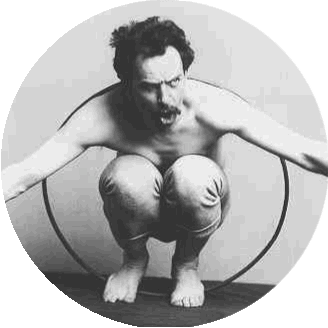
Franz Boas
demonstrating a pose of the Kwakwakawak hamatsa dancer, ca.1895
媒介としての文化―ボアズと文化相対主義
Culture as mediation : Franz Boas
and Cultural Relativism
Franz Boas
demonstrating a pose of the Kwakwakawak hamatsa dancer, ca.1895
解説:池田光穂
太田好信・浜本満編『メイキング文化人類 学』世界思想社、2005年
講義メモ(2009年4月28日の授業:民族誌学特講「民族誌の極北」で講義した内容の講義ノートです)
==
教科書
太田好信・浜本満編『メイキング文化人類 学』世界思想社、2005年(ISBN 4-7907-1102-1)
==
第2章 媒介としての文化:ボアズと文化 相対主義(太田好信による)
--
1.いま、なぜフランツ・ボアズなのか
「20年代以降の人類学では、マリノフスキーの示した民族誌の規範に改良を加えることが人類学の主流となっていった。……(ストッキングの 言)「ボアズは米国人類学の特徴[ナショナル・キャラクター]を決定した人物である」と、その仕事を高く評価している。……D・シュナイダーも60年代を 回想する自伝のなかで、同僚であったC・ギアツとともに「われわれはボアズ派だった」と述懐している」[太田 2005:40]。
・ボアズの貢献
「第一点として、ボアズは19世紀末の社会理 論を支配していた進化論的発想を批判したことがある。……ボアズは社会間の差異を文化要素 の伝播という歴史的過程によって説明した。……第二点として、彼の形質人類学的仕事は、人種主義を当時の科学的方法——身体計測法など——にもとづいて批 判し、人種は文化や言語を決定せず、これら三者——人種、文化、言語——はそれぞれ異なった領域であるという介入をおこなったことである。……(第三点) 広範囲なフィールドワークを調査している」[太田 2005:41]。
「帰納法により理論が生成されるという立場をとっていたために、彼独自の理論をもとにしてこれらの資料は解釈されることはなく、ボアズ の死後は現地語による(体系を欠いた)膨大なデータだけが残された」[太田 2005:42]。
※「ボアズは文化を伝統などの拘束性から人間を解放する力とみなしていたのである。しかし、20世紀になり、ボアズは進化論への批判と
北米先住民研究の経験から、フォークロアの意味を読み替える。進化論者は、フォークロアを合的意識に由来するものの、すでに非合理な俗信となっている残存
にすぎないと考えていた。反対に、ボアズはフォークロアを人間の無意識に起源を発し、現在でも行為の合理化を助け、社会を統合する役目を担うものと解釈し
ている。欧州の研究者がフォークロアと呼んでいた俗信などの研究対象は北米先住民の現在の生活に近く、それは文化の一部に統合されていると考えていた。
フォークロアと文化とは同一視され、文化は拘束性と結びつくようになる(Shannon 2006:94; Stocking 1968:225,
227)」(太田 2010:287)。
・文化相対主義
「文化を序列化しないこと。……文化の独自性とその独自性ゆえに文化を判断することができない……。文化をなんらかの基準に照らし合わ して比較できない理由は、基準それ自体が客観的ではないからである。それを客観的と思い込むことが、すでに自らの思考の外に出ることを拒絶しているからだ という。この発想が、第二の側面である」[太田 2005:42]。
・文化相対主義への批判
「(その批判として)文化相対主義は、アメリカ合州国やフランスを例にとれば、道徳や規範の崩壊——ニヒリズムの横行——を生み、文化 の特殊性を主張すれば、それは野蛮な慣習をも外部の基準では判断できないという理由で、許容することになる。文化相対主義はマルチカルチュラリズムとして 再生し……。文化相対主義は文化的アパルトヘイトに直結する……。マルチカルチュラリズムは、ある集団によって共有された文化を個人のアイデンティティの 源泉とするため、個人の平等を根底にすえたリベラリズムにも抵触する。最後に、リベラリズムは多様性を尊重する反面、それが文化相対主義と結びつけば、少 数者や抑圧者に対して「正しい少数者・被抑圧者像」を強要するという植民地主義と寸分違わない結果すら生み出しかねなない」[太田 2005:43-44]。
■ボアズの文化相対主義とその歴史的形成にかんする「仮説」
「ボアズは文化相対主義を、どのようにして「人類学の教義」として位置づけたのか……第一点は、ボアズが主張した文化相対主義は、文化 間の平等だけでなく、ボアズが語りかける読者に対して、読者も文化的に拘束された存在であり、その事実への反省を促す作用——つまり再帰性——をもってい たことである。第二点は、文化相対主義の歴史的形成過程を考えるとき、第二次大戦中(敵国であった)ドイツからの移民としてアメリカ合州国で生活するとい う経験も重要な要因だったことを確認すること。……(その歴史的形成については)第一に、ボアズは相対主義を北米先住民たちの間でおこなったフィールド ワークの経験から導き出した、第二に、それは移民の身体測定の結果から得た発想である。第三にそれは、ニューヨーク市・ハーレムの黒人知識人との交流のな かから生まれたものだ。第四に、彼はドイツの歴史哲学で流行していたロマン主義的観念論に影響を受け、そこから着想を得た」[太田 2005:45]。
2.ボアズの出自とフィールド調査経験
ライフヒストリー素描
「統覚」apaception:「既知の言語体系を媒介にして未知の音素を知覚すること」(p.54)。
・ユダヤ人性と学問→否定的
・フィールド調査
「ボアズはイヌイットたちが獲ったばかりのアザラシを村人たち全員に分配している様子を観察し、自らの社会にはこのように食物を分配 し、苦楽をともにする習慣や伝統がないことを嘆いている。つまり「未開人」だからといって、イヌイットを見下すことはできない、と付け加える」[太田 2005:48](→出典:Muller-Wille 1998:159, Stocking 1968:148)
・クワクワカワク(クワキュートル)調査:1855-1930年(最後の歳は72歳)、13回の調査。「現地のリンガフランカ(チヌーク 語)しか習得していなかったボアズは、現地の情報提供者兼通訳に大きく依存することになった」[太田 2005:48]。
ジョージ・ハント(→参照ページ)
「ボアズが現地語によって書かれたテクストを収集することに固執していた理由は、ボアズが現地語に精通していなかったからだけでなく、 クワキュートル人自らの手によって書き留められた資料が、その文化を理解するうえではもっとも歪曲の少ない資料となる、とボアズが考えていたからである」 [太田 2005:48](→ここでの出典は:Rohner 1969:xxiii, Codere 1966:xv)
・文化と人種主義への批判
総合人類学は、文化人類学、言語学、考古学、形質人類学などが総合化した学問。とくに形質人類学は、ボアズが人種主義と闘うために重 要な学問領域であった[太田 2005:49]。
「ボアズは、全米有色人種向上協会の機関紙『クライシス』にもっとも頻繁に引用される社会科学者であった。また、1906年 W.E.B.デュボイスの招待に応じ、ボアズはアトランタ大学での学位授与式で演説をおこなっているが、その内容も黒人卒業生たちに対してアフリカ社会の 文化、政治組織、法体系の偉大さを説くものであった[Boas 1974]」[太田 2005:50-51]。
・同化主義——ボアズとハースコヴィッツ
ボアズの同化主義への容認の立場と、ハースコヴィッツによる「黒人文化の残存」の探究のための調査
・積極的関与の両価性
ボアズの同化主義やアメリカにおける黒人文化に独自性を認めない立場は、文化相対主義の立場と矛盾するように今の我々には見える。そ の理由は、「ボアズが社会問題を批判し、積極的関与を最優先していた」からである[太田 2005:52]。このことが、1960年代における黒人文化への覚醒運動のなかで、ハースコヴィッツの研究が評価されるようになった理由だ。
太田は、このことから、現在の「社会問題の解決に向けた積極的関与」をめざす文化人類学に対して、警鐘を鳴らしている。「学問の意義 を回復するために、ある学問が社会問題を解決する力があるかどうか、という基準で学問の意義を判断することがいかに両価的であるかは、これまで示したハー スコヴィッツの仕事をめぐる評価の歴史を見れば明らかだ」[太田 2005:53]。
※池田コメント:この事例だけで「ある学問が社会問題を解決する力があるか」という歴史的判断をすべての知的活動のそれに当てはめることは できないかもしれない。ただし、社会的問題を解決する能力があることを標榜している学問においてすら、冷静にみれば、あらゆる未知の問題に対して万能では ないことは明らか。そうすると、ここでのもっとも有益な教訓とは、当該の「学問が社会問題を解決する力があるか」という形で、その方向性を無条件に規定す ることは、(将来に)リスクをともなう行為実践であるということだ。
3.文化相対主義の第2の側面
媒介の概念[太田 2005:53-54]/統覚(apaception)=既知の言語体系を媒介にして未知の音素を知覚してしまうこと。
1889年論文「変化する音」:「例えば、時と場所が違えばイヌイットの話者でも、ある同一の語をまったく異なって発音する」ように聞こ える。これはしばらく未開言語の特徴と言われてきた。しかし、ボアズはイヌイットの言語を調査していた言語学者と彼らの母語との対応関係があることを発見 し、「それは表記する言語学者の統覚にもとづいていることを解明した」[太田 2005:54]。
・論文「変化する音」と媒介
■統覚の概念が「媒介」という理論装置を引き出し、なぜ文化の解釈にとってこれほど重要になるのかということを説明した重要な節 「ストッキング[Stocking 1968]は、この論文の重要性を次のように説明する。ある現象を知覚するとは統覚することを意味するわけであるから、言語に問題を限ってみても、聞き慣 れない音を媒介する体系(=母語)がその語を聞くものにはすでに存在し、その体系を意識化するためには、特殊な訓練が必要である。その媒介という考え方 が、文化を研究対象にするアメリカ人類学の特徴なのである、と。ストッキング[Stocking 1974:19]によれば、「文化という考え方は、物質文化のリストとか具体的な行動の集積とかではなく、むしろ規則やコード、象徴体系や意味の体系なの である」[太田 2005:54]。
・論文「民族学の目的」と文化メガネ[Kulturbrille]
ボアズの文化メガネの概念を発展させたのが、ルース・ベネディクトで ある。
「人は誰でも世界を(無媒介的に——太田による挿入?)原初的な眼で見たりしない。習慣、制度、パターン化された思考により脚色された 世界を見ている。哲学的思索でさえもこれらのステレオタイプを超えることはできない」。「慣習が社会科学者の興味を惹かなかったのは、この慣習が社会学者 たちの思考そのものだったからである。それなしには見ることすらできないレンズなのである」[Benedict 1989[1934]2,9][太田 2005:57]。
「他者への寛容」(Darnell 2002:327)→Regna Darnell, 2002. Invisible Genealogies. Lincoln: University of Nebraska Press.と「解釈の循環」。「人類学は「未開社会」についての専門知識を一方的に集積する作業とは異なり、その知識が生まれる枠組みをも同時に疑問視 しながら進行する再帰的作業である、というギアツ[ギアーツ 1987:51-52]の見解は、現在ではかなり広く受け入れられている。その根底にあるのは、ボアズがここで示した「媒介」という考え方なのである」 [太田 2005:57-58]。
4.移民としての人類学者
・移民の意識と文化相対主義の発生
・社会批判としての文化相対主義の可能性 と限界
ボアズは第一次大戦を「ナショナリズムという非合理的感情の爆発が生んだ悲惨な結末」と理解[太田 2005:59]。愛国心への高揚への警戒。
「ボアズは、各国に個別の文化人格を認め、そのうえで自己文化への過剰な思い込みを批判し、ヨーロッパの国際関係には干渉しないという結論 へと向かう。ボアズの見解はアメリカ合州国の意思が普遍的であるという自国中心主義と対立する。……「人類学の教義」となっている文化相対主義という考え 方は、第一次大戦中ボアズがドイツ移民としての立場を自覚せざるを得なかった経験なくしては結晶化されなかったのではなかろうか」[太田 2005:60]。
「1954年アメリカ合州国における人種差別待遇を違法とした最高裁判決について……この判決は、公民権運動の根底にある「代表制の平等」 を「ボアズ的」文化相対主義に訴えて、最高裁が人種差別待遇の撤廃を支持した判例である、と議論されてきた[たとえば、D'Souza 1995:19,194]。もしこの議論に正当性があれば、社会正義を希求続けたボアズは墓のなかで喜んでいるに違いない[太田 2005:61]。
墓の中で喜んでいるあるいは、夢の実現が 半ば途上であると涙ぐんでいるフランツ・ボアズに 感情移入しつつ、この授業を終えよう。
+++++++++++++
★オグデンとリチャーズのボアズ評"Thus Dr Boas, the most suggestive and influential of the group of ethnologists which is dealing with the vast subject-matter provided by the American-Indian languages, formulates as the three points to be considered in the objective discussion of languges- First, the constituent phonetic elements of the language; Second, the groups of ideas expressed by phonetic groups; Third, the method of combining and modifying phonetic groups. "All speech," says Dr Boas explicitly, 'is intended to serve for the communication of ideas." Ideas, however, are only remotely accessible to outside inquirers, and we need a theory which connects words with things through the ideas, if any, which they symbolize. We require, that is to say, separate analyses of the relations of words to ideas and of ideas to things. Further, much language, especially primitive language, is not primarily concerned }vlth ideas at all, unless under 'ideas' are included emotions and attitudes-a procedure which would involve terminological inconveniences. The omission of all separate treatment of the ways in which speech, besides conveying ideas, also expresses attitudes, desires and intentions,1 is another point at which the work of this active school is at present defective. i Not that definitions are lacking which include more than ideas Thus in one of the ablest and most interesting of modern iinguistic studies, that of E Sapir, Chief of the Anthropological Section, Geological Survey of Canada, an ethnologist closely connected with the American school, language is defined as "a purely human and non-instincti',e method of communicating ideas, emotions and desires by means of a system of voluntarily produced symbols" (Language, 1922, p 7)" from Ogden and Richards, The Meaning of meaning, 1923.
「ボアズ博士は、アメリカ・インディアン
の言語が提供する膨大な主題を扱っている民族学者のグループの中で、最も示唆的で影響力のある人物であるが、言語の客観的な議論において考慮すべき3つの
ポイントとして、第一に、言語の構成要素である音声的要素、第二に、音声的グループによって表現される観念のグループ、第三に、音声的グループの結合と修
正の方法、を挙げている。「ボアズ博士は、「すべての音声は、観念の伝達を目的としている」と明言している。しかし、イデアというものは、外部の探究者に
とっては遠隔的にしかアクセスできないものであり、言葉が象徴するイデア(もしあれば)を通して言葉と物事を結びつける理論が必要である。つまり、言葉と
観念の関係、観念と事物の関係を別々に分析する必要がある。さらに、多くの言語、特に原始的な言語は、「観念」の下に感情や態度が含まれない限り、観念と
はまったく関係ない。音声が思想を伝えるだけでなく、態度、願望、意図1
をも表現する方法についての個別的な扱いがまったくなされていないことも、この学派の研究が現在のところ欠陥を抱えている点である。このように、現代の言
語学研究の中で最も優れていて興味深いもののひとつである、アメリカ学派と関係の深い民族学者、カナダ地質調査所人類学課長E・サピアの研究において、言
語は「自発的に生み出された記号の体系によって、考えや感情や欲望を伝達する、純粋に人間的で非本能的な方法」と定義されている」。
(Language, 1922, p 7)" from
Ogden and Richards, The Meaning of meaning, 1923.
+++++++++++++
文献
Copyright Mitzub'ixi Quq Chi'j, 2009-2018
Copyleft,
CC, Mitzub'ixi Quq Chi'j, 1996-2099