Tsukinowa Bear (Asian black bear)- Human Problem in Japan

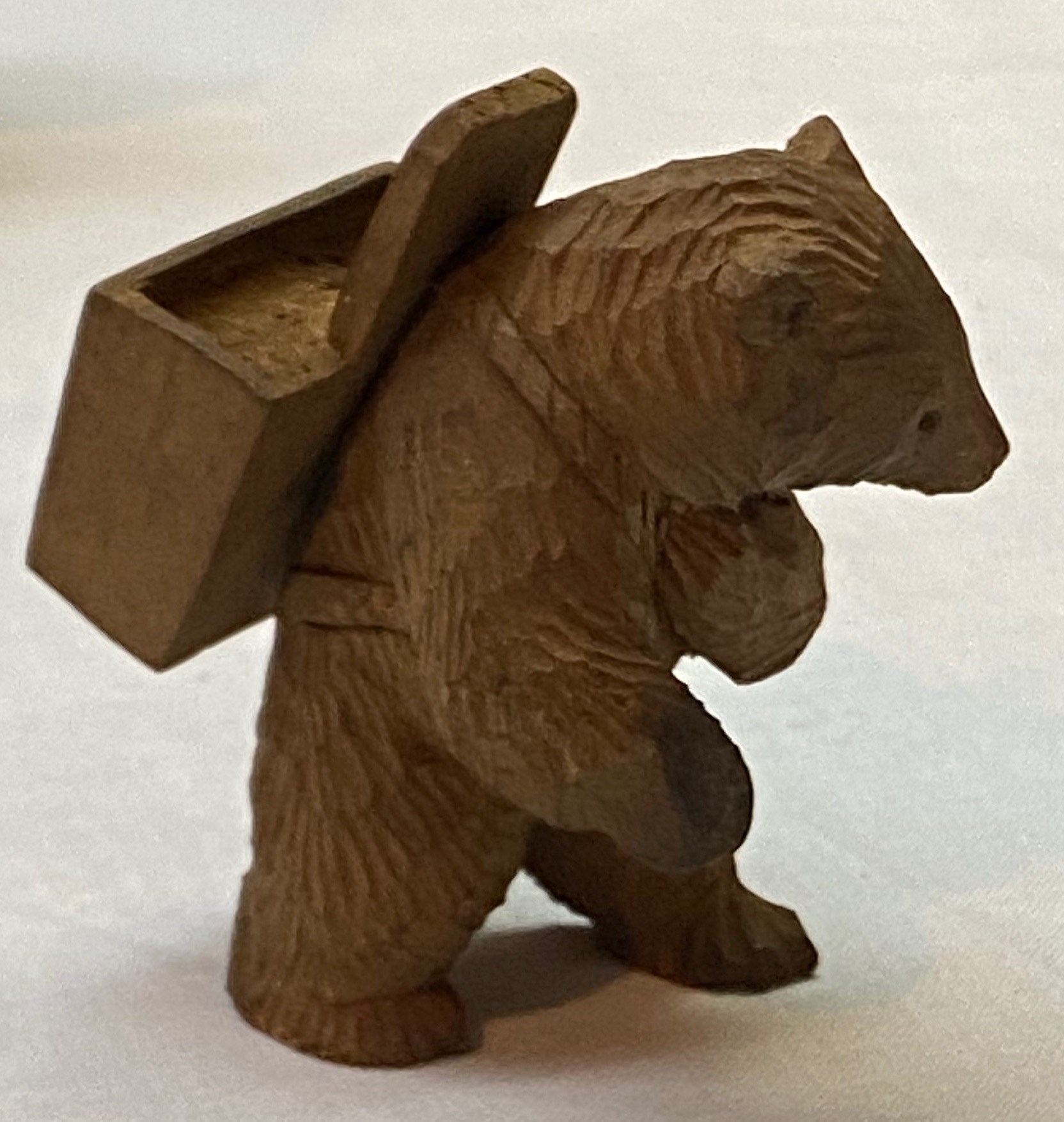
ツキノワグマ問題
Tsukinowa Bear (Asian black bear)- Human Problem in Japan
解説:池田光穂
まずは宮沢賢治『なめと こ山 の熊』(posthumous publication, 1834)より
「熊。おれはてまえを憎くて殺したのでねえんだぞ。
おれも商売ならてめえも射たなけぁならねえ。ほかの罪のねえ仕事していんだが畑はなし木はお上のものにきまったし里へ出ても誰も相手にしねえ。仕方なしに
猟師なんぞしるんだ。てめえも熊に生れたが因果ならおれもこんな商売が因果だ。やい。この次には熊なんぞに生れなよ」——熊捕りの名人の淵
沢小十郎
今日の熊は、淵沢——小十郎の姓名でもありまた同地 の地名でもある——の台詞を借りずとも、コミュニケーションが可能だし、また発言権をも人間から付与されようとしている。生態系の荒廃に「抗議する主体」 としてのツキノワグ マを取り上げよう。
2010年10月本州全土でクマの目撃情報や人里へ の出没さらには人間への危害に関する報道が相次いだ。2012年の秋にも、ヒグマも含め同様に、出没状況が相次いでいる。
時事通信のインターネットでは2010年に関して 「12府県の4〜9月のクマの目撃件数は計6,006件で、昨年同期の約2.7倍に急増。残る2県でも目撃件数や捕獲件数が昨年を大きく上回った」と報じ ている。石川県では2010年度10月中旬時点で、クマ出没情報は約200件で、前年の同時期の約4倍に相当したという[中日新聞 online]。
生物多様性国際会議の期間の前後に代表的なソーシャ ル・ネットワーキング・サービス(SNS)である日本語でのツイッター(twitter)には、当時 「生物多様性ボット」 という検索エンジンと投稿機能をもったユーザープログラムが設置されて、このイベントに関連する呟きを再配信するサービスがあった。2011年7月現在、 このユーザーは登録を抹消しており、私の記憶によると2010年11月中下旬には自動転送投稿を止めていたように思われる。ちなみに公式あるいは準公式 ユーザーと思われる「「生物多様性」情報」の最後の投稿日付は2010年12月6日になっている。
この「生物多様性ボット」によると、その時に生物多 様性をめぐる国際会議とは——実際に会議の最終段階になって市民に明らかになったように——そこから 得られる財や資源さらには人間への福利(=生態系サービス)の国家間における権利調整のものであり、それは「人間側の事情」によるもので生物に配慮したも のではないという。ツイッターは発信者の情報をコメンタリーをつけて再送(リツイート、RT)されるので、当時そのことで話題が沸騰した。その時に一種の 変奏として流れたのが「クマの里への侵出」をめぐるユニークな解釈であった。それによると、クマの出現の理由は、餌となるブナ(ドングリ)の凶作という生 態系荒廃の警鐘であり、生物多様性の利権を国際会議において人間どうしが取引することに対する自然からの「抗議」なのであるというものであった。それ以外 にも次のような人間側の「不道徳」についての呟きがあった:「各地でクマが出没し射殺されているが、クマ殺しは生物多様性の否定じゃないの?と呟いてみ る」「COP10とか開催してるわりには熊をばんばん殺してるそんな国にっぽん」「COP10でクマ保全やられている方に聞きましたけど、やはり里地里山 の崩壊により、さらにシカのルートをクマが使って、人里に下りて来ているとのこと。報道は、そこまで流さない」等。
クマはツイッターをして窮状を訴えることができない ので、ユーザーがそれに対して代弁している——例えば「そうだニャー/そうだワン(猫/犬)」という 擬動物化(theriomorphism)あるいは逆擬人法(田河水泡『のらくろ』のように人間世界を動物化)する語法がある——とも言える[矢野 2002; 池田 Online]。一見他愛のない表現だが、このようなユーモアを交えた抗議の語り口は非専門家によくみられるものであり、諧謔に似て妙に説得力がある。ツ キノワグマの抗議もこのようなかたちでツイッターに流通した。もちろん保護団体の動きに関する呟きも、例えば「ドングリ:クマさんどうぞ 群馬の団体呼び 掛け、全国から3.5トン300箱」(毎日JP)というものがあった。これらの動きは2011年の秋になっても再燃し、岡山県美作市は中部日本以西の 300の自治体と自然保護団体に呼びかけし同年12月16日に同市で「全国クマサミット」を呼びかけ、毎年開催する予定であるという[美作市企画振興部協 働企画課への照会による]。
これに対する人間側の応答はどうであっただろうか。
自然保護のアクティビスト(活動家)や専門家がとる立場は人間主体の発話が中心にある。生物多様性問
題を積極的に先住民の知恵(e.g. 伝統的生態学的知識,
TEK)と関連付けてあくまでも人間側の事情だという。たとえば、先住民族の10年市民連絡会が編集・発行する『先住民族の10年News』における細川
弘明である[細川 2010a,
2010b]。自然保護活動家とは異なり、地元民にとっては、人里に降りるクマは人間の生命を脅かす存在である。クマの出没に悩む地元では、捕獲したクマ
の「放獣」あるいは「学習放獣」——ツキノワグマは保護対象獣であり捕殺は厳しく制限されている。前述の石川県保護管理計画では、県下の推定生息数は約
700頭で捕殺は10%に押さえるという目標を定めているために「駆除」できるのは約70頭という計算になる[中日新聞
online]。また兵庫県では1996年からクマの狩猟は禁止され、現在は捕殺のみになっている[横山
2009:151-153]。この捕獲後放獣か捕殺をめぐり危険に晒されると考える地元住民は「人間とクマとどっちが大切なのか」と自治体につよく抗議し
ている。
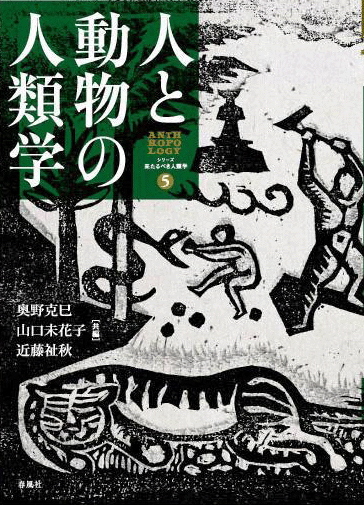
出典情報:『人と動物の 人類学』奥野克巳・山口未花子・近藤祉秋編、春風社(担当箇所」第7章 「野生動物とのつきあい方:生物多様性保全におけるツキノワグマとジュゴンの位相」Pp.205-238)363pp.、2012年9月19日
これに関する、同種の検討は、「美作のジレンマ」を御参照ください。
関連、最新情報
四国発、装着完了!
3頭のクマにGPS首輪を付けました!(WWF, Japan)
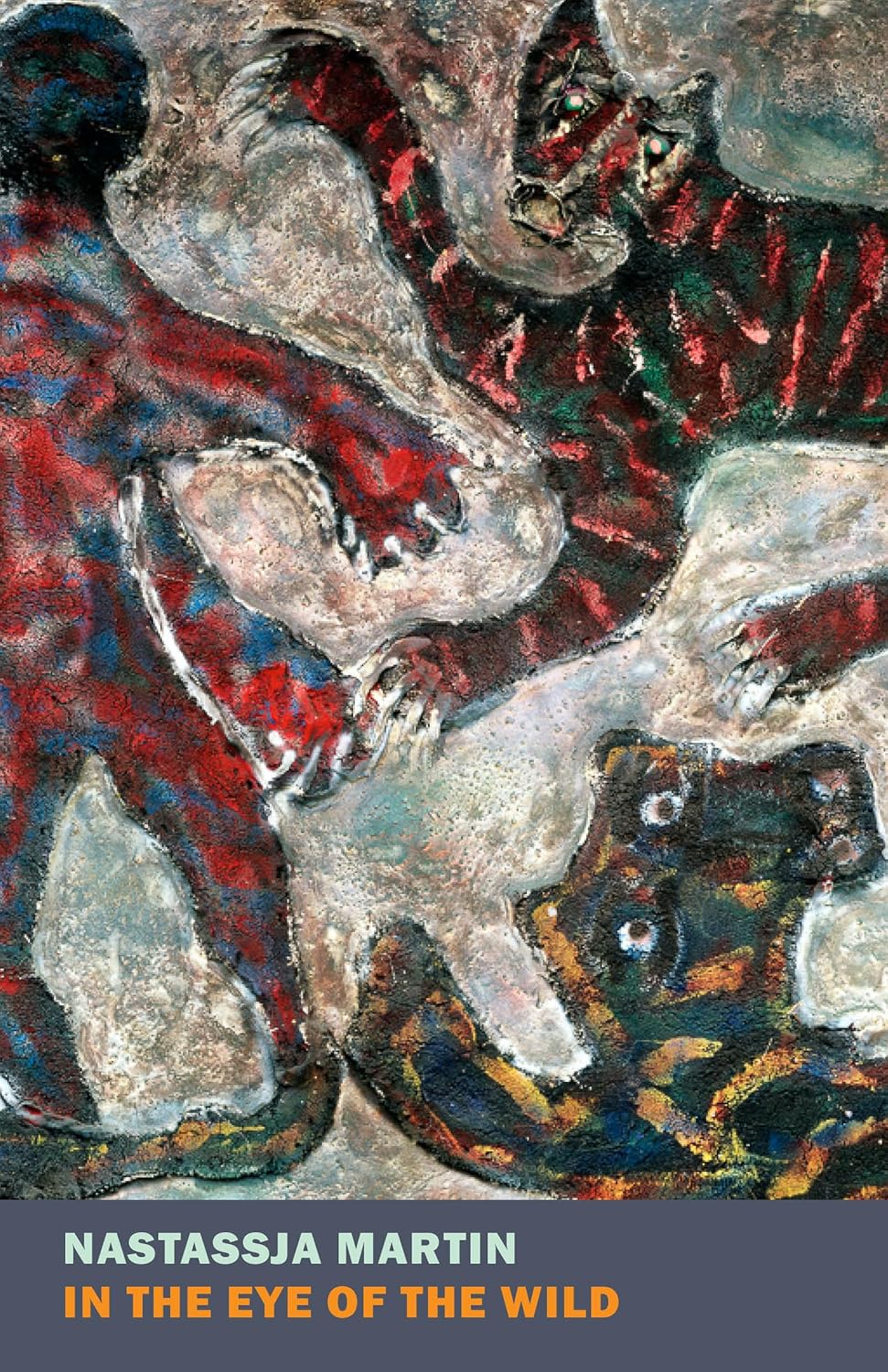
★ Nastassja Martin, In the Eye of the Wild, translated by Sophie R. Lewis
| After enduring a
vicious bear attack in the Russian Far East's Kamchatka Peninsula, a
French anthropologist undergoes a physical and spiritual transformation
that forces her to confront the tenuous distinction between animal and
human. In the Eye of the Wild begins with an account of the French anthropologist Nastassja Martin’s near fatal run-in with a Kamchatka bear in the mountains of Siberia. Martin’s professional interest is animism; she addresses philosophical questions about the relation of humankind to nature, and in her work she seeks to partake as fully as she can in the lives of the indigenous peoples she studies. Her violent encounter with the bear, however, brings her face-to-face with something entirely beyond her ken—the untamed, the nonhuman, the animal, the wild. In the course of that encounter something in the balance of her world shifts. A change takes place that she must somehow reckon with. Left severely mutilated, dazed with pain, Martin undergoes multiple operations in a provincial Russian hospital, while also being grilled by the secret police. Back in France, she finds herself back on the operating table, a source of new trauma. She realizes that the only thing for her to do is to return to Kamchatka. She must discover what it means to have become, as the Even people call it, medka, a person who is half human, half bear. In the Eye of the Wild is a fascinating, mind-altering book about terror, pain, endurance, and self-transformation, comparable in its intensity of perception and originality of style to J. A. Baker’s classic The Peregrine. Here Nastassja Martin takes us to the farthest limits of human being. |
ロシア極東のカムチャツカ半島で熊の猛烈な襲撃に耐えた後、フランス人
人類学者は肉体的、精神的に変容し、動物と人間の微妙な境界に直面せざるを得なくなった。 『野生の眼』は、フランス人人類学者ナスターシャ・マーティンがシベリアの山中でカムチャツカの熊と死闘を繰り広げた話から始まる。マーティンの専門分野 はアニミズムであり、人類と自然の関係について哲学的な疑問を投げかけ、研究対象である先住民たちの生活に可能な限り深く関わろうとしている。しかし、熊 との激しい遭遇は、彼女を自分の理解を完全に超えた何か、つまり、手つかずの、人間ではない、動物、野生と向き合わせることになる。その遭遇の過程で、彼 女の世界のバランスにある何かが変化する。彼女は何とかして受け止めなければならない変化が起こるのだ。 重傷を負い、痛みに朦朧としたマーティンは、ロシアの地方病院で何度も手術を受けながら、秘密警察による厳しい尋問にもさらされた。フランスに戻った彼女 は、再び手術台に横たわり、新たなトラウマを経験する。彼女にとって唯一の選択肢は、カムチャッカに戻ることであった。エヴェン人たちが言う「メドカ」、 つまり半分人間、半分クマになった人格とはどういうものかを、彼女は自ら発見しなければならないのだ。 『野生の眼』は、恐怖、痛み、忍耐、そして自己変容について書かれた、読者の意識を変える魅力的な本だ。その知覚の強度とスタイルの独創性は、J・A・ベ イカーの古典『ペレグリン』に匹敵する。ナスターシャ・マーティンは、この本の中で、人間という存在の限界の果てへと読者を誘う。 |
| "I have work to do, but still I
can’t put down Nastassja Martin’s In the Eye of the Wild" —Jessa
Crispin, The Spectator “In the Eye of the Wild is Martin’s haunting, genre-defying memoir of the year that followed [her attack], though in Sophie R. Lewis’s elegant translation from the French, it becomes clear that ‘memoir’ is another word that doesn’t quite fit this slender yet expansive book. . . What Martin describes in this book isn’t so much a search for meaning as an acceptance of its undoing.” —Jennifer Szalai, The New York Times Book Review “Martin’s narrative, with the bones of a personal essay and the lift of a prose poem . . . hunts for beauty in what remains occluded and apart. The result is heady and obsessive, as Martin smashes again and again against the limits of what anyone can know: What is a self? What is ‘the other’? . . . . Just how precious or sacred are you, really, if a bear can suddenly rip off part of your head?” —Katy Waldman, The New Yorker “Stunning. . . With exquisite prose and sharp observations, Martin reveals how curiosity can uncover the most vivid aspects of the human condition. This is a profound look at the violence and beauty of life.” —Publishers Weekly, starred review “[A] slim, stirring book. . . Despite the harrowing experience at its core, In the Eye of the Wild couldn’t be further from a conventional survival memoir. . . Martin sets out to transcend familiar modes in order to let the terrible strangeness of her experience speak.” —Nathan Goldman, The Baffler “Martin returns obsessively to her violent encounter, struggling to make sense of it. In the Eye of the Wild is a thrilling story of survival, reminiscent of Artaud and Michaux, poised at the brink of the abyss.” —Le Monde des Livres “A staggering book of metamorphoses, a hybrid of anthropology and literature, In the Eye of the Wild is both the record of an interior journey and an invitation to the reader to see the world in another way altogether.” —L’Humanité “Beautifully gruesome. . . A fascinating, ambitious exploration of animism—the border between human and animal—and how she sees her encounter with the bear as a manifestation of a breakdown. . . The book represents both a collapse and a rebuilding. The language, in Sophie R Lewis’s elegant translation, is often seductive.” —John Self, The Guardian “[In the Eye of the Wild is] composed in lucid, compressed prose. Straddling the visceral and the cerebral, the book is at once a riveting memoir of a life-altering encounter with a wild animal and a heady exploration of borders and liminality; the self as it interacts with, and absorbs some part of, the other; and the limits of anthropology as a method of understanding all of this. . . . Captivating and eminently readable.” —Megan Milks, 4Columns “A gripping, thoughtful look at nature, and what happens when it turns hostile.” —InsideHook |
「仕事があるのに、ナスターシャ・マーティンの『In the
Eye of the Wild』が手放せない」―ジェッサ・クリスピン、The Spectator 「『In the Eye of the Wild』は、マーティンが(襲撃事件)の翌年に書いた、ジャンルを超越した、心に残る回顧録だ。しかし、ソフィー・R・ルイスによるフランス語からの優 雅な翻訳を読むと、「回顧録」という言葉も、この薄くて、しかも広大な本にはあまり当てはまらないことが明らかになる。マーティンがこの本で描いているの は、意味を探すことではなく、その意味の崩壊を受け入れることだ。—ジェニファー・サライ、ニューヨーク・タイムズ・ブックレビュー 「マーティンの物語は、個人的エッセイの骨格と散文詩の軽やかさを兼ね備えている。それは、隠され、隔てられたものの中に美を追い求める。その結果は、誰 しもが知ることのできる限界にマーティンが繰り返しぶつかることで、刺激的で執拗なものとなっている。自己とは何か?「他者」とは何か?... 熊が突然、頭の一部を引きちぎったとしたら、人間は果たしてどれほど貴重で神聖な存在なのか?」 —ケイティ・ウォルドマン、ニューヨーカー誌 「驚くべき... 絶妙な散文と鋭い観察力によって、マーティンは好奇心がいかに人間の条件のもっとも鮮やかな側面を明らかにするかを明らかにしている。これは、生命の暴力 と美を深く考察した作品だ。」 —パブリッシャーズ・ウィークリー誌、星付きレビュー 「薄くて感動的な本だ。その核心にある悲惨な体験にもかかわらず、『In the Eye of the Wild』は、従来のサバイバル回顧録とはかけ離れている。マーティンは、彼女の体験の恐ろしい異質さを語らせるために、おなじみの様式を超越しようとし ている。」―ネイサン・ゴールドマン、The Baffler 「マーティンは、その暴力的な遭遇に執拗に思い返しながら、その意味を理解しようと苦闘する。『野生の眼』は、アルトーやミショーを彷彿とさせる、深淵の 淵に立つスリリングなサバイバル物語だ。」 —ル・モンド・デ・リヴル 「驚異的な変容の書であり、人類学と文学のハイブリッドである『野生の眼』は、内なる旅の記録であると同時に、読者にまったく別の方法で世界を見るよう誘 うものである。」 —リュマニテ 「美しくも陰惨だ…アニミズム(人間と動物の境界)への魅惑的で野心的な探求であり、熊との遭遇を崩壊の現れと捉える彼女の視座…本書は崩壊と再構築の両 方を体現している。ソフィー・R・ルイスの優雅な翻訳による言葉は、しばしば魅惑的だ。」——ジョン・セルフ(ガーディアン紙) 「[『野生の眼差し』は]明晰で凝縮された散文で構成されている。本能と知性を跨ぐ本書は、野生動物との人生を変える遭遇の圧倒的な回顧録であると同時 に、境界と境界領域、他者と交わりその一部を吸収する自己、そしてこれらを理解する方法としての人類学の限界についての刺激的な探求でもある。…魅惑的で 非常に読みやすい。」 —メーガン・ミルクス、4Columns 「自然が敵対的になった時に何が起きるかについて、緊迫感と深い考察を伴った視点だ。」 —InsideHook |
| Nastassja Martin is a French
author and anthropologist who has studied the Gwich-in people of Alaska
and the Even people of the Kamchatka Peninsula. Along with In the Eye
of the Wild, she has written Les Âmes sauvages: Face à l’Occident, la
résistance d’un peuple d’Alaska, for which she received the Prix Louis
Castex of the French Academy. Sophie Lewis is an editor and a translator from French and Portuguese. She has translated works by Stendhal, Jules Verne, Marcel Aymé, Violette Leduc, Emmanuelle Pagano, and João Gilberto Noll, among others. Her translation of Noémi Lefebvre’s Blue Self-Portrait was short-listed for both the Scott Moncrieff Prize and the Republic of Consciousness Prize in 2018. She lives in London. |
ナスターシャ・マーティンは、アラスカのグウィッチン族とカムチャツカ
半島のエヴェン族を研究してきたフランスの作家であり人類学者である。『野生の眼差し』のほか、『Les Âmes sauvages: Face à
l’Occident, la résistance d’un peuple
d’Alaska』を執筆し、フランス学士院のルイ・カステックス賞を受賞している。 ソフィー・ルイスは編集者であり、フランス語とポルトガル語の翻訳者である。スタンダール、ジュール・ヴェルヌ、マルセル・エイメ、ヴィオレット・ル デュック、エマニュエル・パガーノ、ジョアン・ジルベルト・ノールなどの作品を翻訳している。ノエミ・ルフェーブルの『青い自画像』の翻訳は、2018年 にスコット・モンクリフ賞と共和国の意識賞の最終候補に選ばれた。現在はロンドン在住である。 |
| https://x.gd/T7H6i |
リンク(サイト外)
リンク(サイト内)
文献
その他の情報
Copyleft, CC, Mitzub'ixi Quq Chi'j, 1996-2099
Copyleft,
CC, Mitzub'ixi Quq Chi'j, 1996-2099