Introduction to Critical design


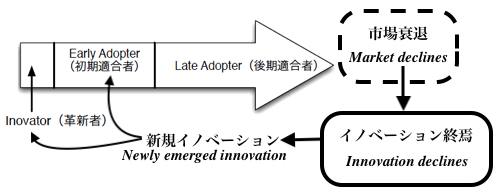
クリティカルなデザインは可能なの??
(`・∀・´)
Introduction to Critical design
★このページは、批判的に考えれば、対抗軸としてのクリティカル・デザイン (Critical design)が可能である という、オプティミズムに支援と批判という2つの方向から示唆して、クリティカル・デザインの破壊性について考察するものである。
☆クリティカルデザイン(Critical design)は、デザインフィクションや思索的デザイン提案を用いて、物体が日常生活で果たす役割に関する前提や概念に疑問を投げかける。
クリティカルデザインはプロダクトデザインと似た役割を果たすが、物体の商業的目的や物理的有用性を強調しない。主に批判的視点を共有したり議論を喚起し
たりするために用いられ[1]、同時に社会・文化・倫理的問題に対する一般の認識を高める。クリティカルデザインはアンソニー・ダンとフィオナ・レイビー
が設立したデザイン事務所「ダン&レイビー」によって普及した。
クリティカルデザインは、未来の側面を物理的に提示することで反応を引き起こすことがある[2]。「クリティカルデザインとは、批判的思考を物質性に翻訳
したものである。言葉ではなくデザインを通じて思考し、デザイン言語と構造を用いて人々を巻き込むことだ」[3]。批判理論やフランクフルト学派と混同さ
れることもあるが、関連性はない。
| Critical design uses
design fiction and speculative design proposals to challenge
assumptions and conceptions about the role objects play in everyday
life. Critical design plays a similar role to product design, but does
not emphasize an object's commercial purpose or physical utility. It is
mainly used to share a critical perspective or inspire debate,[1] while
increasing awareness of social, cultural, or ethical issues in the eyes
of the public. Critical design was popularized by Anthony Dunne and
Fiona Raby through their firm, Dunne & Raby. Critical design can make aspects of the future physically present to provoke a reaction.[2] "Critical design is critical thought translated into materiality. It is about thinking through design rather than through words and using the language and structure of design to engage people."[3] It may be conflated with the critical theory or the Frankfurt School, but it is not related. |
クリティカルデザイン[Critical design]は、デザインフィクションや思索的デザイン提案を
用いて、物体が日常生活で果たす役割に関する前提や概念に疑問を投げかける。クリティカルデザインはプロダクトデザインと似た役割を果たすが、物体の商業
的目的や物理的有用性を強調しない。主に批判的視点を共有したり議論を喚起したりするために用いられ[1]、同時に社会・文化・倫理的問題に対する一般の
認識を高める。クリティカルデザインはアンソニー・ダンとフィオナ・レイビーが設立したデザイン事務所「ダン&レイビー」によって普及した。 クリティカルデザインは、未来の側面を物理的に提示することで反応を引き起こすことがある[2]。「クリティカルデザインとは、批判的思考を物質性に翻訳 したものである。言葉ではなくデザインを通じて思考し、デザイン言語と構造を用いて人々を巻き込むことだ」[3]。批判理論やフランクフルト学派と混同さ れることもあるが、関連性はない。 |
| Definition A critical design object challenges an audience's preconceptions, provoking new ways of thinking about the object, its use, and the surrounding culture. Its adverse is affirmative design: design that reinforces the status quo. For a project to succeed in critical design, the viewer must be mentally engaged and willing to think beyond the expected and ordinary. Humor is important, but satire is not the goal. Many practitioners of critical design have never heard of the term itself, and/or would describe their work differently. Referring to it as critical design simply garners more attention to it, and emphasizes that design has applications beyond problem solving. It is more of an attitude than a style or movement; a position rather than a method. Critical design builds on this attitude by creatively critiquing concepts and ideologies using fabricated artifacts to embody commentaries around everything from consumer culture to the #MeToo Movement. Regardless of its processes, critical design is often discussed as a unique approach in Design Research, perhaps because of its focus on critiquing widely held social, cultural, and technical beliefs. The process of designing such an object, as well as the presentation and narrative around the object itself, allows for reflection on existing cultural values, morals, and practices. In making such an object, critical designers frequently employ classic design processes—research, user experience, iteration—while working to conceptualize scenarios intended to highlight social, cultural, or political paradigms.[4] Design as societal critique is not a new idea. |
定義 批判的デザインとは、観客の既成概念に挑戦し、対象物やその用途、周囲の文化について新たな思考を促すものである。その対極が肯定的デザインだ。現状を維 持するデザインである。批判的デザインが成功するには、観客が精神的に没頭し、予想や日常を超えた思考を自ら進んで行う必要がある。ユーモアは重要だが、 風刺が目的ではない。 批判的デザインの実践者の多くは、この用語自体を知らないか、あるいは自身の仕事を異なる言葉で説明する。批判的デザインと呼ぶことで注目が集まり、デザインが問題解決を超えた応用可能性を持つことを強調できるのだ。 これはスタイルや運動というより態度であり、方法論というより立場だ。批判的デザインはこの態度に基づき、消費文化から#MeToo運動に至るあらゆる事 象への批評を具現化した人工物を通じて、概念やイデオロギーを創造的に批判する。そのプロセスに関わらず、批判的デザインはデザイン研究において独自のア プローチとして議論されることが多い。おそらく広く共有された社会的・文化的・技術的信念への批判に焦点を当てるためだろう。こうしたオブジェクトをデザ インするプロセス、そしてオブジェクト自体を巡る提示や物語は、既存の文化的価値観、道徳、慣行への省察を可能にする。クリティカルデザイナーは、社会・ 文化・政治的パラダイムを浮き彫りにするシナリオを概念化しつつ、研究、ユーザー体験、反復といった古典的なデザインプロセスを頻繁に用いる[4]。社会 批判としてのデザインは新しい考えではない。 |
| History Italian Radical Design of the 1960s and 70s was highly critical of prevailing social values and design ideologies. The term "critical design" was first used in Anthony Dunne's book Hertzian Tales (1999)[5] and further developed in Design Noir: The Secret Life of Electronic Objects (2001).[6] According to Sanders, critical design probes an "ambiguous stimuli that designers send to people who then respond to them, providing insights for the design process."[7] Uta Brandes identifies critical design as a discrete Design Research method[8] and Bowen integrates it into human-centered design activities as a useful tool for stakeholders to critically think about possible futures.[9] FABRICA, a communication research center owned by Italian fashion giant Benetton Group, has been actively involved in producing provocative imagery and critical design projects. FABRICA's Visual Communication department, led by Omar Vulpinari, actively participates in critiquing social, political and environmental issues through global awareness campaigns for international magazines and organizations like UN-WHO. Several young artists who have produced critical design projects at FABRICA in recent years are Erik Ravello (Cuba), Yianni Hill (Australia), Marian Grabmayer (Austria), Priya Khatri (India), Andy Rementer (United States), and An Namyoung (South Korea). |
歴史 1960年代から70年代にかけてのイタリアのラディカル・デザインは、当時の社会通念やデザインイデオロギーに対して強い批判的立場を取った。 「クリティカル・デザイン」という用語は、アンソニー・ダン著『ヘルツィアン・テイルズ』(1999年)[5]で初めて用いられ、『デザイン・ノワール:電子機器の秘められた生活』(2001年)[6]でさらに発展させた。 サンダースによれば、クリティカル・デザインは「デザイナーが人々に送り、人々がそれに反応する曖昧な刺激」を探求し、デザインプロセスへの洞察を提供す るものである[7]。ウタ・ブランデスはクリティカル・デザインを独立したデザイン研究手法と位置付け[8]、ボーウェンはステークホルダーが未来の可能 性を批判的に考察する有用なツールとして、人間中心設計活動に統合している[9]。 イタリアのファッション大手ベネトン・グループが所有するコミュニケーション研究センター「ファブリカ」は、挑発的なイメージやクリティカル・デザインプ ロジェクトの制作に積極的に関与してきた。オマール・ヴルピナリ率いるファブリカのビジュアルコミュニケーション部門は、国際誌や国連世界保健機関 (WHO)などの組織に向けたグローバルな啓発キャンペーンを通じ、社会・政治・環境問題への批判的関与を積極的に行っている。近年ファブリカで批判的デ ザインプロジェクトを手掛けた若手アーティストには、エリック・ラヴェロ(キューバ)、ヤニ・ヒル(オーストラリア)、マリアン・グラブマイヤー(オース トリア)、プリヤ・カトリ(インド)、アンディ・レメンター(アメリカ)、アン・ナミョン(韓国)らがいる。 |
| Function To attribute to design practice, critical design broadens the vision in design from traditional practice. It is no longer limited to highlighting the physical function in product design, though this causes some ambiguities in the discussion of critical design's function as it maintains in design area. Matt Malpass addresses Larry Ligo's classification of five different types of function: Structural articulation, Physical function, Psychological function, Social function, as well as Cultural-existential function[10] in his article, with a further discussion of how Modernism leaves a narrower understanding of physical utility when we think about function,[11] which leads to the ambiguity in critical design's function. As critical design focuses on present social, cultural, and ethical implications of design objects and practice,[1] it mostly emphasizes on social and cultural impact from its function. In addition, critical design objects have a lot of potential to contribute to testing ideas during the process of the development of new technology. As Dunne and Raby express their concerns about always lacking communication between the specialists and the general public to form a two-way discussion of new technology. It always limits to one-way flow from specialists to the public.[12] Critical design provides a stage to give scenarios, completes the dialog between specialists and the general public and helps to collect feedback from the public for further refinements before the idea is going too far for any changes. |
機能 デザイン実践に帰属させることで、クリティカルデザインは伝統的な実践からデザインの視野を広げる。もはや製品デザインにおける物理的機能の強調に限定さ れない。ただし、これがデザイン領域に留まるクリティカルデザインの機能に関する議論に幾つかの曖昧さを生む。マット・マルパスは論文で、ラリー・リゴが 分類した異なる5種類の機能―構造的表現、物理的機能、心理的機能、社会的機能、そして文化的・実存的機能[10]―を取り上げ、さらに機能を考える際に モダニズムが物理的有用性の狭い理解を残した[11]こと、それがクリティカルデザインの機能における曖昧さにつながると論じている。クリティカルデザイ ンは、デザイン対象物と実践が持つ現代的な社会的・文化的・倫理的含意に焦点を当てるため[1]、その機能から生じる社会的・文化的影響を主に強調する。 加えて、クリティカルデザイン対象物は、新技術開発プロセスにおけるアイデア検証に貢献する大きな可能性を秘めている。ダンとレイビーが指摘するように、 専門家と一般市民の間には常に双方向の対話形成に必要なコミュニケーションが欠如している。それは常に専門家から市民への一方通行の流れに限定される [12]。クリティカルデザインはシナリオを提供する場を設け、専門家と一般市民の対話を完結させ、アイデアが変更不可能な段階に至る前に、さらなる改良 のための市民からのフィードバック収集を助ける。 |
| Critical play Researcher Mary Flanagan wrote Critical Play:Radical Game Design in 2009,[13] the same year that Lindsay Grace started the Critical Gameplay project. Grace's Critical Gameplay project is an internationally exhibited collection of video games that apply critical design. The games provoke questions about the way games are designed and played. The Critical Gameplay Game, Wait, was awarded the Games for Change hall of fame award for being one of the 5 most important games for social impact since 2003. The work has been shown at Electronic Language International Festival, Games, Learning & Society Conference, Conference on Human Factors in Computing Systems among other notable events. |
クリティカル・プレイ 研究者メアリー・フラナガンは2009年に『クリティカル・プレイ:ラディカルなゲームデザイン』を著した[13]。同年、リンジー・グレイスがクリティ カル・ゲームプレイ・プロジェクトを開始した。グレイスのプロジェクトは、批判的デザインを適用したビデオゲームの国際展示コレクションである。これらの ゲームは、ゲームの設計や遊び方について疑問を投げかける。『クリティカル・プレイ』プロジェクトの一作『ゲーム、待って』は、2003年以降で社会影響 力において最も重要な5作品の一つとして、Games for Change殿堂入り賞を受賞した。この作品はエレクトロニック・ランゲージ国際フェスティバル、ゲーム・ラーニング&ソサエティ会議、コンピュータシス テムにおける人間工学会議など、数々の著名なイベントで展示されている。 |
| Critiques As critical design has gained mainstream exposure, the discipline has been itself criticized by some for dramatizing so-called 'dystopian scenarios,' which may, in fact, be reflective of real-life conditions in some places in the world. Some see critical design as rooted in the fears of a wealthy, urban, western population and failing to engage with existing social problems. As an example, a project titled Republic of Salivation, by designers Michael Burton and Michiko Nitta, featured as part of MoMA's Design and Violence series, portrays a society plagued by overpopulation and food scarcity which is reliant on heavily modified, government-provided, nutrient blocks.[14] Certain media responses to the work, point to the "presumed naivety of the project," which presents a scenario that "might be dystopian to some, but in some other parts of the world it has been the reality for decades."[15] |
批評 クリティカルデザインが主流の注目を集めるにつれ、この分野自体も批判の対象となっている。いわゆる「ディストピア的シナリオ」を誇張しているという指摘 だ。実際、そうしたシナリオは世界の特定の地域における現実の状況を反映している可能性もある。批判的デザインは、富裕な都市部の西洋人層の恐怖に根ざ し、既存の社会問題と向き合っていないと見なす者もいる。例えば、デザイナーのマイケル・バートンと新田美智子によるプロジェクト『唾液共和国』は、 MoMAの「デザインと暴力」シリーズの一環として紹介されたが、これは人口過多と食糧不足に悩まされ、政府が提供する高度に加工された栄養ブロックに依 存する社会を描いている。[14] この作品に対する一部のメディアの反応は、「このプロジェクトの想定される素朴さ」を指摘している。それは「一部の人にとってはディストピア的かもしれな いが、世界の他の地域では何十年も前から現実だった」シナリオを提示しているのだ。[15] |
| Critical acclaim In recognition of their formalization of the field, Anthony Dunne and Fiona Raby were presented with the inaugural MIT Media Lab Award in June 2015 with director Joichi Ito pointing out that "[Dunne and Raby's] pioneering approach to critical design and its intersection with science, technology, art, and the humanities has changed the landscape of design education and practice worldwide."[16] |
批評家の称賛 アンソニー・ダンとフィオナ・レイビーは、この分野の体系化を評価され、2015年6月に初代MITメディアラボ賞を受賞した。ジョイチ・イトー所長は 「ダンとレイビーの批判的デザインへの先駆的アプローチと、科学・技術・芸術・人文科学との交差は、世界中のデザイン教育と実践の風景を変えた」と指摘し た。[16] |
| Distinctions with Conceptual art Conceptual art practice has a very similar role as critical design since both of them are sharing critical perspectives to the public and being commentators to issues, the public may get confused to understand these two different fields. However, Matt Malpass points out that the critical designer still applies the skills from the training and practice as designer but re-orientates these skills from a focus on practical ends to a focus on design work that functions symbolically, culturally, existentially, and discursively.[11] Critical design objects are made precisely based on the design principles and carefully follow the design and design research process. Also, critical design objects always stay close to people's everyday life. They tend to be tested on real people and get feedback for further developments. Conceptual art usually associates with gallery spaces and mostly tends to apply the artistic media in the process. |
コンセプチュアル・アートとの違い コンセプチュアル・アートの実践は、クリティカル・デザインと非常に似た役割を持つ。どちらも批判的視点を公衆と共有し、問題に対する論評者となるから だ。そのため、公衆はこの二つの異なる分野を理解するのに混乱するかもしれない。しかしマット・マルパスは、批判的デザイナーはデザイナーとしての訓練と 実践で得たスキルを依然として適用するが、そのスキルを実用的な目的から、象徴的・文化的・実存的・言説的に機能するデザイン作業へと方向転換すると指摘 している[11]。批判的デザインのオブジェクトは、厳密にデザイン原則に基づいて制作され、デザインとデザイン研究のプロセスを注意深く踏襲する。ま た、批判的デザインのオブジェクトは常に人々の日常生活に密着している。実際のユーザーでテストされ、さらなる発展のためのフィードバックを得る傾向があ る。コンセプチュアルアートは通常、ギャラリー空間と結びつき、その過程で芸術的メディアを主に適用する傾向がある。 |
| Social fiction Design fiction Critical making Critical technical practice Science fiction prototyping Speculative design Talk to Me (exhibition) (MoMA), 2011 Design and the Elastic Mind (exhibition) (MoMA), 2008 |
社会小説 デザイン・フィクション 批判的制作 批判的技術実践 サイエンスフィクション・プロトタイピング 思索的デザイン トーク・トゥ・ミー(展覧会)(MoMA)、2011年 デザインと弾力的な思考(展覧会)(MoMA)、2008年 |
| References 01. Malpass, Matt (2013). "Between Wit and Reason: Defining Associative, Speculative, and Critical Design in Practice". Design and Culture. 5:3, 333–356. Tonkinwise, Cameron (1 December 2014). "How We Intend to Future: Review of Anthony Dunne and Fiona Raby, Speculative Everything: Design, Fiction, and Social Dreaming". Design Philosophy Papers. 12 (2): 169–187. doi:10.2752/144871314X14159818597676. S2CID 143531152. Dunne, Anthony; Raby, Fiona (6 December 2013). Speculative Everything: Design, Fiction, and Social Dreaming. MIT Press. ISBN 978-0-262-01984-2. Retrieved 12 December 2021. "MoMA - Talk to Me". Dunne, Anthonny (1999). Hertzian tales : electronic products, aesthetic experience and critical design. London: Royal College of Art computer related design research studio. p. 117. ISBN 978-1-874175-27-8. Raby, Fiona (2001). Design Noir: The Secret Life of Electronic Objects. Basel: Birkhäuser. ISBN 978-3-7643-6566-0. Sanders, Elizabeth B.-N. (September 2006). "Design Research in 2006". Design Research Quarterly. 1 (1): 1–8. ISSN 0142-694X. Brandes, Uta (2009). Designtheorie und Designforschung (in German). Paderborn: Wilhelm Fink. ISBN 978-3-7705-4664-0. "Crazy ideas or creative probes?: presenting critical artefacts to stakeholders to develop innovative product ideas". Proceedings of EAD07: Dancing with Disorder: Design, Discourse and Disaster. April 2007. 10. Ligo, Larry (1984). The Concept of Function in Twentieth-Century Architectural Criticism. MI: UMI Research Press. ISBN 9780835715423. Malpass, Matt (Spring 2015). "Criticism and Function in Critical Design Practice" (PDF). Design Issues. 31 (2): 59–71. doi:10.1162/DESI_a_00322. S2CID 57571804. "Towards a Critical Design". Dunne & Raby. 2013. Flanagan, Mary (2009). Critical Play: Radical Game Design. Cambridge: MIT Press. ISBN 978-0-262-06268-8. "Republic of Salivation (Michael Burton and Michiko Nitta)". 19 December 2013. luizaprado (4 February 2014). "Questioning the "critical" in Speculative & Critical Design: A rant on the blind privilege that permeates most Speculative Design projects". 16. Lab, MIT Media (16 July 2015). "Introducing the Media Lab Award". |
参考文献 01. Malpass, Matt (2013). 「知性と理性の狭間で:実践における連想的・思索的・批判的デザインの定義」. Design and Culture. 5:3, 333–356. Tonkinwise, Cameron (2014年12月1日). 「未来を意図する方法:アンソニー・ダンとフィオナ・レイビー著『思索的なすべて:デザイン、フィクション、そして社会的夢想』の書評」. 『デザイン哲学論文集』. 12 (2): 169–187. doi:10.2752/144871314X14159818597676. S2CID 143531152. ダン、アンソニー; ラビー、フィオナ (2013年12月6日). 『スペキュレイティブ・エブリシング:デザイン、フィクション、そして社会的夢想』. MITプレス. ISBN 978-0-262-01984-2. 2021年12月12日閲覧. 「MoMA - トーク・トゥ・ミー」. ダン、アンソニー(1999)。『ヘルツの物語:電子製品、美的体験、そして批判的デザイン』。ロンドン:王立芸術大学コンピューター関連デザイン研究スタジオ。117頁。ISBN 978-1-874175-27-8。 レイビー、フィオナ(2001)。『デザイン・ノワール:電子オブジェクトの秘密の生活』。バーゼル:ビルクハウザー。ISBN 978-3-7643-6566-0。 サンダース、エリザベス・B・N(2006年9月)。「2006年のデザイン研究」。『デザイン研究季刊』。1巻1号:1–8頁。ISSN 0142-694X。 ブランデス、ウタ(2009)。『デザイン理論とデザイン研究』(ドイツ語)。パーダーボルン:ヴィルヘルム・フィンク。ISBN 978-3-7705-4664-0。 「狂気のアイデアか創造的な探求か?:革新的な製品アイデアを開発するためにステークホルダーに提示する批判的アーティファクト」。EAD07会議録:無秩序との踊り:デザイン、言説、災害。2007年4月。 10. リゴ、ラリー(1984)。『20世紀建築批評における機能の概念』。ミシガン州:UMIリサーチプレス。ISBN 9780835715423。 マルパス、マット(2015年春)。「批判的デザイン実践における批評と機能」 (PDF)。デザイン・イシューズ。31 (2): 59–71。doi:10.1162/DESI_a_00322。S2CID 57571804。 「批判的デザインに向けて」. ダン&レイビー. 2013. フラナガン, メアリー (2009). 『クリティカル・プレイ:ラディカルなゲームデザイン』. ケンブリッジ: MITプレス. ISBN 978-0-262-06268-8. 「唾液の共和国(マイケル・バートンと新田美智子)」. 2013年12月19日. luizaprado (2014年2月4日). 「思索的・批判的デザインにおける『批判的』の問い直し:大半の思索的デザインプロジェクトに浸透する盲目の特権についての暴言」. 16. Lab, MIT Media (2015年7月16日). 「メディアラボ賞の紹介」. |
| https://en.wikipedia.org/wiki/Critical_design |
(1)【問題の所在】イノベーション(新機軸、刷 新、変革)は、事前アイ ディアにもとづいて設計(デザイン)でき るか? というのが私の当面の関心である。イノベー ションのヒントは、いつも外にある(→「ファブレス・イノベーション」)
(2)【イノベーションの定義】イノベーションと は、斬新で意外性に富み、「劇的に役に立つだろう」(ないしはそ う思われる)ア イディアを産みだし、それを実際に実行に移すことをいう。クライアントの要求どおりものを生み出すことはイノベーティブ(革新的)とは言わ ないことは、当然である。
(3)【イノベーションの帰結としての環境の変化】 「劇的に役に立つ」ということは、そのような技術や 製品あるいはビジネスモデルが採用されれ ば、それで動いている世界が変わるということを意 味する。
(4)【イノベーションのSDGsについて】は「イノベー ション・カ ルトあるいはイノベーション・マネジメント入門」 を参照のこと!
(5)世界のユニコーン企業を分析した結果、今後と も技術革新が起こり得る(=起こることが期待される)分野は、ソフトウェア、消費者向けインターネット、e-コマース、金融、ヘルスケアの5つの部門とい う(野口 2017:224)。
(6) 結論は「イノベーションの帰結としての環境の変化において 「劇的に役に立つ」ということは、そのような技術や 製品あるいはビジネスモデルが採用されれ ば、それで動いている世界が変わるということを意 味する」が、それは結果から訴求(遡及的に)してイノベーションだったということで、出資者に対して、事前にイノベーションを起こす保証を請け負っても、 それは博打であり、予測は不可能。すなわちイノベーションは (事前に)デザインできないことになる。
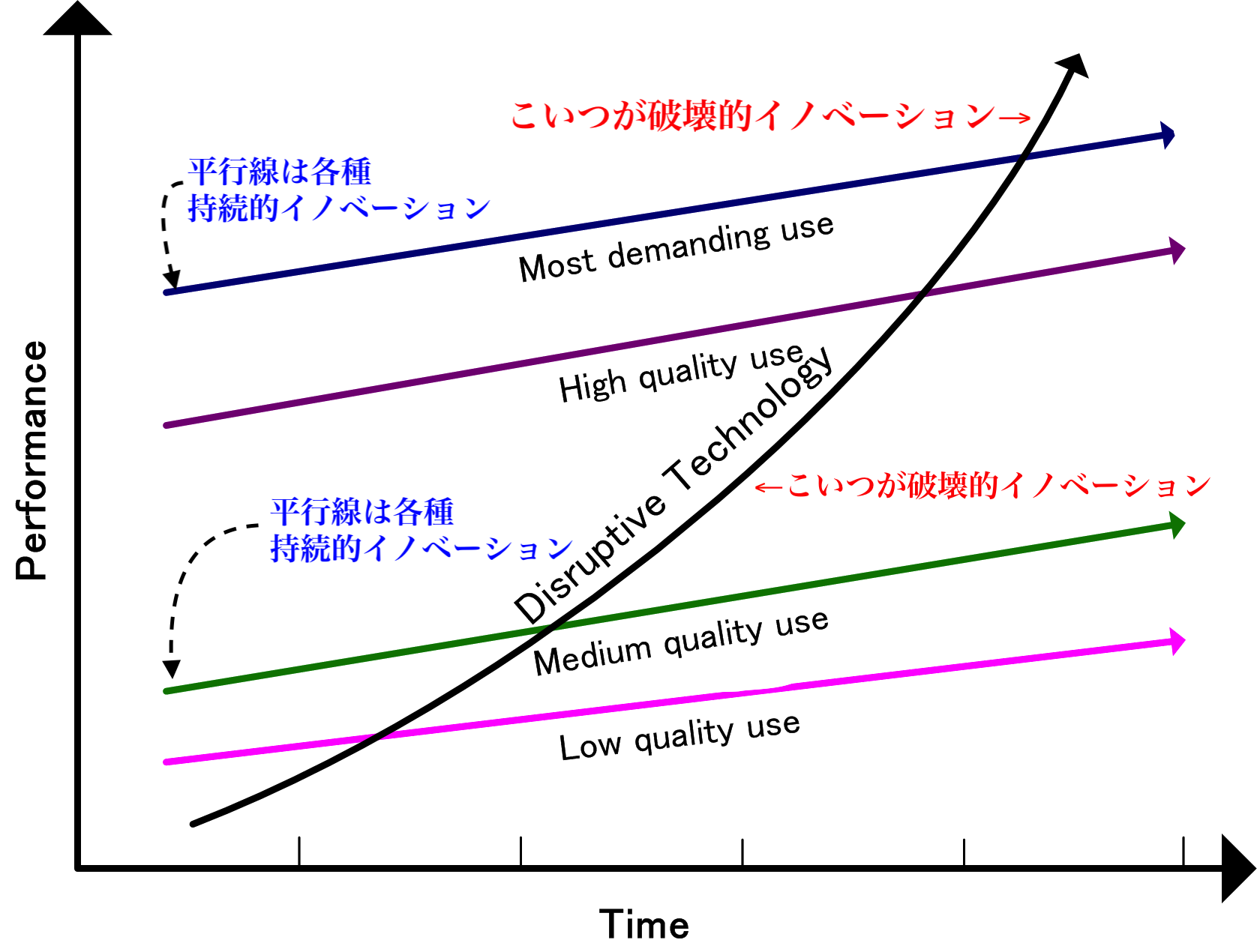
***
グーグル社のCEO(2001-2011)エリッ ク・シュミットは成功した会社(=組織と読み替えてください)の特徴を つぎ の3つにまとめている(シュミットとローゼンバーグ 2014:135)
1)問題を まったく新しい方法で解決する
2)その解 決法を生かして急速に成長・拡大する
3)成功の 最大の要因はプロダクト(できがったも の)である。
さて、イノベーションのデザインのだが、ビジネスに おけるイノベーションを定義したのはシュ ンペーター(1911)[Joseph Schumpeter, 1883-1950]だという、今から1世紀以上も前のことである。その定義は、「経済活動のなかで生産手段・資源・労 働力などをそれまでとは異なる方 法で結合」することだという(『経済発展の理論』)。
以下のウィキの記述を冷静に分析してみよう。
"Schumpeter identified innovation as the critical dimension of economic change. He argued that economic change revolves around innovation, entrepreneurial activities, and market power. He sought to prove that innovation-originated market power can provide better results than the invisible hand and price competition. He argued that technological innovation often creates temporary monopolies, allowing abnormal profits that would soon be competed away by rivals and imitators. These temporary monopolies were necessary to provide the incentive for firms to develop new products and processes." - Joseph Schumpeter, An Introduction to Economics with Emphasis on Innovation, Pol, E Carroll,P, 2006.
"Innovation can be defined simply as a "new idea, device, or method".[1] However, innovation is often also viewed as the application of better solutions that meet new requirements, unarticulated needs, or existing market needs.[2] This is accomplished through more-effective products, processes, services, technologies, or business models that are readily available to markets, governments and society. The term "innovation" can be defined as something original and more effective and, as a consequence, new, that "breaks into" the market or society.[3] It is related to, but not the same as, invention.[4] Innovation is often manifested via the engineering process. The exnovation is the opposite of innovation."
"Schumpeter begründete in seiner Theorie der wirtschaftlichen Entwicklung (1911) Pionierleistungen nicht vorwiegend mit ökonomischem Eigennutz, sondern mit psychologischen Motiven, zu denen auch die „Freude am Gestalten“[7] zählt. Schumpeter zufolge wird ein innovativer Unternehmer durch seine Innovation zu einem Monopolisten – so lange, bis Nachahmer auftreten (oder seine Innovation durch andere Entwicklungen verblasst). Schumpeter erkannte damit das Wechselspiel aus Innovation und Imitation als Triebkraft des Wettbewerbs. Es bildet die Grundlage für eine Reihe von Konjunkturmodellen.[8] Die Begriffe Schöpferische Zerstörung und 'kreative Zerstörung' sind in der Makroökonomie bis heute bekannt." Joseph Schumpeter, in German
"Innovation heißt
wörtlich „Neuerung“ oder „Erneuerung“. Das Wort ist vom lateinischen
Verb innovare (erneuern) abgeleitet. In der Umgangssprache wird der
Begriff im Sinne von neuen Ideen und Erfindungen und für deren
wirtschaftliche Umsetzung verwendet. Im engeren Sinne resultieren
Innovationen erst dann aus Ideen, wenn diese in neue Produkte,
Dienstleistungen oder Verfahren umgesetzt werden, die tatsächlich
erfolgreiche Anwendung finden und den Markt durchdringen
(Diffusion).[1] Das Gegenteil von Innovation ist die Exnovation." Innovation, in
German
彼(=シュンペーター)によるとイノベーションのタ イプは次の5つである。先のシュミットの 指摘とよくにている(出典は、ウィキペディア「イノベーション」)。
これは東畑らの翻訳によると、《新結合の遂行》
Durchsetzung neur Kombinationen と記されている(岩波文庫『経済発展の理論(上)』Pp.182-)
1)「新しい財貨すなわち消費者の間でまだ知られて いない財貨、あるいは新しい品質の財貨の 生産:The introduction of a new good — that is one with which consumers are not yet familiar — or of a new quality of a good.
2) 新しい生産方法の導入:The introduction of an improved or better method of production, which need by no means be founded upon a discovery scientifically new, and can also exist in a better way of handling a commodity commercially.
3)新しい販路の開拓:The opening of a new market that is a market into which the particular branch of manufacture of the country in question has not previously entered, whether or not this market has existed before.
4)原料あるいは半製品の新しい供給源の獲得: The conquest of a new source of supply of raw materials or half-manufactured goods, again irrespective of whether this source already exists or whether it has first to be created.
5)新しい組織の実現」:The carrying out of the better organization of any industry, like the creation of a monopoly position or the breaking up of a monopoly position.
イノベーションされるものはいったいなんであろう。 シュンペーターからは次のような特徴をま とめることができるだろう。これは私(池田)のパラフレズである。
1)あたら しい価値をもった財が、生まれ出ること (=イノベーティブ・プロダクト)
2)それら の生産のプロセスが、イノベーティブであ る(=プロセス・イノベーション)
3)流通プ ロセスや経路の、イノベーション(=トラ フィック・イノベーション)
4)原料や 供給源の獲得が(従前の方法よりも)イノ ベーティブである
5)イノベーティブ・プロセスの結果生まれた組織そ
のものが、イノベーティブ(=以前には存
在しなかった組織が産れること)
つまり、
オープン・イノヴェーションの最初の提唱者は、ヘン リー・チェスバーグによる。
Open innovation
is a term promoted by Henry Chesbrough, adjunct professor and faculty
director of the Center for Open Innovation at the Haas School of
Business at the University of California, in a book of the same name,
though the idea and discussion about some consequences (especially the
interfirm cooperation in R&D) date as far back as the 1960s - Open
Innovation(Wiki- Eng) Even though, the article has multiple issue.
シュミットとローゼンバーグ(2014:128- 129)は次のようにいう。「オープンか否かというのは、倫理的な選択ではな い。初期設定をオープンにするのは、エコ・システム(=比喩的意味)においてイノベーションをうながし、コストを下げる方法なので、むしろ戦略的選択とみ たほうがよい」。
また、レッシグは「インターネット上で花開くイノ ベーションの源泉を理解するには、 インターネットのもともとの設計についてある程度理解が必要だということだ。 そしてさらに重要なこととして、このもとのアーキテクチャに対する変更が、 ここでのイノベーションの範囲にも影響を与えかねないということを理解しなければ ならない」(p.62)というように、イノベーションは、それを支える環境(=上掲 の比喩としてのエコシステム)を変えることを示唆している(→出 典:『コモンズ』)。
また、既存の制度やシステムは、イノベーションの生 成には、しばしば邪魔になることを示して次のように言う。
「ソ連東欧の失敗の教訓は、 国家コントロールによるイノベーションは失敗するということだ」(p.218)。
「市場でもっとも成功した企業のコントロールするイ ノベーションは、 新しい形の創造性に対しては体系的に目を背けるということだ。これはまた、 インターネットの教えてくれる教訓でもある」(p.218)
「議会は、
古い力が新しいもののイノベーションを踏みにじらないようにする役割を果たせる」(Pp.308-309)
「閉じたネットワークは、イノベーション全般に対し て外部性を作り出す。 それはあらゆる新しいイノベーションにライセンスを供与しなくてはならない参加者 の数を増やすことで、イノベーションのコストを増やしてしまう。そのコストは、 消費者が直接負担するものではない。長期的にはもちろん、それがコストなら、 消費者が負担することにはなるだろう。でも短期的には、 消費者はクローズドなモデルがつぶしてしまっているイノベーションには気がつかない」(pp.249-250)
「創造性というものがそれ以前の創造性にいかに依存 しているかを明らかにしてくれ る。つまりどちらも、 イノベーションというのが他人の仕事に何かを追加することだと示してくれる」(p.274)
また、アートとイノベーションの関係について……
「アーティストには報酬があるべきだ。でもかれらが 報酬を得る権利は、 新産業におけるイノベーションの発達をコントロールする業界の権利にすり替えられ てはならない」(p.307)。「つまりこの業界は、新しいイノベーションの拒否権を要求していて、 そしてその拒否権の後ろ盾として法を持ち出そうとしている」(Pp.308-309)
発明とイノベーションの関係については……
「これらの事例すべてで、独占を認める機関が尋ねた
質問はたった一つ : この種の 「発明」は、特許の対象となるほかのものと十分に似ているだろうか?
もしそうなら、特許はこの分野のイノベーションにも与えられる。 でも経済学者なら、たぶんかなりちがった質問をするだろう。
特許がイノベーションを喚起することははっきりしているけれど、 イノベーションの一部の分野では、
特許は益よりも害をなすかもしれないというのも明らかだ。 イノベーションのインセンティブを高める一方で、
特許はイノベーションのコストも引き上げる。そしてコストが便益を上回るなら、 特許は意味がない」(p.321)。
**
つまり私(池田)の結論はこうだ:イノベーションを人為的にコントロールすることは 困難であり(ただし不可能ではない)、イノベーション自身はデザインできないことである。
「われわれが文化として捉え直すべき中
核的発想は、 コンテンツに対するコントロールは完全であってはならないということだ。 アイデアと表現は、ある程度はフリーでなければならない。
それがそもそもの著作権法のねらいだった ... 技術は法と結びついて、
いまやコンテンツとその配信に対してほぼ完璧なコントロールを約束している。
そしてこの完全なコントロールこそがインターネットの約束するイノベーションの可 能性をつぶそうと脅かすものだ」(p.378)。
またイノベーションの 歴史教育は可能だが、「イノ ベーションを授ける」教育など言おうものなら、それは大いなる法螺とみたほうがいい。
イノベーションはその意味で、生物進化の自然選択と
同じようなプロセスをたどっており、さまざまな創造的解釈がまたれているところである(シュミットとローゼンバーグ 2014:286)。(→ Evolutionary
economics )
それでもなお「教育用プログラム」にこだわってみよ う!(反省的にみるには「イノベーション・カルト(Innovation Cult)」のページ が役立つはずだ!)
一橋大学イノベーション研究センター編『イノベーション・マネジメント入門(第2版)』日 本経済新聞社、2017年
教育用プログラム
リンク先
文献
-----------
For all undergraduate
students!!!, you do not paste but [re]think my message.
Remind Wittgenstein's phrase,
"I should not like my writing to spare other people the trouble of thinking. But, if possible, to stimulate someone to thoughts of his own," - Ludwig Wittgenstein
Copyleft, CC, Mitzub'ixi Quq Chi'j, 1997-2099
++

Copyleft,
CC, Mitzub'ixi Quq Chi'j, 1996-2099