Chronology of
Martin
Heidegger, 1889-1976
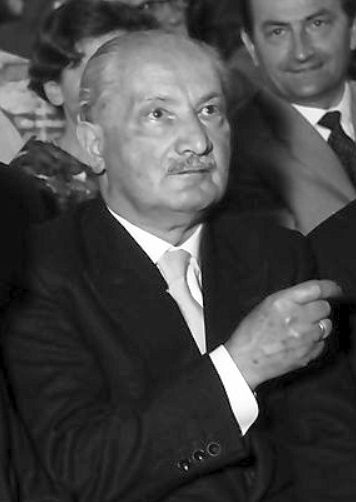
Chronology of
Martin
Heidegger, 1889-1976
ハイデガーの最大のきわだった業績は、人
間であることの明確な構成要素としての有限性を詳細に論じたことである——これによって、かれは、カントの哲学革命を完成させ、有限性が、
超越論的次元
の鍵であることをあきらかにした。——スラヴォイ・ジジェク(2010: 487)
マルチン・ハイデガー( Martin Heidegger, 1889年9月26日 - 1976年5月26日)は、ドイツの哲学者。ウィキペディアでは「マルティン・ハイデッガー」とも表記されるが、後者の表記法はハイデッガー翻訳 の京都学派——その泰斗総帥は辻村公一(Koichi TSUJIMURA, 1922-2010)——の人たちが好んで使う(あるいはそれ以外の呼称を使いたがらない)用語法のように思われる(→「ハイデガーの狐」「ハイデガーとナチス」参照)。
| Heidegger
Chronology |
ハイデガークロノロジー(出典:Heidegger
Chronology) |
|
| 1889 |
Martin Heidegger was born on 26
September, the son of Friedrich Heidegger (1851–1924), a master cooper
and sexton in Meßkirch, Baden, southern Germany, and his wife, Johanna
Heidegger, née Kempf (1858–1927). |
マーティン・ハイデガーは9月26日に生まれた。父はフリードリヒ・ハ
イデガー(1851-1924)で、南ドイツのバーデン州メスキルヒで樽職人兼教会の管理人をしていた。母はヨハンナ・ハイデガー(旧姓ケンプフ、
1858-1927)である。 |
| 1892 |
Heidegger’s sister Marie
(1892–1956) was born. |
ハイデガーの妹マリー(1892–1956)が生まれた。 |
| 1894 |
Heidegger’s brother Fritz
(1894–1980) was born. One of Heidegger’s ancestors was Andreas Heidegger, who was born on 28 November 1700 in a house on a bank of the river Danube in Hausen im Tal near Beuron in the district of Sigmaringen. Both places, Beuron and the river Danube, would come to acquire an increasing significance in Martin Heidegger’s life and thinking, representing a spiritual contact with the past and with his Heimat, with his origins and those of his forefathers. Beuron Abbey (in Latin Archiabbatia Sancti Martini Beuronensis) was a monastery of the Benedictine Order, and had been founded in 1863 by the brothers Maurus and Placidus Wolter. It housed the largest monastic library in Germany, and the young Heidegger had studied there in the years just preceding and into his university days. Later in his life, Heidegger returned often to Beuron (even when he had lost his faith), continuing to regard it as a place of spiritual depth. Beuron provided him with the “seed for something essential”.[2] The Danube, or Ister, as it had been known in the medieval period, possessed an even greater significance for Heidegger, and in his writings on Hölderlin he devoted an entire book to the poet’s hymn to the river. The Ister represented “the locality of the locale”: it was the source and the defining presence of “Heimat”.[3] For “the river is the locality that pervades the abode of human beings upon the earth, determines where they belong and where they are at home [heimisch]. The river thus brings human beings into their own and maintains them in what is their own”.[4] |
ハイデガーの弟であるフリッツ(1894年~1980年)が生まれた。 ハイデガーの祖先の一人であるアンドレアス・ハイデガーは、1700年11月28日に、ジグマリンゲン郡のベウロン近くのハウゼン・イム・タールにあるド ナウ川のほとりの家で生まれた。ビューロンとドナウ川の両方は、マーティン・ハイデガーの人生と思想において、過去や故郷、そして彼自身と彼の先祖の起源 との精神的な接点として、ますます重要な意味を持つようになった。ビューロン修道院(ラテン語:Archiabbatia Sancti Martini Beuronensis)は、ベネディクト会修道院であり、1863年にモーラスとプラシダス・ウォルター兄弟によって設立された。この修道院にはドイツ 最大の修道院図書館があり、若いハイデガーは大学入学直前、そして大学時代にもここで学んでいた。その後、ハイデガーは(信仰を失った後も)ベウロンに頻 繁に足を運び、この地を精神的な深みのある場所として見続けた。ベウロンは彼に「本質的なものの種」を与えたのだ。[2] ドナウ川、あるいは中世にイスターと呼ばれたこの川は、ハイデガーにとってさらに大きな意義を持っていた。彼はヘルダーリンに関する著作の中で、この詩人 が川に捧げた賛歌に一冊の書物を捧げている。イスターは「場所の場所性」を体現していた。それは「故郷(ハイマート)」の源であり、その存在を定義づける ものだった。[3] なぜなら「川は、地上における人間の住処を貫く場所であり、彼らがどこに属し、どこに居場所(ハイミッシュ)を持つかを決定する。かくして川は人間を自ら のものへと導き、彼らを自らのものの中に留め置く」からである。[4] |
| 1895-1903 |
Heidegger attended the state
primary and middle schools in Meßkirch. |
ハイデガーはメスキルヒの公立小学校と中学校に通った。 |
| 1903–1906 |
In October 1903, Heidegger went
to study at the gymnasium in Constance, He became a boarder at the
local seminary, the Archbishop’s Student Home Saint Conrad
(“Erzbischöflichen Studienheim St. Konrad”), locally known as the
“Konradihaus”, to continue his high school education and begin
preparations for the priesthood. |
1903年10月、ハイデガーはコンスタンツのギムナジウムで学ぶため
赴いた。彼は地元の神学校である大司教学生寮聖コンラート(Erzbischöflichen Studienheim St.
Konrad)——地元では「コンラートハウス」として知られていた——に寄宿生として入り、高校教育を続けつつ司祭への準備を始めた。 |
| 1906–1909 |
Heidegger transfers to the
Bertholds Gymnasium (a former Jesuit college) in Freiburg, so that he
will be able to qualify for a grant from the Catholic Eliner
foundation. He becomes a border at the seminary of St. Georg (“Saint
George”). |
ハイデガーはフライブルクのベルトルト・ギムナジウム(旧イエズス会大
学)に転校した。カトリックのエーリナー財団の奨学金を受ける資格を得るためだ。彼は聖ゲオルグ神学校の寄宿生となった。 |
| 1907 |
Conrad Gröber (1872–1948),
former rector at the “Konradihaus” and future Archbishop of Freiburg,
presents Heidegger with a copy of On the Manifold Meaning of Being
according to Aristotle (1862) by Franz Brentano (1838–1917), who had
taught Edmund Husserl in Vienna. |
コンラート・グレーバー(1872–1948)は、かつて「コンラート
ハウス」の学長を務め、後にフライブルク大司教となる人物である。彼はハイデガーに、フランツ・ブレンターノ(1838–1917)の著作『アリストテレ
スによる存在の多様な意味について』(1862年)の写本を贈った。ブレンターノはウィーンでエドムント・フッサールを教えた人物である。 |
| 1909 |
In July, Heidegger is awarded
his school-leaving certificate “cum laude” (“with distinction”).
In September, he enters the novitiate of the Jesuit Society of Jesus at
Tisis near Feldkirch in Austria, but leaves after two weeks, ostensibly
for medical reasons. In October, he begins studying Catholic philosophy
at the Albert-Ludwig University, becoming a boarder at the Collegium
Borromaeum, the seminary of the Archdiocese in Freiburg. He takes
courses, amongst others, by Carl Braig (1852–1923), with whose On
Being: An Outline of Ontology (1896), Heidegger was already familiar.
He begins to write articles and reviews for Der Akademiker (the journal
of the German Association of Catholic Graduates), including his first
ever publication, the religious narrative “All Souls’ Day”. He
also studies Husserl’s Logical Investigations (published in two volumes
in 1900 and 1901). |
7月、ハイデガーは卒業証書を「優等」で授与される。9月、オーストリ
アのフェルトキルヒ近郊ティシスにあるイエズス会の修練院に入所するが、2週間後に健康上の理由で退所する。10月、フライブルク大司教区神学校「ボロメ
オ神学院」の寄宿生となり、アルベルト・ルートヴィヒ大学でカトリック哲学の勉強を始める。カール・ブライグ(1852–1923)の講義を受講するが、
彼はブライグの著書『存在について:存在論の概説』(1896年)を既に熟知していた。彼は『学士』(ドイツカトリック卒業生協会の機関誌)に記事や書評
を書き始める。その中には、彼の初めての出版物である宗教的物語「万霊節」も含まれている。また、フッサールの『論理学研究』(1900年と1901年に
2巻で出版)も研究した。 |
| 1910 |
In August, Heidegger gives a
talk on the seventeenth-century Augustinian monk, Abraham a Santa
Clara, in Kreenheinstetten, in the latter’s birthplace near Meßkirch.
The poem “Dying Splendour” is published in the Allgemeine Rundschau in
October. During this period, Heidegger reads widely in Nietzsche and
Kierkegaard. |
8月、ハイデガーはメスキルヒ近郊のクレーンハイネシュテッテンで、
17世紀のアウグスティヌス派修道士アブラハム・ア・サンタ・クララに関する講演を行った。詩「死の輝き」は10月に『アルゲマイネ・ルントシャウ』誌に
掲載された。この時期、ハイデガーはニーチェとキルケゴールを幅広く読破している。 |
| 1911 |
In February, suffering from
asthma and a heart condition, Heidegger returns to Meßkirch to spend
the summer semester at home. He abandons his plans to become a priest
and gives up his study of Theology, moving out of the Collegium
Borromaeum and into private lodgings at No. 1 Hohenzollernstrasse. He
changes his studies to mathematics and philosophy, but continues to
take courses in theology because this is a stipulation of his Church
stipend. He undertakes a serious reading of Hölderlin for the first
time, after discovering the recently published edition by Norbert von
Hellengrath. The poem “Gethsemane Hours”, depicting a spiritual crisis
in his religious faith, is published in March. |
2月、喘息と心臓病を苦悩していたハイデガーは、夏学期を自宅で過ごす
ためメスキルヒに戻った。司祭になる計画を断念し、神学の勉強もやめた。ボロメオ学院を出て、ホーエンツォレルン通り1番地の私邸に移った。彼は数学と哲
学に専攻を変更したが、教会奨学金の条件として神学の講義は継続した。ノルベルト・フォン・ヘレングラートによる新刊版を発見した後、初めてヘーデルリン
を本格的に読み始めた。宗教的信仰における精神的危機を描いた詩「ゲッセマネの時」は3月に発表された。 |
| 1912 |
Heidegger takes the courses of
the Professor of Philosophy, the Neo-Kantian, Heinrich Rickert
(1863–1936). He publishes scholarly articles, “The problem of Reality
in Modern Philosophy” and “Recent Research in Logic”. In April, the
university votes him a grant of 400 marks a year for three years. |
ハイデガーは哲学教授、新カント派のハインリヒ・リッケルト
(1863–1936)の講義を受講する。学術論文「現代哲学における実在の問題」と「論理学における近年の研究」を発表する。4月、大学は彼に3年間、
年間400マルクの助成金を支給することを決議する。 |
| 1913 |
In June, Heidegger obtains his
doctorate in philosophy “summa cum laude” (“with distinction”) after
submitting the dissertation The Doctrine of Judgment in Psychologism: A
Critical-positivistic Contribution to Logic. He is examined by
Professor Arthur Schneider (1875-1945) (his supervisor) and Professor
Rickert. In July, he begins a friendship with Engelbert Krebs
(1881–1950), a priest and lecturer in Dogmatics in the Faculty of
Theology at Freiburg. Heidegger is awarded a stipend from the Schaezler
Foundation to continue work in Catholic Theology. |
6月、ハイデガーは『心理主義における判断の教義:論理学への批判的実
証主義的貢献』という博士論文を提出し、哲学博士号を「最優等」(summa cum
laude)で取得した。審査は指導教官のアルトゥール・シュナイダー教授(1875-1945)とリッカート教授が行った。7月には、フライブルク大学
神学部で教義学の講師を務める司祭エンゲルベルト・クレプス(1881–1950)と親交を始める。ハイデガーはシェッツラー財団から奨学金を授与され、
カトリック神学の研究を継続することとなった。 |
| 1914 |
In August, the First World War
breaks out. In the same month, Heidegger volunteers and is assigned to
the Infantry Reserve Battalion 113. In October, he is discharged on
medical grounds. Heidegger’s dissertation on The Doctrine of Judgment
in Psychologism is published (Leipzig: Johann Ambrosius Barth). In
November, he starts work on his post-doctoral dissertation. |
8月、第一次世界大戦が勃発する。同月、ハイデガーは志願兵として歩兵
予備大隊第113連隊に配属される。10月、健康上の理由で除隊となる。ハイデガーの博士論文『心理主義における判断の教義について』(ライプツィヒ:ヨ
ハン・アンブロジウス・バルト刊)が出版される。11月、博士後研究の論文執筆を開始する。 |
| 1915 |
In July, Heidegger obtains his
“Habilitation” (post doctorate) with the dissertation Duns Scotus’
Theory of Categories and Meaning. The Philosophy Faculty awards him a
venia legendi (permission to teach at university level as a tutor, a
Privatdozent). In August, he is drafted into the army, and trains in
Müllheim (Baden) with Reserve Battalion 142, before being discharged
for health reasons in October. He returns to Freiburg to work at the
military censor board of the post office as a “Landsturmmann” (member
of the Home Guard). At this time, he assists Professor Engelbert Krebs,
who is lecturing theology students in philosophy. In the winter
semester, Heidegger gives his first lecture course, “Ancient and
Scholastic Philosophy”, and a seminar on Kant. He becomes romantically
involved with the twenty-two-year-old student, Thea Elfride Petri
(1893–1992), who is studying economics at Freiburg and attending
Heidegger’s seminar on Kant. |
7月、ハイデガーは『ダンズ・スコトゥスの範疇論と意味論』という論文
でハビリタツィオン(博士資格)を取得した。哲学学部は彼にヴェニア・レゲンディ(大学講師としての教鞭許可、プリヴァートドツェント)を授与した。8
月、彼は徴兵され、ミュールハイム(バーデン)で予備大隊142の訓練を受けたが、10月に健康上の理由で除隊となった。フライブルクに戻り、郵便局の軍
事検閲委員会で「ランドシュトゥルマン」(国内防衛隊員)として勤務した。この時期、神学学生に哲学を講義していたエンゲルベルト・クレブス教授を補佐し
た。冬学期、ハイデガーは初の講義「古代哲学とスコラ哲学」とカントに関するセミナーを開講した。彼は当時22歳の学生、テア・エルフリーデ・ペトリ
(1893–1992)と恋愛関係になる。彼女はフライブルクで経済学を学び、ハイデガーのカントセミナーに出席していた。 |
| 1916 |
Edmund Husserl (1859–1938), the
noted phenomenologist and Professor of Philosophy at Göttingen, is
appointed to the Chair of Philosophy at Freiburg. In June, Heidegger is
passed over in favour of Josef Geyser (1869–1948), a progressive
theologian from Münster, for the Chair in Catholic Philosophy at
Freiburg. Heidegger publishes his dissertation on Scotus with J.C.B.
Mohr Verlag, Tübingen. In August, Heidegger becomes engaged to Elfride
Petri. In the summer semester, Heidegger receives a “Lehrauftrag”
(junior lectureship) and teaches a course on German Idealist
philosophy. In the winter semester, November 1916–March 1917, he gives
a lecture on “Basic Issues in Logic”. |
エドムント・フッサール(1859–1938)は、著名な現象学者であ
りゲッティンゲンの哲学教授であったが、フライブルク大学の哲学教授職に任命された。6月、フライブルク大学のカトリック哲学教授職は、ミュンスター出身
の進歩的神学者ヨーゼフ・ガイザー(1869–1948)が獲得し、ハイデガーは落選した。ハイデガーはスコトゥスに関する博士論文を、テュービンゲンの
J.C.B.モーア出版社から出版した。8月、ハイデガーはエルフリーデ・ペトリと婚約した。夏学期に「Lehrauftrag」(助教職)を得て、ドイ
ツ観念論哲学の講義を担当した。冬学期(1916年11月~1917年3月)には「論理学の基本問題」に関する講義を行った。 |
| 1917 |
In March, Heidegger marries
Elfride Petri in a local registry office. A Catholic ceremony,
officiated by his friend Engelbert Krebs, is held the next day,
followed one week later by a Protestant ceremony. In August, Heidegger
gives a talk on “The Essence of Religion” in Freiburg. Due to his
military service, he does not teach between the summer semester (SS)
1917–1918 and the winter semester (WS) 1918–1919. |
3月、ハイデガーは地元の役所でエルフリーデ・ペトリと結婚した。翌日
には友人エンゲルベルト・クレブスが司式するカトリック式結婚式が行われ、その一週間後にはプロテスタント式結婚式が続いた。8月、ハイデガーはフライブ
ルクで「宗教の本質」と題する講演を行った。兵役のため、1917-1918年夏学期(SS)から1918-1919年冬学期(WS)にかけては教鞭を執
らなかった。 |
| 1918 |
In January, Heidegger reports to
the Karl barracks in Freiburg. In March, he is transferred to a
training camp at Heuberg, near Meßkirch. In June, he meets Elisabeth
Blochmann (1892–1972), a student friend of his wife, and sends his
first letter to her that month. Between June and August, Heidegger
serves at a meteorological station in Berlin-Charlottenburg and, from
the end of August to the middle of November, at a weather station near
Verdun on the French border. He is promoted to lance corporal. In
December, he is discharged and returns to Freiburg. |
1月、ハイデガーはフライブルクのカール兵舎に配属される。3月にはメ
スキルヒ近郊のホイベルクにある訓練所へ異動となる。6月、妻の学生時代の友人であるエリザベート・ブロッホマン(1892–1972)と出会い、同月に
彼女へ最初の手紙を送る。6月から8月にかけて、ハイデガーはベルリン・シャルロッテンブルクの気象観測所で勤務し、8月末から11月中旬まではフランス
国境のヴェルダン近郊の気象観測所で勤務した。彼は伍長に昇進した。12月に除隊し、フライブルクに戻った。 |
| 1919 |
In January, Husserl
successfully applies for a teaching position for Heidegger as his
assistant. In the same month, Heidegger’s first child, Jörg, is born.
Later in the month, Heidegger writes to Krebs breaking with
Catholicism. In April, Heidegger and Karl Jaspers (1883–1969),
Professor of Psychology at Heidelberg, meet for the first time on
Husserl’s birthday in Freiburg. In the “War Emergency” Semester, which
extends from 25 January to 16 April, Heidegger teaches “The Idea of
Philosophy and the Problem of the Worldview” (“Die Idee der Philosophie
und das Weltanschauungsproblem”), and published as The Concept of
Philosophy and the Problem of Worldview (Zur Bestimmung der
Philosophie), the earliest lecture course to appear in his Collected
Works (Gesamtausgabe). Tensions in his marriage with Elfride emerge. In
the summer semester, Heidegger gives lectures on “Phenomenology and the
Transcendental Philosophy of Value” and “On the Essence of the
University and Academic Studies”. |
1月、フッサールはハイデガーを助手として教職に推薦する申請を成功さ
せる。同月、ハイデガーの最初の子供ヨルグが生まれる。その月の後半、ハイデガーはクレプスに手紙を書き、カトリックから離脱する意思を伝える。4月、ハ
イデガーとカール・ヤスパース(1883–1969)はフッサールの誕生日にフライブルクで初めて会う。1月25日から4月16日にかけての「戦時緊急学
期」において、ハイデガーは「哲学の理念と世界観の問題」(『哲学の理念と世界観の問題』)を講義し、これは『哲学の理念と世界観の問題』(『哲学の理念
と世界観の問題』)として刊行された。これは彼の全集(Gesamtausgabe)に収録された最も初期の講義録である。エルフリーデとの結婚生活に亀
裂が生じる。夏学期には「現象学と超越的価値哲学」「大学の本質と学術研究について」の講義を行う。 |
| 1920 |
In April, Heidegger gives a talk
in Wiesbaden on Oswald Spengler. In the same month, he sends his first
letter to Jaspers, meeting him subsequently in Heidelberg. In August,
Heidegger’s second son, Hermann, is born (although Heidegger is not the
natural father). During this year, Heidegger registers a growing
critical distance from Husserl’s philosophy. In the winter semester
(WS) 1919–1920, Heidegger lectures on “Basic Problems of
Phenomenology”, and in the summer semester (SS) on “The Phenomenology
of Intuition and Expression”. |
4月、ハイデガーはヴィースバーデンでオズワルド・シュペングラーに関
する講演を行う。同月、ヤスパースに最初の手紙を送り、その後ハイデルベルクで彼と会う。8月、ハイデガーの次男ヘルマンが生まれる(ただしハイデガーは
実の父親ではない)。
この年、ハイデガーはフッサールの哲学に対する批判的距離を次第に深めていく。1919-1920年冬学期(WS)には「現象学の基本問題」を、夏学期
(SS)には「直観と表現の現象学」を講義した。 |
| 1921 |
In June, Heidegger sends Jaspers
a critical review of his book, The Psychology of Worldviews (1919). In
September 1921, Heidegger visits Husserl at his house in Sankt Märgen.
In WS 1920–1921, Heidegger gives his “Introduction to the Phenomenology
of Religion”, and in SS 1921 lectures on “Augustine and Neo-Platonism”.
Amongst his students are Karl Löwith and Max Horkheimer. |
6月、ハイデガーはヤスパースに彼の著書『世界観の心理学』(1919
年)に対する批判的書評を送った。1921年9月、ハイデガーはフッサールの自宅があるザンクト・メルゲンを訪れた。1920-1921年冬学期には「宗
教現象学序説」を講義し、1921年夏学期には「アウグスティヌスと新プラトン主義」を講義した。その教え子にはカール・レーヴィットとマックス・ホルク
ハイマーがいた。 |
| 1922 |
In August, the Heideggers build
a mountain cabin near Todtnauberg in southern Baden for their skiing
holidays. It will effectively become their second home. Heidegger
writes “Aristotle, Phenomenological Interpretations in connection with
Aristotle: An Indication of the Hermeneutical Situation” (known as the
“Natorp” document), and sends it to professors Paul Natorp in Marburg
and Georg Milch in Göttingen. In September, Husserl informs Heidegger
that the Philosophy Faculty at Marburg wishes to appoint him. In WS
1921–1922, he lectures on “Phenomenological interpretations of
Aristotle: Introduction to Phenomenological Research”. I
“Phenomenological Interpretations of Aristotle”, and in SS 1922 on
“Phenomenological Interpretations of Aristotle: Ontology and Logic”. |
8月、ハイデガー夫妻はスキー休暇のために南バーデン州トットナウベル
ク近郊に山小屋を建てる。これが実質的に彼らの第二の住まいとなる。ハイデガーは「アリストテレス:アリストテレスに関する現象学的解釈――解釈学的な状
況の示唆」(通称「ナートルプ文書」)を執筆し、マルブルクのポール・ナートルプ教授とゲッティンゲンのゲオルク・ミルヒ教授に送付する。9月、フッサー
ルはハイデガーに、マールブルク大学哲学部が彼を教授に任命したい意向であることを伝えた。1921-1922年冬学期、ハイデガーは「アリストテレスの
現象学的解釈:現象学的研究への序説」I「アリストテレスの現象学的解釈」を講義し、1922年夏学期には「アリストテレスの現象学的解釈:存在論と論理
学」を講義した。 |
| 1923 |
Hans-Georg Gadamer (1900–2002)
attends Heidegger’s seminar on Aristotle’s Nichomachean Ethics. In SS
1923, Heidegger lectures on “The Ontological Hermeneutics of
Facticity”. In May, he is offered an associate professorship at the
University of Marburg commencing in October. In July, Heidegger writes
to Jaspers with further criticism of Husserl. In December, Heidegger
gives a talk at the Kant Society in Hamburg. In WS 1923–1924, he gives
his first lecture course at Marburg: an “Introduction to
Phenomenological Research”. |
ハンス=ゲオルク・ガダマー(1900–2002)はハイデガーの『ニ
コマコス倫理学』に関するセミナーに出席した。1923年夏学期、ハイデガーは「実在性の存在論的解釈学」について講義した。同年5月、10月着任予定で
マールブルク大学助教授職のオファーを受ける。7月、ハイデガーはヤスパースに書簡を送り、フッサールに対するさらなる批判を展開する。12月、ハイデ
ガーはハンブルクのカンツ協会で講演を行う。1923–1924年冬学期、マールブルク大学で初の講義「現象学研究入門」を開講する。 |
| 1924 |
In Marburg, Heidegger becomes
friends with Rudolf Bultmann (1884–1976), a Lutheran theologian and
Professor of New Testament Studies. Heidegger writes in June, “beyond
[in the countryside] it is wonderful, but there is nothing going on at
the university. It is sluggish, mediocre, without energy, without
stimulation”. In February, Heidegger presents a paper at Bultmann’s
seminar on “The Problem of Sin in Luther”. In May, Heidegger’s father
dies at the age of seventy-three. In October, Hannah Arendt (1906–1975)
comes to Marburg to study with Heidegger. Amongst his other students
are Hans Jonas (1903–1993) and Karl Löwith, who follows Heidegger from
Freiburg. In July, Heidegger gives a talk on “The Concept of Time” (an
early partial draft of Being and Time) to the Department of Theology in
Marburg. In November, its publication is rejected by the Die Deutsche
Vierteljahrsschrift für Literaturwissenschaft und Geistesgeschichte on
account of its length and obscurity of language. In December, Heidegger
gives talks to groups in Elberfeld-Barmen, Cologne and Dortmund on
Aristotle. In SS 1924, he lectures on the “Basic Concepts of
Aristotelian Philosophy” and in WS 1924–1925 on “Interpretations of
Plato’s Dialogues, Sophists, Philebus”. |
マルブルクでハイデガーは、ルター派の神学者で新約聖書学教授のルドル
フ・ブルトマン(1884–1976)と親交を結ぶ。6月にハイデガーはこう記している。「郊外は素晴らしいが、大学では何も起こっていない。活気がな
く、平凡で、刺激もない」
2月、ハイデガーはブルトマンのセミナーで「ルターにおける罪の問題」と題する論文を発表した。5月、ハイデガーの父が73歳で死去。10月、ハンナ・
アーレント(1906–1975)がハイデガーに師事するためマールブルクに赴く。他の学生にはハンス・ヨナス(1903–1993)やカール・レー
ヴィット(フライブルクからハイデガーに従う)らがいた。7月、ハイデガーはマルブルク神学部で「時間という概念」(『存在と時間』の初期部分草稿)につ
いて講演した。11月、その発表は『ドイツ文学・精神史季刊』誌により、その長さと難解な言語を理由に拒否された。12月、ハイデガーはエルバーフェルト
=バルメン、ケルン、ドルトムントの各団体でアリストテレスに関する講演を行った。1924年春夏学期には「アリストテレス哲学の基本概念」を、1924
-1925年秋冬学期には「プラトン対話篇の解釈、ソフィスト篇、フィレボス篇」を講義した。 |
| 1925 |
In February, Heidegger begins a
relationship with Hannah Arendt. In March, he visits Husserl, who is on
holiday in Switzerland, to discuss an early draft of Being and Time. In
April, Heidegger gives lectures in Kassel and Fritzlar on “Wilhelm
Dilthey’s Research and the Struggle for a Historical Worldview”. In
August, the philosophy faculty in Marburg puts Heidegger’s name forward
for the Chair of Philosophy as the replacement for Nicolai Hartmann
(1882–1950), who has received the Chair in Cologne. In SS 1925,
Heidegger lectures on “History of the Concept of Time”, and in WS on
“Logic: The Question of Truth”. |
2月、ハイデガーはハンナ・アーレントと交際を始める。3月、スイスで
休暇中のフッサールを訪ね、『存在と時間』の初期草稿について議論する。4月、ハイデガーはカッセルとフリッツラーで「ヴィルヘルム・ディルタイの研究と
歴史的世界観をめぐる闘争」と題する講義を行う。8月、マールブルク大学哲学学部は、ケルン大学教授職に就いたニコライ・ハルトマン
(1882–1950)の後任として、ハイデガーを哲学教授候補に推挙した。1925年夏季学期、ハイデガーは「時間概念の歴史」を講義し、冬季学期には
「論理学:真実の問題」を講義した。 |
| 1926 |
In January, the philosophy
faculty at Marburg apply to Carl Heinrich Becker, the Prussian Minister
for Science, Art and Public Education in Berlin, to have Heidegger made
a full professor. The application is rejected because of Heidegger’s
lack of publications. In the same month, Hannah Arendt leaves Marburg
to continue her studies under the direction of Karl Jaspers in
Heidelberg. In April, Heidegger presents sections of his manuscript of
Being and Time to Husserl on the occasion of the latter’s sixty-seventh
birthday. Heidegger relationship with Hannah Arendt ends. In May,
Heidegger gives a talk in Switzerland on “The Essence of Truth”. In
September, Husserl visits Heidegger in Todtnauberg to discuss the
manuscript of Being and Time. In SS 1926, Heidegger lectures on “Basic
Concepts of Ancient Philosophy”, and WS 1926–1927 on “History of
Philosophy from Thomas Aquinas to Kant”. |
1月、マールブルク大学の哲学学部は、ベルリンのプロイセン科学・芸
術・公教育大臣カール・ハインリヒ・ベッカーに対し、ハイデガーの正教授昇格を申請した。ハイデガーの著述不足を理由に申請は却下された。同月、ハンナ・
アーレントはマールブルクを離れ、カール・ヤスパースの指導のもとハイデルベルクで学業を継続した。4月、ハイデガーはフッサールの67歳の誕生日を祝っ
て、『存在と時間』の原稿の一部を彼に提示した。ハイデガーとハンナ・アーレントの関係は終わる。5月、ハイデガーはスイスで「真実の本質」について講演
した。9月、フッサールがトットナウベルクを訪れ、『存在と時間』原稿について議論する。1926年夏季学期、ハイデガーは「古代哲学の基本概念」を講義
し、1926-1927年冬季学期には「トマス・アクィナスからカントまでの哲学史」を講義する。 |
| 1927 |
In April, Being and Time (Sein
und Zeit) is published as a supplement to Husserl’s Jahrbuch für
Philosophie und phänomenologische Forschung, vol. 8, and later that
year as a book by Max Niemeyer Verlag in Tübingen. In May, Heidegger’s
mother dies at the age of sixty-nine. At Husserl’s home, Heidegger
meets Count Kuki Shuzo (1888–1941), who is a Japanese student of
Husserl in Freiburg and a future philosopher and promoter of
Heidegger’s ideas in Japan. In July, Heidegger gives a talk on
“Phenomenology and Theology” at the Evangelical Theologians’ Society in
Tübingen. In October, he is promoted to a full professorship in
Marburg, following the submission of Being and Time to the Prussian
Ministry for Science, Art and Public Education in Berlin. In the same
month, Heidegger visits Husserl in Freiburg to discuss the first draft
of an article on a phenomenology for the Encyclopaedia-Britannica. In
SS 1927, he lectures on “Basic Problems in Phenomenology”, and in WS
1927–1928 on “Phenomenological Interpretations of Kant’s Critique of
Pure Reason”. |
四月、『存在と時間』(Sein und
Zeit)がフッサールの『哲学と現象学研究年報』第8巻の付録として刊行され、同年後半にはテュービンゲンのマックス・ニーマイヤー出版社から単行本と
して出版された。五月、ハイデガーの母が六十九歳で死去した。フッサールの自宅で、ハイデガーはフッサールのフライブルクにおける日本人学生であり、後に
日本の哲学者としてハイデガー思想の普及者となる久木修三伯爵(1888–1941)と出会う。7月、ハイデガーはテュービンゲンの福音派神学者協会で
「現象学と神学」と題する講演を行う。10月、ベルリンの普魯士科学・芸術・公教育省に『存在と時間』を提出した後、マールブルク大学で正教授に昇進し
た。同月、ハイデガーはフュルストブルクを訪れ、ブリタニカ百科事典向け現象学論考の初稿についてフッサールと議論した。1927年春夏学期には「現象学
の基本問題」を、1927-1928年秋冬学期には「カントの純粋理性批判の現象学的解釈」を講義した。 |
| 1928 |
In February, Heidegger, on the
eve of Husserl’s retirement, is called to the Chair of Philosophy at
the University of Freiburg. Land is acquired to build a house in the
Rötebuck area of the Freiburg district of Zähringen, and Heidegger and
his family move into the new house in October. In September, Heidegger
gives a talk in Riga on “Kant and Metaphysics”. In SS 1928, he lectures
on “The Metaphysical Origins of Logic in its Foundations in Leibniz”,
and in WS 1928–1929 (his first lecture course in Freiburg) he gives an
“Introduction to Philosophy”. |
2月、フッサールの退職を目前に、ハイデガーはフライブルク大学哲学教
授職に招かれる。フライブルク市ツァーリンゲン地区のレーテブッヒに家を建てるための土地を取得し、ハイデガーと家族は10月に新居へ引っ越す。9月、ハ
イデガーはリガで「カントと形而上学」と題する講演を行う。1928年春夏学期には「ライプニッツにおける『論理学の基礎』の形而上学的起源」を講義し、
1928-1929年秋冬学期(フライブルクでの最初の講義)には「哲学入門」を行った。 |
| 1929 |
In January, Heidegger gives a
talk to the Kant Society in Frankfurt. In March, he takes part in a
debate with Ernst Cassirer (1874–1945), Professor of Philosophy at the
University of Hamburg and author of The Philosophy of Symbolic Forms
(1923), at Davos, Switzerland, on the relevance of Kant to the modern
period. In April, Heidegger presents his paper “On the Essence of
Reason” to the Festschrift for Edmund Husserl to commemorate the
latter’s seventieth birthday. In July, Heidegger delivers his inaugural
lecture, What Is Metaphysics? in the auditorium of Freiburg University.
In December, he gives a talk on “The Problematic of Philosophy” in
Karlsruhe. Kant and the Problem of Metaphysics is published (Bonn: F.
Cohen). In SS 1929, he lectures on “German Idealism (Fichte, Hegel,
Schelling) and the Philosophical Problematic of the Present age”, and
in WS 1929–1930 on “Fundamental Concepts of Metaphysics:
World-Finitude-Solitude”. |
1月、ハイデガーはフランクフルトのカント協会で講演を行う。3月に
は、スイス・ダボスにて、ハンブルク大学哲学教授で『象徴形式の哲学』(1923年)の著者であるエルンスト・カッシラー(1874–1945)と、カン
トの現代への関連性について討論に参加する。4月、ハイデガーはエドムント・フッサールの70歳記念論文集に「理性の本質について」を寄稿した。7月、フ
ライブルク大学講堂で就任講演「形而上学とは何か?」を行った。12月、カールスルーエで「哲学の問題性」について講演した。『カントと形而上学の問題』
が刊行される(ボン:F.コーヘン社)。1929年後期学期には「ドイツ観念論(フィヒテ、ヘーゲル、シェリング)と現代の哲学的問題」を、1929-
1930年後期学期には「形而上学の基本概念:世界・有限性・孤独」を講義した。 |
| 1930 |
In March, Heidegger speaks on
“The Present Problematic of Philosophy” and “Hegel and the Problem of
Metaphysics” at the Scientific Union in Amsterdam. In the same month,
he is offered the Chair of Philosophy at Berlin University, which he
declines in May. In October, he gives a talk on “The Essence of Truth”
in Bremen. Later that month, he spends time at the monastery of
Beuron. In SS 1930, he lectures “On the Essence of Human Freedom: An
Introduction to Philosophy”, and in WS 1930–1931 on “Hegel’s
Phenomenology of the Spirit”. |
3月、ハイデガーはアムステルダムの科学連合で「哲学の現代的課題」と
「ヘーゲルと形而上学の問題」について講演した。同月、ベルリン大学の哲学教授職を打診されるが、5月に辞退した。10月、ブレーメンで「真実の本質」に
ついて講演する。同月下旬、ビューロン修道院で過ごす。1930年後期学期には「人間の自由の本質について:哲学入門」を、1930-1931年後期学期
には「ヘーゲルの精神の現象学」を講義する。 |
| 1931 |
In August, Heidegger goes on a
lecture tour of Holland, where he views Dutch art including paintings
by Vincent van Gogh, which later supplies inspiration for his essay on
the “Origins of the Work of Art”. In October, he stays at the Abbey of
Beuron. In SS, Heidegger lectures on “Aristotle: Metaphysics Book IX”,
and in the WS 1931–1932 on “The Essence of Truth: On Plato’s Allegory
of the Cave and the Theaetetus”. |
8月、ハイデガーはオランダでの講演旅行に出る。そこで彼はフィンセン
ト・ファン・ゴッホの絵画を含むオランダ美術を鑑賞し、後に「芸術作品の起源」に関するエッセイの着想源となる。10月にはビューロン修道院に滞在した。
1930年冬学期には「アリストテレス:形而上学
第九巻」について講義し、1931-1932年冬学期には「真実の本質:プラトンの洞窟の比喩とテアイテトスについて」を講義した。 |
| 1932 |
In June, Heidegger gives a talk
in Dresden “On the Essence of Truth”. The Nazi Party continues to
attract popularity in the elections. In June, the article “Martin
Heidegger et l’ontologie” by Emmanuel Levinas (1906–1995) (a student of
Heidegger in Freiburg) appears in Revue philosophique. Heidegger writes
to Blochmann in September explaining that he has reached an impasse in
his writing: “In SS 1932, Heidegger lectures on “The Beginnings of
Western Philosophy: Anaximander und Parmenides”. In the winter semester
1932–1933, he takes sabbatical leave. |
6月、ハイデガーはドレスデンで「真実の本質について」と題した講演を
行った。ナチ党は選挙で人気を集め続けた。6月、エマニュエル・レヴィナス(1906年~1995年)(フライブルクでハイデガーの教え子だった)による
記事「マーティン・ハイデガーと存在論」が『哲学雑誌』に掲載された。ハイデガーは9月にブロクマンに手紙を書き、執筆が行き詰まっていることを説明す
る。「1932年の夏学期、ハイデガーは「西洋哲学の始まり:アナクシマンドロスとパルメニデス」について講義を行う。1932年から1933年の冬学
期、彼は休職する。 |
| 1933 |
In March, Heidegger writes to
Blochmann saying that he has committed himself to politics of the new
Germany. In April, he is elected Rector of the University of
Freiburg, and in May he joins the Nazi Party. In the same month, he
gives his speech on “The Self-determination of the German University”.
In June, he attends a meeting of the Congress of Rectors in Berlin.
Later in that month, he gives a talk in Freiburg on “The University in
the New Reich”, which leads to a confrontation with Jaspers that
results in a serious diminution in their correspondence. In August,
Heidegger is elected “Führer-Rektor” by the education authorities in
Baden. In July, he attends a two-day conference in Berlin sponsored by
the “Deutsche Studentenschaft”. In September, he rejects his second
nomination to the Chair of Philosophy at the University of Berlin and a
nomination to the Chair of Philosophy at the University of
Munich. In October, he organises a camp at Todtnauberg for youth
who support the new state. In November, he addresses a meeting of
German scholars in Leipzig. In SS 1933, he lectures on “Being and
Truth: 1: The Basic Questions of Philosophy”, and in WS 1933–1934 on
“Being and truth 2: On the Essence of Truth”. |
三月、ハイデガーはブロッホマンに手紙を書き、新たなドイツの政治に身
を捧げると述べた。四月、フライブルク大学学長に選出され、五月にはナチ党に入党した。同月、「ドイツ大学の自律性」と題する演説を行った。6月にはベル
リンで開催された学長会議に出席した。同月下旬、フライブルクで「新帝国における大学」と題する講演を行い、これがヤスパースとの対立を招き、両者の文通
は大幅に減少した。8月、ハイデガーはバーデン州教育当局により「総統学長」に選出された。7月、ベルリンで開催された「ドイツ学生連盟」主催の2日間の
会議に出席した。9月、ベルリン大学哲学教授職への二度目の指名とミュンヘン大学哲学教授職への指名を受け入れなかった。10月、トットナウベルクで新国
家を支持する若者向けのキャンプを組織した。 11月、ライプツィヒで開催されたドイツ学者会議で演説した。1933年春夏学期には「存在と真理:1
哲学の基本問題」を、1933-1934年秋冬学期には「存在と真理2 真理の本質について」を講義した。 |
| 1934 |
In January, Heidegger attends
the newly founded “National Socialist College for Knowledge” in
Freiburg. In March, he visits the Nietzsche archive in Weimar and meets
the pro-Nazi Elisabeth Förster-Nietzsche. In April, Heidegger is
embroiled in a personnel controversy at Freiburg University, which
leads to a serious altercation with his superiors in the Prussian
Ministry for Science, Art and Public Education in Berlin. He judges his
authority to have been undermined and resigns as Rector of Freiburg
University. He becomes subject to criticism by Nazi radicals such as
professors Ernst Krieck (Frankfurt) and Erich Jaensch (Marburg) in the
journal Volk im Werden. Heidegger, nevertheless, continues to support
the “German revolution”. In August, he gives a speech in Freiburg on
“The German University” and in November talks in Constance on “The
Present Situation and the Future Task of German philosophy”. In SS
1934, he lectures on “Logic as the Questioning of the Essence of
Language” and in WS 1934–1936 on “Hölderlins Hymns ‘Germanien’ und ‘Der
Rhein’ ”. |
1月、ハイデガーはフライブルクに新設された「国家社会主義知識学院」
に出席する。3月にはワイマールのニーチェ資料館を訪れ、親ナチスのエリザベート・フォアスター=ニーチェと面会する。4月、フライブルク大学の人事問題
に巻き込まれたハイデガーは、ベルリンのプロイセン科学・芸術・公教育省の上司たちと深刻な対立を招く。彼は自身の権威が損なわれたと判断し、フライブル
ク大学学長を辞任する。その後、エルンスト・クリーク(フランクフルト)やエーリヒ・イェーンシュ(マールブルク)といったナチス急進派教授らから、雑誌
『フォルク・イム・ヴェルデン』を通じて批判を受ける。それでもハイデガーは「ドイツ革命」への支持を継続する。8月にはフライブルクで「ドイツの大学」
と題する講演を行い、11月にはコンスタンツで「ドイツ哲学の現状と将来の課題」について講演した。1934年春夏学期には「言語の本質を問うものとして
の論理学」を、1934-1936年秋冬学期には「ヘルダーリンの讃歌『ゲルマニア』と『ライン』」を講義した。 |
| 1935 |
In July, a fourteen-year-old
Brazilian girl of German descent, Erika Birle, becomes a foster
daughter of the Heidegger family. In October, Werner Heisenberg visits
Heidegger at Todtnauberg. In November, Heidegger gives a talk on “The
Origin of the Work of Art” in the “Kunstwissenschaftliche Gesellschaft”
in Freiburg. In SS 1935, he gives a lecture course “Introduction to
Metaphysics”, where he talks of the “failed philosophy of National
Socialism” (EM, p. 152). In WS 1935–1936, he lectures on “The Question
of the Thing: On Kant’s Doctrine of Transcendental Principles” |
7月、ドイツ系ブラジル人の14歳の少女エリカ・ビルレがハイデガー家
の養女となる。10月、ヴェルナー・ハイゼンベルクがトットナウベルクでハイデガーを訪問する。11月、ハイデガーはフライブルクの「芸術科学協会」で
「芸術作品の起源」と題する講演を行う。1935年春夏学期、彼は「形而上学入門」講義を行い、「国家社会主義の失敗した哲学」について論じた(EM,
p. 152)。1935-1936年秋冬学期には「物という問題:カントの超越論的原理論について」を講義した。 |
| 1936 |
In January, Heidegger gives a
public lecture on “The Origin of the Work of Art” at the University of
Zurich, which he repeats at the “Freies Deutsches Hochstift” in
Frankfurt in November and December. In April, he travels to Rome where
he talks on “Hölderlin and the Essence of Poetry” at the Italian
Institute of German Studies in Rome, and “Europe and German Philosophy”
at the Kaiser Wilhelm Institute (Biblioteca Hertziana). On account of
their diverging political philosophies, Heidegger’s correspondence with
Jaspers ceases. “Hölderlin und the Essence of Poetry” is published in
Das innere Reich. In SS 1936, Heidegger lectures on “Schelling: On the
Essence of Human Freedom (1809)”, and in WS 1936–1937 on “Nietzsche:
The Will to Power as Art”. |
1月、ハイデガーはチューリッヒ大学で「芸術作品の起源」と題する公開
講演を行った。この講演は同年11月と12月にフランクフルトの「フリーデス・ドイチェス・ホーフシュティフト」でも繰り返された。4月、ローマに渡り、
ローマのイタリア・ドイツ学研究所で「ヘルダーリンと詩の本質」を、カイザー・ヴィルヘルム研究所(ヘルツィアーナ図書館)で「ヨーロッパとドイツ哲学」
を講演した。政治哲学の相違により、ハイデガーとヤスパースの書簡のやり取りは途絶えた。「ヘルダーリンと詩の本質」は『内なる王国』に収録される。
1936年夏季学期には「シェリング:人間の自由の本質について(1809年)」を、1936-1937年冬季学期には「ニーチェ:芸術としての力への意
志」を講義する。 |
| 1936-1938 |
Heidegger writes Contributions
to Philosophy (from Ereignis) |
ハイデガーは『哲学への貢献』(『エヴェント』より)を記す |
| 1937 |
In July, Heidegger cancels his
attendance at the Descartes conference in Paris for health reasons, an
action that reflects his growing distance from German academic life. He
defends unsuccessfully his “Habilatation” student, the Catholic Max
Müller, against attacks made by Nazi academics in Freiburg. In
December, he publishes his Rome lecture on “Hölderlin and the Essence
of Poetry” (Langen Müller: Munich). In SS 1937, Heidegger lectures on
“Nietzsche’s Metaphysical Position in Western Thought: The Eternal
Return of the Same”. During this semester, Heidegger discovers he is
being spied upon by a Nazi colleague. In WS 1937–1938, he lectures on
“Basic Questions in Philosophy: Selected Problems in Logic”. |
7月、ハイデガーは健康上の理由でパリで開催されるデカルト会議への出
席を取りやめた。この行動は、ドイツの学界から距離を置きつつあることを反映している。フライブルクでナチスの学者たちから攻撃を受けた、カトリック教徒
である彼の「ハビラティオン」の学生、マックス・ミュラーを擁護したが、失敗に終わった。12月、ローマでの講演「ヘルダーリンと詩の本質」を出版した
(ランゲン・ミュラー社、ミュンヘン)。1937年の春学期、ハイデガーは「西洋思想におけるニーチェの形而上学の位置:同じものの永遠の回帰」について
講義を行った。この学期、ハイデガーはナチスの同僚にスパイされていることを発見した。1937年から1938年の冬学期、彼は「哲学の基本的問題:論理
学における選択された問題」について講義を行った。 |
| 1938 |
In June, Heidegger gives a talk
in Freiburg on “The Founding by Metaphysics of the Modern World
Picture”. He completes Contributions to Philosophy (On Ereignis). The
first work of Heidegger in French appears: “Was ist das – die
Metaphysik?” translated by Henry Corbin as Qu’est ce que la
Métaphysique? In April, Husserl dies. Heidegger does not attend his
funeral. In September, Elfride’s father dies. In WS 1938–1939,
Heidegger lectures on “An Analysis of Nietzsche’s Second Untimely
Meditations”. |
6月、ハイデガーはフライブルクで「形而上学による現代世界像の創設」
と題する講演を行う。『哲学への貢献(出来事について)』を完成させる。ハイデガーの著作が初めてフランス語で出版される。アンリ・コルバン訳『形而上学
とは何か?』(原題:Was ist das – die
Metaphysik?)。4月、フッサールが死去する。ハイデガーは葬儀に出席しなかった。9月、エルフリーデの父が死去する。1938-1939年冬
学期、ハイデガーは「ニーチェの第二の時代錯誤的思索の分析」について講義した。 |
| 1939 |
Heidegger gives his lecture on
“Hölderlin’s Hymn ‘Wie wenn am Feiertage’ ” on a number of occasions
throughout the year. In June, he talks “On the Essential Determination
of Knowing” in Freiburg. In September, the Second World War begins.
Heidegger’s son, Hermann, is called up for duty to an infantry
battalion in Meßkirch. Freiburg University is temporarily closed. In
Meßkirch, Heidegger works on his manuscripts, which are typed up by his
brother Fritz. In November, Heidegger’s other son, Jörg, is drafted. In
SS 1939, Heidegger lectures on “Nietzsche’s Doctrine of the Will to
Power as Knowledge”. |
6月、ハイデガーはフライブルクで「形而上学による現代世界像の創設」
と題する講演を行う。『哲学への貢献(出来事について)』を完成させる。ハイデガーの著作が初めてフランス語で出版される。アンリ・コルバン訳『形而上学
とは何か?』(原題:Was ist das – die
Metaphysik?)。4月、フッサールが死去する。ハイデガーは葬儀に出席しなかった。9月、エルフリーデの父が死去する。1938-1939年冬
学期、ハイデガーは「ニーチェの第二の時代錯誤的思索の分析」について講義した。 |
| 1940 |
At Easter, Heidegger goes to
Meßkirch again to work on his manuscripts. The academic year is now
divided into trimesters, and in the second trimester, Heidegger
lectures on “Nietzsche: European nihilism”, and in June he gives the
lecture “The Saying of Parmenides” in Freiburg. He writes to his wife
in May arguing that the continuation of university work is pointless. |
復活祭にハイデガーは再びメスキルヒへ赴き、原稿の執筆に励む。学年は
三学期制となり、第二学期にはハイデガーは「ニーチェ:ヨーロッパ的ニヒリズム」を講義し、6月にはフライブルクで「パルメニデスの言説」と題する講演を
行う。5月には妻に手紙を書き、大学での仕事を続けることに意味がないと主張する。 |
| 1941 |
In June, Heidegger gives a talk
in Freiburg on “The History of the Concept of Existence”. The fifth
edition of Being and Time appears with the dedication to Husserl
removed. The poetry volume Winke is published in the Heuberg-Druckerei
in Meßkirch. In the SS 1941, Heidegger lectures on “Basic Concepts”,
and in the WS 1941–1942 on “Hölderlin’s Hymn ‘Andenken’ ”. |
6月、ハイデガーはフライブルクで「存在概念の歴史」と題した講演を行
う。『存在と時間』第五版が刊行されるが、フッサールへの献辞は削除されていた。詩集『ウィンケ』がメスキルヒのホイベルク印刷所で出版される。1941
年春夏学期にハイデガーは「基本概念」について講義し、1941-1942年秋冬学期には「ヘルダーリンの讃歌『追憶』」について講義した。 |
| 1942 |
On the Essence of Truth is
published by Vittorio Klostermann (Frankfurt am Main). In December,
Heidegger’s son, Jörg, marries Dorothee Kurrer. In the WS 1941–1942,
Heidegger lectures on “Hölderlin’s hymn ‘der Ister’ ”, and in the SS
1942 on “Parmenides”. Princess Margot von Sachsen-Meiningen (1911-1998)
is one of Heidegger’s students in Freiburg and a long standing
friendship develops between them. |
『真実の本質について』はヴィットリオ・クロスターマン社(フランクフ
ルト・アム・マイン)より刊行される。12月、ハイデガーの息子ヨルグがドロテ・クーラーと結婚する。1941-1942年冬学期、ハイデガーは「ヘル
ダーリンの讃歌『イスター川』」について講義し、1942年夏学期には「パルメニデス」について講義する。マルゴット・フォン・ザクセン=マイニンゲン王
女(1911-1998)はフライブルクでハイデガーの教え子となり、両者の間には長年にわたる友情が育まれる。 |
| 1943 |
In June, Heidegger lectures on
Hölderlin’s poems “Homecoming” and “To those who are related”,
commemorating the one hundredth anniversary of Hölderlin’s death. In SS
1943, he lectures on “Heraclitus: 1. The Beginning of Western Thought
(‘Heraclitus’)”. Amongst Heidegger’s students are Walter Biemel and
Walter Jens. |
6月、ハイデガーはヘルダーリンの死後100周年を記念し、その詩「帰
郷」と「血縁者たちへ」について講義した。1943年春夏学期には「ヘラクレイトス:1.
西洋思想の始まり(『ヘラクレイトス』)」を講義した。ハイデガーの教え子にはヴァルター・ビーメルとヴァルター・イェンスがいた。 |
| 1944 |
In August, Heidegger visits Graf
Douglas in Hausen, where he meets up again with Margot von
Sachsen-Meiningen. In November, Heidegger is drafted into the
Volkssturm (“People’s Militia”) as a sapper and sent to Alsace. In
December, he goes to Meßkirch following a bombing of Freiburg and soon
after is discharged from the army. In December, the philosophy faculty
at Freiburg moves to Schloss Wildenstein in the Upper Danube. In WS
1944–1945, Heidegger gives his “Introduction to Philosophy: Thinking
and Writing” (the course is terminated after a few weeks because of the
worsening military situation), and in SS 1945 he lectures on “Logic:
Heraclitus’ doctrine of Logos”. He also writes at this time a number of
his “Country Path Conversations”. Elucidations of Hölderlin’s poetry,
containing “Homecoming”: Remembrance of the Poet” and “Hölderlin and
the Essence of Poetry”, is published (Frankfurt am Main: Vittorio
Klostermann). |
8月、ハイデガーはハウゼンでダグラス伯爵を訪ね、そこでマルゴット・
フォン・ザクセン=マイニンゲンと再会する。11月、ハイデガーは工兵としてフォルクスシュトゥルム(人民突撃隊)に徴兵され、アルザスに送られる。12
月、フライブルク空襲の後、メスキルヒへ赴き、間もなく軍から除隊となる。12月、フライブルク大学哲学学部はドナウ川上流のヴィルデンシュタイン城へ移
転した。1944-1945年冬学期、ハイデガーは「哲学入門:思考と記述」を講義したが(戦況悪化のため数週間で中止)、1945年春学期には「論理
学:ヘラクレイトスのロゴス論」を講義した。この時期、彼は「田舎道の対話」のいくつかを執筆した。また、ホーデルリンの詩を解説した『帰郷:詩人の追
憶』と『ホーデルリンと詩の本質』を含む著作が刊行された(フランクフルト・アム・マイン:ヴィットリオ・クロスターマン社)。 |
| 1945 |
Heidegger spends January in
Meßkirch, putting his manuscripts in order, which are eventually stored
in a local church for safety. Towards the end of the month, the senate
of the University of Freiburg decides to relocate university classes to
Burg Wildenstein in the Donautal. Heidegger accompanies them. In June,
he lectures on Hölderlin, returning later that month to Freiburg.
Freiburg is occupied by the French Army, and Heidegger must share his
home with a French sergeant and his family. In July, he faces a
de-Nazification commission of the university senate. The French officer
in charge of cultural affairs sends Frédéric de Towarnicki (1920–2008),
a French interpreter with the Allies, to make contact with Heidegger.
He sends Heidegger greetings from Jean-Paul Sartre and a copy of
Sartre’s Being and Nothingness. In the same month, Heidegger is
proscribed from teaching by the French Military Government. In
December, the Freiburg Faculty of Philosophy debates Heidegger’s case.
Heidegger requests the senate to write to Jaspers, who returns a
negative report. Heidegger’s son, Jörg, is incarcerated as a prisoner
of war in Czechoslovakia, and Hermann in Russia. |
ハイデガーは1月をメスキルヒで過ごし、原稿を整理した。それらは最終
的に安全のため地元の教会に保管される。月末近く、フライブルク大学評議会は大学の授業をドナウタールのヴィルデンシュタイン城に移すことを決めた。ハイ
デガーは同行した。6月、彼はヘルダーリンに関する講義を行い、同月下旬にフライブルクに戻る。フライブルクはフランス軍に占領されており、ハイデガーは
自宅をフランス軍曹とその家族と共有せざるを得なかった。7月、彼は大学評議会の脱ナチ化委員会に直面する。文化担当のフランス軍将校は、連合軍の通訳で
あるフレデリック・ド・トワルニッキ(1920–2008)をハイデガーとの連絡役として派遣した。彼はジャン=ポール・サルトルからの挨拶と、サルトル
の『存在と無』の写本をハイデガーに届けた。同月、ハイデガーはフランス軍政当局により教職追放処分を受けた。12月、フライブルク大学哲学学部はハイデ
ガーの処分を審議した。ハイデガーは評議会にヤスパースへの照会を要請したが、ヤスパースは否定的な回答を返した。ハイデガーの息子ヨルグはチェコスロバ
キアで、ヘルマンはロシアで捕虜として収容されていた。 |
| 1946 |
In January, the Freiburg
University senate makes Heidegger an emeritus professor without
teaching rights. In February, he suffers a nervous breakdown on account
of his professional demise and because of a crisis in his marriage
brought about by his affair with Margot von Sachsen-Meiningen. He
undergoes treatment in the Schloss Hausbaden sanatorium in Badenweiler
(Baden) until May. In September, the French philosopher and academic
Jean Beaufret (1907–1982) visits Heidegger. Beaufret becomes a close
friend and acts to promote Heidegger’s reputation in France. In
November, Heidegger sends his “Letter on Humanism” to Beaufret. In
December, the French Military Government bars Heidegger from any future
teaching. |
1月、フライブルク大学評議会はハイデガーを教授職を剥奪した名誉教授
とする。2月、彼は職を失ったこと、そしてマルゴット・フォン・ザクセン=マイニンゲンとの不倫が原因で生じた結婚生活の危機により苦悩する。5月まで
バーデンヴァイラー(バーデン)のハウスバーデン療養所で治療を受ける。9月、フランスの哲学者で学者のジャン・ボフレ(1907–1982)がハイデ
ガーを訪ねる。ボフレは親しい友人となり、フランスにおけるハイデガーの評価を高める活動を行う。11月、ハイデガーは「ヒューマニズムに関する手紙」を
ボフレに送る。12月、フランス軍政当局はハイデガーの今後の教職を一切禁止する。 |
| 1947 |
Heidegger’s “Letter on Humanism”
is published (Frankfurt am Main: Vittorio Klostermann). The Swiss
psychologist, Medard Boss (1903–1990) contacts Heidegger with questions
regarding Being and Time. In August, a friendship is established, which
leads to Boss hosting between 1959 and 1969 the Zollikon seminars
(named after his home town in Switzerland). In August, Herbert Marcuse
writes to Heidegger asking him to account for his Nazi past. In
December, Jean Beaufret visits Todtnauberg, with some of his students,
including Jean-François Lyotard. In September, Heidegger’s son,
Hermann, is released from Russian captivity. |
ハイデガーの『ヒューマニズムに関する書簡』が出版される(フランクフ
ルト・アム・マイン:ヴィットリオ・クロスターマン社)。スイスの心理学者メダール・ボス(1903–1990)が『存在と時間』に関する質問をハイデ
ガーに送る。8月、両者の間に友情が生まれ、これがきっかけで1959年から1969年にかけてボスが故郷スイスにちなんで名付けられたツォリコン・セミ
ナーを主催することとなる。8月、ヘルベルト・マルクーゼがハイデガーに書簡を送り、ナチス時代の過去について説明を求める。12月、ジャン・ボフレが
トットナウベルクを訪問し、ジャン=フランソワ・リオタールら教え子数名を伴う。9月、ハイデガーの息子ヘルマンがロシア軍の捕虜収容所から解放される。 |
| 1948 |
In January, Heidegger sends a
letter to Marcuse, arguing that the extermination of the Jews was
comparable to the Russian annihilation of Germans in Eastern Europe.
There is further contact with Medard Boss. Ernst Jünger visits
Heidegger for the first time in Todtnauberg at the end of the year. |
1月、ハイデガーはマルクーゼに手紙を送った。その中でユダヤ人絶滅
は、ロシアによる東欧でのドイツ人殲滅に匹敵すると主張している。メダール・ボスとの接触も続いた。年末、エルンスト・ユンガーがトットナウベルクで初め
てハイデガーを訪ねた。 |
| 1949 |
In February, Jaspers resumes his
correspondence with Heidegger. In March, Heidegger is judged by the
authorities to have been only a “fellow traveller” of the Nazi Party.
Wilhelm Szilasi edits a volume of essays on Martin Heidegger’s
Influence on the Sciences. In December, Heidegger gives the lecture
series Insight Into That Which Is (which includes “The Thing”,
“Enframing”, “The Danger” and “The Turning”) in the Bremen Club. Medard
Boss visits Todtnauberg. |
2月、ヤスパースはハイデガーとの文通を再開する。3月、ハイデガーは
ナチ党の「同調者」に過ぎないと当局から判断される。ヴィルヘルム・シーラシは、マーティン・ハイデガーの科学への影響に関する論文集を編集する。12
月、ハイデガーはブレーメン・クラブで「存在への洞察」と題した一連の講演(「物」、「枠組み」、「危険」、「転換」を含む)を行った。メダード・ボスが
トットナウベルクを訪れた。 |
| 1950 |
In February, Hannah Arendt
visits Heidegger. He writes a letter to her later that month with an
appendix of his own poems. In March, Heidegger writes to the wife of
Edmund Husserl, Malvine, asking for forgiveness for his behaviour
during the Third Reich. In the same month, Arendt returns to Freiburg
for a second visit. In April, Heidegger writes to Jaspers expressing
his “shame” at being carried along by the “intoxication” of the Nazi
movement. In June, Heidegger gives a talk on “The Thing” in Munich, and
in October, on “Language” at the Bühlerhöhe. Anteile, a Festschrift for
Heidegger, edited by Hans Gadamer, is published (Frankfurt am Main:
Vittorio Klostermann), as is Heidegger’s Forest Paths with the same
publisher. |
二月、ハンナ・アーレントがハイデガーを訪ねる。同月下旬、ハイデガー
は彼女に手紙を書き、自身の詩を付録として添えた。3月、ハイデガーはエドムント・フッサールの妻マルフィーネに手紙を書き、第三帝国時代の自身の行動に
ついて許しを請うた。同月、アーレントはフライブルクに二度目の訪問を行った。4月、ハイデガーはヤスパースに手紙を書き、ナチス運動の「陶酔」に流され
たことへの「恥」を表明した。6月、ハイデガーはミュンヘンで「物」に関する講演を行い、10月にはビューラーヘーエで「言語」について講演した。ハン
ス・ガダマー編によるハイデガーの記念論文集『アンターレ』が刊行された(フランクフルト・アム・マイン:ヴィットリオ・クロスターマン社)。同出版社か
らハイデガーの『森の小道』も出版された。 |
| 1951 |
In September, Heidegger’s
emeritus status takes effect, allowing him to teach again at the
University of Freiburg. Emil Staiger publishes “On a poem by Mörike: An
Exchange of letters with Martin Heidegger”. In May, Heidegger gives a
talk on “Logos (Heraclitus, Fragment B 50)” to the Bremen Club. Further
talks are given throughout the year in Darmstadt, the Bühlerhöhe,
Zurich and Kassel. In WS 1951–1952, Heidegger lectures at
Freiburg on “What is called Thinking?” Part I, and in SS 1952 Part II. |
9月、ハイデガーは名誉教授の地位を得て、フライブルク大学で再び教鞭
をとることができるようになる。エミール・シュタイガーは「モーリケの詩について:マーティン・ハイデガーとの書簡のやり取り」を出版する。5月、ハイデ
ガーはブレーメンクラブで「ロゴス(ヘラクレイトス、断片 B
50)」について講演を行う。この年、ダルムシュタット、ビューラーヘーエ、チューリッヒ、カッセルでも講演が行われる。1951年から1952年の冬学
期、ハイデガーはフライブルクで「思考とは何か?その第一部」を、1952年の夏学期にはその第二部を講義する。 |
| 1952 |
In April, Heidegger records
“What is called Thinking?” for Bavarian Radio. In May, Hanna Arendt
pays him another visit. In July, he meets Sophie Dorothee von Podewils
(1909–1979) and a relationship develops. In October, he gives a talk on
Trakl in Bühlerhöhe. Jean-Paul Sartre visits him in Freiburg. In WS
1951–1952, Heidegger lectures on “What is called Thinking?” |
4月、ハイデガーはバイエルン放送向けに「思考とは何か?」を録音す
る。5月、ハンナ・アーレントが再び彼を訪ねる。7月、彼はゾフィー・ドロテア・フォン・ポデヴィルス(1909–1979)と出会い、関係が発展する。
10月、ビュラーヘーエでトラクルに関する講演を行う。ジャン=ポール・サルトルがフライブルクで彼を訪ねる。1951-1952年冬学期、ハイデガーは
「思考と呼ばれるものとは何か?」について講義する。 |
| 1953 |
In May, Heidegger gives a talk
on “Who is Nietzsche’s Zarathustra?” in Bremen, and in the same month
on “Science and Reflection” in Schauinsland, Baden. In August, he meets
with Heisenberg. In November, he stays with Sophie Dorothee von
Podewils in Altreute, near Lake Constance. Karl Löwith’s critical book,
Heidegger: A Thinker in a Time of Need, is published. In November,
Heidegger delivers his lecture “The Question Concerning Technology” in
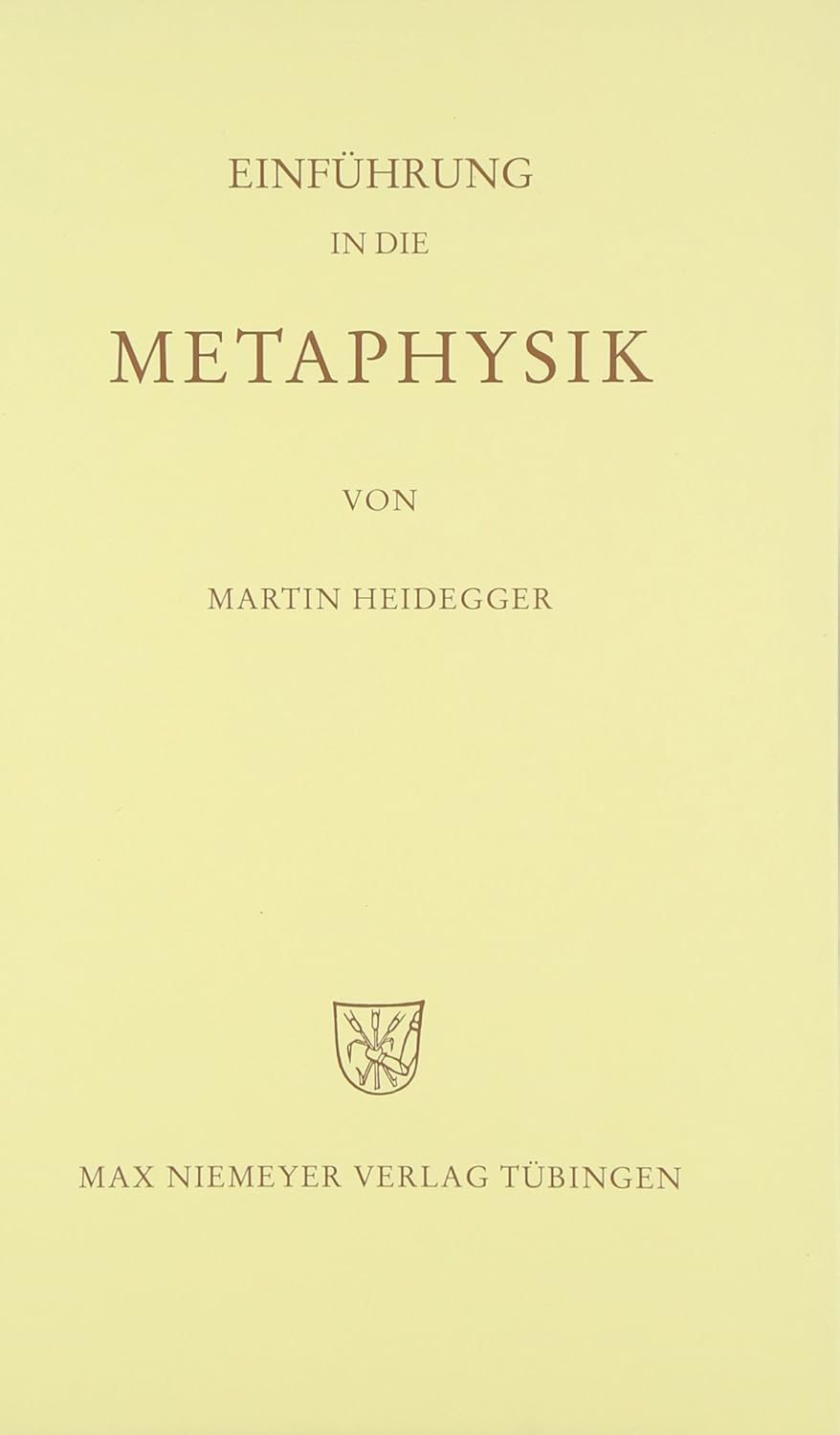
Munich. Introduction to Metaphysics is published (Tübingen: Max
Niemeyer Verlag). |
5月、ハイデガーはブレーメンで「ニーチェのツァラトゥストラとは誰
か?」と題した講演を行い、同月バーデン州シャウインスランドで「科学と省察」について講演した。8月にはハイゼンベルクと会った。11月、ボーデン湖近
くのアルトルートでゾフィー・ドロテア・フォン・ポデヴィルズ宅に滞在する。カール・レーヴィットの批判書『ハイデガー:必要の時代の思想家』が刊行され
る。11月、ミュンヘンで「技術に関する問い」と題する講演を行う。『形而上学序説』が刊行される(テュービンゲン:マックス・ニーマイヤー出版社)。 |
| 1954 |
In February, he gives the
lecture “The Question concerning Technology” in Freiburg. Further
presentations of this lecture are given later in the year. In October,
Heidegger regains contact with Rudolf Bultmann. Lectures and Essays and
From the Experience of Thought are published (both Pfullingen: Günther
Neske Verlag), as is What is called Thinking? (Tubingen: Max Niemeyer). |
二月に彼はフライブルクで「技術に関する問い」と題する講演を行う。こ
の講演は同年中にさらに数回行われる。十月、ハイデガーはルドルフ・ブルトマンとの連絡を再開する。『講義と随筆』『思考の経験から』が刊行される(いず
れもプフリンゲン:ギュンター・ネスケ出版社)。また『思考と呼ばれるものとは何か?』(テュービンゲン:マックス・ニーマイヤー社)も出版される。 |
| 1955 |
In September, Heidegger is
invited by Jean Beaufret to speak on What Is Philosophy? in
Cerisy-la-Salle, France. He visits Georges Braque in
Varengeville-sur-Mer, and at Jean Beaufret’s home in Ménilmontant,
Paris, meets the Surrealist poet, René Char, with whom a friendship
develops. In October, Heidegger delivers his talk “Discourse on
Thinking” (“Gelassenheit”), as a memorial address for Conradin
Kreutzer, in Meßkirch. In November, Heidegger talks about the local
Swabian poet, Johann Peter Hebel, in Goppingen. In WS 1955–1956,
Heidegger lectures in Freiburg on “The Principle of Reason”. |
9月、ハイデガーはジャン・ボフレの招きでフランス・セリジー=ラ=
サールにて「哲学とは何か」と題する講演を行う。ヴァランジュヴィル=シュル=メールでジョルジュ・ブラックを訪ね、パリ・メニルモンタンのジャン・ボフ
レ宅ではシュルレアリスト詩人ルネ・シャルと出会い、友情が芽生える。10月、ハイデガーはメスキルヒでコンラディン・クロイツァーの追悼講演として「思
考についての言説」(「ゲラッセンハイト」)を発表した。11月にはゴッピンゲンで、地元のシュヴァーベン地方の詩人ヨハン・ペーター・ヘーベルについて
講演した。1955-1956年冬学期、ハイデガーはフライブルクで「理性の原理」について講義を行った。 |
| 1956 |
In April, Heidegger writes to
Arendt telling her he has decided to cease teaching. In May, he gives
the talk “The Principle of Reason” in Bremen, which is repeated in
Vienna in October. In spite of marital problems due to his affair with
Marielene Putscher (1919–1997), he travels to Provence with Elfride in
September. What is that – Philosophy? (Pfullingen: Günther Neske
Verlag) and On the Question of Being (Frankfurt am Main: Vittorio
Klostermann) are published. Werner Marx (1910–1994) becomes Heidegger’s
successor in Freiburg. |
4月、ハイデガーはアーレントに手紙を書き、教職を辞める決意を伝え
る。5月、ブレーメンで「理性の原理」と題する講演を行い、10月にはウィーンで再演する。マリエレネ・プッチャー(1919–1997)との不倫による
夫婦問題を抱えながらも、9月にはエルフリーデと共にプロヴァンスへ旅行する。『哲学とは何か』(プフリンゲン:ギュンター・ネスケ出版社)と『存在の問
題について』(フランクフルト・アム・マイン:ヴィットリオ・クロスターマン社)が出版される。ヴェルナー・マルクス(1910–1994)がフライブル
クでハイデガーの後任となる。 |
| 1957 |
In February, Heidegger gives a
talk on “The Onto-Theological Constitution of Metaphysics” in
Todtnauberg. In May, he visits Darmstadt, where he holds a seminar, and
in June gives a talk on ‘The Principle of Identity” at the celebration
of the 500th anniversary celebrations of the founding of the University
of Freiburg. In July, Heidegger is elected to the Prussian Academy of
the Arts. In September, he visits Aix-en-Provence. In December, he
gives a lecture on “The Essence of Language” at Freiburg University.
The Principle of Reason, Hebel – the House Friend and Identity and
Difference are published (Pfullingen: Günther Neske Verlag). |
2月、ハイデガーはトットナウベルクで「形而上学の存在論的・神学的構
成」と題する講演を行う。5月にはダルムシュタットを訪れ、そこでセミナーを開催。6月にはフライブルク大学創立500周年記念式典において「同一性の原
理」に関する講演を行う。7月、ハイデガーはプロイセン芸術アカデミーの会員に選出される。9月、エクス=アン=プロヴァンスを訪問。12月、フライブル
ク大学にて「言語の本質」と題する講義を行う。『理性の原理』『ヘーベル―家の友』『同一性と差異』が出版される(プフリンゲン:ギュンター・ネスケ出版
社)。 |
| 1958 |
In February, Heidegger gives the
second part of his lecture on “The Essence of Language” at Freiburg
University. In March, he talks on “Hegel and the Greeks” in Thor,
Aix-en-Provence, where he makes contact again with René Char. The
lecture is repeated in Heidelberg in July. In May, he lectures on
Stefan George’s poem “The Word” in Vienna, where he meets Trakl’s
friend, Ludwig von Ficker. In the same month, he gives a talk in
Freiburg on “Art and Thought”. In October, he travels to Munich where
he visits Carl Friedrich von Weizsäcker and Werner Heisenberg. |
2月、ハイデガーはフライブルク大学で「言語の本質」に関する講義の第
2部を行った。3月にはエクス=アン=プロヴァンスのトーアで「ヘーゲルとギリシャ人」について講演し、そこでルネ・シャルと再会した。この講義は7月に
ハイデルベルクで再演された。5月にはウィーンでシュテファン・ゲオルクの詩「言葉」について講義し、トラクルの友人ルートヴィヒ・フォン・フィッカーと
出会う。同月、フライブルクで「芸術と思想」と題した講演を行う。10月にはミュンヘンへ赴き、カール・フリードリヒ・フォン・ヴァイツゼッカーとヴェル
ナー・ハイゼンベルクを訪ねる。 |
| 1959 |
In January, Heidegger gives a
lecture “On the Way to Language” at the Bavarian Academy of Fine Arts
in Munich. In May, he speaks on the theme of “The Determination of the
Arts in the Present Age” in Baden-Baden. In June, he gives his paper on
“Hölderlin’s Earth and Heaven” at a symposium in Munich, (a lecture
that he repeats in Stuttgart in July). He meets Imma von Bodmershof,
the partner of the noted Hölderlin editor, Norbert von Hellingrath, and
a friendship develops. In September, the first Zollikon seminar takes
place under the guidance of Medard Boss. In the same month, Heidegger
is made an honorary citizen of his home town, Meßkirch. The books On
the Way to Language and Discourse on Thinking (whose German title is
Gelassenheit) are published (both Pfullingen: Günther Neske Verlag). |
1月、ハイデガーはミュンヘンのバイエルン美術アカデミーで「言語への
道」と題する講演を行う。5月にはバーデン=バーデンで「現代における芸術の決定」をテーマに講演する。6月、ミュンヘンでのシンポジウムで「ヘルダーリ
ンの地球と天」に関する論文を発表(この講演は7月にシュトゥットガルトでも繰り返される)。著名なヘルダーリン編集者ノルベルト・フォン・ヘリングラー
トのパートナーであるイマ・フォン・ボドマースホフと出会い、友情が育まれる。9月、メダール・ボスの指導のもと、最初のツォリコン・セミナーが開催され
る。同月、ハイデガーは故郷メスキルヒの名誉市民となる。『言語への道』と『言説について』(原題『Gelassenheit』)が刊行される(いずれも
プフリンゲン:ギュンター・ネスケ出版社)。 |
| 1960 |
In January, Heidegger visits
Gadamer in Heidelberg in advance of Gadamer’s sixtieth birthday in
February, and contributes an essay “Hegel and the Greeks” to the
latter’s Festschrift, The Presence of the Greeks in contemporary
Thought (Tubingen: Mohr). In February, Heidegger participates in a
seminar in Zollikon. Over February and March, Elfride is treated for
depression by the Swiss psychiatrist, Medard Boss (1903–1990), who
would soon become a close friend and collaborator of Heidegger. In May,
Heidegger receives the Johann Peter Hebel Prize. In July, he gives a
speech “Language and Homeland” in Wesselburen, Schleswig-Holstein, and
in October he meets with Rudolf Bultmann at the reunion of Old
Marburgers in Bethel. |
1月、ハイデガーは2月のガダマー60歳の誕生日を前に、ハイデルベル
クでガダマーを訪ねた。そして後者の記念論文集『現代思想におけるギリシャ人の存在』(テュービンゲン:モーア社)に「ヘーゲルとギリシャ人」という論文
を寄稿した。2月、ハイデガーはツォリコンでのセミナーに参加した。2月から3月にかけて、エルフリーデはスイスの精神科医メダード・ボス
(1903–1990)によるうつ病治療を受けた。彼はまもなくハイデガーの親しい友人兼協力者となる。5月、ハイデガーはヨハン・ペーター・ヘーベル賞
を受賞した。7月にはシュレスヴィヒ=ホルシュタイン州ヴェッセルビューレンで「言語と祖国」と題する講演を行い、10月にはベテルで開催されたマルブル
ク大学同窓会においてルドルフ・ブルトマンと面会した。 |
| 1961 |
In March, Heidegger participates
in a seminar in Zollikon. In May, he gives a talk on “Kant’s Thesis on
Being” in Kiel, and in July speaks in Meßkirch on the subject of “700
Years of Meßkirch”. In November, he pays another visit to Zollikon. The
two-volume work on Nietzsche (Pfullingen: Günther Neske Verlag) is
published. |
3月、ハイデガーはツォリコンのセミナーに参加する。5月にはキールで
「カントの存在論的命題」について講演し、7月にはメスキルヒで「メスキルヒ700年」をテーマに講演する。11月には再びツォリコンを訪れる。ニーチェ
に関する二巻本(プフルリンゲン:ギュンター・ネスケ出版社)が出版される。 |
| 1962 |
In January, Heidegger gives a
radio talk on “Time and Being”. In April, Heidegger and Elfride make
their first trip to Greece. In February, he attends the Feast of the
Captains (a fraternity dinner for businessmen) in Bremen. In the same
month, he gives a speech at the Max Kommerell memorial service in
Berlin, and participates in a discussion at the Academy of Arts. In
July, he gives a talk on “Traditional Language and Technological
Language” at Comburg. “The Question of the Thing: Kant’s Thesis on
Being”, a contribution to the Festschrift for Eric Wolf, and Technology
and the Turning are published (both Pfullingen: Neske). Sein und Zeit
is translated as Being and Time by John Macquarie and Edward Robinson
(New York: Harper Row). |
1月、ハイデガーは「時間と存在」についてラジオ講演を行う。4月、ハ
イデガーとエルフリーデは初めてギリシャへ旅行する。2月、ブレーメンで開催された「船長たちの宴」(実業家たちの親睦会)に出席する。同月、ベルリンで
行われたマックス・コメレル追悼式で演説し、芸術アカデミーでの討論に参加する。7月、コンブルクで「伝統的言語と技術的言語」について講演する。エリッ
ク・ヴォルフの記念論文集への寄稿「物の問題:カントの存在論的命題」と『技術と転回』が刊行される(いずれもプフリンゲン:ネスケ社)。『存在と時間』
がジョン・マッコーリーとエドワード・ロビンソンにより『Being and Time』として英訳される(ニューヨーク:ハーパー・ロウ社)。 |
| 1963 |
In April, Heidegger and Elfride
visit Sicily with Medard Boss and his wife. In July, Heidegger goes to
Tübingen to make a recording of a poem by Hölderlin. In August, Jean
Beaufret visits him in Meßkirch. They spend some time in Beuron. |
4月、ハイデガーとエルフリーデはメダール・ボスとその妻と共にシチリ
アを訪れた。7月、ハイデガーはヘルダーリンの詩を録音するためテュービンゲンへ向かった。8月、ジャン・ボフレがメスキルヒでハイデガーを訪ねた。二人
はベウロンでしばらく過ごした。 |
| 1964 |
In April, Heidegger presents a
paper on “The End of Philosophy and the Task of Thinking” (“La fin de
la Philosophie et la tache de la pensée”) at a colloquium organised by
UNESCO in Paris. In May, he gives the talk “On Abraham a Santa Clara”
in the St. Martin’s church hall in Meßkirch. In the same month, the
Heideggers fly to Athens and spend a fortnight on Aegina. In July,
Heidegger participates in a seminar in Zollikon, and in October,
lectures on “Observations on Art – Sculpture – Space” in St. Gallen,
Switzerland. In November, he participates in a further seminar in
Zollikon. |
4月、ハイデガーはパリのユネスコ主催のコロキウムで「哲学の終焉と思
考の課題」に関する論文を発表した。5月には、メスキルヒの聖マーティン教会ホールで「アブラハム・ア・サンタ・クララについて」と題した講演を行った。
同月、ハイデガー夫妻はアテネへ飛び、エギナ島で 2 週間を過ごした。7 月、ハイデガーはツォリコンで開催されたセミナーに参加し、10
月にはスイスのザンクト・ガレンで「芸術・彫刻・空間に関する考察」と題した講演を行った。11 月、ツォリコンで開催された別のセミナーに参加した。 |
| 1965 |
In January, May July and
November Heidegger participates in seminars in Zollikon. In March, he
goes to Meßkirch to work on his manuscripts. In October, he lectures on
“The End of Thinking in the Form of Philosophy” in Amriswil in
Switzerland. |
ハイデガーは1月、5月、7月、11月にツォリコンでのセミナーに参加
する。3月にはメスキルヒへ赴き、原稿の執筆に取り組む。10月にはスイスのアムリスヴィルで「哲学という形式における思考の終焉」と題した講義を行う。 |
| 1966 |
In February, Heidegger goes to
stay with Boss in Zollikon, and in April, he and Elfride travel with
Boss and his wife to Greece for the third time. In July, Heidegger
gives “A Ceremonial Talk at a regional Celebration” in Todtnauberg. In
September, he participates in his first seminar in Le Thor in Provence,
organised by Roger Munier (1923–2010), where he meets René Char once
again. In the same month, Heidegger gives an interview to Der Spiegel
that would be published posthumously in 1976. In the winter semester
1966–1967, he participates in a seminar on Heraclitus with Eugen Fink
(1905–1975) at the University of Freiburg. |
二月、ハイデガーはツォリコンのボス宅に滞在する。四月、エルフリーデ
と共にボス夫妻と三度目のギリシャ旅行に出かける。7月、ハイデガーはトットナウベルクで「地方祝典における式典講演」を行った。9月には、ロジェ・ムニ
エ(1923–2010)が主催したプロヴァンスのル・トールでの最初のセミナーに参加し、そこでルネ・シャルと再会した。同月、ハイデガーは『シュピー
ゲル』誌のインタビューに応じた。これは1976年に死後公開されることになる。1966年から1967年の冬学期には、フライブルク大学でオイゲン・
フィンク(1905–1975)によるヘラクレイトスに関するセミナーに参加した。 |
| 1967 |
In January, Heidegger visits
Carl Friedrich von Weizsäcker, Professor of Philosophy at Hamburg
University, where he gives a seminar. In April, Heidegger travels to
Greece and delivers his lecture on “The Origin of Art and the Purpose
of Thinking” at the Academy of Sciences in Athens. In May, Heidegger
and Elfride make their fifth and final trip to Greece, visiting the
islands in the Aegean Sea. Arendt visits Heidegger and continues to do
so each year until her death in 1975. In July, he meets the Romanian
poet, Paul Celan (1920–1950), in Freiburg. Celan visits Todtnauberg and
writes his poem “Todtnauberg”. In the same month, Hannah Arendt comes
to Freiburg and gives a lecture on Walter Benjamin. Heidegger’s
collection of essays, Pathmarks, is published (Frankfurt am Main:
Vittorio Klostermann). |
1月、ハイデガーはハンブルク大学の哲学教授カール・フリードリヒ・
フォン・ヴァイツゼッカーを訪ね、そこでセミナーを開いた。4月、ハイデガーはギリシャに渡り、アテネの科学アカデミーで「芸術の起源と思考の目的」と題
する講演を行った。5月、ハイデガーとエルフリーデは5度目にして最後のギリシャ旅行を行い、エーゲ海の島々を訪れた。アレントはハイデガーを訪ね、
1975年に亡くなるまで毎年これを続けた。7月、フライブルクでルーマニアの詩人ポール・ツェラン(1920–1950)と会う。ツェランはトットナウ
ベルクを訪れ、詩「トットナウベルク」を執筆する。同月、ハンナ・アーレントがフライブルクを訪れ、ヴァルター・ベンヤミンに関する講演を行う。ハイデ
ガーの論文集『道標』(Pathmarks)が刊行される(フランクフルト・アム・マイン:ヴィットリオ・クロスターマン社)。 |
| 1968 |
In March, Heidegger
resigns from the Hölderlin-Gesellschaft, provoked by a critical paper
delivered by Robert Minder. Later that month, suffering from stress and
anxiety, he goes to the sanatorium in Badenweiler to recuperate. Im
May, he visits Zollikon. In September, the second Le Thor seminar is
held on “Hegel: Differences between the Systems of Fichte and
Schelling”. Heidegger visits the atelier of Cezanne in Chemin des
Lauves in Provence. |
3月、ハイデガーはローベルト・ミンダーによる批判論文をきっかけに、
ヘルダーリン協会を退会した。同月下旬、ストレスと不安の苦悩に苛まれた彼は、バデンヴァイラーの療養所へ療養に向かった。5月、彼はツォリコンを訪れ
る。9月、第二回ル・トールセミナーが「ヘーゲル:フィヒテとシェリングの体系の異なる点」をテーマに開催される。ハイデガーはプロヴァンスのシュマン・
デ・ローヴにあるセザンヌのアトリエを訪れる。 |
| 1969 |
In March, Heidegger goes
to Zollikon, and in June gives seminars at Heidelberg University, where
he meets up with Karl Löwith. In July, Heidegger works with Boss in
Zollikon and is visited by Hans Jonas. In August, he contacts the
National Schiller Museum in Marbach am Neckar regarding their wish to
purchase the manuscript of Being and Time. In September, the third Le
Thor seminar takes place on “Kant: On the only possible Evidence for
the Existence of God”. Meßkirch celebrates Heidegger’s eightieth
birthday. In September, he gives a television interview with Richard
Wisser, and in the same month is made a member of the Bavarian Academy
of the Arts. On the Matter of Thinking is published (Tübingen: Max
Niemeyer). |
3月、ハイデガーはツォリコンへ向かう。6月にはハイデルベルク大学で
セミナーを開き、カール・レーヴィットと再会する。7月、ツォリコンでボスと共同研究を行い、ハンス・ヨナスが訪問する。8月、マルバッハ・アム・ネッ
カーの国立シラー博物館が『存在と時間』の原稿購入を希望している件について連絡を取る。9月には、第3回レ・トール・セミナーが「カント:神の存在を証
明する唯一の可能な根拠について」をテーマに開催された。メスキルヒではハイデガーの80歳の誕生日を祝った。9月にはリヒャルト・ヴィッサーとのテレビ
インタビューに応じ、同月にバイエルン芸術アカデミーの会員に選出された。『思考の問題について』が出版された(テュービンゲン:マックス・ニーマイヤー
社)。 |
| 1970 |
In March, Heidegger meets Celan
in Freiburg. In April, Celan commits suicide in Paris. In the same
month, Heidegger gives a talk on “The Question of the Determination of
Art” in Munich. He suffers a stroke in Augsburg and is brought back to
Freiburg where he recovers. Phenomenology and Theology, and Heraclitus
Seminar, co-authored with Eugen Fink, are published (both Frankfurt am
Main: Vittorio Klostermann). |
三月、ハイデガーはフライブルクでツェランと会う。4月、ツェランはパ
リで自殺した。同月、ハイデガーはミュンヘンで「芸術の決定の問題」と題する講演を行った。アウクスブルクで脳卒中を起こし、フライブルクに戻されて回復
した。『現象学と神学』および『ヘラクレイトス・セミナー』(ユージン・フィンクとの共著)が刊行された(いずれもフランクフルト・アム・マイン:ヴィッ
トリオ・クロスターマン社)。 |
| 1971 |
In April, Arendt visits
Heidegger in Freiburg. In August, he writes to tell her that he is
organising and sifting through his manuscripts. In September, because
of Heidegger’s declining health, he and Elfride move into their
retirement apartment at the rear of their home in Rötebuck. |
4月、アーレントはフライブルクでハイデガーを訪ねる。8月、ハイデ
ガーは彼女に手紙を書き、自筆原稿の整理と選別を進めていると伝える。9月、ハイデガーの健康状態が悪化したため、彼とエルフリーデはローテブッヒの自宅
裏にある退職後の住居へ移り住んだ。 |
| 1972 |
In March, Heidegger writes to
Arendt, saying that he is thinking about a Collected Works. In
September, she visits Heidegger in Freiburg. Early Writings is
published (Frankfurt am Main: Vittorio Klostermann). |
3月、ハイデガーはアーレントに書簡を送り、全集の構想について考えて
いると伝えた。9月、彼女はフライブルクでハイデガーを訪ねた。『初期著作集』が刊行された(フランクフルト・アム・マイン:ヴィットリオ・クロスターマ
ン社)。 |
| 1973 |
In September, Heidegger
participates in the fourth and final Thor seminar, this time in
Zähringen, a suburb of Freiburg. In the same month, he agrees to the
proposal to produce his Collected Works (Gesamtausgabe) |
9月、ハイデガーは第四回にして最後のトール・セミナーに参加した。今
回はフライブルク郊外のツァーリンゲンでの開催である。同月、彼は自身の全集(Gesamtausgabe)を刊行する提案に同意した。 |
| 1974 |
In June, Heidegger writes to
Arendt with details regarding the desired direction of his Collected
Works. |
6月、ハイデガーはアーレントに書簡を送り、自身の全集の望ましい方向
性について詳細を記した。 |
| 1975 |
In August, Hannah Arendt visits
Heidegger for the last time; she dies on 4 December in New York.
Heidegger’s Basic Problems of Phenomenology, edited by
Friedrich-Wilhelm von Herrmann, is published by Vittorio Klostermann as
the first volume of Heidegger’s Collected Works. |
8月、ハンナ・アーレントはハイデガーを最後に見舞う。彼女は12月4
日、ニューヨークで死去する。フリードリヒ=ヴィルヘルム・フォン・ヘルマン編『ハイデガー現象学基本問題集』がヴィットリオ・クロスターマン社より刊行
され、ハイデガー全集第一巻となる。 |
| 1976 |
On May 26, Martin Heidegger dies
at his home in Freiburg, and is buried on May 28 at the cemetery in
Meßkirch. Later that month, the Der Spiegel interview given in
September 1966 is published. Elfride Heidegger dies in March 1992. |
5月26日、マーティン・ハイデガーはフライブルクの自宅で死去し、5
月28日にメスキルヒの墓地に埋葬された。その月の後半、1966年9月に実施された『シュピーゲル』誌のインタビューが掲載された。エルフリーデ・ハイ
デガーは1992年3月に死去した。 |
| Source |
https://martinheideggerbiography.com/heidegger-chronology/ |
マルチン・ハイデガー年譜(ウィキペディア日本語による)
1889 9月26日 メスキルヒにてフ リードリヒ・ハイデガーとヨハンナの第一子として生まれる
1903 ハインリヒ・ズーゾ高等学校 (Heinrich-Suso-Gymnasium入学
1906 フライブルクのベルトホルト高 等学校(Berthold Gymnasium)でアビトゥーアの準備
1907 ギムナジウム最終年にコンラー ト・グレーバー博士から、フランツ・ブレンターノの1862年の学位論文「アリストテレスにおける存在 者の多様な意義について」を贈られ、影響を受ける
1909 ティジスのイエズス会修練士修 練期用新入生宿舎に登録、すぐに除籍。フライブルク大学神学部に冬学期から入学
1911 ルカーチ『魂と形式』が出版される
1913
7 月26日、指導教官はアル トゥール・シュナイダー教授を主査とし、副査ハインリヒ・リッケルトのもと学位論文『心理学主義の判断論 ──論理学への批判的・積極的寄与』を提出し、最優秀(summa cum laude)の評価
1914-1918 第一次世界大戦
1916-1927 「創造的沈黙の時
期」(スタイナー 2000:161)
1918
カール・バルト『ローマ人への手紙・注解』が出版されて、以降のハイデガーのラインティングの スタイルに影響を与えたといわれる。
シュ
ペングラー『西洋の没落』第1巻出版。西洋の歴史は存在の忘却というハイデガーの後のアイディアは、西洋の運命的な没落と関連していることは間違いがない
(シュタイナー 1980:107)
1919 (カトリックから)プロテスタ ントに改宗。戦争緊 急学期から1923年の夏学期までの時期、ハイデガーはフッサールの助手として勤めつつ、フライブル ク大学の教壇に立つ。
1922
9 月末〜10月半ばに書かれる、論文『アリストテレスの現象学的解釈──解釈 学的状況の提示』(ナトルプ報告)。11月19日づけヤス パース宛て書簡で、60枚の序論を書いたと主張。マー ブルグ大学とゲッティンゲン大学に送付。
ハ ンス=ゲオルグ・ガダマーは、マールブルグ大学のパウル・ナトルプに学ぶ。
6
月24日ラーテナウ(Walther Rathenau, 1867-1922.06.24)が極右テロ組織コンスル(Die
Organisation Consul)のメンバーに暗殺される。
1923
ディ ルタイとフォン・ヨルクの往復書簡が出版される(同書には、直観と時間性についての議論がある)
ル
カーチ『歴史と階級意識』のドイツ語版が出版される
1923-28
1924 当時17歳のハンナ・アーレントはマールブルク大学の入学試験(アビ トゥア)に合格。アーレントと出会う。2人は不倫関係に入る。
1926 マールブルク大学の同僚のルド
ルフ・カール・ブルトマン(1884-1976)が現存在の実存論的分析に影響を受けた『イエス』を出版する。
1927
1927/1928
「現象学と神学」[Phänomenologie
und Theologie, pdf]——「存在と時間」の序論、7節との関連する。
エ ドムント・フッサールによって創刊された『哲学および現象学研究のための 年報』の第8巻においてハイデガー『存在と時間』の初版を公刊。『現象学の根本 問題』(Die Grundprobleme der Phänomenologie)。ハイデガーは、この著作を「基礎存在論」であることを主張(→ハイデガー『存在と時間』ノート)。
この年SF映画「メトロポリ ス[Metropolis]」 [Colorized & Remastered in 4K - YouTube]が上映される。
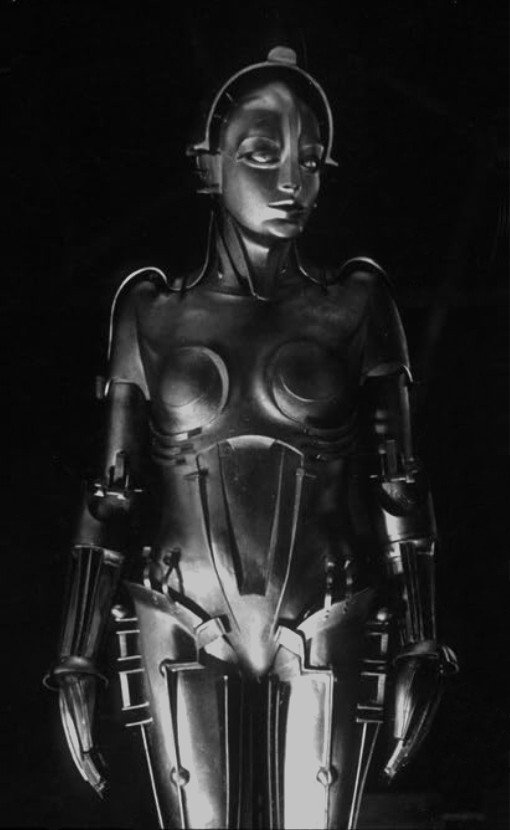
1928 フッサール(1928年7月25日最終講義)の後任としてフライ ブルク大学の教授に招聘され、就任
1929
4 月、スイスのダボスで新カント派のエル ンスト・カッシーラーとのダヴォス討論を行い、「神に存在論はない」「存在論を必要とするの は有限者だけである」と語った[152][153]。この討論にはルドルフ・カルナップも参加しており、ハイデガーに全てを物理学的用語で表現する可能 性について話すとハイデガーは賛同したという。
ハ
イデガーは、ヘルマン・コーエンは言う
におよばず、カッシーラあるいは、自分の師匠であるフッサールドイツの新カント派の、
ドイツ国内における命脈を叩いたと信じていた(ブルデュ
200:102-109)。
『カントと形而上学の問題』 (Kant und das Problem der Metaphysik、1929年)『形而上学とは何か』("Was ist Metaphysik?"、1929年)
『カントと形而上学の問題』 (Kant und das Problem der Metaphysik、1929年)は、転回なき『存在と時間』[公刊されなかった]第二部の挫折した見本作である(細谷 1997:550)「存 在と時間」の第二部を補うものとして位置付けられている(が、ハイデガー自身はそれを放棄し、草稿も焼却する)
『根 拠の本質について』で、存在論的差異すなわち、「存在」(das Sein)と「存在者」(das Seiende)の区別、あるいは存在の本質と存在するものとの差異について考える。
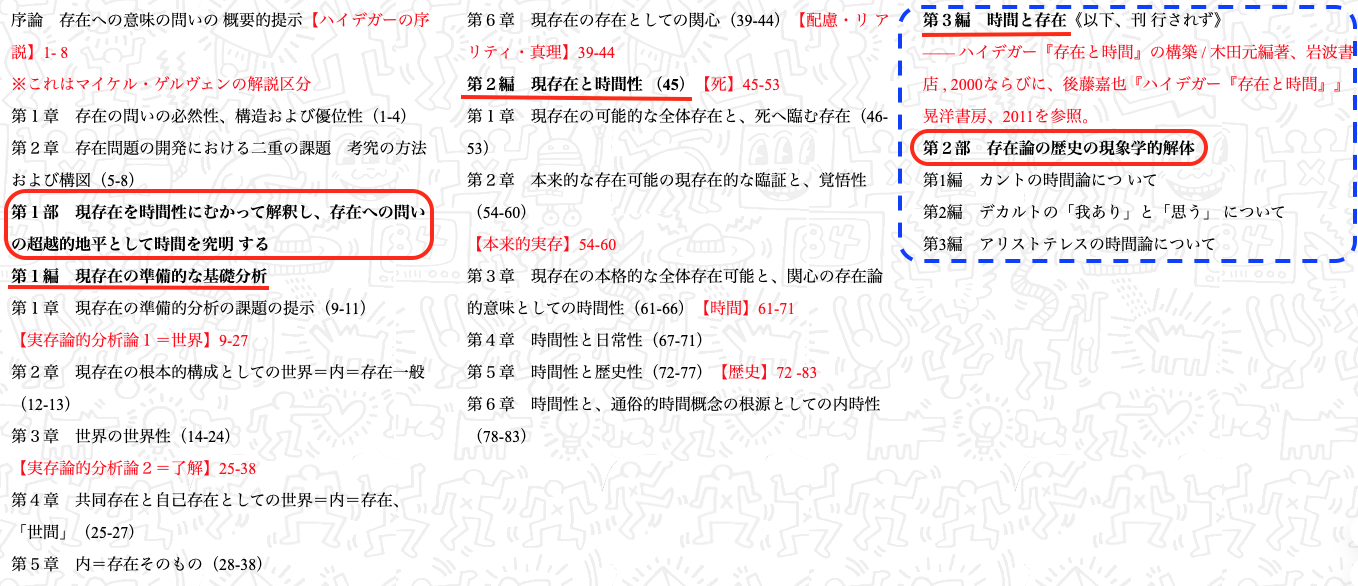
1930
1931
1931-1936
講義「物への問い」
1932
ル
ドルフ・カルナップは「言語の論理的分析による形而上学の克
服」
[477]でハイデガーの「形而上学とは何か」を批判し、形而上学は芸術
の代用品にすぎず、形而上学者は「音楽的才能のない音楽家」でしかないと批判し
た
[478]。ハイデガーは講義草稿でカルナップの哲学は「数学的科学性という見かけの下に伝統的な判断論を極端に平板化し、その根を失わせたもの」で、
「こうした種類の哲学が、ソ連の共産主義と内的にも外的にも関連しているのも、そしてアメリカにおいてその勝利を祝うことになるのも偶然ではない」と書い
ている
1933
4 月21日、ハイデガーはフラ イブルク大学総長に選出。ナチス入党。
4
月 フッサールはバーデン州の特別法令によりナチス政権の専門公務員復権法によ
り休職処分
1934 1934年4月23日の会議で 総長辞任を伝える
| 1930年代中頃 「ケーレ (Kehre)」=展開の時期 これを境にハイデガー思想を前期/後期と分けることが多い。 前期:「現存在(Dasein)」 分析、後期:存在そ のもの(Sein)への関心、ヘルダーリン詩や技術論な どでの「存在」への根本的な回帰がおこった |
1935
ハイデガー『形而上学入門』1935年講義[出版は1953年]. 1930年代中頃から「転回」がおこり、『存在と時間』(1927)以降の思想の変化を指し、1930年頃に表面化したと考えられている(「存在と時間」 から「時間から存在」へ)。ただし、ハイデガーが「転回」について言及するのは、1947年の「ヒューマニズム書簡」。 転回がしばしば、「存在と時間」 から「時間から存在」という言葉で言われるように、カント→デカルト→アリストテレスから時間すなわち歴史的な問い、つまり「存在」概念を歴史化するプロ セスの中で生じたと考えれられている。ハイデガーは「時間と存在」については、『存在と時間』 の第一部第三編で主張されるはずであったが、結局、第一部第三編も含めて、ハイデガーの第二部への出版断念というかたちで「留保」された。
1930
年代中頃、覚書「形而上学の克服」
1935 年の「ケーレ (Kehre)」以降は、初期の「現存在(Dasein)」分析から、存在そのもの(Sein)へと向け直した、すなわち「存在の問い」へのアプローチへ と切り替えたといわれる。すなわち後期では、ヘルダーリン詩や技術論などでの「存在」への根本的な回帰がおこった といわれる。
1936
1936-1940
1936
年からフライブルグ大学の講義でニーチェをとりあげるようになる(〜1940年):趣旨「ニーチェの思想を西欧的形而上学の完成として、存在の歴史から把
握する」(細谷 1997[1977]:538)
★
「ハイデガーにとってのニーチェ」を参照のこと。
1939
-1940年のニーチェ講義録
フ
ライブルグ大学「ニーチェ講義」——
ニーチェ / マルティン・ハイデガー [著] ; 薗田宗人訳, 1 : 新装版,2 : 新装版,3 : 新装版. - 東京 : 白水社 ,
1986/ 美と永遠回帰 / ハイデッガー [著] ; 細谷貞雄訳, 理想社 , 1975 .
-ヨーロッパのニヒリズム / マルティン・ハイデッガー著 ; 加藤登之男, 船橋弘訳, 平凡社 , 1997 . -
(平凡社ライブラリー, 184 . ニーチェ ; 2)/ 美と永遠回帰 / マルティン・ハイデッガー著 ; 杉田泰一, 輪田稔訳,
平凡社 , 1997 . - (平凡社ライブラリー, 179 . ニーチェ ; 1)
1937
1938
1939
1940
講義「ヨーロッパのニヒリズム」のなかで、存在論的差異(ontological difference)について議論。
In
the context of philosophy, particularly in the work of Martin
Heidegger, the "ontological difference" refers to the distinction
between "being" (das Sein) and "beings" (das Seiende), or the
difference between the fundamental nature of existence and the things
that exist.
「哲学の文脈では、特にマルティン・ハイデガーの著作において、「存在論的差異」とは、
「存在」(das Sein)と「存在者」(das Seiende)の区別、あるいは存在の本質と存在するものとの差異を指す。」
1941
「存在の歴史としての形而上学」
1942 『存在と時間』第5版ではフッサールの献辞は削除される
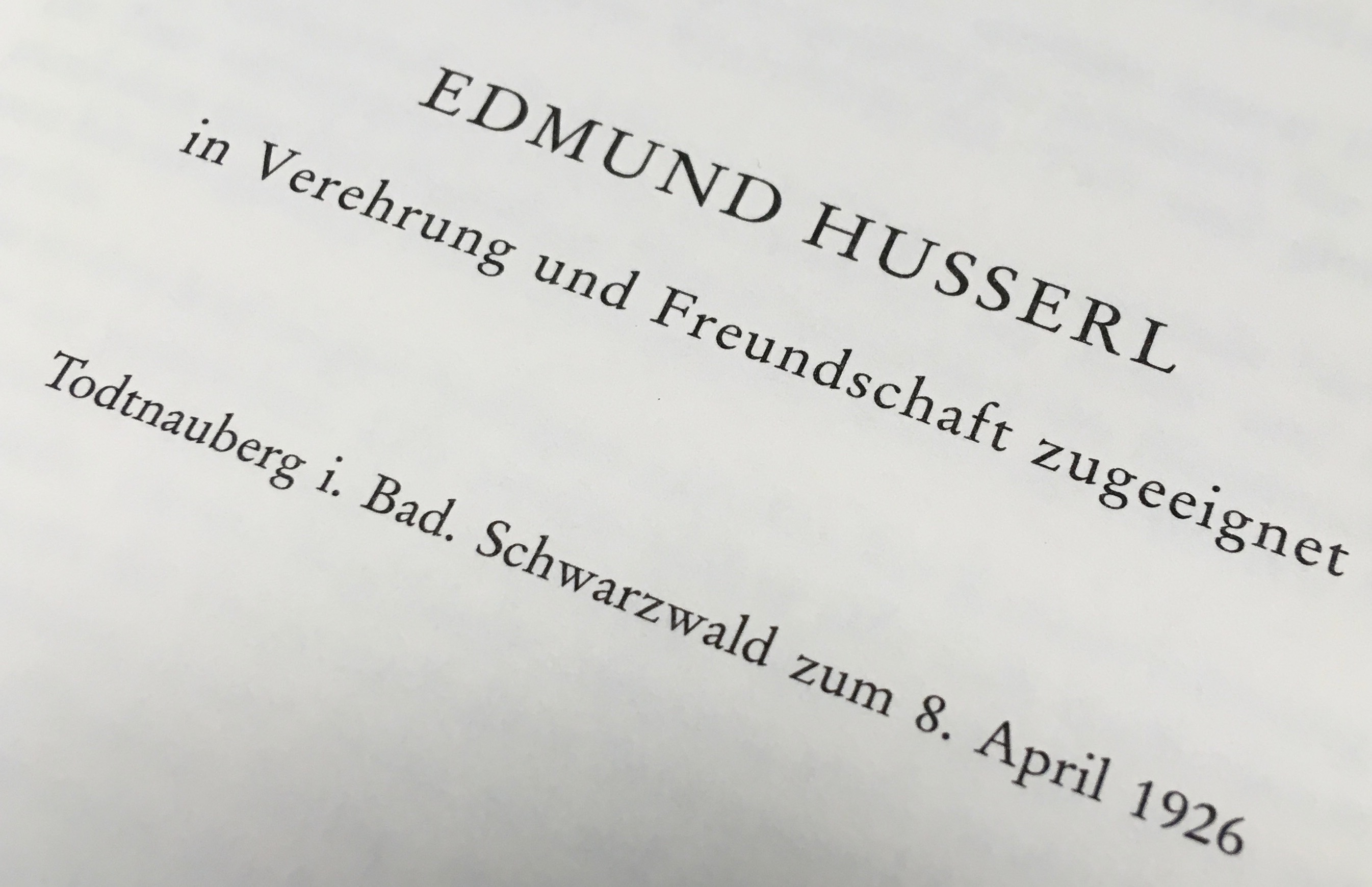
「プ
ラトンの真理論」(執筆は1930年ごろ)
1943
「真 理の本質について」(執筆は1930年ごろ)
1944
夏 学期、ヘラクレイトス講義 [287]。この講義のなかでハイデガーは「ドイツ民族が西洋の歴史的な民族でありつづけるの か、それ ともそうでないのかどうかという、このことだけが決定を迫られているのではなくて、今は大地の人間が大地もろともに危険にさらされているのであり、しかも 人間自身によってそうなのである[288]」「この惑星は炎に包まれている。人間の本質は支離滅裂になっている。ドイツ人がドイツ的なものを見出し、保持 するということが想定されるとすれば、世界史的な熟慮が生まれるのはドイツ人からのみである[289]」と語った
1945 11月から12月にかけてフラ ンス占領当局によってフライブルク大学において非ナチ化を行う純化委員会の査問を受ける。
1946
夏、 フランス軍政当局はハイデ ガーの無期限教職禁止令を指令。これは大学からの免職ではなく、研究教授としての在留を認めたもので もあった[5]。12月、バーデン州文部大臣から大学教職無期限停止令が下された。
「ア
ナクシマンドロスの発言」——「存在の終末論」の発言
1947
「ヒューマニズムについての書簡」(→存在忘却)
1949
11
月から「ヨーロッパユダヤ
文化再建委員会」のナチス略奪文化財の調査で訪欧していたハンナ・アーレントが、ヤスパースに会ったあ
と、1950年1月にフライブルクを訪問し、ハイデガーと会った[328]。ハイデガーはアーレントのホテルを訪れ、またハイデガーの家では妻エル
フレーデと三人で会ったが、諍いとなった
1950
論
文集『森の道』で「《神は死せり》というニーチェの言葉」論文(ニーチェの言葉「神は死せり」 ; ヘーゲルの「経驗」概念 / ハイデッガー [著]
; 細谷貞雄訳, 東京 : 理想社 , 1954.10. - (ハイデッガー選集 / マルティン・ハイデッガー著 ; 2))
1951
復 職し、退官教授
「ヘ
ルダーリンの詩の注釈」(執筆は1936年から1943年)
1952
5 月19日、ハンナ・アーレン トは再びフライブルクを訪問し、ハイデガーと会った[335]。6月6日の夫への手紙でハイデガー の講義はすばらしいものであったが、その妻とは悶着をおこし、ハイデガーの5万ページの未発表原稿は「本来ならそれを彼女(妻エルフレーデ)が数年のあ いだにスムーズにタイプすることができていたはず」なのにしなかった、ハイデガーが頼れるのは弟だけと報告している。
1953
(講 義録)『形而上学入門』が マックス・ニーマイヤー書店より再刊される。当時24歳の学生ユルゲン・ハーバーマスは「『存在と時 間』の魅力に 取り憑かれていただけに、文体の隅々までファシズム的なものの染み込んでいるこの講 義を読んで大きなショックを受け」、「ハイデガーとハイデガーに対 して考える」を1953年7月25日フランクフルター・アルゲマイネ・ツァイトゥング紙上に発表し「この運動の内的真理と偉大さ」という文中での表現に ついて注釈も序文での説明もないまま刊行したハイデガーを「ファシスト的知性」と非難し、「数百万人の人間に対する、今日我々みなが知っている計画的な 殺人も、運命的な迷誤として存在史的に理解することができるというのだろうか。それは帰責能力をもって殺人を行った人々の実際の犯罪ではないのか。それに 対しては、一つの民族全体が良心の呵責を感じねばならぬのではないのか」と質問した。
1953 1927年の初版以来『存在と時間』の冒頭には「上巻」の文字
があったが、ハイデガーは1953年の第7版からこれを削除。
1957 『同一性と差異性』(同一性の
命題、形而上学の存在=神=論的様態)
1961
ニー
チェの講義録(939-1940)が出版される(Neske)
1962
論
文「存在についてのカントのテーゼ」
1963
1964
1965
1966
1967
7 月24日、詩人パウル・ツェ ランがフライブルク大学で朗読会を開き、ハイデガーも聴衆としており、翌日7月25日、トートナウベ ルクのハイデガー山荘を訪れた[371]。ツェランから詩を送られたハイデガーは1968年1月30日付礼状書簡で「私は幾つかのことはまだ、いつの 日か、無-言を脱して対話に入れるものと思っています」と書いた[372]。1967年、ハンナ・アレントがハイデガーを訪問。
1969 ハンナ・アレントが夫ハインリ ヒ・ブリューヒャーとハイデガーを訪問し、それからは毎年のようにハイデガー宅を訪問する
1976 5月26日死去
死 後公開された「シュピーゲル」紙のインタビューで、1933年4月21日、ハイデガーはフラ イブルク大学総長に選出。ナチス入党は、自分の哲学とその実践に結びつくと主張して、物議を醸した(川原栄峰訳『形而上学入門』に収載)。
1987
チ リ出身のユダヤ人哲学者の ヴィクトル・ファリアス(Víctor Farías, b. 1940)は、Heidegger y el Nazismo, を出版し、それが翻訳されて、ヨーロッパで大スキャンダルになる。ガダマーやデリダ『精神について』は、ファリアスのハイデガーの読みを批判することで批 判し、ハイデガーの反ユダヤ主義はすでに知ら れて問題にならずとした。ハイデガーを生粋のファシストとしたい派と、ハイデガーの哲学上のゆるぎない業績と、ハイデガーの「世俗的で矮小な」アイヒマン 的なナチへ関与には関心のない「哲学ユートピア」派に、無残にも別れてしまった。ハイデガーの詳細な伝記を書いたザフランスキーも、擁護派に回っている。 それぐらい、ハイデガーの思想は偉大ということか?
1988
L'ontologie politique de Martin Heidegger / Pierre Bourdieu, Paris : Éditions de Minuit , c1988.
1989
マー ルブルク大学と同時期にや はりハイデガーを招聘しようとしていたゲッティンゲン大学のゲオルク・ミッシュに提出した同内容の論 考が発見され、その内容から「ナトルプ報告」が『存在と時間』の初期草稿であるとする推測の正しかったことが証明。
ハ
イデガー生誕百周年記念『哲学への寄与 Beiträge zur Philosophie (Vom Ereignis)』公刊される(英訳:Contributions to
Philosophy (Of the Event) )1936-1939年までの草稿で、遺稿として生前公刊を本人が禁じて
いた。前期の主著が『存在と時間』だとすれば後期の主著『哲学への寄与』と見なされる。
2013
ヴィッ トリオ・クロスターマン 社全集94-96巻に掲載されたハイデガーが1930年代から1970年代にかけて書き続けた手稿 「黒ノート」に反ユダヤ主義についての箇所があることが問題に。ジャン=リュック・ナンシーのみが、一番まともで、「ハイデガーのナチス協力とナチスへの信 奉はゆるぎないもので、誰も知っていたことで、ハイデガーが反ユダヤ主義に加担したことは1950年代から知られていたし、ハイデガーの限界とは我々 の限界でもある」と論じた Jean-Luc Nancy,Faust Kultur,2014
2014
リンク
リンク
文献
その他の情報
Copyleft, CC, Mitzub'ixi Quq Chi'j, 2019
Do not paste, but
[Re]Think our message for all undergraduate
students!!!
++
Copyleft, CC, Mitzub'ixi Quq Chi'j, 1996-2099

☆
 ☆
☆