クリフォード・ギアーツ『文化の解釈』ノート
Reading for
Clifford Geertz's work, The Interpretation of Cultures, 1973
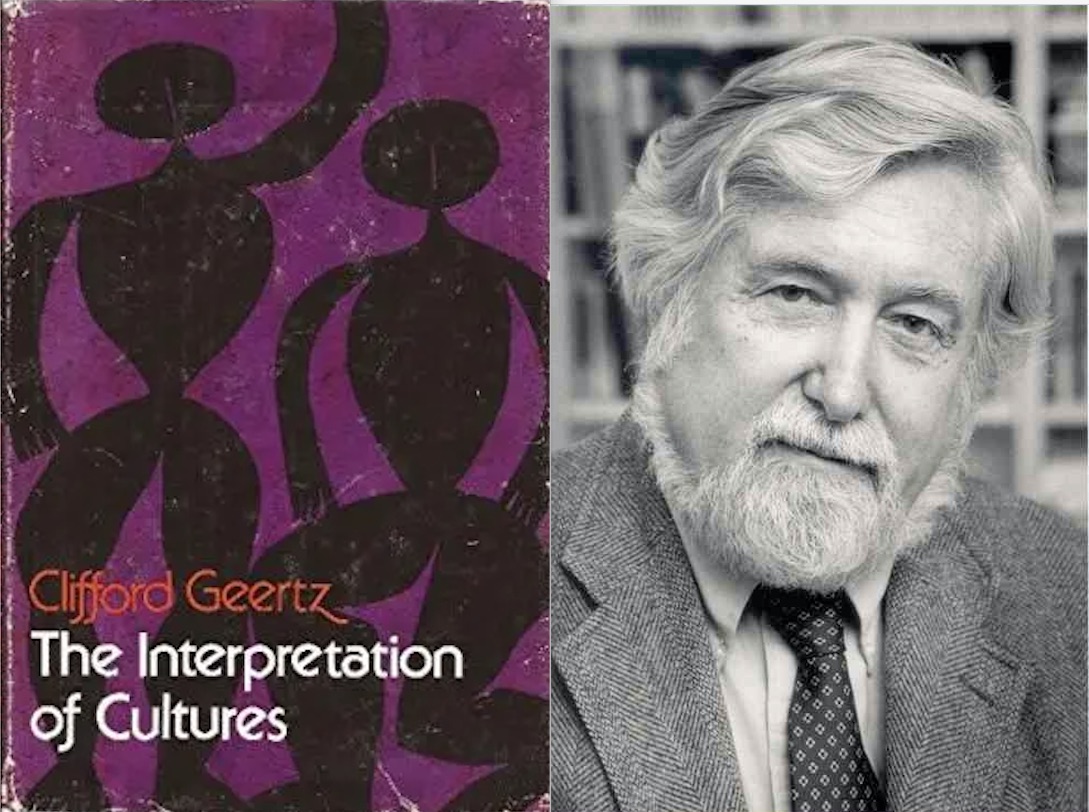
クリフォード・ギアーツ『文化の解釈』ノート
Reading for
Clifford Geertz's work, The Interpretation of Cultures, 1973
解説:池田光穂
◆ クリフォー ド・ギアーツ『文化の解釈』1973:各章のタイトルは邦訳によりました
|
★The Interpretation of Cultures: Selected Essays, 1973 - ウィキペディア(英語)による中途半端な解説
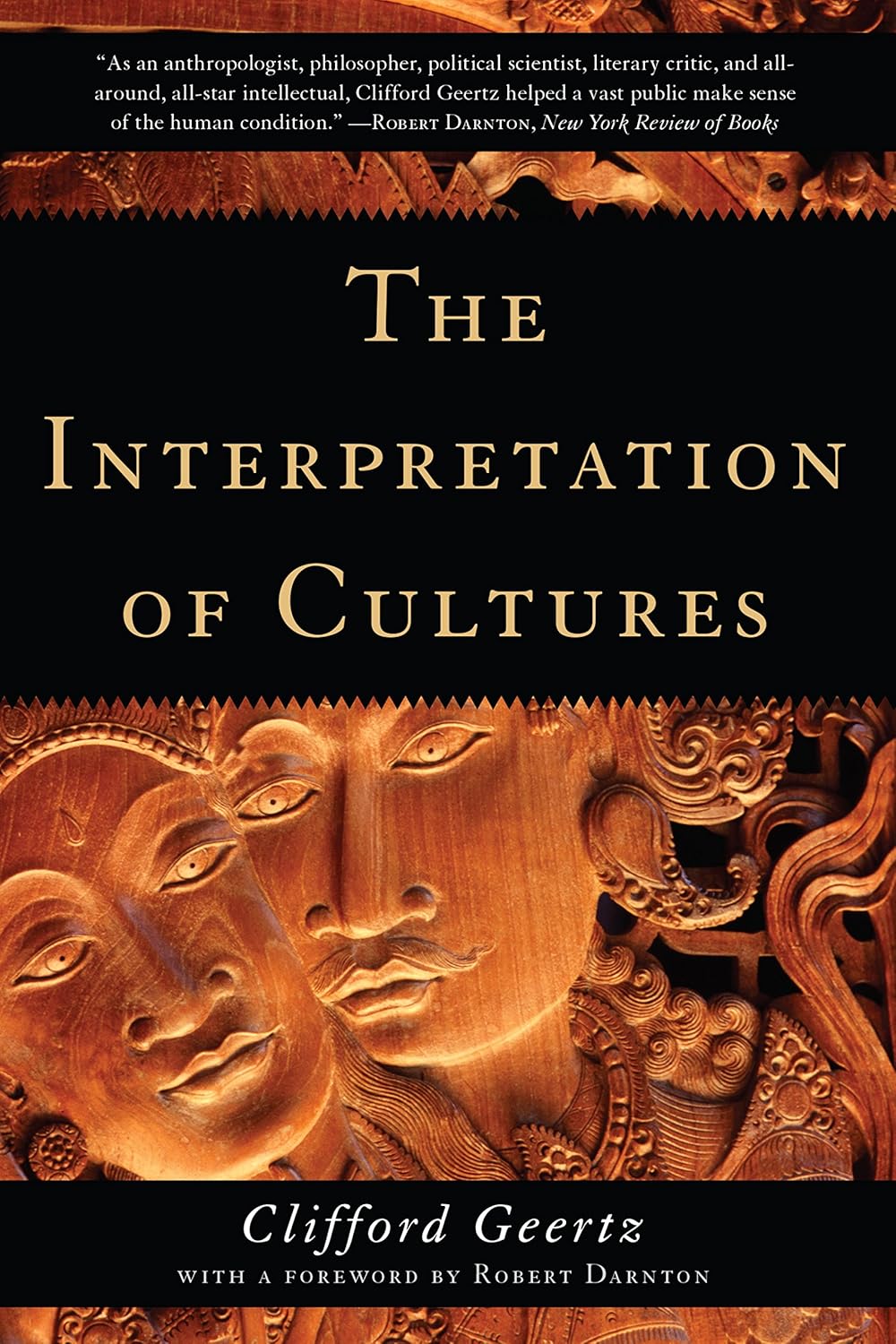
| The Interpretation of Cultures: Selected Essays
is a 1973 book by the American anthropologist Clifford Geertz. The book
is a foundational text in cultural anthropology and represents Geertz’s
vision of how culture should be studied and understood. The essays
collectively argue for a new approach to anthropology, one that
emphasizes the interpretive analysis of culture, which Geertz describes
as “webs of significance” spun by humans themselves. The book was
listed in the Times Literary Supplement as one of the 100 most
important publications since World War Two.[1] |
『文化の解釈:選集』は、アメリカの人類学者クリフォード・ギアーツに
よる1973年の著作である。本書は文化人類学の基礎的なテキストであり、文化をいかに研究し理解すべきかというギアーツの視座を表している。各論考は総
合的に、人類学への新たなアプローチを主張する。それは文化の解釈的分析を重視するものであり、ギアーツはこれを人間自身が紡ぐ「意味の網」と表現してい
る。本書は『タイムズ・リテラリー・サプリメント』において、第二次世界大戦以降の最も重要な出版物100冊の一つに選ばれた。 |
| Key Concepts The key contribution of The Interpretation of Cultures is Geertz's idea of thick description, a method of qualitative research that involves deeply detailed descriptions of cultural activities in their context. This approach goes beyond merely cataloging behaviors or rituals, seeking instead to understand the complex layers of meaning embedded within these activities. Thick description allows researchers to capture the rich detail that brings cultural practices to life, making them comprehensible to outsiders. Geertz also redefined the concept of culture itself, arguing that culture is not a set of behaviors or practices that can be objectively observed but a system of symbols and meanings that are interpreted and understood differently within each cultural context. He famously stated that humans are “suspended in webs of significance” they themselves have spun, with culture being these webs, and anthropology's role as interpreting their meanings. |
主要概念 『文化の解釈』の核心的な貢献は、ギアーツの「厚い記述」という概念である。これは文化的活動を文脈の中で詳細に描写する質的調査法だ。この手法は単なる 行動や儀礼の分類を超え、活動に埋め込まれた複雑な意味の層を理解しようとする。厚い記述は研究者が文化的実践を生き生きと再現する豊かな詳細を捉え、外 部者にも理解可能にする。 ギアーツはまた文化そのものの概念を再定義し、文化とは客観的に観察可能な行動や慣行の集合体ではなく、各文化的文脈において異なる解釈と理解がなされる 記号と意味の体系であると主張した。彼は有名な言葉で、人間は自ら紡いだ「意味の網」の中に浮かんでいると述べ、文化とはこの網そのものであり、人類学の 役割はその意味を解釈することだとした。 |
| Religion and Ideology as Cultural Systems Geertz’s essays also explore the concept of religion and ideology as cultural systems. He proposes that religion provides a framework for understanding what is “really real” to its adherents, serving to order the world in ways that make life’s ambiguities, puzzles, and paradoxes manageable. In this view, religious symbols function to synthesize a society’s ethos (the moral and aesthetic aspects of life) with their worldview (the existential order). Similarly, Geertz views ideology as a cultural system that provides individuals with symbolic frameworks for interpreting their social and political environments. Ideologies, according to Geertz, help individuals navigate the complexities of social life, offering selective solutions to specific problems and often simplifying or exaggerating aspects of social reality. This perspective highlights the importance of understanding the symbolic dimensions of ideology in order to grasp its influence on social and political life. |
宗教とイデオロギーとしての文化システム ギアーツの論文はまた、宗教とイデオロギーを文化システムとして捉える概念を探求している。彼は、宗教が信者にとって「真に現実的なもの」を理解するため の枠組みを提供し、人生の曖昧さや難題、逆説を扱いやすくする形で世界を秩序づける役割を果たすと提唱する。この見解では、宗教的象徴は社会の精神(生活 の道徳的・美的側面)と世界観(実存的秩序)を統合する機能を持つ。 同様に、ギアーツはイデオロギーを、個人が社会的・政治的環境を解釈するための象徴的枠組みを提供する文化システムと見なす。ギアーツによれば、イデオロ ギーは個人が社会生活の複雑さを乗り切る手助けをし、特定の問題に対して選択的な解決策を提供し、しばしば社会的現実の側面を単純化または誇張する。この 視点は、イデオロギーが社会的・政治的生活に及ぼす影響を把握するために、その象徴的側面を理解することの重要性を強調している。 |
| Influence Geertz was awarded the Sorokin Award in 1974 by the American Sociological Association "for his brilliant essays on The Interpretation of Cultures."[2] The book is considered to be influential within the anthropological discipline, particularly in terms of the discussion of thick description as a construct for examining social phenomena. The Interpretation of Cultures significantly influenced the field of anthropology by shifting the focus towards a more interpretive approach to understanding cultures. Geertz's work helped to move anthropology away from the search for universal laws of human behavior and towards a more nuanced understanding of how cultural meanings are constructed and maintained within specific contexts.[3] This book has been highly influential not only in anthropology but also in related fields such as sociology, cultural studies, and literary theory. It introduced a method of analysis that has been widely adopted in qualitative research across the social sciences. The concept of thick description has become a cornerstone of ethnographic research, emphasizing the importance of context in understanding cultural practices. Geertz’s ideas also laid the groundwork for what would later be known as symbolic or interpretive anthropology, a school of thought that has had a lasting impact on the study of culture. |
影響 1974年、アメリカ社会学会はギアーツに「『文化の解釈』における卓越した論考」に対してソロキン賞を授与した[2]。この著作は人類学分野において、特に社会現象を考察する枠組みとしての「厚い記述」論議の観点から、影響力があると見なされている。 『文化の解釈』は、文化理解への焦点をより解釈的なアプローチへ移行させることで人類学分野に多大な影響を与えた。ギアーツの著作は、人類学を人間行動の 普遍的法則の探求から離れ、特定の文脈内で文化的意味が如何に構築・維持されるかのより微妙な理解へと導く一助となった。 本書は人類学のみならず、社会学、文化研究、文学理論などの関連分野においても極めて影響力がある。本書は社会科学全般の質的研究で広く採用される分析手法を導入した。「厚い記述」の概念は民族誌研究の礎となり、文化的実践を理解する上で文脈の重要性を強調している。 ギアーツの思想は後に象徴的人類学あるいは解釈的人類学として知られる学派の基盤を築き、文化研究に永続的な影響を与えた。 |
| Reception Upon its publication, The Interpretation of Cultures was met with critical acclaim and became a foundational text in cultural anthropology. It was praised for its innovative approach and for providing a comprehensive framework for understanding culture through symbols and meanings. However, it has also faced criticism, particularly regarding the complexity and sometimes opaque nature of Geertz’s prose, which some have found difficult to follow.[3] |
受容 『文化の解釈』は出版されると批評家の称賛を浴び、文化人類学の基礎的なテキストとなった。その革新的なアプローチと、象徴や意味を通じて文化を理解する ための包括的な枠組みを提供した点が評価された。しかし一方で、特にギアーツの文章の複雑さや時に難解な性質について批判も受けた。一部の人々は彼の文章 を理解するのが難しいと感じたのである。[3] |
| Editions The book was first published in 1973 by Basic Books and has since been reprinted several times. A second edition was released in 2000, which includes a new preface by Geertz.[3] |
版 この本は1973年にベーシック・ブックスから初版が刊行され、その後数回にわたり再版されている。2000年には第二版が発行され、ギアーツによる新たな序文が収録されている。[3] |
| "Deep Play: Notes on the Balinese Cockfight" |
深い遊び:バリの闘鶏についての記録 |
| References 1. Yarrow, Andrew (November 2006). "Clifford Geertz, Cultural Anthropologist, Is Dead at 80". New York Times. Archived from the original on 23 February 2018. Retrieved 16 June 2012. 2. ""Sorokin Award to Geertz and Jencks," ASA Footnotes, Vol. 2, No. 8 (American Sociological Association, 1974): 3" (PDF). Archived (PDF) from the original on 2018-06-27. Retrieved 2018-06-27. 3. Dadze-Arthur, Abena (2017). An Analysis of Clifford Geertz's The Interpretation of Cultures. Macat Library. ISBN 978-1-912302-06-2. |
参考文献 1. アンドルー・ヤロウ (2006年11月). 「文化人類学者クリフォード・ギアーツ、80歳で死去」. ニューヨーク・タイムズ. 2018年2月23日にオリジナルからアーカイブ. 2012年6月16日に取得. 2. 「ソローキン賞、ギアーツとジェンクスに授与」『ASA Footnotes』第2巻第8号(アメリカ社会学会、1974年):3(PDF)。2018年6月27日にオリジナルからアーカイブ(PDF)。2018年6月27日に取得。 3. Dadze-Arthur, Abena (2017). 『クリフォード・ギアーツの「文化の解釈」の分析』. Macat Library. ISBN 978-1-912302-06-2. |
| https://en.wikipedia.org/wiki/The_Interpretation_of_Cultures |
リンク
【テキスト】
***
Copyleft, CC, Mitzub'ixi Quq Chi'j, 1996-2099

☆
 ☆
☆