エンゲルス「弁証法:否定の否定」
Dialectics, Negation of the Negation,
In Anti-Dühring by Frederick Engels 1877
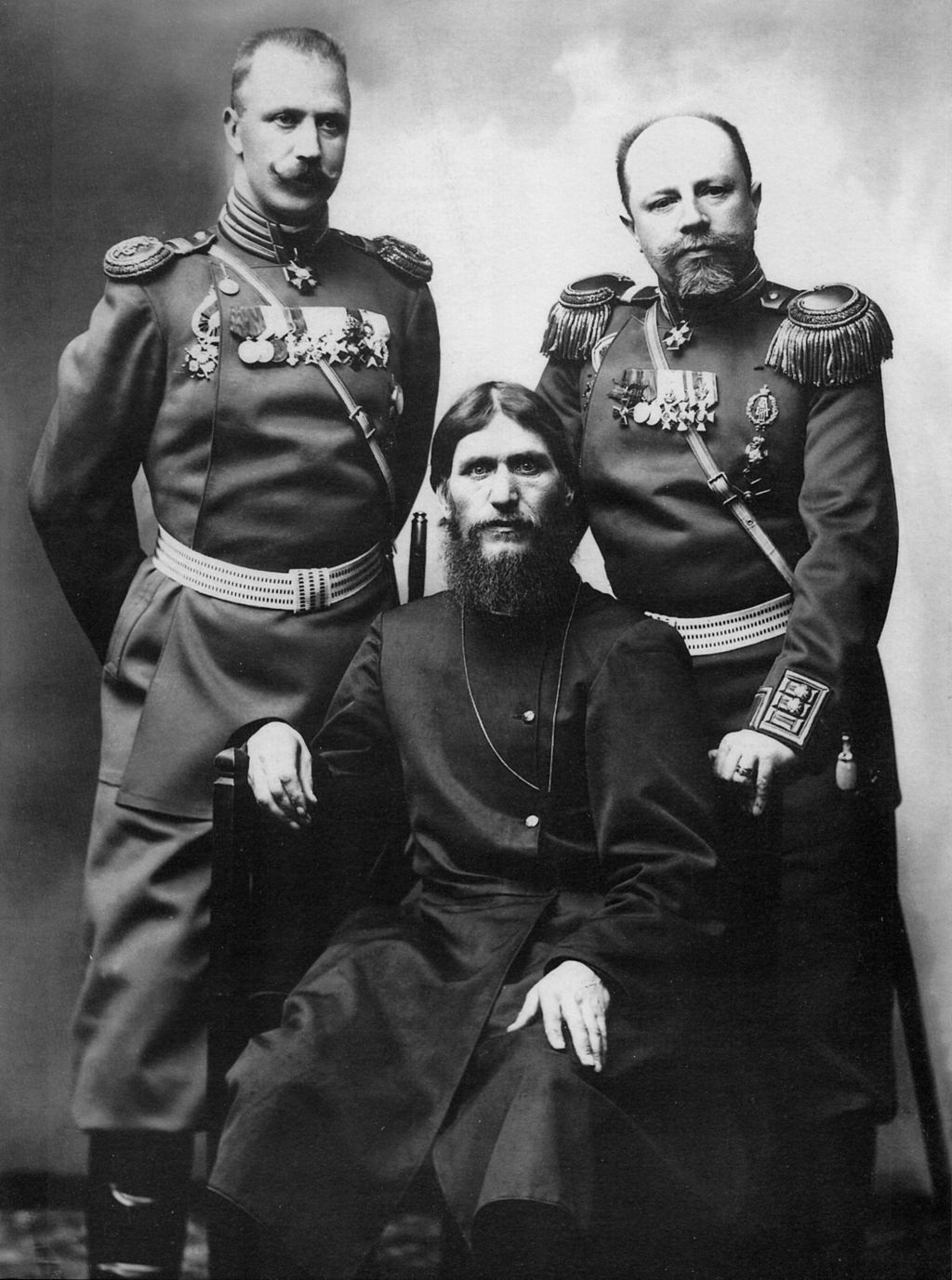
エンゲルス「弁証法:否定の否定」
Dialectics, Negation of the Negation,
In Anti-Dühring by Frederick Engels 1877
★XIII. Dialectics. Negation of the Negation, Anti-Dühring by Frederick Engels 1877, Part I: Philosophy より
| Introduction:
“This historical sketch” (of the genesis of the so-called primitive
accumulation of capital in England) “is relatively the best part of
Marx's book, and would be even better if it had not relied on the
dialectical crutch to help out its scholarly crutch. The Hegelian
negation of the negation, in default of anything better and clearer,
has in fact to serve here as the midwife to deliver the future from the
womb of the past. The abolition of ‘individual property’, which since
the sixteenth century has been effected in the way indicated above, is
the first negation. It will be followed by a second, which bears the
character of a negation of the negation and hence of a restoration of
‘individual property’, but in a higher form, based on the common
ownership of land and of the instruments of labour. Herr Marx calls
this new ‘individual property’ also ‘social property’, and in this
there appears the Hegelian higher unity, in which the contradiction is
supposed to be sublated, that is to say, in the Hegelian verbal
jugglery, both overcome and preserved... According to this, the
expropriation of the expropriators is, as it were, the automatic result
of historical reality in its materially external relations... It would
be difficult to convince a sensible man of the necessity of the common
ownership of land and capital, on the basis of credence in Hegelian
wordjuggling such as the negation of the negation {D. K. G. 502-03}...
The nebulous hybrids of Marx’s conceptions will not however appear
strange to anyone who realises what nonsense can be concocted with
Hegelian dialectics as the scientific basis, or rather what nonsense
must necessarily spring from it. For the benefit of the reader who is
not familiar with these artifices, it must be pointed out expressly
that Hegel’s first negation is the catechismal idea of the fall from
grace and his second is that of a higher unity leading to redemption.
The logic of facts can hardly be based on this nonsensical analogy
borrowed from the religious sphere {504} ... Herr Marx remains
cheerfully in the nebulous world of his property which is at once both
individual and social and leaves it to his adepts to solve for
themselves this profound dialectical enigma” {505} |
【解説】「この歴史的概説」(いわゆるイギリスの資本の原
始的蓄積の起源に関する)は「マルクスの著作の中で比較的優れた部分であり、学問的支えを補うために弁証法的支えに頼らなければ、さらに優れたものとなっ
たであろう。より良く明確なものが欠けているため、ヘーゲルの否定の否定は、実際にここで助産婦の役目を果たし、過去の子宮から未来を産み落とす必要があ
るのだ。16世紀以降、上述の方法で達成されてきた『個人所有』の廃止が第一の否定である。これに続く第二の否定は、否定の否定、すなわち『個人所有』の
回復という性格を持つが、それは土地と労働手段の共同所有に基づくより高い形態での回復である。マルクスはこの新たな「個人所有」を「社会的所有」とも呼
ぶ。ここにヘーゲル的な高次の統一が現れる。すなわち、矛盾が揚棄される、つまりヘーゲル的な言葉の魔術において、矛盾が克服されつつも保存されるという
状態である...
これによれば、収奪者たちの収奪は、いわば歴史的現実の物質的外部関係における自動的な帰結である…ヘーゲル的言葉の魔術―例えば否定の否定といったもの
―を根拠として、土地と資本の共同所有の必要性を理性ある者に納得させるのは困難であろう{D. K. G. 502-03}…
しかしマルクスの概念がもたらす曖昧な混成物は、ヘーゲル弁証法を科学的基盤としてどんなナンセンスが捏造されるか、あるいはむしろそこから必然的にどん
なナンセンスが湧き出るかを理解する者にとって、決して奇妙には映らないだろう。これらの技巧に不慣れな読者のために、ヘーゲルの第一否定は「堕落」とい
う教理問答的な概念であり、第二否定は「贖罪」へと至る高次の統一性である点を明示しておかねばならない。事実の論理が、宗教領域から借りたこの無意味な
類推に基盤を置くことはまずありえない{504}...マルクス氏は、個人的でありながら同時に社会的な、自身の所有物という曖昧な世界に快活に留まり、
この深遠な弁証法的難題を自ら解くことを信奉者たちに委ねているのだ{505} |
| Contents |
ここから本文 |
| Thus far Herr Dühring. So Marx has no other way of proving the necessity of the social revolution, of establishing the common ownership of land and of the means of production produced by labour, except by citing the Hegelian negation of the negation; and because he bases his socialist theory on these nonsensical analogies borrowed from religion, he arrives at the result that in the society of the future there will be dominant an ownership at once both individual and social, as Hegelian higher unity of the sublated contradiction. But let the negation of the negation rest for the moment and let us have a look at the “ownership” which is “at once both individual and social”. Herr Dühring characterises this as a “nebulous world”, and curiously enough he is really right on this point. Unfortunately, however, it is not Marx but again Herr Dühring himself who is in this nebulous world. Just as his dexterity in handling the Hegelian method of “delirious raving” {D. Ph. 227, 449} enabled him without any difficulty to determine what the still unfinished volumes of Capital are sure to contain, so here, too, without any great effort he can put Marx right à la Hegel, by imputing to him the higher unity of a property, of which there is not a word in Marx. Marx says: “It is the negation of negation. This re-establishes individual property, but on the basis of the acquisitions of the capitalist era, i.e., on co-operation of free workers and their possession in common of the land and of the means of production produced by labour. The transformation of scattered private property, arising from individual labour, into capitalist private property is, naturally, a process, incomparably more protracted, arduous, and difficult, than the transformation of capitalistic private property, already practically resting on socialised production, into socialised property.” [K. Marx, Das Kapital, p. 793.] [Capital, volume I, Chapter 33, page 384 in the MIA pdf file.] That is all. The state of things brought about by the expropriation of the expropriators is therefore characterised as the re-establishment of individual property, but on the basis of the social ownership of the land and of the means of production produced by labour itself. To anyone who understands plain talk this means that social ownership extends to the land and the other means of production, and individual ownership to the products, that is, the articles of consumption. And in order to make the matter comprehensible even to children of six, Marx assumes on page 56 [Chapter 1, page 48 in the MIA pdf] “a community of free individuals, carrying on their work with the means of production in common, in which the labour-power of all the different individuals is consciously applied as the combined labour-power of the community”, that is, a society organised on a socialist basis; and he continues: “The total product of our community is a social product. One portion serves as fresh means of production and remains social. But another portion is consumed by the members as means of subsistence. A distribution of this portion amongst them is consequently necessary.” And surely that is clear enough even for Herr Dühring, in spite of his having Hegel on his brain. |
以上がデューリングの主張である。 したがってマルクスは、社会的革命の必然性を証明し、土地と労働によって生み出された生産手段の共同所有を確立する手段として、ヘーゲルの否定の否定を引 用する以外に方法を持たない。そして彼は、宗教から借りたこの無意味な類推に基づいて社会主義理論を構築するため、未来の社会では、ヘーゲル的な否定され た矛盾のより高い統一として、個人所有と社会所有が同時に支配する所有形態が成立するという結論に達するのだ。 しかし否定の否定はひとまず置いておき、「個人所有でありながら同時に社会所有でもある」という「所有権」を見てみよう。デューリング氏はこれを「霧の世 界」と特徴づけているが、奇妙なことにこの点では彼は本当に正しい。しかし残念ながら、この霧の世界にいるのはマルクスではなく、またしてもデューリング 氏自身なのだ。ヘーゲル流の「妄言」{D. Ph. 227, 449}という手法を巧みに操る手腕によって、未完の『資本論』に必ず含まれる内容を難なく断定できたように、ここでも彼は大した労もなく、ヘーゲル流に マルクスを正すことができる。つまり、マルクスの著作には一言も触れられていない所有権のより高い統一性を、彼に帰属させるのだ。 マルクスは言う。「それは否定の否定である。これは個人所有を再確立するが、資本主義時代の獲得物、すなわち自由な労働者たちの協同と、労働によって生み 出された土地及び生産手段の共同所有を基盤として行われるのだ。個々の労働から生じる分散した私有財産が資本主義的私有財産へと変容する過程は、当然なが ら、すでに実質的に社会化された生産の上に立つ資本主義的私有財産が社会化された財産へと変容する過程よりも、比較にならないほど長く、困難で、厄介なも のである。」 [K. Marx, Das Kapital, p. 793.] [Capital, volume I, Chapter 33, page 384 in the MIA pdf file.]以上である。したがって、収奪者たちの収奪によってもたらされた状況は、土地と労働によって生み出された生産手段の社会的所有を基盤とした、 個人所有の再確立として特徴づけられる。平易な言葉で理解できる者にとって、これは社会的所有が土地とその他の生産手段に及び、個人所有が生産物、すなわ ち消費財に及ぶことを意味する。そしてこの問題を六歳の子供にも理解できるようにするため、マルクスは56ページ[MIA PDF版第1章48ページ]において「生産手段を共有して労働を行う自由な異なる個人の共同体」を想定する。すなわち社会主義的基盤で組織された社会であ る。彼は続けて述べる: 「我々の共同体の総生産物は社会的生産物である。その一部は新たな生産手段として機能し、社会的生産物のままである。しかし別の部分は構成員によって生活 手段として消費される。したがってこの部分の分配が必要となる」と述べている。ヘーゲルの思想に囚われているデュリング氏でさえ、これなら十分に理解でき るはずだ。 |
| The
property which is at once both individual and social, this confusing
hybrid, this nonsense which necessarily springs from Hegelian
dialectics, this nebulous world, this profound dialectical enigma,
which Marx leaves his adepts to solve for themselves — is yet another
free creation and imagination on the part of Herr Dühring. Marx, as an
alleged Hegelian, is obliged to produce a real higher unity, as the
outcome of the negation of the negation, and as Marx does not do this
to Herr Dühring's taste, the latter has to fall again into his higher
and nobler style, and in the interests of complete truth impute to Marx
things which are the products of Herr Dühring's own manufacture. A man
who is totally incapable of quoting correctly, even by way of
exception, may well become morally indignant at the “Chinese erudition”
{D. K. G. 506} of other people, who always quote correctly, but
precisely by doing this “inadequately conceal their lack of insight
into the totality of ideas of the various writers from whom they
quote”. Herr Dühring is right. Long live historical depiction in the
grand style {556}! Up to this point we have proceeded from the assumption that Herr Dühring's persistent habit of misquoting is done at least in good faith, and arises either from his total incapacity to understand things or from a habit of quoting from memory — a habit which seems to be peculiar to historical depiction in the grand style, but is usually described as slovenly. But we seem to have reached the point at which, even with Herr Dühring, quantity is transformed into quality. For we must take into consideration in the first place that the passage in Marx is in itself perfectly clear and is moreover amplified in the same book by a further passage which leaves no room whatever for misunderstanding; secondly, that Herr Dühring had discovered the monstrosity of “property which is at once both individual and social” {505} neither in the critique of Capital, in the Ergänzungsblätter which was referred to above, nor even in the critique contained in the first edition of his Kritische Geschichte, but only in the second edition — that is, on the third reading of Capital; further, that in this second edition, which was rewritten in a socialist sense, it was deemed necessary by Herr Dühring to make Marx say the utmost possible nonsense about the future organisation of society, in order to enable him, in contrast, to bring forward all the more triumphantly — as he in fact does — “the economic commune as described by me in economic and juridical outline in my Cursus” {504} — when we take all this into consideration, we are almost forced to the conclusion that Herr Dühring has here deliberately made a “beneficent extension” of Marx's idea — beneficent for Herr Dühring. |
個人と社会の両方を同時に備えたこの性質、この紛らわしい
混成物、ヘーゲル弁証法から必然的に生じるこのナンセンス、この曖昧な世界、この深遠な弁証法的難題——マルクスはこれを弟子たちに自ら解かせた——は、
デュリング氏のまた別の自由な創作と想像に過ぎない。マルクスは、いわゆるヘーゲル主義者として、否定の否定の結果として真に高次の統一を生み出す義務を
負っている。しかしマルクスがデューリング氏の好みに沿ってこれを実行しないため、同氏は再び自らの高尚で高貴な様式に陥らざるを得ず、完全なる真実のた
めに、マルクスにデューリング氏自身の創作物である事柄を帰属させざるを得ない。例外的にすら正確に引用することが全くできない人物が、常に正確に引用す
る他人の「中国的な博識」{D. K. G.
506}に対して道徳的に憤慨するのは当然である。なぜなら、彼らはまさにこの正確な引用によって「引用する様々な著者の思想の全体性に対する洞察力の欠
如を不十分に隠蔽している」からである。デューリング氏は正しい。壮大な様式による歴史的描写万歳!{556} ここまで我々は、デューリング氏の執拗な誤引用癖が少なくとも善意に基づくものであり、物事を理解する能力の完全な欠如か、あるいは記憶による引用という 習慣——壮大な様式による歴史的描写に特有の習慣だが、通常はだらしなさと評されるもの——に起因すると仮定してきた。しかし我々は、デューリング氏にお いても、量から質への転化が起こった段階に到達したようだ。なぜなら第一に、マルクスの当該箇所自体が極めて明快であり、さらに同書内で誤解の余地を全く 残さない別の箇所によって補足されていることを考慮せねばならない。第二に、デューリング氏が「個人所有でありながら同時に社会所有でもある」という怪物 を発見したのは {505} という怪物を、『資本論』批判においても、前述の補遺においても、彼の『批判的歴史』初版に含まれる批判においても発見せず、第二版、すなわち『資本論』 を三度目に読んだ際に初めて発見したという事実を。さらに、この第二版(社会主義的観点で書き直されたもの)において、デューリング氏は、対照的に自らの 主張——すなわち『経済学講義』で経済的・法的な概要を述べた「経済共同体」——をより勝利的に提示するために、マルクスに社会の将来組織について可能な 限り荒唐無稽な主張をさせることが必要だと考えたのである。{504}——これら全てを考慮に入れると、デュリング氏がここでマルクスの思想を意図的に 「有益な拡張」した——デュリング氏にとって有益な——という結論に至らざるを得ない。 |
| But
what role does the negation of the negation play in Marx? On page 791
and the following pages he sets out the final conclusions which he
draws from the preceding fifty pages of economic and historical
investigation into the so-called primitive accumulation of capital.
[62] Before the capitalist era, petty industry existed, at least in
England, on the basis of the private property of the labourer in his
means of production. The so-called primitive accumulation of capital
consisted there in the expropriation of these immediate producers, that
is, in the dissolution of private property based on the labour of its
owner. This became possible because the petty industry referred to
above is compatible only with narrow and primitive bounds of production
and society and at a certain stage brings forth the material agencies
for its own annihilation. This annihilation, the transformation of the
individual and scattered means of production into socially concentrated
ones, forms the prehistory of capital. As soon as the labourers are
turned into proletarians, their conditions of labour into capital, as
soon as the capitalist mode of production stands on its own feet, the
further socialisation of labour and further transformation of the land
and other means of production, and therefore the further expropriation
of private proprietors, takes a new form. |
しかし、否定の否定はマルクスにおいてどのような役割を果
たすのか。791ページ以降で彼は、いわゆる資本の原始的蓄積に関する前50ページにわたる経済的・歴史的調査から導き出した最終結論を提示している。
[62]
資本主義時代以前、少なくともイングランドにおいては、小規模産業は労働者が生産手段を私有する基盤の上に存在していた。いわゆる原始的蓄積とは、こうし
た直接生産者たちの収奪、すなわち所有者の労働に基づく私有財産の解体であった。これが可能となったのは、前述の小規模産業が狭隘で原始的な生産・社会の
枠組みにしか適合せず、ある段階で自らの消滅をもたらす物質的要因を生み出すからである。この消滅、すなわち個別の分散した生産手段が社会的に集中された
生産手段へと変容する過程こそが、資本の先史時代を構成する。労働者がプロレタリアへと変容し、労働条件が資本へと転化され、資本主義的生産様式が自立し
た瞬間から、労働のさらなる社会化と土地その他の生産手段のさらなる変容、ひいては私的所有者からのさらなる収奪は新たな形態をとる。 |
|
“That which is now to be
expropriated is no longer the labourer working for himself, but the
capitalist exploiting many labourers. This expropriation is
accomplished by the action of the immanent laws of capitalistic
production itself, by the concentration of capitals. One capitalist
always kills many. Hand in hand with this concentration, or this
expropriation of many capitalists by few, develop, on an ever extending
scale, the co-operative form of the labour-process, the conscious
technical application of science, the methodical collective cultivation
of the soil, the transformation of the instruments of labour into
instruments of labour only usable in common, the economising of all
means of production by their use as the jointly owned means of
production of combined, socialised labour. Along with the constantly
diminishing number of the magnates of capital, who usurp and monopolise
all advantages of this process of transformation, grows the mass of
misery, oppression, slavery, degradation, exploitation; but with this
too grows the revolt of the working class, a class always increasing in
numbers, and disciplined, united, organised by the very mechanism of
the process of capitalist production itself. Capital becomes a fetter
upon the mode of production, which has sprung up and flourished along
with, and under it. Concentration of the means of production and
socialisation of labour at last reach a point where they become
incompatible with their capitalist integument. This integument is burst
asunder. The knell of capitalist private property sounds. The
expropriators are expropriated.”
|
今や収奪の対象となるのは、もはや自ら働く労働者ではなく、多くの労働者
を搾取する資本家である。この収奪は、資本主義的生産の内在的法則、すなわち資本の集中によって達成される。一人の資本家は常に多くの労働者を殺す。この
集中、すなわち少数の資本家による多数の資本家からの収奪と並行して、労働過程の協同形態、科学の意識的な技術的応用、体系的な集団的耕作、労働手段の共
同使用に限定された形態への転換、結合された社会化された労働の共同所有手段としての生産手段の経済化が、拡大する規模で発展する。この変革過程のあらゆ
る利点を横取りし独占する資本の大物たちの数が絶えず減少するにつれて、貧困、抑圧、奴隷状態、堕落、搾取の塊は増大する。しかし同時に、労働者階級の反
乱も増大する。この階級は数において常に増加し、資本主義的生産過程の機構そのものによって規律づけられ、団結し、組織化されるのである。資本は、それと
ともに、またその下で生まれ育った生産様式にとって足枷となる。生産手段の集中と労働の社会化はついに、資本主義という外皮と相容れない段階に達する。こ
の外皮は破裂する。資本主義的私有財産の死の鐘が鳴り響く。収奪者が収奪されるのだ。」
|
| And now I ask the reader: where
are the dialectical frills and mazes and conceptual arabesques; where
the mixed and misconceived ideas according to which everything is all
one and the same thing in the end; where the dialectical miracles for
his faithful followers; where the mysterious dialectical rubbish and
the maze in accordance with the Hegelian Logos doctrine, without which
Marx, according to Herr Dühring, is unable to put his exposition into
shape? Marx merely shows from history, and here states in a summarised
form, that just as formerly petty industry by its very development
necessarily created the conditions of its own annihilation, i.e., of
the expropriation of the small proprietors, so now the capitalist mode
of production has likewise itself created the material conditions from
which it must perish. The process is a historical one, and if it is at
the same time a dialectical process, this is not Marx's fault, however
annoying it may be to Herr Dühring. |
さて読者に問う:弁証法の飾りや迷路や概念的なアラベスクはどこにある
のか?すべてが結局は同一のものだという混同された誤った思想はどこにあるのか?忠実な信奉者たちのための弁証法の奇跡はどこにあるのか?ヘーゲルのロゴ
ス教義に基づく神秘的な弁証法の戯言と迷路はどこにあるのか?デュリング氏によれば、これなしにはマルクスは自らの論述を形にできないというのだ。マルク
スは単に歴史から示し、ここで要約して述べるに過ぎない。かつて小規模産業がその発展によって必然的に自らの消滅、すなわち小所有者の収奪という条件を生
み出したように、今や資本主義的生産様式もまた、自ら滅びるべき物質的条件を自ら生み出したのだと。この過程は歴史的なものであり、同時に弁証法的過程で
あるとしても、それはマルクスの責任ではない。デュリング氏にとってどれほど不愉快であろうと。 |
| It is only at this point, after Marx has completed his proof on the basis of historical and economic facts, that he proceeds |
マルクスが歴史的・経済的事実に基づいて証明を終えたこの時点になって初めて、彼は次のように進めるのである: |
| “The capitalist mode of
production and appropriation, hence the capitalist private property, is
the first negation of individual private property founded on the labour
of the proprietor. Capitalist production begets, with the inexorability
of a process of nature, its own negation. It is the negation of the
negation” — and so on (as quoted above). |
資本主義的生産様式と収奪、すなわち資本主義的私有財産は、所有者の労働に基づく個人私有財産の最初の否定である。資本主義的生産は、自然の過程の不可避性をもって、自らの否定を生み出す。それは否定の否定である」——以上のように(前述の引用通り)。 |
| Thus, by characterising the
process as the negation of the negation, Marx does not intend to prove
that the process was historically necessary. On the contrary: only
after he has proved from history that in fact the process has partially
already occurred, and partially must occur in the future, he in
addition characterises it as a process which develops in accordance
with a definite dialectical law. That is all. It is therefore once
again a pure distortion of the facts by Herr Dühring when he declares
that the negation of the negation has to serve here as the midwife to
deliver the future from the womb of the past {D. K. G. 502-03}, or that
Marx wants anyone to be convinced of the necessity of the common
ownership of land and capital {503} (which is itself a Dühringian
contradiction in corporeal form) on the basis of credence in the
negation of the negation {479-80}. |
したがって、この過程を否定の否定として特徴づけることで、マルクスは
その過程が歴史的に必然であったことを証明しようとしているのではない。むしろ逆である。歴史から、この過程が実際に部分的にはすでに起こり、部分的には
将来起こらざるを得ないことを証明した後に、彼はさらにそれを、特定の弁証法的法則に従って発展する過程として特徴づける。それだけのことだ。したがっ
て、デューリング氏が「否定の否定」がここで過去の子宮から未来を産み落とす助産婦として機能しなければならないと宣言するのは、またしても事実の純然た
る歪曲である{D. K. G.
502-03}、あるいはマルクスが否定の否定{479-80}への信頼に基づいて、土地と資本の共同所有の必然性{503}(それ自体がデュリング流の
矛盾の具現化である)を誰かに納得させようとしていると主張するのは、純粋な事実の歪曲である。 |
| Herr Dühring's total lack of
understanding of the nature of dialectics is shown by the very fact
that he regards it as a mere proof-producing instrument, as a limited
mind might look upon formal logic or elementary mathematics. Even
formal logic is primarily a method of arriving at new results, of
advancing from the known to the unknown — and dialectics is the same,
only much more eminently so; moreover, since it forces its way beyond
the narrow horizon of formal logic, it contains the germ of a more
comprehensive view of the world. The same correlation exists in
mathematics. Elementary mathematics, the mathematics of constant
quantities, moves within the confines of formal logic, at any rate on
the whole; the mathematics of variables, whose most important part is
the infinitesimal calculus, is in essence nothing other than the
application of dialectics to mathematical relations. In it, the simple
question of proof is definitely pushed into the background, as compared
with the manifold application of the method to new spheres of research.
But almost all the proofs of higher mathematics, from the first proofs
of the differential calculus on, are from the standpoint of elementary
mathematics strictly speaking, wrong. And this is necessarily so, when,
as happens in this case, an attempt is made to prove by formal logic
results obtained in the field of dialectics. To attempt to prove
anything by means of dialectics alone to a crass metaphysician like
Herr Dühring would be as much a waste of time as was the attempt made
by Leibniz and his pupils to prove the principles of the infinitesimal
calculus to the mathematicians of their time. The differential gave
them the same cramps as Herr Dühring gets from the negation of the
negation, in which, moreover, as we shall see, the differential also
plays a certain role. Finally these gentlemen — or those of them who
had not died in the interval — grudgingly gave way, not because they
were convinced, but because it always came out right. Herr Dühring, as
he himself tells us, is only in his forties, and if he attains old age,
as we hope he may, perhaps his experience will be the same. |
デューリング氏が弁証法の性質を全く理解していないことは、彼がそれを
単なる証明生成の道具と見なしている事実そのものに表れている。それは限られた知性が形式論理や初等数学を見るようなものだ。形式論理でさえ、主に新たな
結果に到達し、既知から未知へと進む方法である。弁証法も同様だが、はるかに顕著である。さらに、形式論理の狭い視野を超えて進むため、より包括的な世界
観の萌芽を含んでいる。数学においても同様の相関関係が存在する。初等数学、すなわち定数の数学は、少なくとも全体としては形式論理学の枠内で動く。変数
の数学、その最も重要な部分が微分積分学であるものは、本質的に数学的関係への弁証法の応用以外の何物でもない。そこでは、単純な証明の問題は、新たな研
究領域への方法の多様な応用と比べれば、明らかに後景に押しやられている。しかし、微分積分の最初の証明以降、高等数学のほぼ全ての証明は、初等数学の立
場から厳密に言えば誤りである。これは必然的な結果である。なぜなら、この場合のように、弁証法の領域で得られた結果を形式論理によって証明しようとする
試みが行われるからだ。デューリング氏のような頑固な形而上学者に対して、弁証法のみを用いて何かを証明しようとする試みは、ライプニッツとその弟子たち
が当時の数学者たちに微分積分の原理を証明しようとした試みと同じくらい時間の無駄である。微分は彼らに、デューリング氏が否定の否定から受けるのと同じ
痙攣を引き起こした。しかも、後で見るように、微分もまた否定の否定において一定の役割を果たしている。結局、これらの紳士たち―あるいはその間に死なな
かった者たち―は、納得したからではなく、常に正しい結果が得られるからという理由で、しぶしぶ譲歩した。デューリング氏は、彼自身が言うように、まだ四
十代である。もし我々が望むように彼が長寿を全うするなら、おそらく彼も同じ経験をするだろう。 |
| But what then is this fearful
negation of the negation, which makes life so bitter for Herr Dühring
and with him plays the same role of the unpardonable crime as the sin
against the Holy Ghost does in Christianity? — A very simple process
which is taking place everywhere and every day, which any child can
understand as soon as it is stripped of the veil of mystery in which it
was enveloped by the old idealist philosophy and in which it is to the
advantage of helpless metaphysicians of Herr Dühring’s calibre to keep
it enveloped. Let us take a grain of barley. Billions of such grains of
barley are milled, boiled and brewed and then consumed. But if such a
grain of barley meets with conditions which are normal for it, if it
falls on suitable soil, then under the influence of heat and moisture
it undergoes a specific change, it germinates; the grain as such ceases
to exist, it is negated, and in its place appears the plant which has
arisen from it, the negation of the grain. But what is the normal
life-process of this plant? It grows, flowers, is fertilised and
finally once more produces grains of barley, and as soon as these have
ripened the stalk dies, is in its turn negated. As a result of this
negation of the negation we have once again the original grain of
barley, but not as a single unit, but ten-, twenty- or thirtyfold.
Species of grain change extremely slowly, and so the barley of today is
almost the same as it was a century ago. But if we take a plastic
ornamental plant, for example a dahlia or an orchid, and treat the seed
and the plant which grows from it according to the gardener’s art, we
get as a result of this negation of the negation not only more seeds,
but also qualitatively improved seeds, which produce more beautiful
flowers, and each repetition of this process, each fresh negation of
the negation, enhances this process of perfection. — With most insects,
this process follows the same lines as in the case of the grain of
barley. Butterflies, for example, spring from the egg by a negation of
the egg, pass through certain transformations until they reach sexual
maturity, pair and are in turn negated, dying as soon as the pairing
process has been completed and the female has laid its numerous eggs.
We are not concerned at the moment with the fact that with other plants
and animals the process does not take such a simple form, that before
they die they produce seeds, eggs or offspring not once but many times;
our purpose here is only to show that the negation of the negation
really does take place in both kingdoms of the organic world.
Furthermore, the whole of geology is a series of negated negations, a
series of successive chatterings of old and deposits of new rock
formations. First the original earth crust brought into existence by
the cooling of the liquid mass was broken up by oceanic, meteorological
and atmospherico-chemical action, and these fragmented masses were
stratified on the ocean bed. Local upheavals of the ocean bed above the
surface of the sea subject portions of these first strata once more to
the action of rain, the changing temperature of the seasons and the
oxygen and carbonic acid of the atmosphere. These same influences act
on the molten masses of rock which issue from the interior of the
earth, break through the strata and subsequently cool off. In this way,
in the course of millions of centuries, ever new strata are formed and
in turn are for the most part destroyed, ever anew serving as material
for the formation of new strata. But the result of this process has
been a very positive one: the creation of a soil composed of the most
varied chemical elements and mechanically fragmented, which makes
possible the most abundant and diversified vegetation. |
では、この恐るべき否定の否定とは何なのか。それはデューリング氏に
とって人生をこれほど苦いものにし、キリスト教における聖霊への罪と同じく、許しがたい罪としての役割を果たしている。—
それはごく単純な過程であり、どこでも毎日起こっている。古い観念論哲学が神秘のベールで包み込み、デュリング氏のような無力な形而上学者たちがそのベー
ルを保つことに利点を見出しているものだが、その神秘のベールが剥がされさえすれば、どんな子供でも理解できるものだ。大麦の一粒を考えてみよう。何十億
もの大麦の粒が、粉に挽かれ、茹でられ、醸造され、そして消費される。しかし、その大麦粒が本来あるべき条件に恵まれ、適した土壌に落ちた場合、熱と湿気
の影響で特異な変化を遂げる。すなわち発芽するのだ。大麦粒としての存在は終わりを告げ、否定される。その代わりに、大麦粒から生まれた植物が現れる。そ
れは大麦粒の否定である。では、この植物の正常な生命過程とは何か?それは成長し、花を咲かせ、受粉し、ついに再び大麦の粒を生み出す。そしてこれらの粒
が熟すと、茎は枯れ、今度は茎が否定される。この否定の否定の結果として、我々は再び元の大麦の粒を得るが、単体ではなく、十倍、二十倍、三十倍の量で現
れる。穀物の品種は非常にゆっくりと変化するため、今日の大麦は百年前とほとんど変わらない。しかし、ダリアやランのような観賞用植物を取り上げ、その種
子とそこから育つ植物を園芸技術で扱うと、この否定の否定の結果として得られるのは、より多くの種子だけでなく、質的に向上した種子だ。それらはより美し
い花を咲かせ、この過程の繰り返しのたびに、新たな否定の否定が、この完成への過程を高めていく。—
ほとんどの昆虫において、この過程は大麦の粒の場合と同様の筋道で進む。蝶を例にとれば、卵の否定によって卵から飛び立ち、一定の変態を経て性成熟に達
し、交尾して今度は自ら否定され、交尾過程が完了し雌が多数の卵を産み終えるとすぐに死ぬ。他の動植物ではこの過程がそれほど単純な形を取らず、死の前に
種や卵、子孫を一度ではなく何度も生み出すという事実は、現時点では問題ではない。ここで示したいのは、有機界の両王国において否定の否定が実際に起きて
いるという事実だけだ。さらに、地質学全体は否定された否定の連続であり、古い岩層の剥離と新しい岩層の堆積が繰り返される過程である。まず、液体の塊が
冷却されて形成された原始の地殻は、海洋作用、気象作用、大気化学作用によって砕かれ、これらの破片は海底に堆積した。海面上の海底局所隆起は、これらの
初期層の一部を再び雨、季節の温度変化、大気中の酸素と炭酸の影響に晒す。同じ作用が地球内部から噴出した岩石の溶融塊にも働き、地層を貫通して後に冷却
される。こうして何百万世紀もの歳月をかけて、常に新たな地層が形成され、その大部分は再び破壊され、新たな地層形成の材料として繰り返し利用される。し
かしこの過程の結果は非常に肯定的なものであった。すなわち、最も多様な化学元素で構成され、機械的に砕かれた土壌が創出され、これが最も豊かで多様な植
生の可能性を可能にしたのである。 |
| It is the same in mathematics.
Let us take any algebraic quantity whatever: for example, a. If this is
negated, we get -a (minus a). If we negate that negation, by
multiplying -a by -a, we get +a2, i.e., the original positive quantity,
but at a higher degree, raised to its second power. In this case also
it makes no difference that we can obtain the same a2 by multiplying
the positive a by itself, thus likewise getting a2. For the negated
negation is so securely entrenched in a2 that the latter always has two
square roots, namely, a and — a. And the fact that it is impossible to
get rid of the negated negation, the negative root of the square,
acquires very obvious significance as soon as we come to quadratic
equations. — The negation of the negation is even more strikingly
obvious in higher analysis, in those “summations of indefinitely small
magnitudes” {D. Ph. 418} which Herr Dühring himself declares are the
highest operations of mathematics, and in ordinary language are known
as the differential and integral calculus. How are these forms of
calculus used? In a given problem, for example, I have two variables,x
and y, neither of which can vary without the other also varying in a
ratio determined by the facts of the case. I differentiate x and y,
i.e., I take x and y as so infinitely small that in comparison with any
real quantity, however small, they disappear, that nothing is left of x
and y but their reciprocal relation without any, so to speak, material
basis, a quantitative ratio in which there is no quantity. Therefore,
dy/dx, the ratio between the differentials of x and y, is dx equal to
0/0 but 0/0 taken as the expression of y/x. I only mention in passing
that this ratio between two quantities which have disappeared, caught
at the moment of their disappearance, is a contradiction; however, it
cannot disturb us any more than it has disturbed the whole of
mathematics for almost two hundred years. And now, what have I done but
negatex and y, though not in such a way that I need not bother about
them any more, not in the way that metaphysics negates, but in the way
that corresponds with the facts of the case? In place ofx and y,
therefore, I have their negation, dx and dy, in the formulas or
equations before me. I continue then to operate with these formulas,
treating dx and dy as quantities which are real, though subject to
certain exceptional laws, and at a certain point I negate the negation,
i.e., I integrate the differential formula, and in place of dx and dy
again get the real quantities x and y, and am then not where I was at
the beginning, but by using this method I have solved the problem on
which ordinary geometry and algebra might perhaps have broken their
jaws in vain. |
数学でも同じだ。どんな代数量でも取ってみよう。例えばaだ。これを否
定すると-a(マイナスa)になる。その否定を否定する、つまり-aに-aを掛けると+a²、つまり元の正の量だが、より高い次数の、二乗されたものにな
る。この場合も、正のaを自身で乗算して同じくa²を得るのと結果が同じであることに何の違いもない。なぜなら、否定された否定は a²
に確固として根ざしており、後者は常に二つの平方根、すなわち a と — a
を持つからだ。そして、この否定された否定、すなわち平方根の負の根を取り除くことが不可能であるという事実は、二次方程式に及ぶやいなや、極めて明白な
意義を獲得する。― 否定の否定は、より高度な解析学、すなわちデューリング自身が数学の最高位の手法と宣言する「無限小の和」{D. Ph.
418}、つまり一般に微分積分学として知られる分野において、さらに顕著に明らかになる。これらの微積分はどのように用いられるか。例えばある問題にお
いて、二つの変数xとyがある。いずれか一方が変化するとき、もう一方もその状況に定められた比率で必ず変化する。そこでxとyを微分する。すなわちxと
yを、どんなに小さい実量と比べても消え失せるほど無限小のものとして扱う。xとyには、いわば物質的基盤を全く持たない相互関係のみが残され、量を含ま
ない量的比率となる。したがって、xとyの微分間の比率であるdy/dxは、0/0に等しいが、これはy/xの表現として捉えられる0/0である。消え
去った二つの量の間で、その消滅の瞬間に捉えられたこの比率は矛盾であることは、ついでに言及しておく。しかし、この矛盾は、ほぼ二百年にわたり数学全体
を混乱させてきた以上に、我々を混乱させることはない。さて、私がしたことはxとyを否定したに過ぎない。ただし、もはやそれらを気にかける必要がないよ
うな否定の仕方ではなく、形而上学が否定するような方法でもなく、事実に即した方法で否定したのだ。したがって、xとyの代わりに、目の前の定式や方程式
にはそれらの否定であるdxとdyが存在する。私はこれらの定式を用いて計算を続ける。dxとdyを、特定の例外法則に従うものの実在する量として扱い、
ある時点で否定を再び否定する。すなわち
微分定式を積分する。そうすると、dxとdyの代わりに再び実数xとyが得られる。この時点で、私は出発点には戻っていない。この方法を用いることで、通
常の幾何学や代数学ではおそらく徒労に終わるであろう問題を解決したのだ。 |
| It is the same in history, as
well. All civilised peoples begin with the common ownership of the
land. With all peoples who have passed a certain primitive stage, this
common ownership becomes in the course of the development of
agriculture a fetter on production. It is abolished, negated, and after
a longer or shorter series of intermediate stages is transformed into
private property. But at a higher stage of agricultural development,
brought about by private property in land itself, private property
conversely becomes a fetter on production, as is the case today both
with small and large landownership. The demand that it, too, should be
negated, that it should once again be transformed into common property,
necessarily arises. But this demand does not mean the restoration of
the aboriginal common ownership, but the institution of a far higher
and more developed form of possession in common which, far from being a
hindrance to production, on the contrary for the first time will free
production from all fetters and enable it to make full use of modern
chemical discoveries and mechanical inventions. |
歴史においても同様である。あらゆる文明化された民族は、土地の共有か
ら始まる。ある原始的段階を過ぎたすべての民族において、この共有は農業の発展の過程で生産の足枷となる。それは廃止され、否定され、長短様々な中間段階
を経て私有財産へと変容する。しかし土地そのものの私有によってもたらされた農業発展のより高い段階では、逆に私有財産が生産の足枷となる。今日の小規
模・大規模土地所有の双方がその例だ。それをも否定し、再び共有財産へと転換すべきだという要求が必然的に生じる。しかしこの要求は、原始的な共有制の復
活を意味するのではなく、はるかに高度で発展した共同所有形態の確立を意味する。それは生産の妨げになるどころか、逆に初めて生産をあらゆる束縛から解放
し、近代的な化学的発見や機械的発明を十分に活用することを可能にするのだ。 |
| Or let us take another example:
The philosophy of antiquity was primitive, spontaneously evolved
materialism. As such, it was incapable of clearing up the relation
between mind and matter. But the need to get clarity on this question
led to the doctrine of a soul separable from the body, then to the
assertion of the immortality of this soul, and finally to monotheism.
The old materialism was therefore negated by idealism. But in the
course of the further development of philosophy, idealism, too, became
untenable and was negated by modern materialism. This modern
materialism, the negation of the negation, is not the mere
re-establishment of the old, but adds to the permanent foundations of
this old materialism the whole thought-content of two thousand years of
development of philosophy and natural science, as well as of the
history of these two thousand years. It is no longer a philosophy at
all, but simply a world outlook which has to establish its validity and
be applied not in a science of sciences standing apart, but in the real
sciences. Philosophy is therefore “sublated” here, that is, “both
overcome and preserved” {D. K. G. 503}; overcome as regards its form,
and preserved as regards its real content. Thus, where Herr Dühring
sees only “verbal jugglery”, closer inspection reveals an actual
content. |
あるいは別の例を挙げよう。古代の哲学は原始的で、自発的に発展した唯
物論であった。それゆえ、精神と物質の関係を解明することはできなかった。しかしこの問題の明確化が必要となった結果、身体から分離可能な魂の教義が生ま
れ、次にこの魂の不死性が主張され、最終的に一神教に至った。こうして古い唯物論は観念論によって否定されたのである。しかし哲学のさらなる発展の過程に
おいて、観念論もまた維持不可能となり、現代の唯物論によって否定された。この現代の唯物論、すなわち否定の否定は、単に古いものを再建するものではな
い。この古い唯物論の恒久的な基礎に、二千年にわたる哲学と自然科学の発展、そしてこの二千年の歴史の全思考内容を加えるものである。もはや哲学などでは
なく、単なる世界観であり、その正当性を確立し適用されるべき場は、孤立した「科学の科学」ではなく、現実の科学の中にある。したがって哲学はここで「揚
棄」される、すなわち「克服されつつも保存される」{D. K. G.
503}。形式においては克服され、実質的内容においては保存される。こうして、デューリング氏が「言葉の魔術」しか見出せないところにも、よく見れば実
質的内容が存在するのだ。 |
| Finally: Even the Rousseau
doctrine of equality — of which Dühring's is only a feeble and
distorted echo — could not have seen the light but for the midwife’s
services rendered by the Hegelian negation of the negation {502-03} —
though it was nearly twenty years before Hegel was born. [63] And far
from being ashamed of this, the doctrine in its first presentation
bears almost ostentatiously the imprint of its dialectical origin. In
the state of nature and savagery men were equal; and as Rousseau
regards even language as a perversion of the state of nature, he is
fully justified in extending the equality of animals within the limits
of a single species also to the animal-men recently classified by
Haeckel hypothetically as Alali: speechless. But these equal animal-men
had one quality which gave them an advantage over the other animals:
perfectibility, the capacity to develop further; and this became the
cause of inequality. So Rousseau regards the rise of inequality as
progress. But this progress contained an antagonism: it was at the same
time retrogression. |
最後に:デュリングの教義が弱々しく歪んだ反響に過ぎないルソーの平等 論でさえ、ヘーゲルの否定の否定{502-03}という助産師の働きがなければ誕生し得なかった。とはいえヘーゲルが生まれるまでには二十年近くを要した のである。[63] そしてこの教義は、これを恥じるどころか、最初の提示において、その弁証法的起源の刻印をほとんど誇示するように刻んでいる。自然状態と野蛮状態におい て、人間は平等であった。そしてルソーは言語さえも自然状態の歪みと見なすため、単一種の限界内における動物の平等を、ヘッケルが仮説的に「アラリ(無言 の)」と分類した動物人間にも拡張することは、完全に正当化されるのである。しかし、この平等な動物人間には、他の動物より優位に立つ一つの性質があっ た。それは「完全性」——さらなる発展を遂げる能力である。これが不平等の原因となった。ゆえにルソーは不平等の発生を「進歩」と見なす。だがこの進歩に は矛盾が内在していた。それは同時に「退歩」でもあったのだ。 |
| “All further progress” (beyond
the original state) “meant so many steps seemingly towards the
perfection of the individual man, but in reality towards the decay of
the race... Metallurgy and agriculture were the two arts the discovery
of which produced this great revolution” (the transformation of the
primeval forest into cultivated land, but along with this the
introduction of poverty and slavery through property). “For the poet it
is gold and silver, but for the philosopher iron and corn, which have
civilised men and ruined the human race.” |
「あらゆるさらなる進歩」(原初的な状態を超えて)は「一見、個人の完
成へ向かう多くの段階を意味したが、実際には人種の衰退へ向かうものだった…
冶金術と農業、この二つの技術の発見が偉大な革命をもたらしたのだ」(原始林が耕作地へと変貌する一方で、財産制を通じて貧困と奴隷制が導入された)。
「詩人にとっては金銀だが、哲学者にとっては鉄と穀物こそが、人類を文明化し、人類を破滅させたのである。」 |
| Each new advance of civilisation
is at the same time a new advance of inequality. All institutions set
up by the society which has arisen with civilisation change into the
opposite of their original purpose. “It is an incontestable fact, and the fundamental principle of all public law, that the peoples set up their chieftains to safeguard their liberty and not to enslave them.” And nevertheless the chiefs necessarily become the oppressors of the peoples, and intensify their oppression up to the point at which inequality, carried to the utmost extreme, again changes into its opposite, becomes the cause of equality: before the despot all are equal — equally ciphers. “Here we have the extreme measure of inequality, the final point which completes the circle and meets the point from which we set out: here all private individuals become equal once more, just because they are ciphers, and the subjects have no other law but their master's will.” But the despot is only master so long as he is able to use force and therefore “when he is driven out”, he cannot “complain of the use of force... Force alone maintained him in power, and force alone overthrows him; thus everything takes its natural course”. And so inequality once more changes into equality; not, however, into the former naive equality of speechless primitive men, but into the higher equality of the social contract. The oppressors are oppressed. It is the negation of the negation. |
文明の新たな進展は、同時に不平等の新たな進展でもある。文明と共に生まれた社会が設けたあらゆる制度は、その本来の目的とは正反対のものへと変質する。 「人民が首長を立てるのは、自らの自由を守るためであって、奴隷化するためではない。これは疑いようのない事実であり、あらゆる公法の根本原理である」 それにもかかわらず、首長たちは必然的に民衆の抑圧者となり、その抑圧を極限まで強める。そして不平等が究極の極みに達した時、それは再びその反対へと転じ、平等の原因となる。専制君主の前では、すべての人間は平等である――等しく無価値な存在として。 「ここに不平等の極限がある。円環を完結させ出発点と合流する終着点だ。ここで全ての個人は再び平等となる。彼らが無価値な存在であるゆえに。臣民に支配 者の意志以外に法はない」しかし専制者は、武力を行使できる限り支配者であり、「追放された時」は「武力行使を嘆くことはできない… 力だけが彼を権力の座に留め、力だけが彼を倒す。こうして万物は自然な流れをたどるのだ」。 こうして不平等は再び平等へと変わる。しかしそれは、言葉を持たない原始人の素朴な平等ではなく、社会契約によるより高次の平等である。抑圧者が抑圧される。これは否定の否定である。 |
| Already in Rousseau, therefore,
we find not only a line of thought which corresponds exactly to the one
developed in Marx’s Capital, but also, in details, a whole series of
the same dialectical turns of speech as Marx used: processes which in
their nature are antagonistic, contain a contradiction; transformation
of one extreme into its opposite; and finally, as the kernel of the
whole thing, the negation of the negation. And though in 1754 Rousseau
was not yet able to speak the Hegelian jargon {D. K. G. 491}, he was
certainly, sixteen years before Hegel was born, deeply bitten with the
Hegelian pestilence, dialectics of contradiction, Logos doctrine,
theologies, and so forth. And when Herr Dühring, in his shallow version
of Rousseau’s theory of equality, begins to operate with his victorious
two men, he is himself already on the inclined plane down which he must
slide helplessly into the arms of the negation of the negation. The
state of things in which the equality of the two men flourished, which
was also described as an ideal one, is characterised on page 271 of his
Philosophie as the “primitive state”. This primitive state, however,
according to page 279, was necessarily sublated by the “robber system”
— the first negation. But now, thanks to the philosophy of reality, we
have gone so far as to abolish the robber system and establish in its
stead the economic commune {504} based on equality which has been
discovered by Herr Dühring — negation of the negation, equality on a
higher plane. What a delightful spectacle, and how beneficently it
extends our range of vision: Herr Dühring's eminent self committing the
capital crime of the negation of the negation! |
したがって、ルソーの著作にはすでに、マルクスの『資本論』で展開され
た思想と完全に一致する思考の流れが見られるだけでなく、細部においては、マルクスが用いたのと同じ弁証法的表現の一連の流れも存在する。すなわち、本質
的に対立する過程、矛盾を含む過程、一方の極が反対の極へ転化する過程、そして最後に、全体の中核をなす否定の否定である。そして1754年当時、ルソー
はまだヘーゲル的な専門用語を口にすることはできなかったが、ヘーゲルが生まれる16年も前に、すでにヘーゲル的な疫病、すなわち矛盾の弁証法、ロゴス学
説、神学などに深く感染していたことは確かである。そしてデューリング氏が、ルソーの平等理論を浅薄に解釈し、勝利した二人の男を操作し始めた時点で、彼
自身はすでに傾斜面の上に立っており、否定的否定の腕の中へと無力に滑り落ちていく運命にあるのだ。二人の人間の平等が栄えた状態、すなわち理想的な状態
とも称されたものは、彼の『哲学』271ページにおいて「原始状態」と特徴づけられている。しかしこの原始状態は、279ページによれば、「強盗制度」―
最初の否定―によって必然的に揚棄された。だが今や、現実の哲学のおかげで我々は強盗制度を廃止し、その代わりにデューリング氏が発見した平等に基づく経
済共同体{504}を確立するに至った——否定の否定、より高次の平等である。なんと愉快な光景か。そしてなんと視野を広げてくれることか。デューリング
殿ご自身が、否定の否定という重大な罪を犯しているではないか! |
| And so, what is the negation of the negation? An extremely general — and for this reason extremely far-reaching and important — law of development of nature, history, and thought; a law which, as we have seen, holds good in the animal and plant kingdoms, in geology, in mathematics, in history and in philosophy — a law which even Herr Dühring, in spite of all his stubborn resistance, has unwittingly and in his own way to follow. It is obvious that I do not say anything concerning the particular process of development of, for example, a grain of barley from germination to the death of the fruit-bearing plant, if I say it is a negation of the negation. For, as the integral calculus is also a negation of the negation, if I said anything of the sort I should only be making the nonsensical statement that the life-process of a barley plant was integral calculus or for that matter that it was socialism. That, however, is precisely what the metaphysicians are constantly imputing to dialectics. When I say that all these processes are a negation of the negation, I bring them all together under this one law of motion, and for this very reason I leave out of account the specific peculiarities of each individual process. Dialectics, however, is nothing more than the science of the general laws of motion and development of nature, human society and thought. | では、否定の否定とは何か?自然、歴史、思想の発展における極めて普遍
的——ゆえに極めて広範かつ重要な——法則である。この法則は、我々が確認した通り、動物界や植物界、地質学、数学、歴史、哲学において成立する。デュリ
ング氏でさえ、頑なに抵抗しながらも、知らず知らずのうちに、彼自身の方法でこの法則に従わざるを得ない。例えば大麦の粒が発芽から実をつける植物の死に
至るまでの特定の発展過程について、それが否定の否定だと言っても、何も述べていないのは明らかだ。なぜなら、積分計算もまた否定の否定である以上、もし
私がそのようなことを言ったら、大麦の生命過程が積分計算であるとか、あるいは社会主義であるとかいう、まったく意味をなさない主張をしているにすぎない
からだ。しかし、まさにそれが形而上学者たちが弁証法に絶えず帰していることなのである。これら全ての過程が否定の否定であると言うとき、私はそれらをこ
の一つの運動法則の下に集約する。それゆえ個々の過程の特殊性を考慮から除外するのだ。しかし弁証法とは、自然・人間社会・思考の運動と発展の普遍的法則
を扱う学問に他ならない。 |
| But someone may object: the
negation that has taken place in this case is not a real negation: I
negate a grain of barley also when I grind it, an insect when I crush
it underfoot, or the positive quantity a when I cancel it, and so on.
Or I negate the sentence: the rose is a rose, when I say: the rose is
not a rose; and what do I get if I then negate this negation and say:
but after all the rose is a rose? — These objections are in fact the
chief arguments put forward by the metaphysicians against dialectics,
and they are wholly worthy of the narrow-mindedness of this mode of
thought. Negation in dialectics does not mean simply saying no, or
declaring that something does not exist, or destroying it in any way
one likes. Long ago Spinoza said: Omnis determinatio est negatio —
every limitation or determination is at the same time a negation.
And further: the kind of negation is here determined, firstly, by the
general and, secondly, by the particular nature of the process. I must
not only negate, but also sublate the negation. I must therefore so
arrange the first negation that the second remains or becomes possible.
How? This depends on the particular nature of each individual case. If
I grind a grain of barley, or crush an insect, I have carried out the
first part of the action, but have made the second part impossible.
Every kind of thing therefore has a peculiar way of being negated in
such manner that it gives rise to a development, and it is just the
same with every kind of conception or idea. The infinitesimal calculus
involves a form of negation which is different from that used in the
formation of positive powers from negative roots. This has to be
learnt, like everything else. The bare knowledge that the barley plant
and the infinitesimal calculus are both governed by negation of
negation does not enable me either to grow barley successfully or to
differentiate and integrate; just as little as the bare knowledge of
the laws of the determination of sound by the dimensions of the strings
enables me to play the violin. — But it is clear that from a negation
of the negation which consists in the childish pastime of alternately
writing and cancelling a, or in alternately declaring that a rose is a
rose and that it is not a rose, nothing eventuates but the silliness of
the person who adopts such a tedious procedure. And yet the
metaphysicians try to make us believe that this is the right way to
carry out a negation of the negation, if we ever should want to do such
a thing. |
しかし誰かが反論するかもしれない。この場合に行われた否定は真の否定 ではないと。大麦の一粒を挽くときも、虫を足で踏み潰すときも、正の量aを消去するときも、私は否定しているのだと。あるいは「バラはバラである」という 文を否定するとき、私は「バラはバラではない」と言う。ではこの否定をさらに否定して「結局のところバラはバラである」と言えばどうなるのか?――こうし た反論こそが、形而上学者たちが弁証法に対して提示する主な論拠であり、この思考様式が持つ狭量さにふさわしいものだ。弁証法における否定とは、単に 「否」と言うことでも、何かが存在しないと宣言することでも、好き勝手に破壊することでもない。昔スピノザは言った:あらゆる限定は同時に否定である。そ してさらに:ここで否定の種類は、第一に一般性によって、第二に過程の個別性によって決定される。単に否定するだけでなく、その否定を揚棄しなければなら ない。したがって最初の否定を、第二の否定が可能となるように調整する必要がある。その方法は?それは個々の事例の特殊な性質に依存する。大麦の粒を挽い たり、虫を潰したりする場合、最初の行為は完了するが、第二の行為は不可能となる。あらゆる種類のものは、発展を生み出す形で否定される独特の方法を持 ち、あらゆる種類の概念や思想も全く同じである。微分積分学が用いる否定の形式は、負の根から正の冪を形成する際に用いられるものとは異なる。これは他の あらゆるものと同様に学ばねばならない。大麦の生育と微分積分学がともに否定の否定によって支配されているという知識だけでは、大麦をうまく育てること も、微分や積分を行うこともできない。弦の寸法によって音が決まる法則を知っているだけでは、バイオリンを弾けるようにならないのと同じだ。— しかし明らかなのは、aを書き消しを繰り返す幼稚な遊びや、バラはバラであるとバラではないと交互に宣言するといった否定の否定からは、そんな退屈な手順 を取る人格の愚かさしか生まれないということだ。それなのに形而上学者たちは、もし我々が否定の否定を行おうとするなら、これが正しい方法だと信じ込ませ ようとするのだ。 |
| Once again, therefore, it is no
one but Herr Dühring who is mystifying us when he asserts that the
negation of the negation is a stupid analogy invented by Hegel,
borrowed from the sphere of religion and based on the story of the fall
of man and his redemption {D. K. G. 504}. Men thought dialectically
long before they knew what dialectics was, just as they spoke prose
long before the term prose existed. [An allusion to Molière's comedy Le
Bourgeois gentilhomme, Act II, Scene 6 — Ed.] The law of negation of
the negation, which is unconsciously operative in nature and history
and, until it has been recognised, also in our heads, was only first
clearly formulated by Hegel. And if Herr Dühring wants to operate with
it himself on the quiet and it is only that he cannot stand the name,
then let him find a better name. But if his aim is to banish the
process itself from thought, we must ask him to be so good as first to
banish it from nature and history and to invent a mathematical system
in which -a x -a is not +a2 and in which differentiation and
integration are prohibited under severe penalties. |
したがって、否定の否定がヘーゲルが宗教の領域から借用した愚かな類推
であり、人間の堕落と救済の物語に基づいていると主張するのは、デュリング氏以外の誰でもない。人々は弁証法という概念を知るはるか以前から弁証法的に思
考していた。それは、散文という言葉が生まれるはるか以前から散文を話していたのと同じことだ。[モリエールの喜劇『紳士ブルジョワ』第2幕第6場への言
及 ―
編者注]否定の否定という法則は、自然と歴史において無意識に作用し、認識されるまでは我々の頭脳内でも同様に作用しているが、ヘーゲルによって初めて明
確に定式化されたのである。デュリング氏がこっそりこの法則を使いたいだけなら、単にその名称が気に入らないだけなら、もっと良い名称を考えればいい。し
かし、その過程そのものを思考から排除するのが目的なら、まず自然や歴史からそれを排除し、-a × -a が +a²
にならない数学体系を考案し、微分と積分を厳罰で禁止するよう、彼に頼まねばならない。 |
| https://www.marxists.org/archive/marx/works/1877/anti-duhring/ch11.htm |
Anti-Dühring Table of Contents | Marx-Engels Archive |
★以下は、ウィキペディア(英語の)小項目 "Dialectics, speculation, idealism"からの引用である。
| Dialectics,
speculation, idealism Hegel is often credited with proceeding according to a "dialectical method"; in point of fact, however, Hegel characterizes his philosophy as "speculative" (spekulativ), rather than dialectical, and uses the term "dialectical" only "quite rarely".[258][ak] This is because, although "Dialektik sometimes stands for the entire movement of the self-articulation of meaning or thought, this term refers more specifically to the self-negation of the determinations of the understanding (Verstand), when they are thought through in their fixedness and opposition."[260] By contrast, "Hegel describes correct thinking as the methodical interplay of three moments[:] (a) abstract and intellectual (verständig), (b) dialectical or negatively rational (negativvernünftig), and (c) speculative or positively rational (positivvernünftig)."[261][262][263][al][am] For example, self-consciousness is "the concept that consciousness has of itself. Thus in this case concept and referent coincide:... 'self-consciousness' refers to mind's taking on the self-contradictory (and thus also self-negating) role of being subject and object of one and the same act of cognition – simultaneously and in the same respect."[267][268] Hence it is a speculative concept. According to Beiser, "if Hegel has any methodology at all, it appears to be an anti-methodology, a method to suspend all methods." Hegel's term "dialectic" must be understood with reference to the concept of the object of investigation. What must be grasped is "the 'self-organization' of the subject matter, its 'inner necessity' and 'inherent movement.'" Hegel renounces all external methods such as could be "applied" to some subject matter.[96] The dialectical character of Hegel's speculative procedure often makes his position on any given issue quite difficult to characterize. Instead of seeking to answer a question or solve a problem directly, he frequently recasts it by showing, for instance, "how the dichotomy underlying the dispute is false, and that it is therefore possible to integrate elements from both positions."[269] Speculative thought preserves what is true from apparently opposing theories in a process that Hegel terms "sublation". To "sublate" (aufheben) has three main senses:[an] 'to raise, to hold, lift up'; 'to annul, abolish, destroy, cancel, suspend'; and, 'to keep, save, preserve.'[272] Hegel generally uses the term in all three senses, with particular emphasis on the second and third, in which apparent contradictions are speculatively overcome.[272] His word for what is sublated is "moment" (das Moment, in the neuter), which denotes "an essential feature or aspect of a whole conceived as a static system, and an essential phase in a whole conceived as a dialectical movement or process."[273] (When Hegel describes something as "contradictory," what he means is that it is not independently self-sustaining on its own terms, and so it can only be comprehended [begreifen] as a moment of a larger whole.[274]) According to Hegel, to think of the finite as a moment of the whole, rather than an independently self-determined existent, is what it means to grasp it as idealized (das Ideelle).[275][276] Idealism, then, "is the doctrine that finite entities are ideal (ideell): they depend not on themselves for their existence but on some larger self-sustaining entity [i.e., the whole] that underlies or embraces them."[277] The pronoun-expressions – moment, sublate, and idealize – are characteristic of Hegel's account of idealism. They can be understood as stages of thought in which the "object is conceptually present first in mere adumbration, then according to circumstances both internal and external to it, and finally standing completely on its own."[278] This phenomenological and conceptual analysis distinguishes Hegel's idealism from Kant's transcendental idealism and Berkeley's mentalistic idealism.[279] In contrast to those positions, Hegel's idealism is entirely compatible with realism and non-mechanistic naturalism.[280] This position rejects empiricism as an a priori account of knowledge, but it is in no way opposed to the philosophical legitimacy of empirical knowledge.[281] Hegel's idealistic contention, which he claims to demonstrate, is that being itself is rational.[282] Although it is not incorrect to refer to Hegel's philosophy as "absolute idealism," this moniker was at the time more associated with Schelling, and Hegel himself is documented as employing it with reference to his own philosophy only three times.[283] According to Hegel, "every philosophy is essentially idealism."[284] This claim is based on the assumption, which Hegel claims to demonstrate, that conceptualization is present at all cognitive levels. For to completely deny this would undermine trust in the conceptual capacities necessary for objective knowledge – and so would lead to total skepticism.[285] Hence, according to Robert Stern, Hegel's idealism, "amounts to a form of conceptual realism, understood as 'the belief that concepts are part of the structure of reality.'"[286] |
弁証法、思弁、観念論 ヘーゲルはしばしば「弁証法的方法」に従って進んだとされるが、実際にはヘーゲルは自身の哲学を弁証法的なものではなく「思弁的」 (spekulativ)と特徴づけ、「弁証法」という用語は「ごくまれに」しか用いていない。[258][ak] これは、「Dialektik」という語が意味や思考の自己言及の全体的な運動を表すこともあるが、この用語は 理解(Verstand)の決定が固定性と対立の中で思考される際の自己否定を指す」からである。[260] これに対し、「ヘーゲルは正しい思考を、3つの要素の秩序だった相互作用として説明している[:] (a) 抽象的かつ知的(verständig)、 (b) 弁証法的または否定的に理性的(negativvernünftig)、および (c) 思弁的または肯定的理性的(positivvernünftig)」[261][262][263][al][am] 例えば、自己意識とは「意識がそれ自身について抱く概念」である。したがってこの場合、概念と対象は一致する。「自己意識」とは、心がある認識行為の主体 と対象という自己矛盾した(したがって自己否定的な)役割を同時に同じ観点で担うことを指す。[267][268] したがって、これは観念的な概念である。 ベイザーによると、「ヘーゲルに方法論があるとすれば、それは反方法論、すなわちあらゆる方法を停止させる方法であるように見える」という。ヘーゲルの用 語「弁証法」は、研究対象の概念を参照して理解されなければならない。把握されなければならないのは、「主題の『自己組織化』、その『内的必然性』と『内 在的運動』」である。ヘーゲルは、対象に「適用」できるような外部的な方法をすべて放棄している。[96] ヘーゲルの思弁的な手順の弁証法的な性格は、しばしば、彼のある問題に対する立場を特徴づけることを非常に困難にしている。ヘーゲルは、問題に直接的に答 えを求めたり、問題を解決しようとするのではなく、例えば「論争の根底にある二分法が誤りであり、それゆえ両方の立場からの要素を統合することが可能であ る」ことを示すことによって、問題を再定義することが多い。[269] 思弁的な思考は、ヘーゲルが「止揚」と呼ぶプロセスにおいて、一見対立する理論のなかに真実であるものを保存する。 止揚(aufheben)には主に3つの意味がある。[an] 「引き上げる、保持する、持ち上げる」; 「無効にする、廃止する、破壊する、取り消す、保留する」;そして、 「保持する、保存する、維持する」[272] ヘーゲルは一般的にこの用語を3つの意味すべてで使用しており、特に2番目と3番目の意味に重点を置いており、そこでは一見したところ矛盾するものが思索 的に克服されている。[272] 彼が「止揚」を意味する言葉として用いたのは「瞬間」(das Moment、中性形)であり、これは「静的なシステムとして考えられる全体の本質的な特徴または側面、および弁証法的な運動またはプロセスとして考えら れる全体の本質的な局面」を意味する。[273](ヘーゲルが何かを「矛盾する」と表現するとき、 「矛盾」という言葉で表現しているのは、それがそれ自身の条件において独立して自立しているわけではないということであり、したがって、それはより大きな 全体の一瞬としてのみ理解される[begreifen]ことができるということである。[274] ヘーゲルによれば、有限なものを独立して自己決定された存在ではなく、全体の一瞬として考えることが、それを理想(das Ideelle)として把握することである。[275][276] それゆえ、観念論とは「有限な存在は理想(ideell)であるという教義である。それらは、それらの存在をそれら自身に依存するのではなく、それらを根 底から支え、包含するより大きな自己維持的な存在(すなわち、全体)に依存する」ものである。」[277] 代名詞表現である「瞬間(moment)」、「超越(sublate)」、「理想化(idealize)」は、ヘーゲルの観念論の説明の特徴である。これ らは、「対象がまず概念的に単なる予兆として存在し、次にその対象の内外の状況に応じて存在し、最終的に完全に自立して存在する」という思考の段階として 理解することができる。[278] この現象学的かつ概念的分析により、ヘーゲルの観念論はカントの超越論的観念論やバークリーの心論的観念論とは区別される。[279] それらの立場とは対照的に、ヘーゲルの観念論は実在論や 。この立場は、経験論を知識のア・プリオリな説明として否定するが、経験的知識の哲学的正当性を否定するものではない。[281] ヘーゲルが主張する理想主義的な主張は、存在そのものが理性的であるというものである。[282] ヘーゲルの哲学を「絶対的観念論」と呼ぶのは間違いではないが、この呼び名は当時、シェリングとより関連付けられていた。ヘーゲル自身は、自身の哲学につ いてこの呼び名を3回しか使用していないことが記録されている。 ヘーゲルによれば、「あらゆる哲学は本質的に観念論である」[284]。この主張は、ヘーゲルが証明しようとした前提、すなわち、あらゆる認識レベルにお いて観念化が存在するという前提に基づいている。このことを完全に否定することは、客観的な知識に必要な概念化能力への信頼を損なうことになり、全面的な 懐疑論につながるだろう。[285] したがって、ロバート・スターンによると、ヘーゲルの観念論は、「概念は現実の構造の一部であるという信念」として理解される概念的リアリズムの一形態で ある。[286] |
| Thesis–antithesis–synthesis This terminology, largely developed earlier by Fichte, was spread by Heinrich Moritz Chalybäus in accounts of Hegel's philosophy that have since been broadly discredited.[287][288][289] Walter Kaufmann, for instance, reports: Fichte introduced into German philosophy the three-step of thesis, antithesis, and synthesis, using these three terms. Schelling took up this terminology. Hegel did not. He never once used these three terms together to designate three stages in an argument or account in any of his books. And they do not help us understand his Phenomenology, his Logic, or his philosophy of history; they impede any open-minded comprehension of what he does by forcing it into a scheme which was available to him and which he deliberately spurned.[290] More modestly, it has been said that this account is "only a partial comprehension that requires correction." What it gets right is that, according to Hegel, "truth emerges from error" in the course of historical development in a way that implies a "holism in which partial truths are progressively corrected so that their one-sidedness is overcome." What it distorts is that such a description is possible only after the process has unfolded. The "thesis" and "antithesis" are not "alien" to one another. Inasmuch as there can be said to be such a "dialectical method," it is not an external one such as could be "applied" to some subject matter.[291] Similarly, Stephen Houlgate argues that, in whatever limited sense Hegel might be said to have a "method," it is a strictly immanent method; that is, it emerges from thoughtful immersion in the subject-matter itself. If this leads to dialectics, that is only because there is a contradiction in the object itself, not because of any external methodological procedure.[292] |
テーゼ-アンチテーゼ-総合 この用語は、主にフィヒテによって以前に開発されたもので、ヘーゲルの哲学に関するハインリヒ・モーリッツ・シャリボーの著作によって広まったが、その後 広く否定されるようになった。[287][288][289] 例えば、ウォルター・カウフマンは次のように報告している。 フィヒテは、テーゼ、アンチテーゼ、総合という3段階を、これらの3つの用語を用いてドイツ哲学に導入した。シェリングは、この用語法を採用した。ヘーゲ ルはそうしなかった。彼は、どの著書においても、議論や説明の3つの段階を指し示すために、この3つの用語を一度も一緒に使っていない。そして、この3つ の用語は、彼の『現象学』、『論理学』、あるいは『歴史哲学』を理解する助けにはならない。むしろ、彼が意図的に拒絶した、彼にとって利用可能な枠組みに 無理やり当てはめようとするため、彼の業績に対する偏見のない理解を妨げることになる。 より控えめに言えば、この説明は「修正が必要な部分的な理解に過ぎない」とされている。ヘーゲルによれば、「歴史的発展の過程において、真実は誤りから生 まれる」という点が正しい。これは、「部分的な真実が徐々に修正され、その一面的な性質が克服される全体論」を暗示している。歪曲されているのは、そのよ うな説明はプロセスが展開された後にのみ可能であるという点である。「テーゼ」と「アンチテーゼ」は互いに「対立する」ものではない。このような「弁証法 的方法」が存在しうるとしても、それは何らかの主題に「適用」できるような外部的なものではない。 同様に、スティーブン・ホールゲートは、ヘーゲルが「方法」を有しているとされる場合、それはどのような限定的な意味においても、厳密に内在的な方法であ ると主張している。つまり、それは主題そのものへの熟考に満ちた没入から生じるのである。もしこれが弁証法につながるのであれば、それは対象そのものに矛 盾があるからであって、外部の方法論的プロセスによるものではない。[292] |
| https://en.wikipedia.org/wiki/Georg_Wilhelm_Friedrich_Hegel |
|
☆ゲーム・オーバー:「「文 化の否定性」は1987年11月号の『中央公論』に掲載された、青木保の論文である。正式な論題は「文化の否定性:反相対主義時代に見る」。平易な文章な がら、20世紀の最後の四半世紀における文化概念、とりわけ文化相対主義の衰退をとりあげてもなお、文 化相対主義の復権を唱える。ただし、その方法は、文 化の否定的な側面に着目して、「自文化」の過度な優越性を忘れる——青木の用語では「アムネジア(amnesia,記憶喪失)」——必要性があるのではな いかと締めくくる。/青木の心理主義的な「「自文化」の過度な優越性を忘れる」 ことで、青木が憂慮している、反文化相対主義のウェーブが、当時もそして今も——つまり、普遍的に——克服されるとは、思われないが、当時も今もつづく、 反文化相対主義の心理的錯乱を、フロイト的にコーピングするのは、ひとつの手立てだったのだろう。ちなみに、フロイ ト的忘却は、自分によって都合の悪いことや、超自我などによって「抑圧」されるものなので、「自文化」の過度な優越性を忘れることは、根本的な処方にはな らず、当時からも現在においても、まったく無効な処方 箋であることは言うまでもない。/こ の論文は、後に青木の単行本『文化の否定性』中央公論社、1988年に収載された。/各、 章立ては以下のとおり 1. 文化からの後退 2. 文化相対主義 3. 反文化相対主義 4. 文化の否定性」(→「青木保「文化の否定性」入門ノート」 より)
リ ンク
文 献
そ
の他の情報
Copyleft, CC, Mitzub'ixi Quq Chi'j, 1996-2099
Copyleft, CC, Mitzub'ixi Quq Chi'j, 1996-2099

☆
 ☆
☆